Rebranding Strategies: Reviving Your Company’s Image
We’ve all experienced that sinking feeling when you realise your favourite product or company has completely overhauled its image. The striking new logo, updated packaging, and fresh marketing campaigns can leave you wondering, “What were they thinking?”
Rebranding is more than just a flashy new look, in any case. At its core, businesses strategically decide to redefine their brand identity and better connect with their target audience. Think of it like a company going through a midlife reinvention after feeling stuck in a rut.
Their current branding may have been outdated and failed to resonate anymore. Or they’ve expanded their offerings and needed an image overhaul to reflect their new direction. Whatever the motivation, effective rebranding strategies require careful planning and execution.
- Rebranding is essential for businesses to modernise their image and connect with their target audience effectively.
- Key steps include defining objectives, conducting research, and identifying brand pillars to inform the new identity.
- Successful rebranding requires careful planning, stakeholder buy-in, and a phased rollout strategy for a smooth transition.
- Continuous feedback and adaptation are crucial for maintaining a relevant brand identity post-rebranding.
Why Rebrand?
There are numerous reasons why a company might decide it’s time for a rebrand, including:
- Evolving with the times: Brand images can start to look and feel painfully outdated after years or decades. An overhaul modernises the brand.
- Distancing from negative associations: If a brand’s reputation takes a significant hit, rebranding provides a fresh start.
- Reflecting a merger or acquisition: When companies join forces, rebranding unifies them under one cohesive identity.
- Expanding into new markets: A new brand identity and messaging helps companies break into different industries or geographic regions.
- Differentiating from competitors: Standing out from a crowded marketplace may require rebranding to reposition the company.
- Organisational restructuring: Internal changes like new leadership, policies, or offerings warrant updated branding.
The end goal? Breathing new life into the company’s public image and resonating better with the desired customer base.
Building a Rebranding Strategy
Okay, your company has decided: it’s time for a rebrand. Where do you begin? Rebranding requires holistic strategic planning up front to do it properly. Here are some critical steps:
1. Define Objectives and Reasons
First, clearly define the key objectives and motivations driving the rebranding. Is it to repair reputational damage? Better reflect the company’s new direction? Appeal to a different target demographic? Get everyone aligned on the “why” before moving forward.
2. Conduct Research
Next, gather insights through market research to understand your current brand perception and identify opportunities. This data will guide your new branding direction.
Tools like surveys, focus groups, social media monitoring, and website analytics can reveal:
- How customers currently view your brand
- What do they like/dislike about your current branding
- Brand association words they use to describe your company
- What motivates their purchasing decisions
- What resonates with your desired target audience
- How does your brand stack up against competitors’ branding
Don’t operate off assumptions. Let research objectively pinpoint your brand’s strengths, weaknesses, and whitespace opportunities.
3. Identify Your Brand Pillars
With your objectives and research, you can now map out the new brand pillars and positioning you want to build. These core tenets will dictate your brand messaging, visuals, personality, and more.
Some common brand pillars include:
- Brand purpose: Your company’s “why.”
- Brand values: Principles your brand embodies
- Brand personality: A defined set of traits, almost like a person
- Brand story: The narrative that connects your brand to its audience
- Brand positioning: How you differentiate from competitors
For example, Airbnb’s brand pillars focus on belonging (purpose), adventure and authenticity (values), innovative yet grounded (personality), enabling unique travel experiences (story), and the “Uber of accommodation” disruptor angle (positioning).
Nailing down these brand pillars provides a guiding light for all your rebranding decisions.
4. Reimagine Your Brand Identity System
Now, the fun, creative part! You’ll bring your new brand pillars and positioning to life through a revised identity system. This governs all the tangible ways your brand visually expresses itself, such as:
- Logo: That iconic mark representing your brand
- Colour palette: The set of brand colours to use
- Typography: The specific fonts for all branding
- Iconography: Graphic icons or illustrations associated with the brand
- Imagery: Photographic styles and visual treatments
- Patterns: Branded background patterns or motifs
- Naming: The brand name itself and product nomenclature
When developing these identity elements, keep those brand pillars in your mind. The visuals should instantly evoke your brand attributes.
Take Spotify’s simple yet vibrant identity – the modern sans-serif font, punchy green brand colour, and seamless app interface- to reinforce its image as the fresh, youthful streaming disruptor.
5. Craft the New Brand Voice and Messaging
Visuals are crucial, but so is how your rebranded company communicates through language. Your brand voice and messaging should evolve, too.
Start by revisiting your brand’s tone of voice through a new lens:
- What’s the brand’s personality – is it friendly, authoritative, clever, etc?
- How formal or casual should the language be?
- What terminology or idioms fit the brand’s voice?
For example, a personal finance brand may use an empathetic, honest, yet straightforward voice. A snack food brand may be more playful and colloquial.
Then, script out your brand’s core messaging and taglines. Summarise your new positioning and “why” in straightforward, compelling ways.
6. Plan the Brand Launch and Rollout
Your rebranding elements have been solidified, but you’re not ready to unveil them yet! First, develop a comprehensive launch and rollout plan.
This covers all the logistics like:
- Setting a target launch date
- Outlining an announcement communications plan
- Updating physical branding assets like signage, packaging, etc.
- Transitioning digital properties like websites and social media
- Updating all branded content, marketing, and sales collateral
- Internal communications to align employees
- Promotional campaigns to spread awareness
- Monitoring feedback and being responsive
Rolling out a complete rebrand is no small undertaking, so clearly map out the phases to execute flawlessly.
Examples of Fantastic Rebrands
Numbers and planning are all good, but few things demonstrate great branding better than inspirational examples. Let’s look at some of the most successful rebrandings in recent memory:
Dunkin’ (From Dunkin’ Donuts)
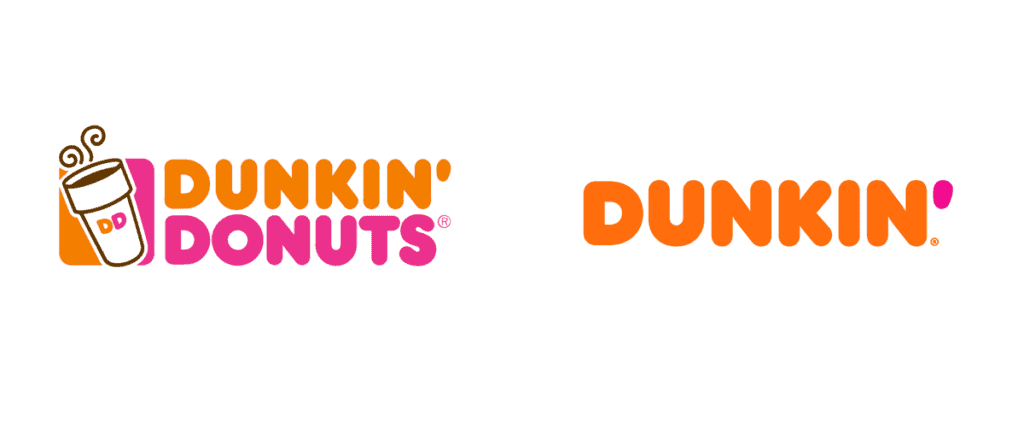
Back in 2018, Dunkin’ Donuts made the bold move to shorten its name to just Dunkin’. This widely ridiculed rebrand proved to be genius.
The change signalled Dunkin’s evolution into a beverage-focused brand, taking on Starbucks and debunking the antiquated notion that they only sold doughnuts. A styling new logo, pink and orange colour scheme, and “Dunkin’ Run” tagline embraced a younger, trendier identity to court millennials craving high-quality coffee.
The rebrand successfully repositioned Dunkin’ as a modern, hip coffee leader serving on-the-go urban professionals. It’s not just a place for sugary pastry indulgences.
Uber
After numerous PR crises and scandals tarnished Uber’s brand as an unethical industry disruptor, the rideshare giant recognised its need to rehabilitate its public image.
Enter the 2018 brand renaissance. A new simplified logo, revised colour palette, custom font, photography styles, and comprehensive brand system gave Uber a complete overhaul. But the real genius was their brand repositioning.
While Uber emerged as an aggressive Silicon Valley success story, its rebranding embraced a new people-focused identity celebrating “the magic of human experience and connections.” New taglines like “Moving people” and “Moving cities” reinforced its core mission.
This made Uber feel less like a cold, heartless tech company – and more like a brand passionate about positively uniting communities. It was a brilliant realignment after waves of negative press.
Old Spice
In 2008, Old Spice launched “Smell Like a Man, Man” to revive its brand and completely defy stereotypes around old-fashioned masculinity. The award-winning campaign was pure marketing brilliance.
Using hilarious viral videos starring an over-the-top macho actor, Old Spice suddenly became the hip, edgy men’s brand for irreverent bros everywhere. More than just a “grandpa” deodorant, Old Spice cultivated a bold personality and voice embodying confident, wacky masculinity.
The brand’s identity and packaging also evolved to match – embracing a sleek look, sharper new logo, and manlier-than-man visuals like horses, airboats, and power stances.
Old Spice’s self-aware, meme-worthy sense of humour made it massively popular and forever erased its formerly stale, outdated reputation. This is the perfect example of how creative rebranding can defy expectations.
Apple
In 1997, Apple was a struggling underdog on the verge of bankruptcy. Then Steve Jobs returned as interim CEO and led one of the greatest brand renaissances ever.
Jobs overhauled Apple’s brand vision to embody “The Crazy Ones” counterculture philosophy. New minimalist design principles, a clothing-inspired product vocabulary, and the legendary “Think Different” campaign redefined Apple as the innovative rebel for creatives and free thinkers.
Over two decades later, Apple has religiously stuck to this authentic brand positioning. From their product launches to store experiences, advertising, bright colour schemes, stark packaging, and iconic half-bitten apple logo – everything about the brand oozes elegant simplicity and forward-thinking innovation.
Apple’s legendary brand consistency and core DNA of inspiring human potential elevated it from an underdog to the most valuable brand.
Tips for Successful Rebranding Strategies
Rebranding holds huge upsides when executed properly. But how can you ensure your brand overhaul avoids pitfalls and truly connects? Here are some top tips:
1. Stay True to Your Brand’s Core
While a rebrand signals change, you can’t abandon what makes your brand essence unique. Look at Dunkin’ – the rebrand modernised its identity, but its fundamental brand DNA of providing quick, friendly service remained intact.
Ensure your rebranded positioning authenticates your brand story rather than awkwardly pivoting to something disjointed from your roots.
2. Get Buy-In Early and Socialise the Changes
Don’t rebrand in a silo – constantly gather feedback and buy-in along the way so you don’t blindside people. Run concepts by critical stakeholders like employees, partners, loyal customers, etc.
Their input is invaluable to vet ideas and get them psychologically invested in the new branding before launch. That way, when you roll things out, it won’t feel like an unwanted surprise.
3. Adopt a Phased Rollout Strategy
Few brands can straight-flip the switch with a disruptive big-bang rebrand overnight. Subtly phase in new branding elements over time for a smoother transition process.
For example, start by updating digital assets like websites and ads before tackling physical branding updates. Stagger new packaging launches while still phasing out old inventory—segment regional rollouts. Allow ample time for customers to adjust.
4. Remain Consistent and Reinforce the New Identity
Once your rebrand goes live, the real work begins – you must consistently live up to that new branding or else it’ll ring hollow.
Follow brand identity guidelines to the letter in all your communications and customer touchpoints. Infuse the brand voice and positioning into how you interact with audiences. Never contradict the brand experience through mixed signals.
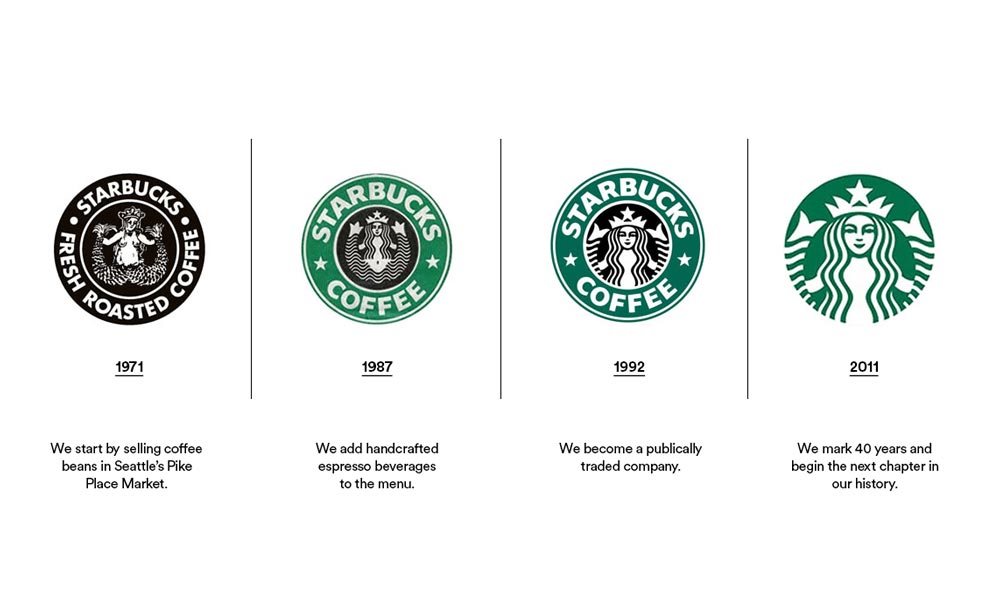
Consistency builds authenticity, trust, and lasting brand recognition. Starbucks does this masterfully – no matter which store you visit worldwide, the brand experience is always on-point.
5. Build Awareness Through Campaigns and PR
Customers won’t instantly understand or connect with your new branding out of the gates. You’ll need innovative marketing and PR campaigns to spark desire.
Launch brand-focused advertising like TV spots, influencer campaigns, and social media takeovers to introduce the new look and story. Get press coverage through branded events and media outreach. Leverage loyalty programs to reach your best customers and build hype directly.
Spread the word, explain the updated positioning, and relentlessly promote so customers stick around through the change.
6. Measure Impact and Listen to Feedback
No rebrand is perfect on day one. Constantly monitor brand health metrics pre- and post-launch to gauge impact. Things like:
- Website traffic, conversion rates, and engagement
- Sales trends across channels and product categories
- Social media brand sentiment data and volume
- Customer surveys, polls, and focus group feedback
- Employee pride levels through surveys
If metrics sag or criticism emerges, don’t be afraid to refine and optimise the rebranding strategy based on real-world performance. A brand must ultimately resonate with people – so listen intently and track what’s working.
7. Embrace Change But Prioritize Continuity
Rebranding means progress and evolution, but it’s a delicate balance. You want your new branding to feel modern and resonant. But it’s not so drastic that you disappoint loyalists and sacrifice the brand equity you have earned.
The best rebrands manage to thread that needle perfectly. To draw an analogy, think of a caterpillar metamorphosising into a butterfly. Its essence remains intact, but a gorgeous transformation reflects its new chapter.
Conclusion
In today’s brand landscape, evolution is essential for sustained relevance and success. While daunting, a well-executed rebrand holds massive potential to:
- Reinvigorate your brand image
- Better resonate with modern audiences
- Build stronger emotional connections
- Differentiate in crowded markets
- Signal meaningful change and growth
Of course, rebooting your branding is far from simple. It takes meticulous planning, creativity, thoughtful execution, and consistency. No rebranding effort is perfect – you must listen, adapt, and continuously refine to make that new identity stick.
But brands that get rebranding right while staying true to their essence? That’s when an iconic transformation takes shape to inspire staff pride, customer loyalty, and long-lasting brand love. Whether Apple or Old Spice, flawless rebranding case studies prove that reinvention can pay off massively.
If your brand feels stale or disconnected from its audience, don’t shy away from potentially rebranding. Treat that rebirth with the strategic nurturing it deserves – because it can work marketing magic correctly.
FAQs
How much does rebranding typically cost?
Rebranding costs can vary dramatically based on the size and scale of the company, ranging from $10,000 for small businesses to over $1 million for major global brands. Key cost factors include research, creative development, brand asset rollout, physical asset updates, marketing/PR campaigns, and staffing needs.
How long does a rebrand take?
Most rebranding initiatives take 6-18 months from start to full rollout when well-planned. However, the runway can extend to 2+ years for large, complex organisations like major corporations or universities. The discovery, strategy, creative development, and asset transition phases all add up.
Should I change my company name when rebranding?
Not necessarily. While many rebrands adopt new nomenclature, renaming isn’t mandatory unless it ties into more significant strategic reasons like global expansion, new ownership, updated vision/offerings, or distancing from reputation damage. Rebrands focused on visual identity updates versus positioning shifts may keep the company name intact.
What makes a rebrand successful?
Successful rebrands are guided by clear strategic objectives, staying authentic to the brand’s core DNA, introducing a compelling new brand narrative, backing up the vision through a unified identity system, adopting a phased rollout cadence, and continuously monitoring and optimising based on audience feedback.
We’re a small business – is rebranding feasible?
Absolutely! Rebranding isn’t exclusive to significant companies. Many small businesses and startups proactively rebrand early on as they evolve their products/services and build initial brand equity. With the right strategy and lean spending, a rebrand can cost-effectively reposition a small brand for more considerable growth.