8 Best Market Research Methods to Know Your Buyer Better
To honestly know your buyer, there is one thing you should not do: make assumptions.
You need a plan.
In this guide, I will show you the top 8 market research methods to get as close as possible to understanding what customers want and why.
Use these techniques to understand what drives people, so you can create powerful marketing strategies that address their hidden needs.
Qualitative and quantitative insights are two sides of the same coin; both are needed if we want our offer to be perfect for them and keep them coming back over time.
Want to know your audience’s secrets? Then read on!
Meanwhile, down below are some essential points:
- Variety is meaningful: use different ways like surveys, interviews with individuals or groups (even observation) to see everything around your core targeted market segment from all angles;
- Deep conversations: Numbers alone don’t reveal much about personal thoughts or feelings, but face-to-face talks can dig out such information.
- Listen carefully: follow social media posts not only from your own company but also competitors’, so that you can monitor current sentiments within the industry while tracking new consumer trends as they develop;
- Learn from others: Take a good look at what other players in this game do right now – who knows, maybe there are still a few areas that nobody has ever touched upon.
- Rank touchpoints by importance; identify pain points early on; enhance customer experience
- Diverse Methods Matter: Employ a mix of surveys, interviews, and observation to fully understand your target market.
- Engage in Conversations: Deep discussions can uncover personal thoughts, influencing better marketing strategies.
- Monitor Social Media: Track competitor and industry sentiments to identify trends and consumer preferences.
- Learn from Competitors: Assess what others do well to explore unexplored market opportunities.
- Identify Pain Points: Prioritise customer touchpoints to enhance overall experience and satisfaction.
Understanding Market Research

The importance of the market study must be considered by any business that wants to connect with its customers.
To do this, it is necessary to gather and analyse data about the people you are aiming at to understand what they need, prefer and how they behave.
Using diverse research methods enables me to match my goods or services with exact requirements, making customers feel more attached.
Definition of Market Research
Market research is not as simple as one may think because various approaches are involved in obtaining knowledge about clients’ needs, preferences and behaviours.
Such information helps decide what improvements can be made to my offers and marketing strategies.
Why is Market Research Important?
A successful market study plan can either make or break your business. Knowing who your audience is allows me to develop products that resonate with them, increasing their satisfaction and loyalty towards the brand.
Besides telling you what the consumers want, market research also provides information about your rivals.
Knowing what other businesses offer and how they engage their clientele, you will position yourself better to fill any gaps left by them while providing additional value for money.
These data-driven findings enable you to refine your promotional tactics, leading to increased sales and fostering enterprise growth and stronger customer relations.
Common Goals for Conducting Market Studies
Many objectives guide my efforts when conducting market analysis.
Some examples include finding out levels of customer satisfaction and understanding trends within different markets, all aimed at helping me refine strategies I use while positioning my brand.
Some popular goals usually involve learning about consumer preferences, gauging how people perceive brands or investigating new areas where business can thrive.
Each goal mentioned here directs attention to the parts that will have the greatest impact if addressed adequately.
By ensuring alignment between offered products/services and desires expressed by target markets, such connections become more meaningful and lead to continuous achievements.
Through practical research, I can make decisions that are likely to resonate well with clients and the organisation by creating value.
Types of Market Research Methods

There are different types of market research methods which some marketers may not consider important. Each method has its uses and can help you better understand your audience. Below is a quick summary:
| Qualitative Research | Focuses on understanding customer motivations, thoughts, and feelings through techniques like interviews and focus groups. |
| Quantitative Research | It involves collecting numerical data through surveys and questionnaires to gauge customer preferences on a larger scale. |
| Primary Research | You are collecting new data directly from your audience to answer specific questions. |
| Secondary Research | Utilising existing data, such as reports and studies, to inform your strategies. |
| Hybrid Research | A combination of both primary and secondary research methods to gain comprehensive insights. |
Incorporating diverse market research approaches is imperative for developing effective strategies. This can ultimately guide your brand’s direction and growth.
Primary Research
Primary research refers to any data collected from the target audience. This can be done through interviews, surveys or focus groups. It helps get new ideas straight from the customers’ experiences and preferences. In other words, ask specific questions that matter most to your brand.
Secondary Research
When you conduct secondary research, you mainly rely on existing information to guide your decisions. For example, this could involve reviewing published market reports and case studies.
This will enable you to identify trends and understand the competitive landscape without carrying out new investigations.
However, surveys should not be overlooked during this process, as they can provide customer reviews and social media insights, adding more context to your findings.
One has the opportunity to identify patterns in consumer behaviour and attitudes, so that strategies are based on concrete evidence rather than guesswork.
Hybrid Research
This study combines primary and secondary research, providing a comprehensive market view.
Collecting fresh data while analysing what has already been gathered from other sources will help better understand the preferences and behaviours of different audiences.
At this point, academic research comes into play, showing that combining qualitative and quantitative methods can yield richer findings, opening new possibilities for targeting marketing efforts more accurately and increasing customer engagement and business success.
Top 8 Market Research Methods

Having explored the many ways to know your target audience, here are eight market research methods that best sharpen your insights and improve your marketing.
1 – Surveys and Questionnaires
Surveys and questionnaires are standard in market research because they provide a cost-effective way to collect quantitative data from large samples.
You can use them to discover customer preferences, behaviour, or demographics by distributing them online, by email, or in person.
2 – Interviews
Unlike surveys, which focus on collecting information from many people simultaneously, interviews allow you to go deep into each customer’s unique experiences with your product or service.
This personal touch helps you uncover nuances that survey questions alone may miss.
To make interviews more effective, ask open-ended questions and encourage customers to elaborate on their thoughts. The conversation will likely get more personal, allowing you to probe further into their motivations and feelings.
This can help you better understand how to tailor your offer to them.
3 – Focus Groups
Focus groups are great when you want insight into what people think collectively, rather than individually – let’s say I am considering introducing new features to my app. Still, I’m unsure which ones will be most popular among users.
A trained moderator guides the conversation among a few participants who share a common characteristic (e.g., age group). Members can build on one another’s ideas, thereby illuminating aspects of group opinion that might not come out in individual interviews like this one!
By listening closely while people talk about different things related to my product or service idea together, like “What would make this more useful?” or “How could we improve our relationship with X group?”, I might pick up on shared themes, potential objections or even just new angles that had never occurred to me before.
4 – Observation (Ethnography)
This method is about gaining insights that might otherwise go unnoticed – particularly when understanding how people use products or services in their natural settings.
For example, questionnaires can’t tell you why someone struggled with my app feature or what made them happy while using another part. Still, I could see those things for myself if only I watched users interact with these elements more closely.
5 – Competitor Analysis
Groups that study competitors provide benchmarks for both market gaps and differentiation opportunities. Understanding their strengths and weaknesses helps you better utilise your brand.
Research in this area can also reveal the successful marketing strategies rivals use and who they target.
When I know what resonates with a competitor’s audience, I position my product in such a way that it fills the gap left by theirs while still appealing more to potential customers like me, because, honestly speaking, why would anyone want anything else?
So yes, this is worth considering if you ask me personally, which nobody did, but anyway, let’s move on, shall we?
6 – Social Media Listening
Do you know what people say about your business online and how they feel towards it right now? If not, then research in social media listening will help us keep that conversation going!
By tracking mentions of your brand name alongside related topics across platforms like X or Instagram, you can gain actionable insights into public perception of your company.
A holistic approach to social media listening allows one to stay on top of things happening within the industry at any given time – trends change overnight, and so should we sometimes, too, don’t you think?
So, being aware of what customers say about our brand across various channels ensures that relevancy is preserved along the way, keeping us continuously ahead of others!
7 – Customer Feedback and Reviews
If you want to improve, analysing customer feedback and reviews is essential. Platforms like Google and Yelp can tell whether customers are happy and what resonates with them.
With such reviews, I can see where I need to concentrate. These tell me what people love about my products and what problems occur most frequently, thus allowing me to build a base of loyal customers more effectively.
8 – A/B Testing
Ethnography does not stop at observation; it also validates knowledge through experimentation. A/B testing compares two versions of a product or marketing material.
The best data comes from customer behaviour during this test. Suppose I record which variation leads to higher conversion rates or user engagement.
In that case, I can make more informed decisions for my business strategy based on the data collected, which will ultimately increase return on investment (ROI).
Using these eight methods in your market research will give you a deeper understanding of your audience, helping you take your marketing strategies further up the ladder.
Market Segmentation Analysis

Despite the uproar in today’s markets, getting to know your target customers requires more than skimming through the data.
Market segmentation analysis allows you to see the finer points of your audience by dividing them into distinct groups based on their demographics, psychographics, and behaviours.
With this method, you can design marketing campaigns that directly address each segment, making them more focused and successful.
You may also boost engagement rates by focusing on qualities that matter, ensuring that what matters most to your enterprise resonates deeply with those whose opinions it should influence.
Mapping The Customer Journey
Customer journey mapping is a powerful technique for visualising how customers move through stages from first-time awareness to repeat purchases or becoming brand advocates who recommend products/services others should try.
By examining every interaction point along this path, one can easily spot potential pain points (e.g., areas where things tend not to work smoothly) and opportunities (e.g., places where things were done differently, so better results could have been achieved).
This kind of thinking optimises different parts of the buyer’s journey and enhances overall customer satisfaction, providing some understanding of what they care about. All in all, I must say that creating good customer journey maps has dramatically improved my ability to connect with clients.
Tips for Conducting Effective Market Research
Despite the various market research methods available, a strategic approach is needed to conduct it effectively. Here are some suggestions that will help you make the most out of your research:
Specify Your Objectives
Clearly defining your objectives is one of the most critical steps in any successful market research strategy.
You must know what questions you want answered, whether to understand customer preferences, identify market gaps, or gauge brand sentiment.
Setting specific goals ensures that all efforts to conduct investigations remain relevant and focused at every step.
Choose The Appropriate Methodology
With so many techniques to choose from when doing marketing surveys, picking one that aligns with your aim is critical.
Consider factors such as target audience, budgetary provision, and time frame, which may affect the quality or quantity of information needed for decision-making.
Applying the proper methods enhances the data quality collected during the study, thus helping decide between qualitative methods such as interviews & focus groups and quantitative approaches such as surveys & A/B testing.
For instance, if you need extensive user feedback, you can conduct interviews or observe customers through ethnographic studies.
Ensure Communication Is Clear
Clarity is essential if meaningful insights are to be obtained while crafting questions and interpreting answers from such exercises. Vague inquiries can lead to confusing findings, spoiling the entire investigation.
Clear communication builds trust and elicits honest opinions from respondents who might not have otherwise shared them due to a lack of understanding caused by technical terms/jargon they may not fully comprehend.
Use simple language only so participants can easily understand what you require them to respond to based on their experiences or views about specific issues affecting your business entity.
Analyse Information Thoroughly
Market research continues after data collection; it should go beyond this stage to transform these facts into useful knowledge about industry-wide patterns over time, among other things, pointing to areas that need improvement within a given firm.
To get the most out of your findings, ensure proper analysis by employing tools for visual representation and interpreting statistics in context, such as segmenting by demographics or behaviour, which may provide a clearer understanding of the needs and wants of the different categories under focus.
Step-by-Step Guide to Conducting Market Research
Any business can be revolutionised by a well-planned market research process that delivers practical findings rather than relying on random assumptions.
Following these steps will help you better understand your buyer and guide your marketing decisions through an awareness-based approach.
Step-by-Step Overview
| Step 1: Define Your Target Market | Identify your ideal customers based on demographics, psychographics, and behaviours. |
| Step 2: Select Research Methods | Choose the appropriate methods, such as surveys or interviews, to gather data. |
| Step 3: Collect Data | Conduct your chosen research methods to gather customer insights. |
| Step 4: Analyse Findings | Examine your collected data to uncover trends and insights. |
| Step 5: Implement Insights | Apply your findings to refine products, services, and marketing strategies. |
Step 1: Figure Out Your Target Market
Since you now understand the significance of your audience, you must determine who they are.
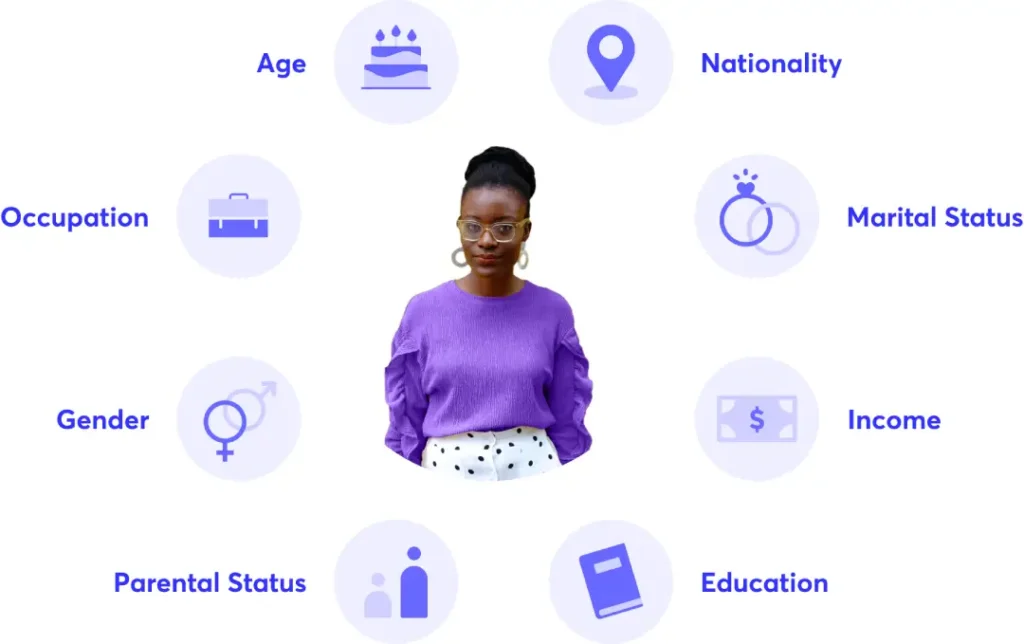
This means creating a detailed description, including their age range, gender identity, approximate income level or educational attainment, and common interests that may help guide your marketing efforts going forward.
Step 2: Choose Research Methods
The next step is to select research methods that will provide the most relevant information for you to analyse later.
These could be quantitative surveys that provide broader trends across different societal groups, or qualitative methods like focus groups, where people can speak freely about their experiences with specific products/services, etc.
If time allows, use both, as this provides statistical figures and an in-depth understanding of what’s happening.
Take a deeper dive into each method by considering how well it aligns with what needs to be known. If wide-ranging insights are sought, choose surveys. Still, there’s no substitute for interviews and focus groups when looking at motivations behind particular behaviours.
The variation between these two approaches ensures robust findings which can be acted upon more effectively during subsequent stages.
Step 3: Gather Data
The audience must be engaged through various research methods selected earlier to collect data effectively.
Whether sending out surveys or conducting interviews, ensure that participants feel safe enough to share their honest opinions and provide accurate information on how they would like to see things done differently going forward.
Standardising data collection procedures is essential to avoid missing any vital details from respondents. Allocate resources wisely across different locations within the target market area, and set timelines for each stage to be completed, for convenience during the analysis process itself – remember, time waits for no one!
Step 4: Interpret Results
Organise the results by reviewing all responses, categorising them into themes based on similarities observed during the analysis phase.
Look for links among various aspects, such as customer journey mapping or preferences, which will likely yield meaningful insights into what matters most for satisfying their needs better.
The interpretation stage is guided by asking appropriate questions designed around answering specific areas investigated earlier – this makes it easy to present findings visually through the use of frameworks or other tools that can help team members understand complex information quickly, concerning each other, while still being comprehensive enough not only for your eyes but theirs too!
Step 5: Apply Discoveries
None of these steps would matter; however, market research will be irrelevant if implementation does not occur where required. Redesign marketing strategies based on discoveries, improve offerings available, and enhance customer care services, among others.
Convert collected figures into real-life actions that resonate with the people they were meant for.
Remain flexible throughout the implementation phases, closely monitoring clients’ reactions to modified approaches using methods such as social media listening, supplemented by follow-up surveys, to ensure adjustments meet desired targets.
Factors to Consider in Market Research
Market research success depends on certain factors which can make or break your results. Knowing what they are enables you to develop better research strategies that give more insight into the target market. Here are some things to think about:
Choosing an Audience
Audience selection is the most essential part of any successful marketing campaign. I must ensure I’m talking with people who represent my ideal customer base – understanding their demographics, interests and behaviours related to what I sell.
Timing & Relevance
If you want your market research to matter, it must be conducted when customers feel a certain way in response to current events!
Look for signs around town showing businesses taking inventory, find posts complaining about product features, and read news articles detailing how long people wait in line at popular destinations – all these things give clues about what should matter most during this understanding phase.
On top of being relevant internally within my organisation, this information also applies externally when viewed through different lenses, such as industry peers or competitors themselves, considering similar actions but maybe not yet aware because they lack access/knowledge/insight into the specific details of shifts happening in the market space.
Budget Constraints
I know better than anyone else how much money I have to spend on activities directly related to accomplishing goals set for any given period (quarterly? yearly?).
However, there’s always room left wide enough, allowing me to wiggle if necessary without compromising the integrity of the financial planning process. But still don’t forget: “You get what you paid for”.
We always hear the following: Do more with less. Well, this couldn’t be truer when conducting market research. Maintaining relevance at the forefront while staying within budget is essential.
Sometimes, we’re so focused on “getting” data points (because someone said we needed them) that they end up not telling us anything helpful at best or leading our efforts astray.
Technology Utilisation
Technology has made it easier for businesses to conduct market research. So many new tools and platforms come out yearly, but are they worth trying? How do you know which one will work best for your company?
Technology is changing how we do everything in our lives, including how we gather information about what people want from us as businesses.
For example, when collecting large-scale online data, some teams rely on advanced scraping tools that can bypass Cloudflare protections responsibly to access publicly available insights.
Analysing Market Research Data

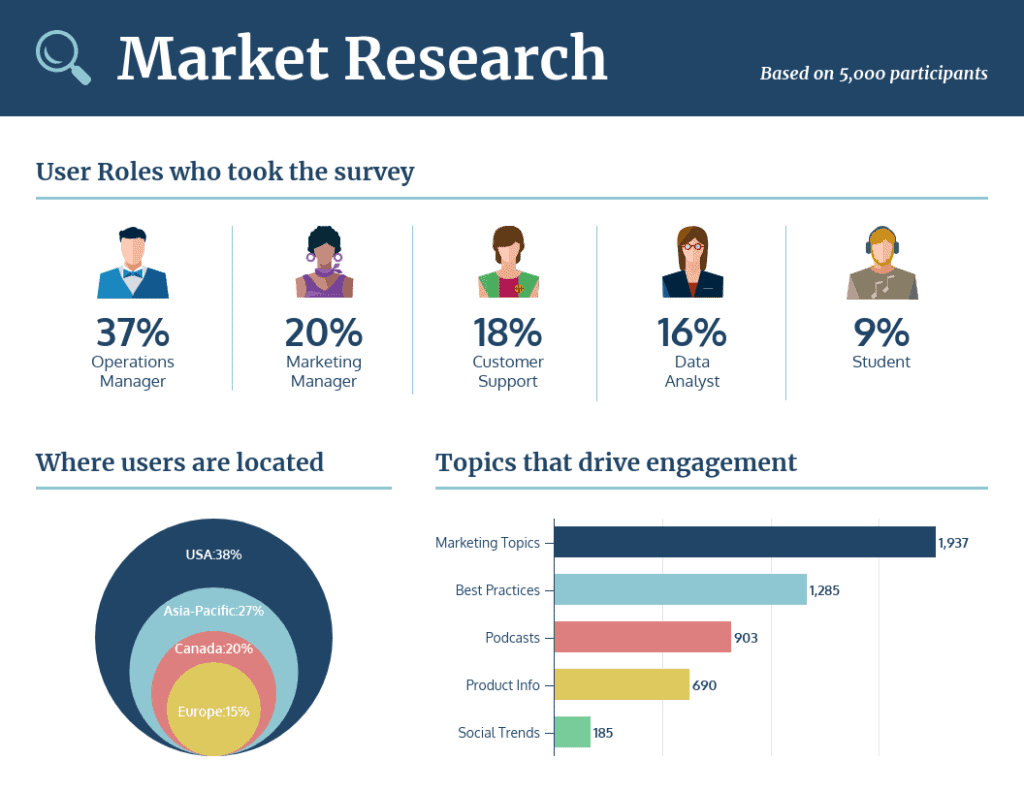
Market research analysis is still vital. After gathering insights from different ways, such as surveys, interviews and social media listening, the next move is to break down and interpret these data sets, enabling you to see through your audience’s eyes and refine strategies for success, among other things necessary for growth.
Quantitative Analysis
This type focuses on numbers collected via questionnaires, surveys, etc., so statistical tools are used here too to identify trends, patterns, and relationships within them, making it easier for us marketers to determine what customers prefer and where they come from in terms of age group, gender, etc.
Qualitative Analysis
With this one, I get into people’s shoes by looking at their experiences and motivations behind certain acts. It could involve reviewing recordings of interviews with individuals who may have been asked questions related to a particular topic under study.
Also included are focus group responses based on observed behaviour when directly exposed to stimuli, such as new products or service offerings.
We should not miss any fine-grained details concerning consumer attitudes.
This is because qualitative analysis reveals buyers’ causes of action, enabling the identification of pain points that can be improved and are likely to lead to better results, such as increased customer satisfaction rates, provided they are addressed promptly.
For example, while stats might show a decrease in client satisfaction levels, I can quickly identify exactly what needs fixing, improving the overall experience with our brands even more through my qualitative work.
Pros and Cons of Different Market Research Methods
One must know that there are both good and bad aspects of market research. All approaches have benefits, difficulties, and limitations that should be considered when choosing the best method for your organisation.
| Method | Pros and Cons |
| Surveys | Cost-effective but may lack depth |
| Interviews | In-depth insights, but time-consuming |
| Focus Groups | Dynamics of group opinions, but potential for dominance |
| Observation | Real-world usability, but can be intrusive |
| Competitor Analysis | Strategic gaps can be biased |
| Social Media Listening | Real-time insights but may miss context |
| Customer Feedback | Specific improvements, but can be overwhelmingly negative |
| A/B Testing | Data-driven decisions are sometimes limited by sample size |
| Market Segmentation | Targeted marketing can complicate messaging |
| Customer Journey Mapping | Identifies pain points, but can become convoluted |
Surveys: Pros and Cons
Though widely used for gathering quantitative data, surveys have drawbacks. While being fast enough to reach many people, they might provide only shallow knowledge and bypass the feelings that underlie consumer behaviour.
| Pros | Cons |
| Wide reach | Lacks depth of understanding |
| Cost-effective | Can lead to survey fatigue |
| Easy to analyse | Not all customers respond |
| Quick results | Limited to predefined questions |
| Versatile formats | May encourage dishonest responses |
Interviews: Pros and Cons
Interviews are excellent for gaining deep insights into customer perspectives. They allow for open-ended dialogue, but scheduling and conducting interviews can be time-intensive.
| Pros | Cons |
| Deep insights | Time-consuming |
| Personal connection | Potential bias in responses |
| Flexibility in questions | Requires skilled interviewers |
| Uncovers motivations | Not scalable |
| Qualitative data | Can be expensive |
Being aware of the positive and negative aspects of interviews can help you to decide what actions to take. Interviews are great for discovering why customers do things, but they take up a lot of time and require someone who knows what they’re doing.
However, you cannot put a price on the rich qualitative insights into individuals’ thoughts about your market that you get from talking with people one-on-one.
Focus Groups: Pros and Cons
Methods like focus groups facilitate a discussion among a small group, giving you a sense of group dynamics. However, they can risk a dominant personality tainting the results.
| Pros | Cons |
| Group opinions | Potential for domination |
| Interactive discussion | Groupthink can skew results |
| Multiple perspectives | Limited participant diversity |
| Uncovers emotional responses | Scheduling and logistics can be challenging |
| Opportunity for probing questions | Group dynamics can influence feedback |
The upside of focus groups is that they encourage interaction among members, which can reveal valuable information. However, they may be problematic to arrange, especially in guaranteeing the inclusivity of all individuals. As the person in charge, your input is vital at this point.
Observation: Pros and Cons
Pros of observation include real-world insights into how customers use your products, but observation can sometimes feel intrusive.
| Pros | Cons |
| Natural behaviour | It can feel invasive to customers |
| Real-time data | Limited control over the environment |
| Unbiased results | Time-consuming analysis |
| Detailed context | The Observer effect can alter behaviour |
| Useful for product testing | Not suitable for all types of research |
By watching, we can learn a lot about what people do. But I want to warn you about the ethical considerations of observing customers in their natural setting. This approach needs to be handled delicately to avoid affecting the behaviours you are interested in studying.
Social Media Listening: Pros and Cons
With social media listening, you can harness the power of real-time feedback, but the insights can be misleading without context.
| Pros | Cons |
| Real-time feedback | May lack context |
| Emerging trends | Noise from unrelated content |
| Brand sentiment analysis | Requires ongoing monitoring |
| Cost-effective | Potential for misleading data |
| Wide reach | Privacy concerns |
Social media listening has its downsides, too. One thing it lacks is the ability to capture the full context of customer opinions.
It recognises that, while it shows what customers are feeling at a particular time, there is a need for additional sources of information to support these findings.
Knowing what can work both positively and negatively in the fast-moving environment enables you to change tack appropriately.
A/B Testing: Pros and Cons
A/B testing is an incredibly effective method for making data-driven decisions. However, there are times when it can fall short due to the sample size.
| Pros | Cons |
| Actionable data | Requires significant traffic |
| Clear performance metrics | Limited to one variable |
| Cost-effective | Time-consuming setup |
| Helps in decision-making | Risk of over-testing |
| Identifies winning strategies | Potential for inconclusive results |
A/B testing offers one of the best methodologies for refining your approach to strategy, but understanding when to pull the trigger on changes is equally crucial for success.
Common Mistakes in Market Research

Numerous businesses make common mistakes in market research, which undermines their efforts to understand their buyers. Avoiding these pitfalls will enable you to use research to connect with your audience and hone your strategies.
Undefined Objectives
Please set clear objectives to maintain the entire process of your study. When there are no specific goals, you will likely collect irrelevant data that does not guide business decisions or improve customer understanding.
Disregarding Bias
Biases quickly cloud market insights, altering information and leading to wrong conclusions. These misconceptions may result in misguided tactics and missed opportunities for growth, whether due to personal biases among researchers or response bias among survey takers.
This approach might need to include critical insights or trends that redefine your marketing strategy. For example, if some questions in the survey are leading or framed incorrectly, the answers might not accurately represent the genuine opinions of your target audience.
Therefore, always try to reduce bias during research as much as possible because even slight biases can significantly affect outcomes.
Small Sample Size
Thinking that meaningful learning can be drawn from a small sample size is a grave mistake. Insufficient data can lead to unreliable findings, resulting in marketing decisions that don’t resonate with the audience.
For instance, if you survey only a few respondents, such an approach will likely fail to capture the diversity and intricacies of the broader market.
Larger sample sizes help ensure the representativeness and statistical significance of results, thus improving decision validity. This not only enables one to develop more focused campaigns but also increases stakeholder trust in your ability.
No Follow-Up
Not following up after gathering insights dramatically diminishes the effectiveness of market research. When you have learnt something, it becomes vital to seek further clarification or investigate interesting findings by reconnecting with participants.
By neglecting this step, valuable perspectives that could enhance understanding and sharpen strategies may be lost.
Post-research engagement deepens insights from an active audience, while also building confidence and opening up channels for continued conversation.
Remember, research is more than just collecting data; it’s about keeping in touch with clients to foster continuous improvement.
Integrating Market Research Insights into Business Strategy
Remember that a business must integrate market research insight into its strategy to remain relevant and competitive. The main point is to connect the analysis with your overall company goals.
Once you have defined your objectives, your investigations should generate implementable plans to drive your venture forward.
Synchronising Research Findings with Business Goals
Research should be conducted with an end in mind. This means that whatever information is found can be used directly in product design, advertising or even customer service.
When what you seek aligns with where you are headed as an organisation, the chances of stumbling upon valuable revelations that lead to tangible outcomes increase.
Sharing Results among Departments
They need to share their research findings to make them actionable across different teams. Joint working benefits from the exchange of data obtained through studies, thus allowing units within a firm to operate smoothly based on a similar understanding of their clientele.
If kept separate, insights obtained from market surveys are useless. Create user-friendly records that highlight highlights and steps to be taken urgently. It may also involve holding meetings or conferences to discuss such matters.
This will help people know things and create an environment where all members can learn from each other and strive for continuous growth within their team.
Responding To Market Changes
Considering the market stationary is a fatal mistake. Rapid fluctuations in consumer preferences, alongside external factors, always call for continuous commitment to conducting market research.
Given this, one should note these shifts so they can adjust their approach before competitors do.
You should regularly communicate insights from your investigations and keep them up to date as events unfold, lest they become stale. Someone once said that when discussing real-time feedback, let’s not forget customer opinions.
In addition, awareness of this kind of thing puts companies in a better position to address threats and capitalise on opportunities. This is because such businesses can adapt to every situation, which would otherwise be difficult for others who dwell much on one thing.
Emerging Trends in Market Research

More than ever in history, keeping up with market research is about understanding the trends currently shaping the industry. As technology advances, so do our means of getting to know our buyers. This way, I can adjust my strategies to these changes and therefore resonate with them.
Technology and Automation
Today, data collection and analysis for market research are more accessible thanks to technology and automation. Automated tools can gather and analyse information quickly so that you only need to interpret what comes out without worrying much about how the data was collected or handled.
Artificial Intelligence in Analysis
The truth is that artificial intelligence (AI) is transforming how we analyse market research data. AI can recognise patterns more quickly than traditional methods because it uses complex algorithms, helping me understand consumer behaviours better, even when they are convoluted.
Besides enhancing accuracy, AI also gives predictive insights into customer preferences by analysing vast volumes of data. This helps me discover new consumer needs and expectations, allowing AI to reveal hidden truths about them so my marketing strategies can align accordingly.
In light of that knowledge, all my decisions have become more empirical, leading towards a stronger connection between my clients and me.
Ethical Considerations in Data Collection
Privacy concerns have grown among consumers; therefore, there is a greater focus on ethical considerations regarding gathering information ethically from them.
I should balance finding valuable insights and respecting personal space limits set by individuals, as I serve as their representatives at different organisational levels.
It is essential to appreciate what collecting data may mean for trust-building; being open about one’s intentions during such exercises becomes vital as well. Failure to reveal everything might lead to losing faith in people who share their details about sensitive or private matters.
Therefore, it would be advisable to obtain informed consent when conducting any inquiry involving personal information among those under study, in accordance with my profession, discipline, and reputation.
Safeguarding trust requires understanding the implications behind collecting different data types. I should be transparent, get explicit agreements within legal bounds, and create a good rapport with my clients.
Additionally, anticipating these ethics-related challenges will build positive perceptions of my brand among them as they willingly participate in various stages of research activities under this organisation’s umbrella.
Tools and Software for Market Research
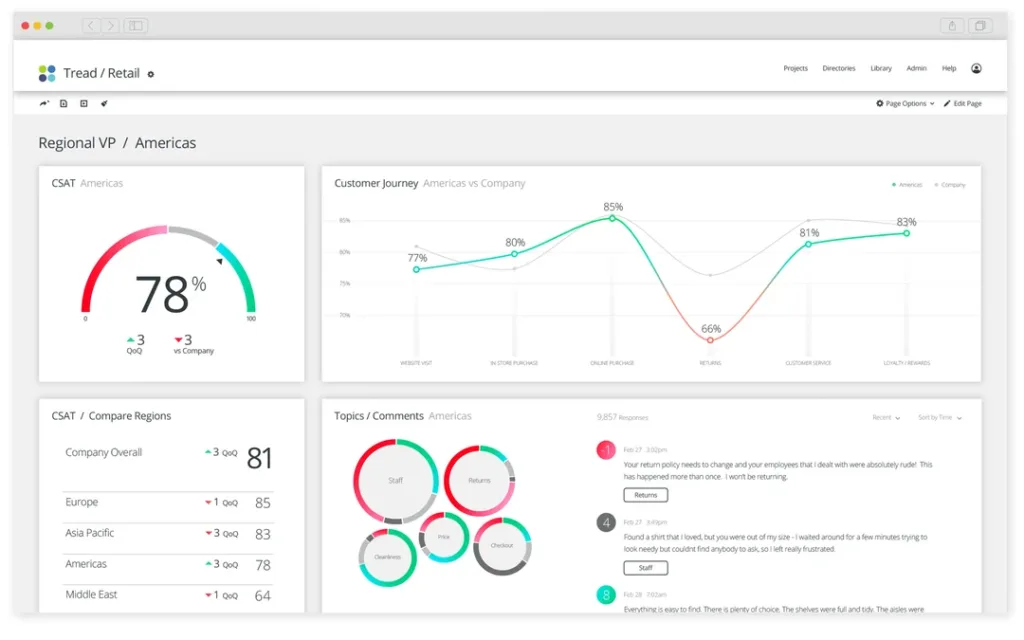
You need to use appropriate tools and software to perform market research effectively.
These resources make data collection and analysis more accessible, enabling you to gain deep insights into your audience. Implementing mobile proxies can significantly enhance the quality of your data collection process.
Let us look at some essential categories of tools that can take your market research to the next level.
Survey Design Tools
Many people need to learn that the quality of the data collected can be influenced by survey design. SurveyMonkey or Google Forms, for example, are among the tools that help create visually appealing surveys, which are more likely to gather insightful information from your respondents.
With such systems in place, distributing surveys becomes seamless, and response rates are collected.
Data Analysis Software
Data analysis software is essential because it helps convert raw numbers into something useful: actionable intelligence. For instance, Microsoft Corporation’s Excel package is one such robust package.
At the same time, SPSS (Statistical Package for the Social Sciences) is another option, given its specialisation in analysing trends and patterns in collected data, so that decisions better resonate with what your audiences want.
Any market research project needs a holistic approach towards data analysis. This means any meaningful insights about marketing strategy should be drawn through organising findings into reports supported by visuals showing significant trends discovered.
I recommend using analytics tools that enable agile responsiveness to changes in consumer behaviour. However, remember that informative data can only be robust if correctly interpreted.
CRM Systems for Customer Feedback
Customer feedback is priceless; therefore, using a customer relationship management system to collect and analyse it will significantly enhance efficiency.
Besides managing customer relationships, Salesforce also offers features specifically designed to gather customer satisfaction feedback, making it accessible even during integration with other platforms like HubSpot, where seamless ways exist to obtain such insights.
Future of Market Research
After identifying the best market research methods, we need to look ahead and consider what’s new. There’s an opportunity for significant change as consumer dynamics change, and technology continues to evolve.
What’s Coming?
But first, here is an exciting wave of technology that could revolutionise how we do market research. With real-time analysis of customer behaviour becoming possible thanks to advances in artificial intelligence and machine learning, we will gain insights that were previously out of reach.
Big Data Effect
On the flip side, big data’s rapid growth comes with its challenges and advantages. We need to navigate all the information at our fingertips as companies and turn it into valuable strategies based on actionable insights.
Accordingly, future trends indicate that big data enhances segmentation and enables more personalised marketing efforts.
By employing predictive analytics, I can anticipate what my customers are likely to do next or prefer, staying relevant at all times. This keen attention to detail in numbers results in greater efficiency, as one can send messages that resonate with recipients in the correct category, thus saving time.
Predictions About Market Research Practices
Every market researcher should watch for upcoming changes that will redefine how they approach their work. Market research could become more enjoyable by integrating virtual reality experiences with automated tools that present data in easily understandable forms.
Through these advances, I expect a shift towards having deeper engagements during customer research. Real-time feedback should enable quick iterations across product design and marketing strategy development.
Furthermore, platforms for increased collaboration among industry stakeholders may lead researchers to partner with businesses, thereby developing innovative solutions backed by data and capturing consumer voices.
Conclusion
Based on these factors, here are the eight best market research methods to better understand your buyer. Using qualitative and quantitative techniques, you will identify the necessary ideas for customising your products and appealing to your clients.
Every approach adds something different to this understanding; they allow you to tweak approaches and form emotional bonds with purchasers that matter.
Remember that appreciating those who buy from us involves more than gathering information – it’s about using those insights effectively, too!
FAQ
What is the most effective market research method for small businesses?
Although no universal answer exists, surveys and customer feedback are usually the easiest to obtain and the least expensive for small businesses. These methods allow you to collect quantitative data without investing significant resources. Begin with well-crafted surveys to understand what your customers want or prefer. Then, qualitative methods such as interviews will be used to gain deeper insights.
How do I choose the proper market research method for my business?
The best method will depend on your goals, budget, and timeline. If you need quick information, consider using surveys or social media listening. For more comprehensive knowledge, interviews or focus groups may be better options. Consider what outcomes you want from your study and whether it requires quantitative or qualitative data before deciding on an approach.
Can I use multiple market research methods simultaneously?
Yes! Using several market research techniques can give you a more comprehensive understanding of your target audience. For example, combining survey responses with interview quotes helps paint a clearer picture and enables better decision-making.
How often should I conduct market research?
Think of market research as an ongoing process rather than a one-time event. Customer desires shift over time; new companies compete with each other in response to changes within their industries–so always keep up-to-date by revisiting all prior findings (at least annually). Ensure that any revised strategy remains applicable throughout subsequent periods by adapting approaches based on alterations occurring locally (within particular markets) and globally, in line with organisational objectives.
What is the role of social media listening in market research?
Social media listening provides real-time consumer sentiment tracking alongside industry trend monitoring, making it an invaluable resource during this phase of marketing investigations. In such cases, any given firm should endeavour to establish what people think of its brand for competing products through online platforms and track emerging patterns to align promotions with more effective strategies. Enterprises will be much better off proactively engaging with their customers on such platforms to foster innovation.
How do I analyse the data collected from market research?
The type of data analysis you conduct depends largely on your research method. For example, using quantitative methods such as surveys or experiments, statistical tools can help interpret results and identify significant trends. On the other hand, qualitative approaches involve identifying common themes in responses and coding interviews or open-ended questions into specific categories before presenting the results visually, using graphs, etc., so team members can quickly understand the main points.
What is market segmentation, and why is it important?
Market segmentation divides your target audience into groups based on shared characteristics such as age, gender, or interests. This allows businesses to tailor their marketing strategies more effectively by understanding what works best for each segment – leading to higher engagement and overall customer satisfaction across different categories.