How Brand Identity and Lead Generation Drive Sales
Every business has two fundamental challenges. First, getting noticed. Second, converting that attention into paying customers.
Simple, right? Hardly.
These challenges have never been more complex or critical in today’s marketplace. Your brand identity determines whether potential customers even see you in the noise. Your lead generation strategy determines whether they take action once they do.
I’ve spent years working with businesses that struggle with disconnected approaches to these two essential components. They build beautiful brands that generate zero leads. Or they implement aggressive lead-generation tactics that undermine their brand positioning.
The result? Wasted resources and missed opportunities.
- Aligning brand identity and lead generation enhances visibility and conversion in today's competitive market.
- Consistent messaging across the customer journey builds trust and recognition, driving sales effectively.
- Integrating brand identity with lead generation provides a sustainable growth engine for businesses.
The Brand-Lead Connection: Your Hidden Revenue Accelerator
Most businesses treat brand identity and lead generation as separate disciplines. This is a massive mistake.
When properly aligned, your brand identity becomes your most powerful lead-generation tool. And your lead generation processes reinforce your brand at every touchpoint.
Think about it. Without a compelling brand identity, your lead-generation efforts become generic and forgettable. Without effective lead generation, your brilliant brand never reaches its intended audience.
The businesses seeing explosive growth in 2025 understand this connection. They’ve mastered “brand-led conversion” – where every marketing asset simultaneously builds brand equity AND drives qualified leads.
What Exactly IS Brand Identity?

Before diving deeper, let’s establish what brand identity encompasses.
Your brand identity is the complete sensory package that communicates who you are to the world. It’s both visual and verbal, tactical and strategic.
Brand identity includes:
- Visual elements: Logo, colour palette, typography, imagery style, and design system
- Verbal elements: Brand voice, messaging hierarchy, value proposition, and storytelling approach
- Strategic elements: Positioning, audience targeting, competitive differentiation, and market perception
A comprehensive brand identity creates immediate recognition, communicates your values, and establishes expectations about the experience of working with you.
As Inkbot Design’s brand strategy guide explains, successful brands don’t happen by accident—they require the intentional development of each component.
The Components of Effective Brand Identity
Let’s break down the essential elements of brand identity that drive business results:
Brand Positioning
Your brand positioning defines where you sit in the market relative to competitors. It answers fundamental questions:
- Who is your ideal customer?
- What specific problems do you solve?
- How are you different from alternatives?
- Why should someone choose you?
Effective positioning creates clarity. It helps potential customers instantly understand if you’re relevant to their needs.
Visual Identity System
Your visual identity system includes all the graphical elements that represent your brand:
- Logo and logo variations
- Colour palette (primary and secondary)
- Typography hierarchy
- Image and illustration style
- Iconography
- Layout principles and grid systems
These visual components must work together as a cohesive system. Consistency across touchpoints builds recognition and trust.
Brand Voice and Messaging
Your brand voice is how you speak to your audience. It includes:
- Tone characteristics (authoritative, friendly, technical?)
- Vocabulary preferences
- Sentence structure and rhythm
- Content themes and storytelling approaches
A compelling brand voice grows from your company values and resonates with your target audience’s communication preferences.
Brand Guidelines
Brand guidelines document how to implement your brand identity across all channels and applications consistently. They typically include:
- Logo usage rules and restrictions
- Colour specifications (CMYK, RGB, HEX values)
- Typography implementation and hierarchy
- Photography and illustration guidelines
- Voice and messaging examples
Comprehensive guidelines ensure consistency as your company grows and more people create content under your brand.
Lead Generation: The Science of Customer Acquisition

Now that we’ve established what brand identity encompasses let’s examine lead generation.
Lead generation is the systematic process of attracting potential customers and converting their initial interest into measurable engagement. It’s the bridge between awareness and sales.
Effective lead generation requires:
- Understanding exactly who your ideal customers are
- Creating valuable content or offers that address their needs
- Building conversion mechanisms that capture contact information
- Nurturing relationships through strategic follow-up
The Lead Generation Funnel
The traditional lead generation funnel follows distinct stages:
- Awareness: Potential customers discover your brand through various channels.
- Interest: They engage with your content or offer to learn more.
- Consideration: They evaluate your solution against alternatives.
- Intent: They show definite interest in becoming a customer.
- Evaluation: They review the specifics of your offering.
- Purchase: They convert into paying customers.
Modern lead generation strategies acknowledge that this journey is rarely linear. Customers bounce between stages, requiring different messaging and touchpoints throughout their journey.
Lead Generation Channels
Effective lead generation leverages multiple channels:
- Inbound Marketing: Creating valuable content that attracts qualified prospects.
- Outbound Marketing: Proactively reaching potential customers through ads and direct outreach.
- Referral Marketing: Leveraging existing customers to introduce new prospects.
- Partnership Marketing: Collaborating with complementary businesses to share audiences.
The most successful strategies integrate multiple channels to create a comprehensive lead generation ecosystem.
Where Brand Identity and Lead Generation Intersect

Now, we arrive at the critical intersection, where brand identity and lead generation work together to drive remarkable business growth.
This intersection happens across several key dimensions:
1. Consistent Visual Identity Across the Customer Journey
Your visual identity shouldn’t change as prospects move through your funnel. From the first ad impression to onboarding materials after purchase, visual consistency reinforces trust and recognition.
Case in point: On average, companies with consistent brand presentation across platforms experience 33% more revenue.
2. Message Alignment from Awareness to Purchase
Your core messaging must remain consistent while adapting to each customer journey stage. The value proposition that attracts a lead should be the same value they experience after purchase.
This doesn’t mean using identical words everywhere. Instead, it means ensuring every communication reinforces your core brand promise.
3. Lead Magnets that Showcase Brand Personality
Lead magnets—those valuable resources you offer in exchange for contact information—are powerful brand-building opportunities.
Effective lead magnets simultaneously:
- Demonstrate your expertise
- Showcase your unique perspective
- Reflect your brand personality
- Deliver immediate value
Too many businesses create generic lead magnets that could come from any competitor. The best lead magnets are instantly recognisable as uniquely yours.
4. Landing Pages that Convert AND Build Brand Equity
High-converting landing pages don’t need to be stripped-down, personality-free conversion machines. The most effective landing pages balance conversion optimisation with brand expression.
Your landing pages should feature the following:
- Clear, benefit-focused headlines that reflect your brand positioning
- Visual design that maintains your brand identity
- Copywritten in your distinctive brand voice
- Trust signals that reinforce your brand promise
The Inkbot Design landing page guide offers excellent examples of brand-focused landing pages that convert.
Building Your Brand-Led Lead Generation Strategy
Now, let’s get practical. How do you implement this integrated approach to brand identity and lead generation?
I’ve identified seven essential steps to build a brand-led lead generation strategy:
Step 1: Define Your Brand Platform
Before jumping into lead generation tactics, establish your brand foundation:
- Articulate your core purpose and values
- Define your brand positioning and differentiation
- Develop your visual identity system
- Establish your brand voice and messaging architecture
- Create comprehensive brand guidelines
This foundational work ensures that all lead-generation activities reinforce your desired market position.
Step 2: Map the Customer Journey
Next, map the complete journey your ideal customers take from first awareness to becoming loyal advocates:
- Identify all touchpoints where prospects interact with your brand
- Document the questions and concerns at each stage
- Note the information and experiences needed to progress to the next stage
- Highlight potential friction points or objections
This mapping exercise reveals where your brand and lead generation efforts must align.
Step 3: Create Brand-Consistent Lead Magnets
Develop lead magnets that deliver immediate value while showcasing your brand’s unique perspective:
- Identify the specific problems your ideal customers face
- Create resources that address these problems in ways that competitors don’t
- Ensure the design and language reflect your brand identity
- Deliver value that exceeds expectations
Remember, your lead magnets aren’t just list-building tools—they’re often prospects’ first meaningful experience with your brand.
Step 4: Design Conversion-Focused Brand Experiences
Create landing pages and other conversion assets that balance brand expression with conversion optimisation:
- Maintain visual brand consistency while focusing on conversion
- Write copy that reflects your brand voice while driving action
- Use social proof that reinforces your brand positioning
- Test different approaches to find the optimal balance
The goal is to create conversion experiences that feel like natural extensions of your brand, not disconnected marketing tactics.
Step 5: Implement Multi-Channel Lead Nurturing
Develop lead-nurturing sequences that build relationships through consistent brand experiences:
- Create email sequences that reflect your brand voice and visual identity
- Develop retargeting ads that maintain brand consistency
- Use social media engagement that reinforces your brand personality
- Provide consistent value that aligns with your brand promise
Effective lead nurturing demonstrates brand consistency over time, building trust through repeated positive interactions.
Step 6: Measure Brand and Lead Generation Metrics
Track both brand performance and lead generation metrics to ensure alignment:
- Monitor traditional lead metrics (conversion rates, cost per lead, etc.)
- Track brand awareness and perception metrics.
- Measure the correlation between brand recognition and conversion rates
- Analyse customer feedback about their experience across touchpoints
The most valuable insights often come from understanding how brand perception influences conversion behaviour.
Step 7: Continuously Refine Based on Results
Use performance data to improve your brand-led lead generation continuously:
- Identify high-performing touchpoints and analyse why they work
- Address inconsistencies between brand promise and customer experience
- Test variations that might better align brand expression with conversion goals
- Refine your approach based on customer feedback and behaviour
This systematic refinement gradually creates a flywheel effect where brand strength drives lead generation, building brand equity.
Real-World Examples: Brand Identity Driving Lead Generation
Let’s examine three examples of companies effectively integrating brand identity and lead generation:
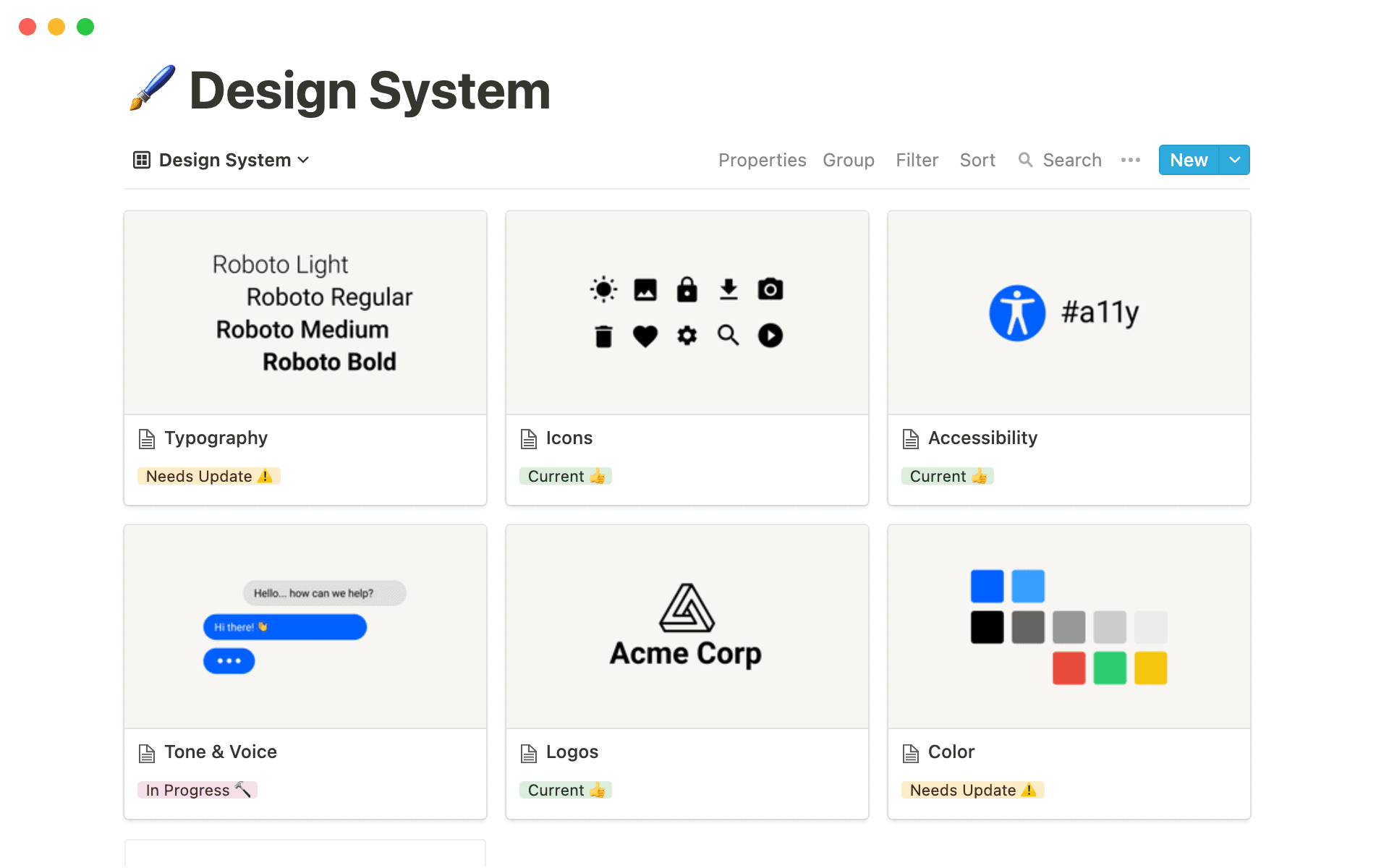
Example 1: Notion’s Brand-Led Growth
Notion, the all-in-one workspace tool, has masterfully aligned brand identity and lead generation. Their minimalist, friendly brand identity extends seamlessly across:
- Educational content that showcases their unique approach to productivity
- Template galleries that demonstrate product value while capturing leads
- Community initiatives that reinforce their collaborative brand values
- Trial experiences that maintain consistent messaging and visual design
This alignment has helped Notion grow to millions of users without traditional hard-sell tactics. Their lead generation feels like a natural extension of their brand promise rather than separate marketing activities.
Example 2: Gong’s Category Creation Strategy
Gong, the revenue intelligence platform, has built lead generation entirely around their distinctive brand position as category creators:
- Their visual identity (bold yellow, conversational illustrations) stands out in the B2B space
- Their lead magnets focus on original research that they only provide
- Their webinars maintain consistent visual branding and voicing
- Their sales process reinforces their data-driven brand promise
By maintaining this brand consistency across its lead generation funnel, Gong has grown exponentially while establishing a premium market position.
Example 3: Inkbot Design’s Brand Authority Approach
Inkbot Design demonstrates how brand authority drives lead generation for creative services:
- Their comprehensive educational content establishes expertise
- Their portfolio showcases their unique design approach
- Their lead generation focuses on value-first consultations
- Their client onboarding reinforces their brand promises
This integration of brand identity and lead generation has helped them build a distinctive position in the competitive design agency market.
Common Brand-Lead Generation Mistakes to Avoid

While integrating brand identity and lead generation offers tremendous benefits, many businesses make critical mistakes in the process:
Mistake 1: Disconnected Visual Identity
Many companies maintain polished brand visuals on their main website but revert to generic designs for lead generation assets. This creates a jarring disconnect that undermines trust.
Solution: Create templates and guidelines specifically for lead generation assets that maintain your visual identity while optimising for conversion.
Mistake 2: Personality Whiplash
One of the most common mistakes is adopting radically different tones across touchpoints. Your social media might be witty and personable, but your lead-nurturing emails sound like corporate robots.
Solution: Document your brand voice for different contexts and ensure all content creators understand how to adapt it appropriately without losing its essence.
Mistake 3: Promise-Experience Mismatch
The most damaging mistake is when your lead generation makes promises that your actual customer experience doesn’t fulfil.
Solution: Ensure your lead generation accurately reflects the actual customer experience. It’s better to under-promise and over-deliver than create expectations you can’t meet.
Mistake 4: Prioritising Short-Term Conversion Over Brand Building
Many businesses sacrifice their brand positioning for short-term conversion gains, using high-pressure tactics that damage long-term brand perception.
Solution: Test and measure the long-term impact of conversion tactics on brand metrics and customer lifetime value, not just immediate conversion rates.
Mistake 5: Treating Design as Decoration Rather Than Strategy
Too many companies view design as superficial decoration rather than strategic communication. This leads to visually appealing assets that fail to drive meaningful action.
Solution: Work with designers who understand brand strategy and conversion principles, like those at Inkbot Design’s branding services.
Advanced Strategies for 2025 and Beyond
As we move through 2025, several advanced strategies are emerging for integrating brand identity and lead generation:
Personalised Brand Experiences
Technology now enables delivering personalised brand experiences at scale. This means maintaining a consistent brand identity while adapting specific elements to individual preferences and behaviours.
Implementation approaches include:
- Dynamic content that adapts messaging to industry-specific challenges
- Personalised case studies that showcase relevant outcomes
- The industry-specific language that resonates with different segments
- Visual treatments that appeal to different buyer personas
Brand-Led Community Building
The most sophisticated companies are building communities around their brand identity, creating robust engagement and referral engines:
- Branded community platforms that facilitate peer connections
- User-generated content initiatives that showcase customer success
- Brand ambassador programmes that reward engagement
- Virtual and physical events that bring the brand to life
These community approaches generate qualified leads while strengthening brand perception.
AI-Enhanced Brand Consistency
With recent advances in generative AI, maintaining brand consistency across thousands of touchpoints has become more manageable:
- AI brand guardians that verify content matches guidelines
- Automated design systems that generate on-brand assets
- Voice and tone analysis to ensure messaging consistency
- Predictive analytics that identify potential brand-experience gaps
These technologies help scale brand-led lead generation without sacrificing quality or consistency.
Measuring the Impact of Brand-Led Lead Generation
How do you know if your integrated approach is working? Several key metrics reveal the impact:
1. Brand Awareness to Lead Conversion Ratio
Track how many people are aware of your brand and eventually become leads. Increasing this percentage indicates a more substantial alignment between brand messaging and lead generation offers.
2. Lead Quality by Acquisition Channel
Measure the quality of leads from different channels and correlate with the brand experience in each channel. Often, channels with stronger brand alignment produce higher-quality leads.
3. Speed to Purchase Decision
When brand identity and lead generation align, prospects typically move through the sales process faster, track time to decision across different segments and campaigns.
4. Customer Lifetime Value by Entry Point
Analyse whether customers who entered through brand-focused channels have higher lifetime value than those who came through tactical lead generation.
5. Referral Rates and Advocacy Metrics
Substantial brand-led acquisition typically leads to higher referral rates. Track how many customers actively promote your brand and correlate it with their acquisition experience.
FAQS About Brand Identity and Lead Generation
How much should I invest in brand identity versus lead generation?
This isn’t an either-or decision. Your brand identity is the foundation that makes lead generation effective. Invest in developing a strong brand foundation first, then allocate ongoing resources to maintaining brand consistency (about 20-30%) and active lead generation tactics (70-80%).
How do I maintain brand consistency while testing different lead-generation approaches?
Establish clear parameters for what elements must remain consistent (core messaging, visual identity basics) and what can be flexible (specific offers, page layouts). Document these in testing guidelines to ensure brand integrity during experimentation.
Can a strong brand identity compensate for a small marketing budget?
Absolutely. A distinctive, consistent brand identity helps you stand out with less advertising spend. When people immediately recognise and remember your brand, each marketing pound goes further. Focus on building remarkable brand experiences that people want to share.
How do I know if my brand identity is hurting my lead-generation efforts?
Look for disconnects in the data: high website traffic but low conversion rates, good initial engagement but poor follow-through, or positive brand feedback but weak sales numbers. These gaps often indicate a misalignment between brand identity and lead generation.
Should my brand identity evolve based on lead generation results?
Yes, but carefully. Use lead generation data to refine how you express your brand, not to change it fundamentally. If specific messages or visual elements consistently outperform others, incorporate these learnings into your broader brand expression.
How frequently should I refresh my brand identity?
Major brand overhauls should be rare, typically every 7-10 years or after significant business pivots. However, subtle evolution based on market feedback and performance data should be ongoing. Think evolution, not revolution.
Which matters more: brand consistency or conversion optimisation?
This is a false dichotomy. The best approach is to find the optimal balance where brand consistency enhances conversion rather than hindering it. Always test within brand parameters rather than abandoning brand guidelines for short-term gains.
How do I get my team to understand the connection between brand and leads?
Share data demonstrating the relationship: conversion rates for on-brand versus off-brand campaigns, customer feedback about brand experience, and lifetime value comparisons. Create case studies of successful brand-led lead generation to illustrate the concept.
What’s the biggest mistake companies make when integrating brand and lead generation?
Treating them as sequential rather than simultaneous considerations. Many companies build their brand first, then separately develop lead generation, creating inherent disconnects. Instead, consider both dimensions in every marketing decision.
How do I choose the right agency to help with brand-led lead generation?
Look for agencies with proven expertise in both disciplines. Ask for case studies showing how they’ve helped similar companies integrate brand strategy and lead generation. Beware of agencies that excel at only one side of the equation.
Aligning Brand Identity and Lead Generation: Your Next Steps
Integrating your brand identity and lead generation isn’t just a marketing nicety—it’s a business necessity in today’s crowded marketplace.
Here’s how to begin this integration today:
- Audit your current state: Evaluate where your brand identity and lead generation efforts align and where they diverge.
- Prioritise the gaps: Identify which misalignments most impact your business results.
- Test integrated approaches: Experiment with more brand-consistent lead generation in one channel before scaling.
- Measure both dimensions: Track brand metrics and lead generation performance to understand the relationship.
- Train your team: Ensure everyone understands how their role contributes to brand building and lead generation.
Remember, the most successful businesses don’t choose between brand building and lead generation—they leverage each to enhance the other. When your brand identity naturally generates leads, and your lead generation naturally builds your brand, you’ve created a sustainable engine for growth.
In a world where attention is scarce, and competition is fierce, this integration isn’t just a competitive advantage—it’s your path to lasting market relevance.