20 Game-Changing Website Optimisation Strategies
I remember when I first started my online business. My website was slower than a snail crawling through peanut butter. Visitors were bouncing faster than a kangaroo on a trampoline. It was a disaster.
But here’s the thing:
I turned it around. And so can you.
In this post, I will share 20 website optimisation strategies to transform your sluggish site into a lean, mean-converting machine.
Let’s dive in.
- Website speed is crucial for user experience; optimising images and leveraging caching can significantly enhance loading times.
- Mobile optimisation is essential, as over 59% of global traffic comes from mobile devices; ensure responsive design and adequate touch targets.
- Continuous improvement is key; regularly audit your site and stay updated on industry trends to maintain performance and user satisfaction.
1. Speed Up Your Site Like It’s on Steroids
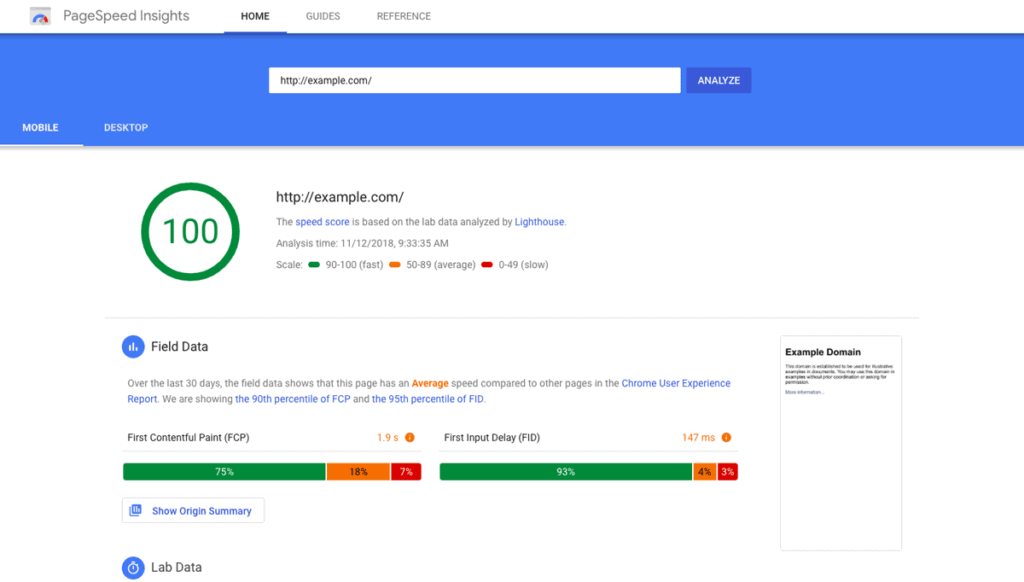
Your website’s speed is the digital equivalent of a first impression. And you know what they say about first impressions, right?
Here’s how to make yours count:
Optimise Your Images
Large, unoptimised images are the silent killers of website speed.
Pro tip: Use tools like TinyPNG or ShortPixel to compress your images without sacrificing quality.
Leverage Browser Caching
Make your site load faster for repeat visitors by storing static files on their devices.
Add this to your .htaccess file:
<IfModule mod_expires.c>
  ExpiresActive On
  ExpiresByType image/jpg "access plus 1 year"
  ExpiresByType image/jpeg "access plus 1 year"
  ExpiresByType image/gif "access plus 1 year"
  ExpiresByType image/png "access plus 1 year"
  ExpiresByType text/css "access plus 1 month"
  ExpiresByType application/pdf "access plus 1 month"
  ExpiresByType text/x-javascript "access plus 1 month"
  ExpiresByType application/x-shockwave-flash "access plus 1 month"
  ExpiresByType image/x-icon "access plus 1 year"
  ExpiresDefault "access plus 2 days"
</IfModule>
Minify CSS, JavaScript, and HTML
Strip out unnecessary characters from your code. It’s like putting your website on a diet.
Use tools like Minifier, UglifyJS, or specialised code optimisation software to streamline your codebase and improve load times.
2. Mobile Optimisation: Because Smartphones Are Taking Over the World
In 2023, mobile devices accounted for 59.4% of global website traffic. Ignore mobile users at your peril.
Responsive Design is Non-Negotiable
Your site should look good on everything from a 5-inch smartphone to a 27-inch desktop monitor.
Use CSS media queries to adjust your layout based on screen size:
@media only screen and (max-width: 600px) {
  body {
    font-size: 14px;
  }
  .container {
    width: 100%;
  }
}
Optimise Touch Targets
Fat fingers need love, too. Make buttons and links at least 44×44 pixels on mobile devices.
3. Content is King, but Readability is Queen

You could have the most groundbreaking content in the world, but if it’s not readable, it might as well be written in hieroglyphics.
Use Short Paragraphs
Break up your text into easily digestible chunks. Your readers’ eyes will thank you.
Like this.
Employ Subheadings (H2, H3, H4)
Guide your readers through your content like a well-organised tour guide.
Utilise Bullet Points and Numbered Lists
- They break up the monotony of text
- They’re easy to scan
- They make information more digestible
4. SEO: What’s the Point of a Great Site If No One Can Find It?
SEO isn’t just about stuffing keywords anymore. It’s about creating a seamless user experience that search engines love.
Conduct Thorough Keyword Research
Use tools like SEMrush or Ahrefs to find keywords your target audience is searching for.
Optimise Your Meta Titles and Descriptions
Your meta title should be 50-60 characters long and include your primary keyword.
Your meta description should be 150-160 characters and entice users to click through to your site.
Create High-Quality, Relevant Content
Google’s algorithms are getting smarter by the day. Focus on creating content that genuinely helps your audience.
5. Load Time Optimisation: Because Ain’t Nobody Got Time for Slow Websites

According to a 2023 study by Portent, a 1-second delay in page load time can result in a 7% reduction in conversions.
Use a Content Delivery Network (CDN)
A CDN distributes your content across multiple servers worldwide, reducing load times for users far from your primary server.
Optimise Your Database
If using a CMS like WordPress, regularly clean up your database to remove unnecessary data.
Use plugins like WP-Optimise to streamline your database effortlessly.
Limit HTTP Requests
Each element on your page requires a separate HTTP request. Minimise these by:
- Combining CSS and JavaScript files
- Using CSS sprites for images
- Implementing lazy loading for images and videos
6. User Experience (UX): Make Your Site a Joy to Use
UX isn’t just a buzzword. It’s the difference between a visitor and a customer.
Implement Clear Navigation
Your site’s navigation should be intuitive. If users can’t find what they’re looking for in 3 clicks or less, you’re doing it wrong.
Use White Space Effectively
Don’t be afraid of space. It gives your content room to breathe and makes your site more accessible to the eyes.
Ensure Consistent Branding
Your website should be a seamless extension of your brand. Maintain consistent colours, fonts, and messaging across all pages.
7. Conversion Rate Optimisation (CRO): Turn Visitors into Customers

All the traffic doesn’t mean squat if it’s not converting.
Use Clear and Compelling CTAs
Your call-to-action buttons should stand out like a sore thumb (in a good way).
Use action-oriented text like “Get Started Now” or “Claim Your Free Trial”.
Implement A/B Testing
Test different versions of your pages to see what resonates best with your audience.
Tools like Google Optimize or VWO make A/B testing a breeze.
Use Social Proof
Showcase testimonials, case studies, and trust badges to build credibility.
8. Security: Because Getting Hacked is Not a Good Look
In 2023, the average cost of a data breach was $4.45 million. Don’t let your website be an easy target.
Use HTTPS
It’s not just for e-commerce sites anymore. HTTPS encrypts data between your server and your users’ browsers.
Implement Strong Password Policies
Require users to create complex passwords and encourage two-factor authentication.
Regularly Update Your CMS and Plugins
Outdated software is like leaving your front door wide open. Keep everything up to date.
9. Accessibility: Because Everyone Deserves a Great Web Experience

Making your site accessible isn’t just the right thing to do – it’s also good for business.
Use Alt Text for Images
Describe your images for users who rely on screen readers.
Ensure Sufficient Colour Contrast
Use tools like WebAIM’s Contrast Checker to ensure your text is readable against its background.
Make Your Site Keyboard Navigable
Not everyone uses a mouse. Ensure all functionality is available via keyboard shortcuts.
10. Analytics: Because What Gets Measured, Gets Managed
You can’t improve what you don’t measure.
Set Up Google Analytics 4
GA4 provides deeper insights into user behaviour than its predecessor.
Track Key Performance Indicators (KPIs)
Focus on metrics that matter to your business, such as:
- Conversion rate
- Bounce rate
- Average session duration
- Pages per session
Use Heat Mapping Tools
Tools like Hotjar or Crazy Egg show how users interact with your site.
11. Content Strategy: Give ‘Em What They Want

Content isn’t just about words on a page. It’s about providing value to your audience.
Create a Content Calendar
Plan your content to ensure consistency and relevance.
Diversify Your Content Types
Don’t just stick to blog posts. Experiment with:
- Videos
- Infographics
- Podcasts
- Interactive content
Update and Repurpose Old Content
Don’t let your old content gather dust. Regularly update and repurpose it to keep it fresh and relevant.
12. Email Marketing Integration: Because Your Website Shouldn’t Be a One-Hit Wonder
Email marketing is still one of the most effective ways to nurture leads and drive conversions.
Use Pop-Ups Strategically
Exit-intent pop-ups can capture leads before they leave your site.
Offer Value in Exchange for Email Addresses
Create lead magnets like eBooks, whitepapers, or exclusive content to incentivise sign-ups.
Segment Your Email List
Not all subscribers are created equal. Segment your list based on behaviour and preferences for more targeted campaigns.
13. Social Media Integration: Because Your Website Doesn’t Exist in a Vacuum

Social media can drive traffic, build brand awareness, and foster community.
Add Social Sharing Buttons
Make it easy for visitors to share your content on their preferred platforms.
Embed Social Media Feeds
Showcase your latest tweets or Instagram posts to keep your site fresh and engaging.
Use Social Login Options
Allow users to log in or register using their social media accounts for a smoother user experience.
14. Video Optimisation: Because a Picture is Worth a Thousand Words (and a Video is Worth a Million)
Video content is exploding in popularity. Don’t get left behind.
Host Videos on a Dedicated Platform
Use platforms like YouTube or Vimeo to host your videos, then embed them on your site.
Optimise Video Thumbnails
Create compelling thumbnails that entice users to click play.
Add Captions and Transcripts
Make your videos accessible to all users and improve SEO simultaneously.
15. Personalisation: Because One Size Doesn’t Fit All

Personalisation can significantly boost engagement and conversions.
Use Dynamic Content
Show different content to different users based on their behaviour or demographics.
Implement Product Recommendations
If you’re running an e-commerce site, use AI-powered recommendations to boost average order value.
Personalise CTAs
Tailor your call-to-action buttons based on the user’s stage in the customer journey.
16. Site Search Optimisation: Help Users Find What They’re Looking For
A well-optimised site search can significantly improve user experience and boost conversions.
Use Autocomplete and Predictive Search
Help users find what they’re looking for faster with smart search suggestions.
Implement Faceted Search
Allow users to filter search results based on various attributes.
Analyse Search Data
Regularly review what users are searching for to improve your content strategy and product offerings.
17. Trust and Credibility: Build It, and They Will Come (and Stay)

Building trust is more important than ever in an era of fake news and scams.
Display Contact Information Prominently
Make it easy for users to get in touch with you.
Showcase Client Logos and Testimonials
Nothing builds trust like social proof.
Be Transparent About Your Policies
Communicate your privacy policy, terms of service, and return policy.
18. Performance Optimisation: Because Every Millisecond Counts
Website performance isn’t just about speed – it’s about creating a smooth, seamless experience.
Optimise for Core Web Vitals
Focus on improving:
- Largest Contentful Paint (LCP)
- First Input Delay (FID)
- Cumulative Layout Shift (CLS)
Use Lazy Loading
Load images and videos only when they’re about to enter the viewport.
Implement Progressive Enhancement
Ensure your site works on older browsers and devices, then enhance the experience for modern ones.
19. Localisation: Think Global, Act Local

If you’re targeting an international audience, localisation is critical.
Use Hreflang Tags
Tell search engines which language you’re using on a specific page:
<link rel="alternate" hreflang="es" href="https://example.com/es/page" />Adapt Your Content for Different Markets
Don’t just translate – localise. Consider cultural differences and preferences.
Offer Multiple Currency Options
If you’re selling internationally, allow users to view prices in their local currency.
20. Continuous Improvement: Because Standing Still is Moving Backwards
Website optimisation is more than just a one-and-done deal. It’s an ongoing process.
Regularly Audit Your Site
Use tools like Screaming Frog or Sitebulb to identify technical issues and optimisation opportunities.
Stay Up-to-Date with Industry Trends
Follow reputable marketing and tech blogs to stay ahead of the curve.
Listen to User Feedback
Your users are your best source of insight. Pay attention to their comments and suggestions.
Conclusion: Your Website is Your Digital Storefront – Make It Shine
Implementing these 20 website optimisation strategies isn’t just about ticking boxes. It’s about creating a digital experience that delights your users and drives results for your business.
Remember:
Your website is often a potential customer’s first interaction with your brand. Make it count.
Now, I want to hear from you.
Which of these strategies are you going to implement first?
What challenges are you facing with your website?
Drop a comment below, and let’s discuss.
If you found this post helpful, share it with a friend or colleague who could use a website boost.
Let’s make the web a better place, one optimised site at a time. 🚀
FAQs
How long does it take to see results from website optimisation?
It varies, but you can often see improvements in speed and user experience within weeks. SEO changes may take 3-6 months to show significant results.
Do I need to implement all 20 strategies at once?
No, start with the basics like speed optimisation and mobile responsiveness, then gradually implement others based on your priorities and resources.
How much does website optimisation cost?
Costs vary widely. Many strategies can be implemented for free or with low-cost tools. More complex optimisations may require professional help.
Is website optimisation a one-time thing?
No, it’s an ongoing process. Technologies and user expectations evolve, so your optimisation efforts should too.
Can I optimise my website myself, or do I need to hire a professional?
Many optimisations can be DIY, especially with user-friendly CMS platforms. However, for complex issues or significant overhauls, professional help can be invaluable.
How important is mobile optimisation?
Extremely. With mobile traffic exceeding desktop in many industries, a mobile-optimised site is no longer optional.
What’s the most crucial factor in website optimisation?
There’s no single most important factor. A balance of speed, user experience, content quality, and technical SEO is critical.
How often should I update my website’s content?
Regularly, but the frequency depends on your industry and audience. Aim for at least monthly updates, more if possible.
Can website optimisation help with SEO?
Absolutely. Many optimisation strategies directly improve your site’s search engine visibility and ranking.
What tools do you recommend for website optimisation?
Some great tools include Google PageSpeed Insights, GTmetrix, SEMrush, Ahrefs, and Google Analytics. The best tools for you depend on your specific needs and budget.