Brand Operating Systems for Professional Services
Static guidelines define what your brand looks like. A Brand Operating System governs how your firm behaves at scale.
As a firm expands across partners, practice areas, and regional offices, brand consistency ceases to be a graphic design issue and becomes an operational governance challenge. Every lateral hire, external agency, pitch deck, and generative AI tool introduces the risk of brand drift. Inkbot Design designs and installs Brand Operating Systems: operational frameworks that integrate asset management, governance protocols, and production workflows into everyday operations – protecting firm equity as you grow.

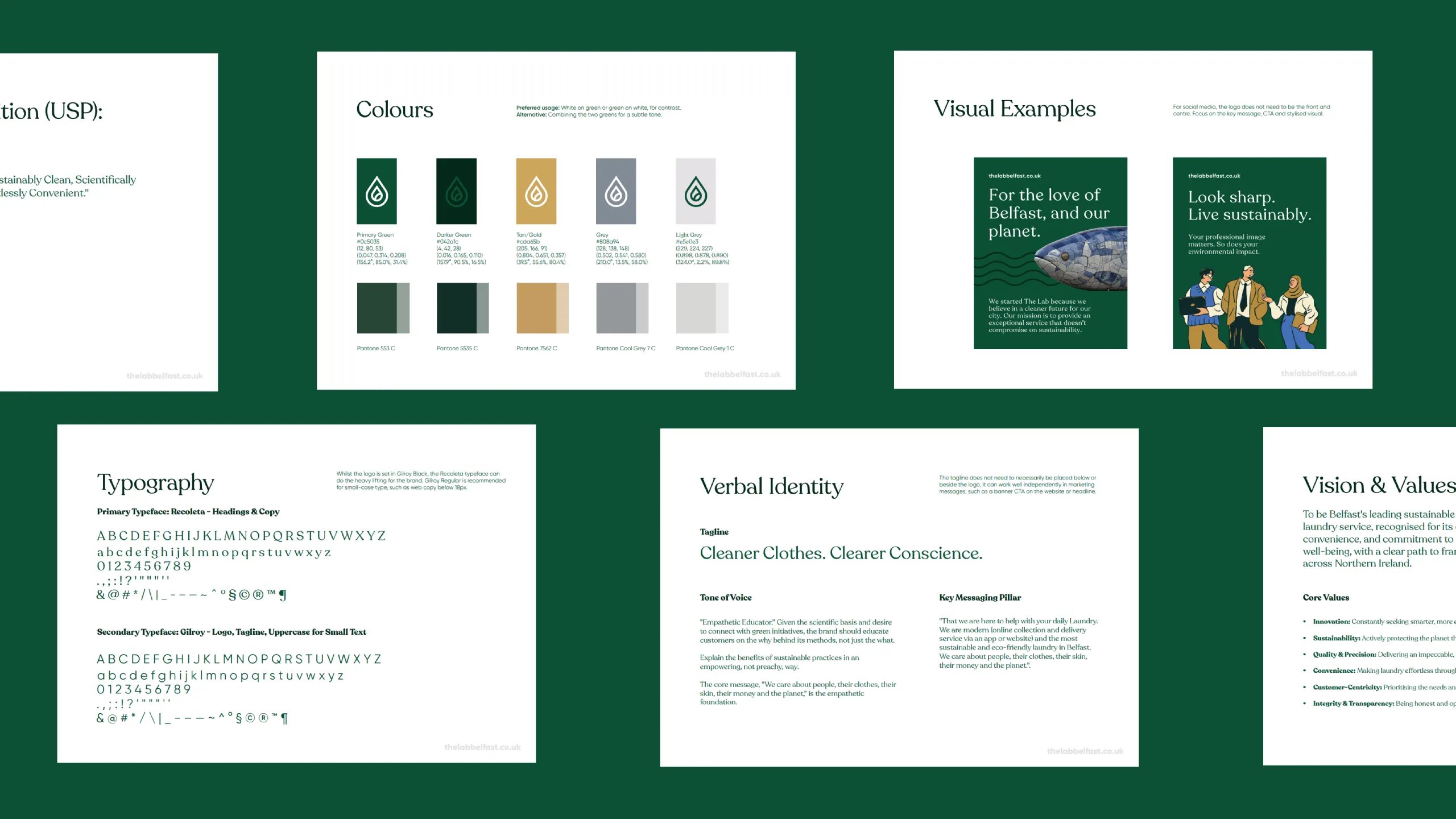
The Governance Gap
Why Professional Services Brands Fragment as They Scale
A Brand Operating System (Brand OS) is an operational governance framework that centralises an organisation’s brand assets, usage rules, and production workflows into a living, cloud-hosted architecture. Unlike static PDF guidelines, a Brand OS embeds consistency directly into daily software tools and generative AI workflows, preventing brand drift across scaling teams.
Every growing partnership reaches an operational tipping point. In a boutique practice, brand coherence is maintained organically by the founding partners. As headcount expands across offices and practice groups, control disperses. Partners draft custom proposals, marketing teams commission regional collateral, associates utilise unvetted templates, and generative AI tools create unmonitored communications.
This is brand drift: the gradual divergence between your firm’s strategic standing and its fragmented market touchpoints. Brand drift is not a failure of graphic design; it is a breakdown of operational governance. Static PDF guidelines cannot enforce themselves. Sustained brand coherence requires an integrated operational system that makes compliance the path of least resistance across daily workflows.
“Static brand guidelines are passive reference manuals; they describe what a brand is without governing how it functions. When governance relies on design policing rather than embedded systems, brand drift is inevitable.” Stuart Crawford, Creative Director
Industry & Client recognition





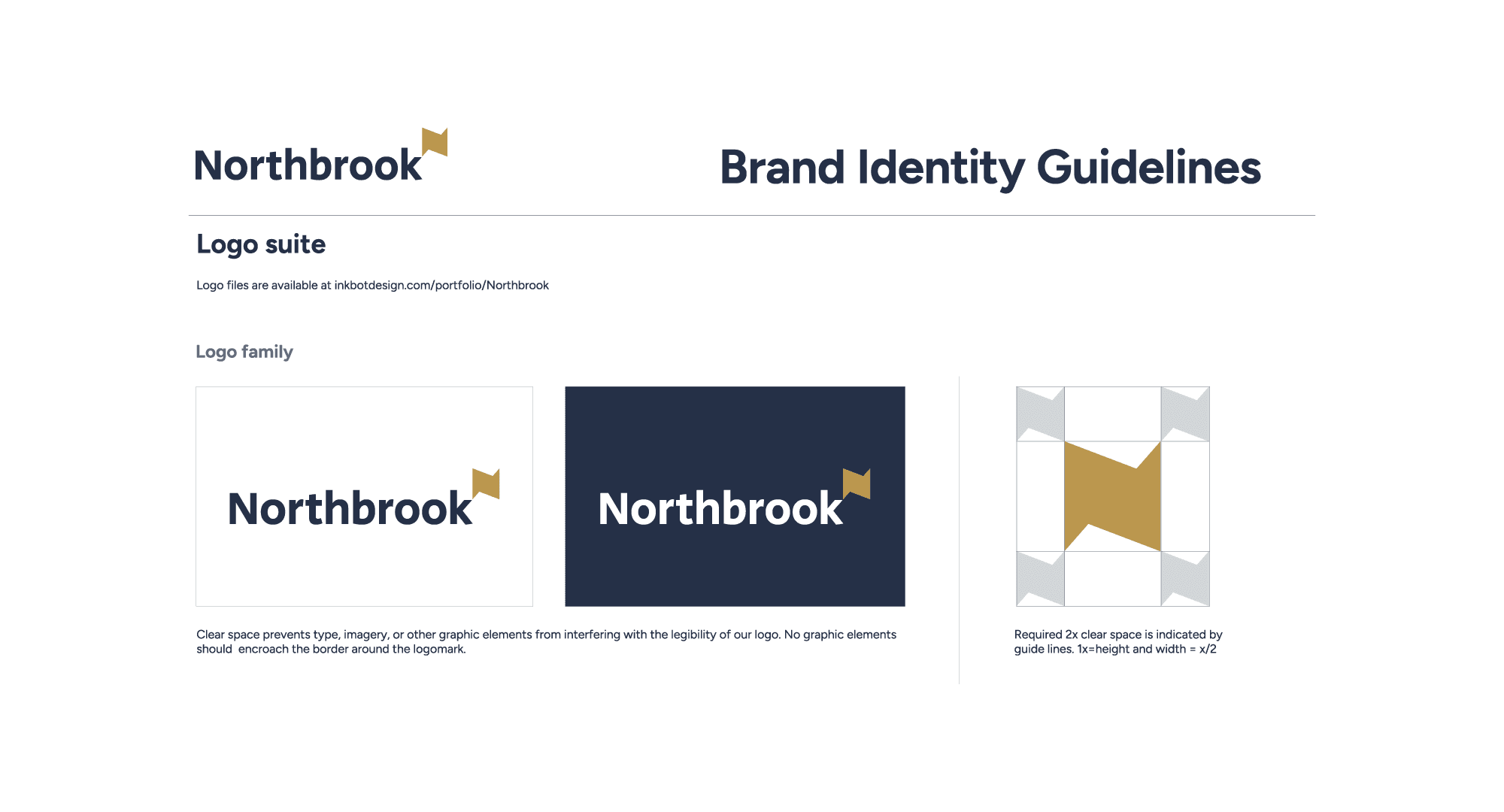
Inconsistent Brand Execution Dilutes Institutional Trust
When your firm presents divergent visual and verbal identities across practice areas, prospects struggle to perceive your collective strength. Centralise your brand governance before scaling further.
The Concept
What Is a Brand Operating System?
A Brand Operating System is a living framework for brand governance — the connected system of standards, assets and rules that governs how an organisation’s brand identity behaves across every team, channel and tool.
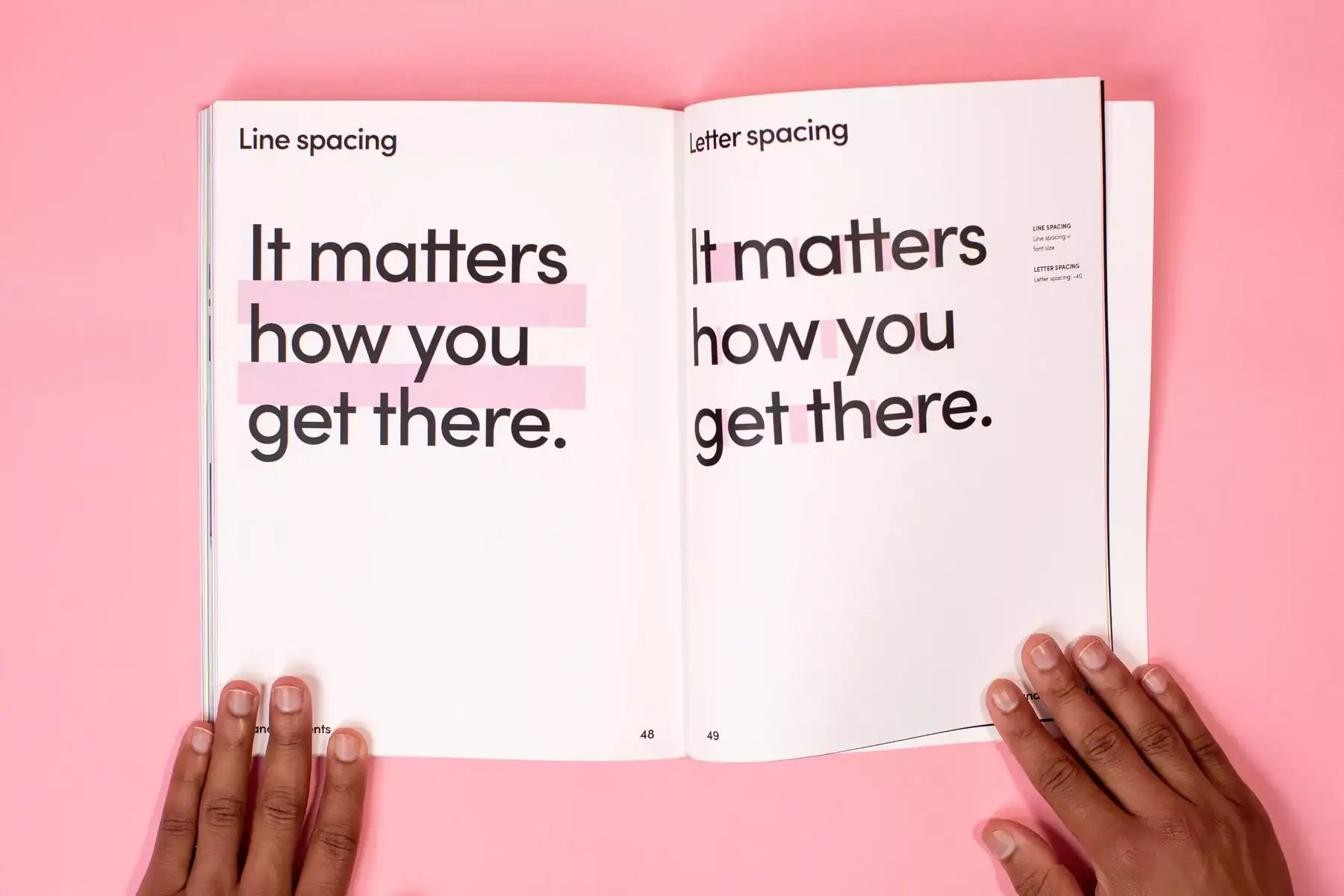
Where traditional brand guidelines are a static reference document, a Brand Operating System is operational: it integrates brand management into how your team actually works, so brand consistency is maintained by design rather than by enforcement.
It sits on top of your brand guidelines and design system, adding the governance layer that scaling organisations need:
How does a Brand Operating System govern generative AI?A Brand Operating System governs generative AI by establishing formal brand prompt standards, tonal guardrails, and acceptable output parameters. Instead of allowing staff to use consumer AI tools without guidance, the system provides vetted prompt templates and editorial checklists that keep AI-generated copy, imagery, and presentations aligned with institutional standards.
A single source of truth
for every brand asset, so no one is working from an outdated logo or off-brand template.
Brand governance rules
that define who can do what with the brand, and how — the difference between brand freedom and brand chaos.
Brand management workflows
that embed consistency into everyday tools, from decks to social to AI content generation.
The System
The Four Layers of a Brand Operating System.
We build your Brand Operating System in four connected layers, each closing a common brand governance gap:
Layer 01: Standards
The Operational Foundation
A centralised, cloud-hosted source of truth for visual tokens, typography hierarchies, verbal messaging frameworks, and firm-wide editorial standards. Accessible to all internal teams and external partners without version ambiguity.
Layer 02: Governance
Decision Rights & Guardrails
Documented protocols establishing brand ownership, approval workflows, adaptation rules, and compliance thresholds. Clarifies who has the authority to modify assets, removing bottlenecks while preventing unauthorised deviations.
Layer 03: Workflows
Everyday Tool Integration
Locked dynamic templates across pitch decks, client reports, proposals, and digital collateral. Includes calibrated prompt libraries and guardrails for generative AI tools, ensuring speed does not compromise consistency.
Layer 04: Evolution
System Auditing & Calibration
Structured bi-annual reviews to audit asset usage, calibrate templates against fee-earner feedback, and adapt brand standards as new practice areas, offices, or marketing channels emerge.
Free Brand Equity Audit™
Transition from Passive Guidelines to Active Governance
Brand drift quietly erodes firm equity, complicates multi-office operations, and dilutes market authority. Inkbot Design installs robust Brand Operating Systems that preserve consistency while freeing fee-earners to communicate effectively. Engagement Capacity: To ensure senior-level partner involvement throughout diagnosis, system design, and implementation, Inkbot Design accepts a limited number of Brand Operating System deployments each quarter.
★★★★★
When we needed to reposition our identity, Inkbot Design’s strategic approach was exceptional.
Stuart took a deep interest in our long-term goals, transforming our vision into a Cohesive Brand Architecture that perfectly encapsulates our competitive edge. Their commitment to Brand Consistency ensures we are strategically positioned for market success, not just seen.
Independent Due Diligence
| Platform | Rating | What it reflects |
|---|---|---|
| Google Business Profile | 4.9 / 5.0 | 87 Google reviews (checked 11 October 2026) covering brand strategy and identity delivery. |
| Clutch | View profile | Verified, interview-based client reviews for B2B branding work. |
| FeaturedCustomers | View profile | Executive testimonials and case-study references from verified enterprise clients. |
Ratings checked 2026 and may change as new reviews are published. Figures are maintained by each platform, not by Inkbot Design.
The Payoff
Brand Governance Is a Growth Problem, Not a Design Problem.
When brand consistency breaks, it doesn’t just look untidy — it costs you. An inconsistent brand forces buyers to re-establish trust at every touchpoint, lengthens sales cycles, and makes a scaling firm look smaller and less coordinated than it is. Strong brand governance does the opposite: it makes a growing organisation present as a single, coherent, category-leading entity, whatever its size.
- For multi-partner and multi-office firms: a Brand Operating System keeps every partner, office and service line on-brand without central bottlenecks — brand management that scales with your structure.
- For fast-growing teams: it lets a small team produce the consistent, professional output of a much larger one — brand consistency as a force multiplier, not a headcount cost.
- For AI-heavy workflows, it governs how your brand is expressed through AI tools, so automation scales your brand rather than diluting it.
Our Strategy
Move Beyond Static PDFs. Install an Operational Brand System.
Traditional brand manuals fail because they demand constant human enforcement. An effective Brand Operating System embeds governance directly into the digital infrastructure your fee-earners, marketing managers, and external partners use every day. By integrating centralised digital assets, locked presentation systems, and verified AI guardrails, we ensure that every client touchpoint reinforces your firm’s commercial positioning.
By the Numbers
- years of branding practice, since 2009
- 17+
- completed identity projects
- 300+
- countries where clients are based
- 21
- from 87 Google reviews (checked 11 Oct 2026)
- 4.9/5
Insight
Operational Brand Governance: The Firm Evaluation Checklist
“Consistency is not about artistic conformity; it is about commercial clarity. In professional services, an uncoordinated brand signals an uncoordinated firm.”
Evaluate your firm’s brand operational readiness:
- Single Source of Truth: Are all practice groups, partners, and external agencies drawing assets from a single cloud-synced repository, or are teams saving outdated files locally?
- Template Lockdown: Can fee-earners independently create proposals and presentations without breaking typography, grid systems, or compliance disclaimers?
- Generative AI Guardrails: Has your firm issued explicit prompt guidance and verbal standards for staff using ChatGPT, Copilot, or Claude to draft external materials?
- Lateral Onboarding Protocols: Can newly acquired practices or lateral partners integrate their communications into your visual and verbal architecture typically within two working days?
Frequently Asked Questions (FAQ)
Brand Operating Systems: Common Questions.
Great partnerships start with great questions. Whether you’re curious about the technicalities of “Brand Guidelines” or just want to know when we can start, we’ve laid it all out for you here. If your question isn’t on the list, consider it an invitation to jump on a discovery call with us.
What is a Brand Operating System?
A Brand Operating System is a living framework for brand governance that keeps an organisation’s brand consistent across every team, channel and tool. It’s the operational layer above your brand guidelines — combining a single source of truth for brand assets, governance rules, and brand management workflows into one system that maintains consistency as you scale.
How is a Brand Operating System different from brand guidelines?
Brand guidelines are a reference document — they describe what your brand is. A Brand Operating System is a governance framework — it determines how your brand is managed and kept consistent across a growing organisation. Guidelines are one component inside the operating system; the system adds the governance, workflow and scaling layers that a document alone can’t provide.
What is brand governance?
Brand governance is the set of rules, roles and processes that control how a brand is used across an organisation — who can adapt it, how consistency is enforced, and how the brand evolves over time. It’s the discipline that stops brand drift as a company grows, and it’s the core of what a Brand Operating System operationalises.
How do you keep a brand consistent across a large or growing team?
Consistency at scale comes from systems, not policing. A Brand Operating System embeds brand management into everyday workflows — shared asset libraries, templated tools, clear governance rules and a single source of truth — so every team member, in-house or external, produces on-brand work by default rather than by memory.
How does a Brand Operating System handle AI-generated content?
It governs it. By defining precise visual and verbal standards and providing prompt guidance for AI tools, the system ensures brand consistency is maintained even when content is generated by algorithms — so scaling your output with AI doesn’t mean diluting your brand.
Do we need a Brand Operating System if we already have brand guidelines?
If your guidelines are being followed consistently across all teams and tools, you may not. But most growing firms find their guidelines drift the moment more than a few people touch the brand — that’s the governance gap a Brand Operating System fills. Guidelines tell people what to do; the system makes doing it the path of least resistance.