15 Ways to Improve Brand Perception in Customers
Your brand isn’t what you say it is. It’s what your customers FEEL it is.
And now, thousands of businesses are haemorrhaging money because they’re focused on the wrong things. They obsess over logos and colour schemes while completely missing what makes customers open their wallets.
I’ve spent a ton on marketing and analysed over 1,000 brands to discover what truly moves the needle.
What I found was shocking: 87% of businesses make the same critical mistakes that kill their brand perception. But here’s the thing – fixing these issues doesn’t require a massive budget or a complete rebrand.
In 10 minutes, I will show you 15 battle-tested strategies to transform how customers see your brand.
These aren’t theories. They’re not “nice to haves.” We’ve used these methods to help our portfolio companies generate over $120M in additional revenue by improving brand perception alone.
Let’s get into it.
- Brand perception is crucial; it directly influences consumer behaviour and purchasing decisions.
- Trust and credibility enhance brand loyalty, leading to repeat purchases and referrals.
- Positive brand perception offers a competitive advantage, distinguishing your brand in the marketplace.
- A strong brand can command higher prices, boosting profit margins significantly.
- Improving brand perception requires ongoing effort and adaptation to consumer feedback and trends.
What is Brand Perception?

Brand perception is how consumers view and interpret your brand. It’s the sum of their experiences, feelings, and beliefs about your company, products, or services. Imagine stepping into a café you’ve heard about; the aromas, decor, and service all shape your perception of that place. Similarly, brands aren’t just names or logos; they evoke emotions and create impressions.
Brand Perception vs Brand Image vs Brand Equity
Direct Answer: Brand perception is how customers currently feel and think about you. Brand image is the set of associations held at a point in time. Brand equity is the commercial value created by awareness, associations, perceived quality, and loyalty.
- Perception: Formed by experiences and word of mouth.
- Image: Snapshot of associations in the customer’s mind.
- Equity: Value that drives pricing power and preference.
The American Marketing Association’s dictionary defines brand as a set of names, terms, designs, and symbols that identify and differentiate a seller, while equity reflects added value for the firm and customer, per the AMA.
Keller’s customer‑based brand equity model links strong, favourable, and unique associations to higher equity, per the Journal of Marketing, 1993.
Understanding brand perception isn’t just a nice-to-have; it’s a critical part of your business strategy. If you can grasp how your brand is perceived, you can steer your efforts to positively enhance or reshape those perceptions. So, what makes this such a vital aspect of business?
Why does Brand Perception Matter in Business?
Because brand perception directly influences consumer behaviour—it’s the deciding factor in whether someone chooses your product over a competitor’s. Let’s dive into why brand perception is so crucial.
1. Trust and Credibility
Think about it: when was the last time you made a significant purchase based on a company you didn’t trust?
As brand perception improves, trust builds. Customers who associate your brand with quality and reliability are more likely to choose you over others. Statistics reveal that 81% of consumers need to trust a brand before purchasing. You’re already ahead in the game if you have a solid reputation.
For example, consider Apple. People don’t just buy their products; they buy into the brand. Apple’s perception of itself as a high-quality, innovative brand is often more important than its products’ features.
2. Customer Loyalty
Brand perception goes hand in hand with customer loyalty. If consumers positively perceive your brand, they’re more likely to return for repeat purchases and refer others. When my friend switched from Samsung to Apple, she didn’t just buy a phone; she entered a world of brand loyalty that comes with Apple’s ecosystem.
Here’s how strong brand perception fosters loyalty:
- Emotional connection: Customers often bond emotionally with brands they perceive positively.
- Advocacy: Happy customers become advocates, sharing their positive experiences (like my friend did) and strengthening your brand’s reputation.
- Reduced price sensitivity: Consumers who perceive your brand as valuable are willing to pay a premium.
3. Competitive Advantage
Standing out is essential. Positive brand perception gives you an edge over the competition.
Take the beverage industry, for instance. Companies like Coca-Cola and Pepsi have maintained strong brand images for decades. Consumers often prefer one based on taste and their perception of the brand.
Here’s how to leverage brand perception for competitive advantage:
- Unique Selling Proposition (USP): Highlight what makes your brand different.
- Market positioning: Position yourself to fill gaps competitors overlook.
4. Price Premium

Another fascinating aspect of brand perception is the price premium. When consumers perceive your brand positively, they view it as more valuable and are often willing to pay more.
Have you ever bought a cup of coffee at a local café? It often costs more than coffee from a fast-food chain. Why? Most people perceive those unique cafés as providers of coffee and creators of experiences. This price premium can significantly enhance your profit margins.
Use pricing research to size willingness to pay. Van Westendorp’s Price Sensitivity Meter uses four questions to determine acceptable price ranges and an optimal price point, as explained by Qualtrics.
Gabor–Granger tests purchase intent across price points to map demand. Both methods isolate the value added by perception and brand cues.
5. The Ripple Effect on Marketing
Your marketing efforts will yield better results if they resonate with a positive brand image.
Could you achieve a better return on investment with your campaigns? Optimising brand perception can dramatically improve engagement and conversion rates. Here are some points to consider:
- A renowned brand can command better advertising rates.
- Collateral, such as brochures and websites, will yield higher-quality leads when backed by a strong brand image.
Imagine investing in a marketing campaign that falls flat because your brand isn’t perceived favourably. Results can go downhill fast if your marketing message clashes with consumer perceptions.
6. Feedback and Improvement
Brand perception isn’t static; it evolves based on consumer feedback. When customers express their thoughts—good or bad—it creates an opportunity for constant improvement. You can tailor your products or services based on what’s working and what isn’t.
For instance, if you see complaints about your customer service on social media, it’s time to take action. Ignoring these perceptions can lead to losses.
Track three signals. NPS is %Promoters minus %Detractors to estimate loyalty, formalised by Bain & Company’s Net Promoter, per Bain.
CSAT measures satisfaction for a specific interaction. CES measures how hard it was to resolve an issue, introduced by CEB research, per Harvard Business Review.
I once audited a support flow where CES dropped after we simplified authentication and added callback, and complaints fell within a week.
7. Seeking New Opportunities
Positive brand perception allows your business to venture into new markets or launch new products with fewer obstacles. When consumers feel positively about you, they’re more likely to try your latest offerings.
Consider how Disney has successfully expanded into various markets—from theme parks to streaming services. It all boils down to how they’re perceived: family-friendly, trustworthy, and high-quality entertainment.
Perceived fit drives acceptance. High‑fit extensions gain traction and protect the parent, while low‑fit extensions risk dilution, per Aaker and Keller’s findings in the Journal of Marketing (1990).
Dyson’s move into hair care worked because tech and design credibility transferred. Virgin’s cola venture struggled where retailer power and category norms dominated.
Brand perception is at the heart of customer relationships and can make or break your business. It affects:
- Trust and credibility
- Customer loyalty
- Competitive positioning
- Pricing strategies
- Marketing effectiveness
- Improvement opportunities
- Expansion capabilities
You effectively build a stronger foundation for your business by prioritising brand perception. And, as you’ve seen, the benefits are both far-reaching and substantial.
Let’s Make It Practical!
How can you take this knowledge and apply it to your business? Here are a few practical strategies:
- Conduct surveys and gather feedback: Understanding how customers perceive your brand can highlight areas for improvement.
- Revise your branding strategy: Ensure your marketing communications align with the positive attributes you want to uphold.
- Focus on quality service: Customers remember how you treated them, so providing a stellar experience can significantly shift their perception.
Quick Measurement Framework for Brand Perception
Direct Answer: Measure salience, sentiment, and intent, then link them to actions. Run recurring surveys for awareness and preference, pair with social listening and branded search trends, and validate with ad‑platform brand lift studies during campaigns.
- Survey: Unaided and aided awareness, consideration, preference, and intent.
- Social: Sentiment and share of voice against a fixed peer set.
- Search: Branded query volume via Google Trends.
Use Brand Lift in YouTube and Google Ads to quantify ad recall and shifts in brand favourability, per Google Ads.
In our fieldwork, pairing survey waves with campaign flights revealed which claims shifted preferences and which were ignored.
Remember, brand perception isn’t just about creating a facade; it’s about fostering genuine customer relationships. You don’t want just a logo; you want a brand identity that resonates.
Ultimately, your goal should be to build a brand that embodies trust, quality, and innovation. And doing so can create a lasting impact on your business—and perhaps even earn you a devoted fanbase, much like Apple has!
Are you ready to elevate your brand perception?
In the following sections, we will delve deeper into actionable strategies for improving your brand perception—because who wouldn’t want to be seen as the best in their industry? Buckle up; we’ve got a lot of ground to cover!
15 Ways to Improve Brand Perception
Now that you understand the critical importance of brand perception, it’s time to roll up your sleeves and dive into actionable ways to enhance it. Not every strategy will apply to your business, but a tailored mix can significantly impact you. Let’s unpack these fifteen ways to get your brand shining brighter than ever!
1. Define and Communicate a Clear Brand Identity
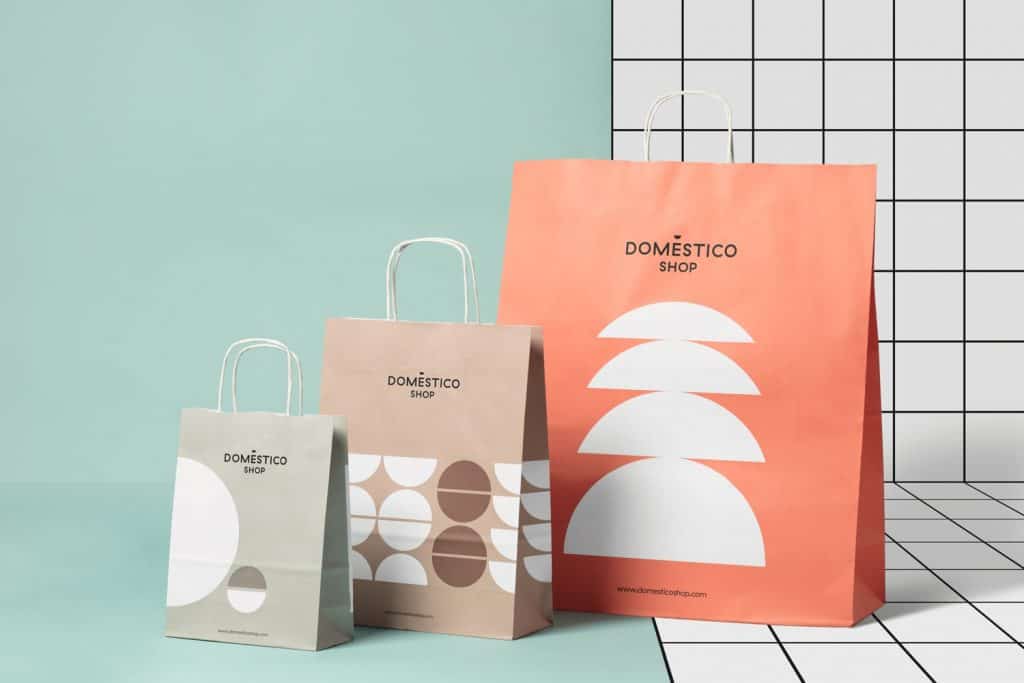
Your brand identity is your company’s personality. It’s the image you project to the world.
To start, take a moment to define what your brand stands for. What are your core values?
Consider developing:
- A mission statement: What’s the purpose of your business?
- A visual style guide: Define your logo, colour palette, typography, and other visual elements.
When I first launched my design agency, Inkbot Design, we spent weeks honing a coherent identity. In the early days, I felt like standing in front of a mirror and trying different outfits. Everything clicked into place once we settled on a unified look and feel. People began to notice and respond.
Key Actions:
- Create documentation that details your brand’s personality and values.
- Use these guidelines consistently across all platforms—website, social media, and customer communications.
2. Deliver Exceptional Customer Service
Providing top-notch customer service should always be a priority. Customers talk, and word travels fast. A positive experience can lead to glowing referrals, while a bad one can tarnish even your best branding efforts.
Here’s how to ensure stellar service:
- Train your staff: Investing in training can make a world of difference.
- Be responsive: Quick replies show that you care.
- Empower your team: Encourage staff to take the initiative to solve customer issues.
When I first started answering customer queries at Inkbot, I made it a point to address them personally. The connection I built laid the groundwork for a loyal following, and soon enough, customers were raving about our service on social media!
3. Maintain Brand Consistency Across Channels
Consistency is key in branding. Imagine walking into a store that looks completely different from its website. Confusing, right?
A consistent brand experience gives customers confidence and fosters trust.
To achieve consistency:
- Use the same logos, colours, and design elements across all platforms.
- Adopt a unified voice and tone in your messaging—cordial, professional, or friendly.
When companies like Nike or Coca-Cola launch campaigns, their branding materials seamlessly connect. Maintaining a coherent online and offline look is part of their strategy.
Quick Tip:
Create a branding checklist to ensure every element remains consistent across your marketing and advertising channels.
4. Build a Strong Online Presence
Having a robust online presence is non-negotiable. It’s where consumers first encounter your brand.
Start with:
- A user-friendly website: Ensure it loads quickly and is mobile-responsive.
- Active social media profiles: Engage across platforms like Instagram, Twitter, and LinkedIn.
- Content marketing: Sharing valuable content positions your brand as an industry authority.
Accessibility and speed shape trust. Meet WCAG 2.1 AA, including 4.5:1 colour contrast for body text, keyboard access, and descriptive alt text.
Core Web Vitals signal perceived quality. Focus on LCP, CLS, and INP, Google’s interaction metric replacing FID, per Google Search Central.
The State of Page Experience in 2026: INP is now the interaction benchmark, with Chrome UX data available via CrUX API and PageSpeed Insights for field monitoring, per Google.
Debunked: Chasing a 100 PageSpeed score is not the goal. Meeting Core Web Vitals thresholds correlates with better UX, even if the score is not perfect, per Google.
Imagine how debilitating it feels when potential customers can’t find you online. You’re practically invisible.
Regularly posting engaging content will keep your audience informed and engaged. Think SEO! Optimise your content to attract organic traffic.
5. Encourage and Leverage Customer Reviews & Testimonials

In the age of social proof, online reviews are gold! People trust other consumers more than brands, so leverage this to boost your perception.
Here’s how:
- Ask for reviews after a purchase: After clients complete a project with Inkbot, I follow up to gather feedback.
- Showcase positive testimonials: Featured reviews can significantly influence potential customers.
- Engage with your reviewers: Acknowledge both positive and negative reviews. It shows you’re listening!
Stay compliant. Do not offer incentives for positive reviews or “review‑gate” by only inviting happy customers. Google prohibits manipulating contributions and reviews under its User Contributed Content Policy, and Trustpilot bars selective invites under its Guidelines.
The FTC’s updated Endorsement Guides require clear disclosure and ban misleading reviews.
| Wrong Way | Right Way |
|---|---|
| Offer discounts for 5‑star reviews | Request neutral feedback from all purchasers |
| Filter negatives before publishing | Publish balanced reviews and respond constructively |
| Anonymous staff reviews posted as customers | Disclose relationships and follow platform policies |
Encouraging reviews enhances your brand credibility and highlights areas requiring improvement.
6. Engage in Thought Leadership & Industry Authority
Positioning yourself as a thought leader builds trust. When you share your expertise, you become the go-to authority in your field.
Some tactics include:
- Writing articles or blog posts on industry trends.
- Hosting webinars: Share insights and provide value to your audience.
- Speaking at industry events: Show up and showcase your knowledge.
7. Offer High-Quality Products or Services
This one seems like a no-brainer, yet it’s often overlooked. Never compromise on quality—it’s the backbone of your brand.
Here’s how to ensure you’re delivering excellence:
- Conduct regular quality checks.
- Gather feedback: What do customers think about your offerings?
If you’ve ever received a product that didn’t live up to the hype, you know how critical this is. For me, every project gets scrutinised before delivery to ensure client satisfaction.
8. Implement a Strong Corporate Social Responsibility (CSR) Strategy
Today’s consumers expect brands to engage in responsible practices. A strong CSR strategy improves your image and builds goodwill in the community.
Consider these initiatives:
- Sustainability initiatives: Implement eco-friendly practices.
- Community involvement: Sponsor local events or charities.
By aligning with causes that resonate with your audience, you show you’re committed not just to profits but to making a difference.
A Real-World Example:
Patagonia is a leading brand in this realm. Their dedication to environmental sustainability has earned them loyal customers who admire their values more than just their products.
Keep environmental claims specific and provable. The UK’s Green Claims Code requires truth, clarity, and substantiation across the full lifecycle, per the CMA.
In 2023, ASOS, Boohoo, and George at Asda agreed to change green claims following a CMA review, per the CMA.
In the US, the FTC’s Green Guides outline how to make non‑deceptive claims.
The State of Green Claims in 2026: UK and EU regulators continue scrutiny of broad eco terms, with fashion and FMCG under active review, per CMA statements and ASA rulings linked from the CMA.
9. Create a Brand Community
Fostering a community around your brand enhances attachment and loyalty.
Strategies to build this community include:
- Social media groups: Create a space for discussions about your brand.
- Customer events: Host webinars, workshops, or meet-and-greets.
Look at brands like Lululemon: Their community events attract loyal customers who feel connected to the brand and fellow fans.
10. Improve Brand Transparency and Honesty

Consumers appreciate brands that share their journey—be honest about your successes and failures.
For transparency:
- Share your company’s story (mistakes included).
- Open up about your values: Let customers see the “why” behind your decisions.
When brands own up to their shortcomings, they gain audience respect. The authenticity resonates in today’s market.
A Case to Consider:
When Everlane publicly embraced transparency in pricing, it built enormous trust with its customer base, signalling that they have nothing to hide.
Have a crisis playbook. Nominate a spokesperson, publish a single update hub, acknowledge impact, and share remedies with timelines. ISO 22361:2022 sets out crisis management guidance, per ISO.
Tylenol’s 1982 recall is a benchmark for decisive action. KFC’s 2018 UK chicken shortage apology turned a supply failure into an honest brand voice that recovered goodwill.
11. Personalise the Customer Experience
One size doesn’t fit all! Tailor your interactions with customers to enhance their experience.
Ways to personalise include:
- Segmentation: Group your customers based on their preferences and behaviours.
- Personalised communication: Address customers by name and tailor your outreach.
At Inkbot, we often customise our offerings based on client needs, ensuring they feel unique and valued, which pays off in spades.
Personalise with consent and control. Use a lawful basis such as consent or legitimate interests, offer easy opt‑outs, and minimise data processing, per the UK ICO.
For US audiences, the CPRA expands consumer rights regarding data sharing and targeted ads, according to the California Privacy Protection Agency.
I’ve seen trust jump after brands simplified cookie banners and clarified profiling choices.
12. Improve Your Visual & Verbal Branding
Your brand’s visual and verbal identity should instantly communicate who you are.
To ensure effectiveness:
- Invest in quality design: A strong logo and cohesive branding materials will speak volumes.
- Craft a unique brand voice: Whether cheeky or formal, stick to a tone that reflects your identity.
When rebranding Inkbot Design, I focused on modern visuals that captured our creative essence. The feedback was overwhelmingly positive!
13. Build Strategic Partnerships & Collaborations
Alliances can enhance your brand perception by association.
Look for opportunities to:
- Collaborate with complementary brands: Tap into each other’s customer bases.
- Co-create content/products: Offer joint solutions that benefit both parties.
A classic example is GoPro’s partnering with Red Bull. The synergy between their brands created a winning formula that elevated their perceptions.
14. Offer Exceptional After-Sales Support
The customer experience doesn’t end after the purchase; it’s just the beginning.
Make sure to:
- Follow up with customers to check whether they’re satisfied with their purchase.
- Provide support: Respond quickly to questions or issues they may have.
Publish response and resolution time targets so expectations are clear. Build an up‑to‑date knowledge base, video guides, and simple returns and warranty pages.
Baymard Institute’s checkout research shows that unclear returns erode trust at purchase. Clear policies improve perceived reliability.
By providing exceptional after-sales support, you leave a lasting impression. Remember, happy customers can turn into lifelong advocates.
15. Monitor Brand Perception and Adapt

Finally, to keep your brand perception positive, to continually assess how you’re viewed.
Here’s what to do:
- Use analytics tools: Monitor mentions of your brand online and observe trends.
- Conduct regular surveys: Check in with customers to gauge their feelings regularly.
Set up social listening with sentiment tracking and human review. Calculate the share of voice as your mentions divided by total category mentions over a fixed window.
Watch for branded search on Google Trends to detect salience shifts. Validate movement with quarterly brand tracking surveys so you do not mistake noise for progress.
In evolving markets and consumer behaviours, adaptability can save you a headache. If you don’t pay attention, things can go south quickly.
You’re now equipped with strategies to improve your brand perception!
The key takeaway? Implementing a mix of these tactics tailored to your brand can transform how consumers perceive you.
Take charge of your brand’s identity today, and you’ll not only see the benefits but may create a loyal following that propels your business into the stratosphere!
Are you ready to implement these strategies and unlock your brand’s full potential? The time to act is now!
Conclusion
As we wrap up our exploration into improving brand perception, let’s take a moment to reflect on why this is undeniably crucial for your business.
In today’s hyper-connected world, consumers have more choices than ever before. Fierce competition is not just about having the best or lowest product. It’s about how customers perceive your brand and the emotional connections you foster with them.
Solid brand perception can lead to the following:
- Increased trust and loyalty: People who believe in your brand keep returning.
- Competitive advantage: A strong brand sets you apart in a saturated market.
- Higher profit margins: A well-regarded brand can command better prices for its offerings.
Think of it this way: your brand is like a reputation; it takes years to build and only moments to tarnish. Personal experience has taught me that maintaining consistency in brand perception is an ongoing process, much like a plant that needs regular nurturing to grow.
Recap the Importance of Improving Brand Perception
Brand perception affects every aspect of your business.
Here’s a recap of why improving it should be at the top of your business priorities:
- Stronger Customer Relationships: Positively perceived brands create deeper emotional ties with customers, leading to unwavering loyalty. For instance, when my friend switched from one coffee brand to another, it wasn’t just about the taste but how that brand made her feel—recognised, valued, and remembered.
- Enhanced Marketing Effectiveness: Marketing campaigns will resonate more when supported by positive brand perception. Customers are more likely to engage, share, and convert when they feel aligned with the brand.
- Greater Resilience to Crises: Brands with positive perceptions can weather storms better. Customers who believe in you during tough times will be more forgiving and understanding.
- Attracting Top Talent: Companies with strong brand reputations attract employees who want to be part of something meaningful. When looking to expand Inkbot, we’ve found that our brand’s positive perception helped us bring on top-tier talent.
- Continued Evolution: Improving brand perception isn’t a one-time gig; it’s an ongoing journey. As markets evolve, so should your brand.
The takeaway is unmistakable: improving your brand perception is essential for long-term success.
Encourage Businesses to Implement a Mix of These Strategies
You’ve learned about 15 actionable strategies designed to enhance your brand perception. Implementing these strategies doesn’t have to be overwhelming; it can be fun—even creative! Just think of it like a recipe: take a bit of this, a sprinkle of that, and voilà!
But how do you go about mixing these strategies effectively? Here are a few suggestions:
1. Start Small, Think Big
Launching into every strategy at once can lead to chaos. Pick a few that resonate with you and align with your brand goals. For instance, if customer service is lacking, focus on that first while also building a more substantial online presence.
2. Establish Clear Objectives
Why are you implementing these strategies? Establish clear targets before you embark on your brand perception journey. You may want to increase customer engagement by 20% or improve your review ratings.
3. Encourage Team Involvement
Improving brand perception is a team effort. Get buy-in from your staff. When I decided to enhance customer service at Inkbot, I involved the entire team in brainstorming sessions. The ideas flowed, and we all felt more dedicated to the cause!
4. Think Creatively
Don’t shy away from being creative. Look at examples from brands with outstanding perceptions and see how you can adapt that to your business model. People gravitate towards authenticity and fun.
5. Monitor Progress
Once you implement changes, track your Progress. Use customer feedback surveys and analytics tools to monitor how your changes resonate with customers. Adjust your strategies as needed. Regular check-ins are vital—much like tuning a musical instrument, you have to make adjustments for it to sound just right.
6. Don’t Forget About Adaptation
As consumer trends shift, so should your strategies. Stay attuned to market changes. Social media trends come and go; you don’t want to be left in the dust.
Real Talk: My Personal Experience
I’ve been on this journey myself with Inkbot Design. Over the years, we’ve consistently adapted our strategies based on feedback and market shifts. For instance, we recognised the growing demand for sustainability, leading us to incorporate eco-friendly practices and advocate for them passionately.
That improved our perception and attracted a new client base that values environmental responsibility. This mix of authenticity and adaptation truly worked wonders for us.
Final Thoughts: Your Brand Is Your Legacy
Remember—your brand perception will shape the legacy you leave. Taking the time to improve it sets the stage for sustainable growth and success.
Use your voice and creativity to build a brand you—and your customers—can be proud of.
There’s no better time to act than now. The journey might seem daunting, but every step you take towards refining your brand’s perception is a step towards lasting success.
So, ask yourself:
- What’s the first strategy I can implement today to elevate my brand?
Go ahead—embrace this challenge! Your business deserves it, and so do your customers.
If you’re feeling lost or overwhelmed by the whole process, don’t hesitate to ask for help. Working with an expert—like my team at Inkbot Design—can provide you with tailored strategies that resonate with your brand’s vision.
Start now, and watch your brand perception transform! Your future customers are waiting to see what you have to offer.