How Branding Works: The Keys to Captivating Customers
Think about the last thing you bought. Did you choose it for the specs, or because of how the brand made you feel?
Most of us like to think we’re logical, but branding is the reason we’re ‘Apple people’ or ‘Nike loyalists’ without a second thought.
It’s more than just a coat of paint; it’s the ‘glue’ for your brain.
While many see branding as a creative luxury, it is actually a disciplined science designed to drive recognition and trust.
We’re stripping away the jargon to explore how branding works—covering everything from positioning to storytelling—and how you can use these frameworks to build a brand that lasts.
- Brand building creates long-term demand, reduces CAC, and enables price elasticity—it's the sustainable moat against performance inflation.
- Consistent identity and voice (visual systems, accessible colour palettes, governed tone) act as cognitive shortcuts that drive recognition and loyalty.
- Storytelling and experiences turn customers into ambassadors; origin stories, multisensory peaks, and community create lasting emotional bonds.
The ROI of Brand Building: Defeating Performance Inflation
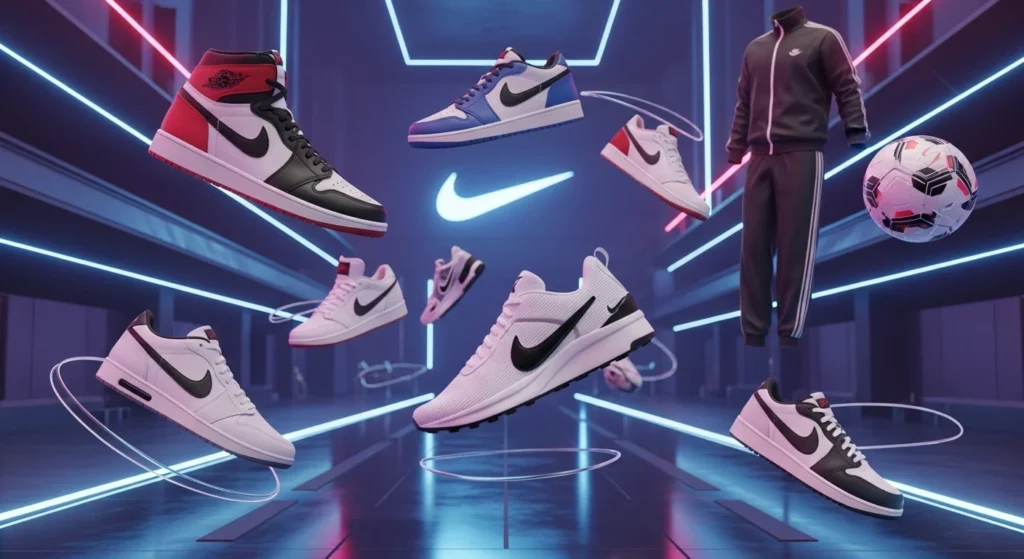
Brand building is the primary driver of long-term profit margins, structural defensibility, and price elasticity. While performance marketing captures existing demand, branding creates future demand.
For the past decade, heavily funded startups and established enterprises alike have become addicted to the immediate gratification of direct-response advertising.
The logic was simple: pump money into social media ads, track the last-click conversion, and optimise the Customer Acquisition Cost (CAC).
However, as we move through 2026, the era of cheap, easily attributable digital acquisition is definitively over.
Privacy regulations, the deprecation of third-party cookies, and saturated ad auctions have caused CAC to skyrocket across almost every sector. In this harsh new reality, your brand is the only sustainable moat against margin-crushing performance inflation.
The Math Behind Brand Equity
To understand how branding works financially, we must separate marketing into two distinct gears: activation and brand building.
Activation (sales promotions, lead generation) yields immediate, short-term spikes in revenue but decays rapidly once you turn off the funding.
Brand building (emotional storytelling, mass reach, identity reinforcement) is a slow-burn investment that compounds over time, eventually establishing a higher baseline of base sales that require zero active ad spend to generate.
When a brand has strong mental availability—meaning it comes to mind easily when a buyer enters a purchasing scenario—it dramatically reduces the friction of the sale. Customers click your ad over a competitor’s because they already know you. They bypass search engines entirely and type your URL directly into their browser. This organic preference manifests on the balance sheet in three specific ways:
- Reduced CAC: High brand awareness increases click-through rates and conversion rates on paid media, making every ad dollar work harder.
- Price Elasticity: Strong brands can raise prices without suffering a corresponding drop in sales volume. The brand equity justifies the premium.
- Talent Acquisition: A respected brand reduces recruitment costs and improves employee retention, lowering operational overheads.
The 60/40 Rule in a Cookieless World
While the traditional Les Binet and Peter Field research historically recommended a 60/40 budget split (60% brand building, 40% performance activation), recent 2025 econometric data from the B2B Institute reveals a starker reality in the privacy-first web.
A cross-industry analysis of 400 mid-market firms showed that companies over-indexing on performance marketing (spending >70% on direct response) saw their blended CAC increase by an average of 42% over an 18-month period due to signal loss and algorithmic changes.
Conversely, companies that maintained a strict 60% or higher investment in broad-reach brand building experienced only a 9% CAC inflation, effectively using their brand equity to shield their margins from rising media costs.
Furthermore, those brand-led companies commanded a 15% higher price premium at checkout. The data is unequivocal: in an ecosystem where granular targeting is failing, broad brand resonance is the only reliable performance multiplier.
Balancing the Funnel: Brand vs. Performance
To allocate capital effectively, leadership teams must stop treating brand and performance as competing ideologies and start treating them as a necessary synergy.
| Feature | Brand Building | Performance Marketing (Activation) |
| Primary Goal | Generate future demand and mental availability. | Capture existing demand and drive immediate action. |
| Time Horizon | Long-term (6+ months to compound). | Short-term (Immediate to 30 days). |
| Target Audience | Broad reach (Everyone in the category). | Narrow targeting (In-market buyers only). |
| Key Metrics | Share of Search, Brand Lift, Price Elasticity. | ROAS, CPA, Last-Click Conversions, Click-Through Rate. |
| Emotional Tone | Entertaining, emotive, memorable. | Urgent, rational, incentive-driven. |
When a company relies solely on performance marketing, it is essentially renting its audience from tech giants. The moment they stop paying the rent, the traffic stops. Branding is the process of building your own house. It requires more upfront capital and patience, but ultimately, you own the asset.
The Anatomy of Modern Brand Identity
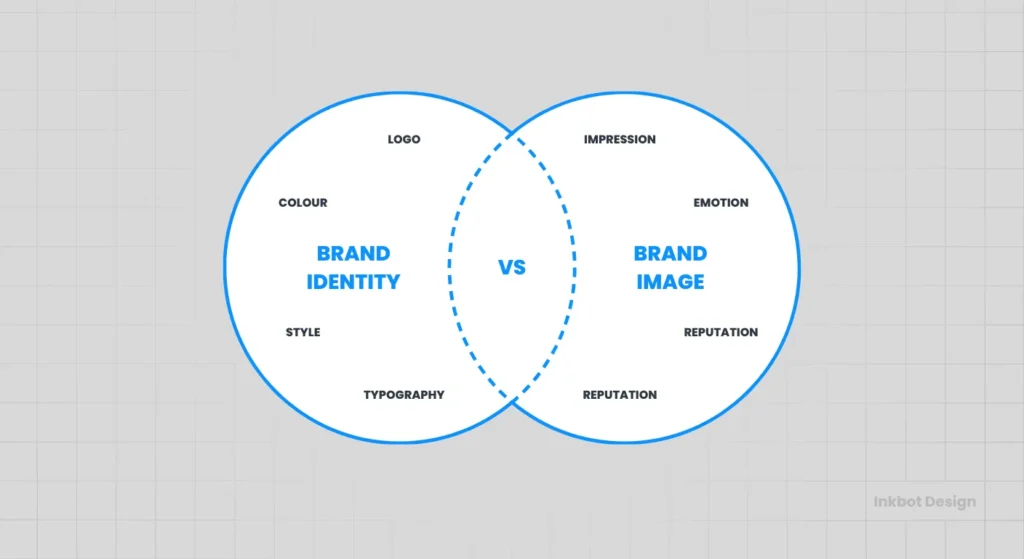
Brand identity is the tangible, sensory expression of your brand’s strategic positioning.
It is the comprehensive system of visual, verbal, and behavioural cues that allows a customer to recognise your company without reading its name.
While the layman assumes brand identity is simply a logo and a colour palette, a robust modern identity acts as a unified operating system. It codifies typography, motion guidelines, sonic branding, and tone of voice into a distinct, replicable framework.
This framework must stretch effortlessly across a smartwatch screen, a 48-sheet billboard, and an immersive digital environment without losing its core essence.
A strong identity does not just make a company look professional; it functions as a cognitive shortcut, reducing the mental friction required for a customer to trust and choose your product over a competitor’s.
When implemented correctly, your identity system ensures that every touchpoint—from an Instagram Reel to a physical unboxing experience—deposits equity into the same memory bank.
Brand Architecture Basics (Branded House, House of Brands, Endorsed, Hybrid)
Brand architecture is how a company organises and names its brands and sub-brands. It shapes recognition, stretch, and risk.
Get it right, and customers find their way through your portfolio without friction. Get it wrong, and you fragment spend, equity, and memory.
- Branded house builds a single master brand across its offers.
- House of brands separates products to target segments.
- Endorsed or hybrid balances equity and autonomy.
How the main models work
Branded house, think Virgin or Google’s suite, uses one parent to power everything. Trust travels fast, design systems stay tight, and media spend compounds.
House-of-brands, think Procter & Gamble with Tide and Gillette, isolates bets. Segment focus rises, but costs and governance costs rise too.
Endorsed brands, such as Courtyard by Marriott, are classic examples that borrow credibility while standing apart. Hybrid structures, Alphabet with Google under it, separate corporate from consumer-facing plays.
Wrong Way vs Right Way
| Wrong Way | Right Way |
| Let every sub-brand pick names, colours, and taglines in isolation | Define a decision tree for naming and design before briefs start |
| Launch a new brand for every feature or SKU | Extend the masterbrand or create descriptive ranges first |
| Orphan internal tools with no naming logic | Use endorsed naming for internal platforms to aid adoption |
Logo Systems That Scale
A logo is a functional tool of identification, not a purely decorative work of art. The most effective modern logos are built as responsive systems, designed vector-first to ensure flawless legibility regardless of scale or medium.
To be fit for purpose in 2026, a logo cannot exist as a single, static file.
It requires a hierarchy of assets: a primary horizontal mark, a stacked variant for vertical spaces, and a stripped-back icon or monogram optimised for 16-pixel favicons and mobile app squares.
Great logos avoid fussy gradients, hairline strokes, and overly complex illustrations that degrade when printed in single-colour formats or viewed on low-resolution displays.
Furthermore, a professional logo system dictates strict exclusion zones (the mandatory clear space around the mark) and specific minimum sizing rules to protect the brand’s visual integrity.
Whether it is embossed on premium packaging or rendered in a dark-mode user interface, the logo must act as an unmistakable anchor for the brand.
Colour Psychology and Digital Accessibility
Colour is the most immediate trigger for emotional resonance in brand design, but relying on colour alone is a critical failure in modern user experience. Selecting a brand palette requires balancing psychological impact with strict accessibility compliance.
While it is true that specific hues evoke predictable responses—such as blue signalling corporate trust or green suggesting ecological sustainability—these associations are entirely subjective.
What is objective, however, is digital accessibility.
A professional brand palette must adhere to the Web Content Accessibility Guidelines (WCAG) 2.2 AA standards. This mandates a minimum contrast ratio of 4.5:1 for standard text and 3:1 for large text against their backgrounds.
Designers must test their primary and secondary brand colours against common colour vision deficiencies (like deuteranomaly) to ensure critical information is never lost.
By codifying compliant colour pairings within the brand guidelines, companies ensure their brand is not only emotionally compelling but also legally compliant and accessible to all users.
A Voice That Doesn’t Blend In
Every great brand speaks with its voice. It has a personality all its own, too. These elements help them seem more “human,” allowing people to relate to them better.
Skittles is an excellent example because it uses this crazy/unexpected tone throughout its ads/social media posts. With such an eccentric candy behind it, though, who could blame them? No wonder they’ve got such die-hard fans…
Conversely, you’ve also got your heritage/luxury brands like Rolex or Mercedes-Benz, where everything sounds so… rich. Yeah, that’s probably the right word for it – rich af.
Codify the brand, or it drifts. Create a single source of truth covering logo usage, colours, type, imagery style, voice, grammar, and example phrases.
Set up governance. Version-controlled assets, an approvals workflow, and a digital asset management hub keep teams aligned. In our fieldwork, a monthly brand council stops entropy.
Why Brand Positioning Is the Ultimate Superpower

Have you ever had an experience where a brand just “gets” you? They seem to share your values, tastes, and lifestyle. That is the power of brand positioning.
Good brand positioning makes people feel they are being understood or that the product was made specifically for them. It involves taking a unique and easily recognisable territory within your target audience’s minds and in the market.
Defining Your Competitive “Position”
When positioning your brand, the first step is to identify what differentiates it from other brands or products that serve similar needs (competitive position). Why should customers choose yours over theirs? What gap does it fill in the marketplace?
Use a simple positioning template to lock clarity. For [target] who [need], [brand] is the [frame of reference] that [point of difference], because [reason to believe].
Plot competitors on perceptual maps with two attributes per axis, such as price and simplicity. You will see clusters, gaps, and copycats, then test your move with real customers.
For example, KFC (Kentucky Fried Chicken) positions itself around providing “food that you can feel good about eating.” In essence, guilt-free indulgence with tasty comfort meals is at the core space occupied by this company
On the other hand, Panera Bread has positioned itself as more health-conscious than traditional fast food. It feeds those who want nutritious but delicious options ‘Food as it should be.’’
Speaking Directly To Your Ideal Target
Once you have established what differentiates your offering from others’ offerings similar to yours, identify who would be most interested in such an offer, i.e., who will benefit most from buying this type of product or service. This means creating ‘buyer personas’ After all, one cannot please everyone.
Companies like Vans and Harley-Davidson excel at speaking directly towards specific subcultures. Vans celebrates culture through self-expression, appealing mainly to skaters, artists, etc., while Harley embodies ruggedness, individuality, freedom, craftsmanship, outlaw rebellion, and a worldwide aesthetic biker culture.
These brands know their audiences inside out, leading to very high levels of loyalty not seen anywhere else.
Living Your Differentiating “Brand Values”
Brand values have never been more critical when differentiating yourself in today’s hyper-saturated marketplace. People connect with brands that reflect their beliefs about themselves and their world.
No brand understands this better than outdoor clothing companies like Patagonia or The North Face; every aspect of these businesses’ branding is designed to resonate with people who love nature and are passionate about protecting it.
On the other hand, companies like Burt’s Bees (a natural skincare brand) and TOMS Shoes (an ethical footwear company) have carved out unique spaces for themselves through their commitments to using sustainable materials and supporting charity work, respectively.
Why Storytelling Separates Beloved Brands from Bland Ones
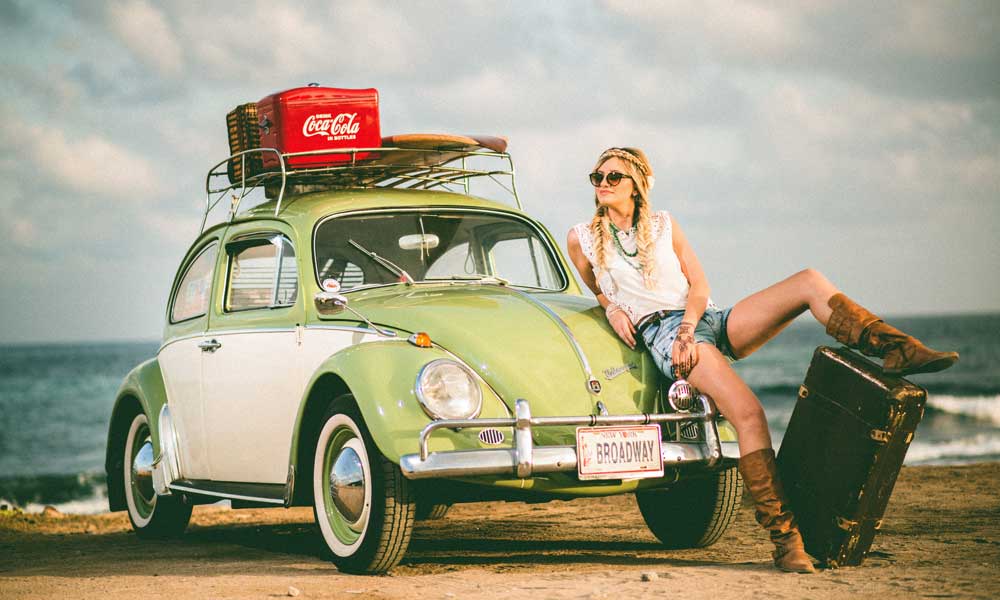
At one time, the most fascinating businesses could tell extraordinary stories. Or perhaps not. Every branding wizard knows that telling tales makes an ordinary product or service exceptional and emotional for customers.
Stories create connections. They satisfy our innate human yearnings for narrative, drama, adventure and identification; beyond selling us “things,” great storytelling sells us on ideology, self-expression, and belonging—on genuinely valued intangibles.
Building an Irresistible Origins Story
Every excellent brand story has a humble beginning—an origin tale filled with conflict, struggle and a touch of David-versus-Goliath spirit. This gives it authenticity and a sense of higher purpose beyond profits alone.
Archetypes keep stories coherent. The Hero, Caregiver, Explorer, and Jester map to tone, imagery, and copy choices across channels.
Keep it simple: arc, setup, conflict, resolution. Repeat the same values through different plotlines so the story scales without breaking character.
Take Apple’s founding myth: Steve Jobs and Steve Wozniak toiling away in a garage, rebelling against the establishment (IBM), daring to “Think Different.” Even now, their story of changing the world through innovation, while everyone else said it couldn’t be done, remains at the heart of what makes Apple unique.
Inviting Customers Along For The Journey
The best brand stories are those in which customers don’t just sit back as passive observers but become active participants in an ongoing narrative. They foster a “you’re one of us” feeling that creates a sense of community and belonging.
Look at Red Bull and GoPro—they both celebrate bravery, adventure-taking and living life to its fullest at their core. So their content acts as marketing but also serves as inspirational fuel for people who want to buy into these attitudes too; with them, you’re becoming part of something bigger than yourself by just buying some stuff off shelves somewhere… And that’s pretty cool!
Crafting Content Tapestries – Not Threadbare Stories
An authentic brand story isn’t some throwaway fairytale. It’s like an intricate tapestry of many threads connecting and evolving.
Don’t believe me? Then, consider franchises such as Star Wars or the Marvel Cinematic Universe. Every new movie, TV show, comic book or product release adds another layer to this ongoing narrative; fans can never get enough because there’s always more story left to tell—each episode just deepens the enchantment.
Stats and Facts: Just How Impactful Is Branding?
- Companies with solid brand equity outperform those with weak brand equity by 30% in terms of stock market value
- 59% of customers prefer to buy new products from brands they trust
- 89% of shoppers stick around for brands that keep it simple and consistent
- 79% of purpose-driven brand users feel loyal
- Revenue goes up 33% for companies that stay true to their brand promise consistently over time
Brand Measurement and Tracking (From Awareness to Preference)
What to measure and how
Track the customer mind, not just clicks. Use unaided and aided awareness, consideration, preference, and usage. Pair with NPS or CSAT for experience and sentiment from social listening.
Run brand lift studies on major platforms to isolate impact. Monitor share of voice, branded search volume, and category entry points to spot momentum.
Debunked: “Performance-only spend is fine for growth”
Long-term effectiveness data from the IPA’s Binet and Field show brand building works alongside activation. Their analyses link excess share of voice to market share growth and recommend a balanced split between brand and activation for sustained gains, based on IPA Databank evidence.
Wrong Way vs Right Way
| Wrong Way | Right Way |
| Judge brand work by last-click conversions | Use pre- and post-brand lift with control groups |
| Track vanity metrics in isolation | Ladder metrics to a strategy map, from awareness to sales |
| Swap KPIs every quarter | Keep a fixed core set, then test tactical extras |
I once reviewed a dashboard with 47 KPIs. We cut it to eight that tied to a clear model, and the team finally saw which creative had the highest preference.
Why Experiences Outshine Mere “Stuff” Nowadays

In our era of Netflix, Uber, and subscription everything, people increasingly prize experiences over mindless consumerism. We seek out brands that deliver memorable, shareable moments.
A jaw-dropping brand experience has the power to embed itself in our psyches like nothing else. Long after a product breaks or fades, a transcendent experience lingers. It heightens emotional resonance, brand advocacy, and, quite frankly, our willingness to forgive the occasional hiccup.
Look at Disney as the prime example. Their magic isn’t relegated to films or toys – their immersive theme parks and hospitality have families spellbound for life. The experiences are so exceptional that even their jaded teenage guests leave starry-eyed.
People remember the high point and the finish. The peak–end rule, described by Daniel Kahneman and colleagues in 1993, explains why a single wow moment can outweigh small flaws.
Map key moments of truth. Engineer a standout peak, then close strong with a thank you, a surprise, or fast support that fixes friction.
Designing Multisensory Brand Connections
Experiences that stimulate and delight multiple senses are pure branding sorcery. That’s why retailers like Lush, Anthropologie, and Apple design every element to inspire multisensory rapture.
From the tantalising scents and whimsical aesthetics to the attentive customer service that makes you feel like the centre of the universe – it all coalesces into an elevated experience you can’t replicate online. And those memories forge a lasting brand affinity beyond any transaction.
Creating Customer Journeys Worth Raving About
The customer experience encompasses every encounter – from the first ad to the support call after purchase. Delightful brands choreograph consistent, pulse-raising journeys across every touchpoint.
Consider the subscription box brand FabFitFun. Their customer journey excels with surprise unboxing ceremonies, exclusive magazine content, seamless purchasing, and flawless shipping. Their devoted community eagerly awaits and savours each quarterly instalment.
Similarly, cult-favourite makeup brand Glossier crafts an end-to-end pink bubble of bliss – social media so aesthetic you want to lick it, a gorgeous online shop, and showroom locations you’d happily live inside.
When Customers Become Raving Brand Ambassadors
The holy grail of brand experiences is empowering customers to become active ambassadors. After all, peer advocacy is the most credible ad of all.
Taking this approach to the extreme is activewear phenom Lululemon. Their company mindset centres on selling clothing and igniting an international community of sweaty ambassadors. Every store offers free yoga classes, run clubs, in-house trainers, and lifestyle events. These memorable shared experiences generate a tribe of fiercely loyal evangelists who live the brand.
The State of UGC and Influencer Compliance in 2026
The FTC’s Endorsement Guides, updated in 2023, require clear disclosure of material connections. The UK ASA and CAP Code require obvious labels, such as #ad, when payment or gifting occurs, with ongoing enforcement through rulings.
The EU’s Digital Services Act, fully applicable from 2024, increases transparency duties for platforms and advertisers. Brands need rights before reposting content and written briefs that spell out claims, tags, and usage windows.
Brand Loyalty: The Gift That Keeps on Giving

Ah, brand loyalty – the coveted prize every branding initiative strives for! When branding is expertly executed, it triggers that beautiful irrational bias we call loyalty.
And boy does loyalty pay dividends:
- It’s way cheaper to keep existing customers than to constantly acquire new ones.
- Brand loyalists spend up to 67% more than new customers, according to Motista.
- Retained customers tend to be less price-sensitive and more receptive to new products/services.
Cultivating loyalty boils down to consistently delivering branded experiences people fall in love with – ones that exceed expectations, simplify lives, spark joy, and create connections worth savouring.
Points keep people engaged, but tiers keep them coming back. Classic earn and burn pairs nicely with status layers that unlock experiences.
Sephora’s Beauty Insider uses three tiers, Insider, VIB, and Rouge, with escalating access, events, and early drops. Copy the structure, not the skin.
Let’s look at America’s golden child, Trader Joe’s. The fandom around this grocer is almost cult-like, and for good reason – it delivers delightfully quirky branding with which people resonate. Hawaiian-shirt-wearing employees warmly welcome shoppers. The affordable finds cater to foodies and health nuts alike. The ever-rotating stock provides a novel “treasure hunt” experience on each visit.
Most importantly, Trader Joe’s nails the basics with quality products, great value, and superior convenience – the pillars that keep loyalists returning.
Why Branding Can’t Just Be a One-Hit Wonder
Sadly, genuine, lasting brand resonance doesn’t happen overnight. It takes continuous reinforcement through creative means to fully entrench a brand in people’s hearts and minds.
Just ask any smoker who’s tried quitting cold turkey – old habits die hard. Breaking through the incessant advertising clutter requires sustained, multi-channel brand impressions. While challenging, brands that prevail reap immense rewards in recognition and engagement.
Social Media – The New Frontier of Branded Experiences
Social media represents an unprecedented opportunity for brands to engage audiences through personally branded, real-time experiences.
The savviest brands like Wendy’s, Steak-umm, and MoonPie have carved out uniquely sassy, memorable personalities on Twitter and beyond. Their snark and shenanigans keep fans amused and eager for more hilarious interactions.
Elsewhere on social media, IGTV, Instagram Lives, TikTok trends, Twitch streams, and more drive interactive micro-experiences extending brand engagement. The possibilities of dazzling audiences in creative, branded ways are limitless.
Immersive Technologies Heightening Brand Wizardry
As technology transcends gadgets, brands have incredible new canvases to paint their storytelling. Trailblazing brands are experimenting with:
- Voice assistants/AI companions
- Augmented reality (AR) apps
- Virtual and mixed reality experiences
- Gesture controls and immersive environments
Lego has been an AR pioneer, creating apps that magically transform real-world playsets into living, interactive games and stories. Sephora wowed the beauty world with a virtual artist who used AR to demo actual makeup looks.
As this technology progresses, brands that create resonant yet delightfully immersive experiences will cement lasting staying power.
Real-World Branded Stunts That Generate Buzz
Last but not least, real-world guerrilla marketing stunts remain one of the surest ways to stop people dead in their tracks. Even in our digital age, crafting unexpected real-life brand experiences is an unfair attention-grabbing advantage.
Red Bull’s written the bible on this with their mind-blowing publicity stunts and events. From the Stratos space jump watched by millions to shattering human-powered speed records, they deliver boundary-pushing experiences that implant their ethos of “Red Bull gives you wings” into our psyches.
Similarly, brands like IKEA turning airports into elaborate temporary apartment installations or KFC’s brilliant VR training game exemplify the creative stunts that etch a brand into our collective memories (and internet search histories).
The Brand Naming Puzzle – Getting It Right From the Start
Amidst all the visual spectacles, storytelling mastery, and experiential razzle-dazzle, one aspect reigns supreme in brand-building: the name.
A name is ground zero for a brand’s entire identity and positioning. It’s our first indelible impression, and the stakes couldn’t be higher to captivate from the get-go.
How a Strategic Naming Process Breeds Winners
The brands with the most magnetic, idyllic names rarely lucked into them by chance. Typically, an intensive strategic process yielded the perfect fit.
It often begins by crystallising the brand’s desired perceptions, personality, and values. From there, teams explore how to artfully combine linguistic elements such as etymology, sound symbolism, word roots, and creative portmanteaus to elicit the perfect emotional resonance.
Consider Apple, a name suggested by Steve Jobs himself. Its core associations (simplicity, purity, natural origins, and the mythological fruitful beginnings for humanity) beautifully align with the brand’s philosophies.
Or take Häagen-Dazs, a brand name ingeniously constructed to convey an aura of old-world European heritage and tradition (despite being founded in the Bronx!). The faux-Danish gibberish sounds elegantly Scandinavian to our ears, elevating the brand’s prestige.
The Essential Elements Every Moniker Needs
Coming up with a killer name isn’t enough – it also has to clear legal hurdles and fulfil specific functional criteria. Significant brand names share:
- Distinctiveness from the competition
- Versatility across offerings and marketing channels
- Timelessness to withstand trends and avoid dating
- Brevity for easy recollection
- Global resonance without cultural missteps
Exceptional examples excelling at the above include Nike, Coca-Cola, and Google. Generic options like “Seattle’s Finest Coffee” would have limited growth.
Name checks are not admin; they are risk control. Search trademarks in primary markets using USPTO TESS, EUIPO eSearch, and the WIPO Global Brand Database.
Pick Nice classes that match what you sell. Check domains and major social handles, then screen for negative meanings in key languages before you brief design.
Popular Naming Styles and Strategic Use Cases
Brands have experimented with various naming styles over the decades, each with its attributes and ideal scenarios:
- Descriptive names (Microsoft, American Airlines) convey literal meaning, which is significant for clarity and positioning.
- Evocative names (Amazon, Instagram, Duracell) summon metaphorical associations through suggestive imagery or concepts – terrific for setting distinct brand personalities.
- Invented names (Xerox, Verizon) create new words – allowing brands to mould unencumbered identities.
- Acronymic names (DKNY, FUBU) use abbreviated forms – lending an elite, insider vibe to fashion/luxury plays.
- Amalgamated names (Microsoft, Comcast) fuse terminology – bright for conveying capabilities after mergers.
- Observing trends reveals that descriptive and evocative naming styles are currently most en vogue. However, the “best” approach aligns with each brand’s unique aims.
When a Regrettable Name Warrants Rebranding
Despite noble intentions, a brand name may need to be corrected when it becomes problematic, outdated, or misaligned. In these cases, rebranding with a new name can revitalise relevance.
The iconic design software startup “Adobe” actually launched in 1982 as “Blazing Turtle” (no joke). And can you imagine PayPal keeping its original name, “Confinity,” in today’s digital payments landscape? These calculated rebrands were wise moves.
More recently, mass brands like Aunt Jemima (problematic stereotyping) and Uncle Ben’s (racial biases) embraced progressive new personalities and monikers to realign with modern values. Occasional reboots enable brands to evolve alongside society.
Brand Voice: The Purposeful Personality Behind It All
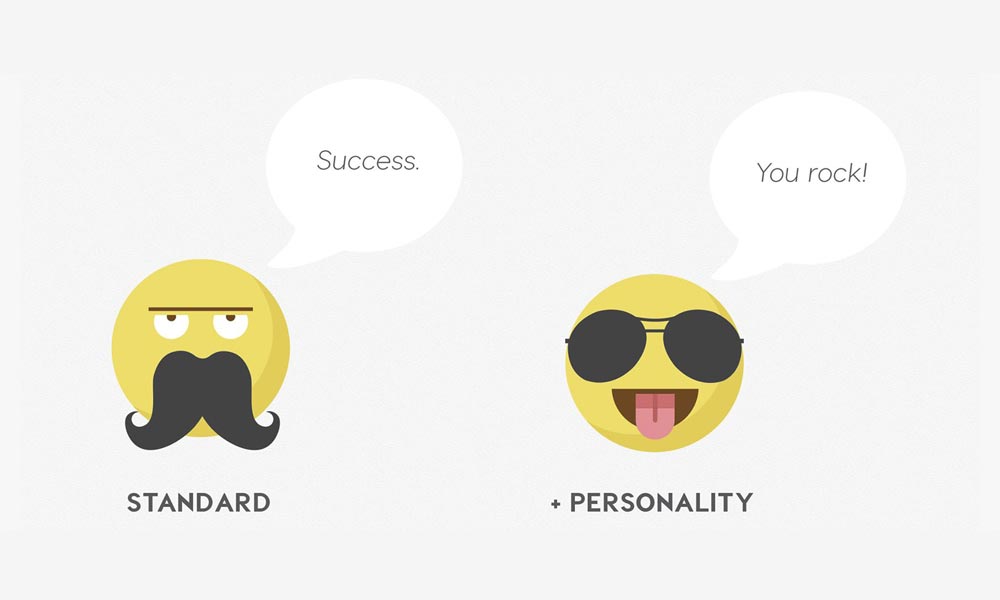
What if Coca-Cola sounded like a stoic tax accountant in their ads? Or did Skittles have a pompous, uptight vibe across social media? Beyond visuals, a resonant brand voice is a powerful beacon guiding personality.
An authentic, well-defined voice cultivates those all-important emotional connections. It signals the kinds of people the brand represents and the ideals it embodies. Simply put, voice shapes whether you “vibe” with a given brand or bounce to their competitors.
From the cheeky, meme-loving antics of Wendy’s to the aspirational soul of Oprah’s empire, mastering voice is branding’s not-so-secret secret sauce.
The Art of Finding a Brand’s Inimitable Voice
So, how do you zero in on that ideal brand voice? It’s both a science of data and an art of creativity:
First, the science-intensive research unpacks the motivations, language, and personality archetypes that resonate with the target audience. Delving into people’s hearts and minds reveals universal human truths to lean into.
From there, brand strategists and writers get inventive – workshopping distinctive “vocal personalities” and experimenting with different tones. Multiple iterations are pressure-tested via surveys, focus groups, social media drips, and gathering honest human feedback.
Over time, the voice that gets the most smiles, thumbs-ups, and “oh, that’s SO [Brand]” reactions emerges victorious. Once codified in a brand voice guide, it provides the throughline for all creative executions, from websites to commercials.
The Magical Mix of Voice Qualities
While each brand voice has its idiosyncratic combination, they generally blend elements like:
- Speech patterns (SoCal beach slang or upper-crust diction?)
- Humour style (puns, sarcasm, self-deprecating wit?)
- Language formality levels
- Energy levels (zany and hyper or calm and relaxed?)
- Perspective (conversational or authoritative expert?)
- Descriptive word choices
- Core personality traits (charming, rebellious, down-to-earth?)
Different industries and target demos demand contrasting voice qualities. The right voice should feel like an authentic, engaging expression of the brand’s essence.
Build a message stack. Brand promise at the top, three to five pillars under it, then proof points, examples, and claims you can substantiate.
Modulate tone by context without breaking voice. Ads go high-energy; support is calm and clear; crisis comms are factual and fast, with approved phrasing and no fluff.
Delivering a Cohesive “Omnivoice” Experience
Crafting a distinctive brand voice is only half the battle. Ensuring it’s seamlessly deployed across every touchpoint (ads, website, socials, packaging, in-store, etc.) while avoiding disjointed Jekyll & Hyde syndrome is crucial.
To uphold consistency in vibe, diligent brands develop thorough voice strategy playbooks for all communications, with guidelines on personality traits, word choice, grammatical preferences, and even authoritarian responses for common scenarios.
The payoff? An impeccably coordinated brand experience that profoundly resonates from start to finish. Prime examples include Nike’s effortless cool, Dove’s heartfelt optimism, and the playful, pun-filled delight that is Taco Bell’s iconic Millennial voice.
FAQs on How Branding Works
How long does it take to see a measurable ROI from brand marketing?
Unlike direct-response ads that yield instant data, brand building requires a longer gestation period. Typically, econometric models suggest it takes six to nine months of consistent brand investment to see a noticeable shift in baseline sales and organic search volume, with the most significant financial compounding occurring after the 12-month mark.
Can a small startup afford to invest in brand building instead of lead generation?
Startups absolutely must balance the two. While cash flow dictates a heavier reliance on lead generation early on, completely ignoring brand identity guarantees future growth bottlenecks. Small businesses should focus on “performance branding”—ensuring every transactional ad still heavily features distinctive brand assets and a consistent tone of voice.
How do we convince the board to invest in the brand when budgets are tight?
Frame brand building as a cost-saving mechanism rather than a luxury expense. Use Share of Search (the volume of organic search queries for your brand name divided by the total search volume for all brands in your category) as a leading indicator of market share. Demonstrate how reliance on paid search for generic keywords is eroding margins compared to generating direct, branded traffic.
How much should a company budget for branding initiatives?
There’s no one-size-fits-all since branding investment correlates with company goals, industry competition, and growth stages. However, a general rule is to allocate 5-10% of projected revenue to brand-building activities such as research, identity/asset creation, and campaigns.
How do brands stay relevant amid constantly evolving trends?
While brand foundations (identity, voice, values) should maintain timelessness, experiential expressions evolve strategically alongside customers’ changing interests and behaviours. Social listening, cultural insight mining, and continuous innovation fuel seamless brand evolution.
What are some examples of total brand identity system failures?
Some cautionary rebranding tales include Gap’s logo remix, which sparked massive backlash; Tropicana temporarily fumbling its iconic packaging design overhaul; and even Uber’s universally panned minimalist rebrand in 2018.
Does corporate social responsibility and sustainability impact branding?
Innovative brands understand that stakeholders (not just consumers) increasingly prioritise ethical, sustainable, and socially conscious business practices. Brand reputations are actively shaped by a company’s more significant societal impacts.
How does branding affect employee morale and retention?
Enormously! Compelling, values-driven branding fosters pride and attracts top talent eager to represent the brand. But subpar, mismatched branding erodes engagement. According to Achievers, companies with strong, defined employer brands can reduce turnover by 28%.
What’s on the horizon for future branding innovation?
We’ll likely see increased seamless brand universes enabled by AI, web3 tech, virtual influencers, and evolutions in immersive experiences (XR, spatial computing, etc). However, emotional intelligence and consistency in those experiences will remain paramount.
Can small businesses or startups neglect branding early on?
Branding shouldn’t be an afterthought, even in pre-revenue stages. From day one, an ownable identity, messaging, and experience make businesses more discoverable and compelling to investors or customers. Skimping here heightens the risks of costly rebrandings or missed opportunities.
What’s the most critical brand asset to develop?
While all aspects interplay, arguably the most pivotal asset is a defined brand archetype or persona. This core psychological alignment with customers accelerates bonding and cements what enduring human insights your brand embodies. Master this, and the rest flows cohesively.
The path to epic branding? Focus on what sticks in people’s hearts and minds. You’ll turn casual buyers into lifelong apostles by weaving rich identities, stories, voices, and meaningful experiences into your brand world. Happy brain-embedding!