12 Essential Design Skills to Elevate Your Creative Career
As a creative professional navigating the landscape of design, tech, and digital media, I’ve seen firsthand how the proper skill set can make all the difference in elevating your career.
Over the past 17 years, I’ve worked with talented individuals across various disciplines – from graphic designers and filmmakers to UX experts and content creators.
Through it all, I’ve noticed a common thread among the most successful creatives: a deep, versatile skill set that enables them to consistently deliver exceptional work, adapt to changing conditions, and position themselves as invaluable assets.
In this comprehensive guide, I will share the 12 essential design skills every creative professional should strive to master.
Whether you’re a seasoned veteran or just starting, integrating these abilities into your professional toolkit can help you overcome imposter syndrome, future-proof your career, and take your work to new heights.
- Master the fundamentals of design principles, including colour theory, typography, and composition to ensure visually striking work.
- Develop strong drawing skills to enhance your ability to communicate ideas and ideate freely within your projects.
- Gain proficiency in the Adobe Creative Cloud suite for efficient execution of professional-level design work and higher-quality deliverables.
- Understand motion design and animation to elevate static designs, enhance user experiences, and meet increasing visual demands.
- Cultivate adaptability and continuous learning to stay relevant and thrive amidst evolving design tools and industry trends.
1. Mastering the Fundamentals of Design Principles

Let’s start with the basics. As a designer, you need a rock-solid understanding of the core principles that underpin all great visual work. This includes areas like:
- Colour theory: Knowing how to wield the power of colour to evoke specific moods, draw attention, and create cohesive palettes.
- Typography: Pairing fonts effectively, establishing typographic hierarchies, and manipulating text to amplify your message. Use OpenType features like ligatures, old-style figures, and kerning to polish text. Adopt variable fonts, introduced with OpenType 1.8, to tune weight, width, and optical size in a single file for better performance and consistency; see Microsoft’s OpenType documentation.
- Composition: Understanding concepts like balance, symmetry, rhythm, and whitespace to craft layouts that are visually striking and easy to navigate. Lock layouts to modular and baseline grids to stabilise rhythm across breakpoints. Align type scales and spacing tokens to that grid so hierarchy remains predictable on print and screen.
- Gestalt psychology: Applying principles like proximity, similarity, and closure to design elements that guide the viewer’s eye and communicate clear meaning.
Even if your primary role isn’t designing page layouts or creating brand assets, these foundational principles underpin every type of visual communication.
Direct Answer: Accessibility means designing so people with a broad range of abilities can perceive, operate, and understand your work without loss of information or function. It reduces friction, grows reach, and lowers legal risk. Aim for WCAG 2.2 AA, test early, and bake it into your process, not after.
- Meet the minimum contrast requirements: 4.5:1 for body text and 3:1 for large text, per WCAG 2.2 from W3C.
- Never rely on colour alone for meaning; pair colour with icons, labels, or patterns, per WCAG 1.4.1 Use of Colour.
- Provide visible focus states and full keyboard access, align with WCAG 2.2 success criteria on focus appearance and operability.
Debunked best practice: “Red text is enough for errors.” It is not. WCAG requires a non-colour cue and sufficient contrast for status messaging, see W3C’s Web Content Accessibility Guidelines.
| Scenario | Wrong Way | Right Way |
|---|---|---|
| Error state | Red label only | Red label plus icon and text, meets 4.5:1 |
| Link styling | Blue text with low contrast | High-contrast link with underline on hover and focus |
| Charts | Colour-only series keys | Colour plus patterns and direct data labels |
| Focus | No visible outline | 3:1 contrast focus ring, not removed by CSS |
GOV.UK’s Design System lists contrast and focus as baseline requirements, and BBC GEL documents non-colour cues across components. Both are strong models for teams building accessible systems at scale.
In our fieldwork, teams that adopted contrast checking and non-colour cues during design reviews cut accessibility bugs at QA by half, simply by catching issues before handoff.
As a writer, you must consider typography and whitespace to make your articles pop. As a photographer, understanding colour theory can help you set the perfect mood. As a UX designer, Gestalt psychology is crucial for crafting intuitive digital experiences.
Trust me, investing time to master these core design tenets will genuinely pay dividends throughout your entire creative career.
2. Developing Rock-Solid Drawing Skills
Let’s face it – being able to draw well is like a superpower in the design world. Even if you’re not creating illustrations or custom graphics as part of your day job, having strong drawing abilities can give you a significant edge.
Being able to quickly sketch out thumbnail concepts, visualise ideas, and communicate using hand-drawn elements is an invaluable skill. It allows you to ideate more freely, iterate faster, and bring your creative vision to life in a way that static mockups or wireframes simply can’t match.
You certainly don’t need to be a world-class artist. However, investing time in developing fundamental drawing techniques like proportions, perspective, form, and shading can make a huge difference.
Trust me, even basic drawing skills can transform your design process. Start with simple exercises like sketching everyday objects around your home, drawing gestures of people in public, or trying your hand at basic figure drawing. Over time, you’ll be amazed at how quickly your abilities blossom.
3. Mastering the Adobe Creative Cloud Suite
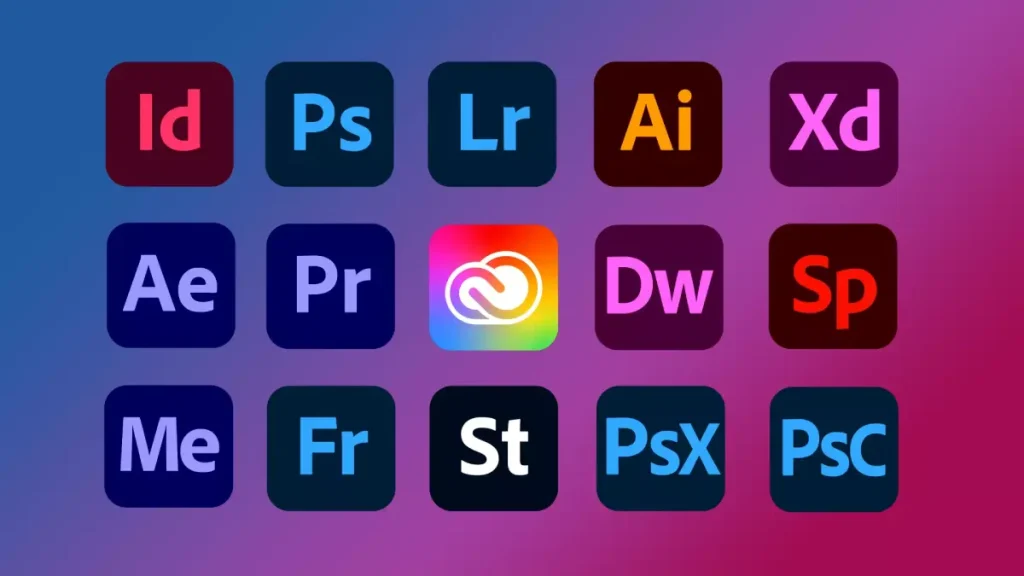
While raw design talent and conceptual thinking are crucial, most professional-level creative work today is executed with digital tools. And when it comes to the industry standard, the Adobe Creative Cloud suite reigns supreme.
From Photoshop and Illustrator to InDesign and XD, having a solid grasp of the Adobe ecosystem is a must-have skill for any creative pro.
Figma remains the UI workhorse for components, Auto Layout, and Dev Mode handoff. Dev Mode launched in 2023 to tighten designer and developer workflows, see Figma’s documentation.
Adobe has shipped Firefly generative features, Photoshop Generative Fill and Illustrator text-to-vector inside Creative Cloud. These support fast ideation while preserving Adobe’s commercial safety claims from its training approach; see Adobe Firefly.
Adobe XD has been in maintenance mode since 2023, with sales to new customers stopped and no major feature roadmap. Adobe HelpX confirms this status. Most product teams standardise on Figma or prototype in code.
The State of UI tools in 2026
- Figma dominates UI prototyping and handoff, with tokens and dev-ready specs increasingly central to design systems.
- Creative Cloud drives asset production, retouching, and vector workflows, with Firefly assisting content exploration, not replacing art direction.
- The W3C Design Tokens Community Group continues to shape a cross-tool design tokens spec, informing how teams name and exchange style data.
Historical note: Adobe terminated its proposed acquisition of Figma in late 2023 under regulatory pressure, preserving a multi-vendor tool ecosystem for designers.
Navigating these applications confidently, understanding their core functionality, and leveraging advanced techniques allow you to work faster, experiment more freely, and produce higher-quality deliverables.
Even if your day-to-day work doesn’t involve heavy-duty image manipulation or vector illustration, understanding how to wield Adobe’s powerful tools can still significantly boost your work.
As a writer, being able to quickly mock up book cover designs or format your articles in InDesign can make you infinitely more valuable. As a UX designer, prototyping interactive experiences in XD can help you communicate your ideas more effectively. And as a marketer, cutting-edge photo editing skills in Photoshop can elevate your social media graphics to the next level.
4. Understanding Motion Design and Animation
In our increasingly visual world, the ability to bring static designs to life through motion and animation is becoming an absolute necessity.
Whether creating eye-catching social media videos, designing slick user interface animations, or producing dynamic presentations, mastering motion design skills can make a huge difference.
Even if your primary focus isn’t creating full-fledged motion graphics, having a foundational understanding of animation principles and the tools to bring them to life can be a game-changer.
Aim for responsive, purposeful motion that clarifies state changes and spatial relationships. Keep interaction animations brief, and target a smooth 60 fps for input-driven UI where feasible. Google’s Material Design guidance sets these expectations.
Respect accessibility preferences using the prefers-reduced-motion media query. Reduce or remove non-critical animation when set, and use practical pipelines such as exporting After Effects via Bodymovin to Lottie for web and mobile, documented by Airbnb Design.
Think about it – being able to add subtle hover effects to your website, incorporate animated icons into your presentations, or create attention-grabbing social media posts can instantly elevate the impact of your work.
It’s a high-demand skill across various creative disciplines, from marketing and branding to user experience and beyond.
5. Cultivating Adaptability and Continuous Learning
In the fast-paced world of design, the only constant is change.
New tools, techniques, and industry trends emerge at breathtaking speed, and the ability to quickly adapt and continuously learn is essential.
As a creative professional, you must approach your craft with a growth mindset – always eager to expand your skillset, experiment with new approaches, and stay ahead of the curve.
Whether diving into the latest Figma features, exploring emerging 3D design software, or mastering AI-powered image generation, your willingness to learn and evolve continuously will be a crucial differentiator.
Now, I know what you might be thinking – “But I’m already so busy! Do I have time to learn new things besides my day job?” The answer is yes, you do. Your ability to carve out time for professional development could be the very thing that propels your career forward.
Adopt a T-shaped model, go to a specialist level in one craft area while keeping working literacy across adjacent skills like front-end, motion, and analytics. This mix increases your surface area for opportunity.
Block time each month to scan official release notes from Figma and Adobe Creative Cloud. Write a one-page debrief, then apply one change to a live task so learning compounds rather than remaining theoretical.
Think about it – the designers and creatives who are in the highest demand are the ones who can adapt to changing needs, bring fresh ideas to the table, and demonstrate a genuine passion for their craft.
By prioritising continuous learning, you’ll stay relevant and position yourself as an invaluable asset that clients and employers will be eager to work with.
6. Developing Strong Research and Trend-Spotting Skills
In the design world, identifying emerging trends, anticipating user needs, and drawing inspiration from various sources are crucial. After all, great design isn’t created in a vacuum – it results from an informed, thoughtful, and iterative process.
As a creative professional, you must be a voracious researcher, constantly immersing yourself in the latest design work, analysing industry insights, and keeping a pulse on cultural and societal shifts.
Whether scouring Behance for fresh portfolio pieces, diving into the latest UX research, or exploring innovative brand campaigns, your ability to uncover meaningful insights can make all the difference.
Even if your primary role isn’t strategic planning or conceptual development, bringing a well-researched, trend-aware perspective can elevate your work and make you an invaluable collaborator.
Use Nielsen Norman Group’s 10 usability heuristics for quick expert reviews. Then run task-based usability tests and measure success rates, error types, and time-on-task to validate fixes.
Apply the System Usability Scale, developed by John Brooke, to obtain a quick perception score. Run card sorting and tree testing to shape information architecture, and turn findings into small, testable design changes, NN/g and the GOV. The UK Service Manual documents these methods well.
Historical example, NN/g’s heuristics date back to 1994 and were updated in 2020. Their longevity shows the value of simple, repeated checks before you ship.
Knowing the latest content marketing trends can help you craft more engaging blog posts as a writer. As a photographer, understanding emerging visual styles can inform your creative direction. And as a UX designer, staying on top of user behaviour insights can help you craft more intuitive digital experiences.
7. Mastering the Art of Collaboration and Communication
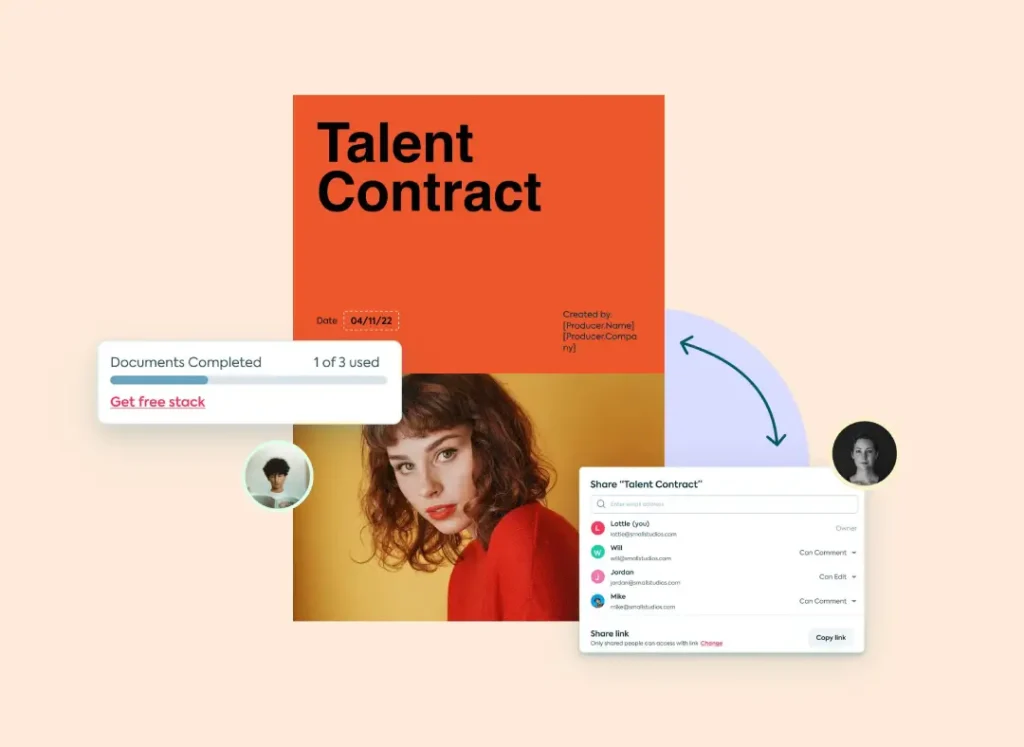
In the world of design, no one is an island. Whether working on a brand identity system, crafting an interactive website, or producing a marketing campaign, success almost always hinges on your ability to collaborate effectively with a diverse team.
As a creative professional, you must be a strong communicator, a skilled presenter, and an adept negotiator. From clearly articulating your vision and ideas to actively listening to feedback and incorporating diverse perspectives, your interpersonal skills can make or break a project.
Even if you don’t consider yourself a natural extrovert, developing competencies like active listening, constructive critique, and diplomatic conflict resolution can pay huge dividends.
As a designer, being able to present your work and field tough questions from stakeholders confidently can help you secure buy-in and approval.
Keep a shared library with components, tokens for colour, type, and spacing, and consistent layer naming. Annotate interaction specs near the relevant frames so developers do not guess.
Use Figma Inspect to expose measurements and CSS values, or Zeplin, where teams prefer its conventions. Version files with clear status suffixes to reduce rework and speed sign-off.
As a writer, knowing how to collaborate with subject matter experts and incorporate their feedback can elevate the quality of your content. As a UX professional, your ability to facilitate productive workshops and user testing sessions can directly impact the success of your projects.
8. Cultivating an Entrepreneurial Mindset
In today’s dynamic creative landscape, the ability to think and act like an entrepreneur can be a significant competitive advantage. Whether working in-house, as a freelancer, or running your creative studio, adopting an entrepreneurial mindset can help you identify new opportunities, take calculated risks, and elevate your career.
As a creative professional, this means being agile and adaptable, and seeking ways to add value. It means proactively identifying client needs, proposing innovative solutions, and delivering exceptional work that exceeds expectations. It means having the courage to challenge the status quo, experiment with new approaches, and constantly push the boundaries of what’s possible.
Even if your ultimate goal isn’t to start your agency or freelance full-time, cultivating an entrepreneurial mindset can make you a far more valuable and sought-after creative talent.
Pick pricing to match risk, hourly for discovery or undefined scopes, project-based for defined deliverables, and value-based when outcomes are measurable and high impact. State it clearly in writing.
Contracts should define scope, deliverables, timeline, approvals, revision limits, payment terms, and IP or usage rights. I once audited a studio that doubled margins by fixing vague scopes and moving to phased statements of work.
Being able to pitch creative concepts, negotiate contracts, and manage client relationships can make you an indispensable asset. As a writer, having the business savvy to identify lucrative content opportunities and package your expertise can open up new career paths.
And as a UX professional, bringing an entrepreneurial approach to solving user problems can lead to groundbreaking innovations.
9. Embracing the Power of Storytelling

The ability to craft compelling narratives is essential in design and creative work. Whether creating a brand identity, designing a website, or producing marketing materials, your job needs to do more than just look great – it needs to tell a captivating story that resonates with your audience.
As a creative professional, you must be a master storyteller, able to weave visual elements, emotive language, and strategic messaging into cohesive, impactful experiences.
From understanding the principles of narrative structure to tapping into universal human truths, your storytelling prowess can distinguish between work that merely looks good and work that truly inspires and moves people.
Even if your primary role doesn’t involve crafting long-form copy or directing cinematic productions, the ability to think in narrative terms and infuse your work with compelling stories can be a game-changer.
Map a simple three-act arc across your assets, setup, confrontation, and resolution. Pair storyboards with user flow maps so each screen nudges a clear next step.
Keep visual hierarchy and microcopy aligned to the plot beat. The headline frames the goal, the body copy reduces doubt, and the call to action lands the resolution with zero ambiguity.
As a designer, understanding how to create visual narratives that guide users’ journeys can make your websites, apps, and marketing materials more engaging and effective. As a photographer, honing your skills in documentary-style storytelling can transform your portfolio from a collection of pretty pictures to a series of impactful visual stories. And as a writer, the capacity to weave narrative elements into your content can help you stand out in a crowded marketplace.
10. Developing a Versatile Skillset
Being a true generalist can be a major superpower in the ever-evolving world of design and creative work. While it’s essential to have deep expertise in your core discipline, the ability to wear multiple hats and tackle a diverse range of tasks can make you an invaluable asset to any team or client.
As a creative professional, this means continuously expanding your skillset, exploring adjacent domains, and stepping outside your comfort zone. Whether learning basic coding skills, picking up some motion design chops, or honing your project management abilities, a versatile skillset can open up new opportunities and position you as a highly adaptable and valuable creative talent.
Now, I know what you might be thinking – “But shouldn’t I just focus on becoming a true master of one thing?” The answer is both yes and no.
Learn semantic HTML and modern CSS, Grid and Flexbox, to express intent and responsive structure. Use browser DevTools to audit layout, colour contrast, and performance before handoff. MDN covers these fundamentals well.
Pair that with spreadsheet skills like cleaning, pivot tables, and charts. You will interrogate data and present clear, defensible insights when stakeholders push for direction changes.
While deep expertise in a particular discipline is undoubtedly necessary, the reality is that the most successful creatives today are those who can seamlessly shift between roles and responsibilities.
As a designer, creating stunning visuals and understanding the technical nuances of front-end development can make you an invaluable partner for web design projects.
As a writer, possessing the ability to craft compelling copy and produce eye-catching graphics and videos can turn you into a bona fide content powerhouse.
As a UX professional, blending your user experience expertise with business strategy, data analysis, and visual design skills can position you as a holistic problem-solver.
11. Cultivating a Strong Personal Brand

In the highly competitive world of design and creative work, having a solid personal brand can be the key to unlocking new opportunities and setting yourself apart. Whether you’re looking to land your dream job, score high-profile clients, or position yourself as a thought leader, investing time and effort into building a cohesive, authentic brand identity can pay dividends.
As a creative professional, this means developing a visually striking portfolio and online presence and crafting a unique narrative highlighting your distinct value proposition, personality, and areas of expertise. It’s about becoming known for something specific, whether that’s your eye for minimalist design, your talent for data visualisation, or your expertise in sustainable branding.
Building a personal brand doesn’t mean you have to be an extroverted social media maven. It’s about intentionally and strategically presenting yourself and your work to the world.
Optimise on-page basics, descriptive titles and meta descriptions, meaningful URLs, and fast media. Use compressed and modern formats, and alt text that describes the purpose. Google Search Central and WCAG document these practices.
Debunked best practice, keyword stuffing page titles or case studies helps SEO, it does not. Google’s guidance flags keyword stuffing as spammy and unhelpful, focuses on clear intent and readability, and keeps site speed aligned with Core Web Vitals. See Google’s documentation.
Historical examples that shaped practice: Airbnb open-sourced Lottie in 2017, normalising vector animation on mobile. BBC’s GEL baked accessibility into component design across products and GOV. The UK’s case study structure, problem, process, outcome, has set a standard that others still copy today.
A well-crafted website and a consistent visual identity can make you stand out in online portfolios. As a writer, developing a unique editorial voice and cultivating a loyal audience can open lucrative content opportunities. As a UX professional, positioning yourself as an expert in a specific industry or user demographic can help you land high-value consulting gigs.
12. Maintaining a Healthy, Balanced Lifestyle
In the fast-paced, high-pressure world of design and creative work, it’s easy to get caught up in the relentless pursuit of perfection and the never-ending cycle of deadlines and deliverables. However, to truly thrive and reach your full potential as a creative professional, it’s essential to maintain a healthy, balanced lifestyle.
This means prioritising self-care, setting boundaries, and cultivating habits and routines that support your physical, mental, and emotional well-being. Whether carving out time for regular exercise, practising mindfulness techniques, or simply stepping away from your desk to recharge, investing in your overall wellness can profoundly impact your creativity, productivity, and long-term career success.
Taking the time to nurture your well-being should be viewed not as a luxury but as a non-negotiable investment in your future.
Think about it – as a designer, approaching your work with a clear, focused, and energised mindset can lead to breakthroughs in ideation and problem-solving.
Maintaining a healthy work-life balance as a writer can help you avoid burnout and sustain your creative output over the long haul. As a UX professional, bringing a calm, centred presence to high-pressure client meetings can make you a more effective collaborator and communicator.
So there you have it – the 12 essential design skills that can elevate your creative career and position you as an invaluable asset in the job market. By mastering these abilities, you’ll enhance the quality and impact of your work and cultivate the resilience, adaptability, and entrepreneurial spirit needed to thrive in today’s dynamic creative landscape.
I know that developing these skills may sound daunting, but the good news is that you don’t have to tackle them all at once. Start by assessing your current strengths and weaknesses, then create a personalised learning plan to gradually build expertise in the areas that will most impact your professional goals.
And if you’re ever feeling stuck or overwhelmed, remember that you don’t have to go alone. Tap into your network, seek mentors, be bold, and invest in professional development to level up your game.
FAQ: Answers to Your Top Design Skill Questions
Do I need to be an expert in all 12 of these skills?
No, you don’t need to be a master of every single one. The key is to build a well-rounded skill set, with 2-3 areas of deep expertise and a more general proficiency in the others. Start by assessing your current strengths and weaknesses, then create a personalised learning plan to fill in the gaps.
How long will it take to develop these skills?
The timeline depends on your knowledge, learning style, and how much time you can dedicate to deliberate practice. For some skills, like mastering the Adobe suite, you can quickly get up to speed. But it will likely be an ongoing, continuous-learning and improvement journey, like developing rock-solid drawing skills or cultivating an entrepreneurial mindset.
Do I need a formal design education to become proficient in these areas?
Not at all! While a design degree can provide a solid foundation, there are countless ways to develop these essential skills outside of traditional academia. Online courses, tutorial videos, books, workshops, and hands-on practice can all be precious. Finding learning resources and approaches that align with your strengths and learning style is critical.
How can I get started if I’m feeling overwhelmed?
Rome wasn’t built in a day, and the same goes for building a comprehensive skillset as a creative professional. Start by identifying 1-2 areas you’d like to focus on, then create a realistic action plan with manageable, bite-sized steps. Celebrate small wins along the way, and don’t be afraid to adjust your approach if something isn’t working. Consistency and self-compassion are key.
As a freelancer, do I need to worry about branding and entrepreneurship?
Absolutely! These skills may be even more crucial if you’re working for yourself. A solid personal brand, an entrepreneurial mindset, and business savvy can help you stand out in a crowded freelance market, land higher-paying clients, and grow your creative practice over the long term. Investing time in these areas is an investment in your future success.
I’m more of a traditionalist – do I need to focus on digital tools and new technologies?
While it’s essential to play to your strengths, the reality is that digital skills and emerging technologies are becoming increasingly integral to creative work across the board. Even if your primary focus is on analogue media like illustration or print design, having a working knowledge of tools such as the Adobe Creative Cloud suite, motion design, and 3D modelling can make you a more versatile and valuable creative partner. Plus, it opens up exciting new avenues for experimentation and innovation.
I’m already so busy – how can I find time to learn these new skills?
I hear you – trying to fit professional development into an already jam-packed schedule can feel overwhelming. The key is to be strategic and intentional about how you spend your time. Start by identifying the skills that will most impact your career goals, then ruthlessly prioritise those areas. You can also look for opportunities to learn on the job, such as volunteering for cross-functional projects or asking your manager about training budgets. And feel free to get creative with things like listening to design podcasts during your commute or practising sketching during your lunch break.
How can I stay motivated and avoid burnout while learning these new skills?
Developing a broad, versatile skill set as a creative professional is an ongoing journey, not a one-time destination. It’s essential to approach it with a growth mindset, celebrating small victories and giving yourself grace when you hit roadblocks. Establish clear learning goals, build in regular breaks and self-care rituals, and don’t be afraid to reach out to your network for support and accountability. Remember, sustainable success comes from balancing ambitious skill-building with a healthy lifestyle.
Conclusion: Elevate Your Creative Career with Inkbot Design
There you have it – the 12 essential design skills that can help you advance your creative career. By mastering these abilities, you’ll enhance the quality and impact of your work and position yourself as an invaluable asset in an increasingly competitive job market.
Of course, I know that developing a well-rounded skillset like this is a challenging feat. It requires dedication, discipline, and a willingness to step outside your comfort zone. But trust me, the payoff is more than worth it.
And if you ever feel stuck or overwhelmed, remember that you don’t have to go it alone. That’s where the team at Inkbot Design comes in. As a full-service branding and design agency, we’ve helped countless creatives like you level up their skills, expand their expertise, and achieve their professional goals.
Whether you need hands-on training, mentorship, or a collaborative environment to practice and grow, we support you every step. So why not reach out today, and let’s chat about how we can help take your creative career to new heights? I can’t wait to see what you’ll accomplish!