Branding and Public Relations: The Duo of Business Success
Branding and Public Relations (PR) are more than corporate jargon – when combined, they are the dual engines of real business growth.
Branding defines who you are, and PR manages how you are perceived.
Consider the mental associations we form when thinking about global brands. Apple, it’s sleek and innovative. Patagonia is all about environmental stewardship.
None of this is accidental. It’s the result of a deliberate brand strategy, developed over years and amplified by strategic PR campaigns.
While branding builds the foundation of your visual and emotional identity, PR is the bridge to your audience. It turns a static message into an interactive conversation.
With so many data points hitting us every day (think of the hundreds of ads we see and hear), the businesses that survive are those that go beyond advertising and build a genuine brand authority.
This is a non-negotiable in 2026. It doesn’t matter if you are a personal brand with an Instagram following or an international agency; you must sync your brand and PR to grow and create lasting loyalty.
- Branding creates a unique identity, connecting businesses with their audience and distinguishing them from competitors.
- Public relations amplifies a brand's message, fostering deeper audience connections through storytelling and relationship building.
- Successful branding and PR create loyal customer communities, driving trust and sales over time.
- Digital age challenges include information overload and the need for authenticity in branding and PR strategies.
- Integrating branding and PR ensures a unified approach, aligning goals and enhancing overall business perception.
The Essence of Branding: More Than Just a Pretty Logo
What do you think of when you hear the word “branding”? Is it a shiny logo? A catchy phrase? Perhaps a specific colour scheme? Although these are all parts of branding, they only scratch the surface.
Branding refers to creating a unique identity for your business through a combination of art and science. It involves developing a personality that connects with your target audience while distinguishing you from competitors. Consider it your business’s DNA – it defines who you are.
But here’s the thing: branding goes beyond what we say about ourselves. It includes how people perceive us, too! This means it is someone’s gut feeling whenever they come across our company name or spot any product on shelves labelled with such names… That emotional bond can turn occasional buyers into lifelong fans!
Defining Your Brand Voice
Right, so your brand has a personality. But how does it actually sound when it talks to people? That’s its voice.
Think of it this way. Your brand’s character is its core personality; it’s who you are all the time.
Maybe you’re the funny, cheeky one. Or perhaps you’re the serious, dependable expert. That doesn’t change.
But your tone? That changes depending on the situation. Your best mate might be a joker, but he’s not cracking gags at a funeral, is he?
He changes his tone. Your brand has to do the same. The way you announce a massive new product should feel different from how you handle a customer complaint.
It’s about the language you use, too. Are you using simple, everyday words, or are you a bit more formal?
Compare the way a brand like Wendy’s chats on social media, all banter and memes, to how a big bank like J.P. Morgan communicates. They’re both effective, but have completely different voices because they address different audiences on various topics.
The main thing is to be consistent. Your website, your emails, your packaging – the whole lot.
It all needs to sound like it’s coming from the same person. That’s how people get to know you and trust you.
The Power of Perception: Why Branding Matters
You may think, “So what? Who cares about branding?” But it’s more important than you think.
Let’s say you are looking for a new smartphone. You have two options that are identical in specifications and price point. One is from an established company known for being innovative and high quality, while the other comes from a no-name brand you’ve never heard of before. Which one do you choose?
Most likely, if you’re anything like most people, you will opt for the branded phone because this gives you confidence in your decision-making and reduces perceived risks when purchasing items such as these, which means they should also lead to increased sales.
However, branding is not just about selling products; it creates a group of loyal customers who stick by your side through thick and thin times – so much more than simply business building, where communities form around businesses but feel part of something larger, togetherness at last!
The ABCs of Effective Branding
Does your brand get lost in the sea of others? Here’s how to create a stand-out brand:
- Be honest: Don’t pretend to be someone or something else.
- Stick to it: All contact points should have the same brand message.
- Find your niche: What makes you different from the rest?
- Heartstrings, not brainwaves: Talk to people emotionally, not logically.
- Less is more: Complicated doesn’t mean better. The simplest brands are usually the best.
It takes time – this isn’t and one-time branding effort. It’s an ongoing process that needs constant care and change. However, if you do it correctly, you’ll have a powerful tool to propel your business forward for years.
Public Relations: The Art of Storytelling

Alright, let’s switch topics and talk about public relations. You create your identity through branding, but PR is how you share that identity with the world. It’s like a megaphone for your brand’s voice to reach more people and connect with them more deeply.
However, PR requires careful work to craft compelling stories that resonate with specific audiences. Building relationships with key stakeholders, including customers, employees, investors, and journalists, is also part of this effort.
Essentially, PR serves as a bridge between an organisation and society. Through it, we influence perceptions about ourselves while managing our reputation and gaining trust from those essential for business success.
The Evolution of PR: From Press Releases to Social Media
A long time ago, public relations was about writing press releases and networking with reporters. Oh, how things have changed.
The current PR landscape is an entirely different game than it used to be. Now, we have social media, content creation, influencer marketing, and other related services. Crisis management has also become part of the job description for PR professionals who must now be data analysts, master storytellers and digital ninjas all at once.
However, building relationships and shaping narratives are still central to what PR does. It’s about knowing your audience well enough to craft messages that resonate with them and then delivering them through the most appropriate channels at the optimal times.
PR and SEO: A Powerful Combination
Listen up, because this is where modern PR gets really clever. It’s not just about getting your name in the papers anymore.
Now, it’s about getting noticed by Google.
Here’s how it works. A significant part of digital PR is getting other websites to mention you.
When a well-known, respected site writes about your business and puts a link back to your website, that’s like a massive vote of confidence.
Google sees that link and thinks, “Blimey, these guys must know their stuff if a big-shot site is pointing to them.” Each one of those links, or backlinks as they’re called, helps build your authority.
The more of these good-quality links you get, the higher your website climbs in the search rankings. Before you know it, you’re popping up on the first page when someone searches for what you do.
That’s organic traffic, mate. And it’s gold dust.
So, your PR efforts are doing more than just building a reputation. They’re directly fueling your digital marketing machine and delivering measurable results.
It’s a proper game-changer.
The Shift to GEO: How PR Feeds the AI Search Machine
In 2026, Google’s Search Generative Experience (SGE) and Gemini-powered AI Overviews have redefined the “first page”.
It is no longer enough to rank for keywords; your brand must be a verified entity within the LLM’s training data. This is where Generative Engine Optimisation (GEO) meets Public Relations.
When high-authority publications like Wired or The Financial Times cite your brand, they aren’t just providing a backlink—they are providing a “truth signal” to AI agents.
These third-party endorsements increase your Entity Salience, making it more likely that an AI will recommend your product when a user asks, “What is the most sustainable outdoor brand?
Key GEO-PR Strategies for 2026:
- Citation Mining: Ensure PR campaigns focus on unique, quotable data that AI engines can extract as “facts”.
- Narrative Consistency: Utilise Knowledge Graph alignment to ensure your brand’s mission is consistently described across social media, press releases, and executive interviews.
- Sentiment Shielding: Proactive PR is now the primary defence against negative AI sentiment bias.
The PR Toolbox: Strategies for Success
What’s in a modern PR pro’s toolkit? Here are some key strategies:
- Media Relations: Building relationships with journalists and getting good press.
- Content creation: Creating valuable content that can be shared and shows your expertise.
- Social media management: Engaging with your audience and managing your online reputation.
- Influencer partnerships: Partnering with influential figures in your niche.
- Employee Advocacy: This means turning your own staff into your biggest fans. A post from an actual employee saying how brilliant the company is feels far more genuine and powerful than any slick corporate advert.
- Crisis management: Preparing for and handling potential PR disasters.
- Event planning: Organising events that promote your brand and foster connections.
- Thought leadership: Making your business a leader in the field as perceived by others.
Keep in mind, effective public relations is not about manipulation or spin. It’s simply genuine communication which fosters trustworthiness over time.
The Branding-PR Symbiosis: Two Sides of the Same Coin

Branding and PR might appear to be entirely different realms, but they’re two sides of the same coin. They work together to shape how people perceive and interact with your company.
In other words, branding is what you tell your audience, while PR is how you keep that promise. Expectations are established by branding and met (or surpassed) through PR.
Let’s say, for example, that your brand promise revolves around innovation and state-of-the-art technology. Your communication strategy would highlight your latest inventions and research and development efforts, positioning company leaders as industry visionaries.
Sustainability and environmental consciousness are at the centre of everything you do. Partnering with soil conservation organisations, sharing stories about green initiatives, or educating customers on climate change could all play a part in this public relations plan.
What matters most here is ensuring they align so both can work towards common objectives because something special happens when these two areas come into harmony!
Corporate Social Responsibility (CSR): Where Brand Values and PR Meet
Right, you hear ‘CSR’ thrown about a lot. Sounds a bit corporate and dull, doesn’t it?
But really, it just means not being a rubbish company. It’s about doing good in the world and making sure people are aware of it.
This is where your branding and PR really need to hold hands. Your branding is where you decide what your company stands for.
You might say, “We care about the planet.” That’s a nice thought, but it’s just words.
CSR is where you prove it. It’s the action.
And your PR is how you tell the story of that action. It brings your values to life.
Look at LEGO. Their brand is about building a better future for kids.
So, their PR team talks endlessly about their massive investment in making bricks from sustainable materials. They’re putting their money where their mouth is, and it makes you trust them more.
It’s the same with Google, which has been carbon neutral since 2007. Their brand is built on being forward-thinking, and their PR proves it by highlighting their massive sustainability projects.
This stuff isn’t just a side project; it’s central to their reputation.
When it’s genuine, CSR demonstrates to your customers that you care about more than just their wallets. It fosters a connection that extends far beyond a simple transaction.
The ROI of Branding and PR: Measuring Success
I can guess your thoughts at this point. “All of this is wonderful; what is the bottom line? How do I assess whether or not my branding and PR efforts are working?”
That’s a good question. Like other business activities, the results from branding and PR can be hard to measure. But that doesn’t mean they cannot be calculated.
Here are some essential metrics you should watch out for:
- Brand awareness: Are more people recognising your brand?
- Media mentions: How often does the press talk about your company?
- Social media engagement: Is there interaction with the content your business publishes on social media platforms?
- Website traffic: Do more visitors come to your site due to public relations activities carried out by you or your team members?
- Lead Generation: Have potential customers shown increased interest in buying from us lately?
- Customer loyalty: Are existing clients sticking around longer than before after we’ve implemented changes aimed at improving our service delivery standards
- Sales – Lastly, has any revenue increase been explicitly attributed to marketing strategies used over time, such as rebranding campaigns?
Branding and PR in the Digital Age: Navigating New Challenges
Digital technology has changed the way we do branding and PR. These changes have given us new tools to reach our audience, but have also presented challenges.
Take social media, for example: it can be both beneficial and detrimental to brands. On the one hand, you can talk directly with your audience whenever you want; however, one mistake could be avoided if enough people see it quickly.
Information overload is another issue that affects branding and PR today. So much content gets people’s attention — how do companies make theirs stand out? How can they break through all this noise to connect their products or services with potential customers?
Let’s not forget about fake news, either! When trust is scarce, what steps should businesses take to establish credibility among consumers?
These are just a few examples of the challenges modern-day marketers have faced recently – but every problem presents opportunities as well. Those who manage these situations effectively will gain a competitive edge in business environments where such skills are highly valued.
The Human Touch: Why Authenticity Matters More Than Ever

In this day and age of algorithms and automation, it’s easy to think that branding and PR can be boiled down to a set of formulas or best practices. But here’s the deal: at its core, branding and PR are really about human connection.
People don’t love logos or taglines. They fall in love with the stories, values, and personalities behind brands. They connect with businesses that seem genuine, relatable, and human.
Now, more than ever, you must bring real humanity into your brand-building and public relations work. Tell your story. Show off who you are as a person. Be open about what matters to you personally and professionally – even if it means being vulnerable sometimes or admitting things haven’t gone perfectly according to plan.
After all, people do business with other people, not nameless corporations! The more authentic your brand feels, on top of this fact alone, should make everyone involved happy because we want deeper connections, right?
The Future of Branding and PR: Trends to Watch
Several trends in branding and public relations are currently in place and are likely to continue evolving. These include:
- Purpose-driven Branding – Companies that appeal to the hearts of consumers, rather than just their wallets, have seen an increase in popularity among shoppers.
- Personalisation – Brands can now create highly individualised customer experiences due to big data technology and artificial intelligence (AI).
- Video Content – From live streaming events to creating shorter clips, video is becoming more integrated into branding strategies than ever before.
- Influencer Marketing – This type of marketing has been around for quite some time, but continues to change and remains essential within many brands’ PR plans.
- Artificial Intelligence – Through predictive analytics, Chatbots are transforming how businesses communicate with people on platforms like social media, where conversations happen every second!
- Sustainability – With environmental issues escalating daily, there is no doubt that brands must demonstrate their commitment to eco-friendliness to maintain consumer trust nowadays.
- Virtual/Augmented Reality Technologies, such as VR headsets, allow users to immerse themselves in another world, creating limitless possibilities when telling stories about products/services offered by companies trying out this new method of advertising online/offline alike.
So what do you need to do? Be open-minded! Adapt fast because change never stops happening around us every moment we breathe air into our lungs!
The 2026 Metrics: Quantifying Brand and PR Success
Measuring the “vibes” of a brand is now a data science. To dominate the SERPs, you must track how PR moves the needle on Brand Equity and Organic Search Demand.
| Metric | PR Activity | Branding Outcome | 2026 Benchmark |
| Share of Search | Earned Media Placements | Increased brand-name queries | >15% YoY Growth |
| Entity Authority | Guesting on Tier-1 Podcasts | Google Knowledge Panel update | High Salience Score |
| Sentiment Score | Crisis management / CSR | LLM “Positive” classification | 85% Positive Bias |
| Referral Traffic | Digital PR Backlinks | Direct lead generation | 10-12% of total traffic |
Case Studies: Branding and PR Success Stories
To summarise this theory, look at real-life examples of brands that have done well in their branding and PR strategies.
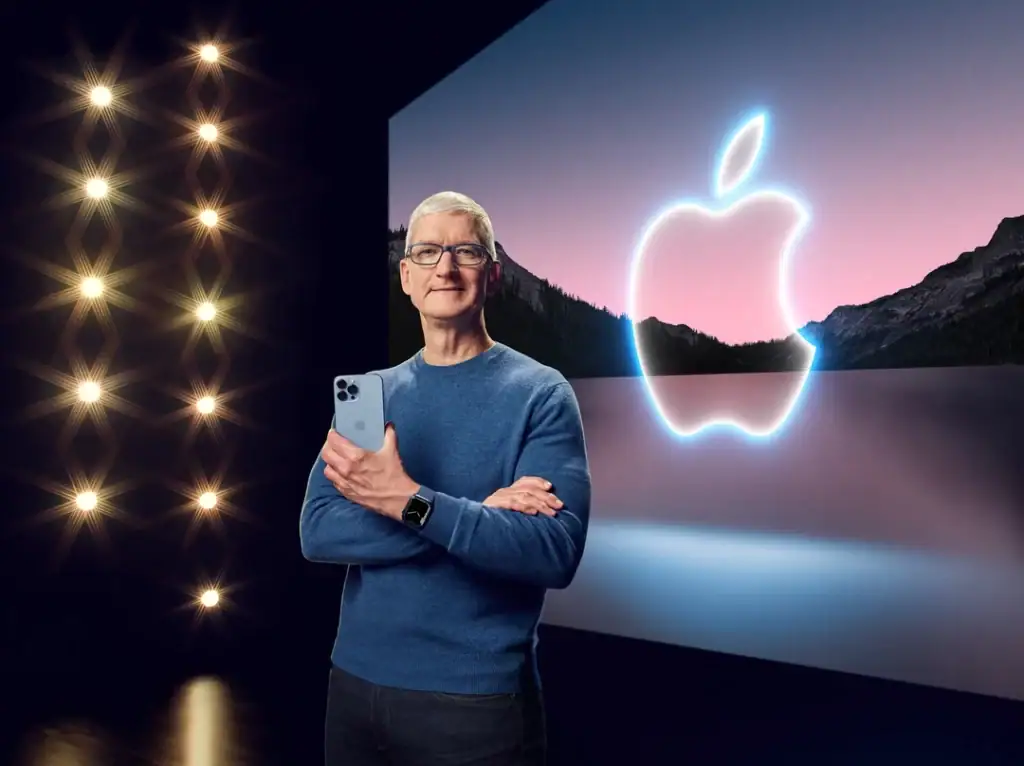
- Apple: The tech giant has created a brand that means innovation, simplicity, and premium quality. Their public relations consistently reinforce this image, from their highly organised product launches to advertisements featuring minimalism.
- Patagonia: Environmental activism drives the brand identity of the outdoor clothing company. Instead of advertising its products through public relations efforts, as most companies do, it discusses environmental issues, thereby strengthening its position as a purpose-driven organisation.
- Airbnb: As soon as COVID-19 struck the world, it quickly changed its branding strategy. It began focusing on local travel promotion and longer stays while remaining true to its original promise of unique travel experiences.
- Dove’s “Campaign for Real Beauty”: An absolute masterclass in using PR to back up a brand promise. Dove chucked out the rulebook of using flawless models and instead featured real women, positioning their brand as a champion for authenticity and self-esteem. Their PR efforts, through viral videos and media outreach, sparked a global conversation, proving that a brand with a genuine purpose connects with people on a much deeper level.
These organisations illustrate how powerful relationships can be created between consumers when branding and PR work together seamlessly over time.
DIY Branding and PR: Tips for Small Businesses
I know what some of you are thinking. This is all good, but I’m a small business owner. I don’t have the means to run a high-cost branding or PR campaign.
The great news is that you don’t need to spend a lot of money on building a solid brand and an effective PR strategy! Here are some tips for doing it yourself when it comes to branding and public relations:
- Define your brand: First, define who you are as an organisation clearly — what do you stand for? What sets you apart from others like yourself?
- Be consistent: Ensure that whenever someone encounters your message, they see the same content — whether on social media channels or websites.
- Tell your story: Use blog posts, social media updates and other methods to share your brand’s journey with people because everyone loves a good story!
- Engage with fans/customers online in comment sections and join conversations around town, so people get used to seeing more human sides behind businesses rather than just logos all day.
- Create valuable content instead of advertisements where possible—give tips about industry trends or share exciting facts about what audiences might care about most.
- Reach out locally by building relationships with journalists who write stories relevant to their readership’s interests.
- Keep track of online mentions involving companies like ours from various sources, including review sites such as Yelp, etc., then respond appropriately.
Finally, remember digital marketing isn’t something done overnight; think marathon, not sprint here–start small scale but stay true throughout
When Branding and PR Go Wrong: Lessons from High-Profile Mistakes

However, each branding and PR success story comes with a cautionary tale. Here are some cases of what went wrong and lessons learned from them:
- Pepsi’s Kendall Jenner Advertisement: In 2017, Pepsi launched an advertisement featuring Kendall Jenner, who seemingly solved a protest between demonstrators and law enforcement by offering them a can of Pepsi to drink. The ad was heavily criticised for reducing social issues to something light-hearted. Lesson: Be aware of the socio-political environment in which you live.
- United Airlines’ treatment of passengers: A video showing a passenger being forcibly removed from an overbooked United flight went viral on social media, which led many people to label it as heartless. In contrast, others considered it an inadequate response by the company to its customers’ needs during such crises. Lesson: Act swiftly but also show compassion in times like these.
- Dolce & Gabbana’s China controversy: The designer brand faced criticism in China due to several advertisements deemed racially insensitive, followed by slow action taken towards addressing this issue, which worsened the situation even further than before, when they had not taken any action. Lesson: Understand different cultures better so you can deal with them promptly whenever a problem arises from cultural differences between parties involved in business dealings.
These case studies demonstrate that even large corporations, endowed with vast resources, may err like smaller companies sometimes do.
Integrating Branding and PR: A Holistic Approach
To conclude this study on branding and PR, let’s discuss the integration of these two concepts. In some companies, branding and public relations function differently in separate departments. This divides them, causing messages to be disconnected and opportunities to be missed.
Instead of working in silos around these areas, you might want to look at it more broadly. Here’s how:
- First, align your goals to ensure they align with the overall branding and public relations business objectives.
- Next, work together to encourage consistent communication between the teams responsible for brand management and those handling PR activities.
- Then, an integrated strategy will be developed that outlines how these two functions will collaborate to achieve common targets.
- You should also share resources such as data or content creation materials while measuring the impact holistically, rather than isolating specific areas within your organisation where either Branding or PR has been implemented separately from each other’s existence altogether.
- When you combine all efforts related to Advertising & Marketing Communications (AMC), we can only achieve better results because our presence in the marketplace becomes stronger when it is unified.
Conclusion: The Power of Perception
Branding and PR revolve around perception. It’s about putting a good image in people’s minds. It’s about establishing trust, developing loyalty, and making connections that matter with your business’s most important stakeholders.
This applies to any kind of company, whether a multinational corporation or a small local shop. The rules don’t change. Be real. Be steady. Be useful. And overall, be human.
Remember that your brand isn’t what you claim it is; it’s what others say about it. So, observe and talk to them while striving hard to fulfil their expectations of the brand.
In our highly interconnected society today, your brand is your most valuable possession, so take care of this treasure and keep an eye on how much higher it will take you towards success – watch out for those peaks!
Now, go ahead with confidence when creating brands!
FAQs:
What’s the difference between branding and public relations?
The brand encompasses how a business is identified, including its personality. PR is responsible for communicating this information to the public and managing the company’s reputation.
Does PR help with Google’s E-E-A-T guidelines?
Absolutely. E-E-A-T (Experience, Expertise, Authoritativeness, and Trustworthiness) is heavily weighted by External Validation. A feature in a reputable industry journal is the strongest signal of “Authority” Google can find.
How has AI changed crisis management?
In 2026, PR teams utilise Predictive Sentiment AI to identify negative trends on platforms like Reddit or X before they go viral, enabling “pre-bunking” strategies.
Is social media important when it comes to Branding and Public Relations?
In today’s digital world, where everything happens online, social media has become vital, as it allows direct access between an organisation and its audience, enabling real-time engagement that helps manage reputations.
What should I do if my brand is involved in a PR crisis?
Move quickly while being transparent about what happened, show compassion towards those affected by your actions, and plan how to address this issue effectively. Additionally, having one ready beforehand would be wise in case something goes wrong.
How frequently should we refresh our brand identity over time?
Your core company values shouldn’t change much, but revisiting them every few years ensures they remain relevant in changing contexts or goal alignments.
Is personal branding more important than corporate branding?
For B2B, yes. Google’s algorithms now prioritise Individual Author Entities. A CEO with high Thought Leadership scores often ranks faster than a faceless corporate entity.