Carhartt Logo Design: Evolution & Brand Identity Analysis
Every time I see someone wearing that Carhartt logo, you know what I see? I see a billion-dollar lesson in brand evolution that most people miss entirely.
Hamilton Carhartt didn’t just create a workwear company in 1889. He built what would become an absolute beast of brand recognition.
We’re talking about a logo that started as a basic stamp on overalls and became a status symbol that both construction workers and high-fashion designers are fighting to get their hands on.
But here’s what’s insane – and nobody talks about this – Carhartt’s logo isn’t just a logo. It’s a perfect case study of how to build MASSIVE brand equity without losing your core identity.
While other brands were out there trying to reinvent themselves every five years, Carhartt stuck to their guns. They understood one fundamental truth I’m always preaching: Authenticity at scale is unstoppable.
What is the ROI of this strategy? Billions. And I mean that literally.
They’ve turned a simple workwear brand into a global powerhouse that dominates both the construction site and the catwalk. That’s more than good branding – printing money through pure brand authority.
Let me explain exactly how they did this because if you understand this playbook, you can apply it to any business…
🔰 TL;DR: The Carhartt logo is one of the world’s most iconic and recognisable brand marks. This post will take you behind the scenes of the Carhartt logo design, revealing the clever strategy and meaningful symbolism that has cemented its place in popular culture. Plus, I’ll share practical tips you can use to create a bold, memorable logo – even if your brand has nothing to do with workwear or the great outdoors. Let’s get started!
| Detail | Information |
|---|---|
| Name | Carhartt, Inc. |
| Founded | 1889 |
| Founder | Hamilton Carhartt |
| Headquarters | Dearborn, Michigan, USA |
| Industry | Retail Apparel and Fashion |
| Products | Workwear including jackets, coats, overalls, coveralls, vests, shirts, jeans, dungarees, fire-resistant clothing, and hunting apparel |
| Ownership | Family-owned by descendants of Hamilton Carhartt |
| Number of Employees | Over 5,500 worldwide |
| Manufacturing Locations | United States, Mexico, Europe |
| Key Markets | North America and Europe |
| Notable Achievements | Known for durable and high-quality workwear; Operates over 30 company-owned stores; Emphasises sustainability with initiatives like “Carhartt Reworked” to extend product life |
| Estimated Sales | Approximately $600 million annually |
| Slogan | Outworking them all since 1889 |
- Carhartt transformed from a simple workwear brand to a global powerhouse through a consistent and authentic brand identity.
- The Carhartt logo's simplicity and durability reinforce its core values of strength and reliability, making it timeless.
- Subtle logo evolutions ensure Carhartt remains relevant without sacrificing its established visual identity.
- Emphasising functionality and meaningful symbolism helps create a logo that resonates deeply with consumers.
The Origins of the Carhartt Logo Design
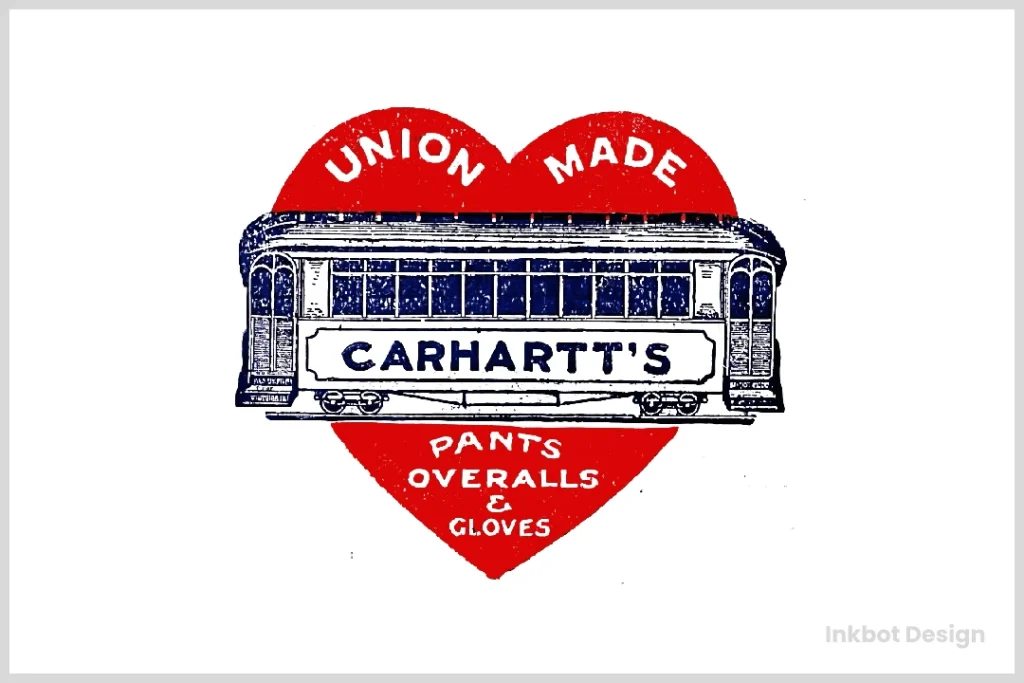
Carhartt was founded in 1889 by Hamilton Carhartt, a young entrepreneur who set out to create high-quality, durable workwear for American railroad workers. From the beginning, the brand’s no-nonsense attitude and commitment to functionality were reflected in its visual identity.
The original Carhartt logo featured a simple, straightforward wordmark in a bold, utilitarian typeface. There were no embellishments or frills – just the Carhartt name, clearly and confidently displayed. This minimalist approach was intentional, as Hamilton Carhartt wanted his brand to be synonymous with hardwearing, honest-to-goodness products.
In the early days, the logo was often paired with an illustration of a railway train, further cementing Carhartt’s association with the harsh, blue-collar crowd. This symbolic link to the brand’s core consumers was a stroke of branding genius, instantly communicating Carhartt’s value proposition and target market.
Interestingly, the railway worker illustration was eventually phased out, allowing the wordmark to stand independently. This was a savvy move, giving the logo more flexibility and room to grow as the brand expanded beyond its railroad worker roots.
The Lasting Power of the Carhartt Logo

Over more than a century, the Carhartt logo has undergone relatively few changes. The core elements – the bold, sans-serif typeface and the straightforward presentation of the brand name – have remained constant. And that’s precisely what makes the logo so effective.
In a world of ever-changing trends and fickle consumer preferences, the Carhartt logo has managed to maintain its relevance and resonance. Why? Because it taps into something deeper and more timeless: a sense of rugged authenticity and unwavering quality.
The Carhartt logo isn’t trying to be flashy or follow the latest design fads. It’s confident, no-nonsense, and unapologetically true to the brand’s core values. And that’s precisely why it has endured.
But the Carhartt logo isn’t just a static, unchanging symbol. Over the years, it has evolved subtly to keep pace with the brand’s growth and changing consumer needs. For example, the font has been slightly tweaked, the letter spacing has been adjusted, and the overall visual weight of the logo has been refined.
These incremental changes have helped the Carhartt logo remain fresh and modern while maintaining its essential character. It’s a delicate balance that Carhartt has managed to strike with remarkable consistency.
The Symbolism Behind the Carhartt Logo
The Carhartt logo isn’t just a pretty picture – it’s a carefully crafted symbol that communicates the brand’s core values and essence. Let’s look closer at the hidden meanings and intentional design choices behind this iconic logo.
The Typeface
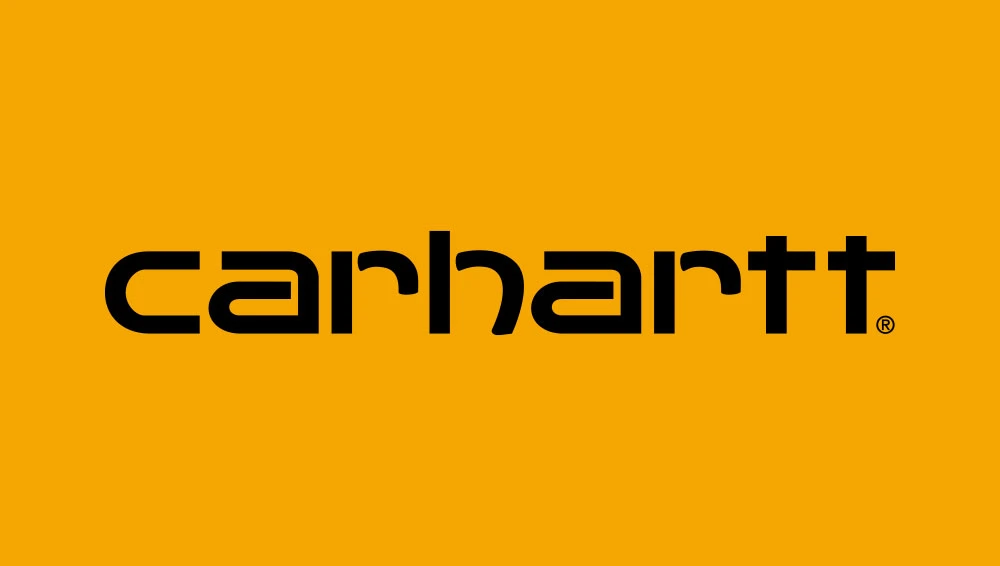
The Carhartt logo features a bold, sans-serif typeface that is functional and visually striking. The lack of serifs (those little decorative flourishes at the ends of letters) gives the font a clean, utilitarian feel. At the same time, the thick, sturdy letterforms convey a sense of strength and durability.
This typeface choice is no accident. It perfectly aligns with Carhartt’s brand identity as a rigid, hardworking apparel manufacturer. The logo could withstand the rigours of a construction site or a factory floor, just like the brand’s products.
But the Carhartt typeface isn’t just about toughness – it also exudes confidence and reliability. The letters are evenly spaced and perfectly balanced, creating a visual harmony that reflects the brand’s commitment to quality and attention to detail.
The Lowercase Lettering
Another critical element of the Carhartt logo is its use of all-lowercase lettering. This design choice serves a few important purposes:
- It creates a more approachable, casual feel that aligns with their workwear heritage and blue-collar identity
- The rounded forms of lowercase letters can convey a sense of friendliness and accessibility
- Lowercase lettering often reads more smoothly at small sizes
The Carhartt logo taps into a deep well of cultural symbolism and brand equity by embracing this classic typographic convention. It’s a design choice that feels familiar and authoritative, perfectly capturing the essence of the Carhartt brand.
The Colour Palette
The Carhartt logo is typically rendered in a simple two-colour palette: black and yellow. This stark, high-contrast combination is both visually striking and highly functional.
The black lettering conveys a sense of solidity, weight, and substance – qualities that are central to the Carhartt brand identity. The white background, however, creates a sense of clarity and simplicity, allowing the logo to stand out and be easily legible in a wide range of contexts.
But the Carhartt colour palette goes beyond just black and yellow. The brand has also embraced a range of earthy, utilitarian hues like olive drab, rust, and steel grey. These colours further reinforce the brand’s associations with rugged workwear, outdoor adventure, and industrial grit.
Interestingly, Carhartt has avoided overly bright or vivid colours in its branding. This conscious decision helps the brand maintain authenticity and seriousness rather than feeling excessively trendy or superficial.
Lessons for Your Logo Design

Now that we’ve explored the rich history and intentional symbolism behind the Carhartt logo let’s look at how you can apply these principles to your brand identity.
1. Embrace Simplicity and Functionality
The Carhartt logo succeeds because it is straightforward, uncluttered, and highly functional. It doesn’t try to be flashy or follow the latest design fads – it simply does its job of clearly and confidently representing the brand.
When designing your logo, resist the temptation to overload it with unnecessary elements or decorative flourishes. Instead, focus on creating a clean, minimalist design that captures the essence of your brand in the most direct and impactful way possible.
2. Communicate Your Core Values
The Carhartt logo is a masterclass in using visual design to convey a brand’s underlying values and personality. From the utilitarian typeface to the authoritative uppercase lettering, every aspect of the logo reflects Carhartt’s commitment to quality, durability, and no-nonsense authenticity.
As you develop your logo, consider the core values and attributes that define your brand. How carefully can you translate those qualities into a visual representation that resonates with your target audience?
3. Maintain Consistency (But Evolve with the Times)
One of the keys to the Carhartt logo’s enduring success is the brand’s unwavering commitment to consistency. Over the decades, the essential elements of the logo have remained unchanged, allowing it to become deeply ingrained in the minds of consumers.
However, that doesn’t mean the logo has remained static. Carhartt has carefully refined and updated its visual identity over time, subtly adjusting the typography, spacing, and visual weight to keep the logo feeling fresh and modern.
As you develop your logo, strive for a similar balance of consistency and evolution. Establish a strong, recognisable visual identity from the outset, but be prepared to make incremental adjustments as your brand grows and changes.
4. Leverage the Power of Symbolism
The Carhartt logo has subtle symbolic meaning, from the utilitarian typeface to the confident uppercase lettering. These design choices look good and reinforce the brand’s core values and positioning.
When crafting your logo, look for opportunities to imbue it with meaningful symbolism. What visual elements, colours, or typographic choices can you make to communicate your brand’s unique identity and character subtly?
FAQs
Why has the Carhartt logo mainly remained unchanged for over a century?
The Carhartt logo has endured because its simple, functional, and highly recognisable design perfectly encapsulates the brand’s core values of toughness, authenticity, and reliability. Carhartt has maintained a sense of timelessness and consistency that resonates with consumers by resisting the temptation to follow trends or overly stylise the logo.
What are the critical elements of the Carhartt logo that make it so iconic?
The main elements that contribute to the Carhartt logo’s iconic status include:
The bold, sans-serif typeface that conveys strength and functionality
The use of all-uppercase lettering for authority and legibility
The high-contrast black-and-white colour scheme
The lack of unnecessary flourishes or decorative elements
Together, these design choices create a simultaneously simple, memorable, and deeply symbolic logo of the Carhartt brand.
How can I incorporate the Carhartt aesthetic into my logo design?
If you’re looking to capture some of the rugged, authentic vibe of the Carhartt logo in your branding, here are a few tips:
Opt for a clean, utilitarian typeface with no frills
Use uppercase lettering to project confidence and authority
Stick to a minimalist, high-contrast colour palette
Avoid overly stylised or decorative elements
Focus on communicating your brand’s core values and attributes
Remember, the key is to create a logo that feels solid, reliable, and true to your brand’s identity – not just a superficial imitation of the Carhartt aesthetic.
How can I use the lessons from the Carhartt logo to inform my design?
Prioritise simplicity, functionality, and timelessness over trendy embellishments
Carefully consider the symbolism and meaning behind your logo design
Maintain a consistent visual identity, but don’t be afraid to evolve it over time
Leverage a minimalist, high-contrast colour palette to create a bold, impactful look
Embrace a straightforward, no-nonsense typographic style that reflects your agency’s ethos
You can develop a robust and memorable logo that authentically represents the Inkbot Design brand by channelling the qualities that have made the Carhartt logo an icon. Just be sure to put your unique spin on it to make it your own.
Conclusion: Crafting a Logo That Stands the Test of Time
The Carhartt logo is a masterclass in timeless, functional brand design. By embracing simplicity, communicating core values, and maintaining consistency, Carhartt has created a logo that has endured for over a century and become an iconic part of American culture.
As you set out to create your logo, whether for Inkbot Design or any other brand, remember the lessons of the Carhartt logo. Prioritise substance over style, focus on authenticity and meaning and be willing to evolve while staying true to your core identity.
If you can strike that delicate balance, you, too, can craft a logo that stands the test of time and leaves a lasting impression on your audience. So get out there and start designing – the following iconic brand identity could be yours.