How to Build a Verbal Identity Framework for a Professional Services Firm
A verbal identity framework does more than set a tone. For a professional services firm, it turns a distinctive way of thinking into a language system — governing what the firm says, refuses to say, and how it holds its position when finance, legal and procurement are reading without a partner present.
 By Stuart Crawford
 Reviewed by Tabitha Ayers
Updated 11 min read
On this page11 min left
- What Is a Verbal Identity Framework?
- Why Your Language Reaches Buyers Before You Do
- The Components That Actually Govern How a Firm Communicates
- How to Build a Verbal Identity Framework, In Sequence
- Where Verbal Identity Frameworks Go Wrong
- Where Verbal Identity Stands in 2026
- The Real Task Is Making Judgement Recognisable
- Frequently asked questions
A consultancy lost a mandate last year without ever meeting the person who killed it.
The partner ran a strong first meeting. Then the proposal went upstairs to a procurement lead and a finance director – two people who never sat in the room, read the firm's thinking cold, and couldn't tell it apart from the two rival documents on the desk.
The decision was made in that comparison, in language, by people the firm never spoke to.
That is the problem a verbal identity framework exists to solve, and it is not the problem most of them are built for.
According to the 2025 Edelman–LinkedIn B2B Thought Leadership Impact Report, more than 40% of B2B deals stall because of misalignment within buying groups – and the report names the culprits: finance, legal, procurement, and compliance.
The hidden buyers. They rarely meet a partner. They read. What they read is your verbal identity, whether you have designed one or not.
Most firms respond to this by commissioning a tone-of-voice exercise: a workshop, a set of personality adjectives, a chart. It sounds productive. It changes almost nothing about how a solicitor writes a scope letter or how a consultant explains a trade-off in a board paper.
If you want the language layer of your firm actually to earn its place in those rooms, the discipline you need is closer to strategic brand voice and copywriting than to a personality quiz – a system, not a mood board.
What Is a Verbal Identity Framework?
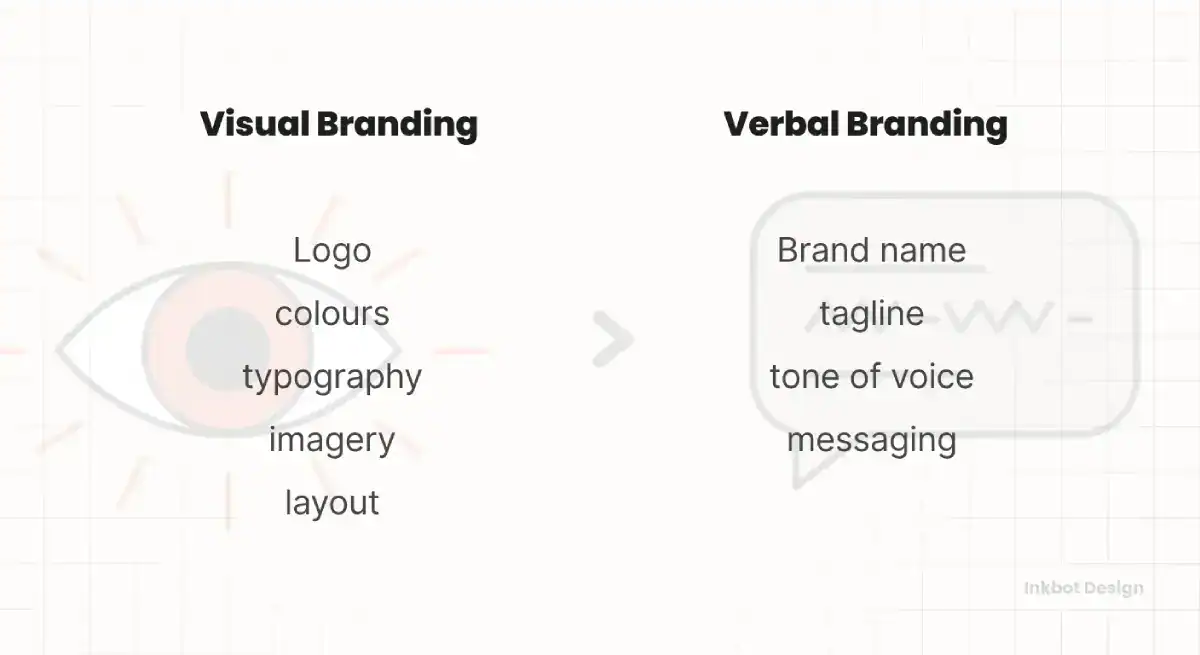
A verbal identity framework is a language system that makes a firm's judgement recognisable, repeatable, and difficult to confuse with a competitor's – governing not just how the firm sounds, but what it says, what it refuses to say, and how it explains complexity without losing its point of view. It is the operating manual for the firm's thinking, expressed in words.
- It sets the firm's positions on the questions clients actually ask, so every author defends the same view.
- It defines a lexicon – the terms the firm uses, and the ones it deliberately won't.
- It governs register: how tone flexes for a regulator versus a founder without the underlying judgement shifting.
A verbal identity framework is a language system that makes a firm's judgement recognisable, repeatable, and difficult to confuse with a competitor's across every channel.
Why Your Language Reaches Buyers Before You Do

Your written language now does the first meeting for you, and often the second. The 2025 Edelman–LinkedIn report found that 63% of hidden buyers consume thought leadership for more than an hour a week – almost identical to the 64% figure for the target buyers a firm actually markets to.
The people who decide whether you make the shortlist are reading as much as the people you court.
They are also reading to evaluate. The same research found 55% of hidden buyers use thought leadership as part of vendor evaluation, and 95% say high-quality thought leadership makes them more receptive to outreach.
This is the mechanism that turns language into money: a finance director assessing three shortlisted firms cannot easily judge technical competence across all three, so they judge the proxy they can read – how clearly and consistently each firm reasons on the page.
The firm whose thinking is legible and unmistakably its own reduces the perceived risk of hiring it. Lower perceived risk is what justifies a higher fee.
The verbal identity is doing commercial work long before a partner opens their mouth.
“When finance, legal and procurement read three shortlisted firms cold, they are not comparing expertise they cannot verify. They are comparing which firm's thinking they can actually follow. The clearest reasoner wins the room it was never invited into.”
Here is the objection a sceptical MD raises at this point: our clients hire us on relationships and results, not blog posts. Partly true.
The relationship wins the meetings you are in. It does nothing in the rooms you are not in – and the Edelman–LinkedIn data says those rooms decide more than 40% of stalled deals. Verbal identity is how you show up in your absence.
The Components That Actually Govern How a Firm Communicates
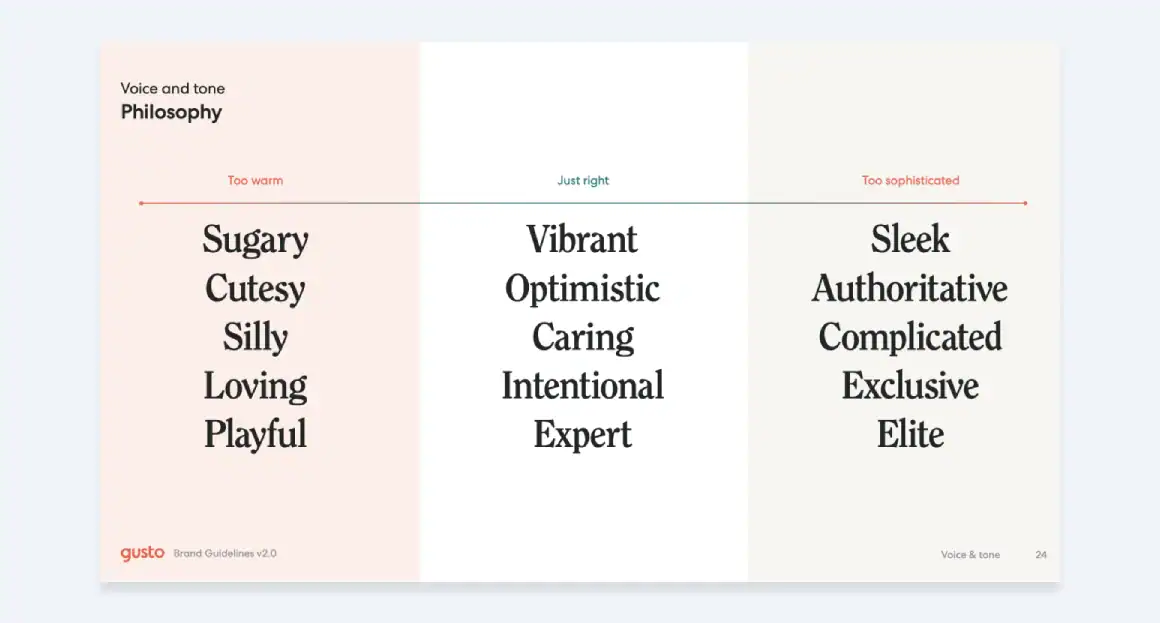
Most frameworks list four personality adjectives and a tone slider. That produces a document people nod at and never open again.
Fabrik Brands, in its own analysis of why verbal guidelines fail, names the reasons plainly: the documents are too theoretical, nobody owns them, and they are disconnected from the actual business message.
A framework that changes behaviour is built from harder-edged parts.
A Position Set, Not a Personality
The core of a professional services verbal identity is the set of positions the firm holds on the questions clients keep asking. Not adjectives – arguments.
What does the firm believe about how a merger should be sequenced, how a dispute should be de-risked, and how a system should be architected?
When every partner defends the same position in the same terms, the firm sounds like one mind. When they don't, a buying group notices the seams before the firm does.
A position set is what makes judgement repeatable across authors.
A Lexicon, Including What the Firm Won't Say
A working lexicon has two halves, and most guidelines only write the first. There is the preferred vocabulary – the specific terms the firm uses for its methods and its client relationships.
Then there is the refusal list: the jargon, the hollow superlatives, the claims the firm won't make because they sound like everyone else.
This is a close cousin to linguistic brand screening – both disciplines the firm's language by ruling things out, not just adding them in.
Defining what you refuse to say is the fastest route to sounding unlike your competitors, because they have never drawn that line.
The refusal list is the most underused component in professional services branding and the one that most reliably creates distinction.
A Register System That Flexes Without Drifting
Register is how the same firm speaks to a regulator, a founder, and a procurement portal without becoming three different firms.
A verbal identity framework specifies how tone adapts – more formal, more plain, more technical – while the underlying position stays fixed.
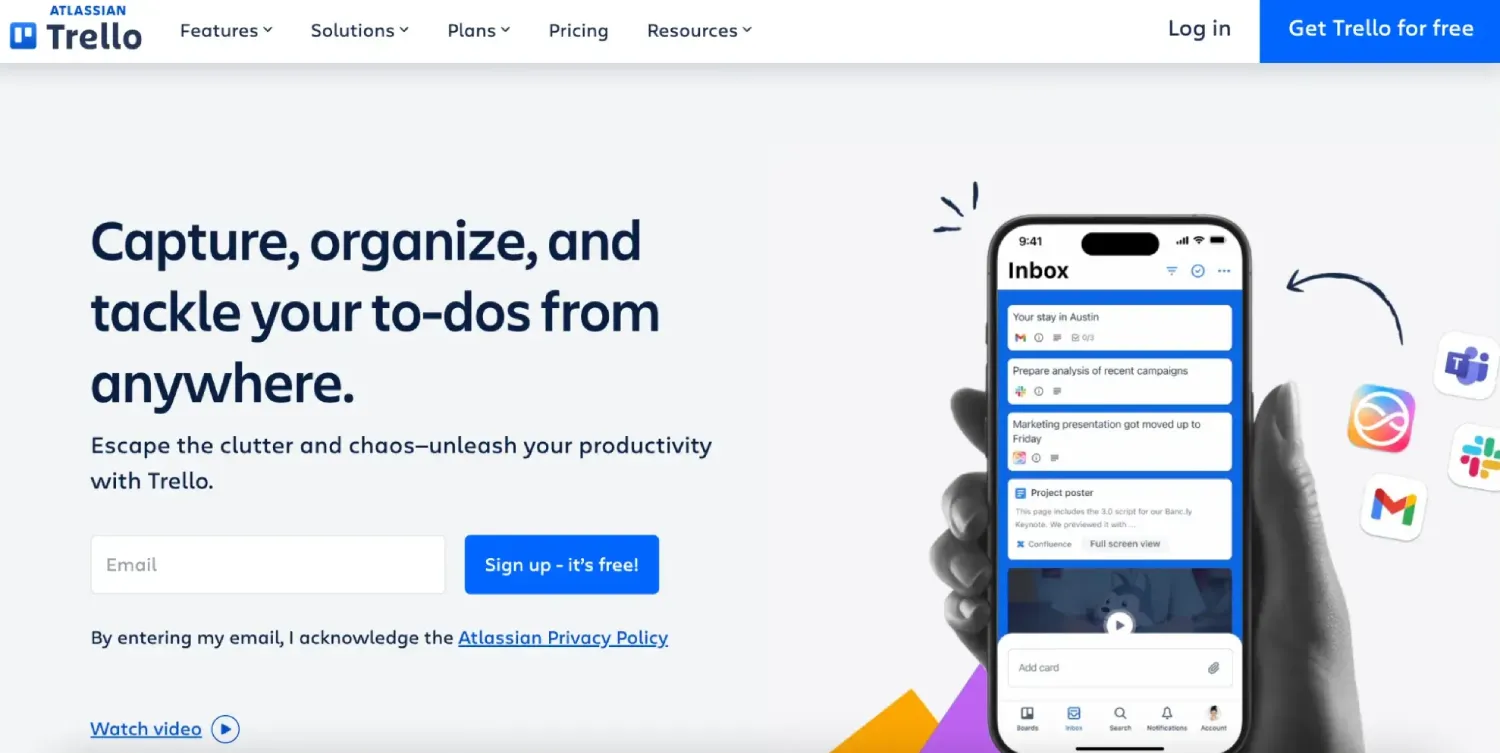
This is the part that separates a system from a style guide. A style guide tells you the firm is “approachable.”
A framework tells a senior associate exactly how much to flex when writing to compliance versus writing to a CEO, and what must never change regardless of audience.
A Messaging Hierarchy That Reasons
The messaging hierarchy is not a slogan ladder from tagline down to bullet points. It is the order in which the firm's argument unfolds: the core belief, the reasoning that supports it, and the proof.
Built well, it means any document – a proposal, a report, a LinkedIn post – reaches the same conclusion by the same logic.
That is what a hidden buyer is unconsciously testing when they read: does this firm reason the same way twice?
How to Build a Verbal Identity Framework, In Sequence
The sequence matters more than any component, because most firms run it backwards – visual first, adjectives second, actual thinking never.
Four moves, in order.
Extract the firm's real positions before you write a word about tone: sit the partners down, ask them the questions clients ask most, and hunt for where they quietly contradict each other.
The contradictions are the job. Then define the lexicon and the refusal list together.
Then set the register system – how the firm's brand tone of voice flexes across a regulator, a founder and a procurement portal without the position underneath it moving.
Only then write the tone principles, as instructions with examples.
“Confident” is not an instruction. “State the recommendation in the first sentence, never buried under caveats” is.
Where Verbal Identity Frameworks Go Wrong
The failure is almost always sequence and emphasis, not effort. Firms start with personality adjectives because adjectives are easy to agree on in a workshop – everyone can nod at “trusted” and “human.”
The evidence that this approach underdelivers comes from the people who sell it: Fabrik Brands' own account of failed verbal guidelines points to documents that are theoretical, unowned, and disconnected from the business message.
Adjectives are exactly that – theoretical and disconnected.
The bigger mistake is treating verbal identity as decoration on top of the firm's thinking rather than as its expression.
A tone chart makes a firm sound a certain way. A verbal identity framework makes a firm's judgement recognisable – and judgement is the only thing a professional services firm actually sells.
Get the sequence right, and the tone falls naturally from the positions. Get it wrong, and you have a beautiful document describing a voice nobody uses.
There is a second failure mode worth naming, because a sceptical reader is already thinking it: won't a rigid framework make every partner sound like a corporate robot? It is the right worry, aimed at the wrong target.
A framework built from adjectives does flatten people – “be confident, be clear” strips out the individual. A framework built from positions does the opposite: it fixes what the firm believes and frees each author to argue it in their own register.
The judgement is shared; the voice stays human. Rigidity in the position is what buys flexibility in the tone.
The Default Approach | What It Costs | The Better Approach | Why |
|---|---|---|---|
Start with personality adjectives | Guidelines nobody opens | Start with the firm's positions | Positions govern behaviour; adjectives don't |
Additive only (“add warmth”) | Sounds like every competitor | Define a refusal list | Distinction comes from what you won't say |
One fixed tone | Wrong for half the audience | A register system | Same judgement, audience-appropriate delivery |
Tagline-down hierarchy | Slogans without substance | Reasoning-based hierarchy | Consistency of logic, not of catchphrase |
Visual identity leads | Words retro-fitted, disconnected | Verbal extracted first | Language carries the judgement clients buy |
Where Verbal Identity Stands in 2026
Verbal identity has become an operational problem, not just a branding one, because machines are now handling the firm's language.
The Thomson Reuters 2026 AI in Professional Services Report found that organisation-wide AI use in professional services nearly doubled from 22% in 2025 to 40% in 2026, and that for the first time, a majority of individual professionals reported using publicly available tools such as ChatGPT.
Your language is being drafted, adapted, and reused by AI across proposals, reports, and client emails – often by people who never saw a style guide.
This changes what a framework is for. A verbal identity framework is now the source of consistency that AI tools cannot supply on their own: the positions, lexicon, and refusal list that keep fifty AI-assisted documents sounding like one firm rather than fifty.
It is also the context you feed those tools – a firm with a documented verbal identity can prompt AI to write as the firm, while a firm without one gets generic output that reads like every competitor using the same model.
The market is shifting from content production to content provenance.
When AI makes producing plausible content nearly free, the value moves to content that is unmistakably yours – and a verbal identity framework is how you make that legible to both a human buyer and the AI systems increasingly summarising your firm to them.
Firms that treat their language as a documented asset will read as coherent in an AI-mediated market. Firms that don't will dissolve into the model's average.
The Real Task Is Making Judgement Recognisable
Strip out the workshops and the adjective charts, and the work that matters is narrow: turn your firm's distinctive way of thinking into a language system that governs what it says, what it refuses to say, and how it holds its position when the audience changes.
A more distinctive “voice” is not the goal. A recognisable, repeatable judgement is – because that is the thing a finance director is comparing at 9 pm across three proposals, and the thing that decides more than 40% of deals in rooms you will never enter.
Start with one move this week: get your partners in a room and ask them the five questions clients most often ask.
Write down where they answer differently. That gap – not a missing adjective – is where your firm is currently losing the comparison.
If you want to see exactly where that gap is costing you, request a free Brand Equity Audit™ at inkbotdesign.com – a structured diagnostic that identifies where your brand is losing commercial ground and what to do about it.
Frequently asked questions
What is the difference between verbal identity and tone of voice?
Tone of voice is one component of verbal identity – how a firm sounds. A verbal identity framework is the wider system: the firm's positions, its lexicon, what it refuses to say, and how its register flexes across audiences. Tone is the surface; verbal identity is the judgement underneath it.
Why do our proposals sound different depending on which partner writes them?
Because the firm has agreed on personality but not on positions, when partners haven't documented a shared view on the questions clients ask, each defends a different one in different terms. A position set – the core of a verbal identity framework – is what makes the firm sound like one mind across authors.
When should a professional services firm build a verbal identity framework?
Before a rebrand, before a growth phase, and before scaling content production with AI. Building verbal identity first means the visual identity, and every AI-drafted document inherits a documented position rather than retrofitting language to a look designed without it.
Does AI make verbal identity guidelines obsolete?
No – AI makes them more necessary. With organisation-wide AI use in professional services rising from 22% to 40% between 2025 and 2026 (Thomson Reuters), a documented verbal identity is the only thing keeping AI-drafted content sounding like one firm. Without it, AI output reads like every competitor using the same model.
What does “refusing to say” mean in a verbal identity framework?
It means a documented list of terms, claims, and jargon the firm deliberately avoids. Most guidelines are purely additive. Defining what you won't say creates distinction faster, because competitors rarely draw that line – leaving space for your firm to sound unmistakably unlike them.
How does verbal identity affect winning business?
Hidden buyers – finance, legal, procurement – evaluate firms through their writing, often without meeting a partner. Edelman–LinkedIn found 55% use thought leadership in vendor evaluation. A legible, consistent verbal identity lowers their perceived risk of hiring you, which is what justifies a premium fee.