How to Create a Professional Email Newsletter Clients Actually Read
A professional email newsletter earns attention by making one credible promise to busy clients: each issue helps them decide better, avoid a costly mistake, or see something sooner. This guide covers the editorial promise, a five-part issue format, partner-friendly production, accessible design, consent, deliverability and the measures that actually matter.
 By Stuart Crawford
 Reviewed by Tabitha Ayers
10 min read
On this page10 min left
- How Does a Professional Email Newsletter Earn Client Attention?
- The Editorial Promise: Why a Busy Client Opens the Next Issue
- The Anatomy of an Issue: Five Parts in a Fixed Order
- Who Writes It, How Often, and Where AI Fits
- What Professional Design Means in an Email
- Consent, Lists and Why Unwanted Newsletters Stop Arriving
- How to Tell Whether the Newsletter Is Working
- Write the Promise Before You Open a Template
- Frequently asked questions
Most professional services newsletters are written for the firm.
A partner promotion, the charity bike ride, and a regulatory update, the client's own finance director flagged three weeks ago.
The layout is tidy, the logo sits exactly where the brand guidelines say it should, and the issue is archived unread.
Litmus, the email testing platform, found in its State of Email 2025 survey that 20% of email marketers name low engagement as a leading challenge.
Reaching the inbox is the easy part. Earning the open, then the next one, is the work.
A client newsletter is one strand of a content marketing strategy, and one channel within the wider mix of digital marketing services for professional services firms.
For most 50–200 person firms, it is also the most frequent contact a client has with the brand between matters.
Rebrand the firm without fixing the newsletter, and the new identity inherits an old habit: being ignored once a month.
How Does a Professional Email Newsletter Earn Client Attention?
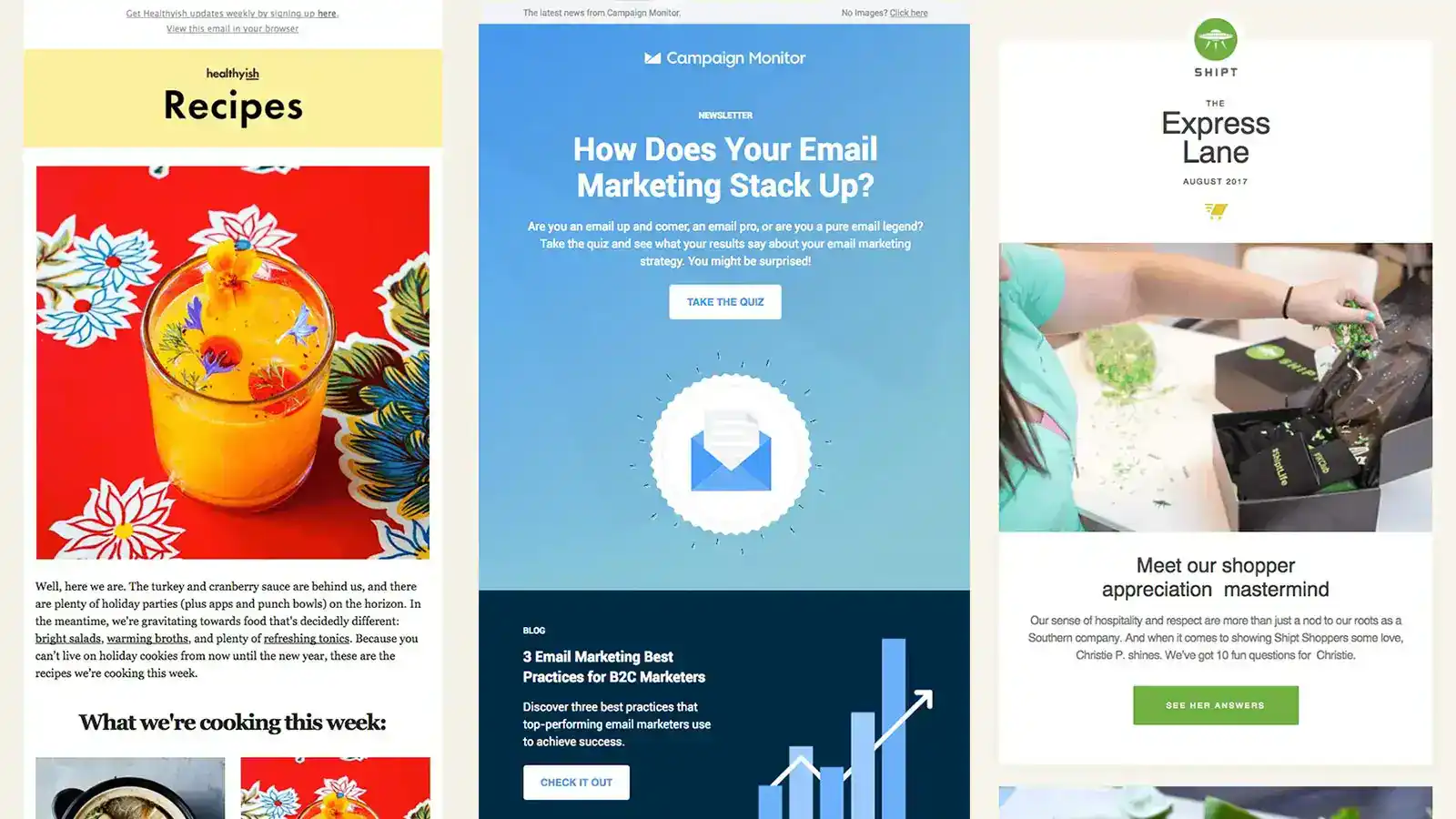
A professional email newsletter earns attention by making the same credible promise in every issue: this will help you make a better decision, avoid a costly mistake or see something important sooner.
Design, cadence and subject lines support that promise. None of them can replace it.
- The promise is written before the template is chosen, because every format decision follows from what the reader has been promised.
- A named partner as sender gives the reader someone to trust, and a reply to a partner can become an instruction.
- Success is measured in client actions (replies, meeting requests, new instructions), with click rates as background context.
A professional email newsletter is a recurring editorial product that earns client attention by helping readers make better decisions, avoid costly mistakes, or spot changes sooner.
The Editorial Promise: Why a Busy Client Opens the Next Issue
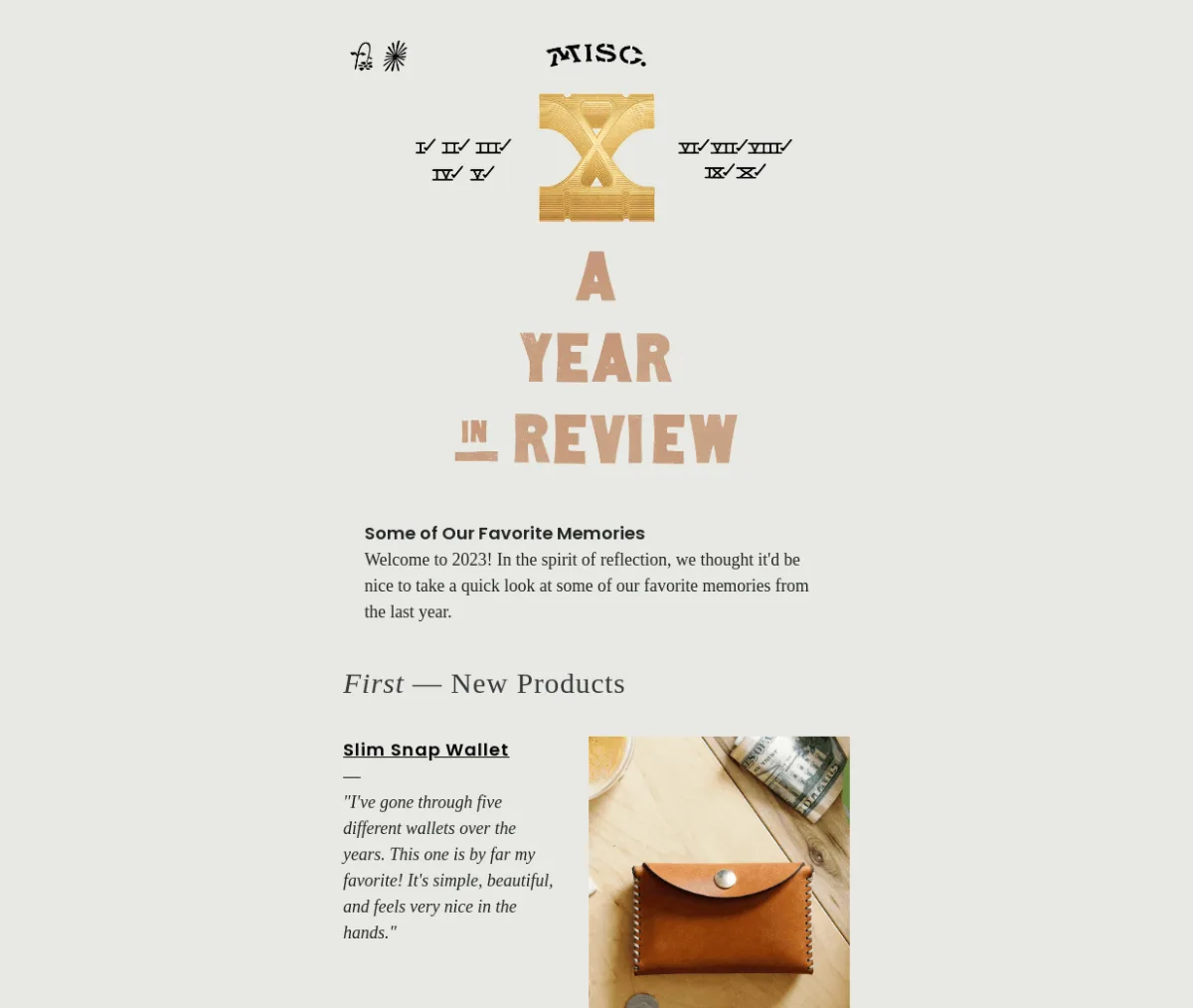
The standard advice runs in a sensible-looking order.
GoDaddy's newsletter guide, typical of what ranks for this topic, moves from goals to choosing a platform to picking a mobile-responsive template, then pre-send checks and analysis.
Intelligent marketers follow that sequence for good reasons.
A template is tangible, platforms offer free trials, and a finished-looking email feels like progress.
For a professional services firm, the order is backwards. Clients do not open a newsletter because it is well-designed, sent like clockwork, or cleverly titled. They open it because the last three issues paid off.
Even design-led practitioners land in the same place. Kristina Volchek, who writes about newsletter design, puts content first in her five-step process and only then layers on formatting, brand and visuals.
So write the promise down before anyone opens a template. One sentence that a client would recognise and could use to judge whether an issue was delivered. Three forms of work in professional services:
- Decide better. An employment law team: “Each month, the tribunal decisions that change how you handle flexible working requests, and what to do about each.”
- Avoid a costly mistake. An accountancy practice: “Before each filing deadline, the errors we are seeing most often in returns this quarter.”
- See something sooner. A corporate finance adviser: “What moved in your sector's deal market this month, before the trade press catches up?
The test is blunt. An issue that does not keep the promise should not go out.
The first objection from a managing partner is that clients expect firm news.
Litmus reported in June 2025 that professional services companies primarily use email as a brand awareness channel, which helps explain the brochure habit.
Awareness of a firm that wastes your time is a liability.
Firm news earns a line at the foot of an issue when it serves the client (e.g., a new partner covering their sector or an office opening near them). Awards and hires intended to benefit the firm belong on the website.
“A newsletter is a promise repeated on a schedule. Each issue either keeps that promise or spends the trust the previous issue earned. Clients do not announce that they have stopped reading. They simply stop opening, and the firm reads the falling numbers as a subject-line problem. The real failure was editorial, and it was decided before the first issue went out.”
The Anatomy of an Issue: Five Parts in a Fixed Order
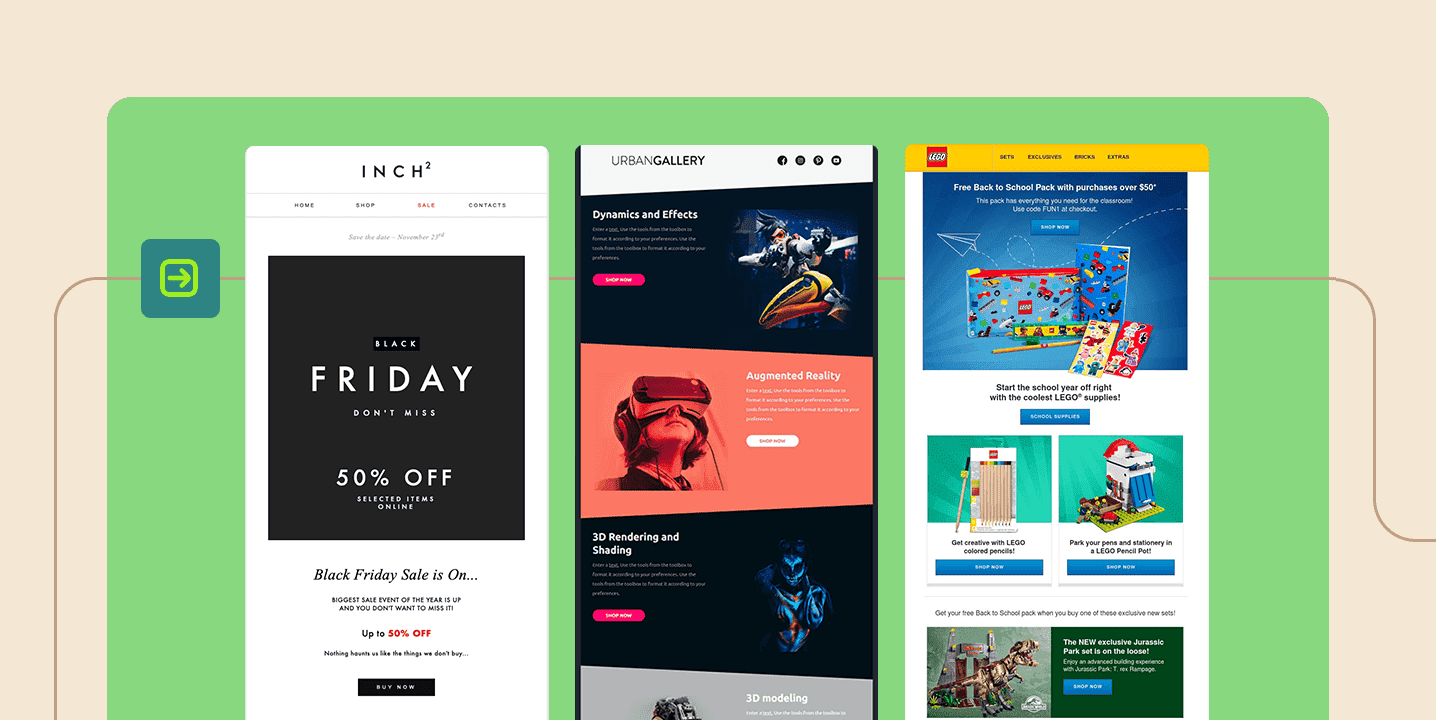
A professional email newsletter should look structurally identical every month. Readers learn where the useful part sits and go straight to it, and production speeds up because nobody debates the layout.
Part | Its job | The usual failure |
|---|---|---|
1. Sender, subject line, preheader | Say who is writing and what this issue pays off | “October Newsletter” from info@ |
2. The lead item | One development, what it means, what to do | Three paragraphs of background before the point |
3. Two or three short items | Signals worth knowing, a line or two each | Pasted blog excerpts with “read more” buttons |
4. The judgement line | The partner's own view: what we would do in your position | Missing, because nobody would sign it off |
5. One action, then the footer | A single next step and a one-click unsubscribe | Four buttons, a social bar and a buried opt-out |
The subject line names the payoff, not the publication. “Three flexible working rulings HR teams should act on” beats “Employment Update, Issue 14” because it tells a busy reader what skipping it costs.
The lead item carries the issue. Answer first: the development, the consequence for this reader, and the action. Around 150–250 words is plenty; anything longer belongs in a linked article. Where a lead item deserves a longer life, brand publishing turns the same editorial discipline into a standing publication.
The judgement line is the part only your firm can write. Two or three sentences, signed by the partner: “If we were advising your board this month, we would review X before Y.” It is the reason to read your newsletter rather than a free industry bulletin.
One action. Reply to the partner, book a 20-minute call, or forward to a colleague. Pick one per issue.
Who Writes It, How Often, and Where AI Fits
The second objection that arises in every planning meeting is that partners do not have time to write a newsletter. They do not need to.
A workable model is a 20-minute monthly conversation in which the partner talks through what changed and what they would advise.
Marketing drafts: the partner approves only the lead item and the judgement line. One approver per issue.
Cadence follows the source material. Monthly suits most firms. My view, and it is a view rather than a measured finding: a skipped month costs less than a thin issue.
A skipped month is forgotten. A thin issue teaches the reader that the promise is optional.
Segment by what the reader buys. One newsletter per major practice area beats a firm-wide digest because a property developer and a family business owner make almost no decisions in common.
For a handful of strategically important clients, account-based marketing can tailor the lead item to each account.
AI has reduced the cost of producing newsletters. It has not reduced the cost of having a worthwhile point of view (I've looked; there is no prompt for that).
Generative AI tools can help a small team research a development, draft a first version, test subject lines and turn the lead item into a post for LinkedIn marketing.
They cannot decide what is genuinely useful to a particular client at a particular moment. As production gets cheaper, judgement becomes the differentiator.
What Professional Design Means in an Email

Professional design is the removal of unnecessary effort between a reader and useful information.
Most senders fail the clearest test. Litmus found in its research that only 47% of companies use even basic accessibility measures, such as alt text.
For a firm whose clients include senior partners reading on their phones between meetings, that is a design failure before it is a compliance issue.
Before each send, open the issue on a phone with images switched off. If the lead item still makes sense, most of the checks below have already passed:
- Live text for every key message, never words baked into an image.
- Real HTML headings, so screen readers can find the lead item.
- Body text around 16px, with colour contrast that meets WCAG AA.
- Link text that says where it goes: “Read the full ruling analysis”, never “click here”.
- Alt text on every meaningful image, and a dark mode check so the logo does not vanish.
During a rebrand, the newsletter template belongs in the brand guidelines' digital toolkit, built and tested once. The newsletter is often the first place clients see the new identity in use.
Consent, Lists and Why Unwanted Newsletters Stop Arriving
Reader value has an operational consequence.
Google's email sender guidelines ask senders to keep the spam rate reported in Postmaster Tools below 0.10% and to avoid ever reaching 0.30%. On a list of 2,000 contacts, 0.30% is six people pressing “report spam”.
That arithmetic turns a common shortcut into a real risk. Exporting every partner's CRM contacts into the newsletter list fills it with people who never asked to hear from you.
A handful of complaints from that group can push future issues towards the spam folder for everyone, including the clients who wanted them.
UK rules add a second filter.
Under the Privacy and Electronic Communications Regulations (PECR), marketing emails to corporate subscribers are treated differently from those to individuals, and sole traders and some partnerships are treated as individuals.
Plenty of professional services clients fall into exactly that group. Confirm the position with whoever handles data protection before the first send.
The practical rule: an opt-in list, a clear sign-up (double opt-in where possible), a one-click unsubscribe, and no bought lists.
How to Tell Whether the Newsletter Is Working
Most firms cannot say.
Litmus reported in its 2025 State of Email research that 21% of marketing leaders do not measure email ROI at all.
Those who do report strong returns, most commonly between 10:1 and 36:1. Treat that as a range marketers report about themselves, not a promise.
Give the newsletter one strategic job before choosing a metric: client retention, cross-selling between practice areas, reactivating dormant clients or generating qualified enquiries. The job decides the measure.
Clicks provide context. Mailchimp's benchmark data puts the average click rate at 2.62% across all industries and 2.78% for the business and finance industries.
Useful for spotting a broken issue; useless for judging whether the newsletter earns its keep.
Open rates are weaker still, because Apple's Mail Privacy Protection preloads images and inflates opens.
Better measures for a professional services firm:
- Replies to the partner who sent it.
- Calls or meetings are traced to a specific issue.
- Instructions in a second practice area from a client who reads the first area's newsletter.
Write the Promise Before You Open a Template
Every decision in this guide (sender, structure, cadence, design, measurement) follows from one sentence: what this newsletter promises a busy client, every time.
Start with the template, and you get something that looks professional and gets archived.
Start with the promise, and you get a newsletter clients make time for.
Today, write the promise in one sentence and test your last three issues against it. If two of the three would not have kept it, the problem is editorial, and no template will fix it.
If you are planning a rebrand and want to know where your newsletter, website and pitch materials are losing commercial ground, request a free Brand Equity Audit™.
It is a structured diagnostic that shows where the brand is costing you work, and what to fix first.
Frequently asked questions
How often should a professional services firm send a client newsletter?
Monthly suits most professional services firms, because most practice areas produce one development a month worth a client's time. Send more often only when the material exists without padding. A skipped issue does less damage than a thin one, since a thin issue teaches clients that the newsletter's promise is optional.
Should a client newsletter come from a partner or from the firm?
A named partner should send a client newsletter. A person's name gives the reader someone to trust and someone to reply to, and a reply to a partner can become new work. A generic firm or noreply address removes the easiest route from a newsletter to an instruction.
Is it legal to send a newsletter to our client list in the UK?
Yes, in many cases, but the answer turns on who each recipient is. Under PECR, marketing emails to corporate subscribers are treated differently from those to individuals, and sole traders and some partnerships count as individuals. Check each segment with your data protection lead and offer a one-click unsubscribe in every issue.
What is the difference between a newsletter and an email marketing campaign?
A newsletter is a recurring editorial product with a consistent promise and format, sent on a schedule to people who choose to receive it. An email campaign is a one-off or time-bound push towards a single action, such as an event registration. Firms that blur the two train readers to ignore both.
Can AI write our client newsletter?
No, not on its own. Generative AI can research developments, draft first versions, repurpose the lead item for LinkedIn and test subject lines. It cannot decide what is useful to a particular client at a particular moment, and it cannot write the partner's judgement line, which is the reason clients read a firm's newsletter.
What is a good click rate for a professional services newsletter?
Mailchimp's benchmark data puts the average email click rate at 2.62% across all industries and 2.78% for the business and finance industries. Treat those figures as a check for broken issues, not a target. For a professional services firm, replies to the sending partner and meetings traced to an issue say far more about value.
Should we redesign the newsletter as part of a rebrand?
Yes — rebuild the newsletter template inside the new brand guidelines' digital toolkit, then test it once across phones, dark mode and images-off views. Settle the editorial promise first. A redesigned newsletter that keeps the old content habits simply gets ignored in new colours.