Guide to Sales Collateral That Converts (Top 10 Examples)
Producing more sales materials actively damages your win rate if they ignore rep-free buying committees. Buyers now complete 70% of their purchasing process before contacting a vendor. Discover the specific interactive and video formats that drive actual revenue for professional services firms.
 By Stuart Crawford
 Reviewed by Tabitha Ayers
Updated 10 min read
On this page10 min left
Producing more sales collateral actively harms your win rate if that collateral isn't engineered for asynchronous, rep-free buying committees.
Underused and misaligned marketing content costs enterprises an estimated $2.3 million annually in missed opportunities, according to G2's 2024 research.
Pumping out static documents that your sales team ignores and your prospects delete is a catastrophic drain on capital.
Professional services firms planning a strategic rebrand must recognise that visual identity means nothing if the underlying sales materials fail to convert.
Effective sales enablement branding requires translating corporate authority into specific assets that prospects can use to sell your services internally.
What is Sales Collateral?
Sales collateral encompasses the digital and physical materials used to move a prospect through the buying journey toward a closed deal.
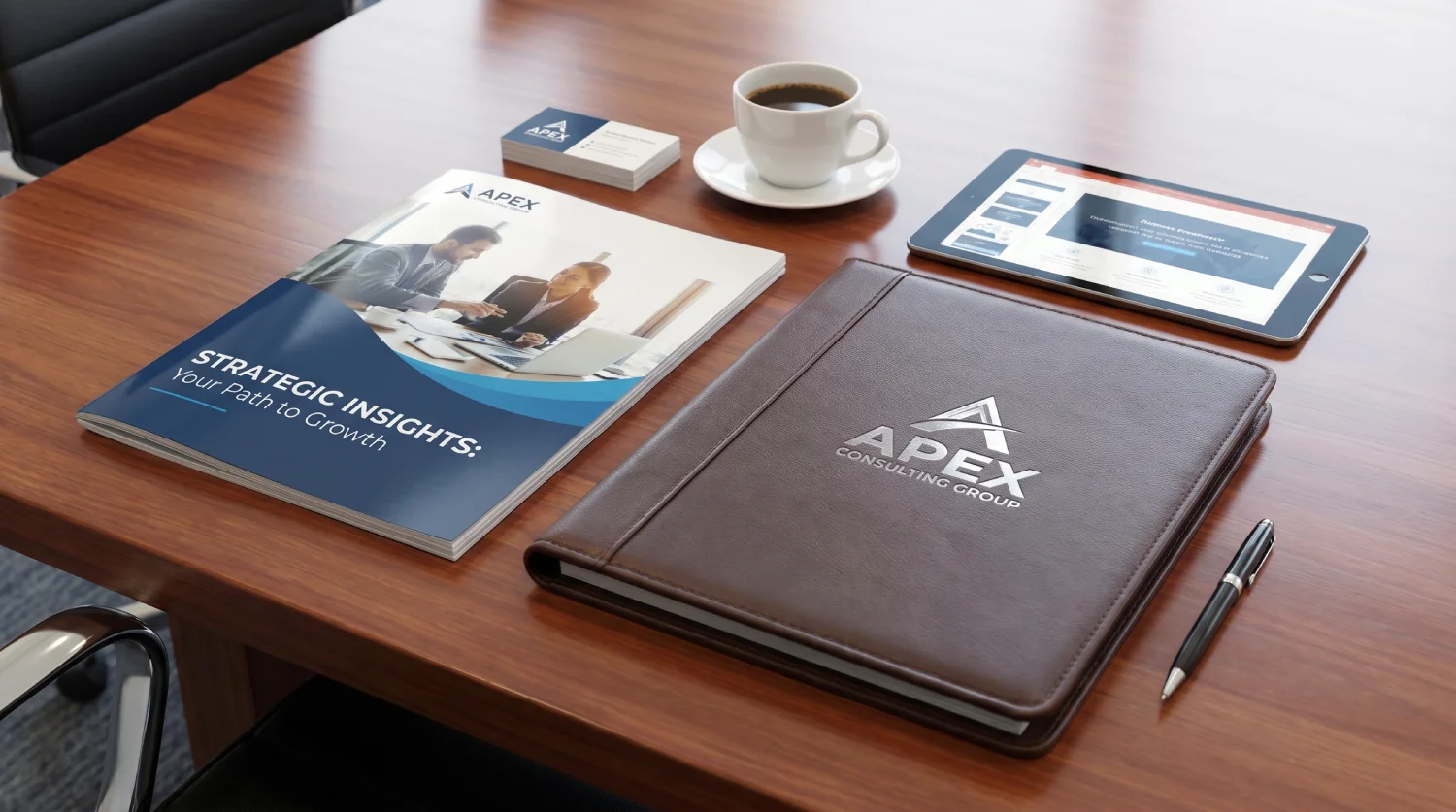
Key components include:
- Asynchronous video demonstrations that replace live pitches.
- Interactive calculators that quantify financial outcomes.
- Documented case studies that validate past performance.
Sales collateral includes strategic assets like product demo videos, ROI calculators, and case studies that facilitate B2B purchasing decisions by quantifying business value.
The Financial Cost of Ignored Content
Content production without strategic alignment destroys profit margins. Marketing departments routinely produce materials that sales professionals actively refuse to distribute.
The $2.3 Million Annual Wastage Problem
Revenue teams spend an average of 440 hours per year – roughly 11 work weeks – searching for or creating content because the official materials are unfit for purpose.
G2 data from 2024 confirms that 50% of all prospect engagement comes from just 10% of available sales enablement content.
The remaining 90% represents sunk costs. Professional services firms cannot afford to fund marketing departments that operate independently from the sales floor.
If sales representatives cannot use the material to handle a specific objection, the material should not exist.
Win Rates and Enablement Platforms
Organisations implementing a unified enablement platform are 80% more likely to increase their win rates.
G2 research shows that companies with formalised sales enablement achieve a 49% higher win rate on forecasted deals than organisations without structured enablement.
Professional services firms must consolidate their assets.
Disconnected Google Drive folders filled with outdated PDFs actively sabotage the brand equity you have paid to build.
“Marketing departments in professional services firms frequently confuse volume with value. Generating seventy pages of corporate brochures does absolutely nothing for a sales director who needs a single interactive calculator to overcome a pricing objection. Stop producing generic overviews and start engineering highly specific conversion assets.”
The Top 10 High-Converting Sales Collateral Formats
Based on conversion data and buyer behaviour research, specific formats vastly outperform traditional documents.
Here are the ten highest-converting types of sales collateral available to professional services firms today.
1. Product Demo Videos
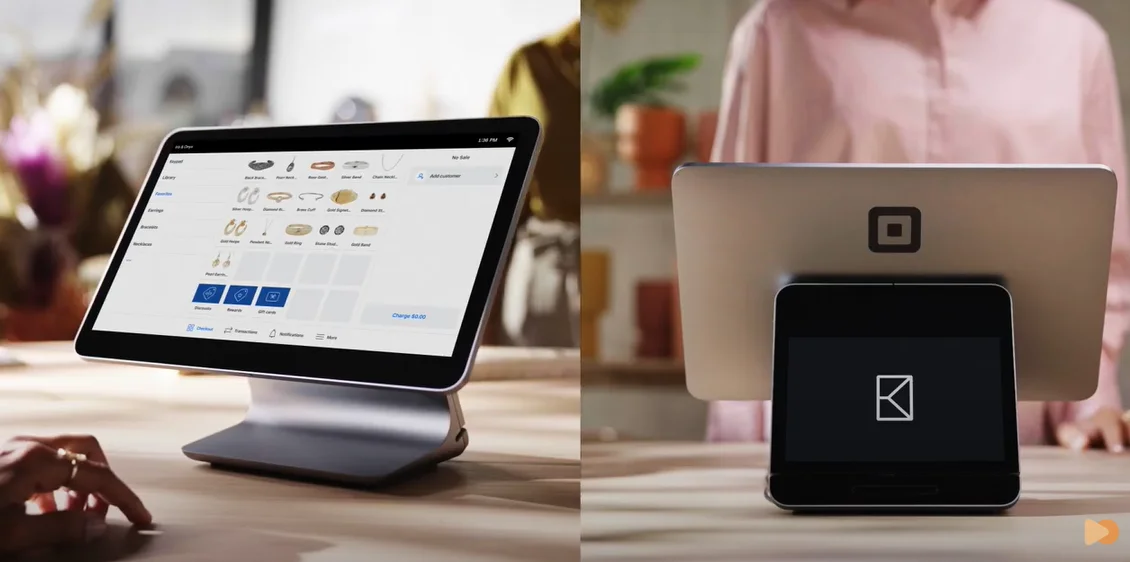
Product demo videos increase a prospect's likelihood of purchasing by up to 85% compared to control groups.
Buyers do not want to wait for a scheduled sales call to see how a service functions.
Asynchronous video allows the 11-person B2B buying committee to review the offering independently.
G2 data indicates 75% of customers are more likely to purchase after watching a product demo video.
2. Video Testimonials
Video testimonials provide an 80% conversion lift during the decision stage of the buying process. Written reviews are easily fabricated, leading to buyer scepticism.
Video evidence forces the prospect to confront a real human being who achieved the specific outcome they desire.
Buyers use video testimonials to validate their preferred vendor before presenting it to their internal stakeholders.
3. Interactive ROI Calculators
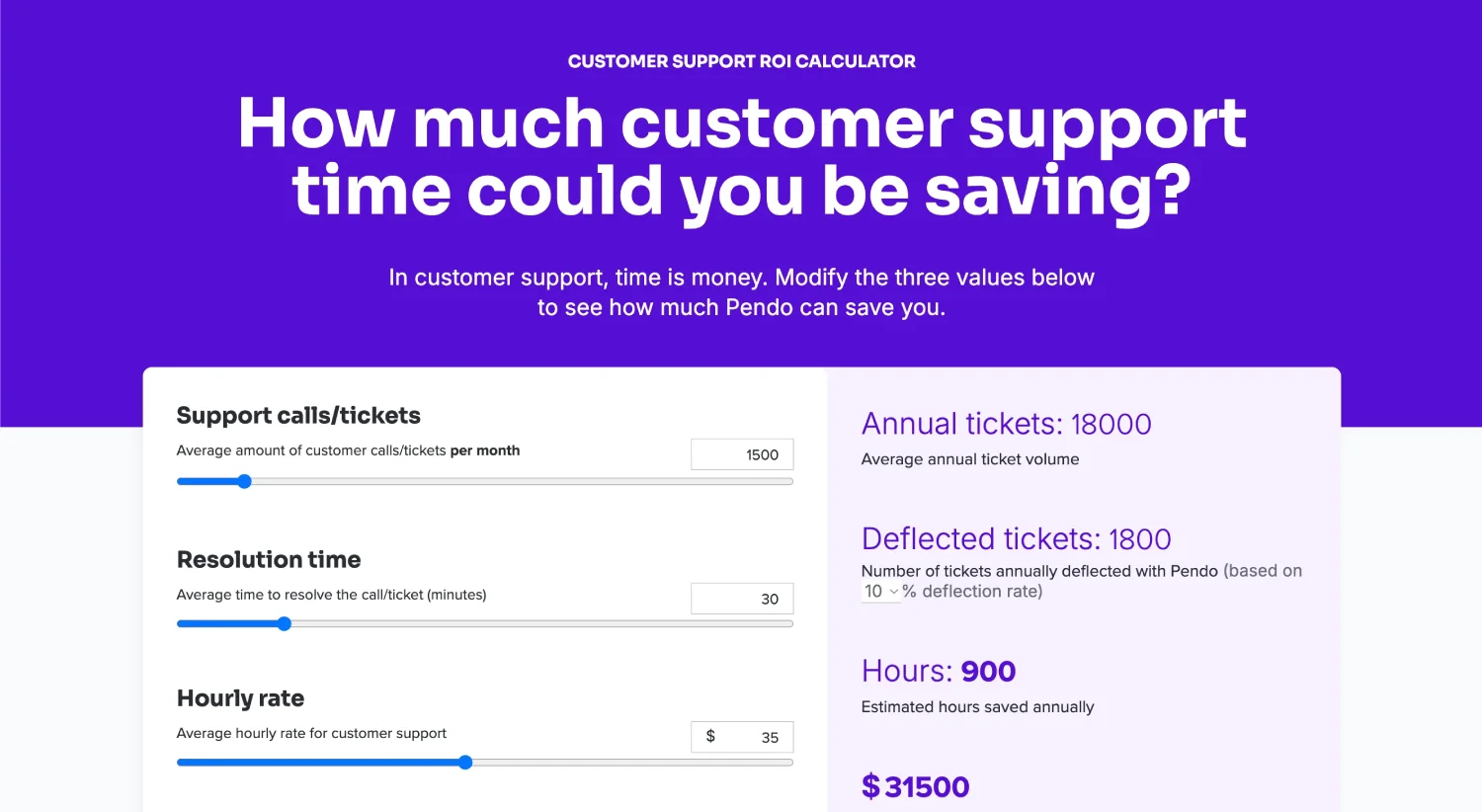
Interactive ROI calculators drive a 15–25% demo-to-close rate by enabling prospects to quantify value for themselves.
Early-stage buyers want abstract concepts translated into hard mathematics.
An interactive assessment forces the prospect to input their own data, creating immediate psychological ownership of the proposed solution.
4. Case Studies
Dock.us industry research confirms that 98% of B2B marketers rate case studies as effective.
Case studies convert best during the middle consideration stage, driving a 12–18% conversion rate from Marketing Qualified Lead to Sales Qualified Lead.
Effective case studies follow a strict structure: the client's original financial problem, the specific intervention provided, and the measurable commercial outcome.
5. Interactive Assessments
Interactive assessments achieve a 15–20% lead-to-opportunity conversion rate by automatically diagnosing prospect pain points.
Rather than forcing a prospect to endure a discovery call, assessments provide immediate value in exchange for contact information.
Professional services firms use assessments to qualify inbound leads before deploying expensive human capital to pursue them.
6. Personalised Sales Presentations
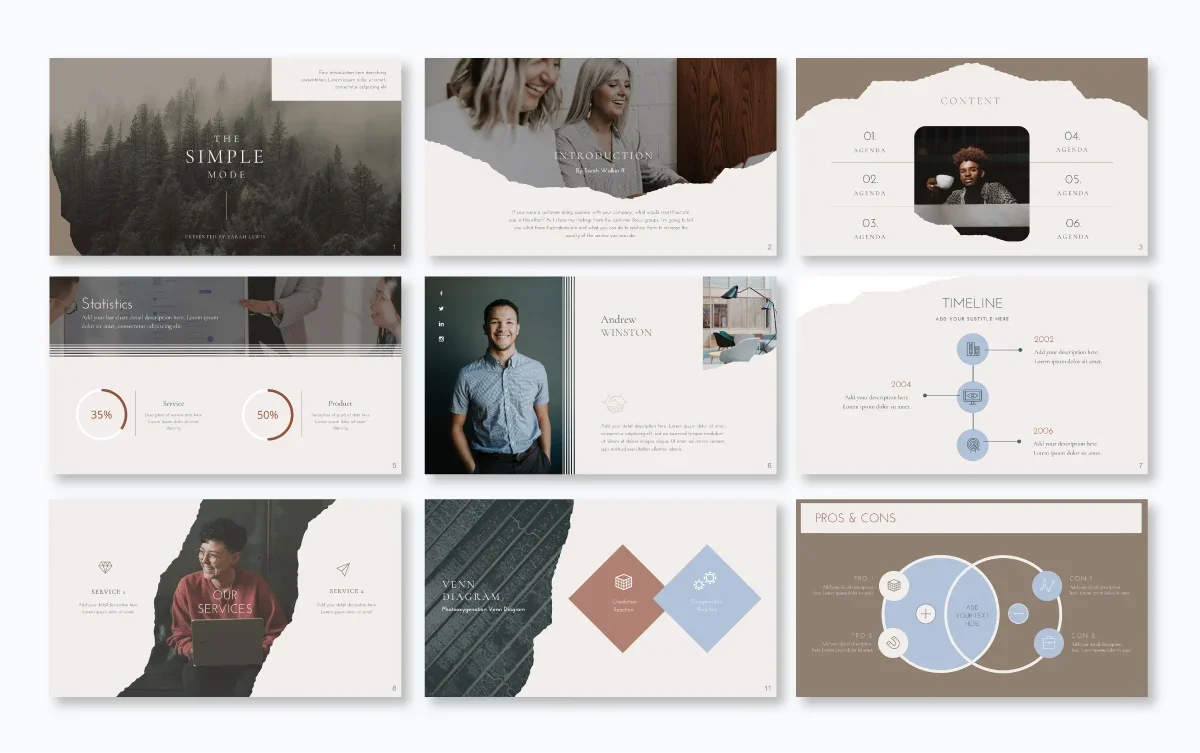
Personalised sales presentations yield a conversion rate exceeding 30% when tailored strictly to the buyer's unique industry context.
Generic slide decks immediately signal to a prospect that they are receiving a mass-market pitch.
Tailoring the presentation requires integrating the prospect's logo, naming their specific competitors, and mapping your services directly to their stated corporate objectives.
7. Customer Testimonials (Text)
Wiser Notify data reveals that customer testimonials drive a 34% increase in conversions.
While less impactful than video testimonials, strategically placed text testimonials near pricing tables or contact forms reduce late-stage buyer friction.
Testimonials must name the individual, their exact job title, and their company to carry any weight with B2B decision-makers.
8. Sales One-Pagers
Sales one-pagers achieve 20–65% conversion rates when aggressively focused on a single use case.
Buyers refuse to read dense corporate histories. A high-performing one-pager identifies one specific problem, outlines one proprietary solution, and demands one clear action.
Sales professionals use one-pagers as email attachments to bypass executive assistants and reach decision-makers directly.
9. Internal Battle Cards
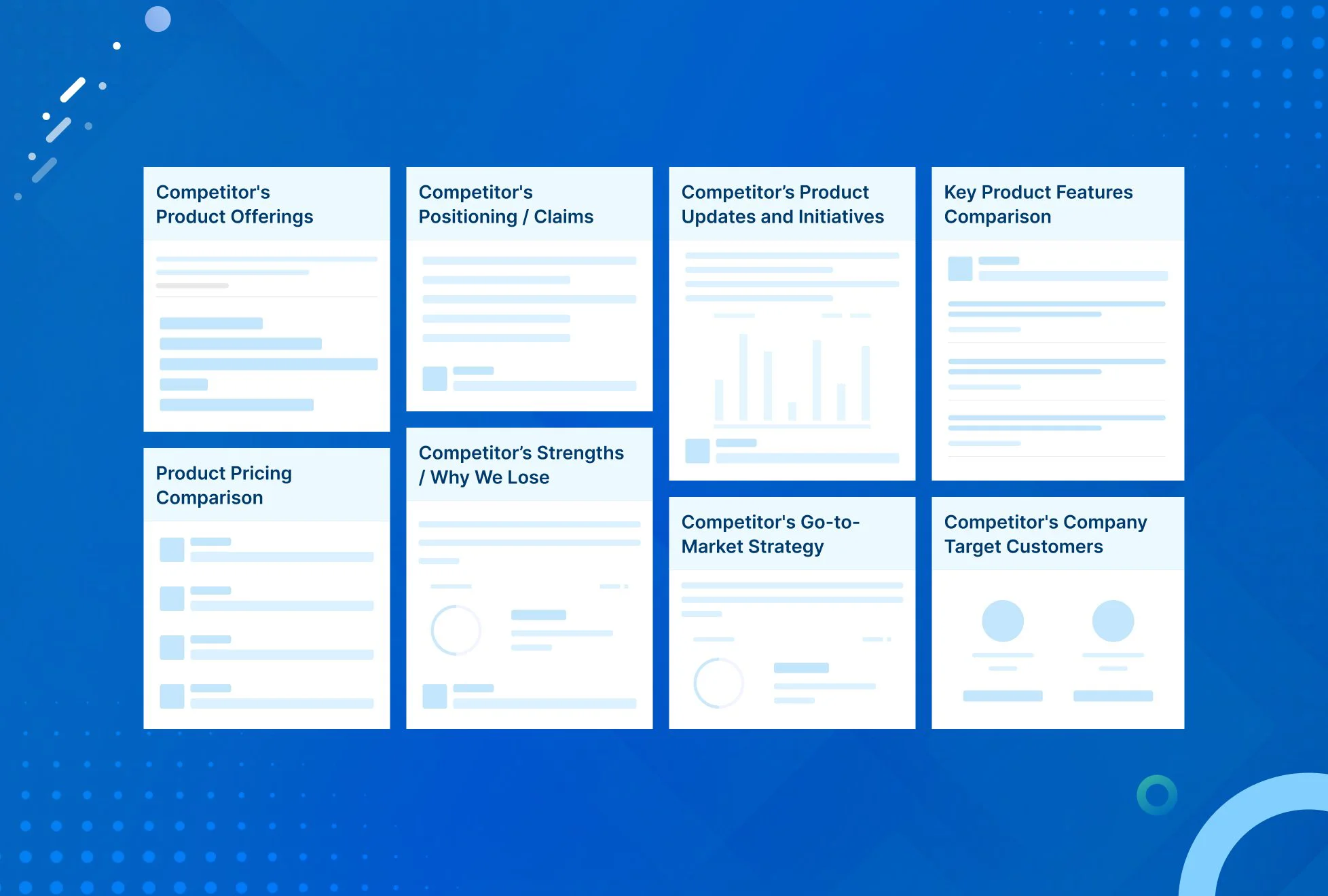
Battle cards directly support objection handling, indirectly driving a 15–20% demo-to-close rate.
Battle cards are internal documents that sales teams use during live calls to counter competitor claims.
Effective battle cards list the competitor's known weaknesses, provide verifiable counter-arguments, and supply the exact phrasing the sales representative should use when challenged.
10. White Papers and eBooks
White papers operate solely as top-of-funnel awareness collateral, generating a minor 4–6% conversion rate for lead magnets.
While they remain standard practice, their effectiveness has plummeted.
Professional services firms should only deploy white papers when presenting proprietary primary research that no competitor can access.
“The data strictly dictates an end to the era of the PDF. Interactive and asynchronous video formats dominate the bottom of the funnel. If your collateral requires the prospect to read for twenty minutes to uncover your value proposition, you have already lost the deal to a competitor with a two-minute interactive calculator.”
Myth-Busting: The Death of the Static Whitepaper
The B2B marketing sector operates on the outdated assumption that comprehensive whitepapers are the ultimate conversion tool.
Ten years ago, placing a 20-page PDF behind a lead-capture form was an effective way to acquire executive email addresses.
This practice actively damages pipelines today. The 4–6% conversion rate for whitepapers proves that modern buyers reject gated, text-heavy academic documents. Executives lack the time to read extensive theoretical essays.
They demand immediate, quantifiable answers. Replace static whitepapers with ungated interactive assessments or ROI calculators.
These tools capture the same contact information while immediately proving financial value to the prospect.
The State of Sales Collateral in 2026
Buying behaviours have radically shifted. Marketing departments that rely on 2022 playbooks will face severe revenue shortfalls.

The Rise of the Rep-Free Experience
Gartner 2026 data states that 67% of B2B buyers explicitly prefer a rep-free buying experience. Prospects no longer want to speak with your sales team to learn basic information.
6sense and Luth Research confirm that buyers are 70% through the purchasing process before they ever engage with a seller.
Your sales collateral must act as an automated sales representative, capable of answering technical questions, proving ROI, and handling objections without human intervention.
Expanding Buyer Committees and Internal Conflict
The 6sense TrustRadius 2024 report found that the average B2B buying group now consists of 11 people, and 53% of these groups include a C-suite executive.
Sales collateral must provide specific value to the CFO (financial data), the CTO (security compliance), and the end-user (workflow integration).
Gartner 2026 research indicates that 74% of B2B buying teams experience unhealthy conflict during decision-making, leading to 86% of purchases stalling entirely.
Effective sales collateral equips your internal champion with the exact arguments required to win consensus among those 11 conflicting stakeholders.
Generative AI as the Primary Researcher
According to Apollo.io and Forrester data from 2026, 89% of B2B buyers now use generative AI as a primary research tool. Buyers ask AI models to summarise your firm's capabilities and compare them with competitors'.
If your sales collateral is locked inside non-machine-readable PDFs or hidden behind complex navigation paths, AI systems cannot extract your value proposition.
The First Contact Advantage
6sense Buyer Experience data from 2024 reveals a stark reality: 81% of buyers already have a preferred vendor in mind at the moment of first contact.
Furthermore, the favoured vendor wins the contract approximately 80% of the time.
If your publicly available sales collateral fails to secure that preferred status before the prospect fills out your contact form, you are merely being used to validate a decision they have already made regarding a competitor.
“Your sales team is no longer the primary educator of your prospects. By the time a buyer requests a meeting, they have already consumed your case studies, analysed your pricing structures via AI, and formed an entrenched opinion. Your public collateral is the actual sales force.”
Data Comparison Table
Decision Point | The Wrong Way | The Right Way | Why It Matters |
|---|---|---|---|
Information Delivery | Gated 20-page whitepapers | Ungated interactive ROI calculators | Calculators drive 15–25% conversion; whitepapers manage 4-6%. |
Product Demonstration | Forcing a live discovery call | Asynchronous product demo videos | 67% of buyers demand a rep-free experience; videos increase purchase likelihood by 85%. |
Social Proof | Anonymous text quotes | Documented video testimonials | Video testimonials provide an 80% conversion lift. |
Sales Presentations | Standardised corporate slide decks | Highly tailored, account-specific presentations | Tailored presentations yield 30%+ conversion rates by proving contextual understanding. |
Objection Handling | Leaving sales reps to improvise | Formalised internal battle cards | 84% of reps hit quota with formal enablement; unguided reps lose to prepared competitors. |
The Verdict
Producing more sales collateral actively harms your win rate if that collateral isn't engineered for asynchronous, rep-free buying committees.
The data is entirely unambiguous: buyers demand rapid, quantifiable value that they can consume independently.
The average professional services firm wastes massive capital producing materials that sales teams ignore, and prospects discard.
If your organisation continues to rely on heavy text documents while your competitors deploy interactive assessments and asynchronous video, your market share will erode.
You cannot expect a prospect to advocate for your services to an 11-person buying committee if you have not armed them with the specific financial models and case evidence required to win internal conflicts.
Audit your current materials immediately. Identify the assets your sales team actually uses to close deals, discard the outdated filler, and convert your strongest arguments into interactive formats.
Request a free Brand Equity Audit™ at /services/brand-audits// to identify exactly where your brand is losing commercial ground and what to do about it.
Frequently asked questions
Why do most B2B sales collateral strategies fail?
Most strategies fail because marketing teams produce generic materials that sales representatives cannot use to address specific buyer objections. G2 research confirms that underused marketing content costs enterprises $2.3 million annually. Alignment requires creating targeted assets, such as battle cards and ROI calculators.
How does an interactive ROI calculator improve win rates?
An interactive ROI calculator lets prospects enter their operational data to quantify potential financial returns. This creates immediate psychological ownership of the solution, typically driving a 15–25% demo-to-close conversion rate by translating abstract benefits into hard mathematics.
What is the difference between a whitepaper and an interactive assessment?
A whitepaper is a static, theoretical document that provides general industry information, yielding a low conversion rate of 4–6%. An interactive assessment automatically diagnoses a prospect's specific pain points in real time, delivering customised recommendations and achieving a 15–20% lead-to-opportunity conversion rate.
Is it true that buyers prefer to avoid speaking with sales representatives?
Gartner 2026 data confirms that 67% of B2B buyers prefer a completely rep-free buying experience. Buyers complete up to 70% of their purchasing journey independently before contacting a vendor, relying heavily on asynchronous collateral such as product demo videos.
When should a professional services firm use video testimonials?
Firms should deploy video testimonials during the late consideration and decision stages of the buying journey. Video evidence removes buyer scepticism and provides an 80% conversion lift by showcasing real clients who achieved measurable commercial outcomes.
How many people are involved in B2B purchasing decisions?
Data from 6sense and TrustRadius reveal that the average B2B buying group consists of 11 individuals. Furthermore, 53% of these purchasing committees include a C-suite executive, meaning collateral must address diverse financial and technical concerns simultaneously.
Why are product demo videos outperforming live demonstrations?
Product demo videos cater to the 89% of buyers using AI and self-service channels for research. Asynchronous videos allow large buying committees to review functionality independently on their own schedules, increasing purchase likelihood by up to 85%.
What role do battle cards play in closing deals?
Battle cards are internal documents that equip sales representatives with verified counter-arguments against specific competitors. They provide exact phrasing for objection handling during live calls, directly contributing to the 84% of enabled reps who achieve their quotas.
How do you fix a stalled B2B purchase process?
Forrester data shows 86% of B2B purchases stall due to internal committee conflict. Fixing this requires providing your internal champion with highly specific, data-backed collateral – like targeted case studies and financial calculators – to win consensus among conflicting stakeholders.
What specific metric proves the value of a unified enablement platform?
G2 data demonstrates that organisations using a unified sales enablement platform are 80% more likely to increase their win rates. Formalised strategies prevent content wastage and ensure sales teams can instantly access high-converting assets during negotiations.