Brand Voice Examples: How 10 B2B Firms Sound Under Buying Pressure
A Managing Partner at a 90-person accountancy firm showed me their new website copy last year. It was warm, confident, and it used the word “partner” as a verb.
It also sounded exactly like the three competitors they were losing pitches to.
The personality was fine. The problem was that when a nervous finance director landed on the page, the words did nothing to make the decision feel safer.
That is the gap most brand voice examples miss. They catalogue personalities — friendly, bold, human — as if picking adjectives were the work.
For a professional services firm charging real fees for high-trust engagements, the question that actually matters is narrower: what do your words do when a buyer is deciding whether to risk their budget and their reputation on you?
Getting your verbal identity right is not decoration. It is the first thing a buyer judges before anyone at your firm speaks.
- Prioritise function over personality: words must reduce perceived risk for a buyer at a specific decision moment.
- Map voice jobs to the funnel: reassure, signal expertise, or build momentum where buyers hesitate.
- Consistency governance is critical because non-specialists will write most client-facing copy by 2026.
- Copy examples show function in practice: Atlassian restrains, HubSpot teaches, Zoom promises dependability.
- Act today: on three high-value pages, ask what each sentence does to a nervous buyer.
What Makes a B2B Brand Voice Work?

A B2B brand voice works when it makes a specific buyer feel safer at a specific point in their decision. It is not a personality you own in the abstract. It is a function your words perform — reassuring, de-risking, signalling expertise, or building momentum — at the moment a buyer is weighing whether to trust you.
- Personality describes how you sound; function describes what that sound does to a buyer’s confidence.
- The same voice trait can help or hurt depending on the funnel moment — playful reassures early, but reads as unserious at the contract stage.
- Consistency matters most in non-marketers’ writing, because a proposal that contradicts the website signals to the buyer that no one is in charge.
Brand voice in B2B is not about sounding human in the abstract. It is about sounding credible to one specific buyer at one specific moment in the funnel. Every example that follows is judged by that test — not by whether the personality is likeable, but by what the words do when the reader is nervous, sceptical, and holding a budget they are accountable for.
This reframe sits inside a broader discipline of brand voice and copywriting — the practical work of turning a firm’s positioning into words that carry it.
The Criteria That Actually Matter (And the Ones That Don’t)
Before the examples, the honest criteria. For a firm with 50–200 people deep into a rebrand, four dimensions predict whether a voice earns fees. Two heavily marketed ones don’t.
What matters: whether the voice reduces perceived risk on a high-stakes purchase; whether it survives being written by non-specialists across proposals, emails and LinkedIn; whether it signals expertise without performing it through jargon; and whether it shifts by funnel stage rather than staying one flat register.
What doesn’t: how “distinctive” the personality sounds in isolation, and how closely it mirrors an admired consumer brand. Sounding like Innocent Drinks does nothing for a litigation practice. Forrester’s 2026 predictions put it plainly — buyers now demand proof, transparency, and measurable outcomes over persuasive promises. Personality is not proof.
The 10 B2B Brand Voice Examples, By Function
Each firm below is judged by what its words do, not the adjective you’d file it under.
Mailchimp — reassures the anxious beginner. Friendly and lightly playful, but the function is de-escalation: it makes a first-time user feel they won’t break anything. The playfulness is doing risk-reduction work, not decoration.

Slack — removes friction from adoption. Conversational and human, its voice lowers the perceived cost of changing how a team works. It sounds like a colleague, not a vendor, because the buying fear is disruption.

Salesforce — signals scale and permanence. Confident and enterprise-focused. The optimism about “transformation” reassures a buyer that betting a large budget on Salesforce is a safe, defensible choice to their own board.

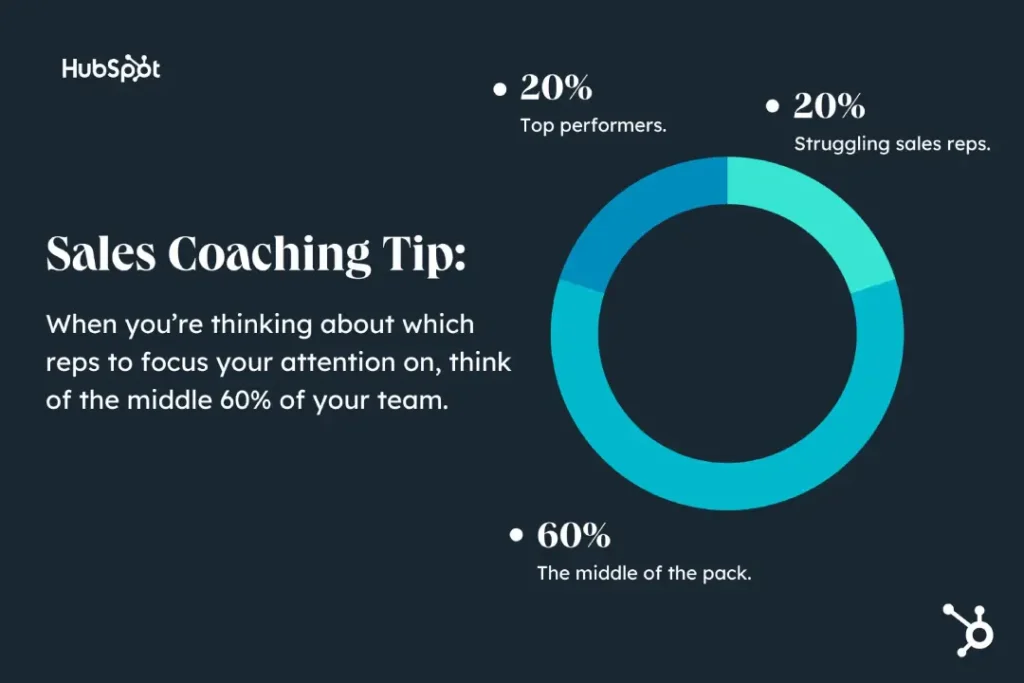
HubSpot — de-risks through teaching. Helpful and educational, “teach first.” The function is trust-by-generosity: a buyer who learns from you before paying assumes you know more than the firm that only pitched.
Atlassian — earns trust through restraint. Direct and product-led, clarity over hype. For technical buyers who distrust marketing, plain language is the credibility signal. The absence of spin is the voice.

Notion — reduces cognitive load. Minimal and calm. The concise copy mirrors the product promise, so the voice itself demonstrates the benefit before the buyer signs up.

Figma — signals in-group credibility. Collaborative and design-literate. It sounds like it was written by someone who does the reader’s job, which, for a specialist audience, is the fastest route to trust.

Intercom — builds momentum with opinion. Smart and slightly opinionated, it sounds like a knowledgeable operator. The mild conviction moves a hesitant buyer toward a decision rather than leaving them to weigh options alone.

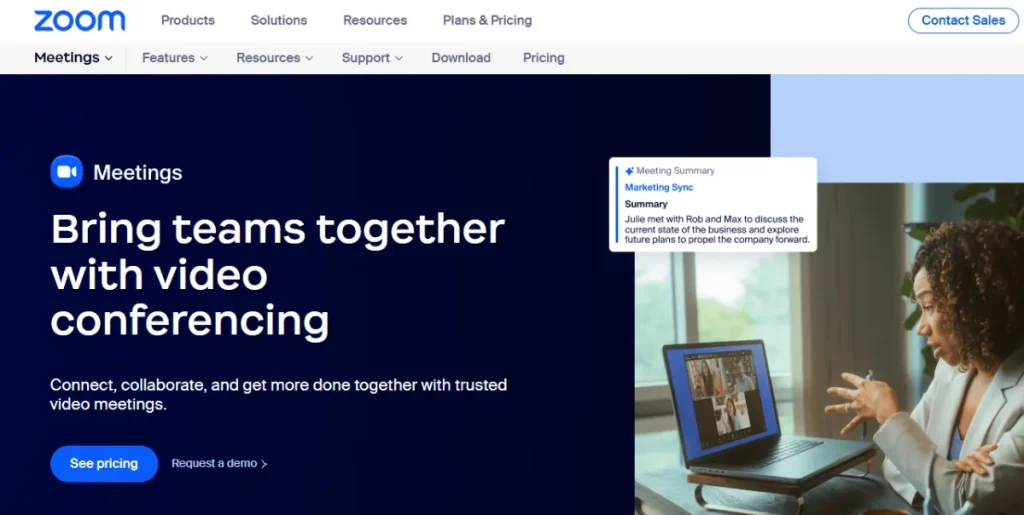
Zoom — reassures through simplicity. Simple and functional, built on ease and reliability. When the buying fear is “will this fail in front of clients,” a voice that promises nothing fancy and everything dependable de-risks the choice.
Microsoft — signals safety at scale. Mature and broad, increasingly clear across product and cloud messaging. For an enterprise buyer, the unflashy consistency is the reassurance: nobody was ever fired for the defensible choice.

The Decision Table: Which Voice Function Fits Your Moment
Rows are real situations a professional services firm faces in a rebrand. The column is the voice function to prioritise — not the personality.
| Your situation | Voice function to prioritise | Why |
| Buyers are price-sensitive and comparing three near-identical firms | Signal expertise | Differentiation on competence, not warmth |
| Prospects go quiet after the first call | Build momentum | The voice must move them, not just inform |
| You’re entering a market that doesn’t know you | De-risk | Trust must be built before the pitch |
| Non-marketers write most of your client-facing copy | Consistency governance | A contradicting proposal undoes the website |
| You charge premium fees, and buyers hesitate | Reassure + signal expertise | Reduce perceived risk on a high-stakes buy |
| You’re post-acquisition, and the brand feels uncertain | Reassure | Continuity language steadies nervous clients |
The Trap Most Firms Fall Into
The default mistake is choosing a voice that resembles an admired brand and then applying it flatly across every touchpoint.
A firm decides it wants to sound “like Mailchimp — approachable,” and writes its terms of engagement in the same register as its Instagram.
The tell you’re about to make this error: you’re describing your voice with a personality adjective and no funnel moment attached. “We’re warm and confident” is not a voice decision. “We reassure at first contact and signal expertise at proposal”
This matters more now than it did. Forrester expects employees outside central content teams to create two-thirds of B2B content by the end of 2026, which turns voice consistency from a copywriting preference into a governance problem.
When forty people write in your name, “be warm” is not an instruction anyone can follow the same way twice.
The Reframe, Paid Off: Function Beats Personality
Intelligent practitioners hold the personality-first view for a good reason.
Adjectives are teachable, memorable, and easy to brief. “Be friendly and confident” fits on a slide. That is precisely why it’s everywhere — and why it fails to differentiate anyone.
The evidence points the other way. The Content Marketing Institute’s 2026 Audience Trust Index names trust as the gold standard for content marketing measurement — not personality, not distinctiveness.
CMI’s 2026 benchmarks show 95% of marketers now use AI, while only 9% increased human resources investment and just 59% rate their content as effective. Volume and polish are cheap; credibility is not.
A voice optimised to sound distinctive competes on the wrong axis. A voice optimised to make a specific buyer feel safe at a specific moment competes on the axis that closes.
“Stop asking what your brand’s personality is. Start asking what your words need to do to the reader at each point they meet you. A voice that reassures a nervous first-time buyer, signals expertise to a sceptical procurement lead, and builds momentum with a stalled prospect is worth more than any adjective set — because it is engineered around the buyer’s decision, not your self-image.”
In 17 years of brand work, the pattern I see most often is a firm that has agreed on its adjectives and never once agreed on what those words must achieve when a buyer is hesitating.
Two objections a sceptical Managing Partner will raise.
First: “Our buyers are rational; they don’t respond to voice.” They respond to perceived risk, and voice is where that perception forms before any evidence is read — a good tagline or verbal cue does measurable work here.
Second: “This sounds like it only applies to software firms.” The examples are software because they document their voice publicly; the mechanism — words that reduce buyer risk — is identical for a tax practice and, arguably, sharper, because the fee is higher and the trust is more personal.
The same logic underpins why memorable slogans and taglines outlast the campaigns that made them.
The Verdict
The firms worth copying are not the ones with the most charming personalities.
They are the ones whose words do a specific job at a specific moment — Atlassian earning technical trust through restraint, HubSpot de-risking the purchase by teaching first, Zoom trading flash for dependability because that is what its buyer fears losing.
Personality is how they sound. Function is why it works.
For a professional services firm mid-rebrand, the practical shift is this: stop briefing your voice as a set of adjectives and start briefing it as a set of jobs mapped to your buyer’s journey. Reassure here. Signal expertise there. Build momentum where prospects stall.
The adjectives will follow from the jobs — never the other way round. Forrester’s 2026 read is that trust is becoming the ultimate currency for B2B buyers, and trust is built by what your words do under pressure, not by how likeable they are at rest.
The one thing to do today: take your three highest-value pages, and for each sentence ask not “does this sound like us” but “what does this do to a buyer who is nervous.”
Most firms have never asked.
If you’d like an outside read on exactly where your brand is losing commercial ground and why, request a free Brand Equity Audit™ — a structured, written diagnostic, delivered in 48 hours, no sales call.
FAQs
What is a brand voice, in simple terms?
A brand voice is the consistent way a company sounds in writing across every touchpoint. In B2B, it is best understood by function — whether the words reassure, de-risk, signal expertise, or build momentum for a specific buyer — rather than by a personality adjective like “friendly.”
What’s the difference between brand voice and tone of voice?
Voice is constant; tone shifts by context. Your brand voice stays recognisable across a proposal and a LinkedIn post, while tone adjusts — more reassuring at first contact, more precise at contract stage. Tone is voice calibrated to the buyer’s funnel moment.
Why does our firm’s messaging sound generic?
Generic messaging usually comes from choosing a voice based on personality adjectives rather than function. “Warm and confident” describes dozens of competitors. When a voice is briefed as a job — reassure a nervous buyer, signal expertise to procurement — it stops sounding interchangeable.
How do I define a brand voice for a professional services firm?
Map your buyer’s journey, then decide what your words must do at each stage — de-risk early, signal expertise mid-funnel, build momentum where prospects stall. Define the jobs first; the tonal adjectives follow from them, not the reverse.
Is it true that brand voice affects sales?
Yes — voice shapes perceived risk before any evidence is read, and in high-fee professional services, perceived risk is often what loses the pitch. A voice that makes a buyer feel safe at the point of decision directly influences whether they proceed.
Should a B2B firm copy a consumer brand’s voice?
No — consumer voices are built for different buying psychology. Sounding like Innocent Drinks does nothing for a litigation practice. Study the function of admired voices, such as how Atlassian earns trust through restraint, and adapt the mechanism to your buyer.
When should our brand voice change?
Voice should hold steady while tone flexes from moment to moment. A full voice change is warranted after repositioning, acquisition, or a shift in target buyer — anything that changes who you must sound credible to. Cosmetic refreshes rarely justify it.
How does AI-generated content affect brand voice?
It raises the stakes on consistency. Forrester expects two-thirds of B2B content to come from outside central teams by the end of 2026, so voice becomes a governance problem. A documented, job-based voice guide keeps output coherent when many hands write it.
What makes Slack’s brand voice effective for B2B?
Slack’s conversational voice lowers the perceived cost of changing how a team works. Its function is friction-removal: sounding like a helpful colleague rather than a vendor, it addresses the buying fear of workplace disruption directly.
Why do brand voice guides fail in practice?
They fail when built from adjectives that no one can apply consistently. “Be human” means something different to every writer. Guides that define what words must achieve at each buyer moment give writers a testable instruction, which is why they survive contact with non-specialists.
How many personality traits should a brand voice have?
Fewer than most guides suggest. The number matters less than whether each trait maps to a job your words perform for the buyer. Three functions are clearly defined beat six adjectives loosely described.
Does brand voice matter more than visual identity?
Neither outranks the other, but voice often does its work first — a buyer reads your words before scrutinising your logo. In high-trust B2B purchases, words bear more of the early risk-reduction burden than visuals.
