Branded House vs House of Brands: The Cost-of-Complexity Test
Branded house or house of brands is not a question of taste. It is a question of whether keeping brands separate does real commercial work, or simply adds cost. For UK professional services firms rebranding after growth or acquisition, the right answer follows from one variable: your cost of complexity.
 By Stuart Crawford
 Reviewed by Tabitha Ayers
Updated 10 min read
On this page10 min left
- Which Brand Architecture Should Your Firm Choose?
- The Criteria That Actually Matter (and the Ones That Don't)
- Branded House: What It's Genuinely Best For
- House of Brands: When Separation Earns Its Cost
- The Cost of Complexity: The Variable Everyone Skips
- The Decision Table
- The M&A Trap: Keeping the Name for the Wrong Reason
- Where This Stands Now
- The Verdict
- Frequently asked questions
A managing partner acquires a respected regional practice, and within a month, the same question lands on the boardroom table: do we fold them into our name, or let them keep theirs?
The instinct is usually to preserve the acquired brand — it has goodwill, clients, and a reputation someone paid for.
That instinct is where a lot of firms start paying a tax they never priced.
This is one facet of a broader M&A Brand Architecture decision, and it is rarely the aesthetic choice it appears to be.
Which Brand Architecture Should Your Firm Choose?
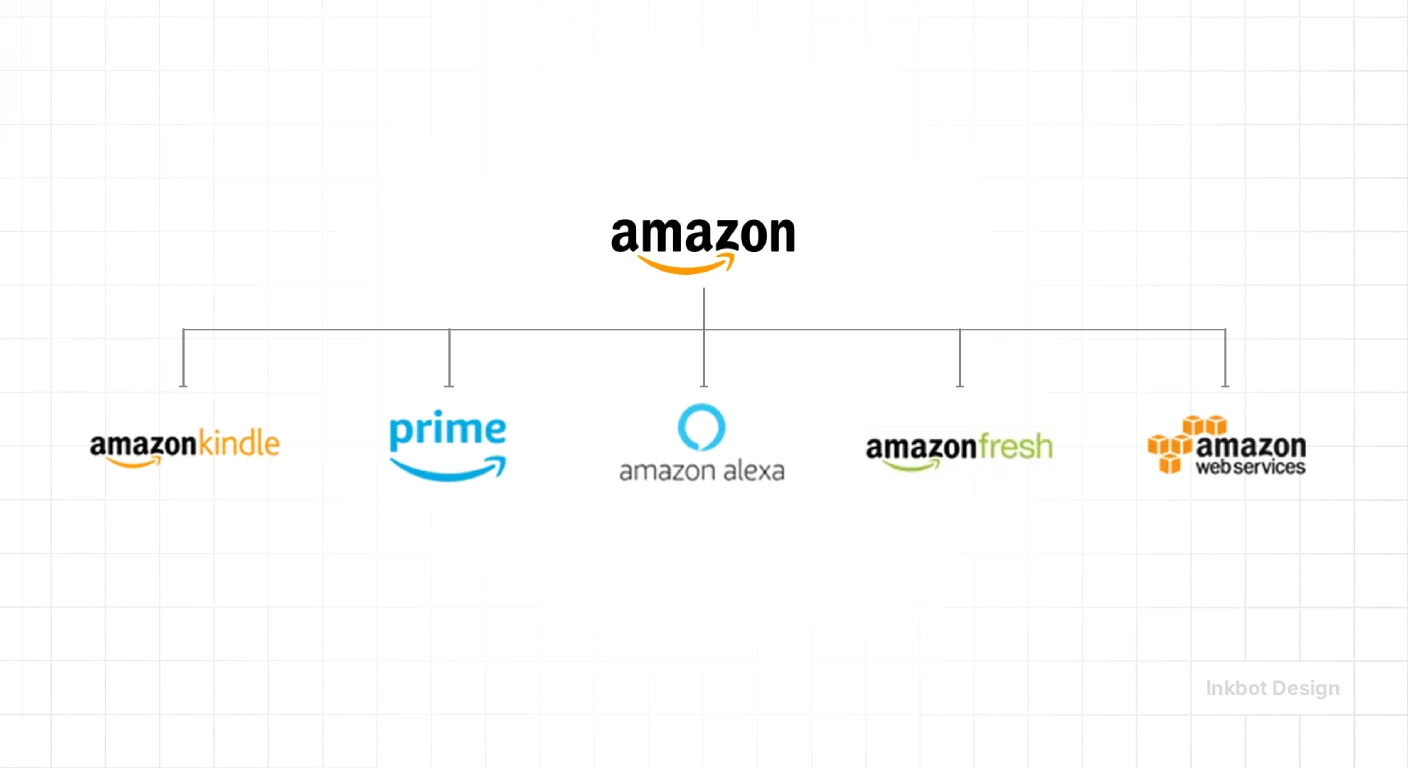
Choose a branded house when your offers share the same buyer, the same core promise, and the same quality signal, because brand equity compounds faster under one identity. Choose a house of brands only when keeping brands separate does real commercial work — protecting a reputation, serving genuinely different audiences, or preserving the flexibility a single brand would damage.
- A branded house reduces decision friction: one reputation carries every offer.
- A house of brands preserves separation: useful only when that separation earns its cost.
- Most professional services firms default to a branded house because their offers share a buyer, and that default is usually correct.
Brand architecture should be chosen based on the cost of complexity: use a branded house when offers share a buyer and promise, and a house of brands only when separation does real commercial work.
The Criteria That Actually Matter (and the Ones That Don't)
Four dimensions decide this, and firm size is not one of them.
What matters is audience overlap (do your offers serve the same buyer?), trust transfer (does a strong reputation in one service credibly vouch for another?), governance burden (how much does running each brand cost in management attention?), and future optionality (will you need to sell or spin off a unit later?).
What does not matter, despite being marketed heavily: how the logos look side by side, and what your largest competitor happens to do. Copying a rival's architecture imports their constraints, not their results.
A peer-reviewed Marketing Science model by Jungju Yu formalises the useful part of this: architecture choice should track how related your product-markets are — the more related the offers, the stronger the case for one brand.
Branded House: What It's Genuinely Best For
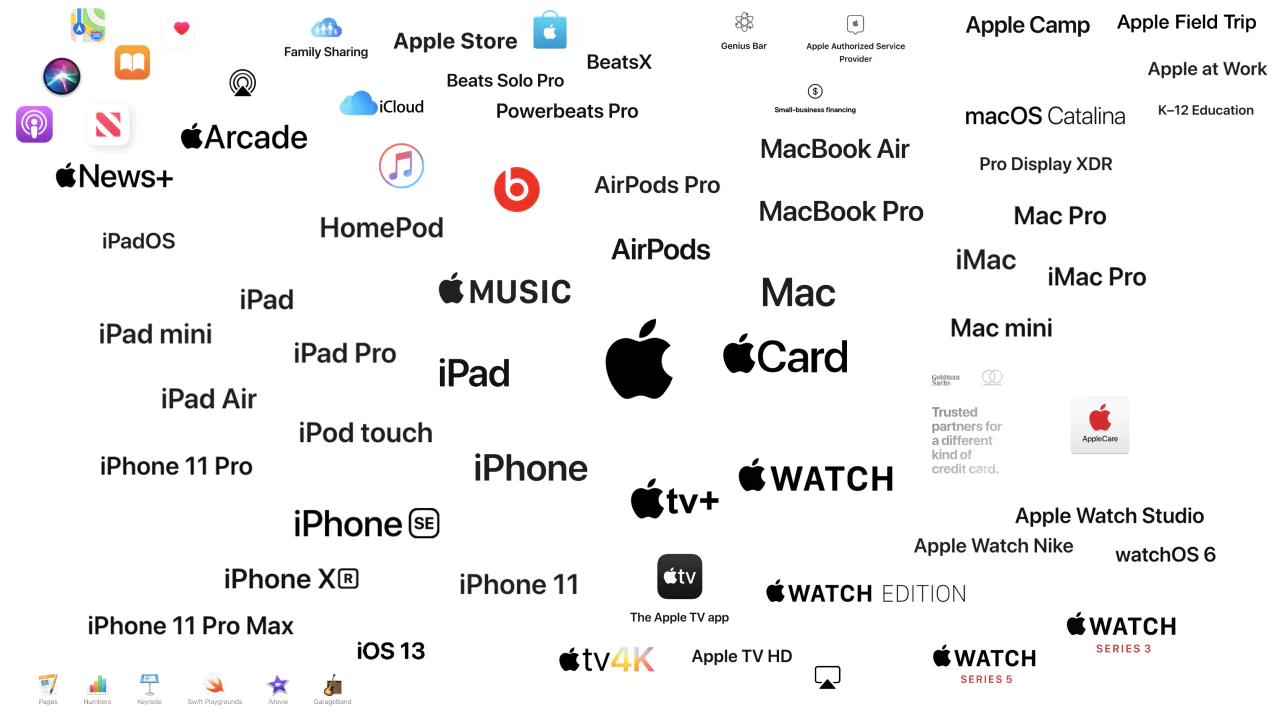
A branded house works when a single reputation can carry every service you sell.
For a professional services firm, this is the common case: a client who trusts your firm for corporate law will extend that trust to your employment or property team without needing a separate brand to reassure them.
INFORMS research on consumer perception found that greater breadth under one name can raise perceived quality, because buyers read range as evidence of competence rather than dilution.
The mechanism matters. Under one identity, every piece of good work, every referral, and every award compounds into a single reputation rather than being split across three.
Hinge Marketing's 2024 analysis of professional services concluded that growth-oriented firms are typically better served by a branded house than a house of brands.
Where a branded house fails is at the edges: if you genuinely serve two audiences with incompatible expectations, one brand forces an awkward compromise on both.
House of Brands: When Separation Earns Its Cost
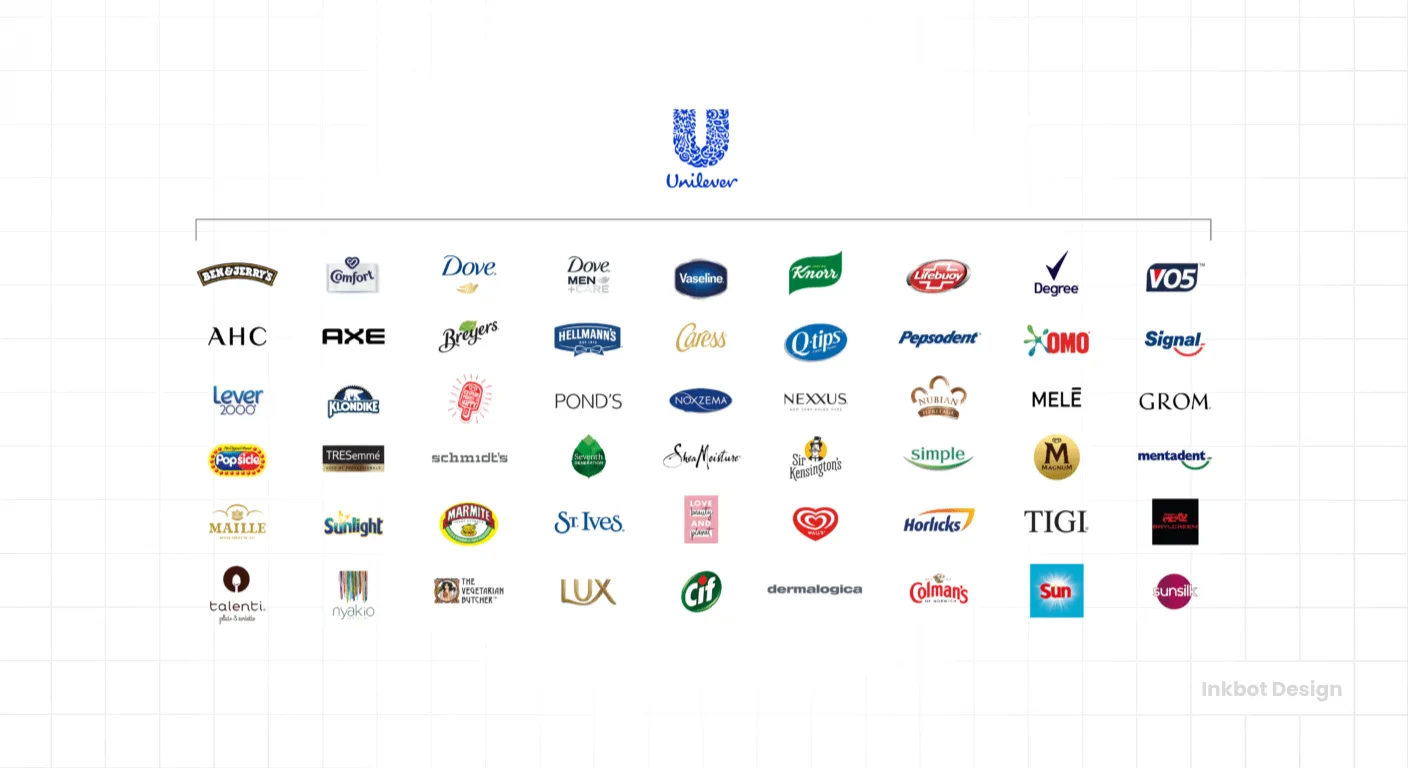
A house of brands is justified when separation does real work that a single brand cannot.
Three conditions qualify: a reputation that must be firewalled (a high-risk advisory arm that could contaminate the core firm), audiences so different that one voice serves neither well, or a unit you intend to sell, where a separate brand makes the exit cleaner.
Outside those conditions, a house of brands is a cost centre wearing a strategy costume.
INFORMS research on portfolio structure shows that how a portfolio is organised directly shapes brand image and choice behaviour — meaning every additional brand is a distinct perception you now have to build, fund, and defend.
Yu's model reinforces the boundary: less-related markets can justify separate brands, but relatedness, not sentiment about an acquired name, is the deciding factor.
The Cost of Complexity: The Variable Everyone Skips
Most comparison articles stop at “house of brands costs more” without saying what the cost is. The cost is governance.
Every brand you run needs its own positioning, its own content, its own quality control, and its own share of senior attention — the scarcest resource in a 50–200 person firm.
Two brands do not double the work; they roughly double the surface area for it to go wrong.
This is why the honest question is not “which model is best?” but “which model matches your cost of complexity?”
Porsche Consulting's 2025 analysis of the economics of complexity found that portfolio reduction can remove up to 20% of a portfolio without customer impact while improving EBITDA by 5–10%. The lesson transfers directly: complexity you are not actively using is not optionality — it is overhead.
A firm keeping three acquired brands “just in case” is funding three reputations to do the job of one.
“A house of brands you cannot fully staff is not a portfolio strategy. It is three half-built reputations competing for the same partners' attention, and the clients can tell.”
In 17 years of brand work, the pattern I see most often is a firm defaulting to separation out of sentiment for an acquired name, only to discover the governance cost 18 months later.
The Decision Table
Your Scenario | Recommended Choice | Why |
|---|---|---|
Acquired a firm serving the same clients as you | Branded house (absorb) | Shared buyer means equity compounds under one name |
Acquired a firm in an adjacent service, same sector | Endorsed brand (hybrid) | Transfer trust while easing the transition |
Launching a high-risk advisory arm | House of brands | Firewall protects the core reputation |
Two divisions serving incompatible audiences | House of brands | One voice would serve neither well |
Rebranding a single-discipline firm for growth | Branded house | Nothing to separate; consolidate the equity |
Building a unit you plan to sell within five years | House of brands | A separate brand makes the exit cleaner |
For firms mid-acquisition, the migration path matters as much as the destination — how brand equity migration is sequenced determines how much goodwill survives the transition, and the M&A brand transition timeline sets realistic expectations for it.
The M&A Trap: Keeping the Name for the Wrong Reason
The most common mistake is preserving an acquired brand out of sentiment rather than strategy. The tell is the justification: “the name has value in the local market”, offered without evidence that the two client bases are actually distinct.
If your acquired firm's clients would happily be served under your name — and for same-sector, same-service acquisitions, they usually would — separation is buying you nothing and costing you governance.
A sceptical reader will object here: “But goodwill is real, and rebranding risks losing clients.” True, and that is why sequence matters more than the binary.
The answer is rarely an overnight name change; it is an endorsed transition that transfers trust deliberately.
Firms managing brand architecture across multiple services find the endorsed middle option resolves most of this tension without the full cost of a permanent house of brands.
The M&A brand integration strategy exists precisely to protect goodwill during that shift.
Where This Stands Now
The current pressure runs toward simplification, not proliferation.
Lippincott's 2025 brand trends analysis argues the market is shifting from “choice overload” to “choice satisfaction” — brands winning by reducing customer anxiety rather than multiplying options.
For architecture, that favours consolidation: fewer, clearer brands over a sprawling portfolio.
Two forces reinforce this. Deloitte Digital's 2025 marketing trends report notes personalisation continuing to pay off as a growth lever, which rewards firms that can act coherently under one identity rather than fragmenting their data across separate brands.
And AI-driven discovery is changing how brands surface at all — Lippincott notes Google's AI search rollout is reshaping how brands need to show up, which penalises the diluted, thinly-resourced brands a stretched house of brands tends to produce.
The direction of travel is clear: complexity you cannot justify is now a liability, not a hedge.
The Verdict
The decision was never branded house versus house of brands as a matter of taste, and the firms that treat it that way are the ones still paying for it years later.
The variable that predicts the right answer is your cost of complexity — whether keeping brands separate is doing genuine commercial work, or simply adding governance burden dressed up as optionality.
A branded house is the correct default for most professional services firms because their offers share a buyer, a promise, and a quality signal, and equity compounds fastest under one identity.
A house of brands is justified only where separation protects a reputation, serves an audience a single brand would fail, or enables an exit you can actually foresee.
The Yu model, the INFORMS perception research, and Porsche Consulting's complexity economics all point the same way: relatedness and usage justify structure, and unused complexity is overhead. For a firm mid-acquisition, this reframes the boardroom question entirely.
Stop asking whether the acquired name “has value” in the abstract. Ask whether its clients are genuinely a different audience, and whether you can afford to run its reputation properly.
If the answer to both is no, you are not preserving equity — you are funding a second brand to do the first one's job.
Before you commit to an architecture ahead of your rebrand, find out where your brand is actually losing commercial ground.
Request a free Brand Equity Audit™ — a structured diagnostic that shows exactly where equity is leaking and what to do about it.
Frequently asked questions
What is the difference between a branded house and a house of brands?
A branded house sells every offer under one master brand, so a single reputation carries all services. A house of brands operates multiple independent brands under a parent brand, each with its own identity and audience. The branded house consolidates equity; the house of brands separates it.
Which is better for a professional services firm?
For most, a branded house. Professional services typically offer a buyer and a promise, so equity compounds faster under one name. Hinge Marketing's 2024 analysis found that growth-oriented professional services firms are usually better served by a branded house than a house of brands.
When should a firm keep an acquired brand separate?
When separation does real commercial work: firewalling a high-risk arm, serving a genuinely distinct audience, or preparing a unit for sale. If the acquired firm's clients would happily be served under your name, then separation adds governance costs without any commercial return.
Is a house of brands more expensive to run?
Yes — the cost is governance. Every brand needs its own positioning, content, quality control, and senior attention. Two brands roughly double the surface area for error, not just the marketing spend. That management burden is the true cost most comparisons omit.
What is a hybrid or endorsed brand architecture?
A hybrid keeps a parent brand visible while allowing sub-brands their own identity, often via endorsement (“[Sub-brand], part of [Parent]”). It transfers trust while easing a transition, making it the practical middle option for many acquisitions where a full merger feels premature.
How should we decide brand architecture before rebranding?
Assess four things: audience overlap, trust transfer, governance burden, and future optionality. If offers share a buyer and a promise, consolidate. If separation genuinely protects reputation or serves a distinct audience, keep brands apart. Firm size and competitor choices should not drive the decision.
Does keeping more brands give us more flexibility?
Only if you use it. Porsche Consulting's 2025 complexity research found that reducing a portfolio by up to 20% can be done without customer impact while improving EBITDA. Unused brand complexity functions as overhead, not optionality — you fund it whether or not it pays off.
Why do so many firms default to a house of brands after an acquisition?
Sentiment. An acquired name feels like paid-for goodwill worth preserving, so firms keep it without testing whether the two client bases are actually distinct. Where clients overlap, that separation buys nothing and costs ongoing management attention across two reputations.
Can a single brand credibly cover multiple services?
Yes. INFORMS research on consumer perception found that greater breadth under one name can raise perceived quality, because buyers read range as a signal of competence. A firm trusted for one discipline usually earns trust for adjacent ones without needing a separate brand.
What is the risk of rebranding an acquired firm too quickly?
Losing clients attached to the old name. The mitigation is a sequence, not avoidance: an endorsed transition transfers trust deliberately over time rather than switching names overnight. A structured integration timeline protects goodwill while consolidating equity toward a single brand.
Does competitor brand architecture matter for our decision?
No. Copying a competitor's structure imports their constraints, not their results. Their architecture reflects their audience overlap and governance capacity, which differ from yours. Decide on your own cost of complexity, not on what a rival's brand looks like.
How does AI-driven search affect brand architecture?
It rewards clarity. Lippincott's 2025 analysis notes Google's AI search rollout is changing how brands surface, which disadvantages thinly-resourced brands. A stretched house of brands tends to produce exactly those, making consolidation more attractive as discovery shifts toward AI-mediated results.