M&A Brand Architecture Strategy: The Retention Trap
In a regulated advice firm, the brand name is a client-retention asset before it is a marketing one. The default move after an acquisition – folding the acquired firm into the parent brand to capture synergies – frequently destroys the exact value the deal was meant to buy.
That is an expensive mistake to make at scale, and the deal environment is making it more common. Global M&A value is on track to reach about $4 trillion in 2026, up roughly 13% year-on-year, according to PwC’s June 2026 outlook.
More money is moving through more transactions, and every one of those transactions forces a brand architecture decision that most acquirers treat as an afterthought – a logo question to be settled once the lawyers are done.
For independent financial advisory and wealth management firms, where the client relationship is frequently attached to a named adviser and a local firm name rather than to a corporate parent, that afterthought is where deal value leaks out.
If your firm is buying, being bought, or merging, the choice you make about which names survive is a commercial decision with a retention number attached.
Getting it right is the difference between a deal that compounds and one that quietly erodes. This is the territory a competent brand architecture agency is hired to navigate – not to design a new logo, but to protect the client equity the deal was priced on.
This guide sets out how M&A brand architecture strategy actually works in regulated advice firms, where the standard playbook fails, and the decision rule that should govern whether an acquired name lives or dies.
- In regulated advice, the brand name is chiefly a client-retention asset, not a marketing efficiency.
- Defaulting to an branded house often severs continuity, causing costly client attrition; the endorsed model preserves relationships.
- Apply three tests: relationship locus, trust transferability, attrition exposure to decide retain or retire each name.
- Measure success by the retained client book post-migration and assign clear ownership of the retention number, not just marketing.
What Is M&A Brand Architecture Strategy?
M&A brand architecture strategy is the set of decisions that determine which brand names survive, merge, or disappear after a merger or acquisition, and how the surviving brands relate to one another. It governs naming, hierarchy, and the sequence of any transition.
Key components:
- Retention decision – whether each acquired firm name is kept, endorsed, merged, or retired.
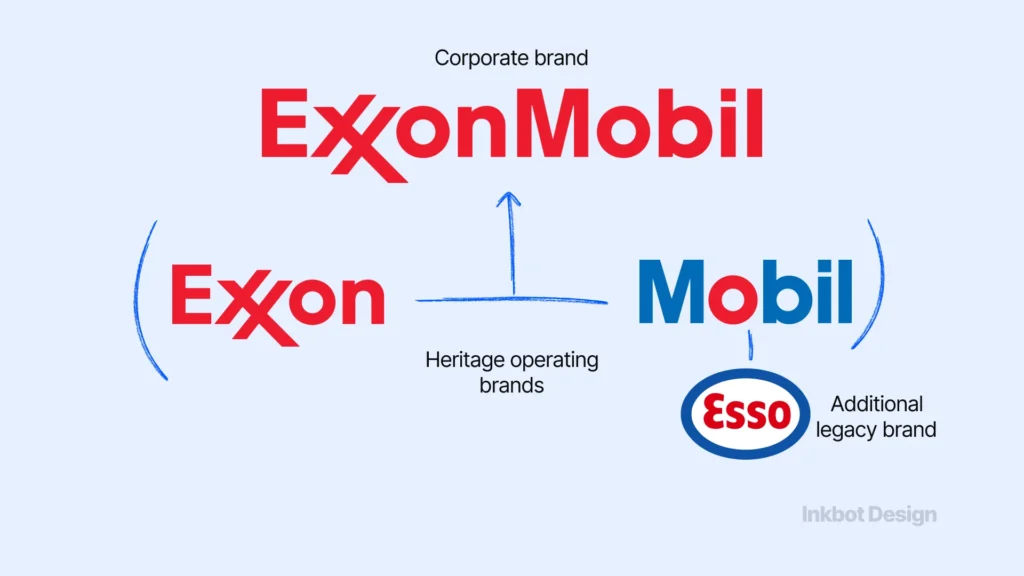
- Hierarchy model – whether the combined entity becomes a branded house, a house of brands, or an endorsed/hybrid structure.
- Migration sequencing – the timing and order in which any name changes happen relative to client communication and operational integration.
M&A brand architecture strategy determines whether acquired firm names are retained, merged, or retired, and how each choice affects client retention and trust.
The Four Architecture Models, and What Each Costs an Advice Firm
There are four structural choices, and each carries a different client-retention risk in regulated advice. The model you pick is not a branding preference – it is a decision about how much relationship equity you are willing to put at risk.
A branded house fully absorbs the acquired firm under the parent name. It maximises marketing efficiency and is the default most acquirers reach for. In an advice firm, it also severs the visible continuity a client has trusted for years, which is precisely the asset that retained them.
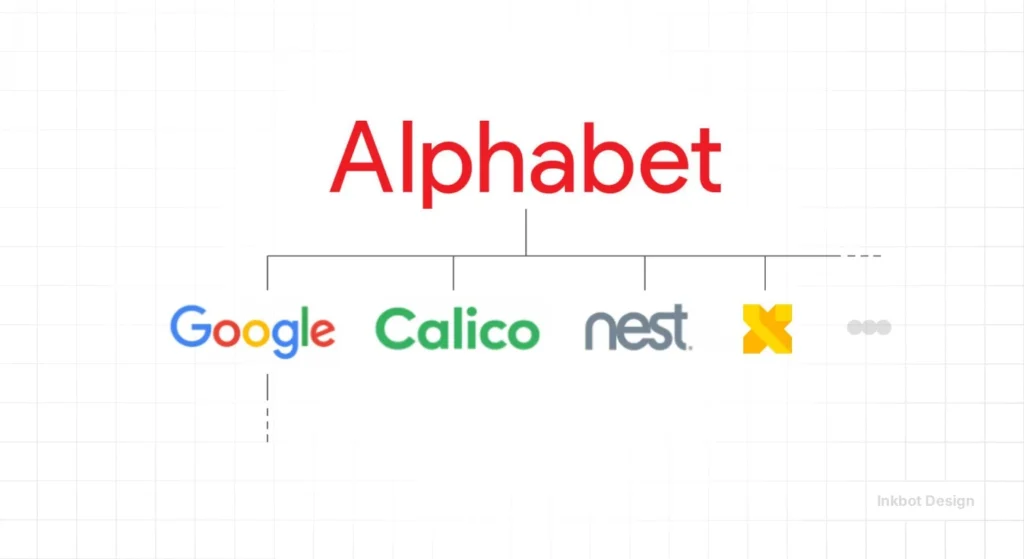
A house of brands keeps acquired names entirely separate, preserving local trust at the cost of any consolidated brand equity or efficiency.
The endorsed model keeps the acquired name primary while adding a parent endorsement (“[Local Firm], part of [Parent]”), and the hybrid model applies different choices to different acquisitions within the same group.
For consolidators running buy-and-build, the endorsed model is frequently the only one that protects retention while still building group recognition – yet it is the one acquirers reach for least, because it feels like a compromise.
The discomfort is the point: it is the model that holds the relationship while the group brand earns the right to take over.
In regulated advice, the brand architecture model is a retention instrument disguised as a design decision. The branded house captures efficiency and surrenders continuity. The endorsed model sacrifices efficiency and holds the relationship. An acquirer that picks the efficient option without pricing the retention it costs has not made a branding choice – it has made an unfunded bet on client loyalty.
The Myth: “Migrate the Acquired Firm to the Parent Brand Quickly”
The standard advice is to fold an acquired firm into the parent brand fast, to capture synergies before the market forgets the deal.
That was sound when brand value lived mainly in marketing efficiency – fewer names to advertise, one website, one identity to maintain, and a cleaner story for the next buyer.
It fails in advice firms because the local name is frequently the client-retention mechanism itself. A wealth client did not choose a corporate parent. They chose a named adviser at a named firm, often for over a decade, and the firm name on the annual review is the signal that nothing they rely on has changed.
Remove it abruptly, and you convert a passive, retained client into one actively re-evaluating whether to stay – at the precise moment a competitor’s adviser is calling.
Bain’s research on frequent acquirers shows that firms that build repeatable integration playbooks meet or exceed synergy targets 75% of the time, which suggests the discipline that matters is sequencing, not speed.
Do not migrate on the acquirer’s timetable. Migrate to the client’s. Retain the acquired name under an endorsed structure first, transfer trust to the parent over a defined transition, and retire the local name only once the relationship has visibly moved to the group – never before.
The Decision Rule: When to Retain a Name, and When to Retire It
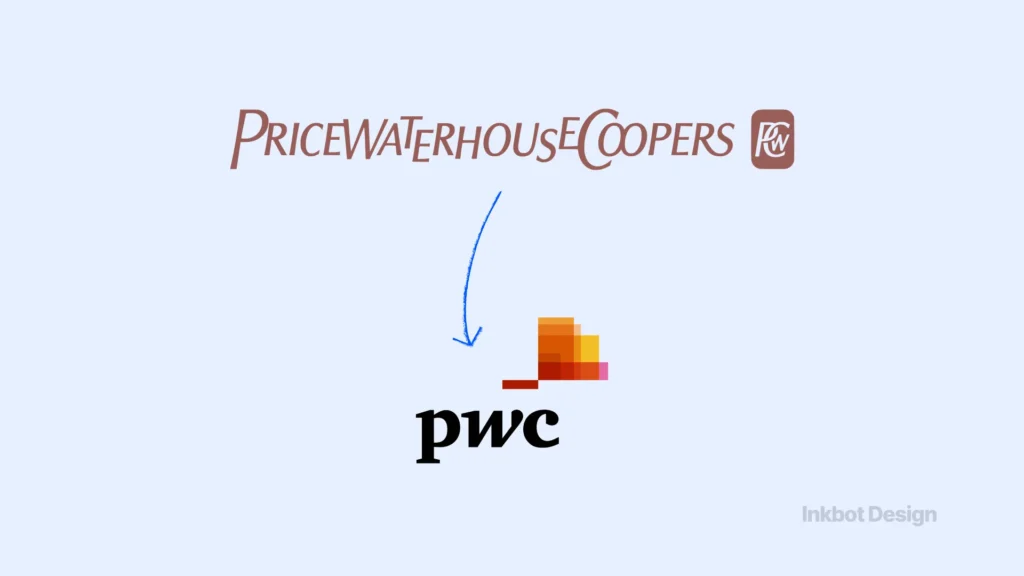
The question is not whether the acquired brand is “good.” The question is whether the name carries the client relationship. If it is, you retain it and migrate slowly; if it is not, you retire it and capture the efficiency.
Apply three tests. First, relationship locus: is the client loyal to the named adviser and firm, or to a product that the parent can deliver identically?
Second, trust transferability: can the parent brand credibly inherit the trust the local name holds, or is the local name’s authority specific and non-transferable?
Third, attrition exposure: what proportion of the acquired book is genuinely portable to a competitor, and what does a 5% retention swing cost against the deal price?
A name that scores high on relationship locus and attrition exposure is retained and endorsed rather than absorbed. A name attached to a commoditised, product-led book can be retired quickly with little risk.
The error acquirers make is applying one rule to every acquisition in a roll-up – the hybrid model exists precisely because a 12-firm consolidation will contain both kinds of names, and a single architecture decision across all of them guarantees value destruction in at least one direction.
The retain-or-retire question has a financial answer, not an aesthetic one. A name carrying durable, portable client relationships is worth more on the door than it costs in marketing inefficiency. A name attached to a product that the parent delivers identically is dead weight. Most acquirers cannot tell the two apart because they audit the logo, not the relationship – and they pay for the confusion in attrition.
The State of M&A Brand Architecture in 2026
The deal environment in 2026 is unusually active, raising the stakes for every architecture decision.
The composition of deal value matters as much as the headline. PwC reports that transactions above $5 billion now account for 48% of global deal value, up from 39% in 2025 and 26% in 2024.
Strip out those megadeals, and PwC finds that overall deal value is actually down 4% year-on-year.

The reading for brand architecture is direct: value is concentrated in larger, more complex transactions, where multiple acquired brands collide, and the architecture decision is hardest, not simpler, smaller deals where one name cleanly absorbs another.
Bain’s 2026 report frames the wider picture. Bain found that the global deal value rose 40% to $4.9 trillion in 2025, the second-highest year on record, and that 80% of M&A executives expect to sustain or increase deal activity in 2026.
Bain attributes the 2026 momentum to technology disruption, post-globalisation realignment, and shifting profit pools, and notes strategic deal activity across software, banking, consumer products, and life sciences.
Bain’s sector spread implies that brand architecture teams increasingly need sector-specific integration plans rather than a single generic model, because the retention dynamics in a banking or advice consolidation behave nothing like those in a software roll-up.
For UK independent financial advisory and wealth management specifically, this national and sector-led consolidation means more firms than ever are facing the retain-or-retire decision – frequently for the first time, frequently with no architecture discipline in place, and frequently advised by integration teams optimising for operational synergy while treating the brand as cosmetic.
Bain’s finding that frequent acquirers hit synergy targets 75% of the time when they run repeatable playbooks is the relevant benchmark: the firms winning at consolidation are not moving faster on the brand. They are moving with a rule.
The 2026 deal market rewards acquirers with an architecture rule and punishes those improvising. With value concentrating in larger, multi-brand transactions and consolidation accelerating across regulated advice, the firms that treat brand architecture as a sequenced retention discipline – not a post-completion design task – are the ones converting deal value into compounding client books rather than watching it walk to a competitor.
A Decision Map
| Decision Point | The Wrong Way | The Right Way | Why It Matters |
| Choosing the architecture model | Default to the branded house for efficiency | Choose a model per acquisition against retention risk | The efficient model is the high-attrition model in advice firms |
| Timing the name change | Migrate fast to “capture synergies” | Migrate on the client’s timetable via endorsement first | Abrupt name loss triggers active client re-evaluation |
| Applying the rule across a roll-up | One architecture decision for all acquired firms | Hybrid model, tested firm by firm | A 12-firm roll-up contains both retain and retire names |
| Auditing what the name is worth | Assess the logo and visual identity | Assess relationship locus and portable attrition exposure | The name’s value is in the relationship, not the design |
| Sequencing against operations | Brand follows the integration team’s timeline | Brand migration sequenced against client-consent cycles | Re-papering and rebranding together compound the disruption |
| Communicating the change | Announce the deal, then go quiet | Stage continuity messaging before any visible change | Silence during transition reads as instability to clients |
| Measuring success | Marketing efficiency and cost savings | Retention rate of the acquired book post-migration | The deal was priced on the book, not the brand budget |
The Verdict
The brand name in a regulated advice firm is a retention asset before it is a marketing one – and the article has shown why the default acquisition move attacks that asset directly.
The branded house captures efficiency by removing the local name; in an advisory firm, the local name is often what keeps clients. That is not a stylistic objection.
It is a commercial one, and in a 2026 market where PwC has global deal value heading for $4 trillion, and value concentrated in larger, multi-brand transactions, it is a mistake being made more often and on a greater scale than ever.
The acquirers who win at consolidation are not the ones who rebrand fastest.
They are the ones who apply a rule: assess what each acquired name is actually carrying, retain and endorse the names holding portable client relationships, retire only the names attached to commoditised books, and migrate on the client’s timetable rather than the integration team’s.
Bain’s evidence that repeatable playbooks deliver synergy targets 75% of the time is the same point in a different language – discipline beats speed.
The single action to take today: before your next deal completes, audit each acquired name against relationship locus, trust transferability, and attrition exposure – and refuse to let the architecture decision be made by anyone not accountable for the retention number.
If you are integrating an acquisition and want to know exactly where your brand architecture is putting client relationships at risk, request a free Brand Equity Audit™. This structured diagnostic identifies where the brand is losing commercial ground and what to do about it.
For the deeper structural work behind a consolidation, see how a dedicated M&A brand integration strategy sequences the whole transition.
Frequently Asked Questions
What is the M&A brand architecture strategy?
M&A brand architecture strategy is the set of decisions determining which brand names survive, merge, or disappear after a merger or acquisition, and how surviving brands relate to one another. It covers naming, hierarchy, and migration sequencing, and in regulated advice firms, it functions primarily as a client-retention discipline rather than a marketing exercise.
Why does brand architecture matter more in financial advice than in other sectors?
In financial advice, the client relationship is frequently attached to a named adviser and a local firm name rather than to a corporate parent. The firm name signals continuity and trust built over the years. Removing it abruptly converts a retained client into one actively re-evaluating, making architecture a direct retention risk.
How do I decide whether to keep or retire an acquired firm’s name?
Apply three tests: relationship locus (is the client loyal to the named firm or to a transferable product), trust transferability (can the parent credibly inherit the local name’s authority), and attrition exposure (what a retention swing costs against deal price). High scores mean retain and endorse; low scores mean retire.
What’s the difference between a branded house and a house of brands?
A branded house absorbs acquired firms fully into the parent name, maximising efficiency and surrendering local continuity. A house of brands keeps acquired names entirely separate, preserving local trust at the cost of consolidated equity. In advice firms, an endorsed model frequently sits between them, holding the relationship while building group recognition.
Is it true that you should rebrand an acquired firm quickly?
Speed serves the acquirer’s timetable, not the client’s. In advice firms, the local name often carries the relationship, so a fast rebrand triggers active client re-evaluation precisely when competitors are calling. The disciplined approach retains the name under endorsement first and migrates only once trust has visibly transferred to the group.
When should brand migration happen relative to operational integration?
Brand migration should be sequenced against client-consent and re-papering cycles, not the integration team’s operational timeline. Timing a visible rebrand to coincide with other disruptive changes compounds the instability clients perceive. The sequence runs continuity messaging first, endorsement second, and full migration only after the relationship has moved.
Does rebranding an acquired firm cause client attrition?
Rebranding causes attrition when the retired name has carried the client relationship, and the change is abrupt. Attrition frequently appears two quarters later and is misattributed to market conditions. A staged, endorsement-led migration that moves trust before removing the name substantially reduces this retention risk.
What is the endorsed brand model in M&A?
The endorsed brand model keeps the acquired firm’s name as the primary name while adding a visible parent endorsement, such as “[Local Firm], part of [Parent Group]”. It preserves local trust, which retains clients, while beginning to build group recognition, making it often the strongest choice for advice-firm consolidators pursuing buy-and-build.
How does a buy-and-build consolidation change the architecture decision?
A consolidation of many firms contains both names that carry portable client relationships and names attached to commoditised books. Applying a single architectural rule across all of them destroys value in at least one direction. The hybrid model is designed to apply the retain-or-retire test on a firm-by-firm basis rather than as a single group-wide decision.
Why is M&A activity making brand architecture more important in 2026?
PwC’s June 2026 outlook puts global M&A value on track to reach about $4 trillion, up 13% year-on-year, with value concentrated in larger, multi-brand transactions. More complex deals with more colliding brands mean architecture decisions are harder, and the cost of a retention error compounds across more transactions than in a quieter market.
How should I measure whether the brand architecture decision worked?
Measure the retention rate of the acquired client book after migration, not marketing efficiency or cost savings. The deal was priced on the book, so the book is the metric. Cost synergy that comes at the expense of client retention is value destruction; the marketing budget will never recover.
Who should be accountable for the brand architecture decision in a deal?
Someone accountable for the retention number on the acquired book, not only the integration team, optimising for operational tidiness or finance, optimising for marketing cost. When no one owns retention, the name holding client relationships gets removed to tidy a portfolio, and the attrition surfaces later, misattributed to other causes.
