Brand Architecture for Multiple Services: A Rules-First Decision Guide
For firms running several service lines, brand architecture is usually treated as a model choice – branded house or house of brands. That framing loses money. Treat it instead as an operational decision tree tied to four commercial metrics, and every consolidate, endorse, or spin-off call becomes measurable, defensible, and reversible.
 By Stuart Crawford
 Reviewed by Tabitha Ayers
Updated 10 min read
On this page10 min left
- How Brand Architecture for Multiple Services Is Decided
- Prerequisites: What You Need in Place Before Deciding
- The Judgement Layer: Where the Rules Run Out
- Worked Example: A Three-Line Advisory Firm
- The Step Everyone Gets Out of Order
- Where This Stands Now
- Decision Reference Table
- The Verdict
- Frequently asked questions
Most brand architecture advice for firms with multiple service lines starts by asking which model you want – a branded house, a house of brands, or an endorsed brand.
Wrong first question. The model is an output.
The decision is commercial, and it can be made by rule.
How Brand Architecture for Multiple Services Is Decided
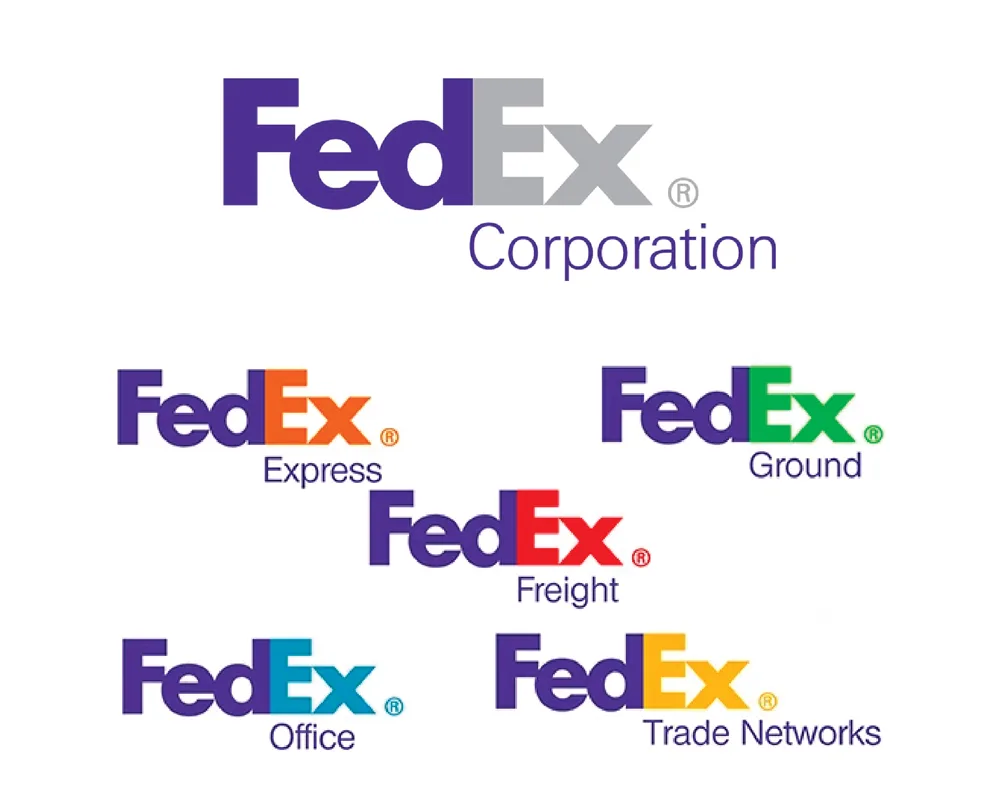
Brand architecture for multiple services is decided by testing each service line against four commercial metrics – demand, cross-sell lift, recruiting efficiency, and cost-to-market – and only then choosing to consolidate it under the master brand, endorse it, or spin it off.
The model name follows the numbers; it does not lead them.
- Consolidate when cross-sell between the line and the core is high and the line shares the same buyer.
- Endorse when the line needs its own credibility but still draws on parent trust.
- Spin off only when the line serves a genuinely different buyer and independent demand exceeds the cross-sell you sacrifice.
Brand architecture for multiple services is an operational decision tree, not a model preference – each service line earns its structure against measurable commercial outcomes.
You can explore the full discipline with a brand architecture agency, but the rules below are the part you own as the decision-maker.
Prerequisites: What You Need in Place Before Deciding
Before any architecture decision, you need three things most firms skip:
- a per-line revenue and margin breakdown,
- a cross-referral map showing which lines actually feed each other,
- and an honest read on whether your lines share a buyer.
Without the cross-referral map, you are guessing at the single number that most often determines whether to consolidate or split.
The Simon-Kucher framing – profile the portfolio, define the target state, plan migration – is sound as far as it goes. Still, it front-loads consumer research and treats the internal referral data as secondary.
For a professional services firm, the referral data is the primary input.
A 12-partner tax practice that refers 40% of its corporate-finance work internally has already told you the answer.
Stage 1: Map Demand Per Service Line
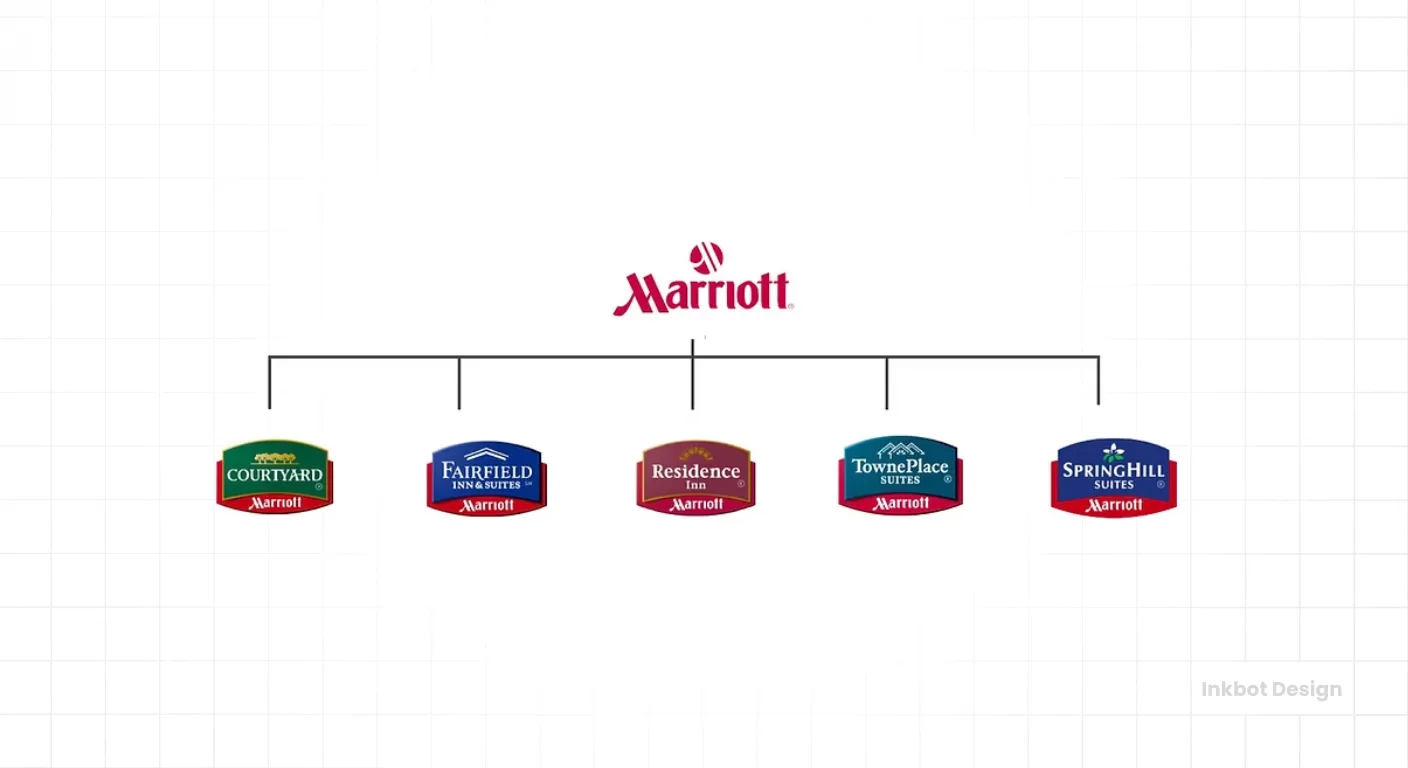
Demand is the first gate: does each service line generate independent enquiry, or does it only ever sell as an attachment to something else?
Pull twelve months of enquiry source data per line and separate self-originated demand from cross-sold demand.
A line with strong independent demand can survive its own brand; a line that only ever rides in on another has no case for separation.
The failure mode here is to measure revenue rather than the demand origin.
A line can be large and still wholly dependent, spinning it off, strands it.
Stage 2: Measure Cross-Sell Lift
Cross-sell lift is the revenue a service line gains purely from sitting beside your other lines under one recognisable brand.
Calculate it as the share of a line's revenue that originated as a referral from another line in the same firm.
High lift is the strongest argument for consolidation, because separating the brands increases friction with the exact referral that was generating revenue.
When two service lines refer more than a third of each other's work, splitting their brands does not create clarity. It taxes your most profitable sales motion – the internal introduction – by forcing one client to trust two names where they previously trusted one.
The specific failure mode: teams split for internal politics reasons (a line lead wants their own identity) and only discover the cross-sell tax after referrals quietly stop.
Stage 3: Test Recruiting Efficiency
Recruiting efficiency asks whether a distinct brand for a service line helps or hurts your ability to hire into it.
This matters more in professional services than anywhere else, because your product is the people.
According to APQC's consulting research, the six largest multi-service firms scored 3.5–4.2 on awareness but only 2.5–2.8 on likelihood-to-hire – awareness alone does not convert.
A separate brand only earns its keep here if the line competes for a genuinely different talent pool.
Stage 4: Apply the Cost-to-Market Threshold
Cost-to-market is the full cost of standing up and sustaining a service line's brand independently – identity, site, content, and the ongoing marketing to keep it visible.
Spin off only when independent demand and differentiated recruiting together clear that cost with margin to spare.
Most sub-brand decisions fail this test, and no one runs the sum, which is how firms end up funding three marketing budgets to serve one buyer.
According to a peer-reviewed study of professional service firms, the relationship between diversification, brand breadth, and performance is genuinely nuanced – breadth is not free, and it is not automatically valuable.
The architectural choice should track the business structure, not style preferences.
The Judgement Layer: Where the Rules Run Out
The four metrics get you to a defensible default, but two situations need judgment that no rule covers.
- First: a line that fails the demand test today but sits in a market you are deliberately entering – here you may endorse ahead of the numbers, accepting cost now for position later.
- Second: an acquired line with existing brand equity, where consolidation destroys the recognised value you paid for.
The honest objection a Managing Partner raises here: “This reduces a strategic decision to a spreadsheet.” It does not.
The metrics remove the false variable – model aesthetics – so your judgment is spent on the two or three genuinely ambiguous lines, not on all of them.
Worked Example: A Three-Line Advisory Firm
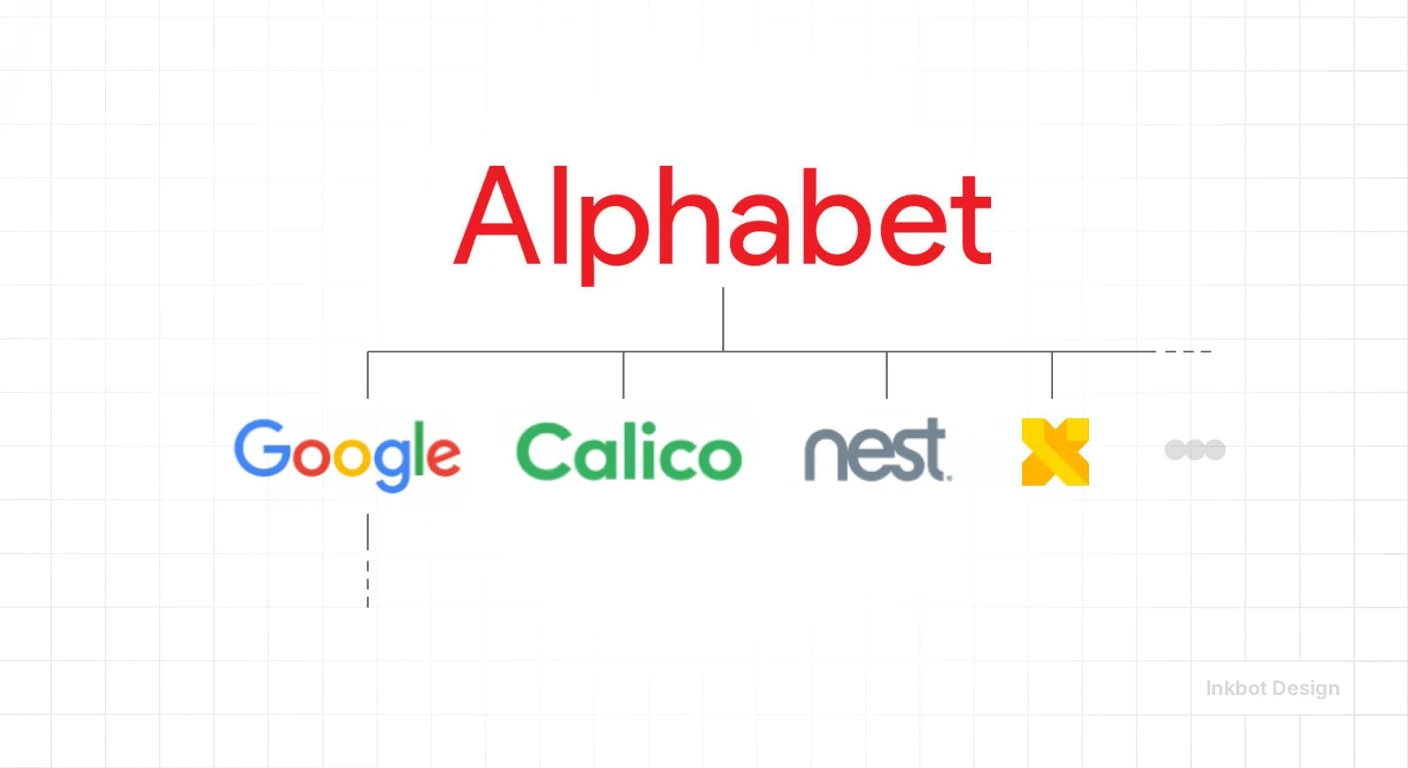
Take a 90-person advisory firm with tax, corporate finance, and a newer ESG-consulting line, weighing a rebrand before a growth push.
Run the rules: tax and corporate finance show 35%+ mutual cross-referral and share a buyer – consolidate under one master brand.
ESG shows low cross-sell, independent demand, and a different buyer and talent pool – a candidate to endorse now and potentially spin off if demand holds.
Same firm, two different structural answers, each traceable to a number rather than a preference. That traceability is what survives a partner vote.
The Step Everyone Gets Out of Order
Firms choosing the model first and reverse-justifying it, when the model must be the last thing decided.
The prevailing view – decide branded-house-versus-house-of-brands up front – is held by intelligent people because it feels like the strategic question. It is not.
It is the cosmetic question of wearing a strategic costume.
The commercial mechanism is straightforward.
A model chosen first commits you to a structure before you know whether your service lines share buyers or feed each other. So you optimise the logo and discover the cross-sell damage after launch, when reversal is expensive.
According to Marq and Demand Metric's 2026 research, 81% of companies report off-brand content, while only around 25% enforce their guidelines, which suggests architecture fails in execution at least as often as in strategy.
A model imposed top-down without the metric work is exactly the kind of structure that no one can maintain.
Decide on the model last. Test each service line against demand, cross-sell lift, recruiting efficiency, and cost-to-market first – and the model that fits will be obvious, defensible in a partner meeting, and cheap to correct if a line's numbers change.
For firms restructuring after a deal, the same rules govern which acquired lines fold in and which keep their names – the sequencing detail matters even more when you have paid for existing equity.
Where This Stands Now
Two 2026 signals sharpen the case. First, brand-consistency research compiled in 2026 – drawing on Lucidpress/Marq and Demand Metric – associates consistent presentation with revenue uplift reported between roughly 23% and 33%.
For a multi-service firm, inconsistent branding across lines is a direct, measurable drag, which raises the bar for any decision to fragment.
Second, a 2026 dissertation on rebranding in professional services found that brand communication and ownership support were the two factors that most improved rebranding effectiveness – precisely the disciplines a multi-line rollout stresses hardest.
Edelman's 2025 Trust Barometer adds the buyer-side reason this is not academic: trust now ranks on par with cost and quality as a purchase consideration.
An endorsed line borrows from the parent trust; a spun-off line must build its own from scratch. That trust transfer is a real asset on the consolidation side of the ledger, and it rarely appears in a model-first analysis.
The sceptical reader's second objection: “Our sector is different – consolidation would flatten distinct expertise.” Fair.
The rules do not force consolidation; they force evidence.
If your lines genuinely serve different buyers, the demand and cross-sell metrics will show as much, and endorsement or separation will be the defensible answer.
Decision Reference Table
Scenario | Recommended Choice | Why |
|---|---|---|
Two lines, 35%+ mutual referral, shared buyer | Consolidate under the master brand | Splitting taxes, the referral generates the revenue |
New line, own credibility needed, parent trust useful | Endorse | Borrowing parents' trust while signalling distinct expertise |
Line serves different buyers + different talent pool | Spin off (if demand clears cost) | Independent demand exceeds sacrificed cross-sell |
Acquired line with existing recognised equity | Endorse, then reassess | Consolidation destroys the value already paid for |
Line lead wants own brand, no metric case | Consolidate | Internal politics is not a commercial criterion |
Line entering a market you are targeting | Endorse ahead of numbers | Accept the cost now for a deliberate future position |
The Verdict
The model was never the decision.
Branded house, house of brands, endorsed brand – these are labels you attach after the commercial work, and any guide that opens with them has the sequence backwards.
For a firm running multiple service lines, the real question is whether each line, tested against demand, cross-sell lift, recruiting efficiency, and cost-to-market, earns consolidation, endorsement, or separation.
Answer that per line, and the model assembles itself.
This is why the rules-first approach holds up in a partner meeting where a model preference does not: every call traces to a number a colleague can check, challenge, or overturn when the number changes.
APQC's finding that awareness among the largest firms barely moves the likelihood-to-hire is proof – the scale-signalling logic that drives most consolidation decisions does not reliably convert to the outcome firms actually want.
Decide by evidence, not by aesthetics.
Start today with the cheapest, highest-value step: build the cross-referral map for your service lines. It is the single number that most often settles the consolidate-versus-split question, and most firms have never calculated it.
If you want that mapped against the four-metric framework and turned into a defensible structure, request a free Brand Equity Audit™ – a written diagnostic that shows exactly where your current architecture is costing you cross-sell, recruiting pull, and fee premium, and what to do about it.
Frequently asked questions
What is brand architecture for multiple services?
It is the structure that determines whether each of a firm's service lines falls under a single master brand, is endorsed by it, or stands alone. For multi-service firms, the decision is made by testing each line against demand, cross-sell lift, recruiting efficiency, and cost-to-market – not by picking a model first.
When should a service line get its own brand?
Only when it serves a genuinely different buyer, generates independent demand, competes for a different talent pool, and that combined value clears the full cost of running a separate brand. If it fails any of those, endorsement or consolidation is the stronger commercial call.
Is a branded house always better for professional services firms?
No, it is often better, because it concentrates trust and protects cross-sell, but not always. A line serving a different buyer with strong independent demand can justify separation. The metrics decide per line; no single model wins universally.
Why does cross-sell matter so much in this decision?
Because internal referral is usually a firm's most profitable sales motion, splitting brands forces a client to trust two names, creating friction in that referral. When two lines refer to more than a third of each other's work, separation typically taxes the revenue it was meant to clarify.
How do I measure whether my brand architecture is working?
Track four things after any change: independent demand per line, cross-sell lift between lines, recruiting efficiency into each line, and cost-to-market. If consolidation was right, cross-sell holds or rises; if separation was right, independent demand covers the added cost.
What's the difference between endorsing and spinning off a line?
Endorsing keeps a line visibly connected to the parent brand, borrowing its trust while signalling distinct expertise. Spinning off severs that link, requiring the line to build recognition and trust from zero. Endorse when parent trust helps; spin off only when a different buyer justifies losing it.
Should we restructure brand architecture after an acquisition?
Sometimes – but not by default. An acquired line with recognised equity you paid for should usually be endorsed first, then reassessed, because immediate consolidation can destroy the value that justified the deal. Apply the same four metrics before folding any acquired brand in.
Does splitting services into sub-brands hurt recruiting?
It can. According to APQC's consulting research, awareness among the largest firms scored 3.5–4.2, but likelihood-to-hire only 2.5–2.8 – awareness does not convert to hiring on its own. A separate brand only helps recruiting if the line competes for a genuinely different talent pool.
How much does running a separate service-line brand actually cost?
The full cost includes identity, website, content, and ongoing marketing to keep the line visible – not just the initial rebrand. Most sub-brand decisions never sum this up, which is how firms end up funding multiple marketing budgets to reach a single shared buyer.
Is model choice really the wrong place to start?
Yes – starting with the model commits you to a structure before you know whether your lines share buyers or feed each other. You optimise the identity, then discover cross-sell damage after launch, when reversal is expensive. Decide the model last, after the metric work.
What single number should I calculate first?
The cross-referral rate between your service lines – the share of each line's revenue that originated as an internal referral. It most often settles the consolidate-versus-split question, and most firms have never measured it despite having the data.