Brand Equity Migration: How to Retire a Name Without Loss
Retiring an acquired brand name is a search-authority transfer, not a marketing exercise. Migrate it carelessly and you destroy equity you paid a premium to buy. This guide shows professional services firms how to phase out an acquired name while preserving rankings, referrals and client trust through a staged, evidence-led process.
 By Stuart Crawford
 Reviewed by Tabitha Ayers
Updated 13 min read
On this page13 min left
Retiring an acquired brand name is not a marketing decision. It is a search-authority transfer, and treating it as a communications exercise is how firms quietly destroy the equity they paid a premium to acquire.
The name on the door is the cheap part to change. The rankings, the inbound referrals, the recognition that makes a prospect shortlist you without a second thought – those are attached to the old name like roots to soil, and they do not survive a careless cutover.
The Landor M&A Brand Study found that acquisitions valued under roughly $1bn are rebranded around 78% of the time, against roughly 46% for deals over $5bn.
Smaller professional services firms – the ones most UK consolidators are buying – are precisely the ones most likely to be renamed. Which means the equity-destruction risk lands hardest exactly where the buyer is most active.
Get the technical migration wrong and the cost is measurable. One industry case summary documented a domain migration tied to brand consolidation that took roughly 523 days to fully recover organic visibility.
That is over a year of an acquired firm's hard-won search presence effectively going dark – after you paid for it. This is why brand equity migration belongs inside your M&A Brand Architecture plan from day one, not bolted on after the deal closes.
This guide is for the people who already know that a name change is risky and want to know exactly where the risk lives and how to contain it.
What Is Brand Equity Migration?
Brand equity migration is the staged process of retiring an acquired or legacy brand name while deliberately transferring its accumulated value – search authority, client relationships, referral recognition and trust – to the surviving parent brand without loss.
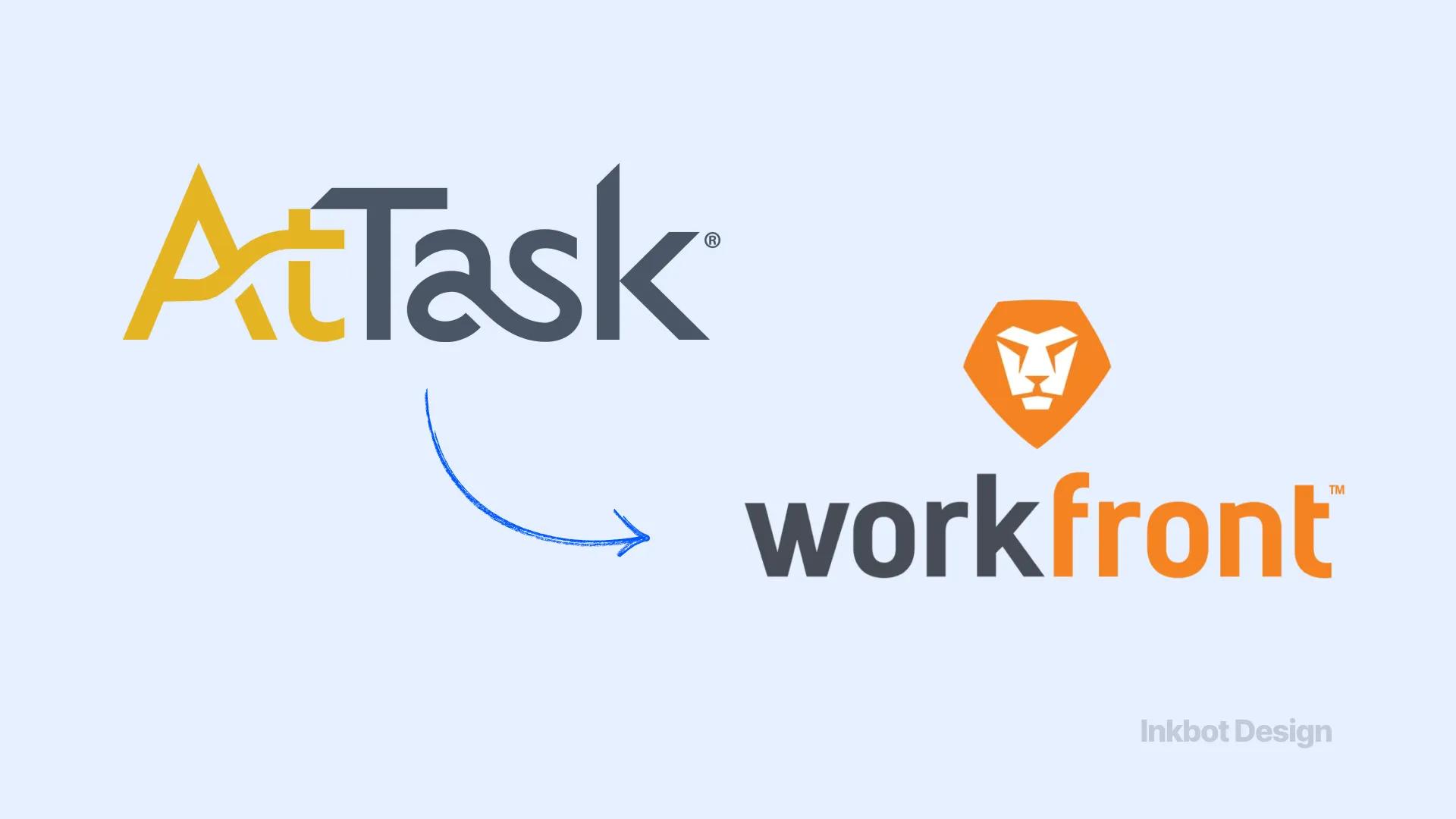
- Search-authority transfer: the acquired domain's rankings, backlinks and indexed history are redirected and consolidated rather than abandoned.
- Relational continuity: existing client relationships and referral sources are carried across so the name change does not reset trust to zero.
- Staged execution: the transition runs in phases – endorsement, then co-branding, then full consolidation – rather than a single cutover.
Brand equity migration is the staged process of retiring an acquired brand name while redirecting its search authority, referrals and client trust to the parent brand.
The Search-Authority Transfer Nobody Budgets For
The single most expensive mistake in brand equity migration is treating the acquired domain as disposable. It is a balance-sheet asset with a depreciation curve, and switching off its name without redirecting its search authority writes that asset down to nothing overnight.
When a firm retires an acquired name, every page that ranked under the old domain, every backlink pointing at it, and every branded search that found it becomes a liability unless it is mapped and redirected.
The mechanics are unglamorous and decisive: a complete 301 redirect map from old URLs to their parent-brand equivalents, canonical tags pointing to the surviving domain, internal links rewritten across both estates, and a domain change configured properly in Google Search Console.
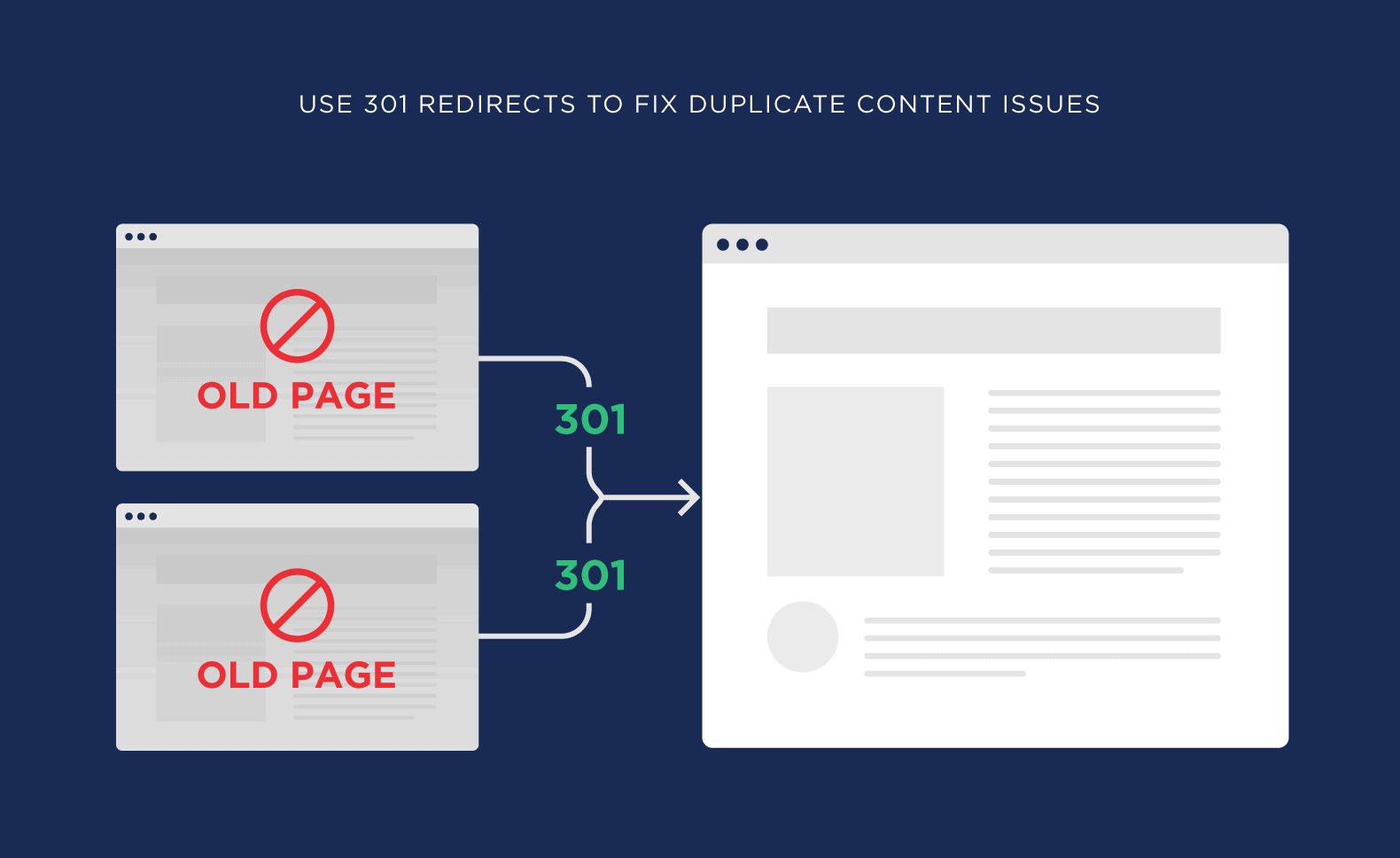
Practitioner case summaries repeatedly trace severe post-rebrand traffic collapses to the same four failures – missing 301 redirects, broken internal links, incorrect canonicals, and unconfigured analytics. None of these appear on a typical communications plan. All of them determine whether the equity survives.
Digital-marketing thought leadership across 2024 to 2026 increasingly argues that digital equity is brand equity – that domains, backlinks and content are core brand assets that belong in the valuation and integration plan.
The firm that budgets for stakeholder emails but not for a redirect audit has misunderstood where the value it bought actually sits.
Retiring an acquired brand name without a 301 redirect map is asset destruction, not rebranding. The domain you switch off carried the rankings, the backlinks and the referral memory you paid a premium to acquire. Redirect it deliberately or write it off entirely – there is no neutral third option, and the bill arrives as a year of lost visibility.
Calibrate Migration Speed to Deal Size and Sector
How fast you should retire an acquired name depends on what you bought, and most firms apply a single default speed to every deal.
The Landor M&A Brand Study shows rebrand likelihood tracks deal size closely: transactions under roughly $1bn were rebranded around 78% of the time versus roughly 46% for transactions over $5bn.
Smaller acquisitions get absorbed faster because the acquired name carries less independent market weight. For a mid-market UK professional services consolidator buying firms of 50–200 people, that means rapid absorption is the statistical norm – but speed and recklessness are not the same thing.
Sector matters as much as size. Consumer-facing targets are more likely to keep their acquired brand, while IT, financial services, healthcare and energy historically change acquired brands at higher rates – reported between 75% and 80% in some samples.
Professional services sits closer to the high-change end, which is why advisory firms rebrand acquisitions aggressively. The danger is assuming that because the name can go quickly, the search authority can too.
The name is a marketing variable. The rankings are a technical one, and they migrate on their own timeline regardless of how fast the press release goes out.
Deal size sets the appetite for renaming; search authority sets the speed at which you can safely act on it. A sub-£10m advisory acquisition can lose its name in a quarter and lose its rankings for eighteen months if the two timelines are not managed as separate workstreams. Calibrate both, or the fast decision becomes the expensive one.
The Myth of the Clean Cutover
The most persistent piece of advice in rebranding is to rip the plaster off – switch the name in a single decisive cutover and avoid a long, confusing dual-running period.
It was sound advice once, because a clean switch minimises customer confusion and keeps the transition cheap and short. Holding two identities in market is expensive and muddled, so the logic of one clean break made sense when a brand was mostly a logo and a letterhead.
It fails in 2026 because the brand is now mostly a search footprint, and search footprints do not cut over cleanly.
The same industry case summary that recorded a roughly 523-day recovery after a consolidation-driven domain migration is the evidence that an instant switch is not instant at all – the visual identity changes in a day, the rankings take the better part of two years to stabilise if the migration is mishandled.
A clean cutover on the brand side married to a botched redirect on the technical side produces the worst outcome available: a confident public relaunch sitting on top of collapsing organic visibility.
Stage the migration. Validate the full 301 redirect map in a staging environment before any public cutover, consolidate content and URLs progressively rather than in one day, and treat the technical transfer as the gating workstream that sets the pace – not the marketing calendar.
The plaster comes off the brand fast. It comes off the search infrastructure slowly and on purpose.
The Phased Transition Model

The safest way to retire an acquired name is not to retire it at once, but to walk it down a staged path that preserves continuity at each step.
Academic structural analysis of M&A effects on brand equity links equity retention to the perceived continuity of intangible, tangible and relational resources – meaning clients keep trusting a brand when product quality, relationships and visible identity feel continuous rather than severed.
A staged transition engineers that continuity deliberately.
The model runs in three moves.
First, endorsement – the acquired name remains primary with an “an [Parent] company” signal added, retaining local equity while introducing the parent relationship. Brand consultancies report endorsement and co-branding are used in a meaningful minority of integrations, particularly in healthcare and professional services where local trust is the asset being bought.
Second, co-branding – the two names share visible weight while search assets begin consolidating and redirects are tested.
Third, consolidation – the acquired name is retired and its fully validated redirect map goes live, transferring the now-prepared search authority to the parent domain in a controlled cutover rather than a gamble.
The phased transition exists because trust and rankings both depreciate when continuity breaks, and neither recovers on the timeline a press release assumes. Endorsement buys time, co-branding tests the plumbing, consolidation collects the prize. Firms that skip to consolidation are not moving faster – they are removing the safeguards that protect the equity they are trying to keep.
The State of Brand Equity Migration in 2026
Brand equity migration in 2026 is defined by a single shift in how the discipline is understood: digital and search assets have moved from an afterthought to the centre of the valuation and integration conversation.
SEO and digital-marketing thought leadership across 2024 to 2026 increasingly treats online and search assets – domains, backlinks, content – as core brand assets during M&A, arguing that digital preservation belongs in the valuation and integration plan rather than in a post-completion clean-up. The “digital equity is brand equity” framing is no longer a contrarian position.
It is becoming the governing assumption, and it is reshaping where budget and ownership for migration sit inside acquiring firms.
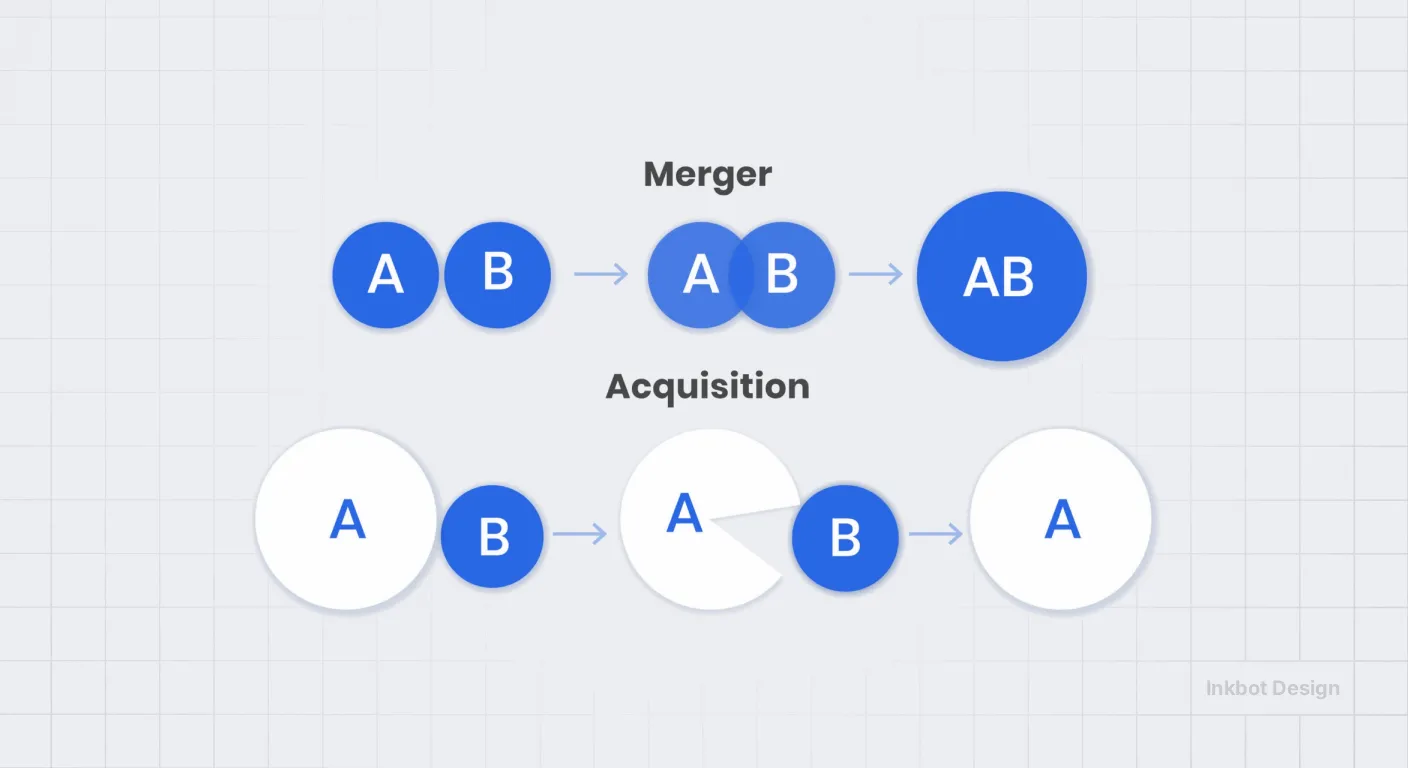
The academic literature has caught up to the practitioner instinct.
A 2021 structural-analysis paper reviewing how mergers and acquisitions alter brand equity and consumer preferences provides frameworks linking changes in perceived quality, associations and loyalty to post-M&A outcomes – giving acquirers an evidence-based reason to measure brand equity before migration rather than discovering its value only after it has leaked away.
Broader literature reviews continue to flag brand valuation and equity retention as under-researched but critical in M&A integration planning, which is academic shorthand for “everyone agrees this matters and almost nobody plans for it properly.”
That gap between consensus importance and operational neglect is the defining feature of the field right now.
The market response is a clear move toward phased and hybrid approaches. Recent consultancy pieces and sector case studies show firms retaining acquired names longer through endorsed and co-branded structures, then consolidating URLs and content progressively – a pattern most pronounced in sectors where local trust carries the value, including healthcare and financial and professional services.
The benchmarking data underpins the trend: the Landor M&A Brand Study confirms that more than half of acquisitions are rebranded within the first three years and many within seven, with rebrand rates strongly tied to deal size and sector.
The direction of travel is away from the single dramatic relaunch and toward a managed, technically-gated sequence.
The technical recovery evidence is what gives the phased trend its urgency.
Practitioner case summaries continue to document domain migrations tied to consolidation taking many months to recover – the roughly 523-day recovery case being the cautionary benchmark practitioners now cite – alongside detailed playbooks showing how full technical audits and meticulous 301 mapping restored and ultimately improved visibility after a botched rebrand.
The lesson of 2026 is not that migration is dangerous. It is that migration is recoverable when planned technically and ruinous when planned only as a communications event.
How the Decisions Break Down
Decision Point | The Wrong Way | The Right Way | Why It Matters |
|---|---|---|---|
Acquired domain | Switch it off at cutover | Map every URL to a 301 redirect first | Lost redirects can mean ~523 days of visibility recovery |
Migration speed | One default speed for all deals | Calibrate to deal size and sector | Sub-$1bn deals rebrand ~78% of the time but still need staged technical transfer |
Canonical tags | Left pointing at the dead domain | Repointed to the surviving parent domain | Wrong canonicals split or destroy ranking signals |
Transition structure | Instant name retirement | Endorsement → co-brand → consolidation | Continuity retains intangible, tangible and relational equity |
Search Console | Never reconfigured | Domain change formally submitted | Unconfigured tools hide the traffic collapse until it is severe |
Internal links | Left pointing at old URLs | Rewritten across both estates | Broken internal links compound ranking loss after rebrand |
Ownership | Marketing owns the calendar | Technical migration gates the calendar | Sequence determines whether equity survives the cutover |
The Verdict
The firms that lose equity in a migration are the ones that booked the relaunch party before they mapped the redirects.
They treated the acquired name as a marketing variable when it was an asset transfer – and the contrarian thesis this guide opened with holds: retiring an acquired brand name is a search-authority transfer, and treating it as a communications exercise is how firms quietly destroy what they paid a premium to acquire.
The evidence is consistent across every angle. The Landor M&A Brand Study shows smaller professional services deals get rebranded most aggressively – around 78% for sub-$1bn transactions – placing the destruction risk exactly where mid-market consolidators are most active.
The roughly 523-day recovery case proves that a mishandled cutover does not cost a quarter; it costs the better part of two years of visibility.
The academic continuity research explains why the phased model works: equity survives when intangible, tangible and relational resources feel continuous, and it collapses when they are severed in a single dramatic switch.
The single most important thing to do today is to separate two timelines that most firms run as one. The marketing calendar can move at the speed of the press release.
The search-authority transfer cannot, and it must gate the cutover date rather than follow it. Map the redirects, baseline the equity, stage the transition – before anyone announces a thing.
If you are absorbing an acquired firm and want to know exactly where your brand is losing commercial ground before the migration begins, request a free Brand Equity Audit™ – a structured diagnostic that shows precisely where the equity sits and what it takes to move it without loss.
Frequently asked questions
What is brand equity migration?
Brand equity migration is the staged process of retiring an acquired or legacy brand name while transferring its accumulated value – search authority, client relationships and referral recognition – to the surviving parent brand. It treats the acquired brand as an asset to be moved deliberately rather than a name to be switched off.
Why is retiring an acquired brand name a search problem, not just a marketing one?
The acquired name carries rankings, backlinks and indexed history that live on its domain. Retiring the name without redirecting that domain abandons the search authority entirely. Practitioner case summaries trace severe post-rebrand traffic collapses to missing 301 redirects, broken internal links and incorrect canonicals – all technical, none of them solved by communications.
How long does SEO take to recover after a brand migration?
Recovery can take far longer than acquirers expect. One documented industry case summary reported roughly 523 days to fully recover organic visibility after a domain migration tied to brand consolidation. The figure illustrates why conservative, technically-gated migration planning matters more than a fast public relaunch.
Should we rebrand an acquired firm immediately or keep its name?
The decision tracks deal size and sector. The Landor M&A Brand Study found deals under roughly $1bn are rebranded around 78% of the time versus roughly 46% for deals over $5bn. Professional services firms rebrand acquisitions at higher rates, but the search authority should still migrate on a staged timeline regardless of how fast the name changes.
What is an endorsed brand transition?
An endorsed transition keeps the acquired name primary while adding an “an [Parent] company” signal. It retains the local equity and trust attached to the acquired name while introducing the parent relationship. Brand consultancies report endorsement and co-branding are used in a meaningful minority of integrations, especially in healthcare and professional services.
What's the difference between a clean cutover and a phased migration?
A clean cutover switches the name in a single move; a phased migration walks through endorsement, co-branding and consolidation. The cutover is faster on the marketing side but risks abandoning search authority. The phased model preserves continuity of relationships and rankings, which academic analysis links directly to equity retention.
Is it true that most acquired brands get rebranded?
More than half of acquisitions are rebranded within the first three years of purchase, and many acquired brands are transitioned within the first seven years, with substantial differences by sector. Rebrand likelihood is strongly tied to deal size, with smaller deals renamed far more often than very large ones.
Which sectors change acquired brand names most often?
IT, financial services, healthcare and energy historically change acquired brands at higher rates – reported between 75% and 80% in some samples – while consumer-facing targets more often keep their acquired brand. Professional services sits toward the high-change end, which is why advisory consolidators rebrand acquisitions aggressively.
When should a firm measure brand equity during an acquisition?
Brand equity should be measured before migration begins. A 2021 structural-analysis paper on M&A effects provides frameworks linking perceived quality, associations and loyalty to post-acquisition outcomes, giving acquirers an evidence-based reason to baseline equity early rather than discovering its value only after it has leaked away during a mishandled transition.
How does digital equity relate to brand equity in M&A?
Digital and search assets – domains, backlinks, content – are increasingly treated as core brand assets. SEO thought leadership across 2024 to 2026 argues that digital preservation belongs in the valuation and integration plan, meaning acquirers should allocate budget and ownership to technical migration workstreams rather than treating them as post-completion housekeeping.
What goes wrong technically when companies change their brand name?
The recurring failures are missing 301 redirects, broken internal links, incorrect canonical tags and unconfigured Search Console or analytics. Practitioner writeups document how these caused severe traffic drops after rebrands, and how full technical audits with detailed 301 mapping restored and eventually improved visibility once the errors were corrected.
How do we protect referral recognition when retiring an acquired name?
Protect referral recognition through staged continuity. Academic analysis links equity retention to the perceived continuity of relational resources, so keeping relationships, service quality and visible identity continuous matters. An endorsement phase that signals the parent relationship while retaining the trusted name carries referral sources across rather than resetting them to zero.