Brand Identity Package: What to Include, Pricing & Handover Tests
A brand identity package should leave your team able to produce the materials your business needs. This guide separates visual assets from strategy, messaging and rollout, then shows professional services leaders how to specify usable templates, test the handover and compare proposals without mistaking a long file list for value.


On this page7 min left
- What Deliverables Are Included in a Brand Identity Package?
- Are Brand Strategy and Verbal Identity Included in a Standard Package?
- Which Templates does your Business actually need?
- How Much Does a Brand Identity Package Cost in the UK?
- What Happens After Handover? Governance, Licensing, and File Ownership
- How to Audit a Brand Identity Package: Six Handover Acceptance Tests
- Questions people ask
A brand identity package should enable your team to produce a proposal without having to rebuild the design from scratch.
Expect a recognisable visual system, rules for using that system and the working assets your firm needs. Strategy, messaging and rollout must be specified separately if the proposal does not explicitly include them.
The stakes include protecting what buyers already recognise.
The Ehrenberg-Bass Institute for Marketing Science describes how Tropicana, a juice brand, replaced its orange-and-straw packaging image and then restored it after the redesign.
That historical retail example does not predict an accountancy firm’s results, but it illustrates why “new” is not an adequate design brief.
Start with the brand identity your business needs to express.
Then assess brand identity design services against what employees and suppliers must actually do.
What Deliverables Are Included in a Brand Identity Package?
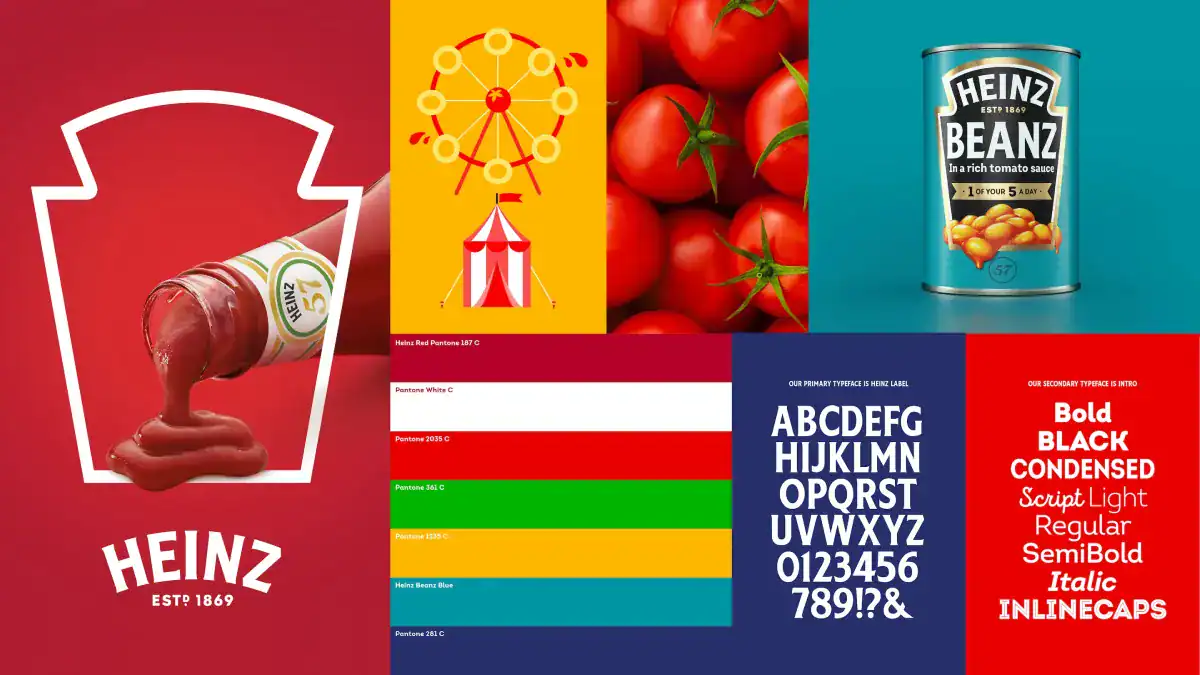
A professional brand identity package combines master visual assets, comprehensive usage specifications, and production-ready business templates.
While visual elements define how your firm looks, an effective corporate identity system defines how your business operates across print, digital, and physical environments.
To evaluate an agency proposal, divide the scope into three distinct operational layers:
- Master Identity Assets: The foundational visual elements (logos, colour palettes, typographic hierarchies, and graphic devices).
- Brand Specification Guidelines: The definitive instruction manual detailing clear rules, spacing parameters, accessibility standards, and misuse examples.
- Production Templates: Working files formatted for everyday office software that enable non-designers to generate branded materials reliably.
Component | What to Specify (Deliverables) | Technical Formats Required | What to Inspect Before Sign-Off |
|---|---|---|---|
Logo Suite | Primary mark, secondary horizontal/stacked lockups, standalone logomark, monochrome & reversed variants. | Vector (SVG, EPS, PDF) & raster (high-res PNG with alpha transparency, WebP). | Legibility at 16×16px favicon scale, contrast on dark backgrounds, single-colour fax/print rendering. |
Colour Palette | Primary brand hues, supporting functional neutrals, semantic alert colours. | Digital (HEX, RGB) and print formulas (CMYK, Pantone / PMS matching). | WCAG 2.1 AA/AAA compliance for text against background colours; proof prints on uncoated paper stock. |
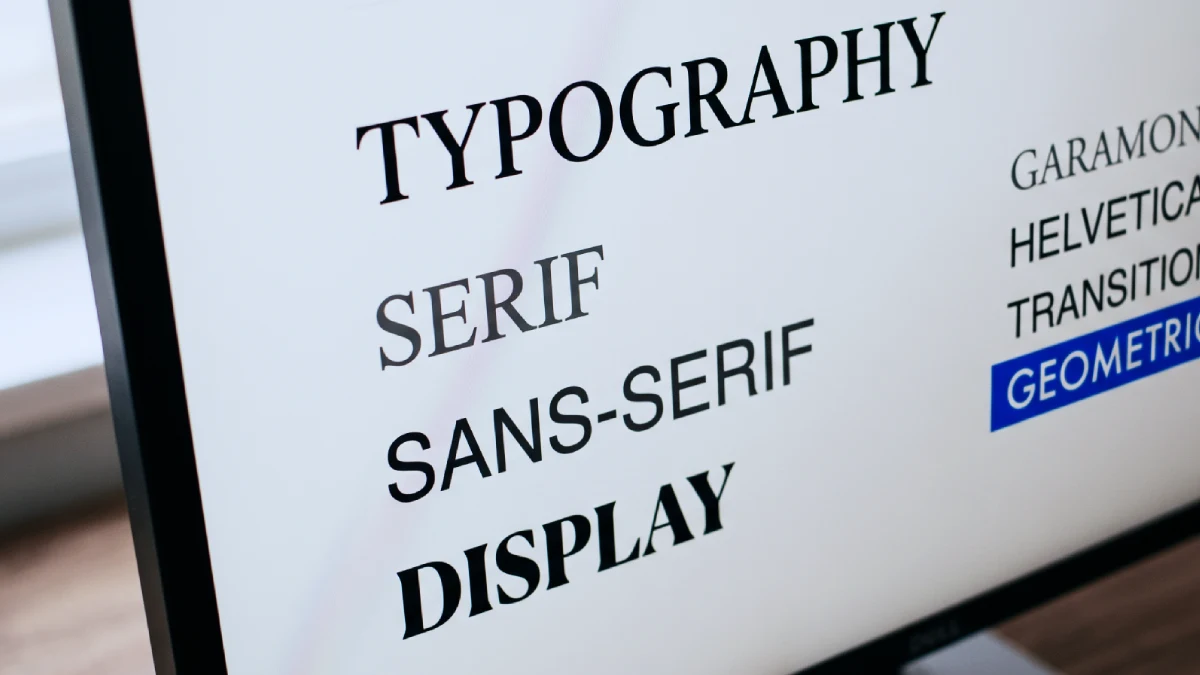
Typography System | Primary brand display face, legible body copy font, and universally available system fallbacks. | OpenType/TrueType (OTF, TTF) for desktop; WOFF2 for web; standard system fonts (Arial, Calibri, Georgia). | Licensing rights for enterprise desktop use vs website embedding; table data and numeral formatting. |
Graphic Elements | Bespoke iconography set, data visualisation styling, structural layout grids, watermark/patterns. | Vector SVGs, high-resolution PNGs, component libraries. | Application beyond placing a logo in the top corner; visual clarity on complex charts and financial graphs. |
Brand Guidelines | Comprehensive brand book (PDF or interactive web portal) covering construction, rules, and layout. | Searchable interactive PDF and accessible cloud asset folder. | Clarity of operational instructions: can a third-party developer or junior marketer execute without confusion? |
A package proposal must explicitly name the real-world applications being delivered.
A vague line item stating “Stationery included” exposes your firm to scope creep or unexpected change fees.
More variations do not automatically lead to greater recognition.
The Ehrenberg-Bass Institute assesses distinctive assets through fame and uniqueness: whether buyers associate an element with a brand, and whether that association points to the intended brand rather than competitors.
A newly designed pattern has not passed that test merely because the pattern appears in a guideline document.
Are Brand Strategy and Verbal Identity Included in a Standard Package?
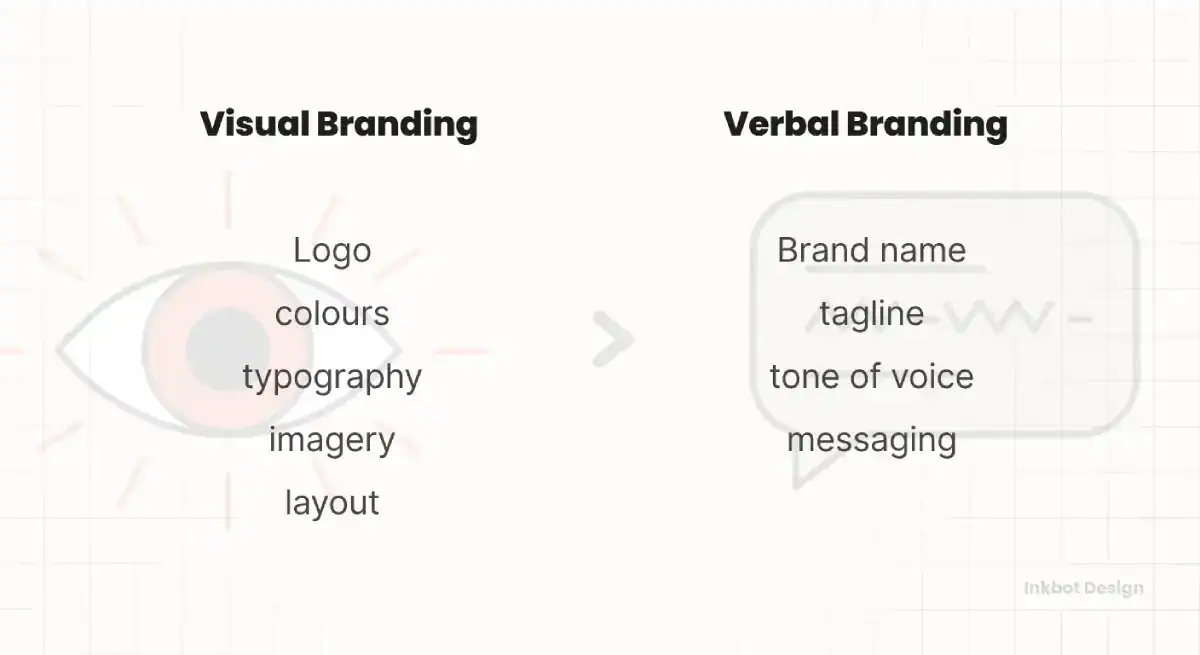
Brand strategy and verbal identity are included only when explicitly itemised in the contracted scope of work.
A proposal labelled “Complete Rebrand” or “Full Branding Suite” is often a purely visual package unless strategic discovery and messaging deliverables are specified individually.
For professional services firms, visual design without strategic positioning creates an aesthetic facade that fails to support higher fees. Decision-makers should separate three distinct strategic layers:
- Brand Strategy: Defines target client segments, competitive positioning, value proposition, and the defensible rationale for why clients should pay a premium over commoditised alternatives.
- Verbal Identity & Messaging: Establishes core brand narratives, elevator pitches, service value propositions, and proof pillars used across client communications.
- Tone-of-Voice Guidance: Provides situational guidelines showing employees how to write—distinguishing pitch language, technical client advisories, and recruitment messaging.
When reviewing agency proposals, distinguish between high-level tone principles and written, ready-to-publish copy.
An agency delivering “tone of voice guidelines” often provides descriptive adjectives (e.g., “authoritative yet approachable”) without rewriting your firm’s practice area web pages, partner CVs, or pitch introduction decks.
If your firm requires completed, publish-ready copy, that work must be commissioned as a dedicated copy engineering engagement.
Research published by the user-experience consultancy Nielsen Norman Group on editorial tone systems highlights that practical writing guidelines succeed only when they provide application-specific formulas and “before-and-after” examples.
For an advisory or legal practice, useful tone guidance shows how to structure a high-stakes proposal executive summary or politely decline an unsuitable client brief, rather than attempting to emulate the playful persona of consumer software brands.
Which Templates does your Business actually need?
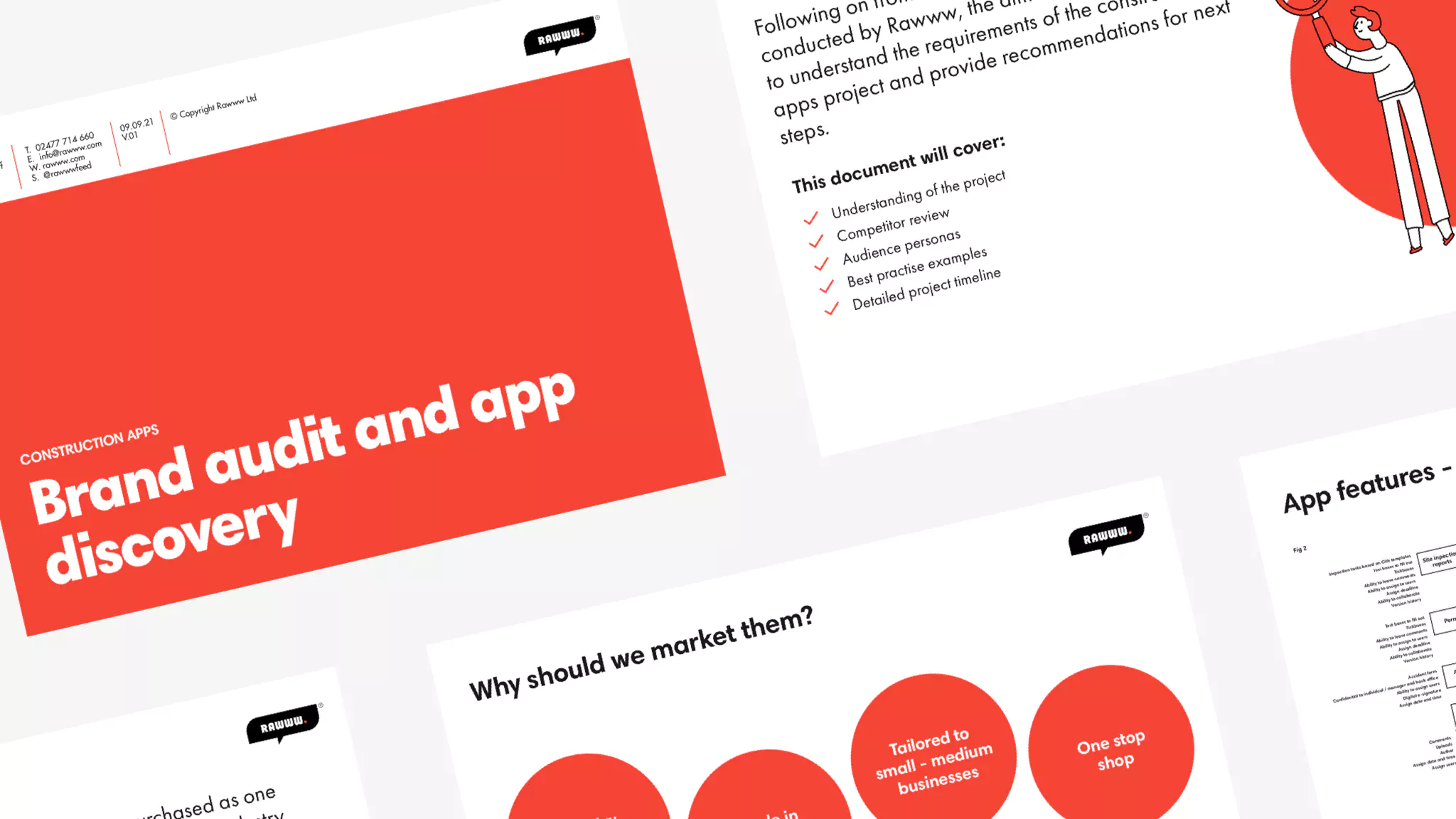
Prioritise templates by the documents employees produce and the decisions those documents support. Bring existing examples to the briefing: a recent proposal, a client report and the presentation partners actually use.
For a professional services firm, the useful starting set might include:
- Proposal or tender template.
- Presentation master.
- Report template with tables and charts.
- Partner biography or credentials sheet.
- Letterhead and email signature.
- Social templates for channels the firm actively maintains.
That is a candidate list. Buy the items your team needs.
Nielsen Norman Group’s Design Systems 101 distinguishes reusable components from reusable patterns and templates.
The underlying principle is relevant here: repeated work needs reusable structures, not simply attractive examples.
The research concerns digital design systems, so it does not prove a financial return from office-document templates.
Will the templates work in our software?
Specify the application and editing environment before design begins.
Microsoft Word, the document editor, and Microsoft PowerPoint, the presentation application, should be named explicitly if those are your firm’s production tools.
Then describe the required behaviour.
A Word report may need heading styles, numbered sections, tables and a contents page. A PowerPoint master may need layouts for credentials, charts and biographies. A PDF preview does not demonstrate those editing functions.
Ask an employee who normally prepares proposals to change a heading, add a fee table and replace a partner biography. Run the test in the actual software and environment your firm uses.
A design that survives only while the designer edits it has not met an employee-editable brief.
How Much Does a Brand Identity Package Cost in the UK?
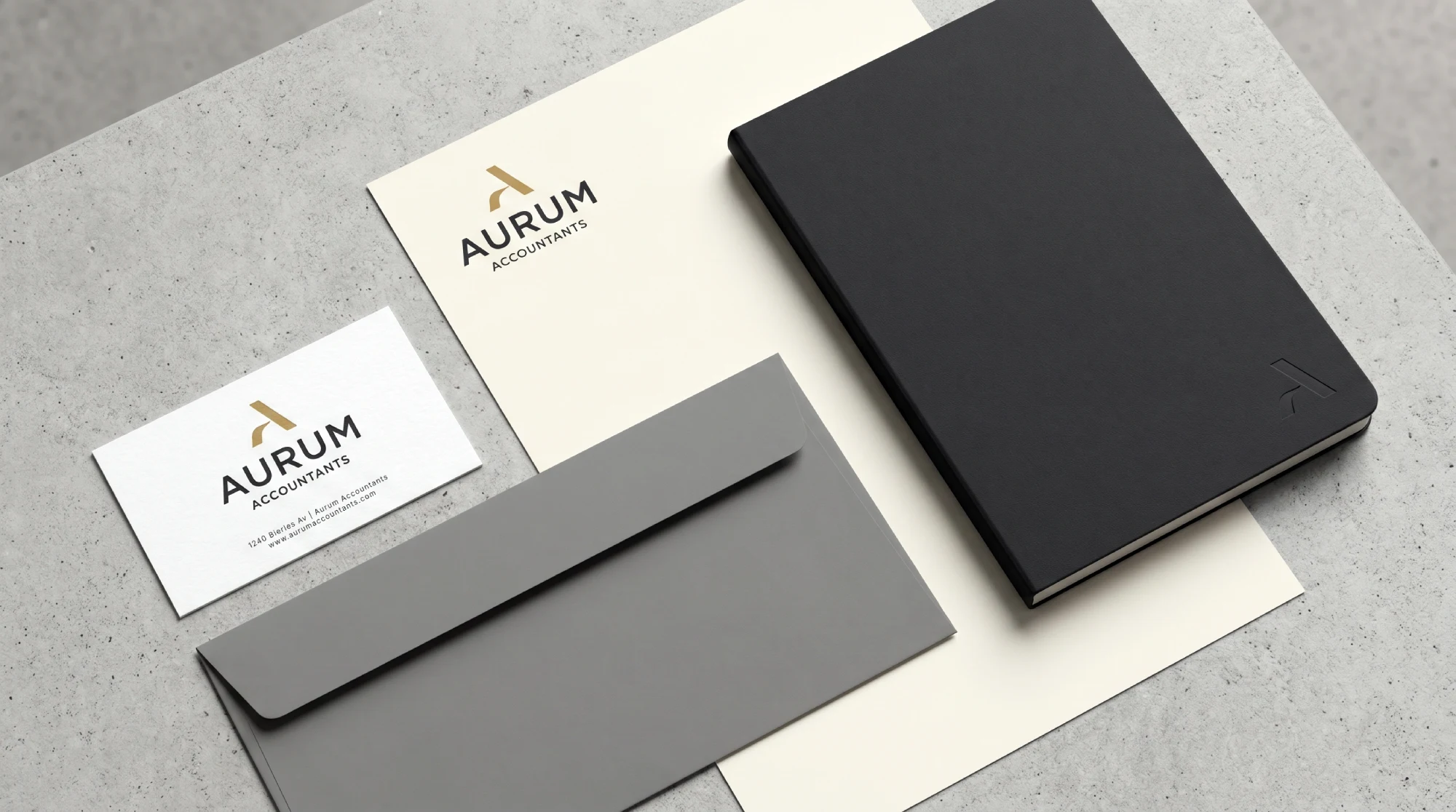
In the UK market, the cost of a brand identity package varies significantly based on agency size, strategic depth, and the volume of custom deliverables included.
Commercial pricing generally falls into four tiers:
Provider Tier | Typical UK Fee Range | What is Delivered | Best Fit / Limitations |
|---|---|---|---|
Freelance Designer / Solo Operator | £1,500 – £4,000 | Core logo variations, basic colour palette, font selection, and a 10-page basic PDF style sheet. | Early-stage startups. Rarely includes positioning strategy, messaging, or enterprise office templates. |
Specialist Strategic Branding Agency | £7,500 – £20,000 | Competitive intelligence, brand positioning, complete visual identity system, verbal identity, comprehensive brand book, pitch decks, and custom Microsoft 365 templates. | Established professional services firms, law practices, accountancies, and consultancies seeking commercial differentiation. |
Mid-Sized Agency | £20,000 – £50,000 | Extensive qualitative stakeholder workshops, full identity system, multi-channel rollout, naming exploration, and marketing collateral. | Mid-market corporations navigating major mergers or multi-division restructures. |
Global Brand Consultancy | £60,000 – £150,000+ | Global quantitative brand tracking, multi-region trademark clearance, custom proprietary typefaces, and global brand architecture. | Multinational enterprises and public institutions requiring complex global consensus. |
The standard Brand Equity Blueprint™ is £7,500 as a fixed scope and fee for one brand, delivered typically in 4–6 weeks for strategy and identity.
Full IP rights transfer upon completion.
How Should You Prioritise Scope When Budgets Are Limited?
If your budget cannot accommodate a complete multi-asset rollout, reduce the volume of collateral applications rather than cutting the governance instructions or strategic positioning.
An unguided visual identity degenerates rapidly across distributed teams.
Consider a hypothetical 90-person advisory practice facing an urgent tender deadline with restricted initial capital.
The most effective strategy is commissioning the core visual identity, brand specifications, and the primary proposal/presentation masters first.
Secondary collateral (such as office signage, branded stationery, event exhibition banners, and merchandise) can be scheduled for subsequent phases as cash flow and calendar events demand.
Cut non-essential outputs; never compromise on strategic positioning or template usability.
What Happens After Handover? Governance, Licensing, and File Ownership
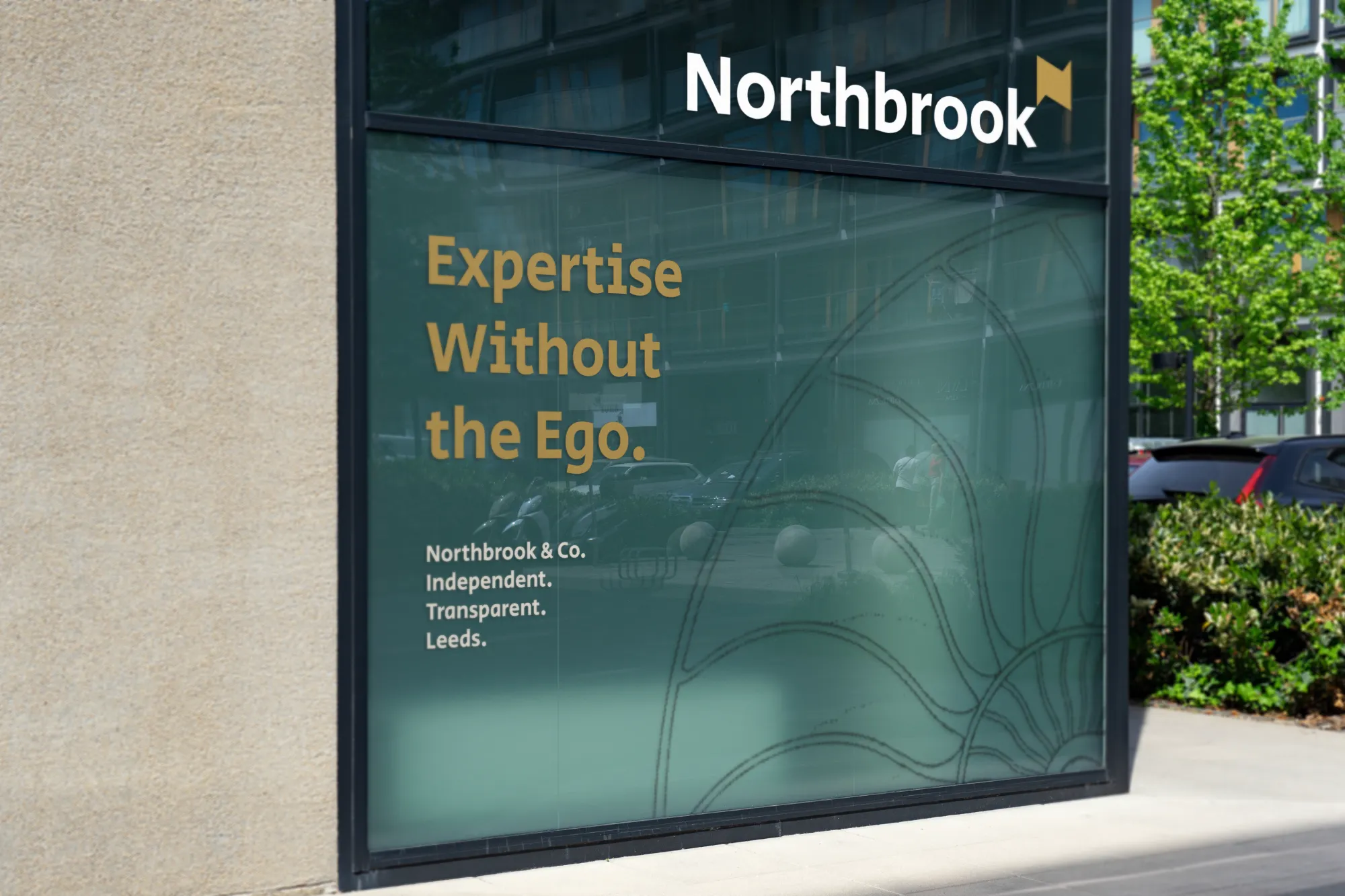
A successful brand handover establishes where master files reside, who controls system modifications, and what ongoing agency support remains available.
Research by the Nielsen Norman Group on design system maturity emphasises that access alone does not ensure correct application; high-performing systems require established governance, user support, and active adoption.
Before issuing final project sign-off, require your branding agency to supply a formal Asset Delivery Schedule covering six essential administrative and legal areas:
- Master Vector & Digital Asset Vault: A logically organised, cloud-hosted folder structure containing master vector files (.SVG, .EPS, .PDF) and production raster assets (.PNG with transparency, high-density WebP), catalogued by colour profile (CMYK, RGB, Monochrome).
- Intellectual Property & Copyright Assignment: A formal written agreement transferring complete ownership of the approved final design assets to your firm. Note that standard agency terms exclude unused preliminary concepts and proprietary agency working files unless explicitly negotiated.
- Font Licensing Documentation: Clear identification of every typeface used, distinguishing proprietary brand fonts from system fallbacks. Commercial typefaces cannot legally be transferred from an agency to a client; your firm must purchase its own desktop licenses (for staff preparing documents) and web font licenses (based on monthly pageviews).
- Commercial Stock & Photography Clearances: A comprehensive register of all photography, illustration, and video assets, detailing license types, model release availability, and any time or geographic usage restrictions.
- Living Brand Portal / Guidelines: A centralised digital manual or searchable PDF defining logo clear space, minimal reproduction sizes, co-branding lockups, and clear “do-not” examples.
- Software Templates & Source Assets: Unlocked, editable production masters formatted for your firm’s primary business tools (.dotx, .potx).
Who Governs and Maintains the Identity System After Launch?
Appoint a designated internal Brand Guardian (typically a marketing director, communications lead, or operations partner) with the organisational authority to retire legacy materials, approve template customisations, and reject off-brand collateral.
Establish a clear operational boundary between routine template upkeep and ongoing strategic design:
- Routine Internal Maintenance: Formatting reports, creating new partner slide decks, or generating social announcements using the supplied templates should be handled internally by your administrative or marketing personnel.
- Specialist External Direction: Complex commercial bids, high-stakes tender documents, recruitment campaigns, and corporate acquisition materials often require continued professional brand direction.
Many professional services firms retain their branding partner via fractional brand direction (such as Inkbot Design’s Brand Equity Partnership™ (£3,000/month, six-month commitment) to provide senior design direction, monthly strategy sessions, and quality control across major marketing collateral without hiring a full-time in-house brand team.
How to Audit a Brand Identity Package: Six Handover Acceptance Tests
Before authorising final milestone payments or signing off on project completion, subject your brand identity deliverables to six practical acceptance tests.
These tests translate abstract scope descriptions into observable operational tasks, ensuring your firm receives a functional business system rather than decorative artwork.
Acceptance Test | Inspection Method | Pass Criteria | Common Failure Points |
|---|---|---|---|
1. Logo Stress Test | Display the mark at 16×16px (favicon) and 80px (mobile header), rendered in a single solid colour. | Instantly recognisable mark; clean contours; zero typographic illegibility or blurred details. | Intricate gradients, delicate thin lines that disappear, or reliance on drop shadows. |
2. Contrast & Palette Test | Run every primary and secondary text/background colour combination through a WCAG contrast calculator. | Minimum 4.5:1 contrast ratio for body text; minimum 3.0:1 for large display headings. | Light grey or pale pastel text on white backgrounds that fails accessibility requirements. |
3. Typography Fallback Test | Open a Word document containing the custom font on a device where that font is not installed. | Document cleanly degrades to the specified system fallback (e.g. Arial) without destroying margins or line breaks. | Unformatted Courier font substitutions, text overflowing pages, or corrupted table cells. |
4. Verbal Identity Test | Apply the messaging rules to a real executive summary or introductory proposal paragraph. | Presents a distinctive, defensible market position without relying on generic agency buzzwords. | Abstract personality adjectives (“innovative”, “dynamic”) that offer no practical writing guidance. |
5. Template Usability Test | Have an internal staff member create a complete 5-page proposal in Word from the supplied master. | Staff member successfully formats headings, adds tables, and exports an aligned PDF in under 15 minutes. | Templates that require Adobe InDesign to modify, or complex Word headers that jump out of position. |
6. Independent Handover Test | Task an external web developer or print vendor with building a banner using only the supplied asset folder. | Vendor locates vector artwork, exact colour codes, and brand rules without emailing the agency for clarification. | Missing vector files, unlabelled asset folders, or unoutlined fonts that stall production. |
Approve the work your team can use
A proposal becomes easier to judge when every important deliverable has a named user and an observable job.
The report template serves the employee preparing reports. The guidelines answer the supplier’s production questions. The messaging examples help a partner explain the offer.
Keep the scope proportional. A targeted refresh may need fewer applications than a post-acquisition rebrand. Neither deserves approval simply because the file list is long.
If the underlying problem is still unclear, request Inkbot Design’s free Brand Equity Audit™, a written diagnostic covering positioning, messaging, visual consistency and visibility, with prioritised recommendations.
Before approving any identity proposal, ask the agency to demonstrate how your team will complete one routine task after handover.
Questions people ask
Can a brand identity package retain our firm’s existing logo?
Yes. Retaining or refining an established logo is a proven strategy when your existing mark carries high market recognition and brand equity. In this scenario, the scope focuses on refreshing the surrounding visual system: upgrading typography, modernising colour palettes, building accessible document templates, and establishing comprehensive brand guidelines without discarding existing brand recognition.
How long does a professional brand identity package take to complete?
A strategic brand identity package typically requires 4 to 6 weeks for strategic discovery, concept development, and identity asset creation. Full enterprise implementation—including custom Microsoft 365 templates, comprehensive collateral design, and brand guideline documentation—generally spans 8 to 14 weeks, depending on internal review turnaround times and stakeholder consensus.
Does a brand identity package include website design and development?
No. A brand identity package establishes the visual and verbal foundation (logos, styles, colours, fonts, and guidelines) but does not include website UI/UX design or web development unless explicitly itemised. For example, Inkbot Design’s standard £7,500 Brand Equity Blueprint™ explicitly scopes website design, bespoke web development, and brand naming separately to ensure core identity strategy remains distinct from digital engineering.
What specific file formats should an agency deliver?
An agency must deliver vector formats (.SVG, .EPS, .PDF) for infinitely scalable print and digital applications, as well as high-resolution raster files (.PNG with transparent backgrounds, modern .WebP) for digital media. Crucially, templates should be provided in editable end-user formats (.dotx for Microsoft Word, .potx for Microsoft PowerPoint) rather than solely designer-locked Adobe InDesign (.INDD) files.
How many pages should corporate brand guidelines be?
Brand guidelines should be evaluated by the operational decisions they resolve rather than their page count. A concise, 25-page specification covering clear space, typography hierarchy, colour accessibility codes, and layout grids is far more effective for employees than an exhaustive 120-page document filled with abstract brand philosophy that nobody reads.