Anchoring Pricing: Compare the Scope Behind the Fee
Anchoring pricing can make a proposal look reasonable without making the engagement right for your firm. Before approving a rebrand, compare the commercial problem, defined scope, implementation responsibilities and completion criteria. Genuine options help buyers decide. An inflated premium package merely gives another number an undeserved role in the decision.



On this page6 min left
A rebrand fee should stand on its own without a more expensive package beside it.
For a professional services firm comparing agencies, the useful starting point is the work required and who will complete it.
Anchoring pricing uses a reference price to influence how another price is judged.
Nielsen Norman Group explains that initial information can shape subsequent estimates, including estimates of value.
That distinction matters when you are approving a rebrand ahead of growth or an acquisition.
A proposal can make the middle package look reasonable while leaving a basic question unanswered: what, exactly, are we buying?
What does anchoring pricing actually tell you?
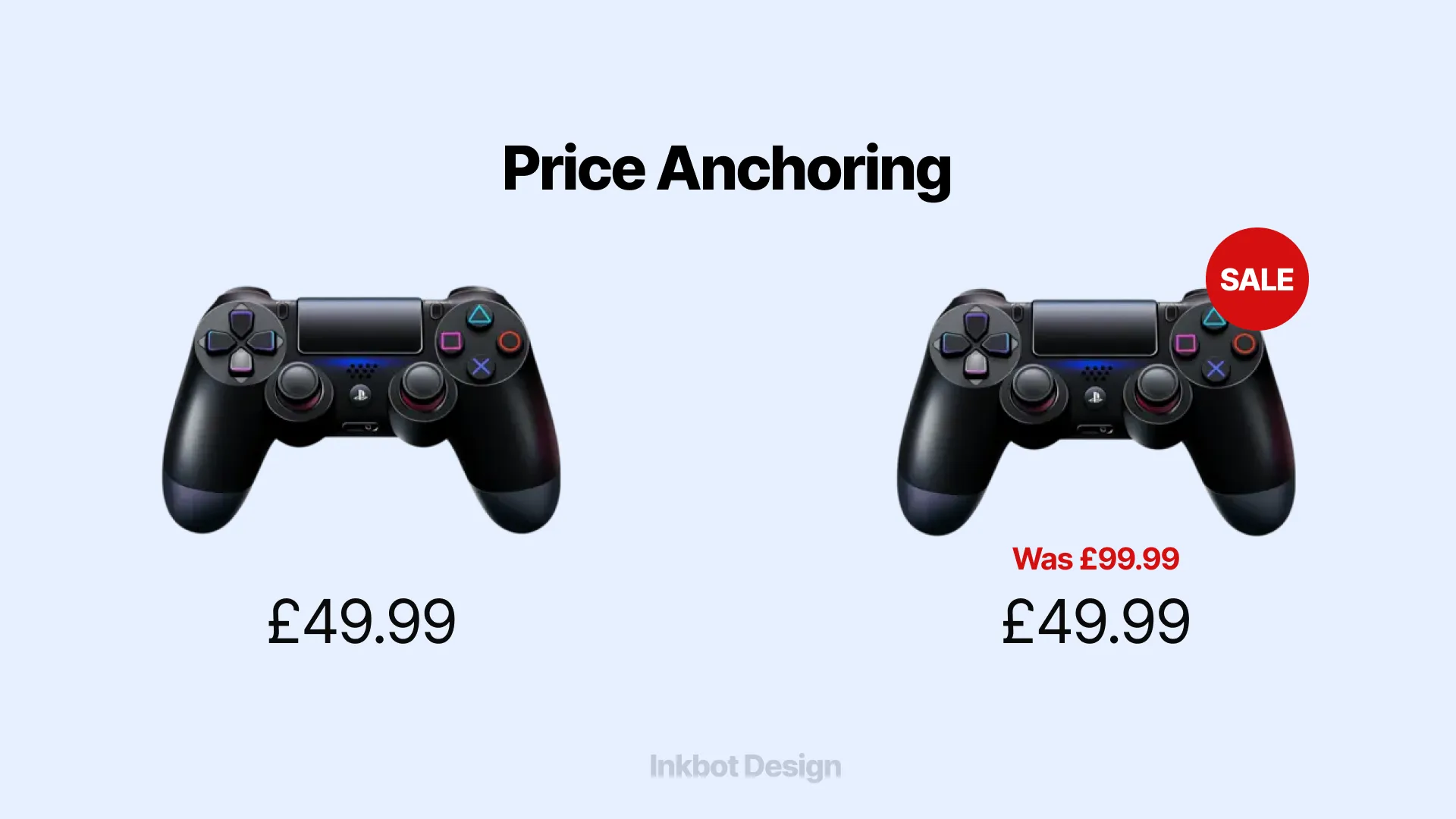
Price anchoring gives a buyer a reference point for judging a fee. A higher-priced option can make another option appear less expensive, but the comparison does not independently establish quality, suitability or completeness.
Nielsen Norman Group describes the influence of initial information; the recommendation here is to assess the scope separately from that influence.
- Check what the reference price includes before comparing fees.
- Treat each package as a purchase that needs its own justification.
- Record work your team must fund or complete outside the agency engagement.
Anchoring pricing uses a reference price to influence perceived value; buyers should still assess the proposed scope and total commitment independently.
This is one application of brand psychology in professional services.
For practical ways to scrutinise the reference points that shape a decision, consider broader cognitive bias mitigation strategies.
Why do agencies quote different prices for the same project?
Start by checking whether “the same project” means the same work.
If one proposal includes client interviews and positioning decisions while another begins with an agreed brief, the two agencies are pricing different work. Ask for the missing work to be identified before comparing totals.
The word “rebrand” is not enough.
For a 100-person accountancy practice, the brief might require a new visual identity applied to existing messaging. Alternatively, the practice might need to decide which clients to pursue, how recently acquired teams fit together and what partners should say about the combined business. Those are different assignments.
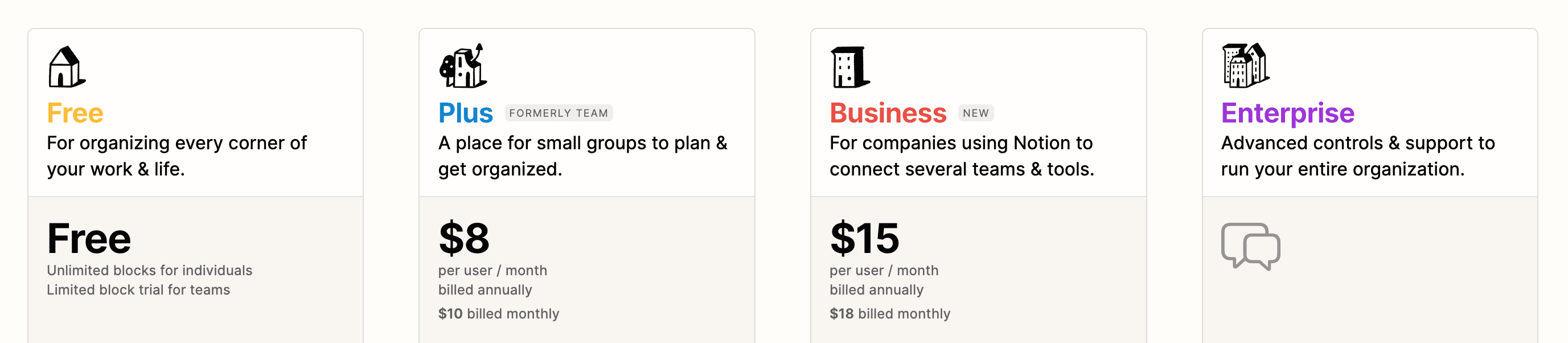
Nielsen Norman Group recommends representative prices for common scenarios when exact service prices are difficult to show. The useful principle is to connect the number to a recognisable situation. The guidance does not supply current branding fee benchmarks.
Apply the same discipline to competing proposals. Ask each agency to answer these six questions against the same written brief.
Comparison question | What to ask the agency to specify |
|---|---|
What decision will the work resolve? | For example, whether the firm needs new positioning or an updated expression of an agreed position |
What evidence will inform that decision? | Interviews, existing research, competitor review and any client information the agency expects you to supply |
What will the agency produce? | Named outputs, with enough detail to distinguish a strategy document from identity guidelines |
What must your team do? | Interview recruitment, content writing, approvals, asset collection and internal communication |
What falls outside the fee? | Website development, photography, licences, printing, signage or additional rollout work, where relevant |
What counts as completion? | Approval points, included revision rounds, final files, training and handover responsibilities |
These questions do not establish the right market price. They establish what the quoted price covers.
Consider a hypothetical 100-person advisory practice comparing two proposals. These figures illustrate scope differences; they are not market rates or an Inkbot Design quotation.
- Proposal A costs £24,000. The engagement covers visual identity development and guidelines, based on the client's positioning and messaging. Website implementation is excluded.
- Proposal B costs £38,000. The engagement includes client interviews, positioning, messaging, visual identity and specified launch templates. Website implementation is also excluded.
The £14,000 difference does not tell you which proposal is better. The decision turns on whether the additional work is needed, whether the agency can deliver it and whether your team already has an adequate version.
If your positioning is settled and supported by evidence, buying another positioning exercise may add little. Ask whether the engagement can be narrowed.
If partners disagree about who the practice serves and why clients should choose the practice, a visual-only engagement leaves that disagreement with your leadership team. A new identity cannot make the missing decision for you.
Record implementation work separately. If your marketing manager must rewrite service pages and rebuild presentation templates, put those tasks beside the agency fee. A task excluded from the quotation has not disappeared from the project.
The same applies to handover. “Guidelines supplied” does not answer whether your team receives editable templates, training or access to the required files. Ask for the actual deliverables.
For this case, “anchor on scope” means establishing that common comparison. It is a buying discipline, rather than a claim that a scope document cancels psychological bias.
What makes the more expensive option worth choosing?
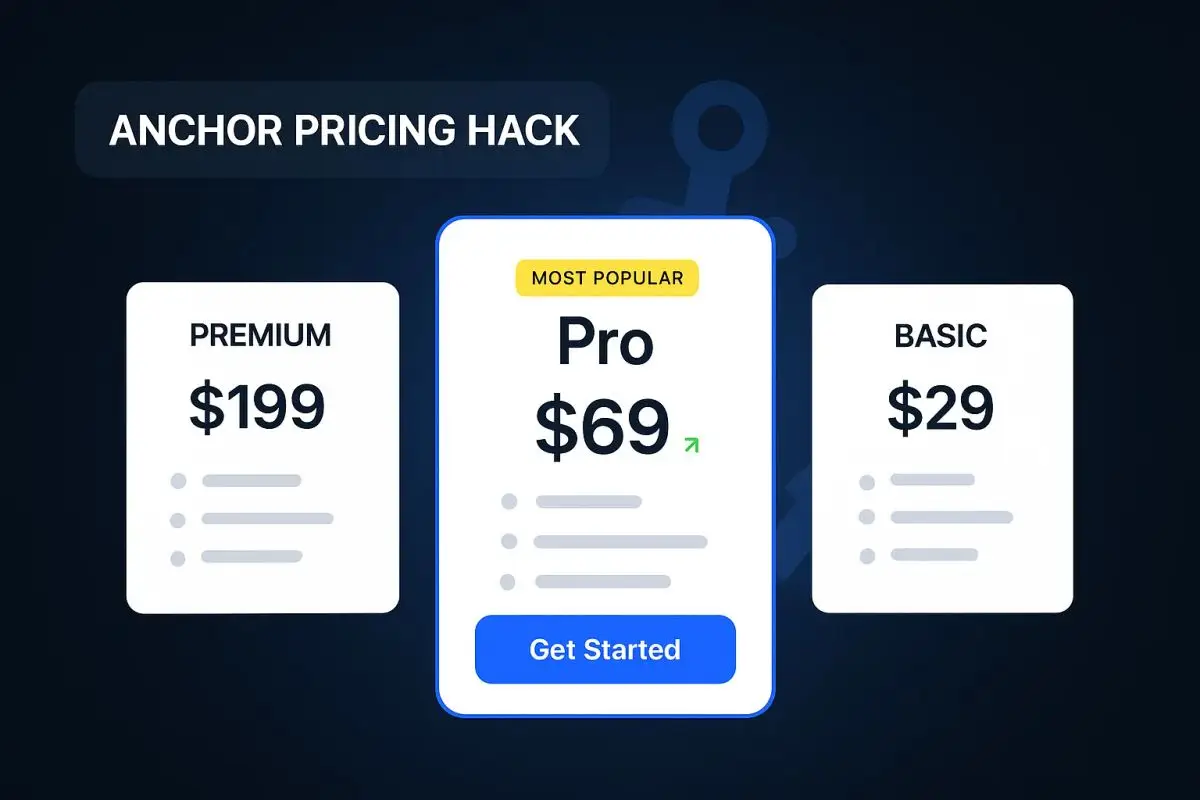
A higher fee needs an explanation beyond the existence of a still higher fee.
There is a reasonable case for presenting a premium option.
A buyer may need to see the difference between identity development and a wider engagement that includes research, messaging and rollout support. Genuine options can make those choices explicit.
Numerical comparisons can also affect perceived value.
Nielsen Norman Group documents Reykjavik Excursions displaying original prices beside reduced prices as an example of anchoring. The example explains the presentation mechanism; no agency-proposal outcome follows from it.
The objection is to using a package that has no credible purpose except making another package look attractive.
Remove the premium option from the page. Can the agency still explain the recommended engagement through required work, accountable people and an agreed finish line?
If the explanation collapses into “most clients choose this one”, ask again.
A recommendation should identify a need you recognise. For example: “Your internal team can apply the identity, but cannot conduct the client interviews before the merger announcement. This option includes those interviews and the messaging decisions that follow.”
That explanation is open to scrutiny. You can challenge the need, check the proposed method or assign the work elsewhere.
“Better value than our premium package” gives you much less to assess.
Accurate persuasion and misleading presentation also deserve to be separated.
Nielsen Norman Group’s discussion of LinkedIn Premium identifies crossed-out pricing beside a free trial as persuasive rather than deceptive when the information is accurate.
Nor is decoy pricing identical to ordinary package comparison. An option designed mainly to redirect attention deserves different scrutiny from a genuinely purchasable engagement suited to a different requirement.
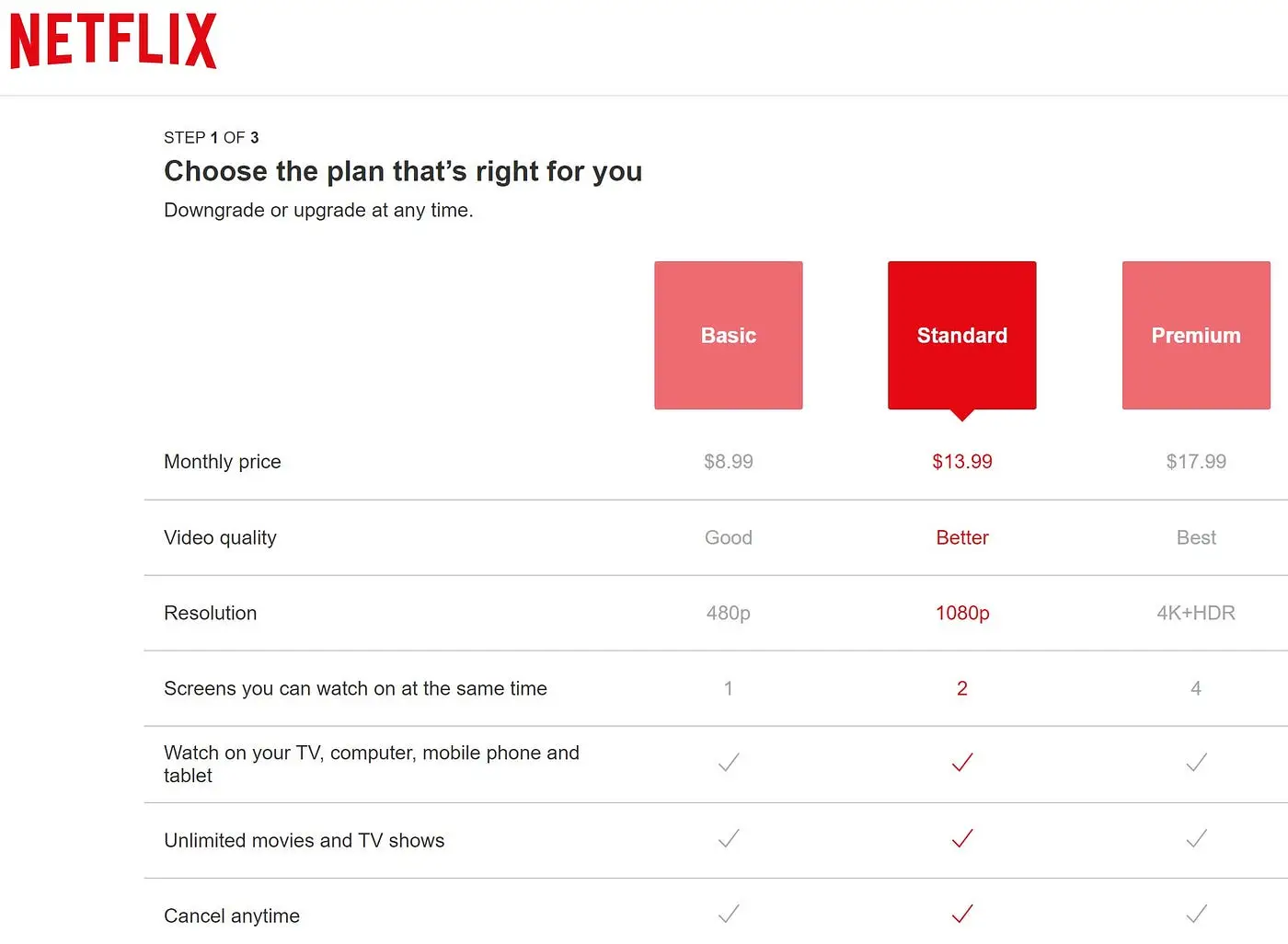
The buying test remains practical: would anyone with a recognisable need reasonably choose each option?
Then examine the proof behind the recommendation. If the work concerns integrating two advisory practices, ask the agency to explain relevant integration decisions and responsibilities. A portfolio of attractive identities answers a different question.
Consider which visual trust signals provide evidence you can inspect, rather than treating presentation quality as sufficient proof.
What if the cheaper agency can produce an excellent identity?
Choose the cheaper agency if the narrower scope meets your requirements and the evidence supports the appointment. There is no obligation to buy research you already possess or launch support your team can provide.
What if the wider scope is necessary but unaffordable?
Change the commitment openly. Agree a smaller initial engagement with a useful outcome, defer work that can wait, or revisit the timetable. A reduced fee should come with an explicit account of what changes.
Avoid pretending the full assignment remains intact after removing the resources required to complete it.
Approve the scope you can explain.
A premium package can provide context. The recommended engagement still needs a reason to exist without that comparison.
Before approving the fee, write one paragraph explaining the problem, the work being purchased, and the responsibilities retained by your team.
Include what will remain unfinished at handover. If that paragraph is difficult to write, take the questions back to the agency.
If the difficulty starts earlier, with uncertainty about what your brand needs to change, Inkbot Design’s free Brand Equity Audit™ offers a written diagnostic of positioning, messaging and visual consistency, with prioritised corrective actions.
It is a starting point, not a substitute for comparing proposals.
Today, ask every shortlisted agency to answer the same six scope questions before you approve a fee.
Questions people ask
Should I tell a branding agency my budget?
Yes — share a genuine budget ceiling and ask what the agency can responsibly deliver within it. Request a distinction between the agency fee and costs retained by your business. This is a practical scoping recommendation, not a claim that disclosure will always produce a better negotiated price.
What is the difference between anchoring and decoy pricing?
Price anchoring concerns the influence of a reference point on judgement; Nielsen Norman Group describes how initial information can affect perceived value. A decoy is an option introduced to make another choice more attractive. When reviewing packages, ask whether every option has a credible use beyond influencing the comparison.
How do I know whether I am buying strategy or design deliverables?
Ask which decisions the engagement will resolve and what evidence will inform those decisions. An identity engagement may reasonably begin with positioning supplied by your team. A strategy engagement should specify the positioning or messaging decisions included, rather than relying on “strategy” as a package label.
What should we be able to do ourselves after handover?
Specify the tasks your team expects to perform: editing presentations, creating documents or updating agreed content, for example. Ask the agency to identify the templates, files, licences and training included for those tasks. Do not infer operational independence from a promise to supply brand guidelines.