Photography in Marketing: Capturing Attention and Driving Engagement
Your marketing is invisible.
In a world where the average person scrolls through 300 feet of content daily, your brand has less than 1.7 seconds to capture their attention. That’s not enough time to read your clever headline. That’s not enough time to process your value proposition.
But it’s enough time to be captivated by an image.
Ninety per cent of businesses are getting photography completely wrong, leaving millions on the table. They’re using stock photos that look like stock photos. They’re posting product shots that could be any product. They’re creating visual noise instead of visual leverage.
I’ve spent years testing what works in marketing. I’ll tell you this with absolute certainty: The right image can increase your conversion rate by 10 times overnight. The wrong one? Set your marketing budget on fire.
In the next few minutes, I will show you exactly how to create images that not only capture attention but also drive customers and increase cash flow.
- 90% of businesses misuse photography, relying on stock photos instead of captivating images that engage customers.
- 70% of marketers recognise visual assets as core to their strategy, driving significantly higher engagement rates.
- Optimised photography enhances SEO through alt text, geo-tagging, and relevant keywords, boosting searchability.
- Investing in quality, personalised photography ensures brands effectively connect with consumers and achieve marketing goals.
The Rising Prominence of Visual Content

There’s no denying the adage – “a picture is worth a thousand words.” Visual content can cut through the noise in the age of information overload and shortened attention spans.
Recent studies have found that the brain can interpret an image and just 13 milliseconds. Content featuring relevant images can generate up to 94% more views than content without them.
It’s no wonder photography has increased in importance in marketing. With the proliferation of digital channels and social media, marketing is more visual than ever. Just look at the numbers:
- 70% of marketers say visual assets are core to their strategy
- Posts with images see 2.3X more engagement on average
- 52% of consumers say images are very influential in purchase decisions
- Informational graphics alone drive 30X more traffic than text-based content
Photography elicits an emotional response from viewers and forges connections through storytelling; for brands looking to engage customers across channels, incorporating quality photography is now a requirement rather than a nice-to-have.
The Role of Photography in SEO
Photography is key to capturing attention and plays a role in search engine optimisation.
Properly optimised images with schema markup and AVIF formats can enhance a website’s visibility on search engines. Adding descriptive alt text to images enhances accessibility and enables search engines to better understand the image content.
Incorporating relevant keywords in file names and image captions further boosts searchability. Optimising image sizes to ensure faster loading times enhances user experience, which is a factor in search rankings.
Beyond Alt Text: Optimising for Visual Search (GEO)
Old SEO was about describing images to text-based crawlers.
Generative Engine Optimisation (GEO) in 2026 is about optimising images for computer vision. Users are now using Google Lens and Circle to search and shop directly from images, bypassing keywords entirely.
To dominate visual SERPs:
- Contextual Relevance: Place images near the text that answers the user’s query. Gemini creates “multimodal” embeddings, linking the pixel data of your image to the semantic meaning of the surrounding paragraph.
- Entity-First Image Names: Don’t use
IMG_5920.jpg. Usemens-leather-hiking-boot-brandname-waterproof.jpg. This maps the image to the entity in Google’s Knowledge Graph. - Structured Data (JSON-LD): Wrap every product image in
ImageObjectandProductschema. Explicitly define the license, creator, and credit to capture Google Images’ “Licensable” badge. - High-Res + Next-Gen Formats: Google prioritises Core Web Vitals. Serve images in AVIF format, which offers 30% better compression than WebP, ensuring your rich visuals don’t kill your page speed.
Photography Aligns with Key Marketing Objectives
So why exactly does photography mesh so well with core marketing goals? There are a few key reasons:
Building Brand Identity and Awareness
Impactful images that encapsulate a brand’s values are instrumental in establishing a visual identity customers can latch onto.
Iconic visuals, such as Apple’s bitten apple or Nike’s swoosh checkmark logo, are deeply ingrained in consumers’ minds.
Even for small businesses, showcasing branded photos, stylised product shots, lifestyle imagery, and behind-the-scenes pictures across owned channels provides familiarity and reinforces what a brand is all about.
Capturing Attention in Cluttered Channels
Consumers are inundated with marketing messages, so brands continually fight for mindshare. Photography breaks through the noise, captures attention quickly, and drives organic reach.
Bright, bold photographs in ads catch the eyes as people scroll. User-generated visuals provide authentic peer endorsements.
The higher engagement that photography drives means more impressions, which is critical for raising awareness.
Conveying Messages and Emotions to Connect with Customers
Photography is uniquely positioned to tap into emotion and build connections through powerful storytelling. A single black-and-white environmental portrait communicates more about values than any messaging statement could.
Dramatic before-and-after transformations generate excitement. User photos showing smiling customers capture the essence of happiness.
Photos transform sterile products into humanised experiences and drive desire by capturing lifestyle moments that align with target demographics.
Promoting Calls-to-Action Across Channels
Compelling photography tells stories and crafts narratives to move consumers along their journey.
Tourism boards leverage stunning destination shots to inspire travel lust. Fashion brands use editorial shoots to shift apparel from items to must-have looks. Non-profits incorporate urgent images into donation appeals.
When paired with clever messaging, photography spurs a call to action across channels and campaigns.
The core strengths of photography – evoking emotion, instantly grabbing attention, building connections, telling stories, and motivating responses – make it especially suited for achieving key marketing objectives.
Advances in Photography Technology
Technology continues to shape the landscape of photography in marketing.
Advancements such as AI-driven photography tools have enabled marketers to edit and enhance images with unprecedented precision.
Drones offer aerial perspectives that were once unattainable, providing fresh angles and expansive views.
The latest smartphone cameras push the boundaries with features like night mode and portrait enhancements, levelling the playing field for small brands without access to high-end equipment.
These technologies enable brands to tell richer stories and engage consumers more deeply by leveraging innovative visual experiences.
In addition to AI and drones, virtual reality (VR) is also influencing photography in marketing.
VR technology enables users to immerse themselves in 360-degree images, providing brands with unique opportunities to promote their products and experiences.
This immersive approach opens novel avenues for storytelling, making the consumer feel part of the narrative and enhancing engagement through innovative visual content.
Photography Across the Marketing Mix
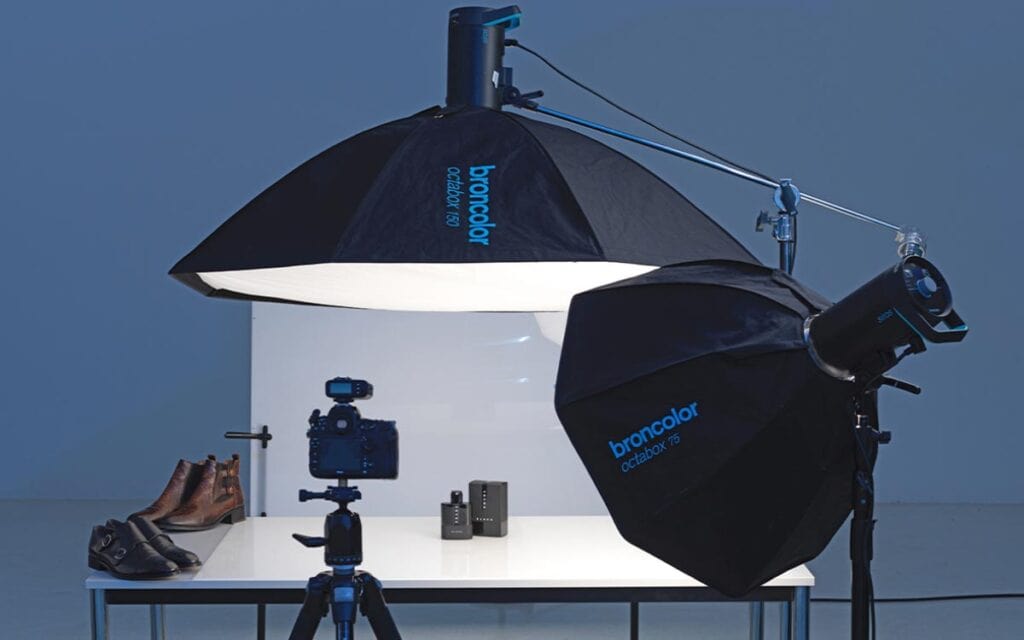
How exactly should marketers incorporate photography across activities to maximise impact? The use cases are plentiful when you examine specific channels and strategies across the marketing mix.
Product Marketing
For ecommerce brands, in particular, product marketing photography is foundational.
Investing in creative, professional shoots pays dividends. Clean, crisp images that showcase products in lifestyle settings drive traffic, improve conversions, and boost sales.
Specialised product photos also build buyer confidence by providing detailed angles, size comparisons, and demonstrations showing functionality. The standard ecommerce image mix includes:
- Primary product photography (high res, white background, multiple angles)
- Lifestyle photography integrating products naturally
- Videos and GIFs to showcase products dynamically
- Flat lays grouping complementary products to inspire purchasing
- Infographics blending photos, graphics, and text for storytelling
Optimising online galleries with these visual assets keeps product pages fresh, addresses common questions, and supplies ample creative assets for broader marketing and ad use.
Brand & Content Marketing
Impactful photography is a crucial component of content marketing strategies for building a brand beyond products.
Compelling photos incorporated into long-form blog posts and articles boost engagement metrics.
Photo-focused social posts personalise brands and reinforce positioning.
First-party visual content gives audiences authentic glimpses behind the scenes, while user-generated images provide third-party social proof.
Podcast cover art, video thumbnail images, and gated graphics provide leverage for photography, enhancing alignment and engagement.
Advertising Campaigns
Photos are the most vital creative asset powering ad campaigns across platforms. On Facebook and Instagram, photography brings carousels, Stories ads, image posts, and canvas units to life.
Photography anchors YouTube videos and premium video ads. Display and native advertisements trade on bold images to capture scrolling attention and communicate core messages.
Even simple image search ads can be traced back to standout photographs. Regardless of format, advertisements without compelling photos will flounder, while creative images enable campaigns to thrive.
Owned Channels
Owned social channels similarly lean on photography to stimulate engagement and humanise brands.
Instagram provides a clear example of how photo feeds cultivate followers. Well-composed lifestyle images here feel native, while product photos inspire desire.
Hashtag initiatives featuring customer photography incentivise user-generated content, and ratings/review platforms can incorporate shopper images to build credibility.
Beyond Instagram, large visuals on Facebook, X, and other websites capture attention, while photography in email marketing increases open and click-through rates.
Owned channels managed without photography neglect low-hanging opportunities to connect, while nailing photographic content pays dividends through increased followers and lower cost per impression.
Activations
Photography also plays a prominent role in experiential marketing.
Pop-up shops, trade show booths, and sponsorship activations all incorporate photography differently but commonly leverage the strengths images provide. Eye-catching, large-format photos can decorate event spaces to convey a clear message.
Printed photo walls, digital screens showcasing images, and photo opportunities like steps and repeats immerse visitors.
Fun booth props, signage with lifestyle shots, product demos, and staff-branded uniforms also prominently feature photographs to drive engagement during in-person brand interactions.
Post-event, marketers repurpose captured event photography across other channels to extend reach and impact.
As this overview clarifies, impactful photography directly aligns with marketing objectives across the marketing mix. However, truly effective use requires more than just peppering photographs ad hoc. There are best practices marketers should keep at the forefront of their minds.
Ethical Considerations in Photography
As brands increasingly rely on photographic content, they must consider ethical implications.
Varied representation in imagery is essential for authenticity and inclusivity, as it reflects broader societal values. Brands should portray subjects genuinely and avoid misleading images that misrepresent reality.
Avoiding stereotypes and ensuring a wide range of representation in marketing photography helps establish trust and build a connection with a varied audience.
Ethical photography enhances brand reputation and fosters inclusive messaging that resonates with consumers.
The AI Paradox: Generative Imagery vs. Radical Authenticity
In 2026, marketing photography is poised for a bifurcation. On one side, Generative AI tools like Midjourney and Adobe Firefly allow marketers to conjure “impossible” visuals in seconds. On the other hand, consumers suffering from “AI fatigue” are craving raw, unfiltered reality.
When to Use AI vs. Real Photography
| Use Case | Recommended Visual Source | Why? |
| Hero Product Shots | Real Photography | Trust is paramount. 78% of users abandon cart if the product looks “simulated.” |
| Blog Headers/Concepts | Generative AI | Cost-effective for abstract concepts (e.g., “Data Security”) where realism matters less. |
| Social Proof/Reviews | UGC (Real) | User-Generated Content remains the gold standard for conversion, boosting trust by 140%. |
| Creative Variations | Hybrid (AI Edited) | Use “Generative Expand” to resize real shots for vertical (9:16) and horizontal (16:9) formats. |
2026 SEO Warning: Google’s algorithms now look for C2PA (Content Credentials) metadata. This digital “nutrition label” proves an image’s origin. If you use AI, label it. If you use real photos, embed C2PA data to prove authenticity and gain a ranking boost in “High Quality” filters.
Best Practices for photography in marketing

What are the keys to success when harnessing photography across marketing initiatives? Follow these best practices for optimal results:
Invest in Quality Photography
Great photography rarely happens by luck or leaning on stock images alone. Building a compelling library of branded images requires an investment in pro-level photography and videography.
Developing creative, solid direction, hiring photographic experts aligned to brand style, and allocating a budget for regular shoots pays off through uniquely owning memorable visual content.
Personalise, Personalise, Personalise
Generic photographs wash over consumers. Truly impactful images feel personal and convey a human connection.
Incorporating real customers, showcasing company culture, highlighting hero products loved by loyal users, and tapping into emotional experiences buyers share allow brands to tell authentic stories. Personalised photography should permeate campaigns.
Align Images with Strategy and Audiences
Photographs don’t exist in isolation. Understanding target audiences and what motivates them is crucial for selecting images that will land. Photography aligned to campaign strategies and audience aspirations performs better.
The imagery accompanying a performance running shoe will look vastly different from that of a high-fashion heel. Match images to objectives and audiences.
Shoot Lifestyle in Context
For ecommerce brands, creative lifestyle shoots significantly add value by showcasing how products fit within customers’ real lives. Rather than always presenting products without context, frame items naturally in environments that match user behaviour.
Showrunners mid-stride on city streets—position mobile devices on modern kitchen counters. By capturing photography that emulates real-world usage in authentic ways, brands build stronger connections through relevant visual stories.
Activate User Generated Content
User-generated photography represents a marketer’s dream – authentic, credible images from happy customers. UGC delivers 3X higher conversion rates by lending brands social proof.
Make activating user photos across channels an ongoing priority through campaigns that seek out reviews, ratings, style tags, or other initiatives that invite participation.
Track Performance and Iterate
With so many options for showcasing photography, brands must analyse performance and double down on what works. Monitor social posts, ad variants, and campaigns featuring specific images to identify visual standouts that grab engagement or drive conversions.
Continual optimisation based on learning will help focus photographic efforts on assets delivering results.
Stay Visually Fresh and Exciting
Photography can become stale if brands become complacent, relying on a single standard look. Customers crave visual variety. Conduct quarterly shoots to capture new images, emphasising different seasons, updated styles, fresh locations, and new products.
A surprising, fresh and lively library of images will deliver the best long-term photographic ROI.
Measuring the Impact of Photography in Campaigns
Evaluating the effectiveness of photography in campaigns can guide future strategies. Brands can measure their impact by tracking engagement metrics, such as likes, shares, and comments, on social media platforms.
Analysing conversion rates attributed to photographic content reveals its role in driving sales.
Tools like Google Analytics provide insights into which images garner the most traffic.
By identifying patterns and trends in visual content performance, brands can refine their photographic approach to align with consumer preferences and maximise marketing ROI.
Key Photography Examples From Leading Brands
How are brands activating photography effectively across critical initiatives? Let’s analyse a few excellent examples of photography in marketing from category leaders securing results:
GoPro: YouTube Product Videos

- Ultra-engaging YouTube product videos highlighting photography
- Showcases camera capabilities across adventures and experiments
- Builds brand identity rooted in photography and exploration
As an action camera manufacturer, GoPro banks on compelling photography and video. Unboxings, gear guides, and tutorials bring products to life on their YouTube channel, while extreme sports edits emphasise technical capabilities for core enthusiasts.
Most impactful, though, are GoPro’s distinctly branded travelogues and experimental shoots.
A recent video showcased GoPro’s HERO11 Black capturing hyperlapses aboard the Aurora Australis, a luxury Antarctic cruise ship. The wildly shareable clip reinforced product performance and adrenaline-pumping brand attributes through standout adventure photography wholly unique to GoPro.
Toms: Shop Instagram
- Lifestyle Instagram shop showcases seasonal products via photography
- Optimised grids align photography with promotions and new launches
- Clean, consistent image style reinforces brand identity
Purpose-driven retailer Toms showcases ethical products through consistent, creative social media photography. Instagram is their digital flagship storefront with lifestyle imagery that feels authentic to TOMS’ young, socially conscious customers.
Thematic regional travel photos blend with artistic product shoots, capturing the full breadth of offerings from shoes to eyewear and bags. Limited editions, cause campaigns, and new drops are showcased in photo series with complementary designs and calls to action, adhering to TOMS’s pared-down aesthetic.
The result is an elevated yet accessible shopping experience amplified through cohesive photography that reflects the core brand values.
Airbnb: Travel Magazine Content
- Showcases stunning travel photography in the online magazine
- Aligns aspirational creative with core customer motivations
- Promotes booking conversions through inspirational images
Airbnb’s online magazine demonstrates how Next Gen brands seamlessly blend content, commerce and community, all while putting photography front and centre.
Gorgeous travel images spanning adventure portraiture, architecture, cityscapes, cabins in the woods, tropical oases, and everything in between populate article pages. The site feels like the digital evolution of Vogue or Condé Nast Traveller.
Interspersed hotel and experience booking links allow instant room reservations when demand reaches peak levels.
For a travel brand like Airbnb, leaning on evocative, wanderlust-inducing photography makes the entire experience feel transportive while nudging ideal customers down the marketing funnel through emotional connections forged by exceptional images.
Red Bull: Video Marketing Spotlights Photography
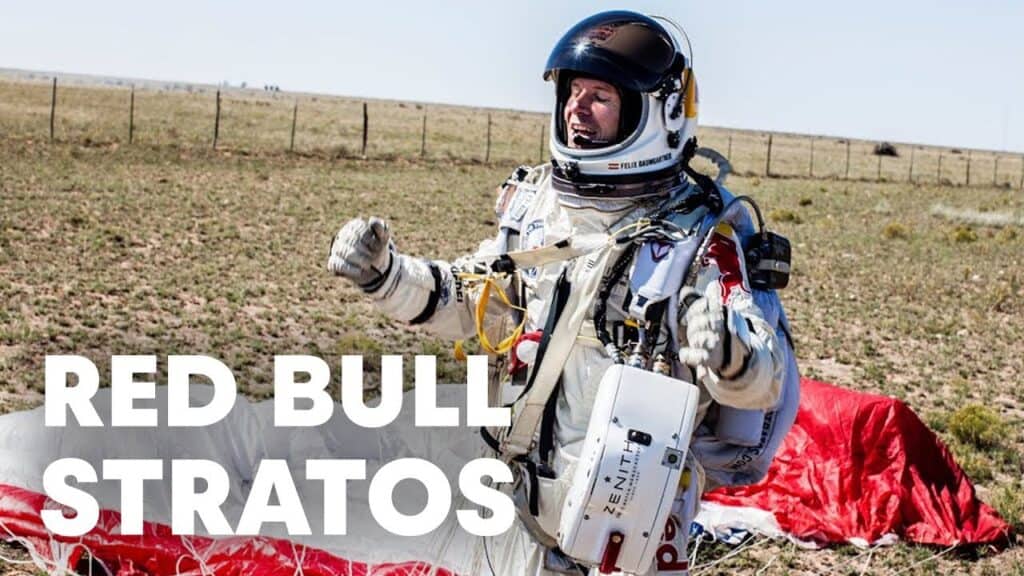
- Iconic stunt and sports videos highlight daring photography
- Aligns branded content with the extreme sports persona and values
- Videos generate significant organic reach and engagement
From harrowing wingsuit proximity flights to the infamous space jump, pure adventure binds Red Bull’s content marketing efforts.
Their website, YouTube channel, and owned social feeds constantly highlight death-defying athletic feats across motocross, surfing, skating, cliff diving and similar extreme domains.
Photographers and videographers strap cameras to everything, capturing stopping point-of-view shots and threading them together. Scintillating photography focused on thrill-seeking permeates the brand.
For the target demographic drawn to intensity and rebellion, Red Bull delivers that experience consistently through original photography and video optimised for engagement and reach.
Everlane: Ecommerce Product Pages
- Clean, consistent product photography style
- Crisp lifestyle category pages reinforce the positioning
- Enhances UX and drives conversions through clear images
Direct-to-consumer fashion label Everlane places a premium on product-first minimalism throughout its streamlined e-commerce experience, and photography plays a significant role.
Models embrace naturalness in well-lit environmental shots, keeping things approachable. Details like short written product stories add richness, while tight crops spotlight fabric quality and garment drape.
Category shop pages evoke warmth through colour palettes supporting depth within restraint. Plus, helpful features like zoom magnification give intimate access to construction that is absent elsewhere.
For Everlane’s ethical manufacturing ethos, realness resonates and is compelling, yet simple photography creates a connection and converts visitors.
As these best-in-class examples illustrate, resonant brands connect with consumers by activating photography for engagement across initiatives.
Photography Trends
Photography trends continue to evolve, influencing how brands connect with audiences.
Authentic and candid imagery is increasingly popular as consumers seek genuine representations rather than staged setups.
Bold colours and strong contrasts are favoured in digital marketing to draw immediate attention.
Brands also integrate augmented reality into their campaigns, merging physical and digital worlds for immersive experiences.
These trends reflect the ongoing quest to capture consumer imagination through visual storytelling, reinforcing brand identity and fostering engagement.
Conclusion: Photography is the Common Marketing Denominator
In channels crowded with brands and messages, emotionally evocative photography provides a distinct advantage for marketers seeking to stand out. Photography tells stories.
It captures attention, connects on a human level, and motivates desired actions. A single image makes concepts tangible and forges bonds anchored in shared values and aspirations where text falls short.
While modern marketing leverages many channels, technologies, and strategies when activated skillfully, photography serves as the common denominator, amplifying impact across all initiatives it touches and driving results for next-generation brands.
Frequently Asked Questions
What types of photography work best in marketing?
Compelling lifestyle photography embedded in authentic situations, matching target audience appeals and motivations, performs very well. Additionally, high-quality shots showcasing products help drive conversions through visual storytelling.
How much should brands invest in photography efforts?
With ROI exceeding most initiatives, appointing in-house photographers or retaining agencies to spearhead quarterly branded shoots and licensing agreements is a wise investment. Dedicate at least 5% of marketing budgets to owned photography efforts.
Does using AI-generated images hurt my SEO?
Not inherently, but Google prioritises “Helpful Content.” If your AI images add value (e.g., visualising a complex process), they rank well. However, for products and news, E-E-A-T signals favour authentic photography with C2PA credentials.
What is the best image format for marketing in 2026?
AVIF is the new standard, supporting transparency and HDR colours at smaller file sizes than JPEG or WebP. Ensure your CDN automatically falls back to WebP/JPEG for older browsers.
How do I rank in Google Lens results?
Focus on high-resolution, original imagery (no stock). Use Product Ensure schema markup, maintain clear brand logo visibility within the shot, and keep a clutter-free background so that visual search algorithms can easily identify the entity (product).