How to Build a Successful Web Design Agency Without Coding Skills
Listen up, aspiring agency owners. I’m about to drop something that’ll either light a fire under your arse or send you running back to your cushy 9-to-5.
Why should you care what I have to say?
Simple. I built a successful web design agency from scratch in just 18 months. No coding skills. No trust fund. It’s just pure hustle and a system that works.
I’m not here to coddle you or sell you some get-rich-quick fantasy. This isn’t for the faint of heart. But if you’re ready to put in the work and build something real? Stick around. You might learn something.
🔰 TL;DR: Launch your web design empire by focusing on client acquisition, systemising your processes, and building a rockstar team. Forget the tech-guru nonsense—it’s all about delivering value and scaling smart. Read on for the blueprint I used to hit 7 figures in 18 months.
- No coding skills required to launch a successful web design agency; focus on client acquisition instead.
- Identify your niche and craft a unique value proposition to stand out in the market.
- Implement tiered pricing strategies and develop recurring revenue streams for sustained profitability.
- Establish documented systems and build a competent team to ensure scalability and operational efficiency.
- Deliver measurable results to clients by focusing on key metrics and continuous optimisation through A/B testing.
The Agency Landscape: Separating Fact from Fiction
Let’s start by shattering some illusions, shall we?
Myth #1: To run a successful web design agency, you must be a coding genius.
Nope. When I started, I couldn’t code my way out of a paper bag. It didn’t stop me from landing six-figure clients.
Myth #2: The market is saturated. There’s no room for new players.
Wrong again. The demand for quality web design is skyrocketing. According to statistics, the global web design market is projected to reach £130 billion by 2032. That’s a lot of pie to go around.
Myth #3: You need a massive team to handle big projects.
Nope. I scaled to 7 figures with a lean team of 4 core members. It’s about working smarter, not harder.
Now that we’ve cleared the air let’s dive into how you can build this thing.
The Foundation: Your Agency’s Foundation
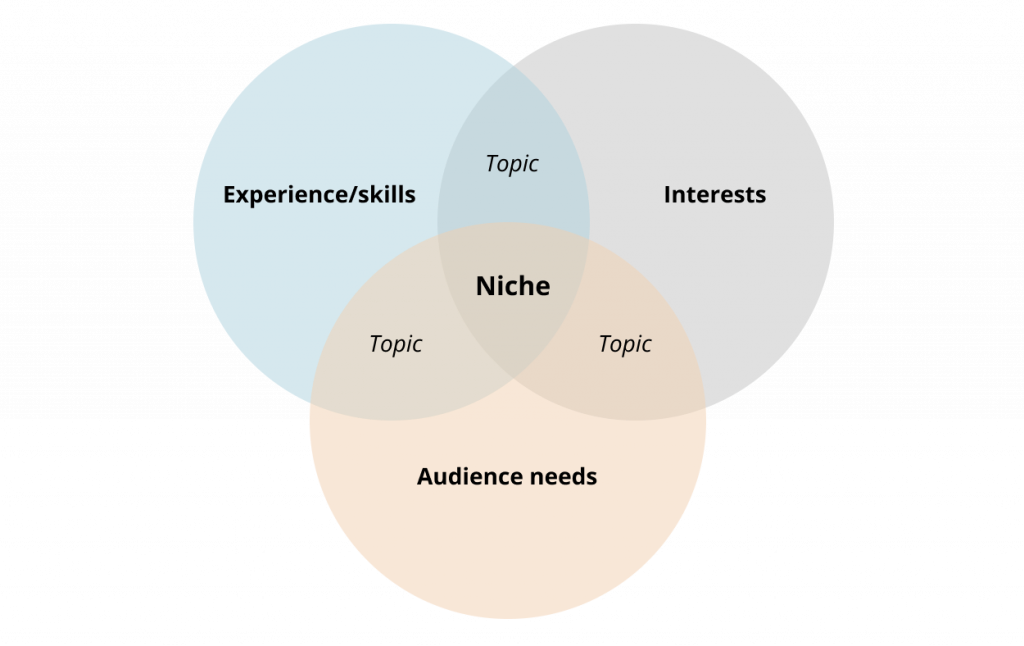
You must nail down your agency’s identity before considering landing clients or hiring designers. This isn’t some fluffy branding exercise. It’s the bedrock of everything you do.
Finding Your Niche
Here’s where most newbies mess up. They try to be everything to everyone.
Big mistake.
You want to be the go-to expert in a specific niche. I focused exclusively on e-commerce sites for health and wellness brands when I started.
Why?
- High-ticket clients
- Recurring revenue potential
- A market I understood and cared about
Action step: Brainstorm 3-5 niches that tick these boxes:
- Growing market
- Willingness to invest in quality design
- Aligns with your interests or expertise
Crafting Your Unique Value Proposition
What makes you different from the sea of other agencies out there?
If you answer “quality work at affordable prices,” slap yourself. That’s what everyone says.
My UVP? “We build e-commerce sites that convert browsers into buyers, guaranteed. 20% increase in sales or your money back.”
Bold? Yes. Risky? Maybe. Attention-grabbing? Absolutely.
Action step: Write down your UVP. If it doesn’t make you a little nervous, it’s not bold enough.
Client Acquisition: The Lifeblood of Your Agency

Listen up because this is where the rubber meets the road. You can be the best designer in the world, but if you can’t land clients, you’re just a hobbyist with an expensive laptop.
The Outbound Hustle
Forget passive marketing when you’re starting. You need to be proactive. Here’s what worked for me:
- LinkedIn Outreach: Not the spammy “Dear Sir/Madam” rubbish. Personalised messages that show you’ve done your homework. I landed a £50K project from a single LinkedIn message.
- Speaking Gigs: Local business events, industry conferences, anywhere your target clients gather. I once closed a £30K deal from a 15-minute talk at a wellness expo.
- Strategic Partnerships: Team up with complementary service providers. I partnered with a top-notch copywriter. She brought the words; I brought the design. We both doubled our client base.
Pro Tip: Track everything. I use a simple spreadsheet to monitor outreach efforts, response rates, and conversions. Data drives decisions.
Inbound Magic: Content That Converts
Once you’ve got some momentum, it’s time to set up your inbound machine. This is how you scale without working 80-hour weeks.
- Value-Packed Blog Posts: Like this one. Give away your best stuff. Trust me, clients will still pay for implementation.
- Case Studies: Real results, real numbers. We increased one client’s conversion rate by 43%. That case study alone brought in 3 new high-ticket clients.
- Email Marketing: Not just a newsletter. Strategic sequences that nurture leads. Our welcome sequence has a 12% conversion rate to sales calls.
Action step: Create a content calendar for the next three months. Mix tactical advice with big-picture strategy.
The Money: Pricing and Packaging for Profit

Let’s talk brass tacks. You’re doing this to make money, right? So, let’s structure your offerings to maximise profit.
Tiered Pricing: Good, Better, Best
I learned this the hard way. Offering a single price point leaves money on the table.
Here’s how I structure it:
- Basic Package: Custom design, responsive, five pages. £5,000.
- Growth Package: Everything in Basic + e-commerce functionality, email integration. £10,000.
- Domination Package: Everything in Growth + SEO, content strategy, three months of support. £20,000.
Guess what?
70% of clients choose the middle option. The top tier exists to make the middle look reasonable.
Recurring Revenue: The Holy Grail
One-off projects are great, but recurring revenue is what builds real wealth. Here’s how we do it:
- Maintenance Packages: Monthly updates, security checks, and backups. £500/month.
- Growth Retainers: Ongoing optimisation, A/B testing, conversion rate improvements. £2,000/month.
Pro Tip: Offer a discount on the initial project if they sign up for a 12-month retainer. It’s a win-win.
Scaling Smart: Systems and Team Building
Right, you’ve got clients; you’re making money. Now, it’s time to scale without losing your mind.
Systemise Everything
I’m talking about documented processes for every aspect of your business. Here’s why:
- Consistency in client deliverables
- Easier onboarding for new team members
- You can step away without everything falling apart
We use Notion to house our entire operations manual. Every process is documented step-by-step, from the initial client call to the final delivery.
Building Your A-Team
Your team can make or break you. Here’s how I built mine:
- Start with Contractors: Test the waters before committing to full-time hires.
- Hire for Culture First: Skills can be taught. Attitude can’t.
- Invest in Training: We spend 5% of our revenue on team development. It pays off tenfold.
Key Roles to Fill:
- Project Manager
- Lead Designer
- Developer (can be outsourced)
- Sales/Account Manager
- Admin/Operations
Pro Tip: Use personality assessments like DISC or Kolbe to ensure team compatibility.
The X-Factor: Delivering Extraordinary Results

Here’s where the rubber meets the road. Do you want to know the secret sauce separating the 7-figure agencies from the struggling freelancers?
It’s not just about pretty designs. It’s about delivering measurable, bottom-line results for your clients.
The Metrics That Matter
Forget vanity metrics like “time on site” or “bounce rate.” Here’s what our clients care about:
- Conversion Rate: How many visitors are turning into customers?
- Average Order Value: Are we increasing the amount each customer spends?
- Customer Lifetime Value: Are we building long-term relationships?
We track these metrics religiously for every client. And we report on them monthly, showing the direct impact of our work on their business.
The Power of A/B Testing
Here’s a little secret: Even the best designers can’t predict with 100% accuracy what will resonate with an audience. That’s where A/B testing comes in.
We run continuous tests on the following:
- Call-to-action buttons
- Headline copy
- Product page layouts
- Checkout processes
One simple A/B test increased a client’s conversion rate by 27%. That’s an extra £100K in revenue per month. You better believe they renewed their contract.
The Feedback Loop
This is crucial. We don’t just launch a site and call it a day. We have a structured feedback process:
- 2-Week Check-In: Initial data review and quick wins
- 30-Day Deep Dive: Comprehensive analysis and optimisation plan
- Quarterly Strategy Sessions: Long-term planning and goal-setting
This approach keeps us aligned with the client’s evolving needs and demonstrates our ongoing value.
Navigating Challenges: What They Don’t Tell You
All right, let’s get real for a minute. Building a 7-figure agency isn’t all glamour and champagne. There are some severe pitfalls you need to watch out for.
The Cash Flow Crunch
This nearly killed us in the early days. You must pay your team and contractors before the client pays you. And some clients… well, they’re not precisely speedy with the invoices.
How we solved it:
- 50% deposit upfront, 25% at midpoint, 25% on completion
- Clear payment terms in every contract (with late fees)
- A line of credit for emergencies (use sparingly)
The Scaling Headache
Growing pains are real. Communication became a nightmare as we scaled from 5 to 15 team members. Projects were falling through the cracks; quality was slipping.
Our solution:
- Implemented project management software (we use Asana)
- Daily stand-up meetings (15 minutes max)
- Weekly all-hands meetings for big-picture alignment
The Burnout Beast
This one’s personal. About 12 months in, I worked 80-hour weeks, sleeping 4 hours a night. I was a caffeinated zombie, snapping at my team and making stupid mistakes.
How I fixed it:
- Strict work hours (I’m out at 6 pm, no exceptions)
- Regular exercise (non-negotiable)
- Delegating more to my team (most challenging but most important)
Remember, you’re building a business, not a job. If it all falls apart when you take a holiday, you’re doing it wrong.
The Future of Web Design: Staying Ahead of the Curve
The web design landscape is evolving at breakneck speed. You’ll be left in the dust if you’re not constantly learning and adapting.
AI and Automation: Friend or Foe?
Let’s address the elephant in the room. AI-powered design tools are getting better every day. Are they going to put us all out of business?
Short answer: No.
Long answer: They will change how we work but won’t replace human creativity and strategy anytime soon.
How we’re using AI:
- Rapid prototyping with AI-generated layouts
- Content generation for initial drafts
- Personalisation at scale for e-commerce clients
The key is to embrace these tools, not fear them. They free us up to focus on high-level strategy and creative problem-solving.
The Rise of Voice and No-Code
Voice search and no-code platforms are reshaping user expectations. We’re adapting our approach to stay ahead:
- Voice-Optimised Content: Structuring site content for voice search queries
- No-Code Integration: Building on platforms like Webflow for faster deployment
- Micro-Interactions: Small, delightful details that enhance user experience
Pro Tip: Stay curious. Allocate time each week to explore new technologies and techniques.
Conclusion: Your Roadmap to Agency Success
Building a 7-figure web design agency is challenging but far from impossible. Here’s your action plan:
- Define your niche and UVP
- Master client acquisition (outbound and inbound)
- Structure your offerings for maximum profit
- Build systems and a stellar team
- Focus on delivering measurable results
- Navigate challenges with grit and adaptability
- Stay ahead of industry trends
Remember, success in this game isn’t just about design skills. It’s about business acumen, relentless execution, and always putting the client’s results first.
Now, what are you waiting for? Get out there and build something extraordinary.
FAQs: Your Burning Questions Answered
How much capital do I need to start?
You can bootstrap with as little as £5,000, but £20,000 gives you a better runway.
Should I niche down immediately or start general?
Niche from day one. It’s easier to expand later than to try and specialise after being known as a generalist.
How do I price my services when I’m just starting?
Start at market rate, then increase as you prove your value. Never compete on price alone.
Is it better to hire in-house or use contractors?
Start with contractors, then bring key roles in-house as you scale.
How do I handle demanding clients?
Clear contracts, open communication, and be willing to fire bad clients. Your sanity is worth more than any single project.
What’s the biggest mistake you see new agencies make?
Undervaluing their services and trying to do everything themselves instead of building a team.
How important is my own agency’s website?
Crucial. It’s your 24/7 salesperson. Invest time and resources to make it exceptional.
Should I offer other services besides web design (like SEO or PPC)?
Focus on mastering web design first. You can expand services later or form strategic partnerships.
How do I stay motivated during challenging times?
Remember your ‘why’, celebrate small wins, and surround yourself with supportive people.
Is it too late to start a web design agency in 2024?
Absolutely not. The demand for quality web design is higher than ever. There’s always room for excellence.
How do I compete with overseas agencies offering much lower prices?
Compete on value, not price. Focus on results and ROI, not just deliverables.
What’s the one thing you wish you knew when you started?
The importance of recurring revenue. Start building those retainer relationships from day one.