International Brand Expansion: Scaling a Professional Services Firm
International brand expansion across the EU fails when UK firms treat continental growth as a compliance and translation task. Sustainable European growth requires identifying a precise wedge problem where existing brand positioning solves an expensive local pain point better than domestic competitors, preserving core equity while proving category fit.
 By Stuart Crawford
 Reviewed by Tabitha Ayers
13 min read

On this page13 min left
- How International Brand Expansion Is Achieved
- Entry Conditions for European Growth
- Stage 1: Select the Market-Fit Wedge
- Stage 2: Standardise Core Equity vs Local Adaptation
- Stage 3: Validate Commercial Category Fit
- Stage 4: Deploy the Go-to-Market Narrative
- When to Adapt vs When to Hold
- Scaling a 120-Person Advisory Firm into Benelux
- UK-to-EU Trade Realities
- The Verdict
- Frequently asked questions
Expanding a mid-sized UK professional services firm into continental Europe is rarely defeated by regulatory trade barriers. It is defeated by positioning dilution.
Managing Directors frequently assume that entering Germany, France, or the Benelux region requires translating existing marketing collateral, adjusting fee currencies, and appointing local country managers. They treat continental expansion as an administrative rollout.
Six quarters later, after burning substantial capital on localised campaigns that yield low-value proposals, the leadership team concludes that European buyers are inherently parochial or price-sensitive.
The strategy was flawed at its foundation.
Entering the European market requires establishing a distinct operational entry point rather than broadcasting a broad domestic reputation. Winning firms do not attempt to transport their entire UK brand equity across the English Channel.
Instead, they identify a specific, high-value problem in which their existing capabilities outperform domestic European competitors, using that narrow capability as a commercial entry point.
Successful international growth demands a sharp, defensible position.
Before committing resources to continental expansion, professional services leaders must evaluate whether their core startup branding architecture can support cross-border positioning without fracturing domestic market share.
How International Brand Expansion Is Achieved
International Brand Expansion Process:
Process Architecture
STAGE 01
Market-Fit Wedge
Select a single, costly problem to solve in the target country.
STAGE 02
Core Equity Audit
Lock core identity while adapting local commercial mechanics.
STAGE 03
Proof of Fit
Secure 3 reference clients at standard fees before scaling spend.
STAGE 04
Narrative Deployment
Frame UK origin as specialized authority and excellence.
International brand expansion is achieved across four sequential stages: selecting a market-fit wedge, standardising core equity, validating category fit, and deploying a focused go-to-market narrative.
- Select a Market-Fit Wedge: Identify one costly, underserved problem in a target territory rather than offering a full suite of services.
- Standardise Core Equity: Lock down non-negotiable brand elements while allowing tactical adaptation for local commercial norms.
- Validate Category Fit: Secure initial reference clients in one target country before expanding marketing spend across additional EU member states.
- Deploy Go-to-Market Narrative: Frame the firm's UK heritage as a specialist authority rather than a foreign novelty.
International brand expansion for UK services firms succeeds by establishing a specific problem-solving wedge in target European markets before scaling local operations.
Entry Conditions for European Growth

Before launching an international brand expansion strategy, a professional services firm employing 50 to 200 people must satisfy three operational entry conditions. Skipping these prerequisites guarantees brand dilution and wasted capital.
- Domestic Category Stability: The UK business must generate consistent, predictable revenue without requiring continuous strategic intervention from the Managing Director. If domestic positioning requires monthly adjustment, international expansion will collapse leadership capacity.
- Clear Brand Architecture: The firm must possess a structured brand strategy that separates immutable strategic values from adaptable campaign messaging.
- Cross-Border Service Delivery: The operational infrastructure must be capable of delivering services across different legal, tax, and linguistic environments without degrading client experience or margin profile.
“Expanding a professional services brand into Europe without a clear market entry wedge is an expensive way to discover that domestic reputation does not convert into foreign market share. European clients buy specific expertise that solves immediate operational friction.”
Stage 1: Select the Market-Fit Wedge
The primary mistake UK professional services firms make during international expansion is presenting their full domestic service catalogue to European prospects.
In the UK, a 100-person consultancy might successfully sell corporate restructuring, digital transformation, and ESG compliance based on ten years of accumulated brand equity. In Frankfurt or Amsterdam, that same firm has zero accumulated trust.
Presenting a broad service portfolio makes the firm appear like an expensive generalist competing directly against established domestic incumbents.
What to Do
Select a single, highly specialised service line that addresses an urgent, expensive problem within a specific target industry in one country. For example, rather than launching a general corporate law practice in Germany, frame the entry around advising mid-sized logistics firms on cross-border regulatory compliance between the UK and the EU.
How to Know It Is Done Right
The wedge is correctly defined when target European buyers recognise the specific problem within five seconds of reading your primary value proposition and acknowledge that local domestic firms lack equivalent technical depth.
The Specific Failure Mode
Failing to restrict scope. Leadership gets nervous about turning down unrelated enquiries and broadens the messaging, instantly converting a sharp market wedge into a generic, uncompetitive general practice proposition.
Stage 2: Standardise Core Equity vs Local Adaptation
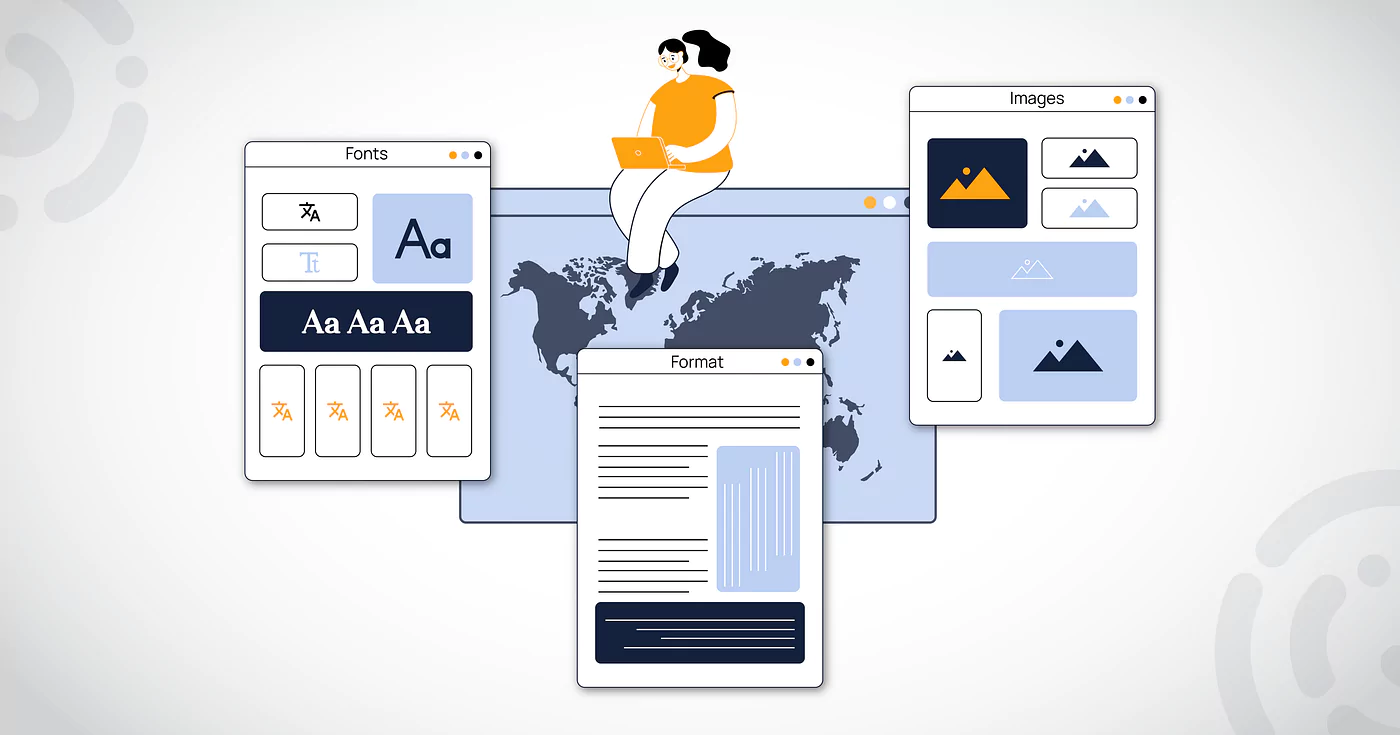
International brand expansion forces a critical decision: what parts of the brand identity must remain identical across borders, and what elements should adapt to local market realities?
Over-localisation erodes authority. If your firm changes its visual identity, tone of voice, and underlying ethos for every country it enters, you are not expanding a brand—you are funding an expensive collection of fragmented regional agencies.
Brand Component | Global Standardisation Level | Local Adaptation Allowance | Strategic Rationale |
|---|---|---|---|
Core Value Proposition | Non-negotiable (100% Locked) | Zero adaptation allowed | Preserves core category positioning across all operating territories. |
Visual Identity & Logo | Non-negotiable (100% Locked) | Zero adaptation allowed | Ensures instant brand recognition during cross-border M&A or international pitches. |
Proof Points & Data | High (80% Locked) | 20% local case studies allowed | Combines global operational scale with regional market relevance. |
Sales Collateral & Assets | Medium (50% Standardised) | 50% translated/adapted | Accommodates local language expectations and buyer contract norms. |
Pricing Structure | Flexible (30% Standardised) | 70% locally benchmarked | Reflects regional purchasing power, tax structures, and currency expectations. |
To maintain a cohesive market position, ensure your underlying B2B value proposition remains consistent while permitting localised sales collateral to address regional buyer expectations.
What to Do
Establish strict brand governance guidelines. Lock the core visual assets, brand voice, and primary market positioning. Permit local adaptation only for language translation, regional regulatory disclosures, and local pricing benchmarks.
How to Know It Is Done Right
A prospect reviewing your firm's presentation in Milan sees the same core value proposition, aesthetic precision, and authority signals as a client reviewing your material in London.
The Specific Failure Mode
Allowing local country managers to tweak logos, alter brand colours, or rewrite core value propositions creates brand fragmentation that destroys enterprise value.
Stage 3: Validate Commercial Category Fit
Before committing to long-term real estate leases, localised PR campaigns, or large-scale recruiting, the firm must prove commercial category fit in the target territory.
According to data from the House of Commons Library, UK services exports to the EU were 19% above their 2019 level in real terms in 2024.
While overall trade conditions have shifted post-Brexit, UK service firms that establish a clear technical category fit continue to capture significant market share in Europe.
Category Fit Validation Framework
1. Targeted Outreach
→
2. 3 Reference Accounts
→
3. Margin Verification
→
4. Capital Commitment
What to Do
Execute a targeted commercial validation sprint. Secure three paying reference clients in your initial target market using your wedge positioning before opening physical offices or running broad brand awareness campaigns.
How to Know It Is Done Right
You secure business at or above your domestic UK fee rates, proving that European clients are buying your specialised expertise rather than discounting your offer as a low-cost offshore alternative.
The Specific Failure Mode
Mistaking trade show enquiries or website traffic for commercial validation. The only valid indicator of category fit is a signed contract at your target fee margin.
Category fit in international expansion is not measured by brand awareness surveys or social media engagement. It is measured by whether a European Managing Director will sign a contract at your standard fee rate without demanding local partner presence on day one.”
Stage 4: Deploy the Go-to-Market Narrative
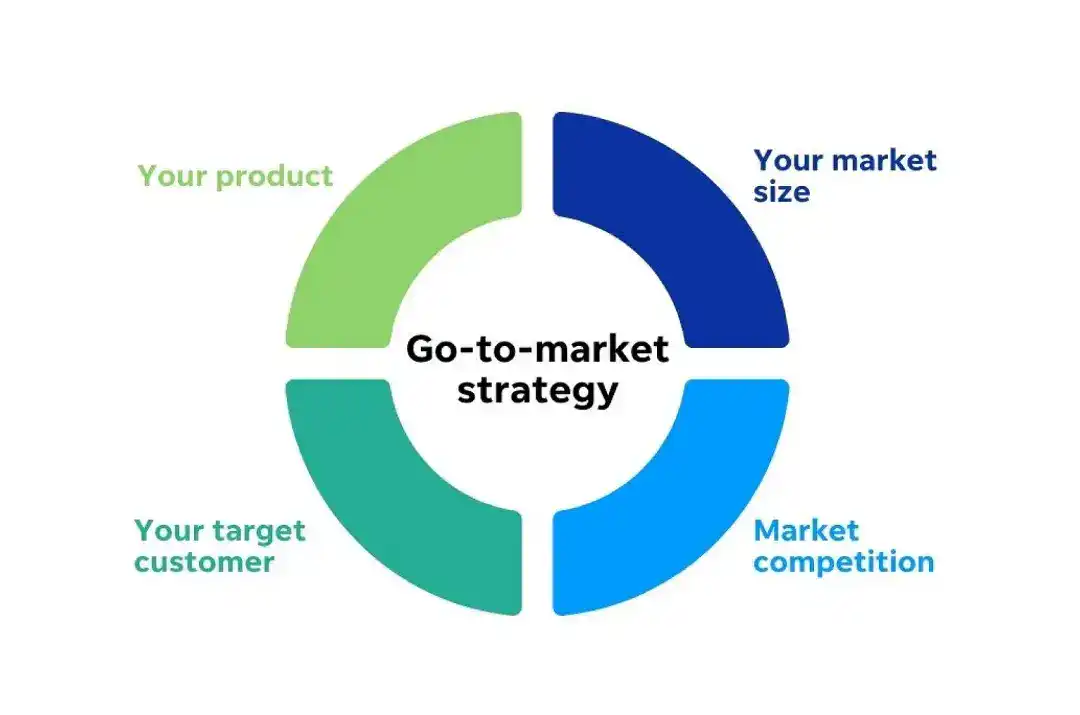
Once category fit is validated, the final stage is deploying a structured, repeatable go-to-market narrative across target channels.
UK professional services firms must frame their UK heritage strategically. Trying to hide your UK origins creates awkward transparency gaps during procurement reviews.
Conversely, leaning heavily on British cultural tropes comes across as outdated and irrelevant to European business leaders.
Position your UK headquarters as an asset—a centre of technical excellence, regulatory rigour, and global capital connectivity.
Aligning this narrative with a structured series A brand strategy approach allows expanding firms to signal institutional stability to European corporate buyers.
What to Do
Develop a central brand narrative that frames your entry as a response to specific demands in the continental market. Integrate your core methodology into a high-authority publication or research asset to demonstrate a deep understanding of European market dynamics.
Go-to-Market Narrative Alignment:
[UK Center of Excellence] + [European Regulatory Insight] ➔ [Defensible Market Authority]
To support this narrative architecture, ensure your overarching brand narrative explicitly articulates why your firm's specific history makes it uniquely qualified to solve the target problem in Europe.
How to Know It Is Done Right
Inbound proposals from continental prospects reference your specialised framework, treating your firm as an authority in the sector rather than an unknown foreign vendor.
The Specific Failure Mode
Relying on generic corporate boilerplate copy translated verbatim into local languages signals indifference to European market realities.
When to Adapt vs When to Hold
Knowing when to adjust your commercial offer and when to hold your positioning firm requires experienced strategic judgement. Inexperienced leaders usually adapt the wrong elements.
They hold onto flexible administrative preferences while compromising their core strategic positioning at the first sign of buyer resistance.
When entering continental markets, domestic clients often ask: “Do you have an office in our city?” or “Can you lower your rates to match domestic providers?”
The weak response is to instantly concede—promising a local presence you cannot afford or discounting fees —which signals low-value positioning.
The expert response is holding your strategic position firm:
“We maintain our central delivery hub in the UK specifically to consolidate our specialist talent pool and maintain technical quality. We do not maintain redundant regional overheads, which allows us to deploy top-tier senior specialists directly to your project team from day one.”
Hold your positioning, fee structure, and strategic value firm. Adapt your language accessibility, meeting hours, and commercial contracting practices to align with local expectations.
Scaling a 120-Person Advisory Firm into Benelux
To understand how wedge positioning works during international brand expansion, consider a 120-person UK supply chain advisory firm planning to expand into the Benelux region.
Traditional Approach High Risk
1. Broad Service Pitch
2. Translate Full Website
3. Open Local Office Prematurely
4. Compete on Price with Incumbents
Outcome: Margin Compression & Exit
Wedge Positioning Approach High Conversion
1. Target Single High-Pain Problem
2. Launch Focused Authority Asset
3. Secure 3 Anchor Reference Clients
4. Expand Service Portfolio to Clients
Outcome: Sustainable Market Share
The Initial Situation
The firm generated £14 million in annual revenue, offering end-to-end supply chain optimisation, procurement advisory, and logistics technology integration across the UK. The Managing Director wanted to capture growing demand in Europe's primary logistics hubs—Rotterdam and Antwerp.
The Flawed First Attempt
The internal marketing team proposed translating the main company website into Dutch and French, running Google Ads targeting “supply chain consultancy Netherlands”, and hiring a local business development director in Amsterdam.
Initial outreach failed. Domestic Dutch supply chain consultancies already dominated general advisory rankings, and local buyers saw no reason to engage an unknown British firm with no local office footprint.
The Strategic Shift
Inkbot Design audited the firm's brand equity and restructured the European entry strategy around a market-fit wedge: Cross-Border Cold-Chain ESG Compliance Audits.
Instead of selling broad supply chain services, the firm focused entirely on helping Dutch and Belgian cold-storage operators comply with upcoming European sustainability reporting mandates affecting trade with non-EU markets.
Benelux Expansion Performance
Generic Pitch Campaign
0 Wins
14 Pitches | £65,000 Spend
Wedge Positioning Campaign
3 Wins
5 Pitches | £110,000 Avg Contract Value
The Result
By narrowing its entry focus, the firm landed three major cold-storage operators in Rotterdam within four months.
Once established with paying clients, the firm leveraged those reference accounts to introduce its broader supply chain optimisation services, building a sustainable Benelux practice without discounting fees or compromising core equity.
Regional firms operating in Northern Ireland seeking to fund strategic expansion studies can often leverage an Invest NI grant to offset preliminary market analysis costs before deploying capital abroad.
UK-to-EU Trade Realities
International brand expansion strategies must account for current macroeconomic trade conditions between the UK and continental Europe.
- Trade Volume Stability: According to official UK government trade statistics, the EU still accounted for 47.2% of UK goods exports in 2025. Europe remains the primary external trading market for UK businesses.
- Services Growth vs Goods Friction: Data from the House of Commons Library highlights that while UK goods exports to the EU were 18% below their 2019 levels in 2024 due to non-tariff barriers, UK services exports were 19% above 2019 levels over the same period. Knowledge-based services face lower physical border friction.
- Targeted Entry Selection: A 2025 trade report noted that the number of UK businesses exporting solely to the EU fell 19% in 2024. This reflects a broader strategic pivot: UK businesses are moving away from broad, untargeted European distribution in favour of highly selective, high-margin market entry points.
- Ongoing Trade Adjustments: Reporting from HKTDC in early 2026 highlighted that UK business groups, including the British Chamber of Commerce, have put forward 25 specific recommendations to streamline cross-border service delivery and reduce administrative friction between the UK and EU markets.
The Verdict
International brand expansion across continental Europe is not a translation project or a local compliance exercise. It is a strategic test of brand positioning discipline.
Firms that attempt to export their entire domestic brand identity across multiple European markets simultaneously dilute their value proposition, confuse prospects, and waste expansion capital competing against entrenched local incumbents.
Firms that win select a sharp, problem-centric market entry wedge.
They lock their core brand equity, validate category fit with paying clients in one territory, and build sustainable European market share from a position of undisputed technical authority.
The Immediate Action Step
Audit your current brand architecture before committing capital to European expansion.
Identify the single, most defensible problem your firm solves better than domestic European competitors, and build your entry campaign around that single capability.
To identify where your current positioning is losing commercial ground before expanding internationally, request a free Brand Equity Audit™ from Inkbot Design.
This structured diagnostic evaluates your brand positioning, market authority, and readiness for growth.
Frequently asked questions
What is international brand expansion for professional services firms?
International brand expansion is the strategic process of scaling a company's market positioning, authority, and commercial delivery into overseas markets. For professional services firms, it requires establishing a targeted problem-solving wedge in a foreign territory rather than simply translating domestic marketing materials.
How does wedge positioning work during EU brand expansion?
Wedge positioning focuses a firm's initial market entry on one specific, high-value problem that local competitors fail to address adequately. Once the firm establishes credibility and reference clients through this entry point, it introduces its broader service portfolio to the market.
Should a UK firm translate its website into local languages when entering the EU?
No, not initially for B2B professional services. Translating an entire website without a clear strategy dilutes core brand equity. Firms should create dedicated, high-authority landing assets for their specific market-entry wedge in the target country's primary business language before translating full corporate sites.
What is the biggest reason UK-to-EU brand expansions fail?
The primary cause of failure is brand dilution. UK firms often attempt to export their full domestic reputation into markets where they have zero brand equity, thereby presenting a broad service offering that makes them appear expensive generalists compared to local competitors.
How much of a brand identity should be adapted for European markets?
Core brand equity—including visual identity, primary values, and core positioning—should remain 100% standardized. Local adaptation should be restricted to sales collateral translation, regional pricing benchmarks, and territory-specific regulatory compliance details.
Are UK services exports to the EU increasing or decreasing post-Brexit?
UK services exports to the EU have grown significantly. According to data from the House of Commons Library, UK services exports to the EU were 19% above their 2019 levels in real terms in 2024, despite increased friction in physical goods trade.
Is it necessary to open a physical office in Europe to expand a service brand?
No — physical office footprint is no longer a prerequisite for initial European market entry. B2B clients prioritise technical authority and specialised problem-solving capability over local real estate presence, provided delivery communication is clear and accessible.
How long does it take to validate category fit in a new European country?
Category fit can typically be validated within four to six months using a focused wedge outreach strategy. Securing two to three paying reference clients at standard fee rates provides definitive commercial validation before scaling spend.
What role does brand architecture play in cross-border M&A?
Structured brand architecture ensures that acquired regional entities or foreign subsidiaries align with the parent firm's primary market positioning, preventing brand fragmentation and preserving enterprise valuation during cross-border acquisitions.
When should a UK firm seek grant support for international brand planning?
Firms based in Northern Ireland should explore support mechanisms, such as an Invest NI grant, during the initial strategic planning phase to help offset the costs of market research, positioning audits, and preliminary cross-border feasibility studies.