Brand Dilution: Avoid Mistakes & Protect Your Brand Equity
Most brand dilution advice tells you to stay consistent and stop doing too much. That misses the real cause. Dilution happens when a firm extends into work it cannot support with the same quality, control, or meaning. This guide explains the mechanism — and what disciplined professional services firms should do instead.
 By Stuart Crawford
 Reviewed by Tabitha Ayers
Updated 8 min read
On this page8 min left
Brand Dilution: Why Careful Firms Still Get It Wrong
You did everything the guidance told you to. One logo, one set of guidelines, a tone-of-voice document nobody reads but everybody nods at.
Then you added a corporate finance arm, acquired a smaller practice in Manchester, and started chasing work two tiers above your delivery capability – and somewhere in that growth, the brand stopped meaning what it used to.
Nobody broke a rule. The dilution happened anyway.
That is the problem with the standard account of brand dilution. It treats the disease as inconsistent and prescribes discipline as the cure.
But the most disciplined firms constantly dilute their brands because the real cause lies upstream of anything a style guide can govern.
This is a question of brand protection at the strategic level, not visual policing.
What Brand Dilution Actually Is
Brand dilution is the erosion of a brand's meaning and commercial value, and it is caused less by doing too much than by extending the brand into work that the organisation cannot deliver with the same quality, control, or meaning. The logo is rarely the problem. The promise is.
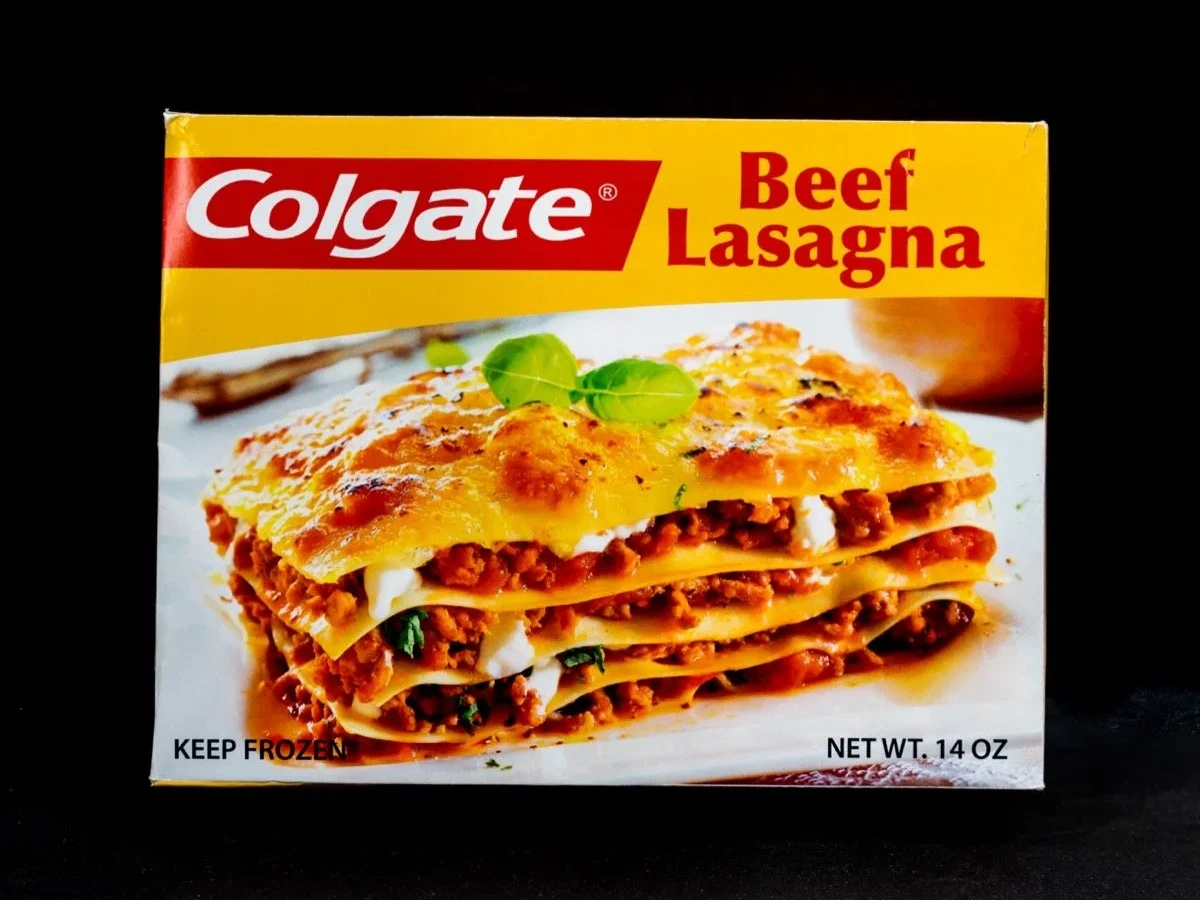
- Dilution shows up as a weaker fee premium, softer referrals, and prospects who no longer know precisely what you are for.
- It is a strategic mismatch between commercial ambition, operating model, and brand architecture – not a messaging failure.
- A firm can hold its visual identity perfectly consistent and still dilute its brand to nothing.
Brand dilution is the loss of a brand's meaning and commercial value, caused less by doing too much than by extending into work that a firm cannot deliver to the same standard.
The Case for Consistency – Stated at Its Strongest
The consistency argument is not wrong, and intelligent people hold it for good reasons.
A brand is a memory structure.
Every time a firm presents itself differently – different message in the pitch, different quality in delivery, different visual signature across offices – it splits that memory into weaker, competing fragments.
The buyer's mental shortcut degrades. Recognition costs rise.
The 2006 Journal of Marketing study on brand dilution found that extensions in dissimilar categories or on dissimilar attributes genuinely threaten the associations a parent brand depends on.
Inconsistency has a real mechanism behind it. When three partners describe the firm three different ways in the same pitch, the prospect notices the seam before anyone inside the firm does.
The advice to protect consistency is sound as far as it goes. The trouble is where it stops.
The Turn: Consistency Isn't the Variable That Breaks
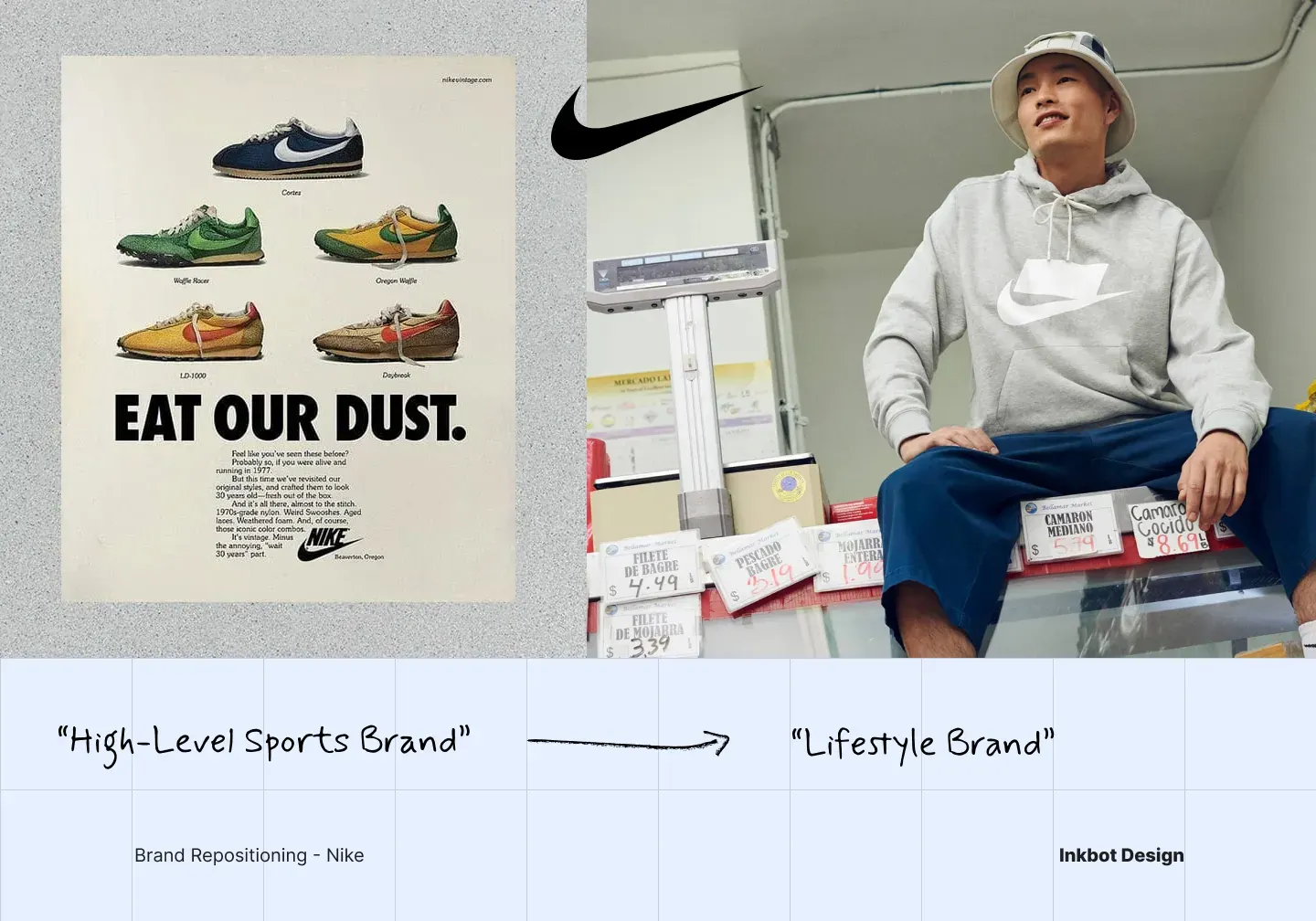
Here is what the consistency account cannot explain: firms with immaculate brand discipline dilute their brands all the time, and firms with scruffy guidelines sometimes don't.
Consistency is not the load-bearing variable. Delivery capacity is.
A 2023 theoretical paper in Management Science challenges the common view that dilution is merely the unintended result of a poorly executed extension.
It argues that dilution risk is a function of the strategic structure of the brand portfolio itself – not simply whether a given product move was “similar” or “unrelated.”
Dilution can be built into the architecture before a single asset goes off-brand.
That reframes the whole problem for a professional services firm. Your brand is a promise about the quality and judgment a client receives.
When you extend into a service line, your people cannot deliver at that standard – a boutique tax practice suddenly pitching full-scope corporate advisory, a design-led firm acquiring a team whose work is merely competent – you have not broken a guideline. You have broken the promise.
The visual identity stays pristine while the meaning drains out through delivery.
“Brand dilution in professional services is not what the market sees. It is the gap between what the brand promises and what the firm can actually deliver at the moment of extension. Close that gap, and the logo takes care of itself. Ignore it, and no amount of consistency will save you.”
What This Means for a Firm Mid-Rebrand
If dilution is a capacity problem, then the rebrand decisions that matter are not visual – they are about what work you keep, drop, and refuse.
A rebrand ahead of a growth phase or acquisition is precisely the moment this is decided, and most firms spend the budget on the wrong layer.
The cost of getting it wrong is not abstract.
A diluted brand loses its fee premium first, because a clear position reduces a buyer's perceived risk and therefore justifies a higher price – blur the position and the premium evaporates before the enquiries do.
Referrals soften next, because clients cannot confidently describe a firm that no longer stands for one thing. By the time it shows in the pipeline, the erosion is a year old.
The Default Approach | What It Costs | The Better Approach | Why |
|---|---|---|---|
Tighten brand guidelines | Polices symptoms, ignore the cause | Audit delivery capacity per service line | Dilution lives in delivery, not design |
Add service lines to signal growth | Extends beyond what you can deliver well | Extend only where quality is protected | Meaning survives; premium holds |
Absorb acquired teams under one brand fast | Imports a different quality standard | Integrate quality before identity | Buyers feel standard, not logo |
Chase work two tiers up | Delivers competently, not distinctively | Win where you are genuinely best | Distinctiveness is the asset |
Treat rebrand as a visual refresh | Repairs a structural problem | Fix architecture, then identity | Design cannot rescue strategy |
The Objection: “Surely Doing Less Just Means Growing Slower”
The sharpest counter a growth-minded MD will raise: if I only extend where I can already deliver perfectly, I never grow.
Fair.
But that is not the claim.
The claim is that you extend at the rate you can build matching delivery capacity – not the rate your ambition would prefer.
There is also reassurance in the evidence here.
MIT Sloan Management Review summarised research showing parent brands are often more resilient to failed extensions than managers fear.
Firms routinely over-insure against dilution and under-invest in the delivery build-out that would make extension safe. The answer is not timidity. It is sequencing: capacity first, extension second, identity last.
The Reframe, Paid Off
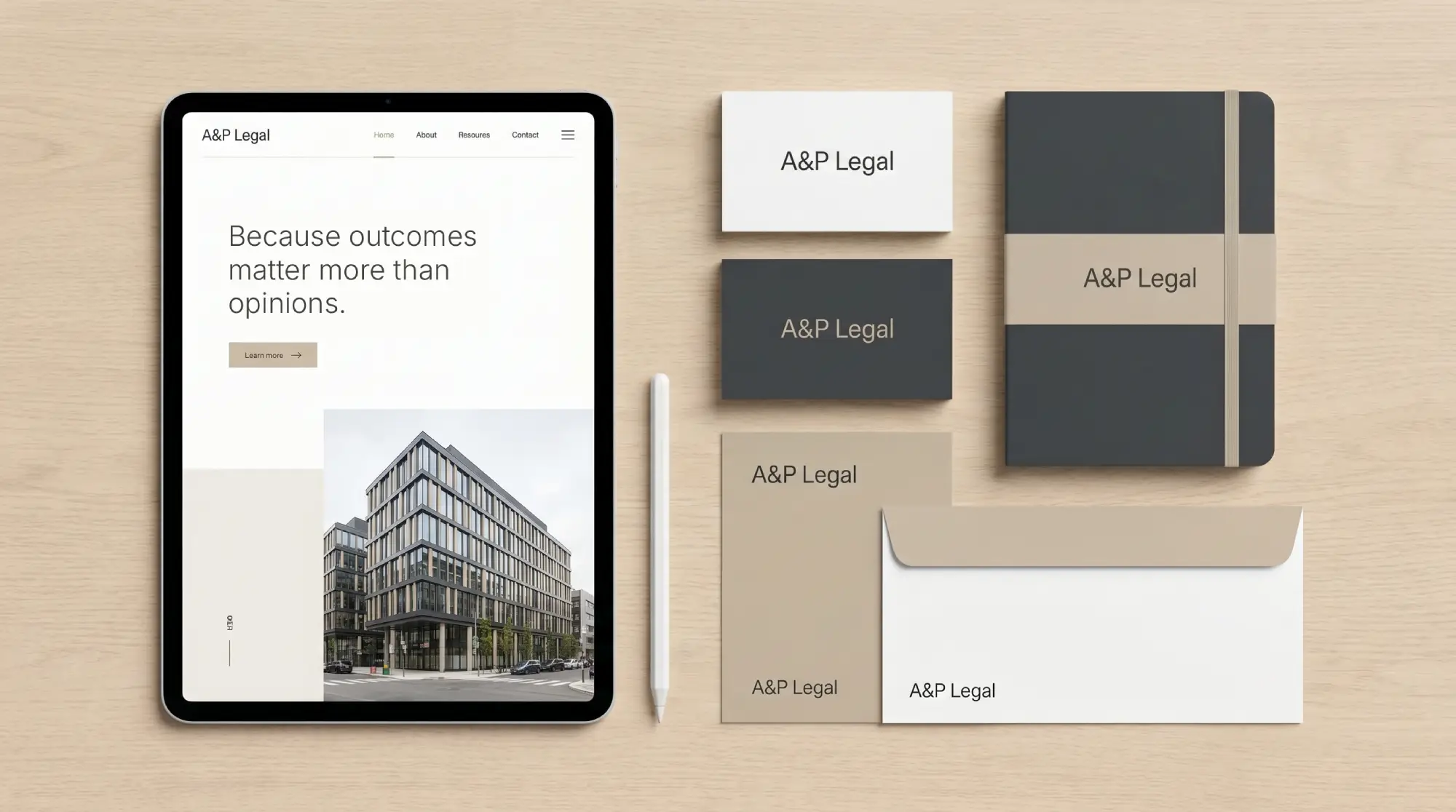
Brand dilution is not primarily caused by doing too much. It is caused by extending the brand into work that the organisation cannot support with the same quality, control, or meaning.
Every competitor page will tell you to stay consistent. Consistency is hygiene. It is not the cause, and it is not the cure.
The prevailing view survives because inconsistency is visible and capacity gaps are not – you can see a wrong logo across a wall, you cannot see a delivery standard quietly slipping in a newly acquired team.
The 2006 Journal of Marketing work noted there was neither a clear standard for legal proof of dilution nor a widely accepted managerial measure for it.
That absence is why firms default to policing the one thing they can measure: visual consistency. It is the streetlight, not the answer.
The firms that protect brand equity through a growth phase are the ones that treat every extension as a delivery question first and a design question last.
The Verdict
Careful firms dilute their brands because they are watching the wrong instrument.
They audit the logo, enforce the guidelines, and never ask the one question that actually governs dilution: can we deliver this new work to the standard the brand promises?
The Management Science portfolio-structure argument, the Journal of Marketing attribute-threat findings, and MIT Sloan's resilience research all point the same way – dilution is decided in the operating model long before it shows in the market.
For a firm heading into a rebrand ahead of growth or acquisition, this changes where the money goes.
Not into another visual refresh that repaints a structural problem, but into the harder decisions about what work to keep, what to refuse, and how fast you can build capacity to match your ambition.
A brand does not dilute because it does too much. It dilutes because it promises more than it can yet deliver.
Start with the promise. Before you approve a single new service line or absorb a single acquired team, ask whether you can deliver it to the standard the brand already claims to uphold.
A free Brand Equity Audit™ identifies exactly where your brand is losing commercial ground – and what to do about it – before dilution reaches your pipeline.
Frequently asked questions
What is brand dilution?
Brand dilution is the erosion of a brand's meaning and commercial value. In professional services, it typically shows as a weaker fee premium and softer referrals, caused when a firm extends into work it cannot deliver to the standard its brand promises.
Why do careful firms still dilute their brands?
Because discipline governs visual consistency, not delivery capacity, a firm can hold its identity perfectly consistent while extending into service lines or acquired teams; it cannot deliver to the same standard, which is where dilution actually originates.
Is inconsistency the main cause of brand dilution?
No – inconsistency is a real but secondary cause. The 2023 Management Science paper argues that dilution stems from the strategic structure of the brand portfolio itself, meaning a firm can be perfectly consistent and still dilute through overextension beyond its delivery capacity.
How do acquisitions cause brand dilution?
Acquisitions import a different quality standard. When a firm absorbs a team whose work is merely competent under a brand that promises distinction, buyers notice a drop in standards even when the visual identity remains unified. Integrate quality before identity.
What's the difference between brand dilution and rebranding?
Rebranding is a deliberate change to identity or positioning. Brand dilution is an unintended erosion of meaning and value. A rebrand can cause dilution if it paints over a structural problem rather than fixing the underlying delivery mismatch.
When should a firm worry about diluting its brand?
When ambition outruns delivery capacity – typically during a growth phase, acquisition, or repositioning, these are the moments a firm decides what work to keep, drop, and refuse, and where dilution is either created or avoided.
Does adding service lines always dilute a brand?
No extension dilutes only where the firm cannot deliver the new work to the standard its brand promises. Research from MIT Sloan Management Review suggests parent brands are more resilient than managers fear; the risk lies in capacity, not in activity volume.
How do you measure brand dilution?
There is no universally accepted managerial measure. The 2006 Journal of Marketing study noted that neither a clear legal standard nor an agreed managerial one existed. Practical signals include a declining fee premium, fewer referrals, and prospects who cannot describe what the firm stands for.
Can strong brand guidelines prevent dilution?
No – guidelines govern how the brand looks, not whether the firm can deliver on its promise. They prevent visual inconsistency but not the strategic mismatch between ambition and operating model that causes most dilution in professional services.
How does brand dilution affect fees?
A clear position reduces a buyer's perceived risk, which justifies a premium. Dilution blurs the position, raising perceived risk and eroding the premium. The fee premium usually softens before enquiry volume does, making it an early warning sign.
Is brand dilution reversible?
Yes – but recovery starts with the delivery gap, not the design. A firm must decide what work to refuse, rebuild capacity where it is overextended, and, only then, realign its identity. Repainting the brand without fixing the operating model repeats the original error.
Why does dilution stay hidden for so long?
Because capacity gaps are invisible, where inconsistency is not. A wrong logo is obvious across a wall; a delivery standard slipping inside a new team is not. Firms police what they can see and miss the cause they cannot.