ICAEW Marketing Rules: The Proof Standard for Accountancy Firm Claims
ICAEW marketing rules require accountancy firms to promote themselves legally, honestly, clearly and without unsubstantiated claims. Treated properly, those requirements become a proof standard: every claim must be specific, evidenced and relevant to the clients a firm wants to win.



On this page9 min left
- What do the ICAEW marketing rules require from accountancy firms?
- How should accountancy practices vet marketing claims before publication?
- What marketing practices are strictly prohibited by the ICAEW?
- How can accountancy firms replace generic superlatives with compliant proof?
- What do ICAEW regulations require for firm websites, cookies, and privacy?
- Can accountancy firms use client testimonials, publish fees, and conduct cold outreach?
- Who is legally liable when an external marketing agency promotes your firm?
- Why does the ICAEW proof standard create a strategic positioning advantage?
- The Commercial Verdict: Turn Compliance into Market Distinction
- Questions people ask
An accountancy practice that can substantiate what it does, for whom, and with what measurable result has far more marketing freedom than a competitor relying on unsubstantiated assertions like "market-leading", "award-winning", or "trusted by businesses nationwide".
This matters commercially as well as ethically.
The Advertising Standards Authority (ASA), the UK advertising regulator, resolved more than 40,000 complaints about 25,397 advertisements in 2025 and amended or removed 22,383 advertisements as a result of its work; it also scanned nearly 60 million online advertisements through its Active Ad Monitoring system.
Around 70% of ASA complaints each year are considered under the misleading advertising rules.
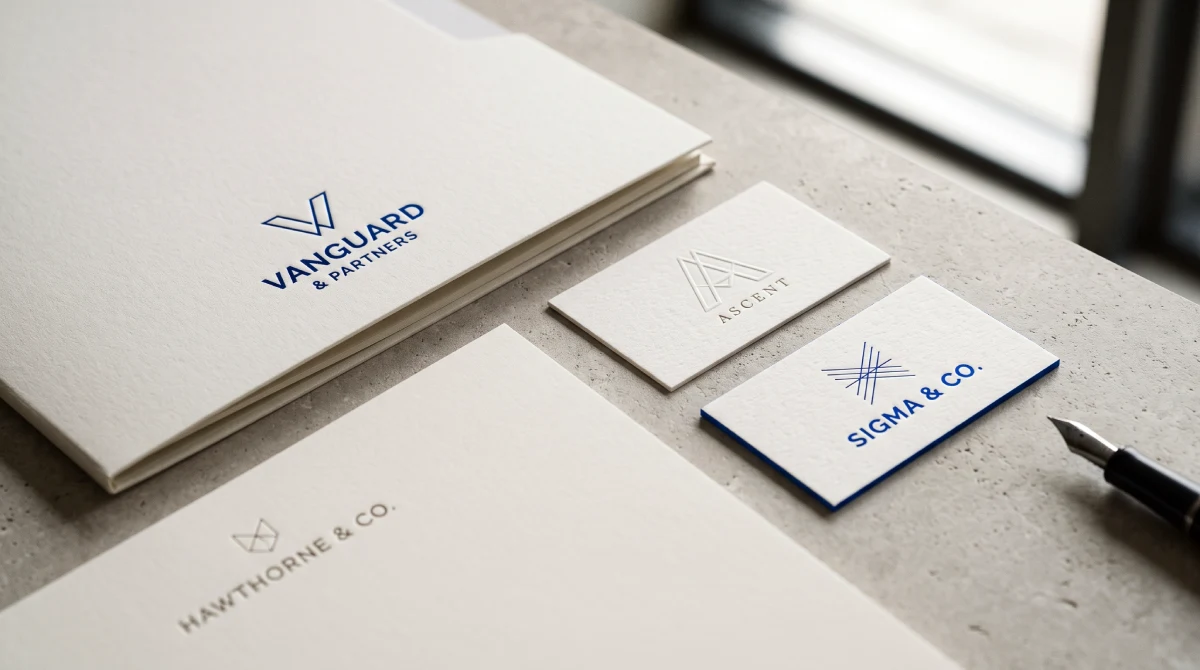
For firms competing on capability, the issue is rarely a lack of technical skill. It is the gap between what the firm can do and what its marketing can prove. That is where deliberate accountancy firm branding earns its place: it turns capability into a credible, specific market position.
What do the ICAEW marketing rules require from accountancy firms?

ICAEW marketing rules require that all promotional material, advertising, and public communications issued by member firms be legal, decent, honest, truthful, clear, and fully compliant with Section 115 (Professional Behaviour) of the ICAEW Code of Ethics.
Guidance issued by the ICAEW Technical Advisory Service (TAS) and the UK Committee of Advertising Practice (CAP) translates these principles into four mandatory operational tests:
- Legal: All promotional activity must comply with UK law, including the Consumer Protection from Unfair Trading Regulations 2008, the Business Protection from Misleading Marketing Regulations 2008, UK GDPR, and PECR.
- Honest and truthful: Every objective factual assertion, credential, or performance metric must be substantiated with documentary evidence held on file before publication.
- Clear: The target audience must immediately comprehend the scope of the service, the pricing basis, and all qualifying conditions or limitations without ambiguous small print.
- Dignified: Tone, imagery, and messaging must uphold the standing of the accountancy profession and avoid sensationalism, aggressive solicitation, and disreputable claims.
Critically, the "dignity of the profession" standard is not a mandate for corporate blandness. It does not prevent an accountancy firm from expressing strong commercial opinions, adopting an authoritative verbal identity, or specialising aggressively. Rather, it prohibits unsubstantiated superiority, misleading comparisons, and promotional hype.
How should accountancy practices vet marketing claims before publication?
Treat every marketing claim as a claim that must survive evidence, not merely avoid obvious falsehood. The practical test is simple: could the firm show the source, record, or calculation behind the statement if a prospect, the ASA, or the ICAEW asked?
Use this five-question approval test before publishing any advertisement, webpage, brochure, LinkedIn post, or pitch document.
Question | Pass condition | Common failure |
|---|---|---|
What exactly are we claiming? | The claim is specific enough to be tested. | “We deliver exceptional service.” |
What evidence supports it? | A named source, record, methodology or verifiable fact exists. | No evidence beyond internal belief. |
Could a reasonable reader be misled? | The claim’s scope, period and exclusions are clear. | “Save thousands” without conditions. |
Does it disparage anyone? | The copy focuses on the firm’s own service, not competitors’ weaknesses. | “Unlike typical high-street accountants…” |
Does it reflect the profession’s dignity? | The tone is confident without being sensational or exploitative. | Fear-based tax scaremongering. |
Take a hypothetical five-partner firm considering the claim: “We help owner-managed businesses reduce tax risk.” The statement is probably lawful, but it is commercially weak because it could be made by almost any practice.
A stronger version would be: “We provide owner-managed businesses with documented R&D tax-relief eligibility reviews, supported by a defined internal review process.”
That version is still not automatically compliant; the firm must be able to substantiate the process, the client type and any result claimed.
The difference is not decoration. It is proof.
“A compliant claim can still be commercially useless. The ICAEW rules do not merely restrict what an accountancy firm may say; they expose whether the firm knows precisely what it does, for whom, and why it is credible.”
What marketing practices are strictly prohibited by the ICAEW?
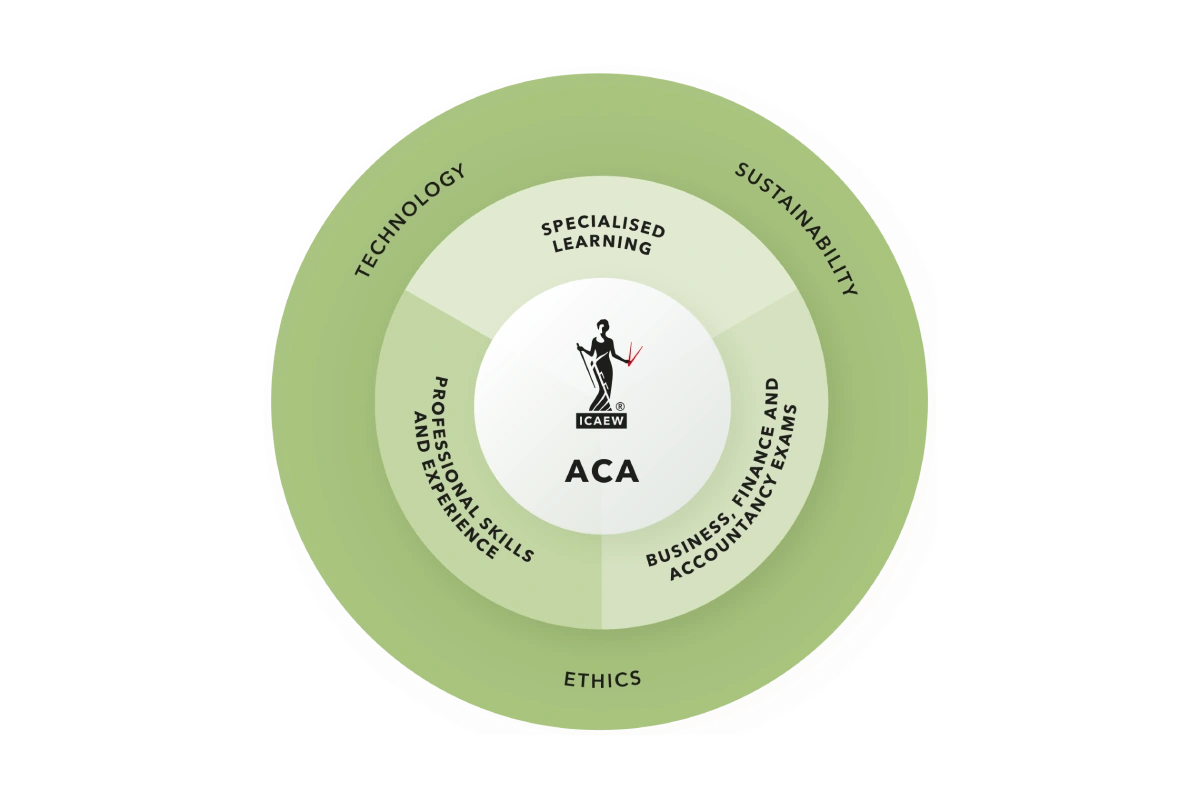
ICAEW regulatory guidance explicitly prohibits three marketing practices: disparaging competing accountancy practices, making unsubstantiated claims or comparisons, and conducting outreach that amounts to harassment.
- Disparagement and competitor criticism: Accountancy firms must not discredit or criticise other practices, even if the underlying criticism is factually accurate. Comparing your service favourably by attacking another firm’s fees, technical speed, or audit quality violates ethical standards. Promotional copy must focus exclusively on your firm's own standards and evidenced outcomes.
- Unsubstantiated claims of superiority: Assertions concerning firm size, regional dominance, technical qualifications, or pricing value cannot be published without verifiable documentation. Claims such as "the region's leading tax team", "fastest-growing independent practice", or "best-value audit services" require auditable external proof held on file before launch.
- Aggressive promotion and harassment: Marketing outreach must cease immediately when a prospect indicates they are not interested—high-pressure sales tactics, repetitive unsolicited visits, and continuous automated outreach breach professional conduct rules.
The conduct risk is real, although ICAEW’s published complaint figures should not be presented as marketing-complaint figures.
ICAEW’s Regulation and Conduct Annual Report 2025 records 1,235 new complaints received by its Conduct Department and work completed on 1,314 cases; in 2025, 8 members were excluded, 67 members and firms received severe reprimands, 39 received reprimands, and 7 cautions were issued.
How can accountancy firms replace generic superlatives with compliant proof?
The most commercially effective accountancy marketing is specific, evidenced, and addressed to a defined commercial client.
Generic promotional language creates twin hazards: it attracts ASA regulatory scrutiny and renders the practice indistinguishable from local competitors.
The table below illustrates how common, high-risk marketing superlatives should be converted into compliant, high-converting statements of capability:
Default Unsubstantiated Claim | Regulatory & Commercial Risk | Evidenced, Compliant Replacement | Strategic Advantage |
|---|---|---|---|
"Award-winning Chartered Accountants" | Requires immediate proof of the awarding body, category, and date under CAP Code rules. | "Winner: Medium Firm of the Year, British Accountancy Awards 2024" | Provides auditable, third-party validation that prospects can verify independently. |
"Leading UK tax specialists" | Broad, unevidenced superiority claim subject to regulatory challenge. | "Advising UK owner-managed manufacturing groups on corporation tax and capital allowances" | Clarifies exact sector focus and client qualification criteria immediately. |
"Save thousands on your tax bill" | Implies guaranteed financial outcomes without stating statutory criteria or exclusions. | "We evaluate statutory relief eligibility before preparing documented HMRC submissions" | Demonstrates rigorous technical governance rather than speculative promises. |
"The region’s premier accountancy practice" | Unsubstantiated comparative claim that invites competitor complaints to the ICAEW. | "An eight-partner practice advising mid-market businesses across Yorkshire since 1994" | Replaces subjective boasting with verified, verifiable corporate scale. |
"Trusted by hundreds of happy clients" | Vague, unverifiable metric that fails to build commercial credibility. | "Retained by 140+ active professional-services firms across the UK as at October 2026" | Delivers precise, auditable proof that signals sector leadership. |
The ICAEW marketing guidelines do not penalise business ambition; they require practices to distinguish clearly between an aspiration and an empirical claim.
The statement "We aim to be the advisory firm of choice for South East tech scale-ups" expresses a commercial objective.
Stating "We are the premier tech accountants in London" is an empirical claim that requires prior documentary evidence.
What do ICAEW regulations require for firm websites, cookies, and privacy?
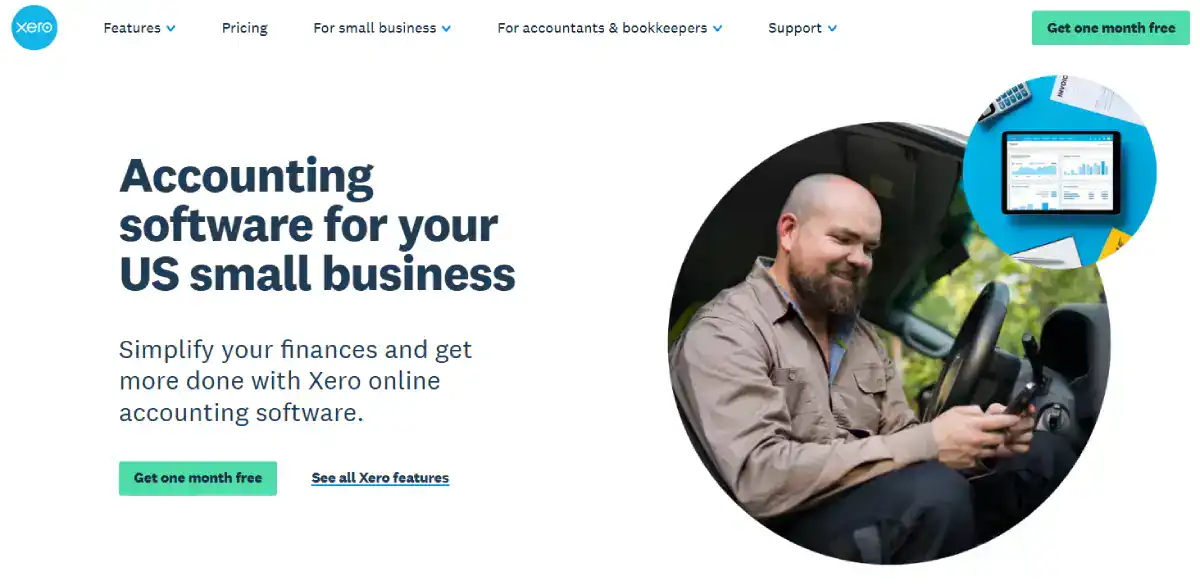
Under ICAEW rules and UK law, a firm’s website is considered promotional material. It must accurately reflect practice structure, comply with the Companies Act 2006 disclosure rules, avoid trademark infringement, and adhere strictly to UK GDPR and PECR standards.
A frequent area of scrutiny by ICAEW Practice Assurance involves sole practitioners misrepresenting their scale. Sole practitioners must not use misleading firm names or plural framing—such as describing a solo practice as "our team of senior partners"—which misleads prospective clients regarding the practice's actual resources.
Furthermore, technical compliance with the Privacy and Electronic Communications Regulations (PECR) is non-negotiable. Analytics tools (such as Google Analytics 4) and marketing trackers are legally non-essential. They must not fire on page load until the visitor executes an unambiguous, affirmative opt-in; declining cookies must be as effortless as accepting them (ICO Direct Marketing Guidance).
Mandatory Website Compliance Checklist for UK Accountancy Practices
- Statutory Company Disclosures: Registered corporate name, company number, place of registration (England & Wales, Scotland, or Northern Ireland), and registered office address per the Companies Act 2006.
- Regulatory Supervision Notice: Clear identification of the firm's anti-money-laundering (AML) supervisory body (e.g. "Regulated by the ICAEW for a range of investment business activities").
- Professional Indemnity Insurance (PII): Contact details for the firm's PII underwriter and territorial coverage, accessible to clients and prospective clients in accordance with the Provision of Services Regulations 2009.
- Privacy Notice & Lawful Basis: An explicit statement detailing the lawful basis (consent or legitimate interest) under UK GDPR for processing form enquiries and newsletter lists.
- Prior-Consent Cookie Architecture: A consent management platform (CMP) that strictly blocks analytics and advertising pixels before active user confirmation.
- ICAEW Member Badge Display: Compliant use of the official ICAEW member firm logo in accordance with ICAEW brand identity guidelines (never altered or decoupled from required text).
Can accountancy firms use client testimonials, publish fees, and conduct cold outreach?
UK accountancy practices are permitted to publish client testimonials, display fee structures, and conduct outbound marketing, provided that each activity strictly adheres to client confidentiality rules, fee transparency standards, and statutory opt-out registers.
Firms must navigate three specific regulatory operational requirements:
- Client Testimonials & Confidentiality: Under Section 140 (Confidentiality) of the ICAEW Code of Ethics, client details cannot be disclosed without explicit, written permission. Testimonials must reflect genuine client experiences, include authentic attribution, and be substantiated by signed consent records retained in the firm's compliance file. Anonymised case studies must completely disguise identifying client characteristics.
- Fee Transparency & Quoting: Under ICAEW Technical Advisory guidance and Section 240 of the Code, any promotional reference to fees, fixed pricing, or hourly rates must state precisely what is included, what is excluded, and the period during which the fee remains valid. Headline fees like "Company formations from £99" violate regulations if essential filings, VAT registration, or director setup incur mandatory supplementary fees that are not disclosed upfront.
- Telemarketing & Postal Outreach (TPS / CTPS / MPS): Unsolicited live telemarketing calls to corporate prospects are unlawful if the receiving number is registered on the Corporate Telephone Preference Service (CTPS) or Telephone Preference Service (TPS), unless direct prior consent exists. Purchased B2B calling lists must be screened against the CTPS register at least every 28 days. Unsolicited addressed direct mail must be screened against the Mailing Preference Service (MPS).
Who is legally liable when an external marketing agency promotes your firm?
The accountancy firm and its designated principals remain solely and fully accountable for all marketing and promotional campaigns executed on their behalf by third-party marketing agencies, freelance copywriters, or lead-generation vendors.
ICAEW guidance is categorical: a practice cannot delegate regulatory liability. If an external agency runs misleading Google Ads, uses aggressive cold calling without CTPS screening, publishes unsubstantiated claims of superiority, or implements unlawful cookie trackers, the ICAEW Conduct Department and the ASA will sanction the accountancy firm, not the agency.
To eliminate compliance exposure, managing partners should enforce this mandatory five-point governance mandate before approving agency deliverables:
- Mandatory Claim Substantiation Register: The agency must provide an auditable register of evidence that cites the documentation, empirical sources, or data supporting every factual statement before publication.
- Signed Client Consent Documentation: Written client releases must be delivered for every testimonial, case study, client quote, or corporate logo deployed in campaigns.
- Data Screening Certification: For outbound campaigns, the agency must provide written verification that lists have been filtered against the TPS, CTPS, and MPS databases within the preceding 28 days.
- Technical Privacy Verification: Digital developers must provide demonstrable proof that tags, pixels, and tracking cookies are strictly disabled before user consent is obtained.
- Internal Compliance Sign-off: An accountable partner or compliance principal within the firm must conduct a final compliance review and approve all public copy before deployment.
Why does the ICAEW proof standard create a strategic positioning advantage?
The prevailing view is understandable: ICAEW marketing rules are restrictions, so the safe response is to remove risk. Do not exaggerate. Do not disparage. Do not make unsupported comparisons. Follow ASA, UK GDPR and PECR requirements.
That view is correct but incomplete. A firm can satisfy every restriction and still publish interchangeable marketing: “trusted advisers”, “proactive accountants”, “tailored solutions”, “helping businesses grow”. None of those phrases necessarily breaks a rule. None gives a prospective client a reason to choose the firm.
The better reading is that ICAEW marketing rules are a positioning discipline. They force a firm to answer questions it should be answering anyway: What do we actually do? For whom? With what evidence? Under what conditions? What result can we responsibly claim?
That is especially relevant in a cautious market. ICAEW’s Business Confidence Monitor found UK business confidence at -0.5 in Q3 2026, negative for a seventh consecutive quarter; 53% of the 1,000 Chartered Accountants surveyed cited labour costs and 47% cited regulation as challenges. In that environment, vague authority claims are less persuasive than demonstrable, relevant capability.
The Commercial Verdict: Turn Compliance into Market Distinction
ICAEW marketing rules should not serve as an excuse for generic, timid marketing. They should operate as an editorial filter that eliminates every claim your firm cannot substantiate, compelling your remaining message to become sharper, distinctive, and commercially compelling.
Audit one priority marketing asset this week: your homepage, a core sector service page, or your primary pitch deck. Compile an evidentiary ledger of every factual claim. For each statement, record the underlying documentation, client sector, valid time period, and accountable partner. Delete or rewrite anything that fails this basic standard.
If that forensic exercise leaves your practice with little distinctive to say, the issue is not the ICAEW Code of Ethics. The issue is brand positioning.
Benchmark Your Firm's Brand Perception and Evidentiary Proof
Inkbot Design provides the Brand Equity Audit™ - a free, comprehensive three-page forensic written diagnostic for UK professional-services firms. Delivered typically within two working days with no sales call and no obligation, it evaluates your practice's identity gaps, visual trust signals, messaging logic, and algorithm perception across AI search engines.
Questions people ask
What are the ICAEW marketing rules?
ICAEW marketing rules are statutory and ethical standards requiring accountancy firm advertising to be legal, decent, honest, truthful, clear, and dignified. Regulated under Section 115 of the ICAEW Code of Ethics and the UK CAP Code, the rules strictly prohibit unsubstantiated claims of superiority, misleading comparisons, disparagement of competitors, and aggressive outreach.
Can an ICAEW accountancy firm claim to be the "best" in its region?
No, an accountancy practice cannot claim to be the "best" or "leading" firm unless that statement is supported by verifiable, objective evidence. Vague superlatives violate ICAEW guidelines. A firm may publicise accolades only if they cite a specific named award, awarding body, award year, and category.
Are accountancy firms allowed to publish client testimonials?
Yes, UK accountancy firms can publish client testimonials, provided they have secured explicit, written client consent. Under Section 140 of the ICAEW Code of Ethics, client confidentiality must be maintained; testimonials must be genuine, accurately attributed, and backed by signed permissions retained on file.
Can UK accountancy practices make cold calls to prospective clients?
Firms are prohibited from making unsolicited live marketing calls to numbers registered on the Corporate Telephone Preference Service (CTPS) or Telephone Preference Service (TPS) without prior consent. Calling lists must be screened against preference registers every 28 days, and automated calling requires explicit affirmative opt-in under PECR.
Do ICAEW marketing guidelines apply to firm websites and social media?
Yes, an accountancy firm’s website, digital advertising, and partner social-media profiles constitute promotional material. Practice websites must accurately disclose corporate registration details, anti-money-laundering supervision, PII details, and GDPR privacy notices, while implementing cookie banners for analytics with prior consent.
Is an accountancy firm liable for its marketing agency's non-compliance?
Yes, the accountancy firm and its principals remain fully and non-delegably liable for any promotional activities conducted by external agencies. ICAEW regulations dictate that practices must oversee agency copy, ensure claim substantiation, and guarantee compliance with referral fee guidelines.
Do ICAEW marketing rules stop accountancy practices from building distinctive brands?
No, the regulations do not prevent distinctive branding; they penalise unsubstantiated hype and reward evidenced differentiation. Strong professional-services branding is achieved by articulating defined sector specialisms, verified methodologies, and substantiated client outcomes.