How to Build a Freelance Portfolio That Captivates Clients
Building a freelance portfolio from scratch can feel daunting, especially if you’re just starting.
But fear not – with the right approach, you can create a portfolio that showcases your skills, lands your dream clients, and kickstarts your freelance career.
In this in-depth guide, I’ll share my proven, step-by-step process for crafting a portfolio that gets results.
Whether you’re a seasoned pro or a total newbie, you’ll walk away with a clear action plan to make your freelance dreams a reality.
- Your portfolio is essential; it showcases your skills and determines whether clients will hire you.
- Define your niche and ideal client to tailor your portfolio for maximum impact.
- Select 6-12 high-quality projects that demonstrate your skills, ensuring relevance, quality, and impact.
- Continuously refine and expand your portfolio to reflect your latest work and maintain its engagement.
The Importance of a Killer Freelance Portfolio

Let’s start with a brutal truth: In the world of freelancing, your portfolio is everything. It’s the window into your skills, experience, and creativity – often the make-or-break factor determining whether a client will hire you or look elsewhere.
Think about it this way. As a freelancer, you’re selling your services to potential clients. And in a crowded marketplace filled with talented professionals, your portfolio is your chance to stand out and prove your worth.
A strong portfolio shows that you have the chops to deliver exceptional work. It demonstrates your design aesthetic, technical abilities, problem-solving skills, and creative flair. And crucially, it gives clients a clear sense of what it would be like to work with you.
Conversely, a lacklustre or uninspiring portfolio can instantly torpedo your chances of landing that dream gig. Clients want to see polish, passion, and proof that you can bring their vision to life. If your portfolio falls short, they’ll simply move on to the next freelancer on their list.
Investing time and effort into crafting a genuinely shining portfolio is essential. The good news is, with the right approach, you can create a portfolio that wows clients – even if you’re just starting.
Step 1: Define Your Niche and Ideal Client
Before building your portfolio, you must clearly understand your niche and target audience. After all, a generalist portfolio that tries to be all things to all people is unlikely to make a lasting impression.
Instead, you want to position yourself as an expert in a specific area – whether web design, branding, eCommerce, or something else entirely. This allows you to tailor your portfolio to your ideal client’s needs and pain points.
Think about the type of work you most enjoy, the industries you’re passionate about, and the clients you’d love to work with. Then, research will be done to identify the target audience’s key pain points, challenges, and goals.
For example, you’re a graphic designer specialising in small business branding. Your ideal client might be a local cafe owner looking to refresh their brand identity and stand out in a crowded market. By understanding their specific needs and priorities, you can curate a portfolio that speaks directly to them.
Narrowing your focus in this way has several benefits.
First, it allows you to showcase your deep expertise and industry knowledge. Second, crafting a cohesive, visually striking portfolio tailored to your target audience makes it more accessible. And third, it helps you stand out from the competition and position yourself as the go-to freelancer in your niche.
So, take the time to think about your strengths, interests, and ideal clients. The more clarity you have on these fronts, the more robust and impactful your portfolio will be.
Step 2: Identify Your Best Work
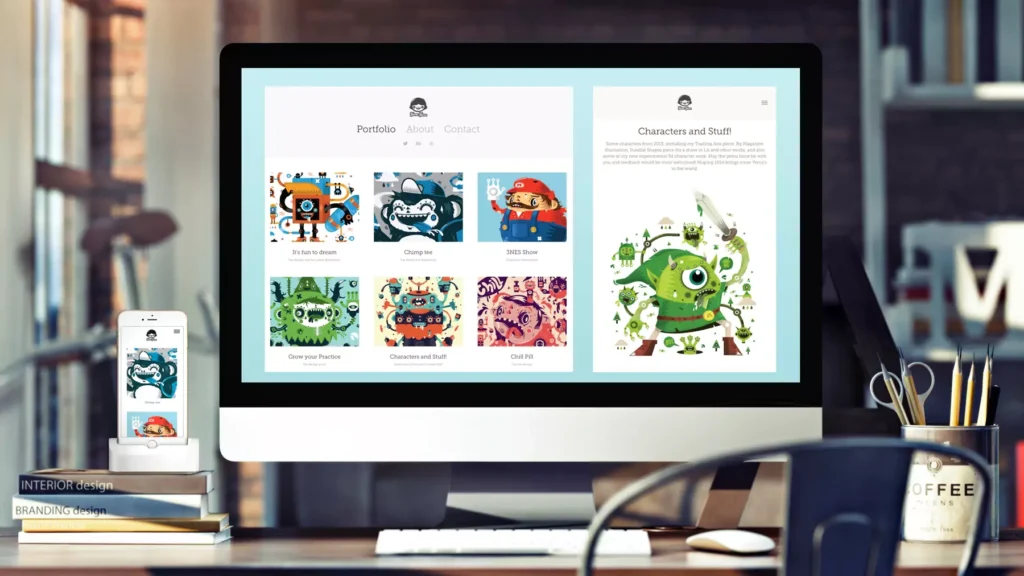
Once you’ve defined your niche, it’s time to start curating your portfolio. The first step is identifying the work that best showcases your skills and experience.
Generally, you’ll want to include 6-12 projects in your portfolio. These should be your most vital pieces demonstrating your technical chops, design prowess, and problem-solving abilities.
When selecting projects, consider the following criteria:
Relevance: The work you showcase should be directly relevant to the services you offer and the clients you’re targeting. Avoid including irrelevant pieces, no matter how beautiful or technically impressive they may be.
Quality: Your portfolio should only feature polished, high-quality work you’re truly proud of. If a project doesn’t meet your standards, don’t include it.
Variety: While your portfolio should have a cohesive feel, include various project types, styles, and mediums. This helps demonstrate the breadth of your capabilities.
Impact: Prioritise projects that have a measurable, positive impact on your client’s business or brand. Showcase work that drove tangible results, whether increased sales, improved brand perception, or something else.
As you review your past work, ask yourself which projects I am most passionate about. Which ones showcase my unique strengths and talents? Which ones are most likely to captivate my target clients?
Once you’ve identified your top contenders, it’s time to start crafting your portfolio.
Step 3: Create a Cohesive, Visually Striking Portfolio
With your best work selected, it’s time to bring your portfolio to life. The key here is to create a cohesive, visually striking presentation that immerses your clients in your unique creative vision.
Start by establishing a clear, consistent brand identity for your portfolio. This might include a distinctive colour palette, typography choices, and overall aesthetic that aligns with your style and the preferences of your target audience.
Next, think carefully about the structure and flow of your portfolio. You’ll want to lead with your most potent, most impressive work and then weave in complementary pieces that tell a cohesive story about your skills and expertise.
Consider organising your projects into clear categories or sections, such as “Branding”, “Web Design“, or “Print Materials. This not only helps streamline the user experience but also allows you to highlight the breadth of your capabilities.
And remember to pay close attention to the visual presentation of each project. Use high-quality, professional-looking images that showcase your work in the best possible light. Write compelling project descriptions highlighting the challenges, your approach, and the results.
Finally, ensure your portfolio is easy to navigate and optimised for desktop and mobile viewing. This might mean creating a sleek, responsive website or compiling your work into a visually striking PDF or online presentation.
Remember, your portfolio is a reflection of your brand. So pour your heart and soul into making it shine. The more polished, cohesive, and visually striking it is, the more it will captivate and impress your target clients.
Step 4: Showcase Your Process and Personality
While showcasing your best work is crucial, more is needed to create a genuinely standout portfolio. You must also give your clients a glimpse into your unique process, creative mindset, and personal story.
After all, hiring a freelancer is about more than just the result – finding someone with whom you can collaborate seamlessly and who can bring your vision to life. By infusing your portfolio with your personality and thought process, you can differentiate yourself from the competition and forge a deeper connection with potential clients.
So, think about ways to give your portfolio a more personal touch. This might include:
Project Overviews: For each piece, provide a brief overview that explains your approach, the challenges you faced, and the reasoning behind your creative decisions. This demonstrates your problem-solving skills and innovative thinking.
Case Studies: Dive deeper into one or two of your most impactful projects with detailed case studies. Walk your clients through the entire journey, from the initial brief to the final deliverables and the results achieved.
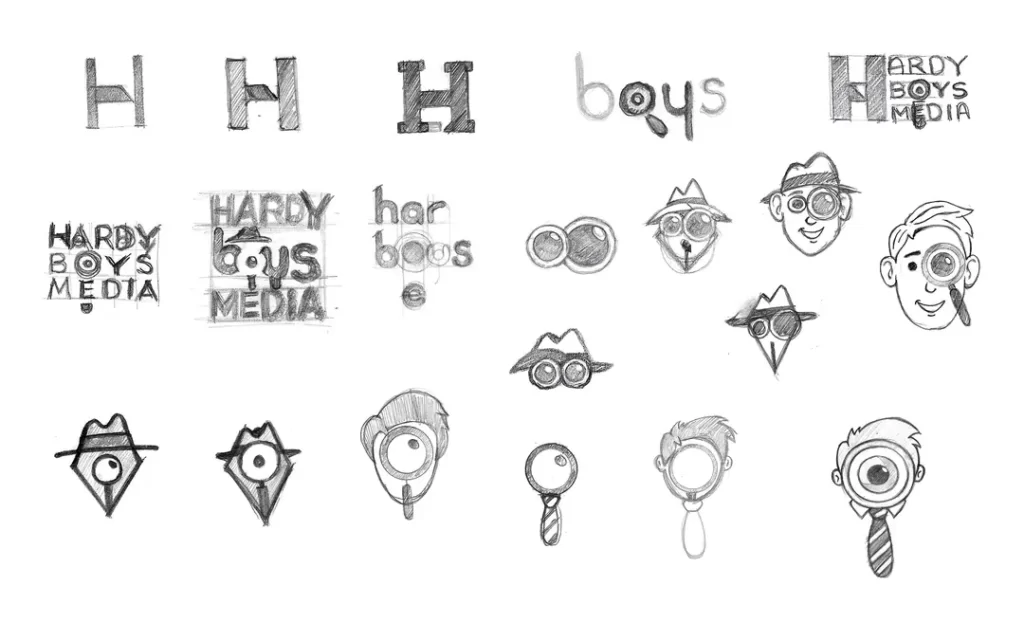
Behind-the-scenes: Consider including “behind-the-scenes” glimpses into your creative process, such as mood boards, sketches, or screenshots of you at work. This adds an extra layer of authenticity and insight.
Personal Anecdotes: Sprinkle in brief, relatable personal anecdotes that give your clients a sense of your personality and work style. This can help you stand out and forge a more genuine connection.
Testimonials: Incorporate glowing testimonials from past clients to build social proof and reinforce your capabilities.
The goal here is to create a portfolio that’s not just visually stunning but also genuinely engaging and informative. By peeling back the curtain and letting your clients see the person behind the work, you can transform your portfolio from a static showcase into a living, breathing representation of your unique talents and creative process.
Step 5: Continuously Refine and Expand Your Portfolio
Building a world-class freelance portfolio is an ongoing process, not a one-time project. As you take on new clients and continue to hone your skills, you’ll want to regularly review and refine your portfolio to ensure it stays fresh, relevant, and impactful.
This might mean:
Adding New Work: Showcase your latest and most significant projects, prioritising pieces that align with your current niche and target audience.
Refreshing Existing Pieces: Update the visuals, descriptions, and overall presentation of existing projects to keep them feeling current and engaging.
Removing Outdated Work: Ruthlessly cut any projects that no longer reflect your capabilities or fail to resonate with your ideal clients.
Experimenting with New Formats: Explore different ways to present your work, such as case studies, interactive web experiences, or physical portfolio books.
Soliciting Feedback: Regularly seek input from trusted colleagues, mentors, or potential clients to identify areas for improvement.
The key is approaching your portfolio as a living, breathing extension of your brand. By continuously refining and expanding it, you can ensure that it always puts your best foot forward and positions you as the go-to freelancer in your niche.
Frequently Asked Questions
How many projects should I include in my portfolio?
As a general rule, aim for 6-12 high-quality projects. This gives you enough space to showcase your breadth of skills without overwhelming your clients.
Should I include personal projects in my portfolio?
Absolutely! Individual projects can be a great way to demonstrate your passion, creativity, and problem-solving abilities. Just select pieces that are still relevant to your target clients.
How important is the overall design and branding of my portfolio?
Extremely important! Your portfolio’s design and branding should be just as polished and professional as the work you’re showcasing. This helps create a cohesive, memorable experience for your clients.
Do I need a fancy website, or will a PDF work?
There’s no one-size-fits-all answer here. A sleek, responsive website allows for a more immersive, interactive experience. But a well-designed PDF can be incredibly effective, especially if you’re just starting. The key is to choose the format that best showcases your work and aligns with your target clients’ preferences.
How often should I update my portfolio?
Aim to review and refresh your portfolio at least once a quarter. This ensures it’s always up-to-date and reflects your latest and greatest work. You should update it frequently if you’re taking on new clients or projects.
I’m a beginner – should I still create a portfolio?
Absolutely! Even if you don’t have years of experience, a well-crafted portfolio can help you land your first few clients. Focus on showcasing your passion, skills, and potential – and don’t be afraid to get creative.
Start Building Your Killer Freelance Portfolio Today
There you have it – my comprehensive guide to creating a freelance portfolio that wows clients and gets you hired. By following these steps, you’ll be well on your way to crafting a portfolio that truly sets you apart and helps you achieve your freelance dreams.
Remember, your portfolio is your chance to shine. So pour your heart and soul into it, get creative, and most importantly, don’t be afraid to let your unique personality shine through. After all, the more authentic and genuine your portfolio is, the more it will resonate with your ideal clients.
Now, what are you waiting for? It’s time to start building that killer freelance portfolio. And if you need any help along the way, don’t hesitate to contact the team at Inkbot Design. We’d be more than happy to lend a hand and help you create a portfolio that takes your freelance career to new heights.