Corporate Identity: The Soul of Your Business
Your company is more than the products and services you offer. It is not simply your logo, a mission statement, or customer service policy.
It is the narrative that you convey. It is the feeling people have before they even think about interacting with you.
Your identity allows people to identify you where you otherwise risk being forgotten, as everyone else fulfils a similar narrative.
But here is the paradox: Your identity is not about who you say you are. It is about how your customers, employees, and the world determine who you are – a perspective they all deserve.
It is inevitable, so the question is, “What identity do we want?” The question is, “What identity are we making and earning through our actions every moment of every day?”
At the core, your corporate identity is the soul of your business. And like any typical soul, it’s shaped by thousands of human choices made “at the moment.”
The question to ask yourself is, what choices are you making?
- Corporate Identity is not just about logos; it embodies the essence of your business and shapes customer perceptions.
- Successful corporate identity aligns visual, verbal, and behavioural elements, creating a cohesive narrative and attracting loyal customers.
- Revisiting and refreshing your identity every 3-5 years ensures it remains relevant in a rapidly changing market.
What is Corporate Identity, Anyway?

Your corporate identity is not a logo design or a tagline; it’s the heartbeat of your organisation – the invisible force drawing them in or pushing them away before you utter the word “hello.
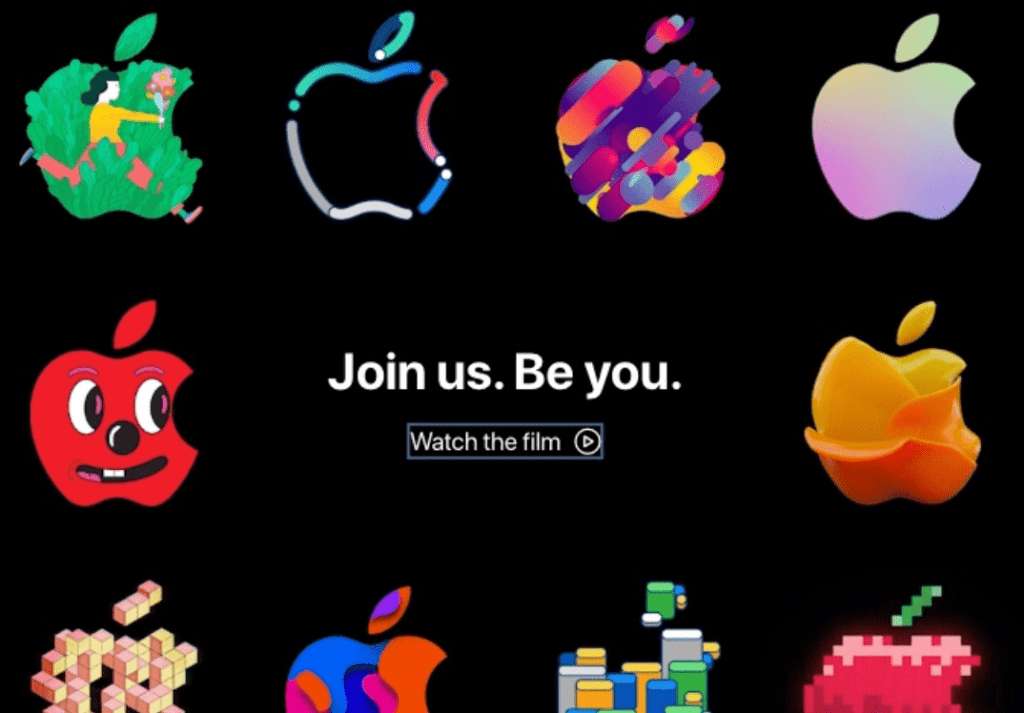
Think about this: walking into an Apple Store, it is not just to buy a phone; you are buying into a story, an emotion, a tribe. It is called corporate identity at work.
But most companies get it wrong.
They put a fresh coat of paint on and call it rebranding. They create a 100-page brand guideline that just gathers dust in a drawer. They miss the point entirely.
It breathes, it lives, and it changes. It’s in every email, customer interaction, and product you send out. It’s the promise you’re making to the world but done in a thousand tiny whispers.
The Trinity of Identity
- Visual Identity: This is easy. The logo, the colours, the fonts. Don’t get too comfortable; easy doesn’t mean unimportant. In this scroll-happy world, you have milliseconds to make that first impression.
- Verbal Identity: Words matter. More than you think. It’s not what you say; it’s how you say it. Are you the wise mentor? The rebellious upstart? The reliable friend? Find your voice, and stick with it. Consistency is key.
- Behavioural Identity: Where the rubber meets the road. This is how you act when no one’s looking. This is how you treat the intern and CEO, all with equal respect. This is in the hard choices where profit and purpose collide.
That’s the secret: These aren’t three separate things; they’re one – a symphony playing in perfect harmony.
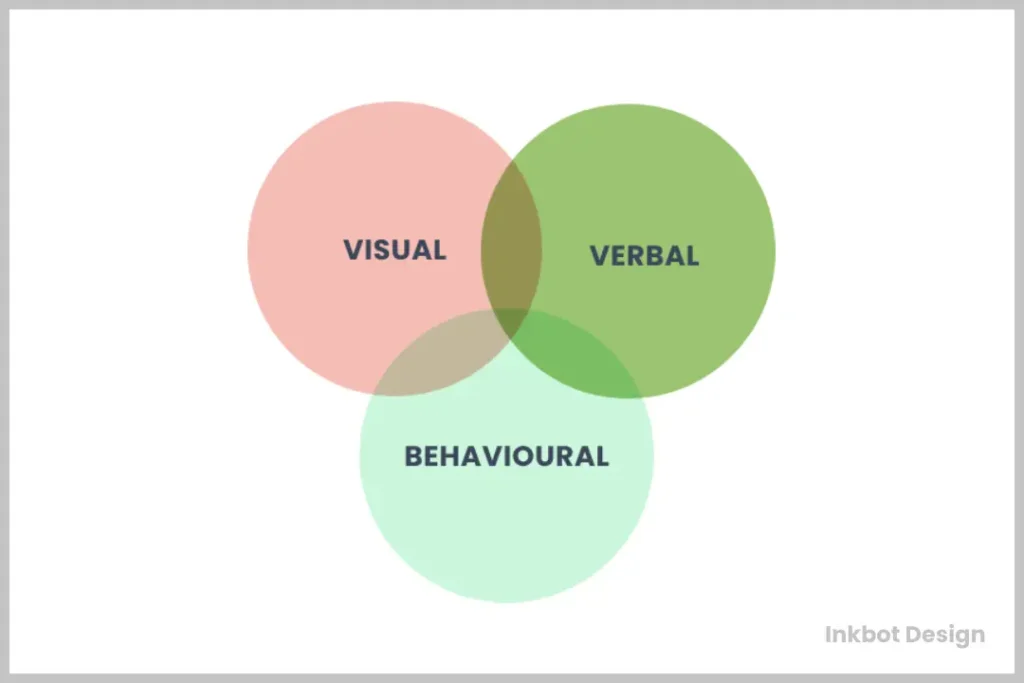
When they’re aligned, that is when magic happens. Customers become fans, employees become evangelists, and a business becomes a movement.
The Identity Paradox
The most potent corporate identities are rigid yet flexible. They have an immovable centre – an unchanging set of values and principles. Yet they can bend, stretch, and adapt as the world shifts.
Think of it as jazz. You’ve got a foundation, a beat, a key signature. But that form opens space for improvisation: to riff off the moment and create something original and surprising.
The Identity Imperative
Corporate identity is your only true differentiator in a world where everything is a commodity. It’s not nice a nice-to-have. It’s not a project for the marketing department. It’s the essence of your business.
If your company disappeared tomorrow, would anybody miss it?
Would they feel a void in the world? If the answer is no, you don’t have a corporate identity. You have a logo and a business card.
It’s time to dig deeper: to find your truth, tell your story, and create an identity so compelling and authentic that the world can’t help but sit up and take notice.
Ultimately, corporate identity is not about looking good but being good. It’s about standing for something. It is about making a dent in the universe.
Why Bother with Corporate Identity?
You may ask yourself, “Must I bother about all this identity stuff? Why can’t I just make great products?”
Here is a thing to consider: Today’s marketplace is crowded, and having that great product alone isn’t enough. You have to give people a reason for choosing you over the competition.
A solid corporate identity can:
- Build trust and credibility
- Create emotional connections with customers
- Increase brand recognition and recall
Improve employee morale and attract top talent. Drive customer loyalty and advocacy. Eventually, the subtlety of crafted corporate identity may be your trump card in the winning war for shares and hearts.
The Building Blocks of a Stellar Corporate Identity
1. Know Thyself: Defining Your Brand Essence
A great corporate identity is only possible once you know who you are. What is your mission? What are your core values? What sets you apart from every other business in the world?
This isn’t some naval-gazing exercise; this is the basis for everything else. Your brand essence should dictate every decision you make about your corporate identity.
2. Visual Identity: More Than a Pretty Face
Your visual identity is often the first thing people notice about your brand. It’s like the clothes you wear to a job interview – you want to look great.
Logo Design: The Face of Your Brand
Your logo is the basis for your visual identity. To be successful, it should be:
- Memorable: Can people recall it after exposure just once?
- Versatile: Does it work across mediums and sizes?
- Timeless: Will it look good in 5, 10, or 20 years?
- Relevant: Is it relevant to your industry and brand personality?
Colour Psychology: Painting Your Brand’s Personality
Colours are pretty to the eye and provoke emotion and association. Choose your colours carefully:
- Blue: Trust, stability, professionalism
- Green: Growth, nature, health
- Red: Excitement, passion, urgency
- Yellow: Optimism, warmth, clarity
- Purple: Luxury, creativity, wisdom
Typography: The Voice of Your Visual Identity
The fonts you choose say volumes about your brand.
- Serif fonts: modern, clean, approachable.
- Script fonts: elegant, creative, personal.
- Display fonts: bold, unique, attention-grabbing.
3. Verbal Identity: Find Your Voice
Your verbal identity is how you speak to the world. Your verbal identity involves:
- Tone of voice: formal or informal, serious or playful, expert or friendly?
- Key messages: What central messages do you want to communicate about your brand?
- Tagline: A few memorable words that sum up what your brand is all about
4. Behavioural Identity: Walking the Talk
Your behavioural identity is where the rubber hits the road. It’s how you live your brand values in the real world:
- Customer service approach
- Corporate social responsibility programs
- Employee culture and value
- Business practices and ethics
Crafting Your Corporate Identity: A Step-by-Step Guide

Step 1: Research and Strategy
Before one even begins designing a logo or writing a tagline comes homework:
- Assess your competition: What are they doing well? Where are the gaps you can fill?
- Conduct market research: What do your customers want and need?
- Audit your current identity: What works? What do you need to evolve?
Step 2: Define Your Brand Strategy
Through research, define:
- Your positioning: Where would you want to exist within the market?
- Your brand personality: What kind of persona would your brand be if it were a person?
- Your brand promise: This is what the customer can expect from you.
Step 3: Design Your Visual Identity
Let’s get creative and create your brand visually:
- Design your logo.
- Choose your colour palette.
- Select typography.
- Create brand guidelines that ensure consistency in application.
Step 4: Craft Your Verbal Identity
Create the language that will speak for your brand:
- Define your tone of voice
- Develop key messages and messaging hierarchy
- Create a tagline or slogan
Step 5: Bring Your Behavioural Identity to Life
Bring your brand values to life:
- Train employees on brand values and customer service expectations
- Develop corporate social responsibility initiatives
- Establish internal communications methodologies and cadence to reinforce brand culture
Step 6: Launch and Monitor
Go live with your new corporate identity:
- Plan a launch plan/strategy internally and externally
- Monitor brand perception, solicit feedback
- Be prepared to shift direction if needed
Corporate Identity in Action: Case Studies

Apple: Simplicity as Identity
Apple doesn’t just sell products. It sells an experience, a lifestyle-an ethos of simplicity and elegance.
The corporation’s identity oozes from everything – from how its devices are designed in a minimalistic style to how modern its retail stores are. Even when naming products, simplicity can be seen: iPhone, iPad, MacBook.
This laser focus on simplicity and user experience has dramatically paid off. In 2024, Apple’s brand value reached 1 trillion dollars and became the most valuable brand in the world. Their customer loyalty is the stuff of legend: 92% of iPhone users are likely to upgrade to another iPhone.
The lesson? Pick your core identity and go all in. Let it guide every big and small decision.
Patagonia: Purpose as Identity
Patagonia is an outdoor apparel manufacturer and environmental activist.
Their corporate identity is hacked out around sustainability and environmental responsibility. They ask their customers to repair rather than purchase new clothes. They give some percentage of their sales to environmental causes. They once ran an ad saying, “Don’t Buy This Jacket” to promote conscious consumption.
This is a deep sense of identity that resonates with consumers. Comparing the last decade, Patagonia’s revenues have quadrupled. They are creating a tribe of true believers in their values.
What can be learned? Be about something more significant than your products. Let purpose drive identity.

Netflix Innovation As Identity
Netflix didn’t just disrupt an industry. They’ve continuously reinventionized their corporate identity.
From renting DVDs to streaming and producing original content, it appears that Netflix has kept reinventing itself. Innovative mantras “dream big” and “take smart risks” litter the company culture.
Constant innovation is part of their DNA. Netflix added 7.66 million paid subscribers in Q4 2022, beating expectations. They have become synonymous with streaming, much like Google is with search.
The key insight? Make adaptability and innovation core to who you are as a company. The market will always change – your identity should be about leading that change.
Corporate identity isn’t just a logo or a tagline. It’s the essence of who you are as a company. It’s the thread that runs through everything you do. If done right, it’s your competitive advantage.
What is your corporate identity? More to the point, are you living it every day?

Common Pitfalls in Corporate Identity (And How to Avoid Them)
1. Inconsistent Across Channels
In today’s omnichannel world, brand consistency between your website, your social pages – even your physical stores – is crucial.
Prepare extensive brand guidelines and make approved brand assets available to all teams.
2. Copying Competitors
Knowing what the competitors are up to is valuable; it cannot be done by merely copying their approach, as that would fail to set you apart.
Focus on what differentiates your brand and amplify those differentiators in your identity.
3. Selling Internal Stakeholders Short
Your employees are your brand ambassadors. It will never be executed appropriately if they don’t understand or buy into your corporate identity.
Involve employees in the identity development process and provide ongoing training and resources.
4. Stagnation
A static corporate identity quickly stagnates in today’s world of immediacy.
Regularly revisit and refresh your identity so it stays relevant and desirable.
Wrapping It Up: Your Corporate Identity Roadmap
Creating a strong corporate identity is less about a single moment in time and more about the journey of continuous enhancement. However, getting things right will undoubtedly contribute to creating an identity that looks awesome and drives actual business results.
Remember:
- Self-knowledge: Knowing who you are
- Consistency: Your identity should shine through everything that you do
- Flexibility: Evolve with your business and with the market
Engage your organisation: Your staff are vital to bringing your identity into reality; measure and adjust: regularly review the difference your identity is making and refine it if necessary.
Your corporate identity is the soul of your business; it’s not just a logo or colour scheme. Take the time, get it right, and you’ll be on your way to creating a brand that will both stand out and stand the test of time.
Frequently Asked Questions
How often should we review and renew our corporate identity?
Every 3-5 years, that’s a reasonable period for thorough review, but in any case, you have to make minor adjustments here and there to be relevant.
Will creating a corporate identity be relevant and a wise investment for a small business?
Of course! This can sufficiently help a small business be at par with giant competitors in terms of good presentation.
How do we balance maintaining our existing identity with the need to evolve?
Keep the focus on gradual evolution, not on radical changes. Hold onto your core identity elements consistently while you update the secondary elements to keep them fresh.
What’s the difference between corporate identity and branding?
Corporate identity is a part of branding. While identity focuses on your company’s visual and verbal representation, branding encompasses the entire customer experience.
How can we make sure our corporate identity translates well globally?
Research cultural implications of colours, symbols, and language in your target markets. Consider localised versions of your identity where necessary.
Is hiring a professional agency to develop our corporate identity worth it?
For many businesses, yes. Employing a professional agency brings unique expertise and objectivity to the process that helps you create a more effective and polished identity.
How do we get our employees to embrace our corporate identity?
Engage them in the process, give them clear guidelines and training, and lead by example. Make your identity a part of your company culture.
Can we have various Sub-Brands under our Corporate Identity?
Yes, many firms manage different sub-brands. The critical issue is that there would be an explicit relationship between the sub-brands and the general corporate identity.
How do we measure the ROI of our corporate identity efforts?
Look to metrics such as brand awareness, customer loyalty, employee satisfaction and overall business growth. While it is tough to attribute these directly to identity alone, you should at least see an upward trend.
What if our corporate identity no longer represents who we are?
If there’s a significant mismatch, it might be time to rebrand. This can be a considerable undertaking, but making your external image match your internal reality is often necessary.