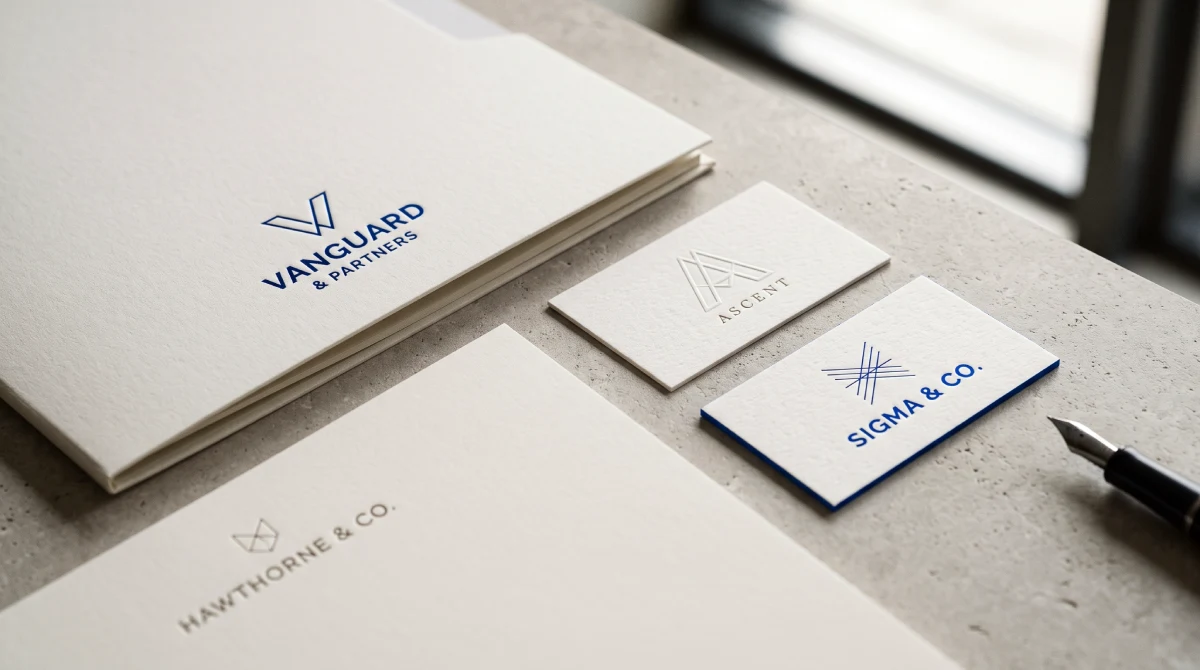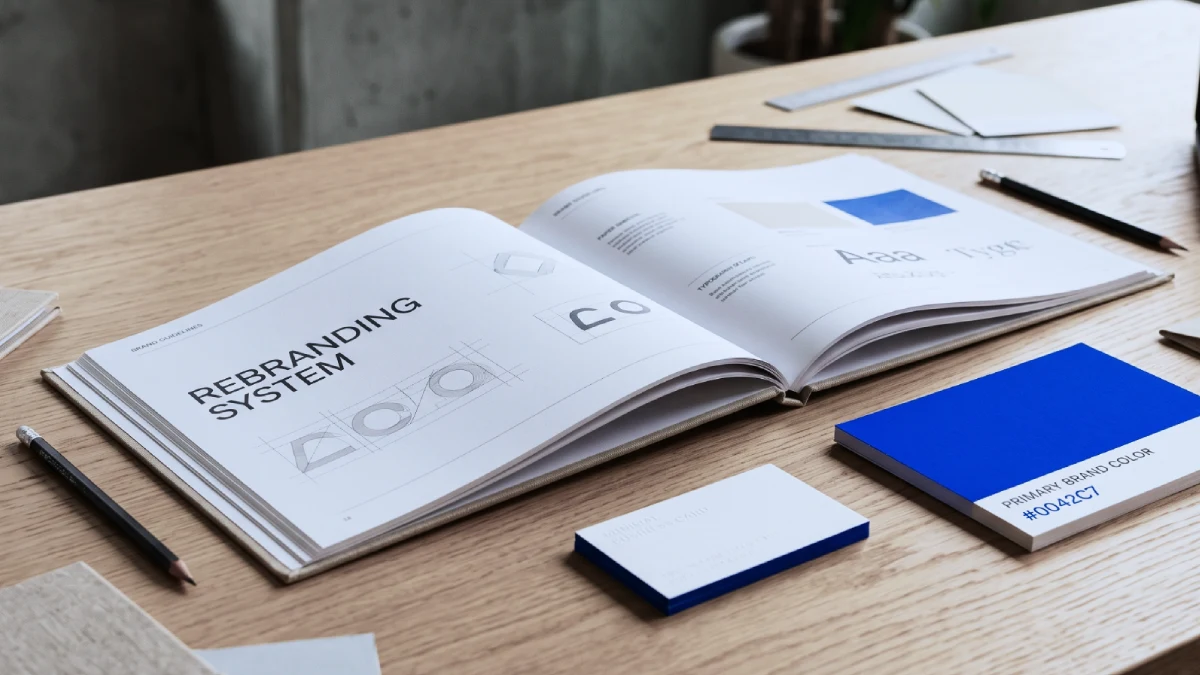
How to Conduct a Visual Identity Competitor Audit
Learn how to conduct a visual identity competitor audit to assess your brand’s positioning, differentiate from competitors, and strengthen your visual branding strategy.
Expert analysis on the intersection of logo design, cultural resonance, and brand strategy. We move beyond "how-to" to define the "why" behind iconic identities—empowering founders in the UK and US to scale brand equity and build a lasting legacy.
Learn how to conduct a visual identity competitor audit to assess your brand’s positioning, differentiate from competitors, and strengthen your visual branding strategy.
Stop viewing ADA compliance as a legal burden. In 2026, accessible code is the primary signal for AI search engines and human trust. This guide dismantles the “overlay” myth and provides a technical roadmap for business owners to capture the “Purple Pound” and dominate search rankings.
Most B2B websites are expensive paperweights. In 2026, cost is no longer tied to the number of pages, but to the density of your data and your readiness for AI search. We break down the real numbers, from “thin-stack” builds to enterprise systems, without the agency fluff.
Digital brand assets are more than just logos and fonts. They are the semantic signals that define your identity in an AI-driven market. This guide moves beyond the logo, identifying 12 critical assets—from design tokens to brand operating systems—required to maintain authority and distinctive brand equity.
Rebranding is not a reset button. Done wrong, it destroys the brand recognition your business spent years building. Done right, it protects equity while repositioning for growth. This guide separates the genuine triggers from the expensive distractions — and gives you a clear framework for deciding which camp you’re in.
Consistency is the enemy of global growth. This guide dismantles the “Brand Bible” myth and offers a mechanical framework for cross-border brand logistics. We explore modular architectures, regional equity arbitrage, and how to survive in the age of AI-driven global search and Generative Engine Optimisation.
Famous slogans don’t work because they’re catchy. They work because they refuse to explain everything. The 25 most effective taglines in history share one mechanism: category ownership through restraint. This analysis breaks down what each slogan actually does — and why most B2B firms are copying the wrong lesson from them.
Most digital assets are liabilities. If your team needs a manual to use your logo correctly, your system is broken. This guide replaces outdated PDF-style guides with functional Brand Operating Systems, leveraging specific data from McKinsey and Netflix to demonstrate why systemic branding outperforms manual effort.
Brand archetypes are often dismissed as marketing fluff, but in a digital-first economy, they are essential visual constraints. Misaligning your design with your archetype creates cognitive dissonance that kills conversion. This guide outlines how to use archetypal layering to build a distinctive, high-equity brand identity.
Most SaaS founders choose pictorial logos to “explain” their product. This is a mistake. In 2026, literal icons create metaphor debt that hinders scaling. This guide analyses why abstract marks offer superior brand elasticity, supported by data from the Ehrenberg-Bass Institute and real-world SaaS redesigns.

We create brand systems that empower ambitious scale-ups and established SMEs to command market value. By increasing client margins by an average of 35%, we prove that strategic brand positioning is a measurable commercial asset, not just a creative deliverable. Stop competing on price. Start dominating your category. Whether you are securing funding or repositioning a B2B sector, our proprietary frameworks ensure your brand isn’t just seen—it’s valued.