Types of Rebranding: Choose the Right Scope Before You Brief
A rebrand should be sized around the commercial problem, not a partner’s appetite for change. Partial and full rebrands describe scope; repositioning describes strategic direction; mergers describe context. Understanding those distinctions helps leadership teams protect existing recognition, agree on what must change and write an agency brief with clear boundaries first.



On this page7 min left
The main types of rebranding are partial and full rebrands, with brand repositioning and merger-led rebranding describing strategic situations that can overlap with either.
Your firm may need different messaging without a new name. An acquisition may justify keeping both identities.
Agree the scope before commissioning the design. Otherwise, a partnership discussion about unclear services can become an expensive argument about colours.
For the broader definition and process, start with what is rebranding. Here, the job is narrower: decide what needs to change, what deserves to stay and what an agency should investigate.
What are the main types of rebranding?

The main types of rebranding can be understood through three questions: how much changes, what buyers should understand differently and whether a merger has created an identity decision.
Partial and full rebranding describe the scope; repositioning describes the strategic direction; merger-led rebranding describes the transaction context. These categories can overlap within one project.
- Partial and full rebrands describe the extent to which the existing brand changes.
- Brand repositioning changes the intended place a firm occupies in buyers’ minds.
- Merger-led rebranding determines how acquired or combined businesses present themselves.
The main types of rebranding include partial and full rebrands, while brand repositioning and merger-led rebranding describe overlapping strategic approaches.
Agencies use these labels differently. This article treats a brand refresh as a limited form of partial rebranding; other definitions reserve “rebranding” for strategic change. Ask prospective agencies what their terminology includes before comparing proposals.
These different types of rebranding also sit at different levels. Corporate rebranding concerns the organisation itself; changing one service-line identity is a narrower assignment.
Partial rebranding: change selected elements
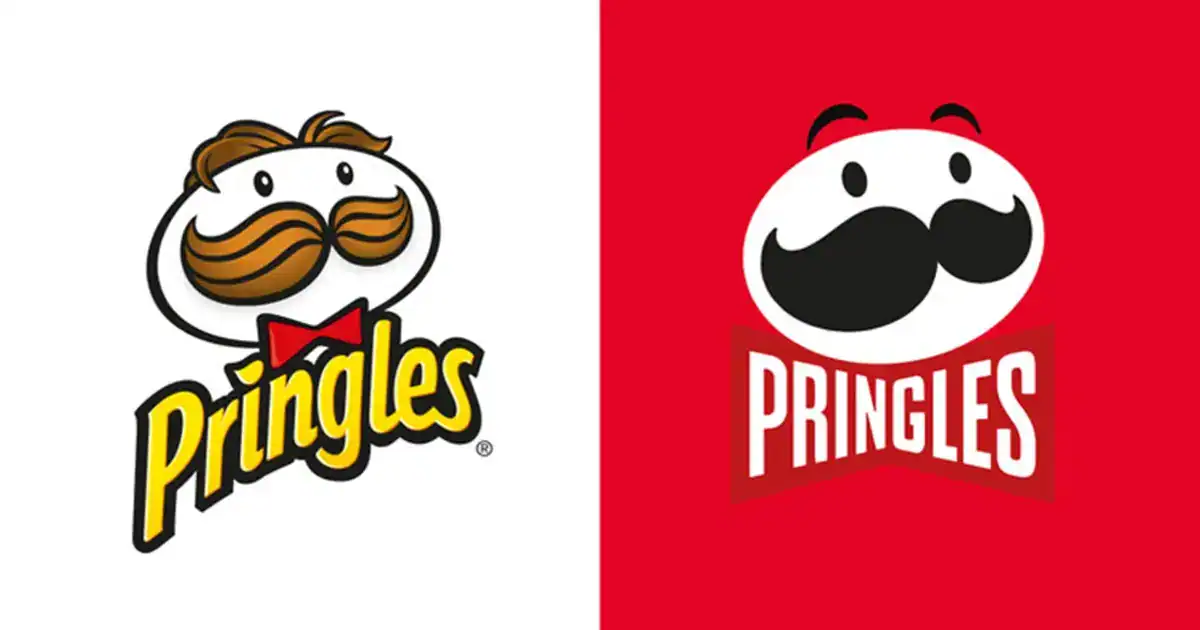
Partial rebranding changes selected parts of an existing brand while retaining its underlying identity. A brand refresh usually sits at the lighter end: refined typography, a more usable colour palette or clearer document templates.
For a consultancy with a recognised name and a credible market position, the problem might be inconsistent proposals rather than an unsuitable identity. Updating the presentation system could address that problem without replacing the name or positioning.
Partial does not mean invisible. Clutch reported that 98% of surveyed consumers noticed changes to favourite brands; its consumer findings should not be treated as a forecast for UK professional services buyers.
Choose partial change when the diagnosis is bounded. Do not use a visual refresh to avoid deciding who the firm serves or why buyers should choose it.
Full rebranding: rebuild the brand system
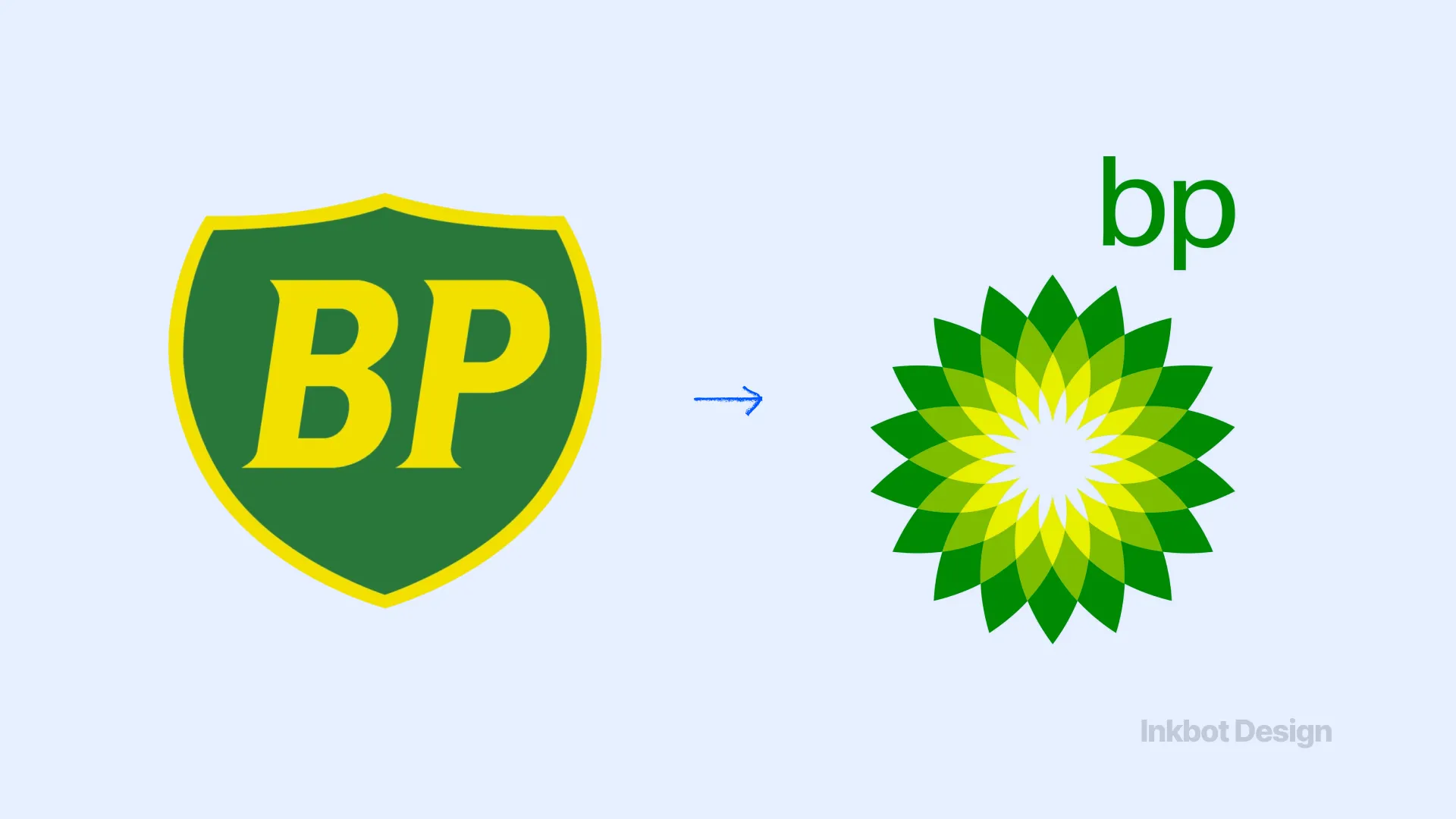
Full rebranding rebuilds the brand across strategic and expressive elements: positioning, messaging, visual identity and their application. “Complete rebranding” generally describes the same broad scope, not a separate category.
A full rebrand does not automatically require a new name. An established advisory firm could retain its name while rebuilding its proposition, service architecture, identity and communications. The distinction between rebranding versus renaming matters because naming adds a separate decision.
Consider a full overhaul when research shows that several connected elements obstruct the intended position. If buyers misunderstand the offer, the service structure reinforces that misunderstanding and the identity signals the wrong category; isolated edits may be insufficient.
Research also treats rebranding as broader than visual renewal. A 2026 literature review by Deepak Sangroya and colleagues examines its development across brand equity, emotions, communication and corporate values. That breadth supports examining the whole problem, not replacing every asset by default.
Brand repositioning: change what buyers understand
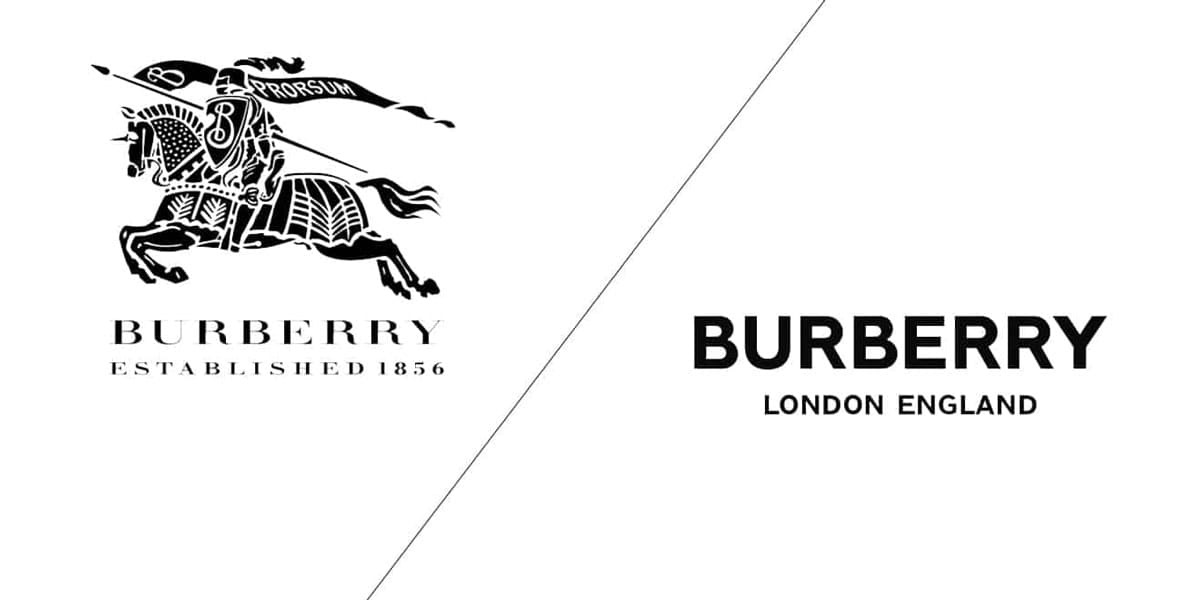
Brand repositioning changes the audience, competitive frame or value that a business wants buyers to associate with it. Visual change may support that shift, but it is not the definition.
Consider an illustrative accountancy firm known for statutory compliance that now wants owner-managed businesses to consider its transaction advisory team.
Repositioning would require evidence of that capability, a clearer proposition and communications that make the service visible. A different logo alone would not establish the claim.
Research by Vaishali Garg and Abhishek Mishra frames rebranding in terms of the relationship between organisational identity and audience image (Journal of Indian Business Research, 2025). That distinction helps separate what partners believe the firm represents from what prospective clients understand.
Reposition when the intended offer is credible but misunderstood. If the firm cannot yet deliver that offer, capability development comes first.
Merger-led rebranding: decide which identities survive
Merger-led rebranding determines how combined businesses present themselves. Options include retaining both brands, endorsing the acquired firm, migrating to the acquirer’s identity or creating a new identity.
A merger is therefore a trigger for a decision, not an instruction to erase two names.
The Ogilvy Consulting–NewtonX Brand Migration Survey found that 58% retained the acquired brand unchanged. The research involved senior leaders at large businesses, so the figure describes that sample rather than prescribing a strategy for a regional partnership (survey conducted May 2024).
For a combined law firm, investigate whether each name carries referral relationships, sector credibility or geographical recognition.
Retention may suit distinct markets; a shared identity may suit a genuinely integrated offer. Decide the operating model before designing its public face.
How do you choose the right scope for your firm?
Choose rebranding approaches by matching the documented problem to the smallest sufficient change. “Smallest” means avoiding unnecessary replacement, not buying the fewest design hours.
Use this comparison to distinguish types of rebrand before requesting proposals.
Evidence or situation | Scope to investigate | What might remain |
|---|---|---|
Proposals and presentations are inconsistent, but positioning is clear | Partial identity work | Name, proposition and recognisable assets |
Buyers misunderstand services the firm already delivers | Repositioning and messaging | Name and usable visual identity |
Strategy, messaging and identity all signal the wrong market position | Full rebranding | Any assets that still support recognition |
An acquired firm has established referral relationships | Retention or endorsement | Acquired name and relationship signals |
Two firms are becoming one integrated business | Shared identity or migration | The stronger existing name or selected assets |
Buyers cite poor delivery rather than unclear identity | Operational improvement first | Existing brand while service problems are addressed |
Match the problem to the smallest sufficient change
Strategic rebranding starts with evidence, not a preferred deliverable.
Compare recent lost-pitch explanations, client descriptions of the firm and the promises made in proposals. Look for a repeated mismatch before expanding scope.
“But we only want a better website.”
That is a reasonable boundary if the proposition is settled and the problem is presentation. If partners describe the same service in incompatible ways, website design cannot resolve the disagreement. Agree the proposition first; then decide whether the identity needs work.
“A full rebrand will show we are serious.”
It may signal change, but the signal needs substance. If the ambition is larger advisory mandates, investigate whether case evidence, partner expertise and service delivery support that ambition. A new identity cannot supply missing credentials.
These are different rebranding strategies because they address different causes. Do not commission the broadest intervention merely to demonstrate commitment.
Worked illustration: an advisory partnership moving upmarket
This hypothetical example shows how scope selection works; it is not a client case or evidence of results.
A 100-person advisory partnership wants more specialist mandates. Its partners initially propose a new name and complete identity.
Assume client interviews show that the existing name is recognised, but prospective buyers associate the firm with general business advice.
Assume the website groups specialist services under vague headings and proposals lead with the firm’s history rather than relevant assignments.
The initial brief should investigate repositioning plus partial rebranding:
- Retain the name, subject to a check for potential barriers among target buyers.
- Clarify the specialist proposition and supporting evidence.
- Reorganise service pages and proposal content.
- Adapt the visual system where it cannot support those communications.
A fuller change becomes worth investigating if research instead finds that the identity itself consistently misidentifies the business. The recommendation changes when the evidence changes.
For actual company transformations, use these rebranding examples alongside the framework, rather than treating famous redesigns as templates.
What should your partnership agree before briefing an agency?

A partnership should agree the problem, intended outcome and decision boundaries before starting the rebranding process.
Agencies can investigate unresolved questions, but those questions need to be visible in the brief.
Record six points:
- Commercial problem: which buying situation is going wrong?
- Evidence: what do interviews, pitch feedback or enquiry patterns show?
- Intended perception: what should the target buyer understand differently?
- Retained assets: what should remain unless research challenges its value?
- Scope and exclusions: which decisions are commissioned, and which are not?
- Accountability: who approves the work, and how will progress be assessed?
Establish the baseline before launch. If the objective concerns specialist enquiries, record their current quality and volume; do not substitute a preference poll about the new logo. The discussion of measuring rebrand ROI develops that distinction.
Where the evidence points to interconnected strategic and identity problems, strategic rebranding for professional services is the relevant scope of discussion.
A bounded template problem does not require that broader engagement.
Size the rebrand before you commission it.
A partnership does not need unanimous enthusiasm for a new logo to write a useful brief.
It needs agreement on the commercial problem and the evidence that would justify changing established assets.
Today, write one sentence naming the buyer misunderstanding you need to correct. Then list what must change and what should remain unless research proves otherwise.
If the problem is limited to document consistency and your team can deliver the correction, handle it internally.
If the diagnosis is unclear, request a free Brand Equity Audit™ for a structured written assessment of where the brand may be losing commercial ground and which corrective actions deserve priority.
Questions people ask
Can a full rebrand keep the existing company name?
Yes — a full rebrand can retain the existing company name while rebuilding positioning, messaging and visual identity. Naming should be assessed separately. For a professional services firm, keep the name in scope for investigation if necessary, but do not assume “full” means every existing asset must disappear.
Is a brand refresh always cheaper than repositioning?
No — a brand refresh is not automatically cheaper than repositioning. Cost follows the work involved, including research, approvals and rollout. Updating hundreds of documents may require more production effort than a tightly bounded positioning assignment. Compare itemised deliverables and implementation obligations rather than relying on labels alone.
Should partners vote on the new brand identity?
Partners should agree on the approval process before reviewing creative work. A vote can record preferences, but preferences do not establish whether an identity answers the brief. Give a named decision-maker responsibility for assessing options against agreed buyer needs, retained assets and practical requirements, with structured partner input at defined stages.
What should an agency proposal say about rebrand scope?
An agency proposal should identify the problem being investigated, research activities, strategic decisions, creative deliverables and rollout responsibilities. It should also state exclusions and approval stages. If two proposals define “full rebrand” differently, request a common scope breakdown before comparing prices; otherwise, the comparison may hide material differences.