Professional Services Brand Architecture: Decide What Needs Its Own Brand
Professional services firms need a reason for every separate identity. This guide explains how to assess buyer needs, preserve acquired reputation, choose parent endorsement and avoid unnecessary websites. Use the decision framework to organise expertise around client trust, with clear ownership of naming, content and future exceptions across the firm.
 By Stuart Crawford
 Reviewed by Tabitha Ayers
10 min read

On this page10 min left
- How Do You Build Professional Services Brand Architecture?
- A hypothetical consultancy decision
- Can a specialist offer have its own identity within the firm brand?
- When should an acquired brand be retained or retired?
- How do you know whether endorsement still serves a purpose?
- Who owns case studies, content and personal expertise?
- Make every separate identity justify its place
- Questions people ask
Your next practice area does not automatically need a new brand.
Professional services brand architecture defines how your firm’s name, specialist practices and acquired businesses relate.
The starting recommendation is one firm brand, with separate identities reserved for buyer needs or for existing reputations worth protecting.
That recommendation needs evidence, not a vote around the partnership table.
McKinsey & Company, the management consultancy, recommends assessing customer overlap, relative brand equity and switching costs when making post-acquisition branding decisions.
The practical lesson is useful beyond acquisitions: establish what the name means to buyers before deciding what to change.
For a 100-person advisory business, that means asking whether a proposed training brand needs independence or simply a clearer description.
A brand architecture agency should help resolve that decision before designing another identity.
How Do You Build Professional Services Brand Architecture?
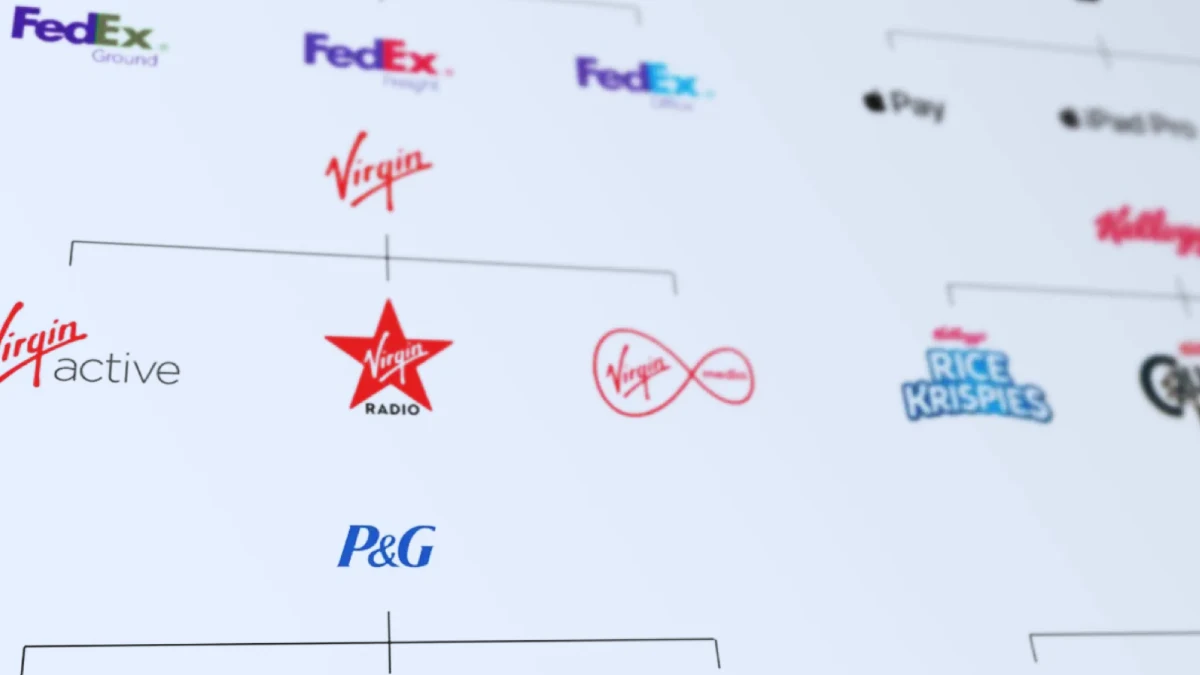
You build professional services brand architecture by mapping buyer needs, assessing existing name recognition, defining the structural relationship between each practice and the firm, and assigning operational governance.
Start with a shared firm identity unless buyer evidence or established brand equity justifies separation. This is an editorial decision framework, not a universal performance rule.
- Give a service a separate name only when the name performs a defined buyer-facing job.
- Decide website location separately from visual identity.
- Record who owns each identity, its evidence and its future review.
Professional services brand architecture defines how a firm’s name, specialist practices and acquired brands relate in the client’s buying decision.
The architecture is the relationship system.
Positioning explains why a particular practice matters. Website structure determines where people find the information. A specialist tax team may need all three decisions reviewed without needing three new brands.
McKinsey & Company’s merger framework supports the examination of purchase behaviour and relative equity before selecting the brand destination. The application to an organically growing professional-services portfolio remains a strategic interpretation.
Does this service need its own brand, or just clearer positioning?
Give a service its own brand when a separate identity solves a documented buyer problem or preserves recognition that the firm name cannot adequately carry.
A different technical discipline, partner or profit centre is not sufficient evidence by itself.
Before approving another identity, require a written answer to four questions:
- who buys differently,
- what the separate name means to those buyers,
- what existing reputation would be lost,
- and who will fund the additional identity.
What buyer problem would a separate brand solve?
A separate professional-services brand needs a specific purpose. The proposed name might preserve an acquired specialist’s reputation, distinguish an independently purchased training business or keep an incompatible proposition away from the main firm’s positioning.
Write that purpose in one sentence.
“Partners want more visibility” describes an internal preference. “Training buyers do not recognise that our consultancy provides accredited courses” describes a buyer problem.
The second statement still needs investigation: clearer course pages might solve the problem without an independent brand.
Use recent enquiries, lost-pitch feedback and client interviews to distinguish the two. Ask buyers what they searched for, which names they recognised and what made the relationship between services difficult to understand.
Do not ask whether buyers like the proposed logo. That answers a different question.
What evidence would change the recommendation?
Treat the following as a decision worksheet, not a scoring model.
Situation | Starting recommendation | Evidence that could change it |
|---|---|---|
A tax practice adds inheritance planning for existing clients | Keep the firm brand; clarify the service | Buyers perceive a genuinely different proposition or channel |
A consultancy introduces training for its established client base | Start with a named service or programme | Training has a separate buying process and market recognition |
A corporate finance boutique joins a wider advisory group | Assess endorsement before retiring the name | Buyers already recognise and prefer the parent |
A specialist practice targets a different buyer with an incompatible promise | Examine a separate or endorsed identity | Research shows the parent strengthens rather than complicates the proposition |
A regional acquisition brings established referral relationships | Preserve recognition while testing the destination | Referrers already understand and accept the new relationship |
A partner requests a practice logo to show internal status | Decline pending a buyer-facing case | Evidence establishes a purpose beyond internal recognition |
The threshold is a reasoned case, not a magic number of positive answers.
McKinsey & Company’s account of Lenovo’s acquisition of IBM’s PC business illustrates selective preservation. Lenovo moved away from IBM branding while retaining ThinkPad alongside Lenovo, reflecting an assessment of the different names’ equity.
That historical hardware example does not establish what a UK consultancy should do, but it demonstrates why “keep everything” and “rename everything” are incomplete choices.
A hypothetical consultancy decision
Take a hypothetical 90-person consultancy launching a leadership training program.
Assume the same HR directors buy consulting and training, the firm already has relevant case studies, and no independent training name has established recognition.
The starting recommendation is a training section under the consultancy brand, with a descriptive programme name and course-specific evidence.
Now change the assumptions. The training operation acquires a recognised qualification provider, recruits individual learners through different channels and needs a distinct proposition. An endorsed identity becomes more credible.
The recommendation changes because the buyer and equity conditions changed.
A partner’s preference for a different colour palette would not have the same weight. Nor would a desire to make the launch feel bigger.
For more detail on organising the underlying services, see brand architecture for firms with multiple service lines.
Can a specialist offer have its own identity within the firm brand?
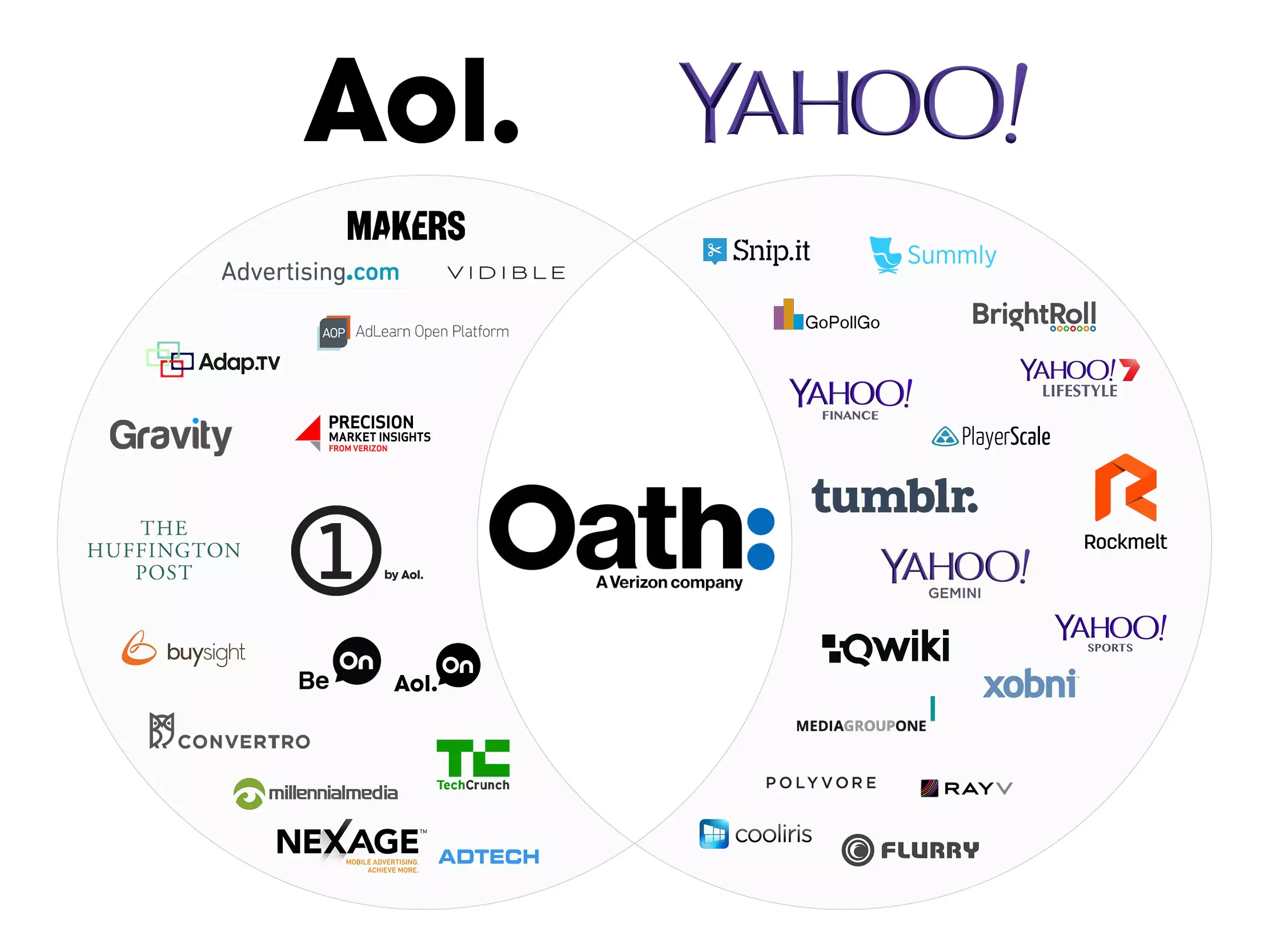
Yes. A specialist practice can use a descriptive name, dedicated messaging and recognisable visual cues while retaining a clear relationship with the parent brand.
The useful question is how much independence the buyer needs to see.
Consider an illustrative “Cedar Advisory” firm. “Cedar Advisory — Transaction Services” keeps the firm name dominant.
“Northline, part of Cedar Advisory” gives the specialist's name greater prominence while making the relationship explicit. These names are hypothetical examples, not client work.
Choose the relationship before specifying logo proportions.
How visible should the parent brand be?
Make the parent brand prominent when the parent’s reputation is part of the reason to buy. Give the specialist identity more prominence when the specialist name carries recognition that matters to the intended audience.
Check the relationship across the website header, proposal cover, team biographies and enquiry confirmation. An endorsement hidden in the footer is a weak explanation if the buyer needs the parent relationship to assess the offer.
Lenovo’s retention of ThinkPad alongside Lenovo illustrates a combined naming relationship; the example does not establish a universal visual formula or endorsement ratio.
The objection is reasonable: “Our specialist team will look like generalists.”
Answer that objection with evidence of specialism. Give the practice a precise proposition, relevant credentials and named experts. If buyers still misunderstand the offer, revisit the architecture rather than assuming that a different logo will fix the problem.
A branded house vs house of brands comparison helps explain the endpoints. Most practical decisions still require more detail than choosing a label.
Do we need a separate domain and website?
No, a separate service identity does not automatically require a separate domain. Start by asking whether buyers need a substantially different experience and whether the business can maintain it effectively.
A named training programme can sit inside the main website. An independent learning platform may need a separate technical environment. Neither fact decides how prominently the parent brand should appear.
Keep the decisions separate.
Nielsen Norman Group, the user-experience research consultancy, recommends consistent terminology and clear navigation labels. That guidance supports making services easy to locate and recognise; the guidance does not prove that one domain structure universally outperforms another.
When is a section on the main website sufficient?
A main-site section is a sensible starting recommendation when the audience overlaps, the service benefits from the firm’s reputation and the existing website can explain the offer adequately.
Create a dedicated landing page, relevant case studies, named specialists and a clear enquiry route. A generic paragraph buried inside “Other Services” is not a fair test of whether the firm brand can support the practice.
Consider a separate website when the buying journey, platform requirements or intended independence genuinely differs. A course catalogue with learner accounts has different operational needs from an advisory service page.
Before approving another website, name the person responsible for content, maintenance, analytics and enquiry handling. An unfunded website is an additional obligation, not an architecture strategy.
This recommendation does not claim that subfolders always rank better, that separate domains necessarily fail or that a brand migration carries no search risk.
When should an acquired brand be retained or retired?
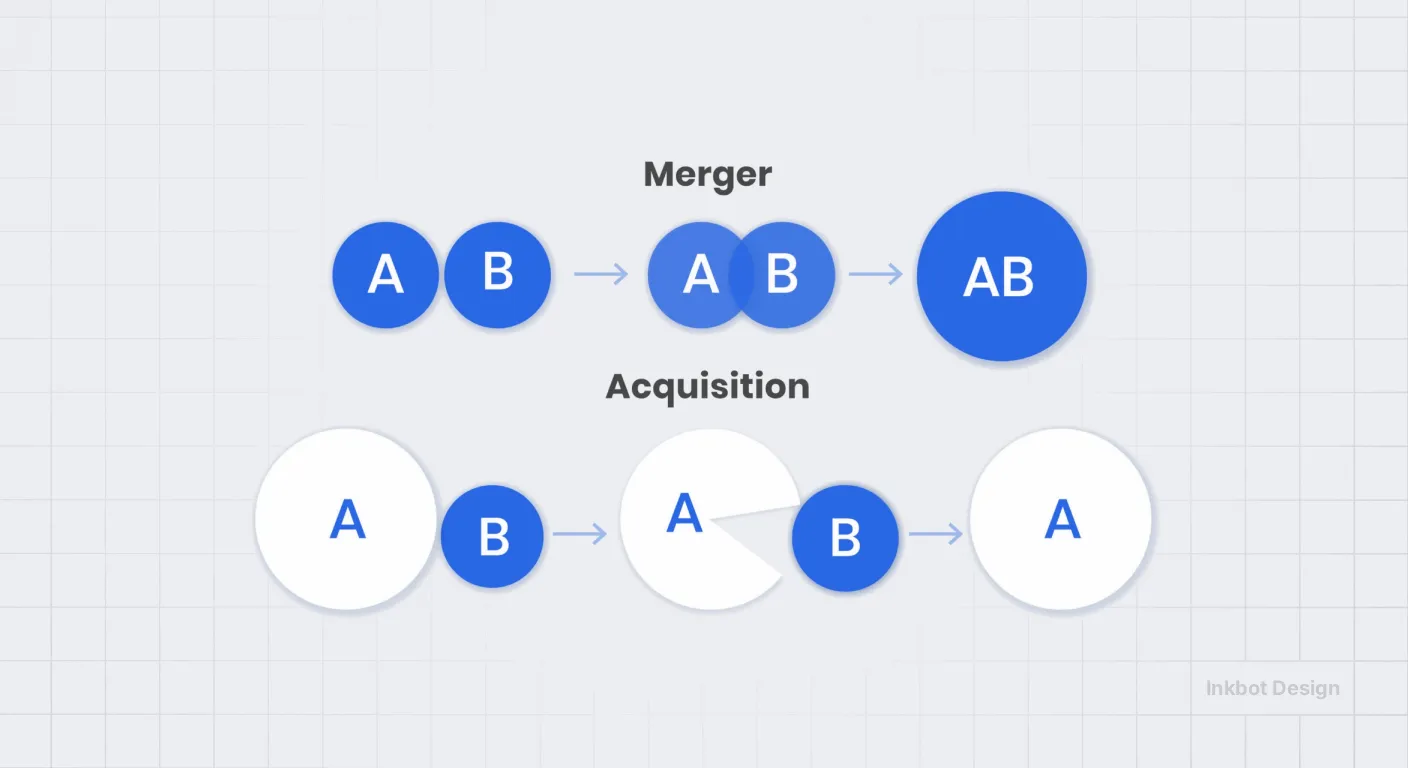
Retain an acquired name when it carries buyer recognition, referral value, or a proposition that the parent cannot yet replace without creating confusion.
Retire the name when the destination is justified, and the transition has been planned.
Neither decision should depend solely on who signed the acquisition agreement.
McKinsey & Company recommends objectively assessing the equity of both brands, the significance of brand in purchasing and customer switching costs before defining the target position and transition.
The recommendation comes from broad merger research, not a study confined to mid-sized UK professional-services firms.
Decide the destination before choosing the transition
The destination is the intended relationship: one name, an endorsed identity or continued independence.
The transition is how clients, employees and referrers reach that destination.
A firm may select one eventual name but retain the acquired identity temporarily. Another may keep an endorsed brand indefinitely because the endorsement performs an ongoing commercial role.
“Temporary” needs a review criterion. Otherwise, the exception can become permanent through inaction.
Record what must be true before the next change: clients understand the relationship, proposals explain the service correctly, relevant evidence has moved, and the receiving website can support the acquired practice.
Those are proposed management checks. They are not validated universal thresholds.
How do you know whether endorsement still serves a purpose?
Ask existing clients to explain the relationship between the acquired practice and the parent.
Check which name appears in referrals, proposals and enquiries. Use those observations to decide whether endorsement still serves a purpose.
A referrer's continued use of the old name is not automatically evidence of failure. The important question is whether the referrer understands who provides the service and how to reach the right team.
Listen for uncertainty about continuity: “Is my adviser still there?” deserves a different answer from “Which website should I use?”
An objection will surface: “We paid for the acquired reputation. Why remove the name?”
Correct. Do not remove an asset merely to make the portfolio diagram tidier. Equally, purchase does not establish that every inherited name should survive indefinitely.
Assess which recognition remains useful and how the combined business will support it.
Make the transition meaningful to clients.
Explain what changes, what remains and what the client can do next. Where there is a genuine new benefit, make the benefit concrete.
McKinsey & Company reports that Amazon introduced benefits after acquiring Whole Foods, including price reductions and access to products through Amazon channels.
The historical retail example demonstrates tangible transition activity; it does not prove that similar activity leads to success in advisory mergers.
For a professional-services business, the equivalent might be access to a newly available specialist team. Only promise that access when delivery arrangements exist.
The broader brand architecture approach to mergers and acquisitions warrants dedicated planning, particularly when multiple acquisitions are expected.
Who owns case studies, content and personal expertise?

Give every case study a publishing owner, a delivery credit line and an approval owner. A transaction involving tax and corporate finance should not become two competing accounts of who did the work.
Start with one maintained version of the evidence. Relevant practice pages can then summarise and point to that version.
For a hypothetical acquisition assignment, the firm website could publish the complete case study, the corporate finance page could explain the transaction role, and the tax page could identify the tax contribution.
The same evidence supports several buyer questions without pretending that each team delivered the entire assignment.
Assign four responsibilities:
- Publishing owner: maintains the principal version.
- Delivery contributors: receive accurate credit.
- Approval owner: confirms factual accuracy and permission requirements.
- Distribution owner: coordinates social posts and related summaries.
Use permissions appropriate to the engagement. Do not assume that completing work creates permission to publish client details.
Partner expertise also needs an explicit relationship with the firm. A partner biography, article byline and speaker profile should tell a consistent story about the partner’s role.
That recommendation does not require suppressing personal reputation. The purpose is to make the connection understandable.
“Jane Smith, restructuring partner at Cedar Advisory” communicates a different relationship from an unexplained personal brand beside the firm’s logo.
A single firm identity may make related expertise easier to recognise. Architecture alone will not deliver cross-selling: teams still need introductions, relevant propositions and the capacity to do the work.
Nielsen Norman Group’s guidance on consistent terminology supports clear labels across the website. The proposed content ownership model is editorial advice, not a finding from that guidance.
Make every separate identity justify its place
Begin with a name inventory, not a logo workshop.
List every practice name, acquired identity, programme, domain and publishing account. Beside each, record the buyer, the intended relationship with the firm and the person responsible for maintaining the identity.
Challenge anything nobody can explain.
Use the framework internally if the portfolio is straightforward and leadership can make the decisions. Bring in specialist support when acquired reputation, disputed positioning or a complicated rollout makes the decision harder.
Inkbot Design’s free Brand Equity Audit™ offers a written diagnostic covering positioning, messaging, visual consistency and search presence.
The audit is a commercial next step for firms that need an outside assessment, not a prerequisite for using the framework.
Today, choose one proposed or existing separate identity and write down the buyer problem that identity solves. If nobody can name the problem, pause the next design brief.
Questions people ask
Can we change our brand architecture without changing our logo?
Yes — architecture work can change service names, endorsements, messaging and ownership without replacing the main logo. Start by identifying the actual problem. If buyers understand the firm but cannot understand the service relationships, structural and verbal changes may be the appropriate first response. This is an editorial recommendation.
Does every legal entity need its own brand?
No — a legal entity and a market-facing brand answer different questions. The appropriate arrangement depends on ownership, service responsibilities and applicable disclosure requirements. Do not use a brand diagram as a substitute for legal or regulatory advice, and do not infer legal separation from a separate logo.
How should a possible future divestment affect the decision?
A credible divestment plan changes the trade-off. Consider whether the practice would need a transferable name, independent evidence and separable digital assets. The framework recommends planning for separation where the transaction case warrants it, rather than maintaining independent brands for every hypothetical future sale.
Who should approve a new practice name?
The proposed governance model assigns approval to a named executive accountable for the overall portfolio, informed by marketing and relevant delivery leaders. A partner can propose a name but should provide the buyer-facing case, ownership plan and maintenance requirements. Record the decision and the conditions that would justify reviewing the name.