Brand Architecture Examples: Why the Wrong Naming Structure Costs You Pitches
Brand architecture dictates whether your firm's hard-won trust transfers to new service lines, or whether an acquired competitor's equity is accidentally destroyed. Stop treating naming structures as a design exercise. Learn how to allocate trust, risk, and marketing capital across your entire portfolio.


On this page5 min left
- What Are Brand Architecture Examples?
- Portfolio Management, Not Logo Design
- "Should We Put This Under Our Existing Brand?" (The Masterbrand Expansion)
- "Will A New Brand Throw Away Our Reputation?" (The Endorsed Model)
- "Can We Afford Separate Brands?" (The House of Brands)
- "What Happens When We Acquire A Competitor?" (Post-M&A Rationalisation)
- "How Do We Stop Every Practice Area Looking Identical?" (Service-Line Architecture)
- Brand Architecture Decision Matrix
- The Verdict
- Questions people ask
Brand architecture dictates whether a firm's hard-won trust transfers to new service lines, or whether an acquired competitor's equity is accidentally destroyed.
Stop treating your naming structure as a graphic design exercise.
Brand architecture is a portfolio decision system governing exactly how much trust, risk, and marketing capital a parent firm shares with every offering.
Good design starts with simplicity. You do not want to confuse people with too much going on.
When a £20m accounting firm acquires a regional boutique and blindly forces the local practice under its national corporate banner, it routinely wipes out the local trust it just paid millions to acquire.
Most agencies will tell you brand architecture is about visual consistency. It is not. It is an exercise in capital allocation and risk management.
What Are Brand Architecture Examples?
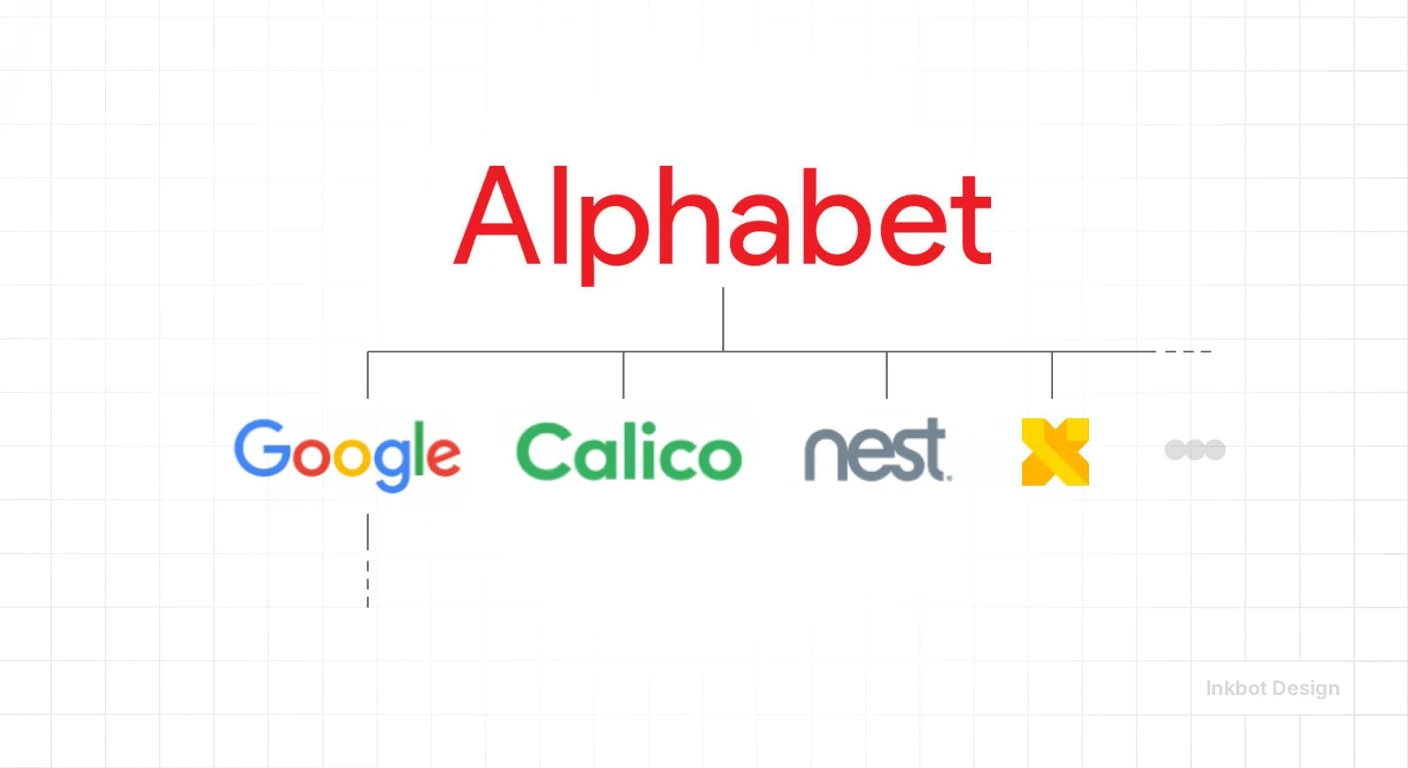
Brand architecture examples demonstrate how companies organise their portfolio of products, services, and acquired businesses.
They define how much equity, trust, risk, and operational complexity a parent brand shares with each individual offering.
The four primary models are the branded house, house of brands, endorsed brands, and hybrid portfolios.
Selecting the correct structure reduces customer confusion and prevents firms from funding redundant marketing campaigns.
Brand architecture examples fall into four structural models (branded house, house of brands, endorsed brands, and hybrid systems) that govern how a parent company allocates trust, budget, and reputational risk across its portfolio.
Portfolio Management, Not Logo Design
Brand equity is a material financial asset.
Kantar BrandZ values the 2026 Global Top 100 brands at $13.1 trillion, representing a 22% year-on-year increase, while Interbrand values the 2025 Best Global Brands Top 100 at $3.6 trillion.
How a business structures that asset determines whether equity compounds across a portfolio or fragments into isolated silos.
Every brand portfolio strategy answers three blunt questions:
- How visible should the parent be? From an invisible holding company to a dominant masterbrand.
- How different can the offering be? From a close service extension to a category-disrupting standalone business.
- Who is the customer actually buying? The parent firm's corporate reputation, the individual offering’s specialist credibility, or a completely new promise.
That reframing turns architecture from a list of graphic design options into a practical decision framework.
"Should We Put This Under Our Existing Brand?" (The Masterbrand Expansion)
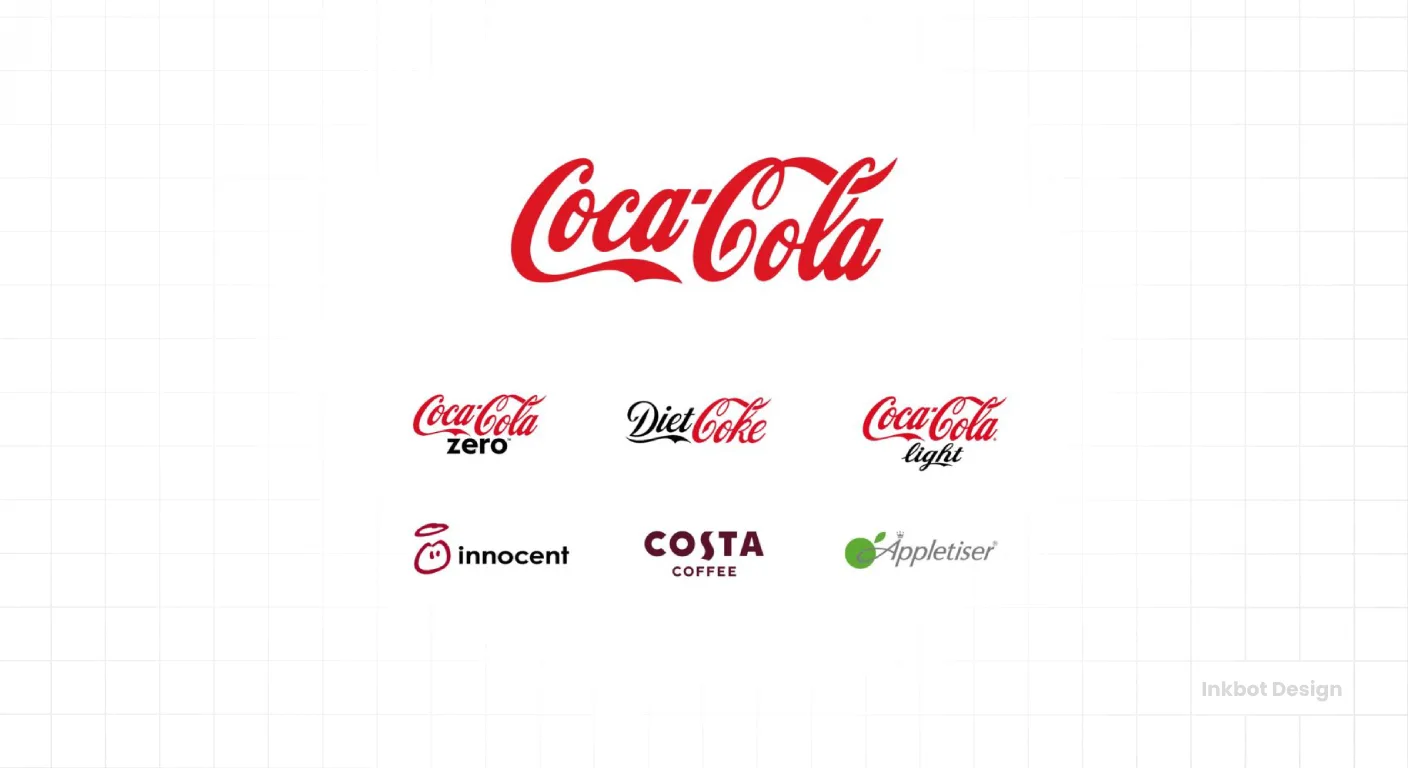
The masterbrand model (or branded house) places the primary corporate identity front and centre across every service, product, and regional office.
The logic is absolute marketing efficiency.
Every pound spent promoting one practice area benefits the entire firm.
95% of consumers state that trusting the brand they buy from is important (NIQ, 2025).
Furthermore, 80% of people trust the brands they use more than they trust businesses in general, the media, or the government (Edelman, 2025).
In professional services, trust is the product. A masterbrand transfers that trust instantly to new ventures.
Kelly provides the strongest 2026 example of a masterbrand consolidation.
Kelly consolidated multiple workforce brands under a single masterbrand strategy to give clients "seamless access" across placements, outsourcing, and consulting.
Crucially, Kelly retained 10 clearly named specialities, such as Kelly Digital Infrastructure.
The strategic logic simplifies the buyer journey while preserving category-specific expertise.
A masterbrand model compounds trust and marketing spend with ruthless efficiency.
But if a parent brand stretches into a category where it lacks credibility, the failure drags down the entire corporate reputation.
"Will A New Brand Throw Away Our Reputation?" (The Endorsed Model)
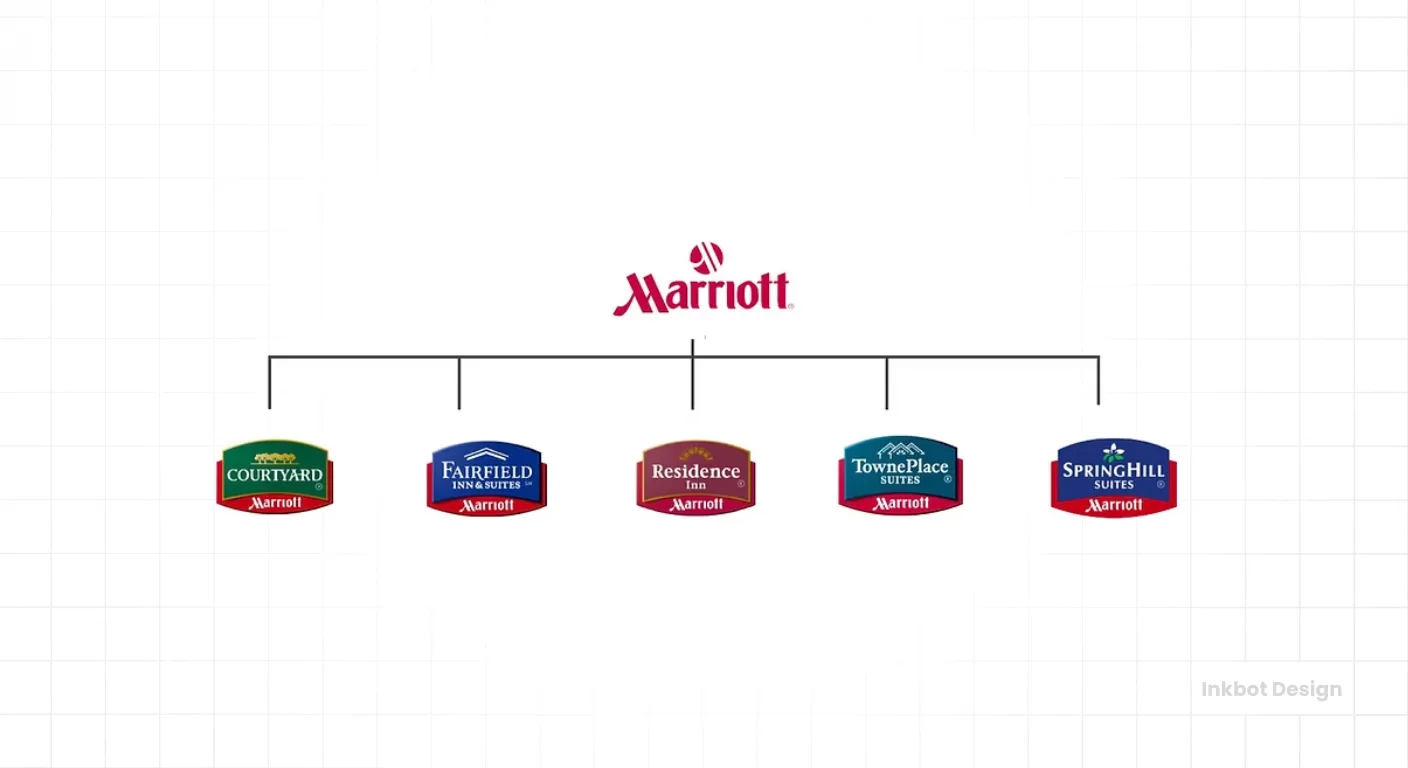
Endorsed brands allow a distinct product or service to maintain its own identity and target market while visibly displaying a trust mark from the parent brand.
This model frequently arises in brand extension scenarios where a firm needs a distinct market position but cannot afford to start with zero credibility.
It balances parent trust with individual identity, but requires strict governance to manage both identities simultaneously without confusing the market.
Beyon stands as the best recent counter-example to the assumption that a rebrand means replacing everything.
Beyon retained local telecom brands—Batelco, Umniah, and Sure—but connected them through an endorsed "by Beyon" structure.
Endorsement adds a parent trust layer without deleting hard-won local market equity.
"Can We Afford Separate Brands?" (The House of Brands)
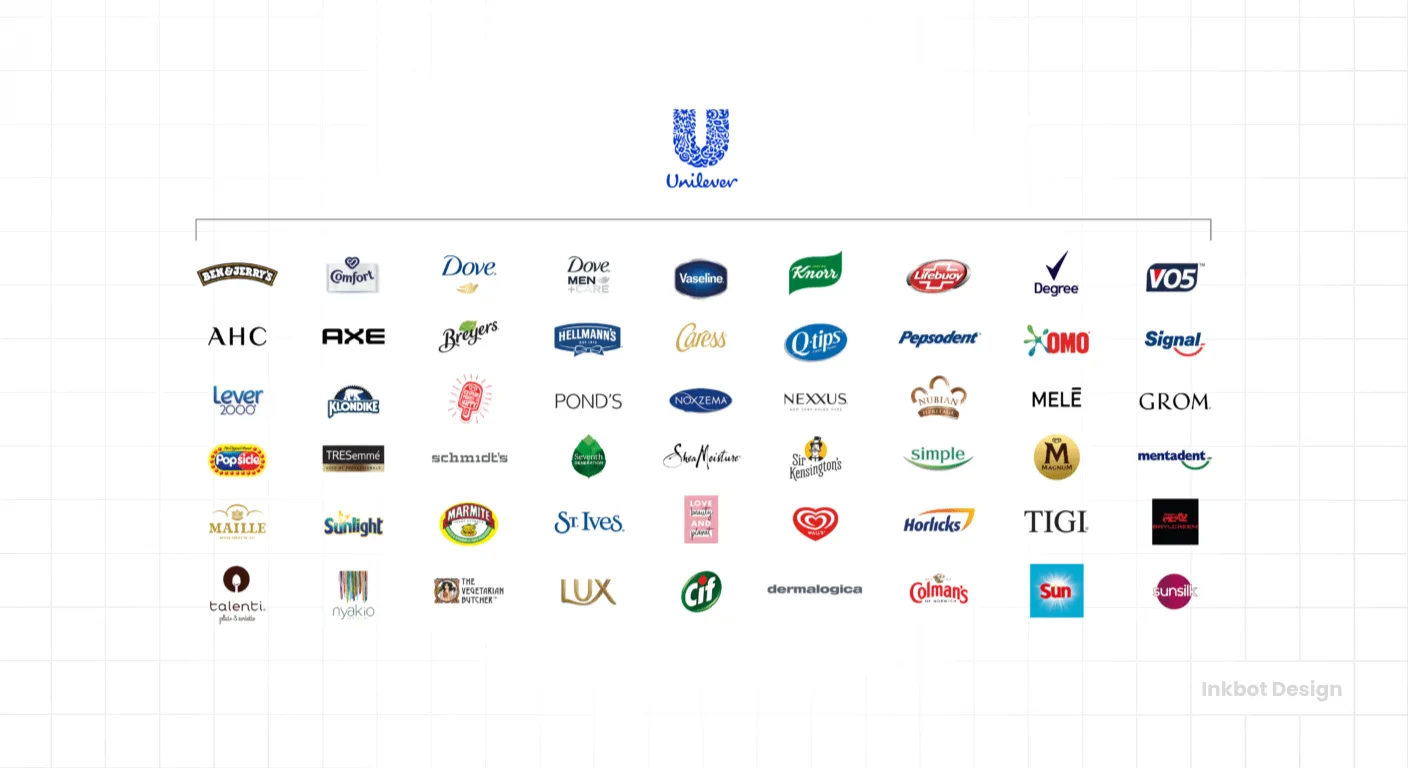
A house of brands features a parent company operating a portfolio of completely independent brands.
Each entity maintains its own name, visual identity, and distinct audience, while the parent remains largely invisible.
This grants total strategic freedom and isolates reputational risk. If one practice area faces a public relations crisis, the others remain untouched.
However, this freedom comes with a brutal invoice. A house of brands requires funding separate awareness campaigns, separate media buys, separate teams, and separate digital domains.
Reliance Consumer Products deliberately uses umbrella brands to spread investment across categories while building scale.
Their leadership explicitly says the structure may need to change once individual brands reach critical mass.
Brand architecture is not permanent. A structure can be right at one stage of growth and entirely wrong at the next.
"What Happens When We Acquire A Competitor?" (Post-M&A Rationalisation)
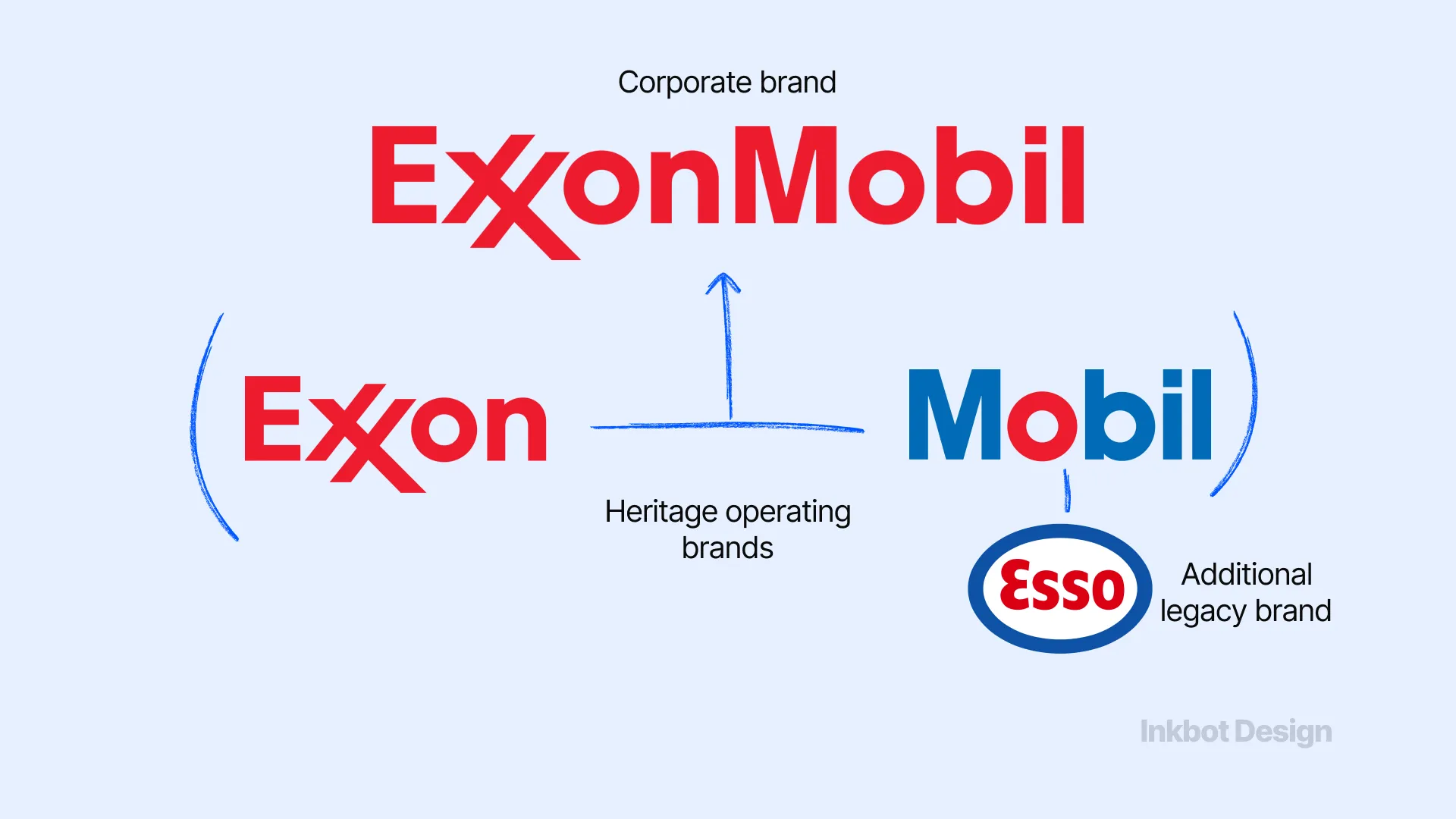
Acquisitions compound brand complexity by default.
If a firm buys a regional competitor and immediately forces a corporate masterbrand onto the acquired business, it risks alienating the specific client base it just purchased.
Deloitte reports that 84% of corporations and 91% of private-equity portfolio companies restructured their portfolios in 2025 (Deloitte, 2025).
In Q1 2026, one-third of total US deal value came from just 20 very large transactions (Deloitte, 2026). When M&A deal value spikes, portfolio naming decisions become high-stakes board-level issues.
Firms executing a hybrid branding strategy post-merger must untangle accumulated brand clutter.
The transition often moves through phases: leaving the acquired brand untouched for a year, moving to an endorsed model to introduce the parent firm, and eventually consolidating into a masterbrand once the acquired clients trust the parent entity.
"How Do We Stop Every Practice Area Looking Identical?" (Service-Line Architecture)
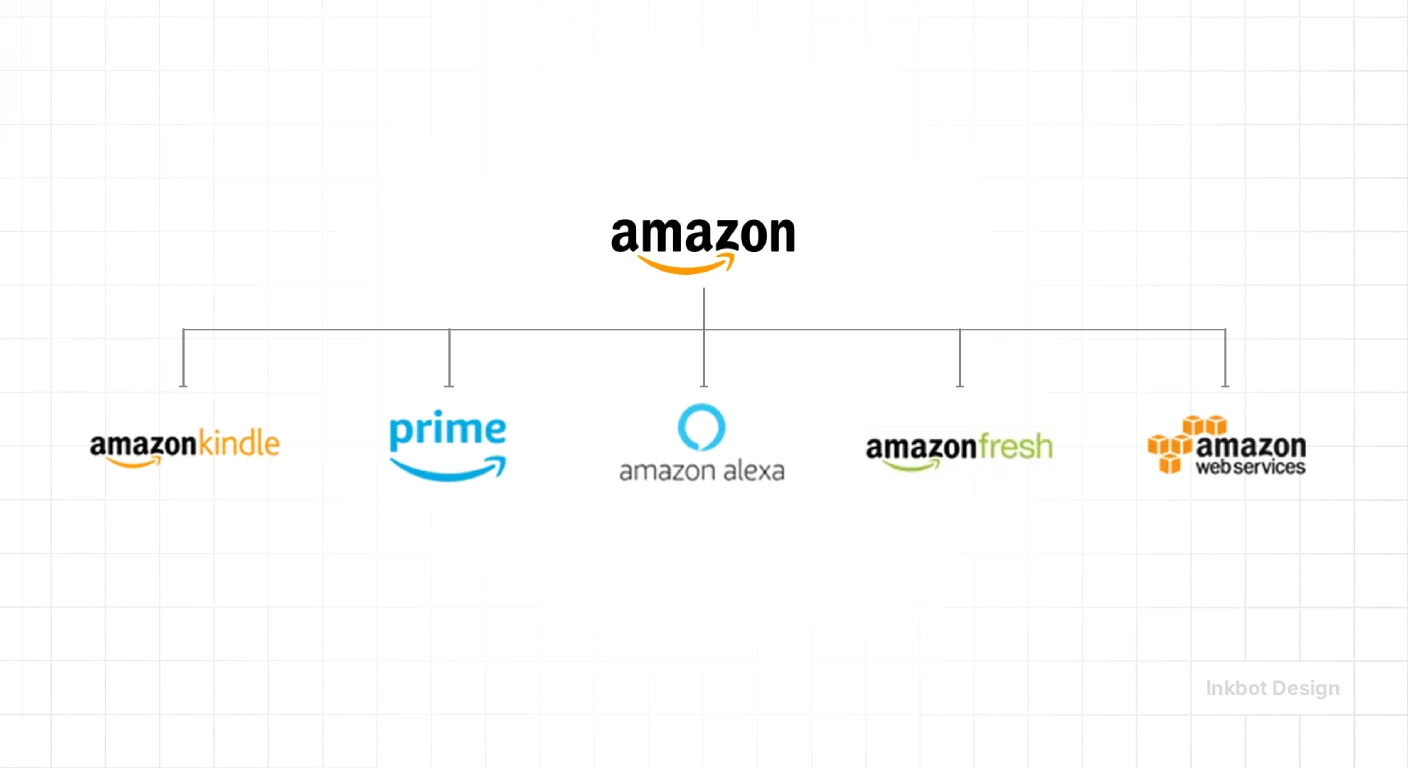
Professional services firms often assume shared masterbrand credibility means every practice area must sound identical.
When partners in different divisions describe the firm using completely different positioning during a pitch, prospects notice the disconnect immediately.
Shared credibility requires a distinct proposition, proof, and buyer language for each specific service line.
The visual architecture can remain unified, but the verbal architecture must differentiate the service. Otherwise, the firm sounds like a generic generalist, stripping away premium pricing power.
Brand Architecture Decision Matrix
Your Firm's Scenario | The Recommended Structure | The Commercial Reason |
Organic growth into closely related services | Branded House (Masterbrand) | Maximises marketing efficiency and instantly transfers existing trust to the new service. |
Launching a disruptive, lower-tier tech product | House of Brands (Standalone) | Protects the premium consulting parent brand from margin dilution and reputational risk. |
Acquiring a highly respected regional competitor | Endorsed Brand | Retains the acquired local equity while introducing the parent firm's scale and backing. |
Merging three equal-sized B2B firms | Hybrid Portfolio | Requires structured rationalisation to retire redundant names without shocking legacy client bases. |
The Verdict
Brand architecture is not a diagram you choose; it is a set of trade-offs you govern.
The difference between a product name, a sub-brand, an endorsed brand, and a standalone brand is not visual styling. It is the allocation of brand equity, permission to stretch, and accountability for failure.
If your firm is acquiring competitors, expanding service lines, or preparing for a liquidity event, the naming structure you use dictates the valuation of your equity.
Leaving that structure to chance, or leaving it to graphic designers who do not understand capital allocation, costs you pitches and margins.
Stop guessing how your market perceives your portfolio.
Request a free Brand Equity Audit™ to identify exactly where your brand architecture is losing commercial ground and the precise structural moves required to fix it.
Questions people ask
Does a branded house save marketing money?
Yes — a branded house consolidates all marketing spend into a single corporate identity. Every campaign builds equity for the masterbrand, significantly lowering the cost of introducing new service lines compared to funding separate standalone brands.
When should an acquired company keep its original name?
An acquired company should keep its original name when its specific brand equity, local market trust, or specialised credibility is the primary reason for the acquisition. Forcing an immediate corporate rebrand often alienates the acquired client base.
What is the difference between an endorsed brand and a sub-brand?
An endorsed brand (like Batelco by Beyon) maintains its own dominant identity and market position, using the parent brand solely as a secondary trust mark. A sub-brand (like Kelly Digital Infrastructure) relies heavily on the parent masterbrand's identity, simply adding a descriptive modifier to specify the service.
Can a firm change its brand architecture later?
Yes — brand architecture must evolve alongside business strategy. A firm may operate as a house of brands during an aggressive acquisition phase to build scale, and later consolidate into a branded house to streamline operations once individual brands reach critical mass.