Enhancing Brand Credibility: A Strategic B2B Framework
Enhancing brand credibility is an exercise in eliminating buyer risk. Discover the 6 strategic levers UK advisory practices use to bridge the perception gap, command partner trust, and justify premium fees.


On this page3 min left
- What Is Brand Credibility in High-Consideration Markets?
- Comparing Brand Credibility Profiles in Professional Services
- 1. Establish Narrow Positioning and Clear Category Ownership
- 2. Align Verbal Messaging with Operational Delivery
- 3. Deploy Evidence-Led Proof and Sector Validation
- 4. Provide Transparent Commercial Terms and Predictable Scoping
- 5. Publish Original Thought Leadership and Proprietary Frameworks
- 6. Enforce Cross-Touchpoint Brand Cohesion
- Diagnose Your Firm's Credibility Gaps
- Questions people ask
Enhancing brand credibility requires aligning public positioning with verifiable operational competence.
For UK professional services firms (such as law practices, accountancies, and management consultancies), credibility is not built on decorative badges or corporate slogans. It is built on risk elimination.
When enterprise clients commission advisory services, perceived competence dictates fee tolerance, procurement shortlisting, and partner buy-in.
What Is Brand Credibility in High-Consideration Markets?
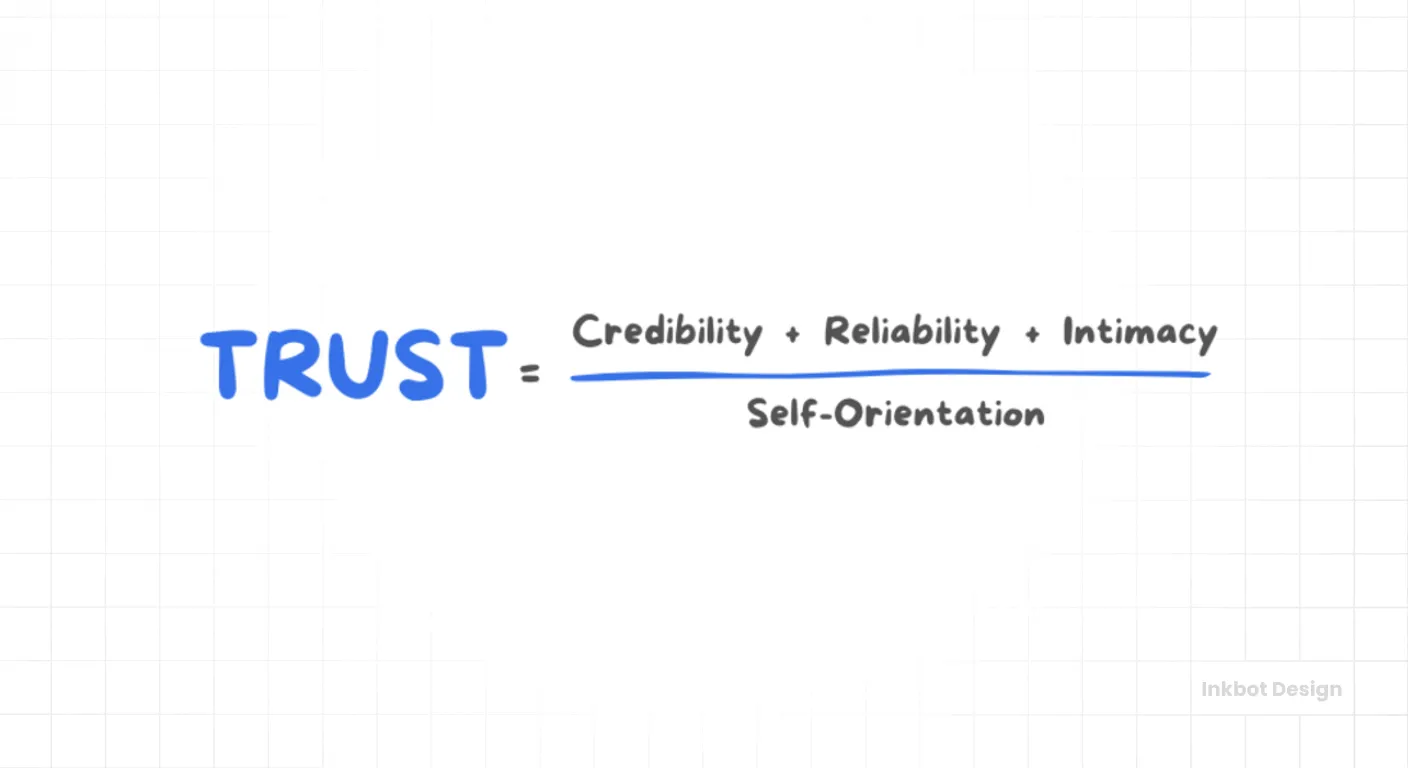
Brand credibility is the measurable extent to which prospective buyers believe a firm possesses the expertise, integrity, and operational capability to deliver on its promises.
In professional services—such as legal counsel, accounting, and management consultancy—credibility is an economic filter. Because clients cannot evaluate advisory work before purchase, they rely on external signals to gauge operational risk.
When an established firm's market presentation lags behind its actual expertise, it incurs what Inkbot Design defines as the Obscurity Tax™.
This perception gap traps qualified firms in the Fee Justification Trap and the Convincing Grind, forcing partners to defend premium fees against lesser-calibre competitors who look more authoritative.
Comparing Brand Credibility Profiles in Professional Services
Credibility Dimension | Low-Credibility Practice | High-Credibility Practice |
|---|---|---|
Market Positioning | Broad generalist ("full-service solutions") | Narrow specialist ("Category of One") |
Fee Architecture | Vague, hourly billing; defensive negotiation | Fixed-scope, transparent pricing floors |
Proof Architecture | Generic star ratings; unverified testimonials | Forensic case studies with client permissions |
Content Strategy | Aggregated AI summaries; basic how-to tips | Proprietary frameworks, benchmarks, original data |
Visual Presentation | Template-driven, stock imagery, fragmented assets | Bespoke identity system, unified brand specifications |
Procurement Dynamic | Heavy partner time spent justifying value | Pre-qualified inbound enquiries with short buying cycles |
Here is a 6-step action plan to help transform your brand into an unshakeable powerhouse. Let's review them in detail…
1. Establish Narrow Positioning and Clear Category Ownership
Convincing the world to trust your brand over others is an uphill battle. Before doing that, establish a clear identity. Designate enough time to articulate:
- core business purpose,
- core values, and
- unique selling proposition (USP).
Once you know exactly who you serve, you can confidently speak to their pain points, cutting through marketplace noise with absolute clarity.
2. Align Verbal Messaging with Operational Delivery
Authenticity demands eliminating contradictions between your promotional campaigns and your daily operations. Be sure that service, leadership, and sales practices mirror your public claims.
Using a professional business email is a proven way to establish instant legitimacy when communicating directly with clients and partners. So, prioritise it over a generic domain.
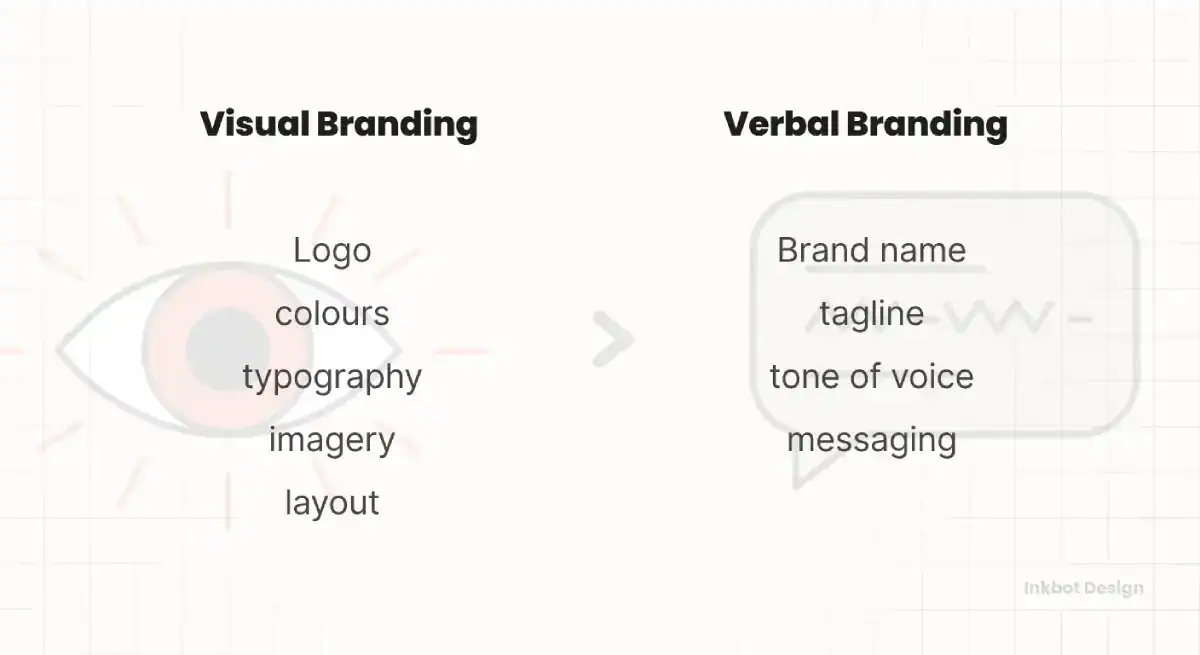
3. Deploy Evidence-Led Proof and Sector Validation
People trust people, not logos. That's why it's more than crucial to collect actively:
- Detailed Case Studies: Outline the specific client baseline, the strategic intervention, and the commercial result, using approved client permissions where possible.
- Independent Review Platforms: Maintain verified profiles on established B2B platforms such as Google Business Profile, Trustpilot, or Clutch. For instance, Inkbot Design maintains a 4.9/5 rating across 87 verified Google reviews (November 2026), grounding reputational claims in public data.
- Institutional Credentials: Highlight relevant regulatory compliance, professional accreditations, and industry-recognised appointments rather than generic web badges
After collecting them all, professionals should share them across their digital platforms, such as social media, Google Business Profile Page, and more.
Highlighting industry accolades or security certifications (such as SSL badges) gives sceptical first-time visitors the confidence they need to take action.
4. Provide Transparent Commercial Terms and Predictable Scoping
Hidden fees and ambiguous return policies destroy trust instantly. With that in mind, you should build a strong foundation of reliability.
To get it done, you (as a business owner or professional) should keep your contact details, clear pricing structures, and privacy policies accessible.
The moment customers know exactly what to expect from your operation, their transaction anxiety disappears. This will boost your brand's trustworthiness and profitability.
5. Publish Original Thought Leadership and Proprietary Frameworks
Offering solutions to your audience's problems and concerns can boost your brand's selling prospects. So, stop just focusing on selling; start solving. To reduce the uncertainty of your target audience, write and publish:
- helpful guides,
- industry insights, and
- educational resources.
Prioritising customer education over aggressive sales pitches will prove your domain expertise and position you as a helpful peer rather than a rigid vendor.

6. Enforce Cross-Touchpoint Brand Cohesion
Credibility doesn't build overnight; it takes time and relentless repetition. Across all digital channels, you should deliver a uniform visual identity, tone of voice, and quality of service.
Whether your customer interacts with your social media or your support team, a predictable, high-quality experience cements your brand's reputation.
Diagnose Your Firm's Credibility Gaps
Building brand credibility isn't a one-time marketing campaign—it is an ongoing commitment to excellence. By aligning your message with real-world actions and prioritising customer trust, you can turn casual buyers into lifelong brand advocates. Start executing these six steps today—you'll watch your marketplace authority soar.
Is an outdated visual identity or inconsistent market positioning costing your firm landmark client mandates? Inkbot Design offers the Brand Equity Audit™—a free, bespoke written diagnostic that evaluates your identity gaps, messaging logic, visual trust, and AI search visibility. Delivered within two working days (48-hour target) with no sales call and no obligation.
Questions people ask
How long does it take to establish measurable brand credibility?
Building institutional credibility is a cumulative process, but perceptions can realign rapidly. Upgrading strategic positioning, brand specifications, and visual identity typically takes 4 to 8 weeks, while establishing market authority through proprietary research and earned industry validation takes 6 to 18 months.
Can visual design alone enhance brand credibility?
No. While sophisticated visual design creates essential visual trust and eliminates the perception of amateurism, surface decoration cannot compensate for flawed positioning or poor operational delivery. True credibility requires "positioning before pixels"—grounding visual identity in verifiable expertise and clear commercial strategy.
How does brand credibility directly affect pricing power?
Credibility directly reduces perceived buyer risk. In high-consideration sectors, enterprise clients pay a premium to eliminate the risk of failure. When a firm is visibly perceived as a leading specialist, it escapes the Fee Justification Trap and commands fixed premium fees without competitive margin erosion.
What is the fastest way to diagnose a firm's credibility gaps?
The most effective starting point is a structured forensic diagnostic examining identity gaps, messaging logic, visual consistency, and algorithmic perception (how AI models describe the firm). Inkbot Design delivers this through the free written Brand Equity Audit™.