Consultancy Branding Cost: What Should a Growing Firm Budget?
Consultancy branding budgets should reflect the commercial problem being solved, not simply the number of design deliverables. Learn how to assess strategy, messaging, visual identity and agency proposals, distinguish a logo refresh from a strategic rebrand, and decide what your consultancy actually needs before committing its budget.



On this page9 min left
- How Much Does Consultancy Branding Cost?
- Why Does Consultancy Branding Cost So Much, and What Does £3k vs £30k Buy?
- Can a Small Consultancy Afford Professional Branding?
- Why Do Branding Agencies Refuse to Publish Fixed Prices?
- Is Branding Worth It If Your Consultancy Already Has Clients?
- What Should a Consultancy Branding Proposal Include?
- Your Branding Budget Should Follow the Commercial Problem
- Questions people ask
A £5m management consultancy can have excellent consultants, respected clients and a steady stream of referrals, yet struggle to explain why an enterprise buyer should choose it over a competitor.
That problem cannot be fixed by ordering another logo.
Consultancy branding costs depend on the scope of the commercial problem.
A visual identity refresh requires a different investment from repositioning a multi-partner consultancy, rewriting its proposition and redesigning its sales materials.
Without verified UK pricing data, publishing a supposedly typical market rate would be misleading.
For a consultancy generating £2m–£20m, the decision starts with understanding what prospective clients struggle to recognise about the business.
The wider subject of consultancy branding services covers the strategic and creative work involved.
This article focuses on the budget decision, including how to assess a consulting firm's branding and determine what your firm actually needs.
How Much Does Consultancy Branding Cost?
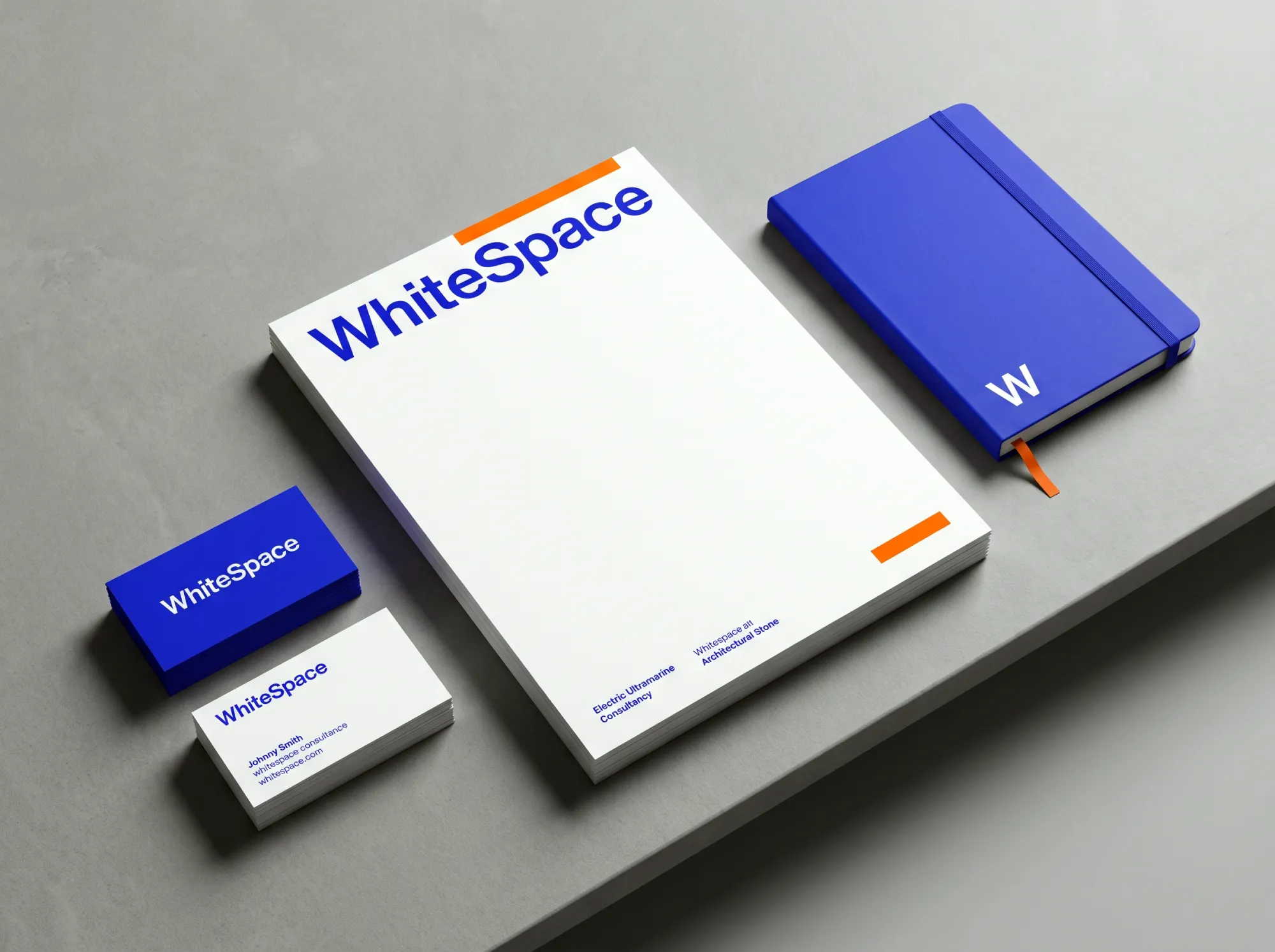
Consultancy branding costs vary according to research requirements, positioning complexity, messaging development, identity design, stakeholder involvement and implementation.
A logo-only commission requires considerably less work than a strategic rebrand involving several partners, enterprise positioning and a complete sales and digital identity system.
Three purchasing principles matter:
- Strategy expenditure should reflect the difficulty of defining and communicating the consultancy's commercial difference.
- Design expenditure should reflect the number and complexity of the applications required.
- Implementation expenditure should be separated from the initial agency fee.
Consultancy branding costs depend on strategic scope, positioning requirements, visual identity, stakeholder involvement and implementation rather than logo design alone.
Why Does Consultancy Branding Cost So Much, and What Does £3k vs £30k Buy?
The difference between a £3,000 logo project and a £30,000 consultancy brand project lies primarily in the level of commercial and strategic decision-making involved.
These figures are illustrative purchasing scenarios, not verified UK market averages or recommended price points.
A £3,000 engagement might cover a visual identity refresh, a revised colour palette, typography, logo variations and a short set of usage guidelines.
That could be entirely appropriate for a consultancy with established positioning and consistent messaging.
A £30,000 engagement might involve stakeholder interviews, competitor analysis, market positioning, messaging architecture, visual identity development, brand guidelines and the creative direction of a redesigned website and sales materials.
Different jobs. Different responsibilities.
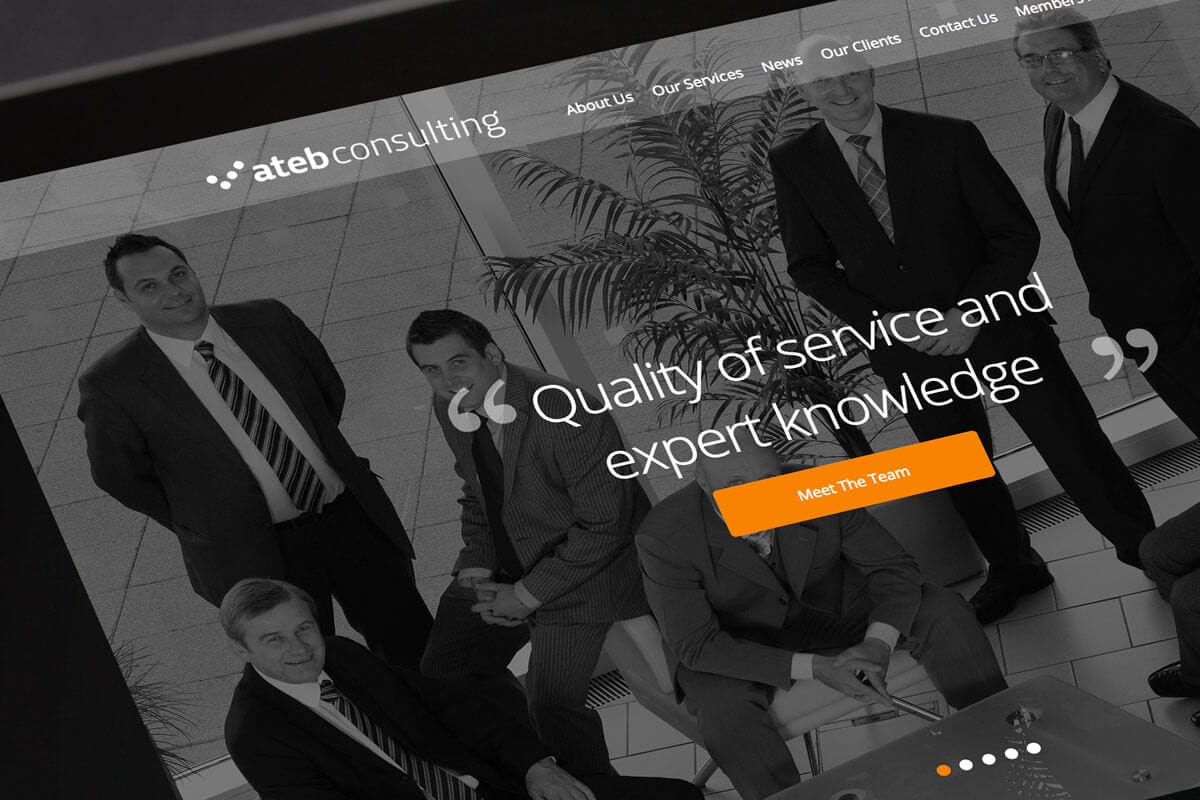
What does a consultancy actually pay for?
A consultancy branding proposal can contain several distinct areas of work:
Component | What the expenditure covers |
|---|---|
Brand research | Audience insight, competitor analysis and stakeholder interviews |
Brand strategy | Positioning, differentiation, proposition and market definition |
Brand messaging | Core narrative, service descriptions, value propositions and tone of voice |
Visual identity | Logo system, typography, colour, graphic elements and guidelines |
Digital direction | Website structure, content direction and user experience requirements |
Implementation | Website development, proposal templates, presentation materials and rollout |
The distinction matters because a consultancy may need some components without needing all of them.
For example, a 12-partner management consultancy with an established market position but inconsistent presentation materials might need a visual identity system and guidelines for its application. Paying for extensive positioning research would be difficult to justify if the underlying commercial proposition had already been agreed.
The reverse applies to a consultancy whose partners cannot agree on what makes the business different. A new logo would simply give an unresolved argument a new appearance.
Why strategic work changes the fee
Strategic branding involves decisions that influence how a consultancy presents its expertise to prospective buyers.
Consider a hypothetical 12-partner consultancy generating £8m annually. Its partners specialise in operational improvement, but the website describes the business using broad phrases such as transformation, innovation and business performance.
The problem is specificity.
An enterprise procurement director evaluating that consultancy needs to recognise the firm's particular expertise, the business problem it addresses and why its approach warrants consideration.
The branding engagement might therefore need to establish:
- Which enterprise buyers the consultancy should prioritise.
- Which commercial problems the consultancy is particularly qualified to solve.
- How its proposition differs from competing management consultancies.
- How the positioning translates into website messaging, proposals and credentials.
- Which existing materials require replacement.
These are strategic decisions. The visual identity follows from them.
The £30,000 scenario is not automatically better than the £3,000 scenario. The correct expenditure depends on whether the consultancy needs strategic decisions, visual execution or both.
Can a Small Consultancy Afford Professional Branding?
Yes. A small consultancy can commission professional branding without buying an entire strategic rebrand. The important question is whether the existing commercial proposition is already understood.
If five partners agree on the firm's market position, target clients and specialist services, an identity refresh may be sufficient. The consultancy can concentrate expenditure on its logo system, typography, guidelines and sales materials.
If those five partners describe the business differently, stop before commissioning the design work. The positioning needs resolving first.
A useful purchasing rule is to commission the smallest complete piece of work that removes the problem. Do not buy a strategy programme once the strategy has already been agreed. Equally, do not buy a logo when the partners cannot agree what the consultancy stands for.
Where should a smaller consultancy spend first?
Consider a hypothetical five-partner specialist consultancy with established clients but limited marketing resources.
If referrals are generating suitable work and buyers already understand the firm's expertise, an identity refresh and better proposal materials may be sufficient.
If the same consultancy wants to move into enterprise accounts but cannot articulate how its expertise differs from that of larger competitors, strategic positioning should take priority.
Consultancy situation | Recommended investment | Reason |
|---|---|---|
Established positioning, outdated logo | Identity refresh | The underlying proposition already works |
Strong expertise, inconsistent messaging | Messaging development | Buyers need a clearer explanation of the offer |
Partners disagree on market positioning | Brand strategy | The commercial proposition needs agreement |
Enterprise ambitions, weak presentation materials | Strategy plus sales applications | Positioning must carry through to buyer-facing documents |
Post-merger consultancy with competing identities | Full brand integration | The combined business needs an agreed market position |
A smaller consultancy should avoid purchasing an extensive agency programme simply because a larger competitor has done so.
The budget should follow the required work, not the size of another firm's branding investment.
Why Do Branding Agencies Refuse to Publish Fixed Prices?
An agency cannot accurately price a consultancy rebrand until it understands the scope. That is reasonable.
What is not reasonable is asking a client to approve an open-ended engagement without explaining how the fee could change.
A five-partner consultancy with one decision-maker is a different project from a 15-partner firm with competing service-line positions and several approval committees.
Ask the agency to separate confirmed work from optional work. Research, workshops, identity design, website development and implementation should have identifiable costs or clearly defined pricing assumptions.
A fixed fee is useful when the scope is defined. Where uncertainty remains, staged fees and priced options are more honest than pretending every decision can be known in advance.
What should an agency explain before quoting?
A credible consultancy branding proposal should establish:
- Which research and discovery activities are included.
- Whether stakeholder interviews are required.
- How many positioning and messaging workshops are planned.
- Which identity applications will be designed.
- How many review and approval rounds are included.
- Whether website development is included or separately priced.
- Who owns the final creative assets and intellectual property.
- What happens when the agreed scope changes.
A proposal should also identify client responsibilities. If the consultancy's partners cannot agree on the positioning, additional workshops may be necessary.
Ask for a fixed fee against a defined scope wherever possible. Where uncertainty remains, request clearly priced optional stages rather than an open-ended commitment.
Is Branding Worth It If Your Consultancy Already Has Clients?

Existing clients do not automatically mean your brand is working.
Look at the opportunities the consultancy wins and the opportunities it struggles to attract. Are enterprise prospects asking for explanations of what makes the firm different?
Are proposals relying on individual partner biographies rather than a recognisable firm-wide proposition? Are prospects comparing your fees to those of competitors who appear to offer similar services?
These are questions worth investigating before spending money.
If the consultancy wins suitable work, commands acceptable fees and communicates its expertise clearly, a full rebrand may be unnecessary. A targeted identity refresh could be enough.
If the firm wants to enter a new market or attract buyers who have never met its partners, positioning and messaging deserve closer examination.
What if the consultancy already wins work through referrals?
There is no reason to commission a full rebrand simply because the website looks dated.
If referrals produce profitable, appropriate clients and the consultancy's positioning is understood, an identity refresh may be the sensible choice.
However, if the firm wants to move beyond its existing referral network, the buying criteria change.
A prospective enterprise client may first encounter the consultancy through a proposal, a website, a professional introduction, or a search result.
The brand must communicate enough information for that buyer to decide whether a conversation is worthwhile.
What Should a Consultancy Branding Proposal Include?
A proposal quickly tells you whether an agency has listened. If the document could have been sent to any consultancy in the country by changing the company name, I would be asking some fairly uncomfortable questions.
Look for evidence that the agency understands the firm's commercial problem. It should explain the research, strategic decisions, messaging, identity and applications required to address that problem.
Ask for each deliverable to be linked to a specific requirement. A proposal template is useful if inconsistent proposals are a problem. A new website is relevant if the existing site cannot explain the firm's services. Neither should be included automatically.
Seven things to check before accepting a branding proposal
1. A defined commercial problem
Does the agency understand whether the consultancy needs to attract enterprise buyers, reposition a specialist service or present a more consistent identity?
2. Research and discovery
Does the scope explain how the agency will understand the consultancy, its market, competitors and intended audience?
3. Positioning and messaging
Does the proposal specify the strategic decisions and messaging deliverables? Look for a defined proposition, positioning statement, service architecture and core narrative where relevant.
4. Visual identity deliverables
Does the agency identify the actual design work? This might include primary and secondary logos, typography, colour specifications, graphic elements and brand guidelines.
5. Commercial applications
Which materials will be included? A consultancy may need proposal templates, credentials documents, presentation templates, website design direction or digital assets.
6. Implementation and ownership
Are development costs, third-party expenses, intellectual property rights, source files and handover arrangements clearly explained?
7. Approval and project management
Who makes decisions, how many revisions are included, and what happens if partners disagree?
How to avoid paying for a logo you do not need
Ask the agency to separate the positioning problem from the identity problem.
If the consultancy already has a clear proposition, recognised market position and consistent messaging, it may only need design work.
If the partners cannot explain why an enterprise buyer should select the consultancy over a competitor, more logo concepts will not resolve that issue.
Ask the agency to show exactly which proposed deliverable addresses which identified problem. If the connection is unclear, question the expenditure.
“A branding proposal should make every major cost traceable to a business requirement. If the agency cannot explain why a consultancy needs a particular deliverable, the buyer has no reason to assume it belongs in the project. Agree the commercial problem first, define the work second and approve the creative expenditure only when both are clear.”
Your Branding Budget Should Follow the Commercial Problem
A consultancy does not need the most expensive branding engagement available. It needs the right one.
A firm with established positioning may only need a visual identity refresh and consistent sales materials. A consultancy struggling to explain its expertise to enterprise buyers needs strategic work before commissioning another set of design assets.
That is the distinction worth taking into a partner meeting.
The supplied price examples cannot establish what a UK consultancy should pay. A credible budget requires an agreed scope, a defined set of outcomes and transparent agency fees.
Start by identifying the biggest brand-related commercial problem. Then ask agencies to price the work required to solve it.
Inkbot Design offers a free Brand Equity Audit™ to identify where a consultancy's brand may be losing commercial ground and what should be addressed. It provides a useful starting point before committing to a larger branding engagement.
Questions people ask
Does consultancy branding include website design?
Not automatically. Consultancy branding can establish the strategy, messaging and visual identity that guide a website, while design and development may be separately commissioned. Always check whether website architecture, UX design, copywriting, development and ongoing maintenance are included in the quoted fee.
Should a consultancy rebrand before entering a new market?
A consultancy should review its positioning before entering a new market. If the existing proposition communicates the relevant expertise and serves the intended buyers, a visual refresh may suffice. If the new market requires different expertise, messaging or differentiation, strategic repositioning should come first.
How long does a consultancy branding project take?
Project duration depends on research depth, stakeholder availability, approval processes and implementation requirements. A simple identity refresh and a multi-partner strategic rebrand should not be assigned the same timetable. Request a project schedule identifying client decisions, agency milestones and approval dependencies.
Can a consultancy use a freelance designer instead of a branding agency?
Yes. A freelance designer can be suitable when the consultancy has already agreed its positioning and messaging and needs visual execution. A branding agency may be more appropriate when the project requires coordinated research, strategic positioning, partner alignment and multiple creative applications.
How can a consultancy measure whether its rebrand was successful?
Establish a baseline before implementation. Relevant measures include qualified enquiry volume, enterprise opportunities, proposal conversion, average engagement value and recruitment enquiries. Track changes over an agreed period and consider other influences, including sales activity, market conditions and changes to the service offering. Do not attribute every improvement to branding.