Bespoke Logo Design Value: What It Actually Buys You
A bespoke logo’s value is not the cost of drawing it. It is the commercial friction it removes across your buying cycle — pricing power, acquisition efficiency, sales velocity, due-diligence confidence. For professional services firms, that reframe is the difference between defending a spend and winning the argument for it.
 By Stuart Crawford
 Reviewed by Tabitha Ayers
Updated 11 min read
On this page11 min left
- What Is the Real Value of a Bespoke Logo Design?
- Why Intelligent People Believe a Logo Is Just a Drawing
- Where a Logo Moves Money You Can Measure
- Where This Stands Now: Logo Trust Is Bounded by Sector
- The Objection You're Right to Raise
- Bespoke Logo Design Value Comparison
- The Verdict
- Frequently asked questions
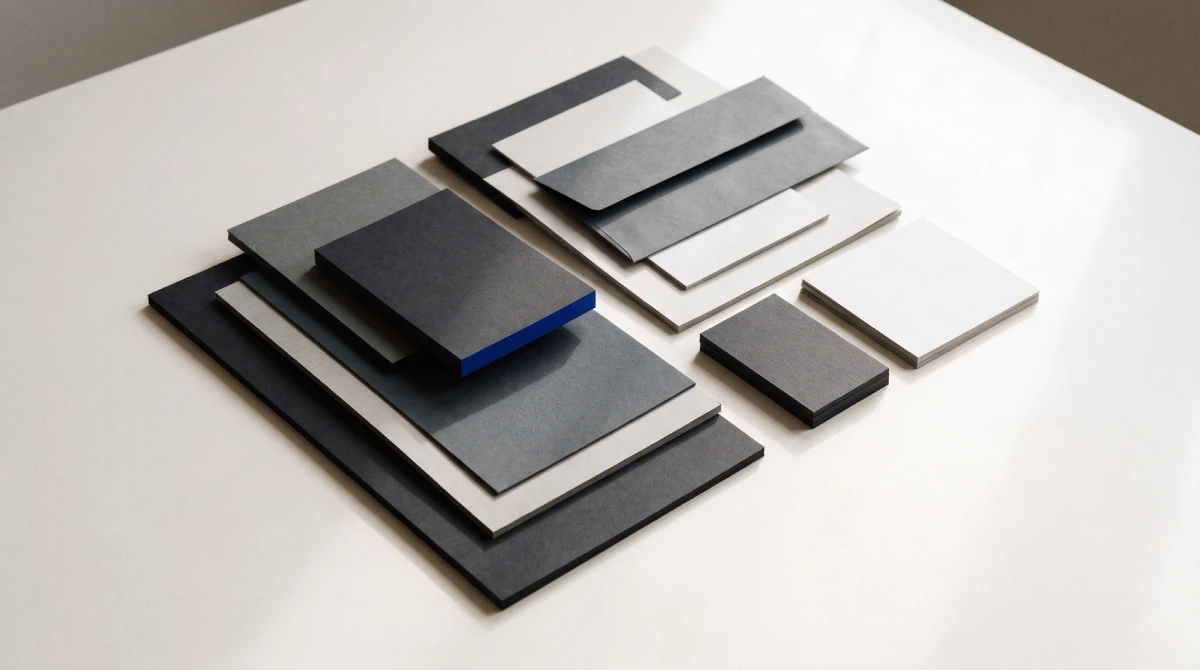
A £40 template logo and a £15,000 identity system can look almost identical on a business card.
That resemblance is exactly what makes the spending decision so hard to defend – and why so many professional services firms defend it on the wrong grounds.
The value of a bespoke logo design is not the craft that goes into drawing it.
It is the commercial friction it removes across your entire buying cycle: how easily you command a premium fee, how efficiently you acquire clients, how quickly a prospect trusts you enough to proceed, and how confidently an acquirer values you during due diligence.
You'll present a logo design decision to a board or partnership at some point during a growth phase. When you do, the temptation is to argue quality – that the bespoke option is better. That argument loses.
Your finance partner has seen the cheap one; it also has a nice serif and a balanced mark. The argument that wins reframes the entire comparison.
What Is the Real Value of a Bespoke Logo Design?

The value of a bespoke logo design is the measurable commercial friction it removes across a firm's buying cycle – in pricing power, client acquisition cost, sales velocity, and due diligence confidence – not the aesthetic quality of the mark itself. A logo is not an isolated asset. It is a visible interface to an identity system that either reduces a buyer's perceived risk or fails to do so.
- A bespoke identity system reduces the perceived risk a prospect carries into a first conversation, which is where fee resistance forms.
- The correct comparison is not between a premium logo and a cheap logo, but between a strategic identity system and a disposable visual shortcut.
- Research shows a logo's influence on trust is real but bounded by industry context – meaning value comes from fit and friction, not decoration.
The value of bespoke logo design is measured by the commercial friction it removes across a firm's buying cycle, not by the cost of producing it.
Why Intelligent People Believe a Logo Is Just a Drawing
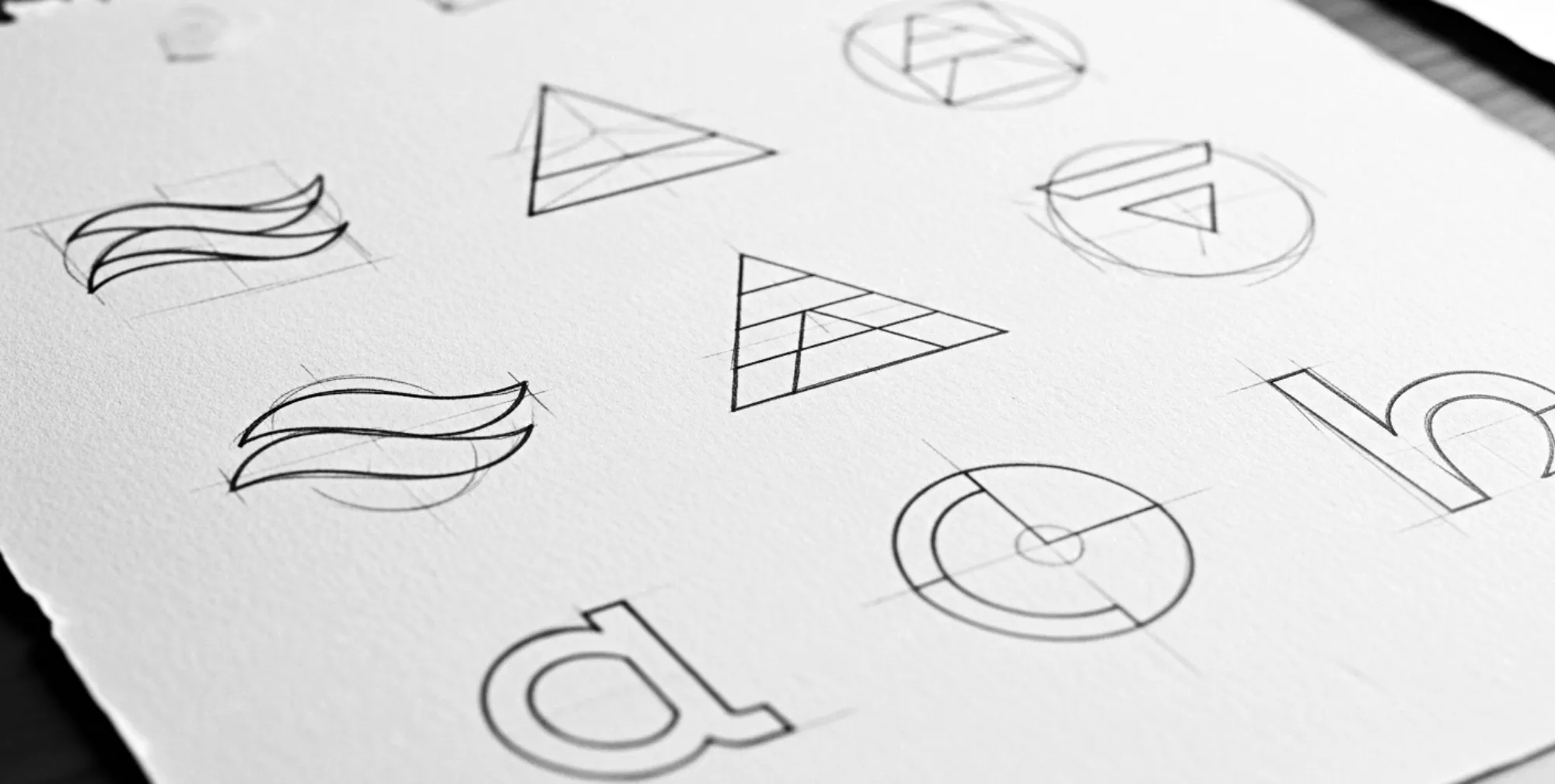
The “it's just a logo” position is not stupid – it is rational under bad information.
A managing partner who has watched a designer spend three weeks on kerning, then present a mark that a competitor's £50 version superficially resembles, has drawn a reasonable conclusion: the output looks similar, so the price difference is markup on taste.
When the deliverable is judged as a picture, the cheap picture wins on cost every time.
This view holds firmest among people who reason for a living. Lawyers, accountants, and consultants are trained to strip a proposition to its verifiable core.
A logo, examined as a standalone artefact, offers almost nothing verifiable – no billable output, no measurable deliverable, nothing that survives a sceptical partner's “so what does this actually do” question.
The sceptic is not being philistine. They are applying professional rigour to an asset that has been sold to them badly, as decoration.
That is the belief this article has to break – and it cannot be broken by asserting that good design matters. It has to be broken by showing where the money actually moves.
Where a Logo Moves Money You Can Measure
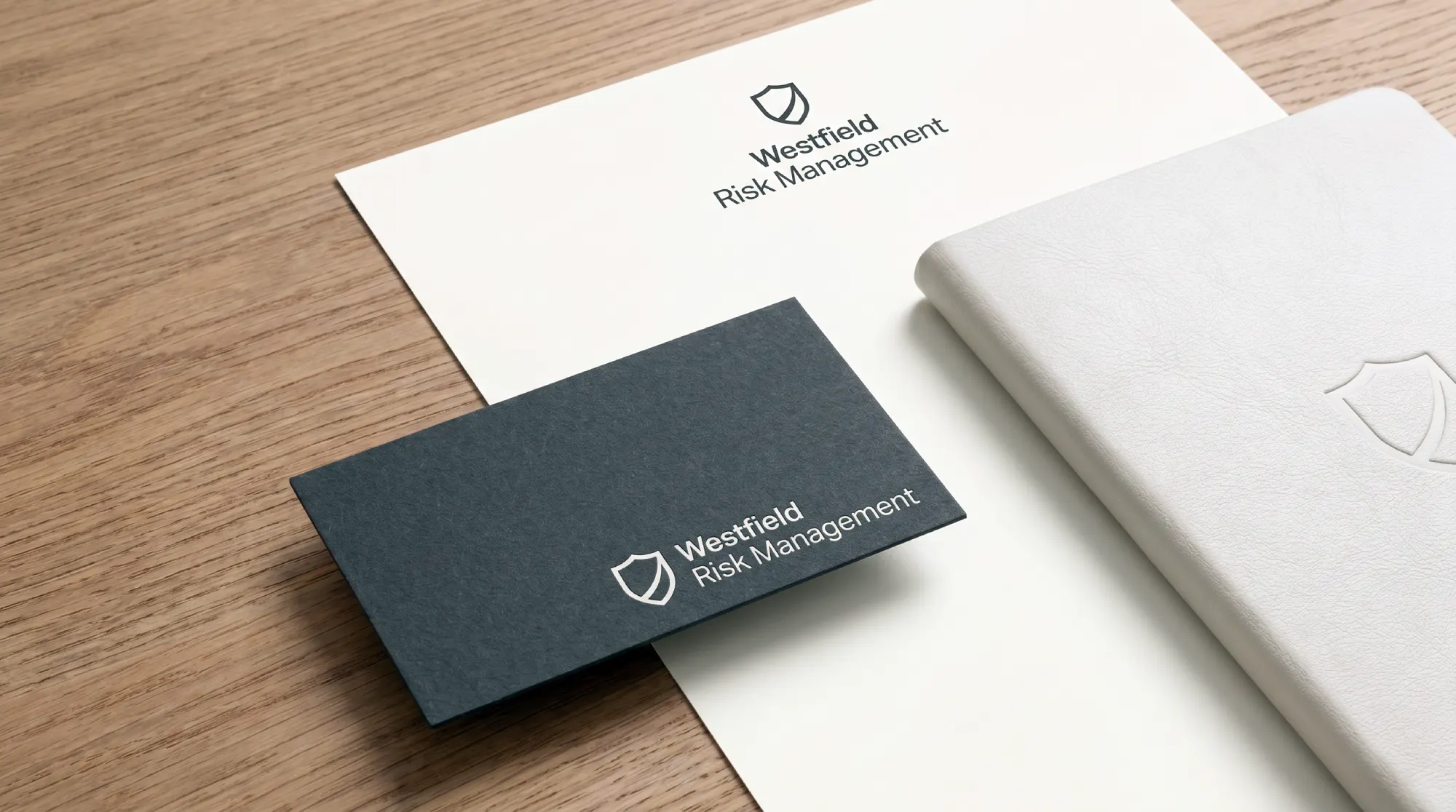
A logo affects commercial outcomes through buyer psychology, and the effect is documented rather than asserted.
Research summarised by Harvard Business Review found that descriptive logos – marks that signal what a business does – can improve consumer perceptions and brand performance more than non-descriptive logos across many categories.
That is not a claim about beauty. It is a claim about a mark doing cognitive work: reducing the effort a buyer spends working out whether you are relevant to them.
Academic research on logo impact goes further, indicating that logo evaluations can mediate customer loyalty and that logo changes can produce measurable effects on brand image and attitude. Read that as a mechanism, not a slogan.
The logo is not directly causing loyalty. It is sitting in the causal chain between first impression and commitment, either lubricating the decision or adding grit to it.
For a firm whose entire proposition is “trust us with something that matters,” a good first impression is expensive.
A prospect evaluating a 60-person advisory firm carries a specific fear: that they are hiring people who look the part but cannot deliver—every signal the firm emits either confirms competence or fails to dispel doubt.
A disposable visual shortcut does not confirm anything. A coherent identity system, applied consistently, removes one of the reasons a prospect hesitates – and hesitation is where fee negotiations and slower sales cycles are born.
“A bespoke identity does not win business by being admired. It wins business by removing a reason to doubt. In professional services, where the product is trust, and the buyer is spending someone else's confidence, every removed doubt shortens the path from enquiry to signature.”
What This Means for the Firm Preparing to Rebrand
If a logo's value is friction removed, then the cost of getting it wrong is not an ugly mark – it is friction you keep paying, invisibly, on every deal.
This changes what you should be measuring before you commission anything. The question is not “do we like it,” it is “where in our buying cycle are we currently leaking, and can identity reduce that leak.”
Consider the four places the money actually shows up.
- Pricing power: a firm that looks like a category leader defends its fees with less resistance, because the buyer's internal justification is easier.
- Acquisition efficiency: a widely cited benchmark holds that acquiring a new client can cost up to five times more than retaining an existing one, and identity that improves recognition and recall compounds on the retention side, where the economics are better.
- Sales velocity: consistent presentation across channels is commonly associated with low-double-digit revenue growth, while inconsistent branding requires materially more spend to achieve the same effect.
- Due diligence confidence: an acquirer valuing your firm reads a coherent brand as evidence of an organised, defensible business – and reads a fragmented one as risk to be discounted.
In 17 years of brand work, the pattern I see most often is a firm that treats identity as the last item on the growth checklist, only to wonder why its premium positioning never translates into premium fees.
Where This Stands Now: Logo Trust Is Bounded by Sector
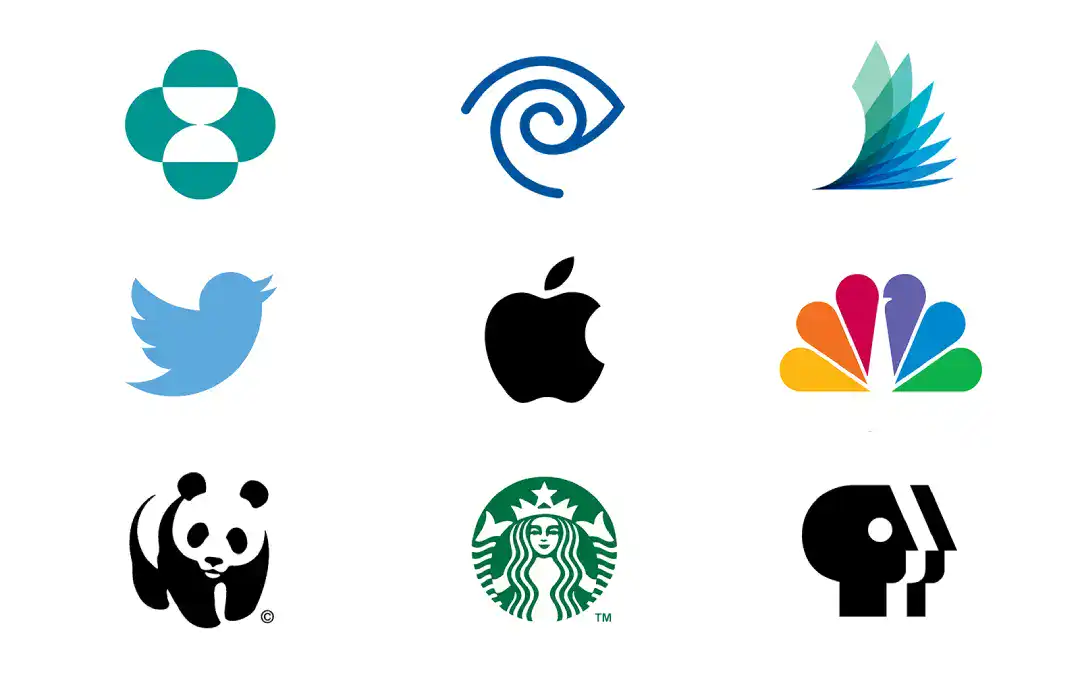
The most current evidence strengthens the case that logo value is contextual rather than absolute.
In SurveyMonkey's 2025 research, the most trusted logo style varied by sector: financial services favoured outline logos, technology favoured text-dominant logos, and education favoured icon-dominant logos.
There is no universally “best” logo – only a logo that fits the trust expectations of a specific market, or one that does not.
The same SurveyMonkey study found that the industry had a greater influence on trust than the logo design itself.
This is not an argument against investing in identity. It is an argument for the friction-reducer framing that this article defends.
A logo cannot build trust if your sector already lacks competent firms. What it can do is capture the trust that is available and remove the reasons a prospect withholds it.
A logo is not a magic wand; it is a friction reducer operating inside your sector's fixed constraints.
The variation within industries makes the point sharper.
The SurveyMonkey research found the trust spread between the best and worst logo styles was relatively small in jewellery retail but much larger in law.
In a high-stakes-trust category like legal services, the gap between a fitting identity and a careless one is not cosmetic – it is a measurable difference in how readily a prospect believes you are safe to hire. For professional services firms, that is the whole game.
The Objection You're Right to Raise
The sharpest counter-argument is this: “If industry matters more than logo design, why spend on the logo at all?” It is a fair objection, and it deserves an honest answer rather than a dodge.
The answer is that industry sets the ceiling on available trust, and the logo determines how much of that ceiling you actually reach.
A weak identity in a high-trust sector leaves trust on the table that competitors collect. You are not buying trust that your sector doesn't offer. You are buying access to trust it already does.
The second objection is harder: “We can't attribute a single won deal to our logo, so how is this measurable?” Correct – you cannot isolate the logo as a variable, and any agency that promises you can is selling you a fiction.
But friction is measurable in aggregate even when a single cause is not. Fee resistance, sales-cycle length, win rates on competitive pitches, and acquisition multiples are all trackable. Identity is one of several inputs that move them.
The honest claim is not “the logo did this.” “A coherent identity system is one of the few inputs you fully control, and it moves the metrics in the direction you want.”
Bespoke Logo Design Value Comparison
The real decision is not premium versus cheap. It is a strategic identity system versus a disposable visual shortcut – and those two things do entirely different jobs.
The Default Comparison | What It Costs You | The Better Comparison | Why It Matters |
|---|---|---|---|
Premium logo vs cheap logo | Argues taste; loses to “they look similar” | Identity system vs visual shortcut | Argues business outcome, not aesthetics |
Price of the mark | Anchors debate on the lowest number | Friction removed per deal | Anchors on commercial return |
“Do we like it?” | Subjective; unwinnable in a partnership | “Where are we leaking in the buying cycle?” | Turns opinion into a diagnosis |
Logo as a finished picture | Ignores application, system, and consistency | Logo as one interface to a system | Values consistency across channels |
One-time design fee | Frames are spent as a cost | Asset that reduces CAC and defends fees | Frames spend as an investment |
Recognition alone | B2C thinking in a B2B context | Due diligence and pricing confidence | Fits how firms are actually valued |
A disposable visual shortcut is a picture you bought. A strategic identity system is an asset that keeps working on every deal, every pitch, and eventually every valuation conversation.
The firms that get this stop asking whether the logo is worth it and start asking what the current one is quietly costing them.
The Verdict
Stop defending the spending as quality.
You will lose that argument to a finance partner who can see that the cheap mark also looks fine, and you will deserve to, because “better design” is a taste claim and taste claims do not survive a partnership vote.
The belief worth carrying into that room is different: a bespoke logo design's value is the commercial friction it removes across your buying cycle – the fee resistance it lowers, the sales cycle it shortens, the acquisition economics it improves, the due diligence confidence it signals.
The evidence carries the reframe. Harvard Business Review's work on descriptive logos shows marks doing measurable cognitive work.
Academic research places logo evaluation inside the causal chain to loyalty. SurveyMonkey's 2025 findings prove the effect is real but sector-bound, which is precisely why the honest case is “friction reducer,” never “magic wand.”
None of that is an argument about beauty. All of it is an argument about outcomes your board already tracks.
So do the one thing that changes the conversation.
Before you brief a designer or defend a number, diagnose where your current identity is leaking – which stage of your buying cycle carries the most friction, and what a coherent system would remove.
Request a free Brand Equity Audit™: a structured diagnostic that identifies exactly where your brand is losing commercial ground, and what to do about it. Walk into the partnership meeting with a diagnosis, not a preference.
That is the argument that wins.
Frequently asked questions
Why is a bespoke logo worth more than a template logo?
A bespoke logo is worth more because it serves as an interface to a strategic identity system that reduces buyer risk across the buying cycle. A template is a standalone picture. The value gap is commercial friction removed, not visual polish.
How do I justify the cost of a logo redesign to my partners?
Reframe the debate from quality to commercial outcome. Show where your current identity creates friction – fee resistance, slow sales cycles, weak pitch conversion – and present the redesign as reducing measurable business drag, not as buying a nicer picture.
Does a better logo actually increase revenue?
No single logo directly increases revenue in isolation. Research indicates logo evaluations mediate loyalty and that consistent branding correlates with low-double-digit revenue growth. The logo is one controllable input that reduces friction, not a standalone revenue lever.
What's the difference between a cheap logo and an expensive one?
The meaningful difference is not price but purpose. A cheap logo is a disposable visual shortcut. A strategic identity system applies consistently across all channels and touchpoints, reducing buyer doubt. The comparison that matters is system versus shortcut.
Is it true that industry matters more than logo design when it comes to trust?
Yes – SurveyMonkey's 2025 research found the industry had a bigger influence on trust than the logo design itself. This supports treating a logo as a friction reducer within your sector's constraints, not as a device that manufactures trust your sector does not already extend.
When should a professional services firm invest in a bespoke logo?
Invest ahead of a growth phase, acquisition, or repositioning – moments when perceived credibility directly affects fees, pitch outcomes, or valuation. Identity commissioned reactively, after friction has already cost deals, delivers a lower return than identity aligned with a strategic inflexion point.
How is logo value measured if you can't attribute a single won deal to it?
Value is measured in aggregate, not per deal. Track fee resistance, sales-cycle length, competitive win rates, and acquisition multiples. Identity is one input moving these metrics. The honest claim is directional influence on trackable outcomes, never the sole causation of a specific win.
Why do logos matter more in law than in some other sectors?
SurveyMonkey's 2025 research found the trust spread between best and worst logo styles was much larger in law than in categories like jewellery retail. In high-stakes trust services, the gap between a fitting and a careless identity translates into measurable differences in buyer confidence.
What is a strategic identity system versus a logo?
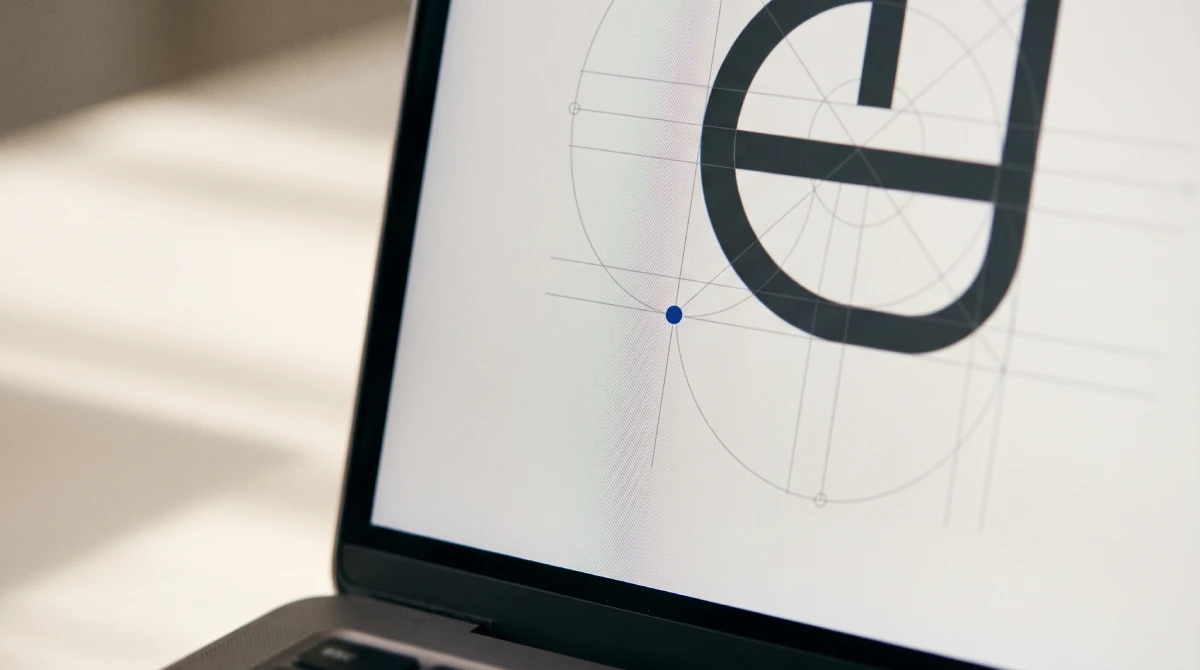
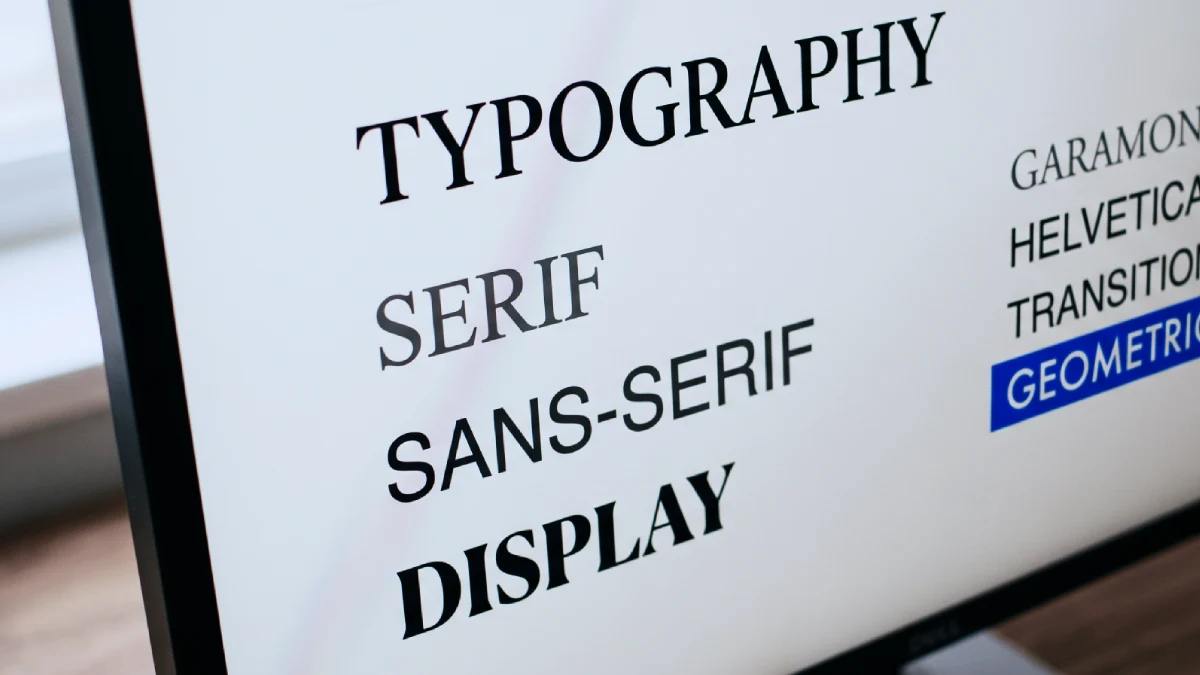
A logo is a single mark. A strategic identity system is the coordinated set of visual and verbal assets – mark, typography, colour, application rules – that present consistently everywhere. The system, not the mark alone, is what reduces friction across a firm's buying cycle.
Do descriptive logos perform better than abstract ones?
Often, yes. Harvard Business Review reported that descriptive logos, which signal what a business does, can improve consumer perceptions and brand performance more than non-descriptive logos across many categories, because they reduce the cognitive effort a buyer spends assessing relevance.
How does a logo affect an acquisition or due diligence process?
A coherent brand signals an organised, defensible business, which supports confidence in valuation during due diligence. A fragmented identity reads as an operational risk that an acquirer discounts. Identity coherence is one qualitative signal that shapes how confidently a buyer values the firm.
What's the first step before commissioning a rebrand?
Diagnose where your current identity creates commercial friction across the buying cycle – pricing, acquisition, sales velocity, and due diligence. A structured brand audit identifies the specific leak before you brief a designer, so the investment targets an outcome rather than a preference.