UX Design Roles: 7 Positions Shaping Digital Experiences
Have you ever clicked on a website and thought, “What is this mess?”
Yeah, me too. More times than I’d like to admit.
But here’s the kicker: behind every seamless, intuitive digital experience you’ve ever had, there’s a UX designer (or, more likely, a team of them) working their magic.
Now, I know what you’re thinking. “Stuart, mate, I’m not a designer. I can barely draw a stick figure!”
Well, guess what? Neither could I when I started. But that didn’t stop me from building a multi-million-pound business that hinges on user experience.
So, buckle up. We’re about to dive deep into the world of UX design. And trust me, by the end of this, you’ll be itching to redesign everything you see.
🔰 TL;DR: UX design isn’t just about making things pretty. It’s about solving real problems for real people. This post breaks down the critical roles in UX design, from research to implementation. You’ll learn how to excel in each area, even if you’re starting from scratch. Buckle up because, by this end, you’ll be ready to transform the digital world – one user at a time.
- UX design is about solving real problems for users, not just creating visually appealing interfaces.
- Key UX roles include UX researchers, information architects, interaction designers, visual designers, and UX writers.
- A successful UX process involves researching, defining, ideating, prototyping, testing, implementing, and iterating.
- The future of UX includes AI, voice interfaces, AR/VR, and ethical design practices.
- Anyone can become a UX designer; curiosity and a focus on users are more important than a formal degree.
The UX Design Landscape: It’s Not Just Pretty Pictures
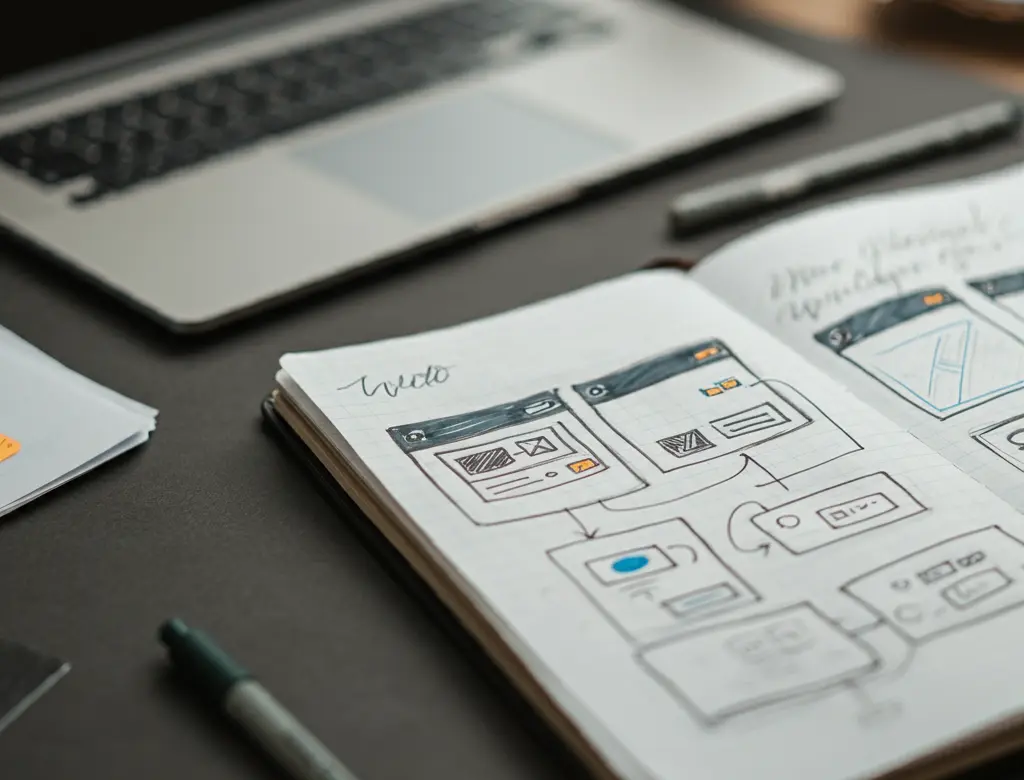
Let’s clarify: UX design isn’t about making things look pretty. It’s about making things work.
Think of it like this: a beautiful car that doesn’t start is useless. A clunky-looking vehicle that gets you from A to B? That’s valuable.
UX design is about creating digital experiences that are:
- Useful
- Usable
- Desirable
- Findable
- Accessible
- Credible
- Valuable
And achieving all of that? It takes a village. Or, in this case, a team of UX specialists.
The Many Hats of a UX Designer
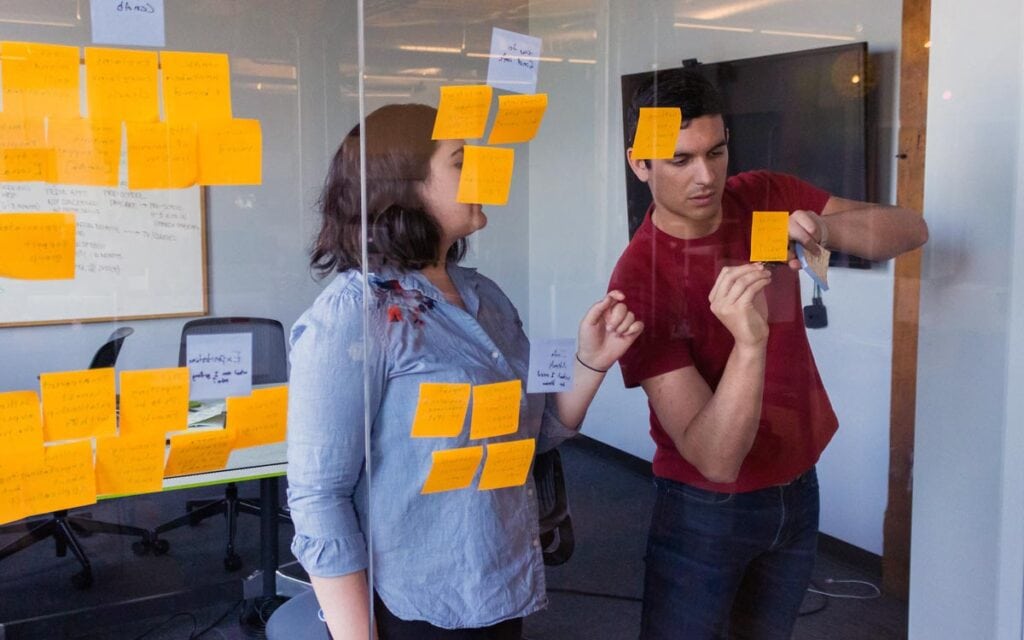
1. The UX Researcher: The Sherlock Holmes of Design
Have you ever seen Sherlock Holmes at work? That’s your UX researcher.
They’re the ones asking the hard questions:
- Who are our users?
- What do they need?
- How do they behave?
Key responsibilities:
- Conducting user interviews
- Running usability tests
- Analysing data
- Creating user personas
Real-world example: I thought I knew what users wanted when launching my first app. Boy, was I wrong? Our UX researcher spent weeks interviewing potential users. People didn’t want another app telling them what to eat. They wanted an app that helped them make better choices based on their lifestyle.
Pro tip: Don’t assume. Ask. Your users know what they want better than you do.
2. The Information Architect: The Marie Kondo of Digital Spaces
If Marie Kondo designed websites, she’d be an information architect.
These folks organise and structure information so users can find what they need without pulling their hair out.
Key responsibilities:
- Creating site maps
- Designing navigation systems
- Organising content
- Labelling information
Real-world example: Have you ever used Amazon? Of course, you have. Their information architecture is bloody brilliant. You can find anything from a toothbrush to a lawnmower in seconds. That’s not by accident.
Pro tip: If users can’t find it, it might as well not exist.
3. The Interaction Designer: The Choreographer of User Actions
Imagine if it opened differently every time you tried to open a door. Push, pull, slide, voice command. Maddening, right?
That’s where interaction designers come in. They create consistent, intuitive ways for users to interact with your product.
Key responsibilities:
- Designing user flows
- Creating wireframes and prototypes
- Defining interaction patterns
- Ensuring consistency across the product
Real-world example: Think about how you use your smartphone. Swipe, tap, and pinch to zoom. These interactions feel natural now, but someone had to design them.
Pro tip: The best interactions are the ones users don’t notice.
4. The Visual Designer: The Artist with a Purpose
Now, don’t get it twisted. Visual design in UX isn’t about making things pretty for the sake of it.
It’s about using visual elements to enhance usability and evoke emotions.
Key responsibilities:
- Creating visual style guides
- Designing UI elements
- Choosing colour schemes
- Selecting typography
Real-world example: Have you ever noticed how fintech apps often use blue? It’s not a coincidence. Blue evokes trust and stability, precisely what you want when dealing with money.
Pro tip: Every visual element should have a purpose. Suppose it doesn’t chuck it.
5. The UX Writer: The Wordsmith of the Digital World
Words matter. A lot.
UX writers craft the text with which users interact. Their words guide users through the experience, from button labels to error messages.
Key responsibilities:
- Writing microcopy
- Creating content style guides
- Ensuring consistency in tone and voice
- Making complex information digestible
Real-world example: Compare these two error messages:
- “Error 404: Page not found.”
- “Oops! We can’t find that page. Here are some that might help…”
Which one feels more human? The second one, right? That’s UX writing at work.
Pro tip: Write as you talk. Unless you speak like a robot.
6. The Usability Tester: The Quality Control of UX
Think of usability testers as the taste testers of the digital world.
They put products through their paces to ensure they’re user-friendly and bug-free.
Key responsibilities:
- Designing test scenarios
- Recruiting test participants
- Conducting usability tests
- Analysing and reporting results
Real-world example: Remember when Apple Maps first launched? It was a disaster. Buildings were melting; landmarks were in the wrong place. Proper usability testing could have prevented that mess.
Pro tip: Test early, test often. It’s cheaper to fix problems before launch.
7. The UX Strategist: The Visionary Behind the Scenes
UX strategists are the big-picture thinkers.
They align UX goals with business objectives and user needs.
Key responsibilities:
- Developing UX strategies
- Aligning UX with business goals
- Identifying opportunities for innovation
- Measuring and reporting on UX success
Real-world example: Airbnb’s entire business model is built on UX strategy. They didn’t just create a platform for booking rooms. They made a community-driven experience that transformed travel.
Pro tip: Always ask “Why?” before “How?”
The UX Design Process: From Chaos to Clarity
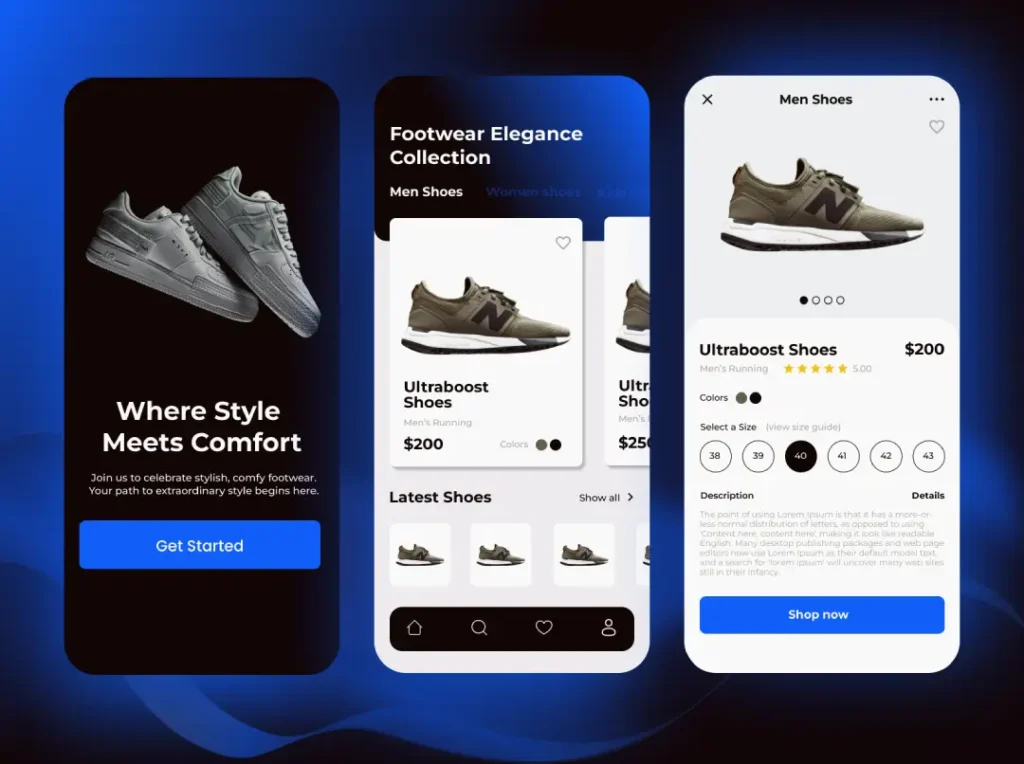
Now that we’ve met the players let’s look at how they work together to create unique user experiences.
1. Research: Know Your User
First things first, you need to understand who you’re designing for.
This is where UX researchers shine. They use a variety of methods to get inside users’ heads:
- Surveys
- Interviews
- Observational studies
- Analytics data
Pro tip: Don’t just focus on demographics. Understand your users’ motivations, pain points, and behaviours.
2. Define: Clarify the Problem
Once you’ve gathered all that juicy data, it’s time to make sense of it.
This is where information architects and UX strategists come in. They:
- Create user personas
- Define user journeys
- Identify pain points and opportunities
Pro tip: Frame your problem as a “How might we…” question. It opens up possibilities.
3. Ideate: Get Creative
Now, the fun begins. It’s time to generate ideas.
This is a team effort. Everyone from researchers to visual designers contributes:
- Brainstorming sessions
- Sketching workshops
- Mind mapping
Pro tip: There are no bad ideas in brainstorming. The wackiest suggestion might spark the perfect solution.
4. Prototype: Make It Real(ish)
It’s time to bring those ideas to life.
Interaction designers and visual designers take the lead here:
- Creating wireframes
- Building interactive prototypes
- Designing visual mock-ups
Pro tip: Start low-fidelity and iterate. A paper prototype can reveal as much as a high-fidelity one at this stage.
5. Test: Put It Through Its Paces
Now it’s time to see if your creation works.
Usability testers take centre stage:
- Running user tests
- Gathering feedback
- Identifying issues
Pro tip: Don’t just test the happy path. Try to break your product. Users certainly will.
6. Implement: Make It Happen
Finally, it’s time to bring your design to life.
This is where UX designers work closely with developers to ensure the vision becomes reality.
Pro tip: Stay involved during development. Things can get lost in translation.
7. Iterate: Never Stop Improving
UX design is never truly finished. There’s always room for improvement.
Keep gathering data, keep testing, and keep refining.
Pro tip: Set up analytics from day one. You can’t improve what you can’t measure.
The Future of UX Design: Boldly Going Where No User Has Gone Before
All right, let’s put on our future goggles for a moment.
UX design is evolving faster than a chameleon on a disco floor. Here’s what’s coming:
1. AI and Machine Learning
AI isn’t just coming. It’s here. And it’s shaking up UX design in a big way.
Imagine:
- Interfaces that adapt to individual users in real-time
- Chatbots that are indistinguishable from humans
- Predictive UX that anticipates user needs before they even realise them
Pro tip: Start learning about AI now. It’s not replacing UX designers but changing how we work.
2. Voice User Interfaces (VUI)
“Alexa, order more coffee.”
Voice interfaces are becoming ubiquitous. And they present unique UX challenges:
- How do you design for conversations?
- How do you handle errors gracefully?
- How do you create a brand voice that’s, well, voicey?
Pro tip: Start thinking beyond screens. The future of UX is multi-modal.
3. Augmented and Virtual Reality
AR and VR are no longer just for gamers.
From virtual shopping experiences to AR-enhanced workspaces, the lines between digital and physical are blurring.
Pro tip: Start experimenting with AR and VR now. The skills you develop will be invaluable in the coming years.
4. Ethical Design
With great power comes great responsibility.
As UX designers, we have the power to influence behaviour. We must use that power ethically:
- Designing for digital wellbeing
- Ensuring privacy and data protection
- Creating inclusive experiences
Pro tip: Always ask yourself, “Is this design good for users or just good for business?”
Wrapping Up: The UX Design Revolution Starts with You
Phew! We’ve covered a lot of ground, haven’t we?
From research to implementation, from AI to ethics, UX design is a field that’s as vast as it is exciting.
But here’s the thing: you don’t need to master all of these roles to make an impact.
Start where you are. Use what you have. Do what you can.
You may be a natural researcher, always curious about what makes people tick.
Or you have a knack for visual design and can communicate complex ideas through simple visuals.
Whatever your strength, there’s a place for you in UX design.
And remember, the best UX designers aren’t necessarily the ones with the fanciest degrees or the most expensive tools.
They’re the ones who never stop learning. Who never stops asking, “Why?” Who never stop putting users first.
So, what are you waiting for?
The world needs better digital experiences. And you, yes, you, have the power to create them.
Now go forth and design! The future is waiting.
FAQs on UX Design Roles
Do I need a design degree to get into UX?
Nope! While a degree can be helpful, many successful UX designers are self-taught or come from diverse backgrounds.
What tools do UX designers use?
Popular tools include Sketch, Figma, Adobe XD, InVision, and UserTesting. But remember, tools are just that – tools. Your brain is your most important asset.
How long does it take to become a UX designer?
It varies, but with dedication, you can start doing meaningful work within 6-12 months. Mastery, however, is a lifelong journey.
Is UX design the same as UI design?
Not quite. UI design is a subset of UX design. UI focuses on the visual elements of a product, while UX encompasses the entire user experience.
How much do UX designers earn?
According to recent data, the average UX designer salary in the UK is around £50,000 per year. However, this can vary widely based on experience and location.
What industries need UX designers?
Pretty much all of them! Any industry with digital products needs UX designers from tech to healthcare, finance to education.
How do I build a UX portfolio with no experience?
Start with personal projects or redesigns of existing products—volunteer for non-profits. The key is to show your process, not just the final product.
Is UX design a stable career?
Absolutely. As long as there are digital products, UX designers will be needed. Demand is increasing.
How important is coding for UX designers?
While not essential, basic coding knowledge can be beneficial. It allows you to communicate better with developers and understand technical constraints.
How do I stay up-to-date with UX trends?
Follow UX blogs, attend conferences, join online communities, and never stop learning. The field is constantly evolving.
What’s the difference between UX and CX (Customer Experience)?
UX typically focuses on a specific product or service, while CX encompasses all customer interactions with a company across all channels.
How do I convince stakeholders of the importance of UX?
Data is your friend. Show how good UX impacts critical business metrics like conversion rates, customer retention, and revenue.