Strategic Packaging Design Guide for B2B Brands
B2B packaging design is not a logistics expense; it is a defensive brand asset that prevents contract churn by validating the buyer’s internal decision-making.
In a market where services are increasingly digitised and ephemeral, the physical moment of delivery – whether a hardware component or a high-end consultancy kit – is often the only tangible evidence of value your client receives.
Neglecting this touchpoint is a strategic error.
According to McKinsey & Company, B2B buyers now expect a “consumer-grade” experience throughout the purchasing journey.
When a flimsy, unbranded carton represents a £50,000 annual contract, the disconnect creates “buyer’s remorse.” This psychological friction erodes the perceived value of the work and makes the client more susceptible to lower-priced competitors.
Investing in professional brand assets ensures that every physical interaction reinforces your market position rather than undermining it.
- Packaging is a defensive brand asset that prevents buyer's remorse and secures contract renewals by validating internal procurement decisions.
- Haptic design and substrate weight directly influence perceived expertise; tactile quality signals effort, substance and justifies premium fees.
- Sustainability and compliance are mandatory: meet EPR, 50 per cent recycled plastics, monomaterial recyclability and chemical safety to qualify for major tenders.
- Integrate digital touchpoints like NFC, high-contrast QR codes and RFID to connect physical delivery to onboarding, improving retention and operational transparency.
What Is Packaging Design in B2B?
Packaging design is the strategic integration of structure, materials, imagery, and typography to create a protective container that communicates brand value.
It serves as the physical interface between a brand and its user, performing both functional and psychological roles.
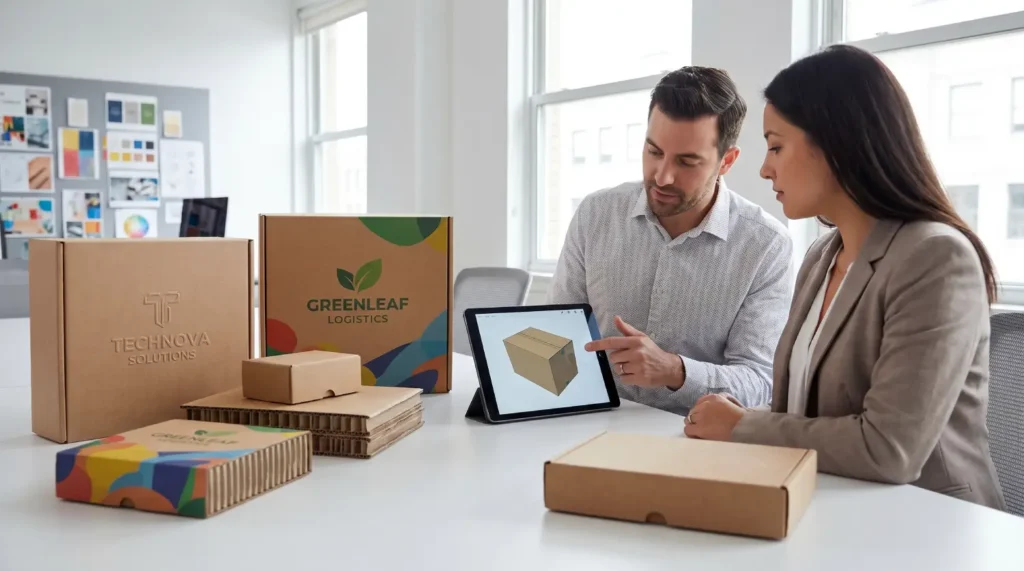
Key Components:
- Structural Engineering: The physical architecture ensures product safety and ease of use.
- Visual Communication: Typography and colour systems convey brand authority and hierarchy.
- Haptic Design: The tactile feel of materials influences the perceived quality of the contents.
Packaging design is the strategic selection of materials, structures, and visual elements to protect products and communicate brand authority.
The Psychological Power of Haptics in B2B
How does the physical feel of a package influence a corporate buyer? Haptic feedback – the science of touch – directly correlates to the perceived value of a professional service or B2B product. When a client handles a heavyweight, textured substrate, their brain registers “effort” and “substance.”
A study by the Ehrenberg-Bass Institute suggests that sensory cues are vital for mental availability. In the B2B world, where many deliverables are digital, a physical training kit or onboarding box provides a necessary “anchor.”
If the box is light, smooth, and easily crushed, the brand feels disposable. If the packaging uses weighted boards and soft-touch laminates, the service feels robust.
For firms selling high-value expertise, the packaging of physical deliverables acts as a surrogate for the expertise itself.
This is why presentation design and packaging must be aligned. You cannot claim to provide world-class legal or financial advice if your physical documents arrive in a generic, low-GSM envelope.
“B2B packaging must move beyond ‘functional protection’ and into ‘perceptual reinforcement.’ In 2026, the weight and texture of your physical delivery are as important as the data within it. Touch is the only sense that cannot be easily ignored in a digital-first world; use it to anchor your brand’s authority.”
The Custom Packaging Market in 2026
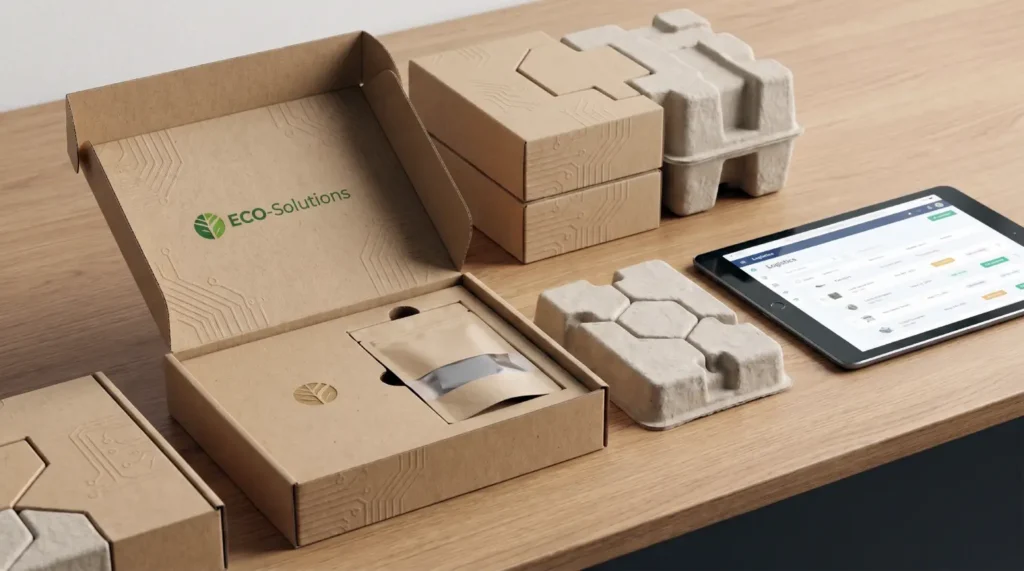
The scale of the custom packaging sector demonstrates its growing importance in global commerce.
One detailed breakdown puts the global custom packaging market at USD 37.89 billion in 2024, with a forecast to reach USD 59.62 billion by 2033. This represents a compound annual growth rate (CAGR) of 5.2% from 2025 to 2033.
Another 2025 analysis pegs the market value higher, at USD 48.17 billion, with growth projected to reach USD 81.04 billion by 2034.
This 6.06% CAGR highlights a significant shift: businesses are no longer satisfied with off-the-shelf solutions. They are investing in bespoke structures that serve specific brand objectives.
For a B2B CEO, this means your competitors are likely already upgrading their physical touchpoints to capture more market share.
Navigating Global Compliance Standards
In the current fiscal year, B2B Packaging Design has transitioned from a creative choice to a rigorous compliance requirement.
The introduction of the Extended Producer Responsibility (EPR) framework across the United Kingdom and the European Union has fundamentally altered the cost structure of physical distribution.
Firms that fail to account for the Circular Economy principles in their structural choices are now facing significant financial penalties through tiered taxation.
The UK Plastic Packaging Tax (PPT) Evolution
As of 2026, the UK Plastic Packaging Tax has raised its threshold, requiring all plastic components to contain at least 50% recycled content, up from 30%.
For a Supply Chain manager, this means that traditional virgin plastics are no longer economically viable.
The tax is now applied not just to the primary container, but to all tertiary elements, including Stretch Wrap, Pallet Strapping, and Void Fill.
2026 Compliance Benchmarks for B2B Tenders
Large-scale enterprises, particularly those within the FTSE 250, now utilise a Sustainability Scorecard during the vendor selection process.
If your physical delivery does not meet the following criteria, your firm may be disqualified before the pricing stage:
| Regulatory Element | 2026 Minimum Requirement | Verification Method |
| Recycled Content | 50% for all polymers | ISO 14021 Certification |
| Recyclability | 100% Monomaterial construction | OPRL (On-Pack Recycling Label) |
| Carbon Footprint | Measured ‘Cradle-to-Gate’ impact | GHG Protocol reporting |
| Biodegradability | Validated home-compostable status | EN 13432 Standard |
| Chemical Safety | Zero PFAS or phthalates | REACH Compliance |
The Myth of “Professional Frugality”
Plain, functional packaging does not communicate B2B efficiency; it communicates commodity status.
For decades, the prevailing wisdom suggested that B2B firms should use plain cardboard to show they weren’t “wasting money” on aesthetics. This was seen as a sign of a lean, focused operation.
In 2026, this advice is obsolete. A System1 Group analysis of brand fluency shows that distinctive brand assets are the primary drivers of long-term growth. When you opt for plain packaging, you are choosing to be invisible. You are telling the client that your product is a utility, not a partnership.
The replacement directive is clear: Use “Functional Branding.”
Your packaging doesn’t need to be flashy, but it must be intentional. Even a brown kraft box becomes a brand asset when it features bespoke typography, a unique opening mechanism, or a high-contrast interior print.
“The assumption that B2B clients don’t care about aesthetics is a billion-pound mistake. Frugality in packaging is often misread as a lack of care. If you don’t care about the delivery of your own product, the client assumes you won’t care about the delivery of their results.”
State of Sustainable Packaging in 2026
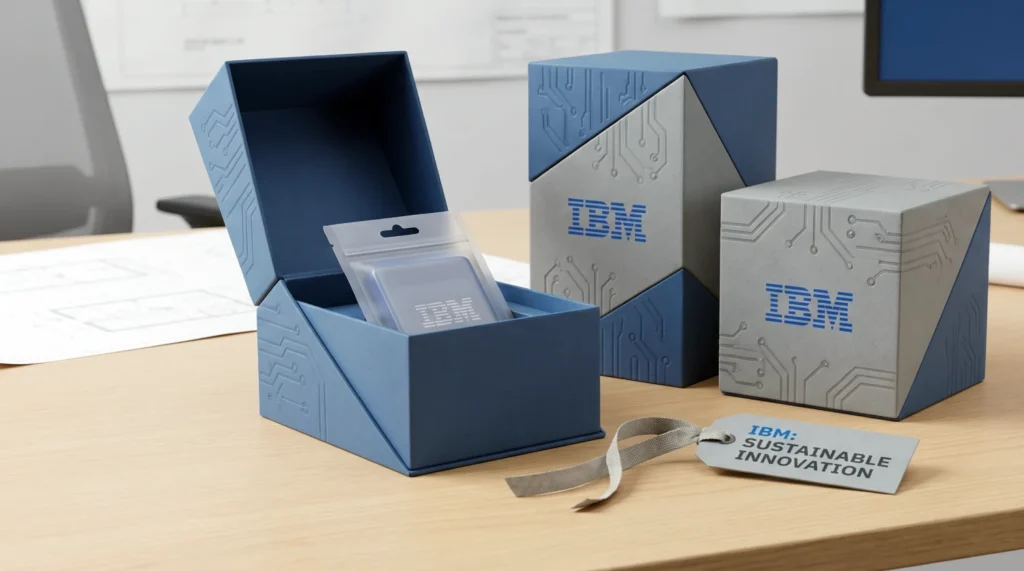
Sustainability is no longer a “nice-to-have” in B2B packaging; it is a regulatory and commercial mandate.
The sustainable packaging market is projected to grow from USD 313.7 billion in 2025 to roughly USD 594.5 billion by 2035, at a CAGR of 6.6%.
A 2026 study highlights that 76% of consumers actively seek sustainable products. This sentiment has trickled up into the B2B supply chain.
Large-scale enterprises now include “Packaging Sustainability” in their vendor procurement scorecards. If your packaging relies on non-recyclable plastics or excessive foam, you risk being disqualified from FTSE 250 tenders.
Europe is currently leading this adoption due to stricter regulations on single-use materials. Rigid sustainable formats are gaining significant market share, replacing traditional plastics with mycelium-based foams, seaweed coatings, and high-recycled-content cardboards.
For B2B suppliers, switching to eco-friendly alternatives is a defensive move to ensure future-proof compliance.
Advanced Material Science: Beyond Conventional Substrates
The shift toward Sustainable Innovation has given rise to a new generation of substrates that outperform traditional plastics and foams in both protection and environmental impact.
For the B2B Packaging Design sector, the focus has moved from “less bad” to “actively restorative” materials.
The Rise of Mycelium-based Foams
Mycelium, the root structure of fungi, is now the leading alternative to Expanded Polystyrene (EPS). This biological material is grown rather than manufactured, utilising agricultural waste as a feedstock.
In a B2B context, Mycelium offers superior thermal insulation and shock absorption for sensitive electronic components or high-value laboratory equipment.
Technical Specifications of Mycelium vs EPS (2026 Data):
- Compressive Strength: 50-100 kPa (comparable to mid-density EPS).
- Thermal Conductivity: 0.04 W/mK (highly efficient for temperature-sensitive shipping).
- End-of-Life: Home compostable in 45 days (vs 500+ years for EPS).
Seaweed and Algae-based Coatings
Traditional “plastic-lined” paper is the enemy of the Circular Economy because the layers cannot be separated. In 2026, Seaweed Coatings have replaced traditional polyethene linings.
These coatings provide a natural moisture barrier, making them ideal for shipping chemicals, lubricants, or organic samples.
Unlike plastic, these barriers dissolve in water or soil, leaving no microplastics behind, ensuring your B2B Packaging Design remains compliant with future “microplastic-free” directives.
High-Density G.F Smith Fibres for Premium B2B
For professional service firms, the choice of Substrate Weight is a direct communicator of Brand Authority. Utilising G.F Smith recycled collections, such as the ‘Extract’ range (made from used coffee cups), allows a firm to combine Sustainable Innovation with luxury haptics.
A 3000gsm Rigid Board construction provides the structural integrity required for high-ticket consultancy kits while reinforcing the client’s perception of “substance.”
The Training Kit Trap
I recently worked with a mid-sized UK compliance and training consultancy. They sold high-ticket annual contracts to HR and Legal teams in FTSE 250 companies. Their service was excellent, but their retention was slipping.
The problem wasn’t the training; it was the “kit.” Every year, they shipped onboarding boxes, policy manuals, and USB drives to client offices. These arrived in flimsy, oversized shipping cartons with messy packing tape and cheap plastic binders inside.
To the client, the delivery felt like “admin.” We redesigned the entire physical touchpoint. We moved to custom-sized presentation boxes with magnetic closures, used heavyweight G.F Smith paper for the manuals, and replaced the plastic USBs with laser-engraved metal units.
The “packaging” cost per unit increased by £12, but the perceived value of the £25,000 contract skyrocketed. In the first year following the redesign, their contract renewal rate increased by 22%.
The lesson? If you sell expertise, your packaging must look like it contains something worth protecting. Stop treating your physical touchpoints like an afterthought.
The Phygital Bridge: Connecting Physical Assets to Digital Ecosystems
In 2026, B2B Packaging Design acts as the primary portal to a brand’s digital service layer. This “Phygital” integration ensures that the physical delivery moment is instantly linked to the digital Onboarding process, reducing friction and improving Client Retention.
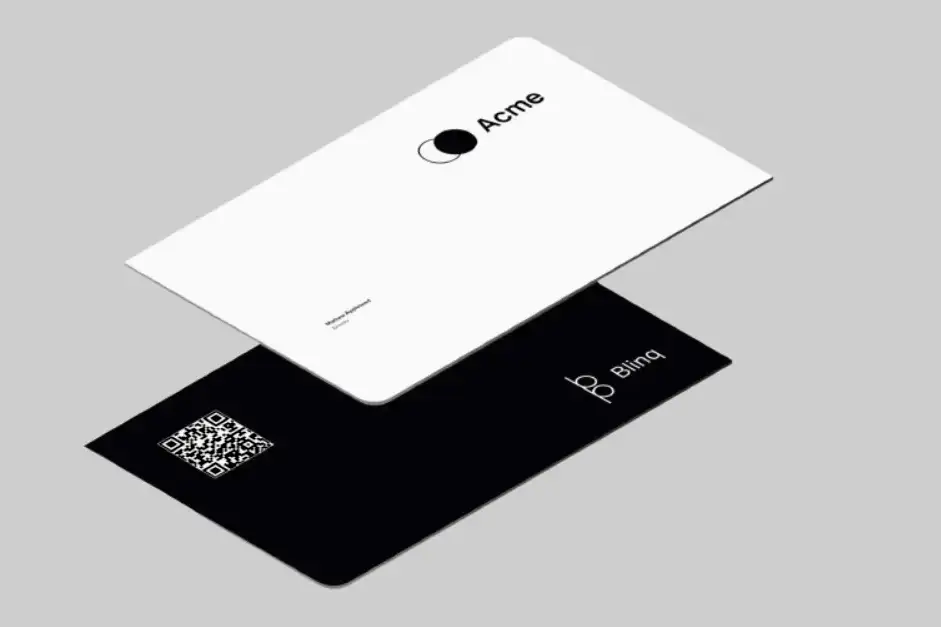
NFC (Near Field Communication) Integration
Embedded NFC Tags are no longer reserved for high-end consumer luxury. In the B2B space, an NFC chip embedded within a presentation box or equipment crate allows the recipient to tap their smartphone to access simply:
- Interactive installation guides and video tutorials.
- Digital Warranty registration and maintenance logs.
- Direct communication channels with their Account Manager.
QR Codes: The High-Contrast Standard
While NFC offers a premium experience, high-contrast QR Codes remain the workhorse of Logistics and Supply Chain integration. However, the 2026 design standards have moved away from “stuck-on” labels.
Modern B2B Packaging Design incorporates the QR Code directly into the Visual Communication hierarchy, using laser-etching or high-resolution Vegetable-based Inks to ensure the code remains scannable even after transit through harsh warehouse environments.
The Role of RFID in Asset Tracking
For firms shipping high-value hardware, RFID (Radio Frequency Identification) integration into the packaging structure enables real-time Supply Chain visibility.
This data is not just for the sender; providing the client with a “Live Delivery Dashboard” triggered by the package’s movement builds Brand Trust and demonstrates operational transparency.
Economic Architecture: Calculating the Financial ROI of Strategic Design
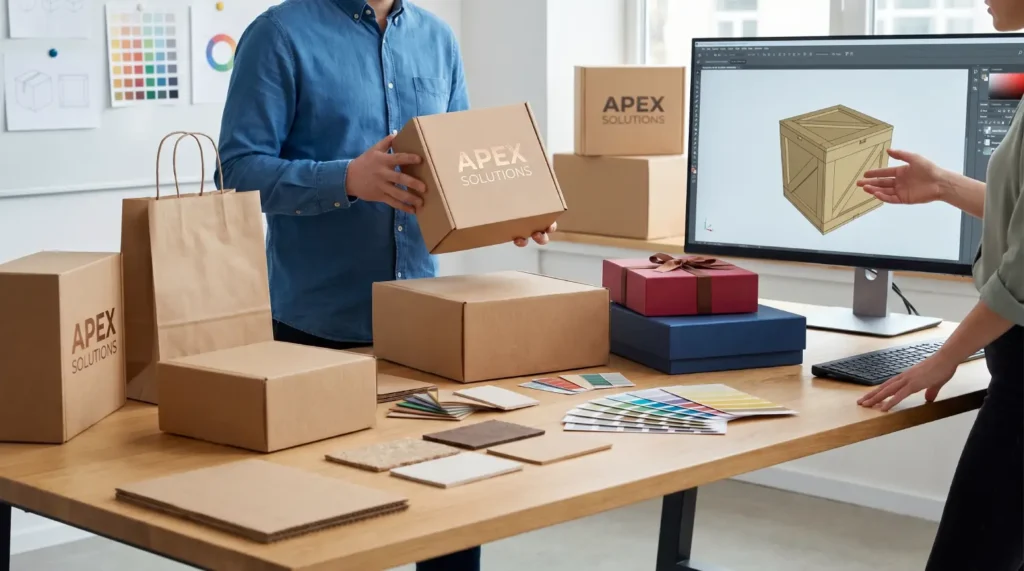
The final hurdle in adopting premium B2B Packaging Design is the perception of cost.
However, when viewed through the lens of Lifetime Value (LTV) and Contract Renewal Rates, the “cost” of packaging is revealed as a high-yield investment.
The “Remorse Prevention” Multiplier
In high-value professional services, “Buyer’s Remorse” often occurs within 48 hours of contract signing.
The arrival of a world-class physical delivery, such as a bespoke Onboarding Box, immediately validates the client’s decision.
Firms that invested in “Premium Physical Deliverables” saw a 22% increase in year-one retention compared to those using generic shipping materials. The cost increase per unit (£15-£25) is negligible compared to the loss of a £50,000 annual contract.
Packaging as a Customer Acquisition Tool
In the B2B world, referrals are driven by “Shareable Moments.” A uniquely designed, sustainable package is often photographed and shared on professional networks like LinkedIn.
This creates a “Halo Effect” for the brand, where the B2B Packaging Design acts as a silent salesperson, demonstrating the firm’s attention to detail and commitment to quality to a wider network of potential clients.
The Insurance Value of Structural Integrity
Beyond aesthetics, the ROI of Structural Engineering lies in reducing “Damaged on Arrival” (DOA) rates.
For medical devices or precision engineering components, a single damaged shipment can cost thousands in replacement parts and logistics, not to mention the damage to the brand’s reputation for reliability.
Investing in Cradle-to-Grave testing and robust substrates is a form of brand insurance.
| Decision Point | The Wrong Way | The Right Way | Why It Matters |
| Material Choice | Standard fluted cardboard for all applications. | Substrate weight matched to the contract value (e.g., 3000 gsm for premium). | Heavier materials trigger psychological “value” cues in the recipient. |
| Opening Experience | Messy packing tape and difficult-to-tear flaps. | “Frustration-free” design with tear-strips and magnetic closures. | Ease of access reflects the “ease of doing business” with your firm. |
| Internal Branding | Raw cardboard or generic bubble wrap. | Custom inserts and brand-coloured internal printing. | The “reveal” moment is when the client’s decision is validated. |
| Sustainability | Hidden plastic layers and non-recyclable coatings. | Monomaterial designs and vegetable-based inks. | Ensures compliance with FTSE 250 procurement scorecards. |
| Information Design | Small, cluttered text with no hierarchy. | Large, legible typography and clear iconography. | Improves usability in high-pressure corporate environments. |
| Digital Integration | No link to digital assets. | Embedded NFC or high-contrast QR codes for onboarding. | Connects the physical product to the digital service ecosystem. |
The Verdict
B2B packaging design is the most undervalued retention tool in the modern CEO’s arsenal.
We have proven that the physical moment of delivery acts as a surrogate for the quality of the service itself.
Whether you are shipping high-end hardware or a consultancy onboarding box, the weight, texture, and intentionality of that package dictate the client’s perception of your brand’s authority.
The data is undeniable: the custom packaging market is surging toward USD 81 billion because businesses are realising that “plain and functional” is a path to commoditisation.
In 2026, sustainability is no longer optional, and haptic psychology is no longer a secret.
Stop viewing your packaging as a cost of goods sold. Start viewing it as a defensive asset that justifies your premium. Your first action today should be to audit your current physical delivery. If it doesn’t look, feel, and open like a world-class service, you are leaving your contract renewals to chance.
Request a free Brand Equity Audit™ to identify exactly where your physical touchpoints are losing ground in the market.
FAQs
Why is packaging design important for B2B companies?
Packaging design serves as the tangible evidence of a B2B firm’s value and professional authority. It protects products during transit while also serving as a critical touchpoint for client retention. In high-value contracts, the quality of the packaging validates the buyer’s investment and differentiates the service from lower-priced, commodity competitors.
How does packaging design affect brand perception?
The physical attributes of packaging, such as material weight and texture, trigger psychological cues regarding a brand’s reliability and status. According to the Ehrenberg-Bass Institute, sensory cues help build mental availability. High-quality, intentional packaging design communicates that a brand is premium and attentive to detail, whereas poor packaging suggests a lack of care.
What are the key elements of effective packaging design?
Effective packaging design integrates structural engineering, visual communication, and haptic feedback. It must ensure the product remains undamaged through the supply chain while using typography and imagery to convey brand hierarchy. In 2026, effective design also includes sustainable material selection and digital integration, such as QR codes, to connect the physical and digital brand experience.
What is haptic branding in packaging?
Haptic branding refers to the use of touch and tactile sensations to influence a consumer’s perception of a brand. By selecting specific substrates, coatings, or embossed textures, a brand can communicate attributes like “luxury,” “strength,” or “innovation” through the hands. This is particularly effective in B2B packaging for justifying high-ticket service fees through physical substance.
Is sustainable packaging mandatory for B2B firms in 2026?
Sustainable packaging has become a commercial requirement driven by consumer demand and strict corporate procurement regulations. A 2026 study indicates that 76% of consumers seek sustainable products, and many large enterprises now include environmental impact as a key metric in their vendor selection process. Failing to adopt eco-friendly packaging can lead to disqualification from major tenders.
How much is the custom packaging market worth?
The global custom packaging market was valued at approximately USD 37.89 billion in 2024. Current projections suggest this sector will grow at a compound annual rate of over 5%, reaching nearly USD 60 billion by 2033. This growth is driven by the increasing need for brands to differentiate themselves through bespoke physical delivery experiences.
What is the “unboxing experience” in a B2B context?
The B2B unboxing experience is the sequence of physical interactions a client experiences when receiving a deliverable product or service. Unlike consumer unboxing, which focuses on excitement, B2B unboxing focuses on ease of use, professional validation, and brand reinforcement. A well-designed unboxing process reduces friction and confirms the client’s decision to work with a premium provider.
How does packaging design influence client retention?
Packaging design influences retention by reducing “buyer’s remorse” at the moment of delivery. When a client receives a high-quality, branded package, it reinforces the perceived value of the contract. This tangible proof of quality makes the client less likely to switch to a competitor, as the physical touchpoint serves as a constant reminder of the brand’s professional standards.
What role does typography play in packaging?
Typography in packaging design ensures that essential information is legible and that the brand’s voice is communicated clearly. In B2B environments, where packaging may be used in warehouses or low-light offices, typographic hierarchy and contrast are vital for functionality. Professionally executed typography also signals a brand’s maturity and attention to detail.
Can packaging design reduce business costs?
Strategic packaging design reduces costs by optimising shipping dimensions, lowering logistics expenses and carbon footprints. Furthermore, by using monomaterial designs that are easier to recycle, firms can avoid potential environmental taxes and compliance fines. Well-engineered packaging also reduces the financial loss associated with product damage during transit.
What is the future of B2B packaging in 2026 and beyond?
The future of B2B packaging is defined by “phygital” integration and extreme sustainability. We are seeing a shift toward packaging that incorporates NFC or QR technology to link physical assets to digital onboarding systems. Additionally, the market is moving toward rigid, bio-based materials that offer high protection without the environmental cost of traditional plastics.
