Top 10 Rebellious Brands: Build a Bold Identity That Stands Out
Ever feel like you’re drowning in a sea of beige?
Look around. Most industries have become a race to the middle—a safe, sterile landscape where everyone follows the same “best practices” until every brand looks, acts, and sounds exactly the same. They aren’t building legacies; they’re just blending into the wallpaper.
But then, there are the outliers. The brands that refuse to play by the rules. The ones that trade “fitting in” for “standing out” and turn “playing it safe” into “playing to win.”
We call them the Rebellious Brands. They don’t just make waves; they command the tide. And while the “safe” brands are fighting for crumbs, these rebels are making serious bank.
I’m not suggesting you burn the boardroom table for the sake of chaos. True rebellion is controlled, calculated, and deeply rooted in brand identity. It’s about knowing which rules to break to make your competition irrelevant.
Let’s explore ten brands that have mastered the art of rebellion—and the blueprints they used to do it without losing their shirt (or their sanity).
- Rebellious brands challenge the status quo, creating unique identities that resonate with their audiences.
- Authenticity is crucial; brands must back up their rebellious image with genuine principles and actions.
- Bold marketing strategies and transparent practices can attract loyal customers and media attention.
- Brands like Brewdog and Patagonia show that embracing risks can lead to significant success and impact.
1. Brewdog: Punk’s Not Dead, It’s Just Brewing Beer
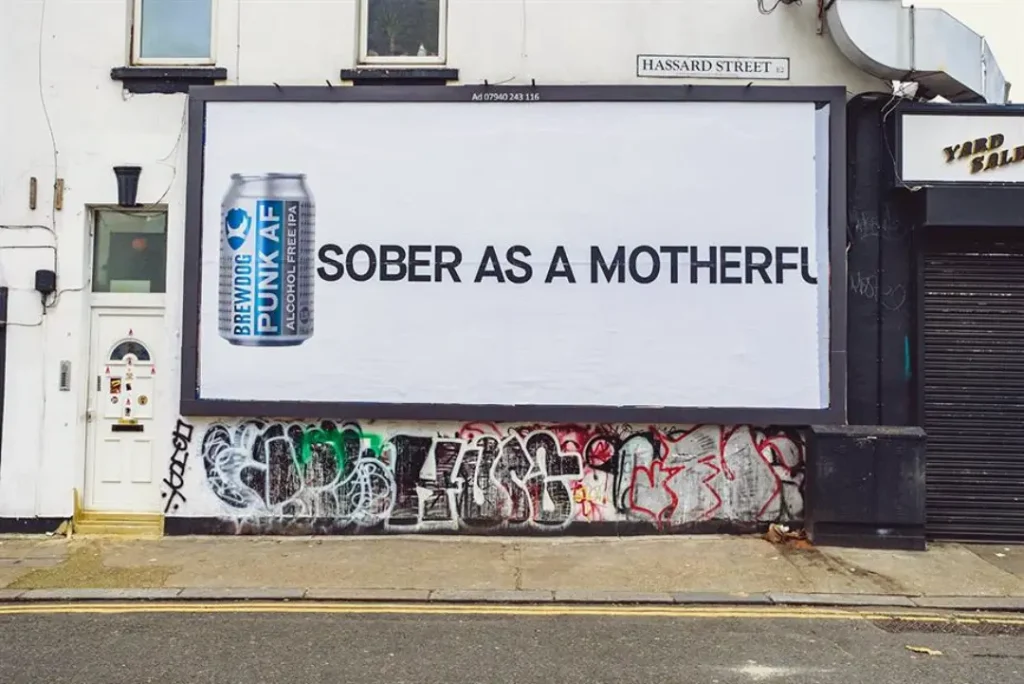
When you think of rebellious brands, Brewdog is probably one of the first that comes to mind.
And for good reason.
These Scottish brewers have been flipping the bird to convention since 2007.
How They Rebel:
- Outrageous Marketing Stunts: Remember when they drove a tank through London to launch their “Make Earth Great Again” beer? Or when they dropped taxidermied “fat cats” from a helicopter to protest corporate greed?
- Provocative Product Names: “Punk IPA,” “Dead Pony Club,” “Tactical Nuclear Penguin” – their beers sound more like punk rock albums than beverages.
- Transparency on Steroids: They publish all their beer recipes online. For free. Who does that?
- Employee-Focused Culture: They give employees a week of paid “pawternity” leave when they adopt a dog. (I approve!)
The Lesson:
Brewdog proves you can build a massively successful brand (£215 million revenue in 2022) while maintaining your punk ethos.
They don’t just talk the talk – they walk the walk.
From their commitment to sustainability (the world’s first carbon-negative brewery) to their Equity for Punks crowdfunding scheme, Brewdog consistently puts their money where their mouth is.
How to Apply It:
- Don’t be afraid to ruffle some feathers. Take a stand on issues you care about.
- Back up your rebellious image with concrete actions.
- Involve your customers in your brand’s journey. Make them feel like part of the rebellion.
Remember: Authenticity is key. Don’t just rebel for the sake of rebelling. Stand for something real.
2. Patagonia: The Brand That Doesn’t Want You to Buy Their Stuff
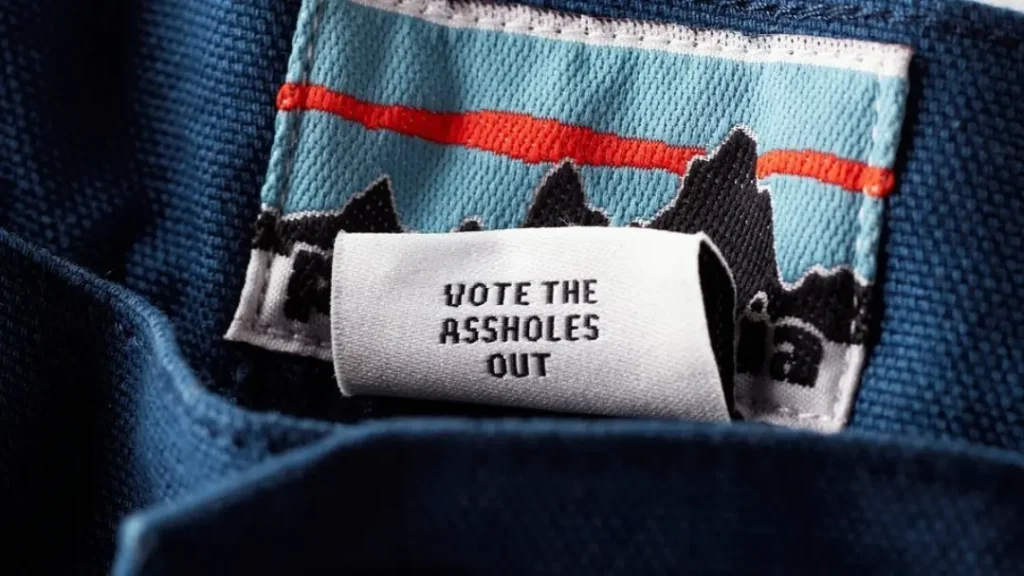
Patagonia is the ultimate paradox: a clothing company that actively tells you not to buy its products.
How They Rebel:
- Anti-Consumerism Stance: Their infamous “Don’t Buy This Jacket” ad campaign urged customers to consider the environmental cost of their purchases.
- Radical Transparency: They publish detailed information about their supply chain, labour practices, etc.
- Environmental Activism: They’ve sued the US government to protect public lands and donate 1% of sales to environmental causes.
- Ownership Structure: In 2022, founder Yvon Chouinard gave away the company to fight climate change. The profits now go to environmental causes.
The Lesson:
Patagonia proves you can build a billion-dollar brand while sticking to your principles.
Their commitment to sustainability and social responsibility isn’t just marketing fluff – it’s baked into every aspect of their business.
And here’s the kicker: telling people not to buy their products has made them want them even more.
It’s like when your parents told you not to do something as a kid. Suddenly, that’s all you wanted to do, right?
How to Apply It:
- Stand for something bigger than just making money.
- Be transparent about your practices, even when they’re not perfect.
- Feel free to challenge your customers. Make them think.
Remember: People are willing to pay more for products that align with their values. Don’t underestimate the power of purpose-driven branding.
3. Ryanair: Trolling Their Way to the Top

Ah, Ryanair. The airline everyone loves to hate.
Or hates to love.
Or just… hates?
But you can’t deny their success. They’ve become Europe’s largest airline by passenger numbers despite (or perhaps because of) their unapologetically brash approach.
How They Rebel:
- Brutally Honest Marketing: They lean into their no-frills reputation with slogans like “Low fares. Made simple.”
- Social Media Savagery: Their Twitter account is infamous for roasting competitors and their customers.
- Controversial CEO: Michael O’Leary is known for his outrageous statements and publicity stunts.
- Unconventional Policies: Remember when they floated the idea of charging for toilet use on flights?
The Lesson:
Ryanair proves that you don’t need to be loved to be successful.
They’ve built their entire brand on being the bad boy of aviation, and it’s worked wonders for them.
In a world where most brands are terrified of offending anyone, Ryanair’s “we don’t give a f***” attitude is oddly refreshing.
How to Apply It:
- Don’t be afraid to be polarising. It’s better to be loved by some and hated by others than to be ignored by everyone.
- Use humour to deflect criticism. If you can make people laugh, they’re more likely to forgive your flaws.
- Be consistent in your messaging. Ryanair never pretends to be anything other than what it is.
Remember: This approach is only for some. But if you can pull it off, it can be incredibly powerful.
4. Lush: Bubble Bath with a Side of Activism
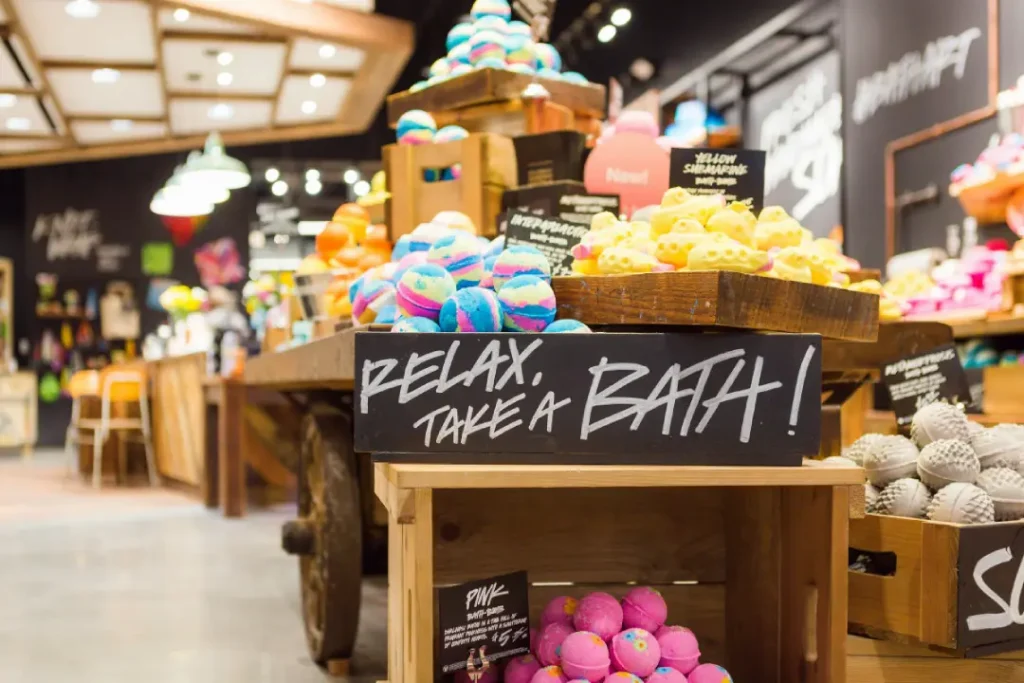
Lush isn’t just selling soap. They’re selling a revolution.
One bath bomb at a time.
How They Rebel:
- In-Your-Face Activism: They’ve run campaigns on everything from animal testing to trans rights, often in their store windows.
- Ethical Sourcing: They’re obsessive about their supply chain, even creating their own “Lush Prize” to fund alternatives to animal testing.
- Packaging-Free Products: They’ve pioneered “naked” cosmetics to reduce plastic waste.
- Controversial Marketing: Remember their “SpyCops” campaign that accused undercover police of human rights abuses?
The Lesson:
Lush shows that you can weave activism into every aspect of your brand.
They don’t just talk about their values – they live and breathe them.
And here’s the thing: their customers love them for it.
Lush has built a tribe of loyal followers who see buying their products as activism.
How to Apply It:
- Don’t shy away from controversial topics. Take a stand on issues that matter to your brand and your customers.
- Make your values visible in every aspect of your business, from product development to marketing.
- Create products that align with your mission. Make it easy for customers to support your cause.
Remember: This approach can alienate some customers. But the loyalty you’ll build with those who share your values is worth its weight in gold (or bath bombs).
5. Oatly: Milking Controversy for All It’s Worth
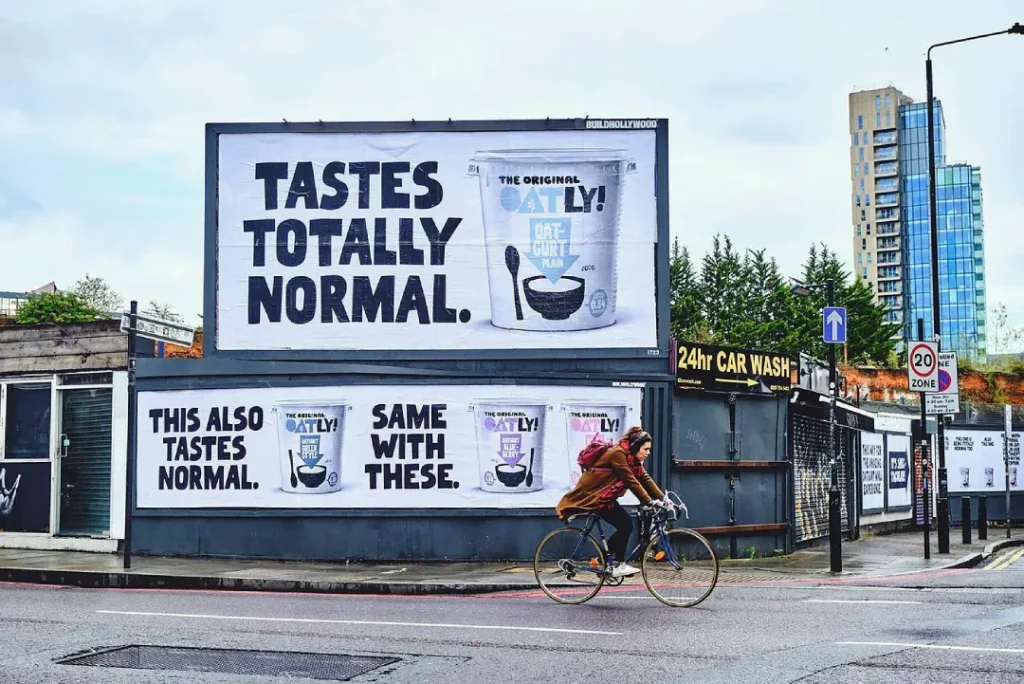
Who knew oat milk could be so… rebellious?
Oatly has taken the plant-based milk market by storm, not just with its product but also with its irreverent, in-your-face marketing.
How They Rebel:
- Self-Deprecating Ads: They’re not afraid to poke fun at themselves or their industry.
- Provocative Campaigns: Their “It’s like milk, but made for humans” campaign ruffled more than a few feathers in the dairy industry.
- Unconventional Packaging: Their cartons are covered in quirky, conversational copy that breaks all the rules of traditional packaging design.
- CEO Antics: Their CEO, Toni Petersson, sang a bizarre jingle in their 2021 Super Bowl ad. It was… memorable.
The Lesson:
Oatly proves that you can disrupt a traditional industry with humour and personality.
They’ve turned what could have been a boring product (oat milk) into a cultural phenomenon.
And they’ve done it by being unabashedly weird and confrontational.
How to Apply It:
- Don’t take yourself too seriously. Humour can be a powerful tool for connecting with your audience.
- Challenge industry norms. If everyone else is zigging, you should zag.
- Use your packaging and product as a canvas for your brand personality.
Remember: This approach requires confidence and commitment. Half-measures won’t cut it. You need to go all in.
6. Cards Against Humanity: Turning Offensiveness into an Art Form

Cards Against Humanity is “a party game for horrible people.”
And they’ve built an empire on being deliberately offensive.
How They Rebel:
- Provocative Product: The game is designed to push boundaries and make people uncomfortable.
- Black Friday Stunts: They’ve sold actual bull***t, raised prices instead of offering discounts, and even dug a giant hole for no reason.
- Political Activism: They’ve bought land on the US-Mexico border to block Trump’s wall and sent potato chips to US Senators to protest net neutrality.
- Unconventional Marketing: They once ran an ad that was just a potato. No context. No explanation. It’s just a potato.
The Lesson:
Cards Against Humanity shows a market for brands that push the envelope.
They’ve turned offensiveness into a business model, and it’s worked spectacularly well.
But here’s the key: they’re smart about it.
Their provocations are calculated, and they always have a point to make.
How to Apply It:
- Know your audience. This approach only works if your customers are in on the joke.
- Be clever, not just shocking. There needs to be substance behind your provocations.
- Use humour to tackle serious issues. It can be a powerful way to get people thinking.
Remember: This is a high-risk, high-reward strategy. It’s not for the faint of heart.
7. Domino’s: The Pizza Chain That Admitted It Sucked
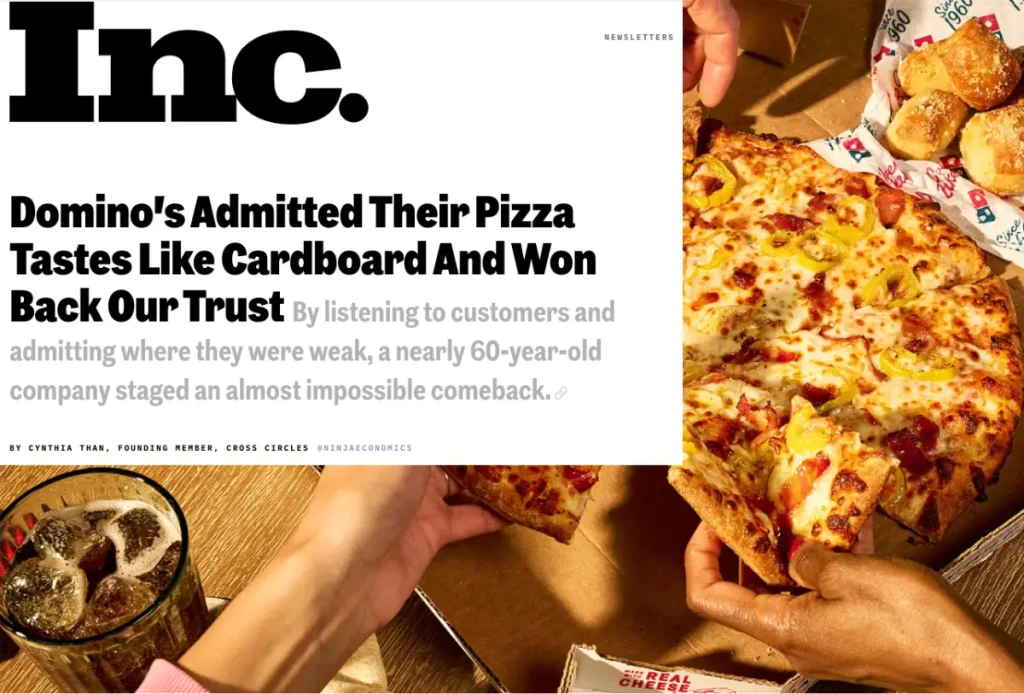
In 2009, Domino’s did something unprecedented: they admitted their pizza was terrible.
And then they fixed it.
How They Rebel:
- Brutal Honesty: They launched a campaign showcasing real customer complaints about their pizza tasting like “cardboard.”
- Transparency: They documented their entire pizza reinvention process, warts and all.
- Social Media Savvy: They’ve embraced digital ordering and even let customers order via tweet or text emoji.
- Self-Deprecating Humour: They’ve continued to poke fun at their past failings, even years after improving their product.
The Lesson:
Domino’s shows that admitting your flaws can be a powerful branding strategy.
By owning up to their shortcomings and publicly working to fix them, they turned a potential PR disaster into a massive win.
It’s a level of vulnerability that most brands wouldn’t dare to show.
How to Apply It:
- Be honest about your weaknesses. Your customers probably already know them anyway.
- Turn your improvement process into a story. Bring your audience along for the ride.
- Use humour to diffuse tension. It makes your brand more relatable and human.
Remember: This approach requires a genuine commitment to change. You can’t just talk the talk – you need to walk the walk.
8. Dollar Shave Club: Disrupting the Razor Game with Humour

Dollar Shave Club burst onto the scene with a viral video that was hilarious and irreverent.
And they’ve been shaking up the men’s grooming industry ever since.
How They Rebel:
- Disruptive Business Model: They challenged the traditional razor sales model with their direct-to-consumer subscription service.
- Irreverent Marketing: Their launch video featured the CEO riding forklifts, dancing with a bear, and declaring, “Our blades are f***ing great.”
- No-Nonsense Branding: They cut through the pseudo-science and machismo of traditional razor marketing with straight talk and humour.
- Expanding Product Line: They’ve branched out into other men’s grooming products, always with their signature wit.
The Lesson:
Dollar Shave Club proves that you can take on industry giants with a combination of innovation and personality.
They didn’t just offer a better product – they provided a better brand experience.
And they did it all with a wink and a nod, never taking themselves too seriously.
How to Apply It:
- Look for pain points in your industry that no one else is addressing.
- Use humour to differentiate yourself from more serious competitors.
- Let your personality shine through in all aspects of your brand.
Remember: This approach works best when genuinely solving your customers’ problems. The humour is the icing on the cake, not the whole cake.
9. Burger King: The Fast Food Rebel
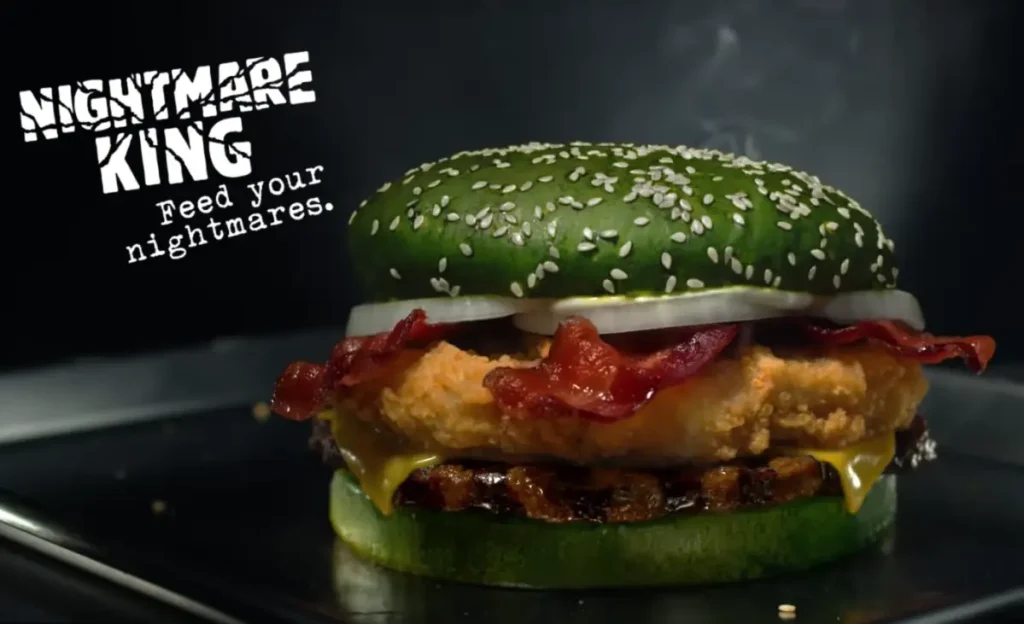
Burger King has long positioned itself as the rebellious alternative to McDonald’s.
And they’ve pulled some truly audacious stunts over the years.
How They Rebel:
- Trolling Competitors: Remember when they asked McDonald’s to team up for a “McWhopper” for World Peace Day?
- Provocative Campaigns: Their “Mouldy Whopper” ad showcased their commitment to removing artificial preservatives in the most stomach-turning way possible.
- Social Commentary: They’ve tackled issues like net neutrality and pink tax with clever, on-brand campaigns.
- Embracing Weirdness: They’re not afraid to get weird, from their “Nightmare King” Halloween burger to their PlayStation 5 controller-shaped chicken nuggets.
The Lesson:
Burger King shows room for rebellion even in a crowded, competitive market.
They’ve carved out a distinct identity as the cheeky upstart, always ready with a clever quip or an outrageous stunt.
And it’s paid off. They’ve managed to stay relevant and buzzworthy in a constantly evolving industry.
How to Apply It:
- Don’t be afraid to poke fun at your competitors (but keep it playful, not mean-spirited).
- Use current events and social issues to inspire campaigns, but ensure they align with your brand.
- Embrace the unexpected. Sometimes, the weirder the idea, the more attention it gets.
Remember: This approach requires quick thinking and a willingness to take risks. Not every stunt will land, but the payoff can be huge when it does.
10. Innocent Drinks: The Rebels with a Conscience
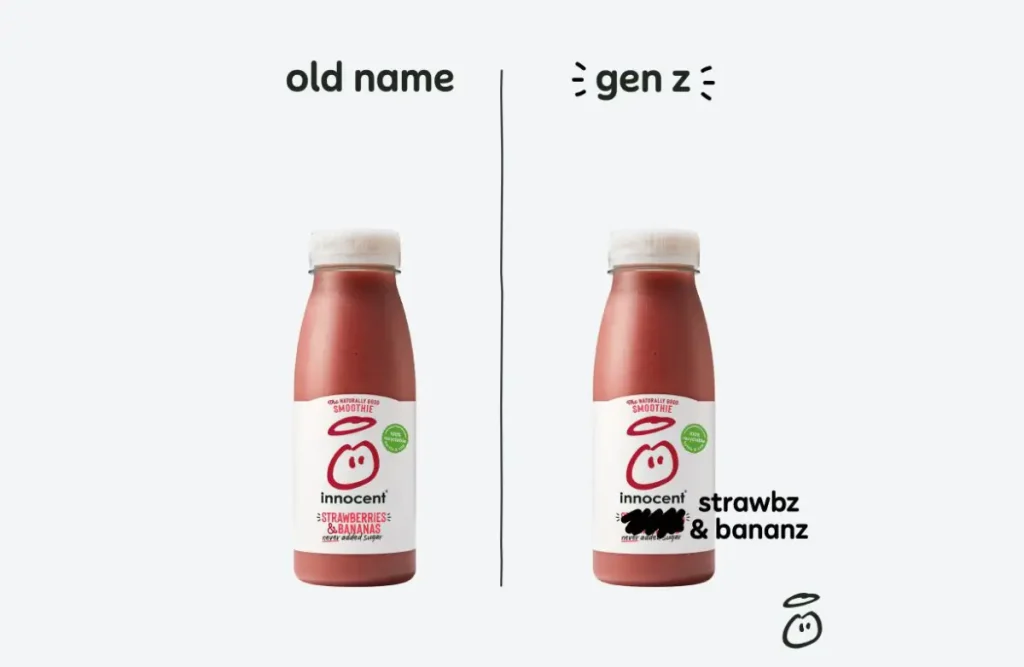
Innocent is an odd choice for a list of rebellious brands.
They’re known for their cute, friendly branding, not their edginess.
But hear me out.
How They Rebel:
- Conversational Branding: They were among the first brands to use a casual, friendly tone in their packaging and marketing.
- Transparency: They’re upfront about their ingredients, business practices, and mistakes.
- Social Responsibility: They donate 10% of their profits to charity and have set ambitious sustainability goals.
- Quirky Marketing: From their “Innocent Big Knit” campaign to their annual “AGM” (A Grown-up Meeting) festivals, they’ve created unconventional ways to engage their audience.
The Lesson:
Innocent shows that rebellion doesn’t always have to be loud and in-your-face.
They’ve rebelled against the idea that big businesses must be serious, impersonal, and profit-driven at all costs.
Innocent’s genuine commitment to doing good and speaking humanely stands out amid corporate jargon and greenwashing.
How to Apply It:
- Find your authentic voice and stick to it, even as you grow.
- Be transparent about your practices and goals. Let your customers in on the journey.
- Look for unconventional ways to engage with your audience and make a positive impact.
Remember: This kind of “gentle rebellion” can be as powerful as more aggressive approaches. It’s all about authenticity and consistency.
The B2B Rebellion – Disrupting the “Corporate Beige”
Who says B2B has to be boring? In 2026, the “Business-to-Human” (B2H) movement had peaked. Decision-makers at Fortune 500 companies are the same people who buy Patagonia on weekends; they don’t lose their sense of humour when they log into LinkedIn.
The “No Software” Revolution
Look at Salesforce. In their early days, they didn’t just sell CRM software; they declared “The Death of Software.” They staged mock protests outside competitor conferences and used “No Software” as their logo. It was a classic “Outlaw” archetype move that forced the entire industry to react to them.
Modern B2B Disruption: Gong vs The World
Today, brands like Gong use aggressive, high-energy branding and bold claims to disrupt the sales enablement space. They move away from “synergy” and “optimisation” and focus on “Revenue Intelligence” with a tone that feels like a sports coach rather than a software vendor.
How to Rebel in B2B:
- Identify the “Industry Lie”: What is everyone in your sector pretending is true? (e.g., “Our software is easy to install” when it actually takes 6 months). Call it out.
- Ditch the “Safe” Palette: If your competitors are all “IBM Blue” and “Trust Green,” consider a high-contrast palette. Deel and Humu used vibrant illustrations and bold typography to stand out in the dry world of HR and payroll.
- The “Anti-Demo”: Instead of a polished, fake product demo, show your software’s “worst features” or the problems it doesn’t solve. This radical honesty builds instant trust.
| B2B Brand | Traditional “Beige” Approach | Rebellious Approach | Result |
| Salesforce | “Enterprise software installation” | “The End of Software” | Market Dominance |
| Gong | “Sales training & recording” | “Revenue Intelligence” | Cult-like B2B following |
| Slack | “Internal messaging tool” | “The Email Killer” | Ecosystem Monopoly |
The Rebel’s Toolkit: Engineering Your Own Brand Disruption
It’s one thing to admire the rebels from the sidelines; it’s another thing entirely to step into the ring. You might be wondering, “That’s great for them, Stuart, but how do I apply this to my business without losing my credibility?”
It’s simpler than you think, but it requires more courage than most are willing to muster. Here is your blueprint for building a brand that refuses to be ignored.
1. Identify the Antagonist 🎯
Every great story needs a villain. In branding, your “enemy” is the status quo. What are the tired, unwritten rules of your industry that everyone follows simply because “that’s how it’s always been done”? Find the stagnation, and you’ve found your target.
2. Articulate Your ‘Why’ 🚩
Rebellion without a cause isn’t a movement; it’s just noise. What is the fundamental change you want to lead? Your brand needs a rallying cry that makes your ideal clients feel like they’re part of a mission, not just a transaction.
3. Capitalise on Your Edge ⚡
“Weird” is subjective; “Differentiation” is a competitive advantage. What is the one thing about your brand that feels “too much” for the average person? Stop hiding it. That edge is exactly why your tribe will choose you over a bland competitor.
4. Master the Human Dialogue 🗣️
Corporate-speak is a shield used by companies that are afraid to be known. Drop the jargon and the “professional” mask. Speak to your audience like a peer. Use wit, use emotion, and above all, use clarity.
5. Practise Calculated Audacity 🎢
Playing it safe is the fastest way to become invisible. You don’t need to be outrageous for the sake of it, but you should be willing to take risks that your competitors won’t touch. Ruffle some feathers; the right people will love you for it.
6. Relentless Consistency 🔄
Rebellion isn’t a marketing campaign; it’s a culture. Your “rebellious” spirit must be felt at every touchpoint—from your logo and website to your customer service and packaging. If the experience doesn’t match the message, the trust is gone.
7. Leverage Radical Transparency 🤝
When you push boundaries, you’ll eventually hit a nerve or make a mistake. Don’t hide. Own it with integrity. Authentic brands are built on how they handle the “oops” moments, not just the “aha” moments.
8. Cultivate Your Tribe 👥
A rebellious brand doesn’t want “customers”—it wants advocates. Engage with your community deeply. Make them feel like “insiders” who are in on the secret that the rest of the industry hasn’t figured out yet.
9. Commit to Continuous Evolution 🦋
The moment you get comfortable is the moment you become the status quo. Keep pushing, keep questioning, and keep surprising your audience. A rebel who stops moving is just a relic.
10. Anchor to Your Core Values ⚓
Innovation is essential, but your values are non-negotiable. Your “Core” is the anchor that keeps your rebellion from drifting into chaos. Stay true to your mission, and the market will reward your conviction.
The Risks of Rebellion: What Could Go Wrong?
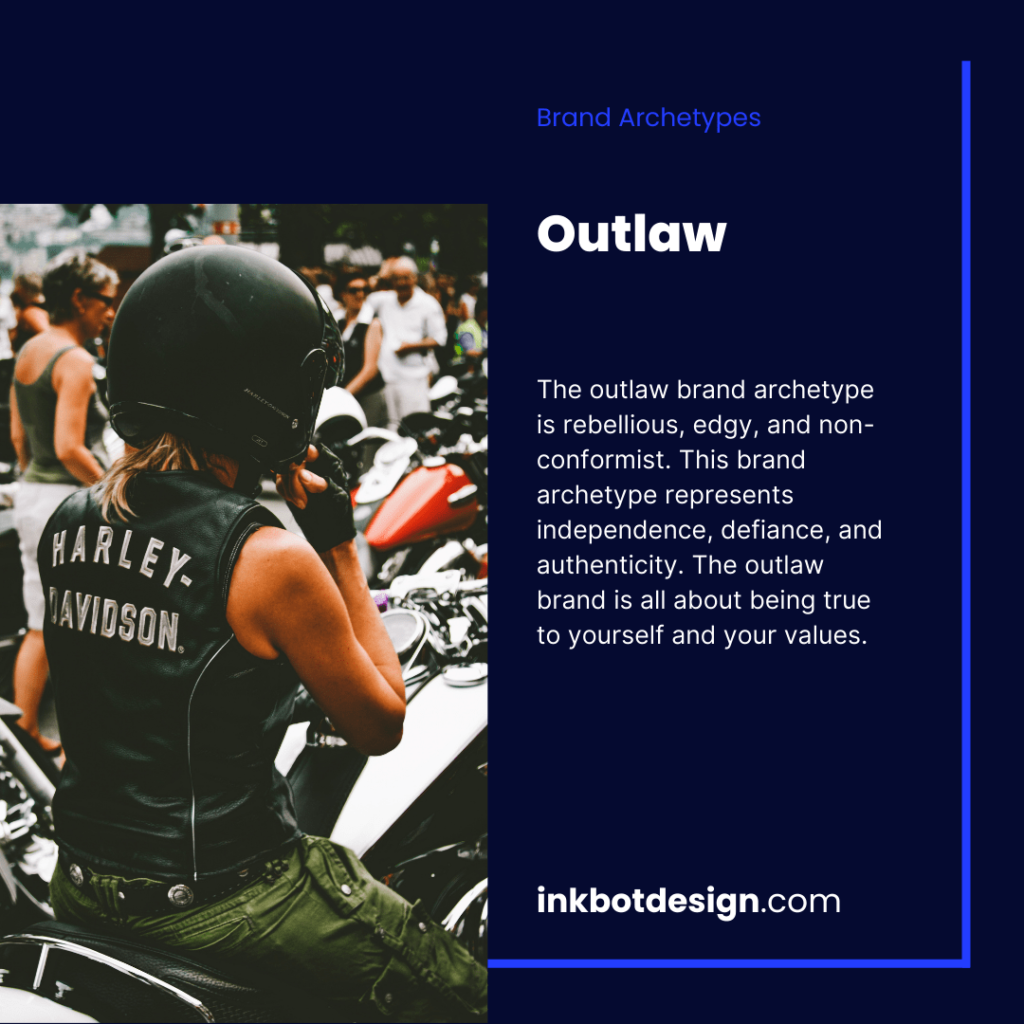
Now, before you go off and start planning your anarchist marketing campaign, a word of caution:
Rebellion comes with risks.
Here are a few potential pitfalls to watch out for:
1. Alienating Potential Customers 😠
Not everyone will appreciate your rebellious stance.
You might turn off some potential customers.
But remember: it’s better to be loved by some than liked by all.
2. Backlash 🌊
Push too hard, and you might face backlash.
Make sure you’re prepared to handle criticism and negative press.
3. Legal Issues ⚖️
Some rebellious tactics (like Brewdog’s tank stunt) might skirt legal boundaries.
Always consult with legal experts before pulling any significant stunts.
4. Losing Focus 🎯
Don’t let your rebellion distract you from your core business.
You still need to deliver a great product or service.
5. Authenticity Challenges 🎭
If your rebellion feels forced or inauthentic, it’ll backfire.
Make sure your rebellious actions align with your brand’s actual values.
The Rebel’s Reward: Why It’s Worth the Risk
Despite these risks, the potential rewards of building a rebellious brand are enormous:
- Stand Out in a Crowded Market: In a world of lookalike brands, rebels get noticed.
- Build a Passionate Following: Rebellious brands often inspire cult-like customer devotion.
- Attract Media Attention: The media loves a good rebel story. Free publicity, anyone?
- Drive Innovation: The rebel mindset often leads to groundbreaking products and services.
- Charge Premium Prices: Customers often pay more for brands that align with their values.
- Attract Top Talent: Creative, passionate people want to work for exciting, rebellious brands.
- Make a Real Impact: You can drive real change in your industry and the world by challenging the status quo.
The Final Word: To Rebel or Not to Rebel?
So, after all this, should you build a rebellious brand?
Only you can answer that.
But here’s what I will say:
The world doesn’t need another beige brand.
Another company is playing it safe.
Another business too scared to stand for something.
What the world needs is more rebels.
More troublemakers.
More brands are willing to stand up, stand out, and make some noise.
Is it risky?
Hell yes.
Is it worth it?
Absolutely.
So, are you ready to join the rebellion?
Remember, as the great Steve Jobs once said:
“Here’s to the crazy ones. The misfits. The rebels. The troublemakers. The round pegs in the square holes. The ones who see things differently. They’re not fond of rules. And they have no respect for the status quo. You can quote them, disagree with them, glorify or vilify them. About the only thing you can’t do is ignore them. Because they change things. They push the human race forward. And while some may see them as the crazy ones, we see genius. Because the people who are crazy enough to think they can change the world, are the ones who do.”
Now go out there and make some trouble.
The world is waiting.
FAQs
Isn’t being rebellious just a marketing gimmick?
Not if it’s authentic. Actual rebellion stems from a genuine desire to challenge the status quo and make positive change. It should be rooted in your brand’s core values, not just a ploy for attention.
Can any brand be rebellious?
In theory, yes. But it needs to be authentic to your brand’s identity and values. Forced rebellion will come across as insincere and could backfire.
Won’t being rebellious alienate some customers?
Possibly. But it will also attract loyal customers who strongly align with your values. It’s often better to be loved by some than liked by all.
How do I know if my rebellious marketing has gone too far?
If your actions contradict your brand values, harm others, or break laws, you’ve gone too far. Always consider the potential impact of your actions.
Can a rebellious brand still be professional?
Absolutely. Rebellion doesn’t mean being unprofessional. It means challenging industry norms to align with your brand values.
How do I maintain a rebellious brand image as my company grows?
Stay true to your core values, continue to innovate, and don’t be afraid to challenge yourself and your industry. Growth doesn’t have to mean conformity.
What if my industry is very traditional? Can I still be rebellious?
You might even have more opportunities to stand out. Look for pain points or outdated practices in your industry that you can challenge.
How do I measure the success of my rebellious branding?
Look at metrics like brand awareness, customer loyalty, media mentions, and sales and profitability. Also, consider your impact on your industry and society.
What if I make a mistake with my rebellious marketing?
Own it, apologise sincerely if necessary, learn from it, and do better next time. How you handle mistakes can strengthen your brand if you do it well.
How can I start incorporating rebellious elements into my existing brand?
Start small. Identify areas where you can challenge industry norms that align with your brand values. Test different approaches and see how your audience responds.
Is being rebellious only for B2C brands?
Not at all. B2B brands can be rebellious, too. Consider challenging industry norms, improving customer experience, or taking bold stands on industry issues.
How do I get my team on board with a more rebellious brand strategy?
Communicate your vision, explain the benefits, and involve your team. Encourage them to bring their rebellious ideas to the table.
Ready to start your brand rebellion? At Inkbot Design, we specialise in crafting bold, rebellious brand identities that make waves and drive results. Let’s create something extraordinary together. Get in touch today, and let’s start making some noise!