Mascot Branding in B2B SaaS: When a Character Becomes Brand Equity
A B2B SaaS mascot earns its budget only when buyers recognise the character and link it to the right company. Most brand assets never reach that standard. This guide explains the memory psychology behind characters, the distinctiveness test they must pass, and the governance that separates brand equity from decoration.


On this page9 min left
- What Is Mascot Branding in B2B SaaS?
- Why Does a Character Work on a Software Buyer's Memory?
- When Does a Mascot Become a Distinctive Asset Rather Than Decoration?
- Won't Enterprise Buyers Think a Mascot Is Unserious?
- Does Any of This Apply to a Law or Accountancy Firm?
- Build the Test Before You Draw the Character
- Frequently asked questions
Most B2B advertising is paid for by one company and credited to another.
While marketing circles frequently cite that B2B buyers are 57% of the way through their buying journey before reaching out to sales, their interaction with advertising is equally detached. Research from the LinkedIn B2B Institute reveals that after reviewing over 100 real B2B video ads, 81% of viewers failed to correctly identify the brand behind the content.
A mascot is supposed to solve that problem. Most mascots make it worse.
A software product has no shelf, no packaging and no shopfront. Its brand lives in a login screen, a sales deck and a LinkedIn feed that looks like every other LinkedIn feed.
A character can give that brand a face the buyer remembers. It can also become one more pleasant illustration that nobody can attach to a company name. Which of those you get is decided long before anyone opens Illustrator.
Mascots sit at the most expressive end of the different types of logos, and they are the most expensive to get wrong.
A mascot works best as one component of a complete logo design and identity system rather than a standalone campaign idea.
The sections below follow the order in which boards actually ask the questions. Skip to yours.
What Is Mascot Branding in B2B SaaS?
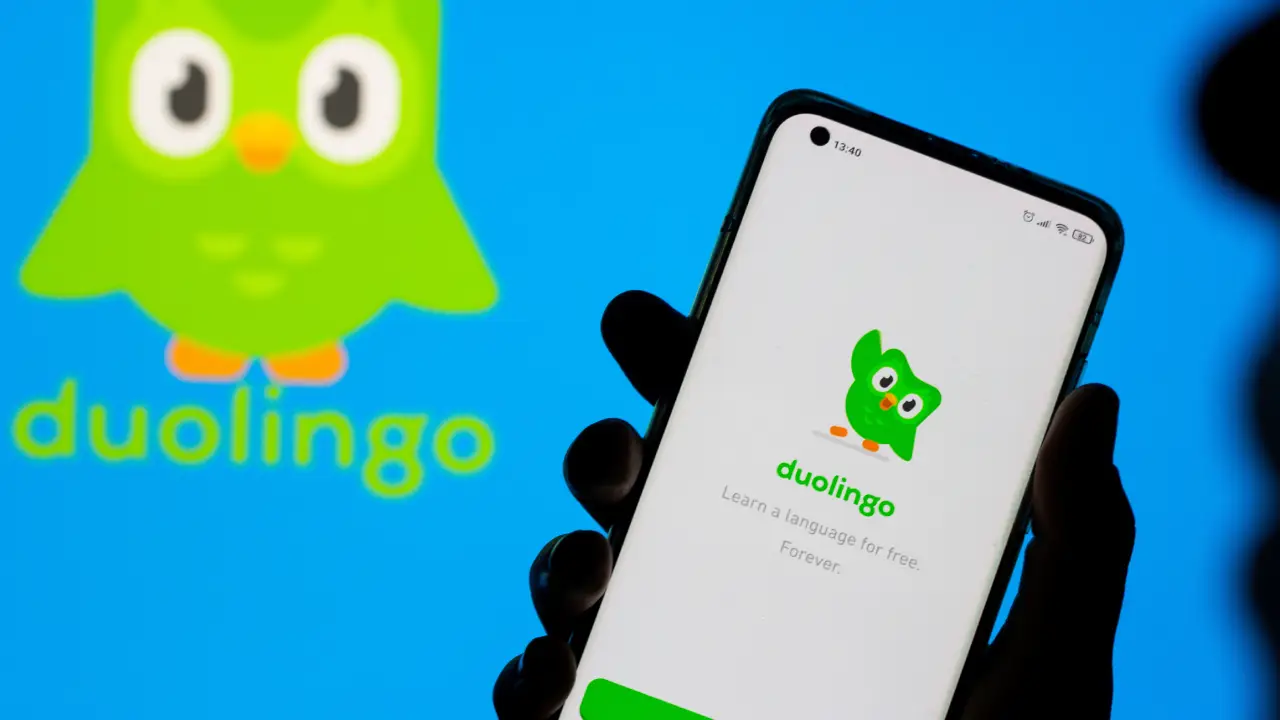
Mascot branding in B2B SaaS is the use of a recurring character as a distinctive brand asset: a visual cue buyers learn to associate with one specific company. The character's job is recognition and attribution across a long, fragmented buying journey. Likeability is a welcome side effect at best.
- Recognition: buyers identify the character at a glance, at any size, across any channel.
- Attribution: buyers link the character to the correct company without the logo beside it.
- Governance: the character appears consistently alongside other brand cues over the years rather than in campaigns.
Mascot branding in B2B SaaS uses a recurring character as a distinctive brand asset that helps buyers recognise, recall and correctly attribute an intangible brand.
Why Does a Character Work on a Software Buyer's Memory?
Why intangible products need a visual shortcut
Software is hard to judge before purchase.
A buying committee evaluating a £200k platform cannot touch it, rarely sees it fully configured, and relies on proxies: reviews, demos, peer recommendations, and whichever vendor comes to mind first when the problem becomes urgent. That last proxy is memory. It is also the one most SaaS brands neglect.
A character compresses an abstract promise into something the brain can store. Email marketing that doesn't feel corporate” is a positioning statement nobody remembers. A winking chimpanzee is easy to remember.
When Collins led Mailchimp's 2018 rebrand, the agency redrew Freddie into a simpler, bolder form. It kept the character at the centre of the identity rather than relegating it as a relic of the company's scrappier years. Intuit announced its acquisition of Mailchimp in 2021 for roughly $12bn.
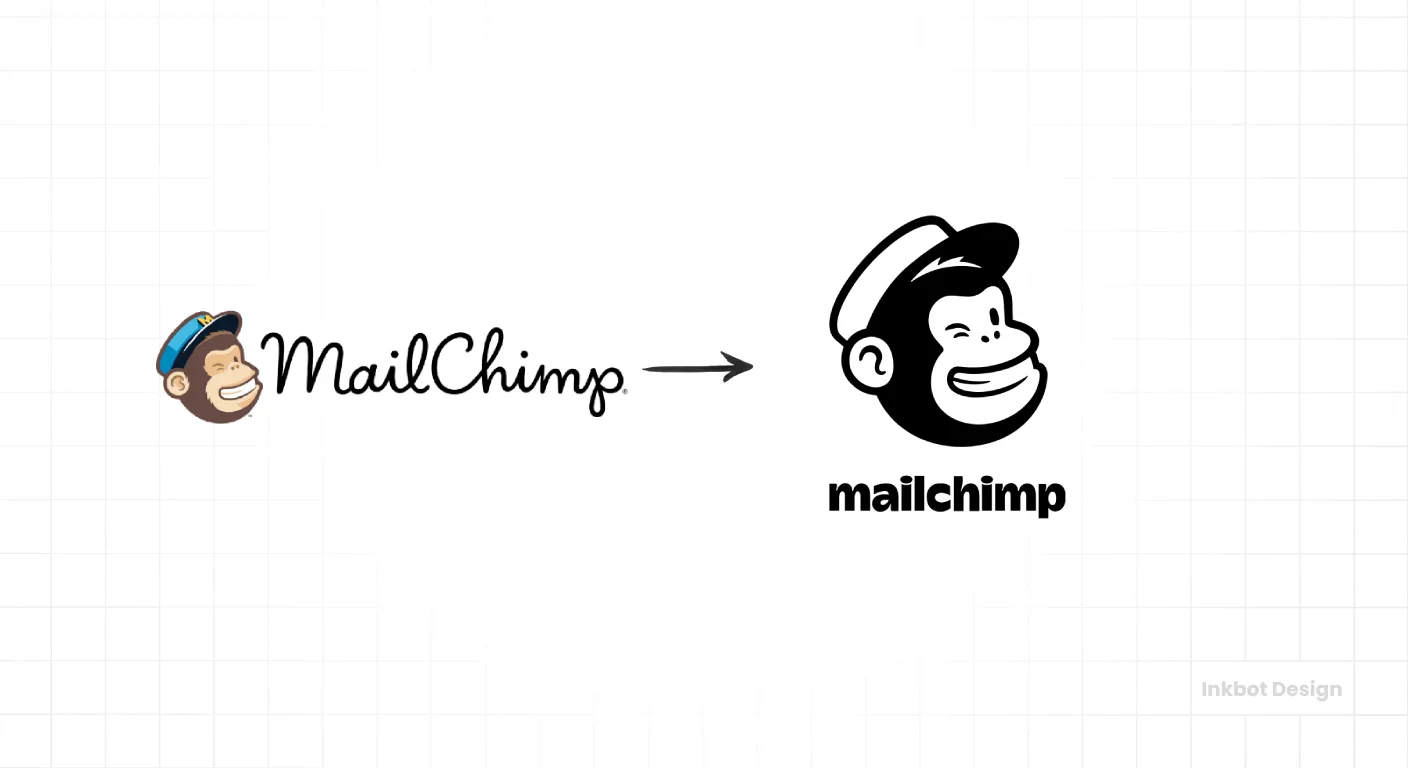
Nobody can prove Freddie added a pound to that figure, and I won't pretend otherwise. What Freddie gave Mailchimp was a cue no competitor could borrow in a category of near-identical dashboards.
The mechanism is retrieval. A buyer who first sees your brand in March may not have a budget until November, and whoever comes to mind in November gets the shortlist.
A distinctive character gives that November memory something to hold on to. A blue gradient gives it nothing, which is roughly what half the SaaS category is currently paying for.
Why so few B2B brands use characters (and why that cuts both ways)
Research from the LinkedIn B2B Institute and System1, the advertising effectiveness firm, reported by Marketing Week, found that fewer than 1% of B2B ads featured characters, compared with roughly 5% of B2C ads.
That is genuine whitespace. A character in a B2B feed stands out almost by default.
Standing out is the easy part. A buyer who notices a charming robot and credits your nearest competitor has just watched you fund their brand. Whitespace rewards distinctiveness and punishes mere novelty, and most mascot briefs only ask for novelty.
When Does a Mascot Become a Distinctive Asset Rather Than Decoration?
A mascot becomes a distinctive asset when a majority of relevant buyers both recognise it and spontaneously name the right company.
Research on distinctive asset measurement sets a 50% threshold on each count, and only 15% of brand assets meet it. Most mascots, in other words, are decorations with a line item.
The difference is decided in the specification, not the sketch.
Specification | Mascot as decoration | Mascot as a distinctive asset |
|---|---|---|
The brief starts with | “Make us feel friendlier” | “Make us easier to recognise and credit” |
Success is measured by | Social engagement, internal applause | Recognition and attribution among category buyers |
The character appears | In campaigns, it then disappears | Across products, sales, events and content for years |
It travels with | Nothing in particular | Name, colour, typeface and verbal identity |
It changes when | Marketing gets bored | Measurement shows attribution falling |
It is owned by | Whoever briefed the illustrator | A named brand guardian with written rules |
Why a mascot cannot work alone
System1 and TikTok found that fluent devices (recurring branded characters or scenarios) appearing in the first two seconds of an ad were associated with a 57% increase in Brand Awareness Lift.
The same study found that brand recognition was roughly twice as high when an ad used up to four distinctive assets in its opening seconds as when it used one. The mascot should arrive with the colour, the name and the voice attached, and that combination is where the lift comes from.
GitHub's Octocat shows the discipline. Designer Simon Oxley originally drew the character as a stock illustration; GitHub acquired the rights and built the Octodex, a library of Octocat variants dressed for every occasion.
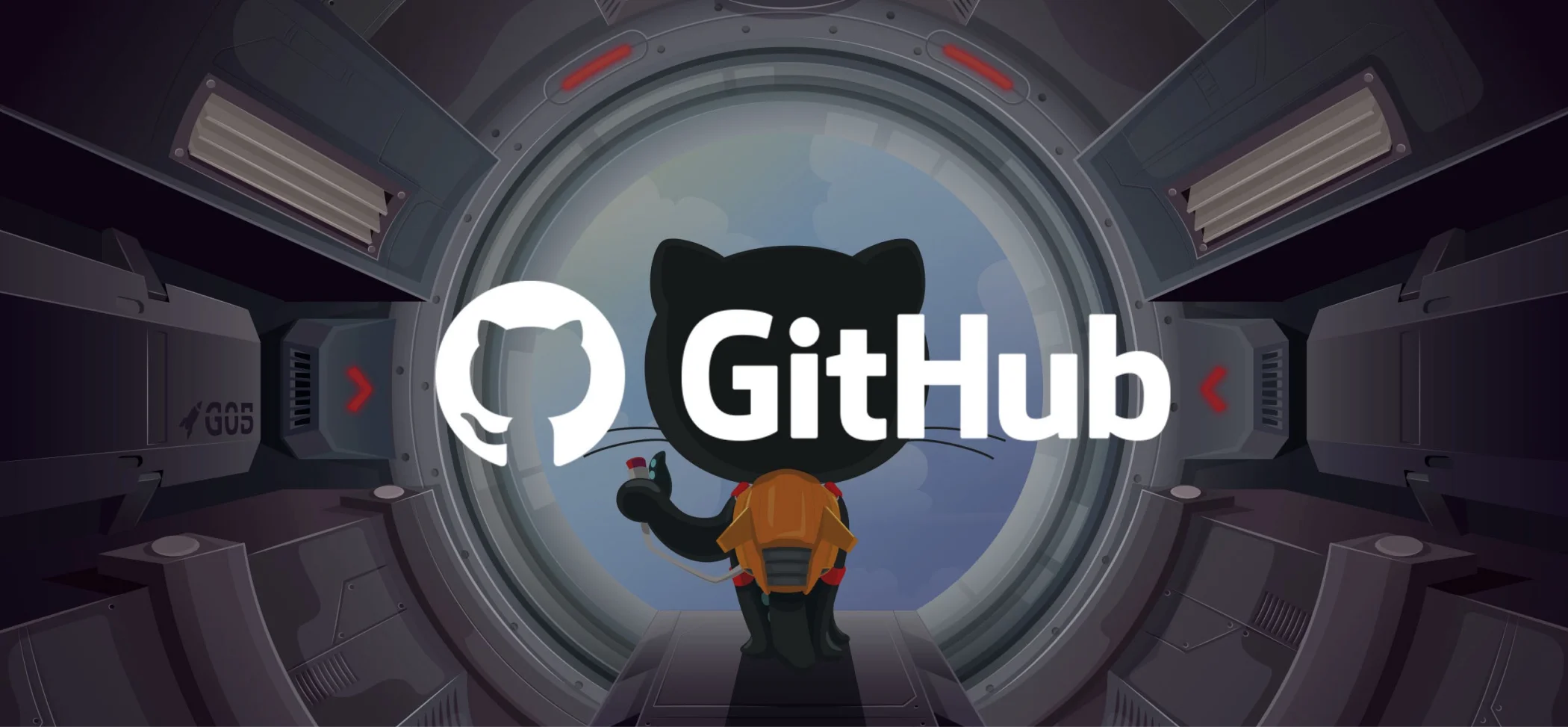
Hundreds of costumes, one silhouette. The lesson is variation inside fixed rules. The character can wear a lab coat; it cannot lose its shape.
What governance a mascot needs
A governed mascot has a fixed silhouette, a defined range of expressions, a list of places it never appears, and an owner. It also has to survive the favicon, which is where responsive logo design stops being theory. The character must still read at 16 pixels.
The places it never appears matter most. Incident notifications, security documentation and contract paperwork are where a buyer's trust is most fragile, and a grinning mascot on an outage notice is a brand choosing comedy at the worst possible moment.
Governance is also where most SaaS companies are weakest.
A 2025 survey of 100 marketing leaders at B2B SaaS companies with more than $50m in revenue found that only 6% described their brands as very distinctive, and only 44% had a documented brand strategy they actively used. A character dropped into a brand with no written strategy adds noise rather than equity.
“A mascot that buyers adore but cannot attribute is advertising for the category leader. The only mascot worth funding is tested for attribution before launch, measured against it every year, and governed by someone with the authority to say no. Everything else is an illustration budget with a personality.”
Where this stands in 2026
AI has made competent B2B content effortless to produce and almost impossible to tell apart. The scarcity is no longer volume.
It is recognisable ownership, meaning a cue that tells the buyer whose content they are reading before they check the byline. A well-governed character is one of the few non-verbal cues that does this reliably, because it cannot be generated generically without looking like a knock-off.
That does not mean every SaaS firm should launch one. It means that in a category where few firms own a genuinely distinctive set of cues, a character tied to a credible product promise can build a memory structure competitors struggle to copy.
The condition is patience. A mascot is a long-term asset with a measurement plan; judged on next week's engagement data, it will be killed before it has done anything.
Won't Enterprise Buyers Think a Mascot Is Unserious?
The worry is legitimate. A CFO signing a multi-year contract wants a vendor that looks capable of surviving the contract term. Procurement teams read vendor materials for risk, not charm. A cartoon on the pricing page can make a brand feel like it has not grown up.
Seriousness comes from restraint, though, not from the absence of a character. The mascot that feels unserious is the one that appears everywhere, including the moments that call for gravity.
The mascot that feels confident appears in onboarding, community and learning contexts, and steps back when the conversation turns to security, uptime or money.
Salesforce's Trailhead characters are a familiar enterprise example of a character system that lives largely in learning and community spaces.
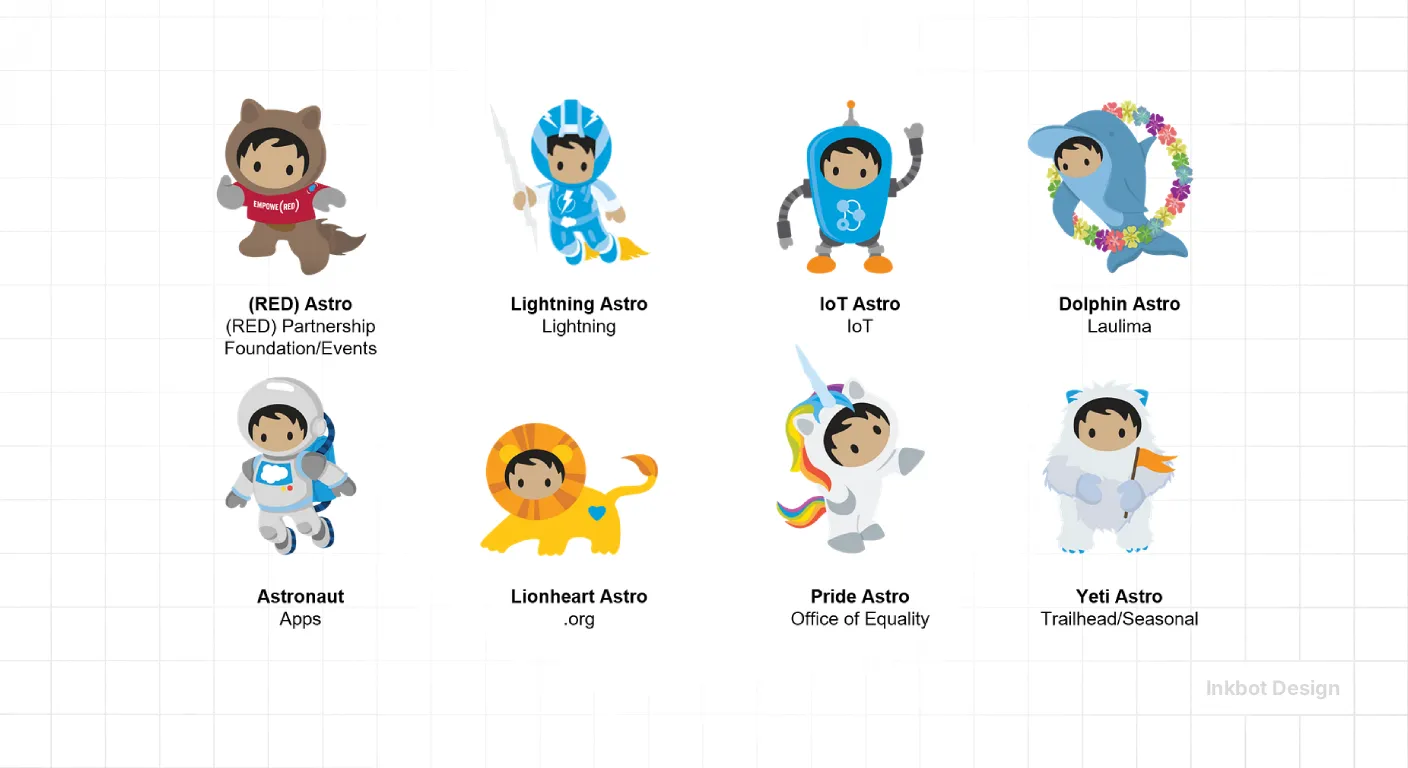
The second objection is cost. It's valid.
Illustration is the cheap part. The ongoing expense is governance, measurement and the discipline to use the character for years. If the board will not commit to that, do not commission the drawing.
Does Any of This Apply to a Law or Accountancy Firm?
Rarely as a mascot. A 60-partner law firm selling judgement and discretion has little reason to put a character on its letterhead, and most attempts would read as a misjudgment of the client relationship.
The underlying problem transfers completely, however.
Professional services brands suffer the same attribution failure: three mid-sized accountancy firms, three navy monograms, three sets of stock handshake photography.
The answer is usually a more distinctive mark system, which is why the choice between abstract logo design and literal marks deserves the same attribution test that a SaaS company would apply to a mascot.
Test whether clients recognise the asset and name the right firm. If they cannot, the asset is decoration, however tasteful it looks.
Build the Test Before You Draw the Character
The psychology of mascot branding in B2B SaaS has little to do with likeability.
A character works because software is abstract and buyers are forgetful, and a well-built character gives them something concrete to recognise, retrieve and credit to one company.
That only happens when the character is specified, measured and governed as a distinctive brand asset. For a tour of characters that did and did not make that leap, see our guide to famous company mascots.
So write the attribution test first: who will be shown the character, what they must be able to name, and what score counts as success. If you cannot yet say what your brand should be remembered for, a character will not answer that for you.
A Brand Equity Audit™ will show where recognition is leaking before you spend a penny on drawing.
Frequently asked questions
Is mascot branding only for consumer brands?
No. Mascot branding works in B2B when the character is built for recognition and attribution rather than entertainment. Research from the LinkedIn B2B Institute and System1 found that fewer than 1% of B2B ads use characters, so a distinctive, governed B2B mascot faces far less competition for memory than a consumer one.
Should a mascot replace a company's logo?
No. A mascot works best as one asset within an identity system, alongside the wordmark, colour and typeface. Research from System1 and TikTok found that brand recognition roughly doubled when ads used up to four distinctive assets rather than one. The mascot supports the logo; removing the logo weakens both.
How do you test whether buyers link a mascot to your brand?
Show the character, without the name or logo, to a sample of category buyers and ask which company it belongs to. Distinctive asset research treats 50% recognition and 50% correct attribution as the threshold. Run the test before launch and repeat it annually.
Can a company use an AI-generated mascot?
Yes, with caution. An AI-generated character can become a distinctive asset only if the company can own and protect it. Copyright and trademark protection for AI-generated artwork remains unsettled in several jurisdictions, including the United States, which requires human authorship, so take legal advice before building brand equity on it.
How long does a mascot take to become a brand asset?
Years of consistent use, not a single campaign. A mascot builds attribution through repeated exposure alongside the same name, colour and voice. Companies that redesign or retire characters after one quarter of engagement data reset that memory structure to zero and pay the illustration cost twice.