12 Proven Marketing Ideas For Small Businesses
Are you tired of feeling like a tiny fish in a big pond, struggling to make your voice heard amidst the constant noise of the marketing world?
Fear not, my friends, for I have the ultimate solution to your marketing woes – 12 surefire ideas that will have your business booming in no time!
I know what you’re thinking: “Another marketing listicle? Yawn.”
But trust me, this is no ordinary list. I’ve used battle-tested, real-world strategies to grow my business, Inkbot Design, from a humble start-up to a thriving design powerhouse.
So, pull up a chair, grab a cup of coffee (or something stronger, no judgment here), and let’s dive in.
You’ll be armed with the tools and tactics to take your small business to new heights when we’re done. Let’s do this!
- Networking is invaluable for small businesses; focus on building genuine relationships rather than hard sells.
- Utilise social media wisely; engage on select platforms without overwhelming your audience with hashtags.
- Create partnerships to expand reach and benefit mutually; collaboration is key for success.
- Email marketing remains a powerful tool; provide value and build trust without being spammy.
- Embrace user-generated content to increase authenticity; encourage customers to share their experiences.
1. Embrace the Power of Networking (and Avoid Being a Weirdo)

I’ll never forget the first time I attended a local networking event for small businesses. I walked in, sweaty palms and all, clutching my business cards like they were the keys to the kingdom. I’d heard all the horror stories – the awkward small talk, the forced introductions, the uneasy feeling of being the new kid at the party.
But you know what? It turned out to be one of the best decisions I ever made. Sure, there were a few cringeworthy moments (like the time I accidentally spilt my drink all over the CEO of a prominent local company), but the connections I made and the opportunities that arose from those initial conversations were truly invaluable.
The key is approaching networking events with a genuine interest in the people around you. Forget the hard sell – focus on building relationships, learning about others’ businesses, and finding ways to help. Before you know it, those connections will start paying dividends through referrals, collaborations, and even new customers.
And remember, the goal isn’t to be the life of the party or the most extroverted person in the room. Just be your authentic self; the right people will be drawn to you.
2. Leverage the Power of Social Media (but Don’t Become a #Hashtag Hoarder)
In today’s digital landscape, social media is the new town square. It’s where your customers congregate, where trends are born, and where your brand can truly shine. However, with numerous platforms and noise, it can be easy to feel overwhelmed.
My advice? Focus on the channels that make the most sense for your business and audience. Don’t try to be everywhere at once – that’s a recipe for burnout. Instead, pick 2-3 platforms (such as Instagram, LinkedIn, and TikTok) and pour your energy into creating a consistent, engaging presence.
And for the love of all things holy, don’t get caught up in the hashtag trap. #Hashtags #can #be #useful #but #don’t #go #overboard. Use them strategically to connect with your target audience, but avoid making them the sole focus of your content.
Instead, focus on creating valuable, shareable content that showcases your expertise and resonates with your followers. Share behind-the-scenes glimpses of your business, spotlight your satisfied customers, or offer bite-sized tips and advice. The more you can humanise your brand and demonstrate your unique personality, the more your audience will connect with you.
3. Embrace the Power of Partnerships (and Avoid Being a Lone Ranger)

Trying to do everything independently can be tempting as a small business owner. After all, who knows your business better than you? However, the truth is that by forging strategic partnerships, you can amplify your reach, tap into new audiences, and unlock a whole world of possibilities.
Think about it – what other businesses or service providers in your industry could you collaborate with? Maybe it’s a complementary service provider, a non-competing brand, or even a local influencer or content creator. By joining forces, you can create co-branded content, cross-promote to each other’s audiences, and even develop joint products or services.
I’ll never forget when I teamed up with a local web development agency to offer our clients a comprehensive “branding and digital presence” package. It was a total win–win – we were able to provide a more holistic solution, the clients were thrilled, and both of our businesses saw a significant boost in revenue.
The key is to look for mutually beneficial partnerships that align with your brand and your customers’ needs. Don’t just jump into bed with the first person who slides into your DMs – take the time to vet potential partners and ensure they’re the right fit.
4. Become a Content Creation Powerhouse (but Don’t Burn Yourself Out)
In the world of small business marketing, content is king. Whether it’s a blog post, a social media video, or a traditional email newsletter, creating valuable and engaging content is the surest way to attract and retain customers.
But here’s the thing – content creation can be a real slog. It can feel like a never-ending battle between generating ideas, researching, writing, and editing. And let’s not forget about the endless task of promoting and distributing your content across various channels.
That’s why it’s essential to approach content creation with a plan and a strategy. Start by identifying your core topics and themes – the areas where you can truly shine as a subject matter expert. Then, create a content calendar that includes a mix of evergreen and timely content.
And remember, quality over quantity. It’s better to publish a few well-crafted, deeply valuable pieces than to churn out a never-ending stream of surface-level fluff. Take the time to understand your audience, their pain points, and the types of content that will resonate with them.
But here’s the kicker – don’t forget to have fun with it! Inject your unique personality into your writing, get creative with your visuals, and don’t be afraid to experiment. The more authentic and engaging your content is, the more your audience will connect with it.
5. Leverage the Power of Email Marketing (and Avoid Being a Spammy Spammer)
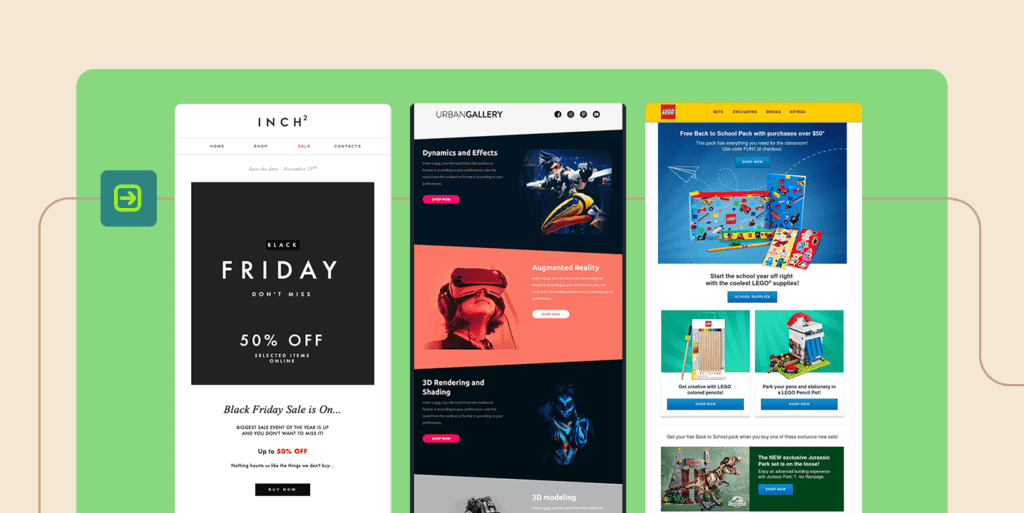
Email marketing might seem like a relic of the past in the age of social media and digital noise. But let me tell you, my friends – it’s still one of the most powerful tools in your small business marketing arsenal.
Think about it – when did you last open and read a social media post? Probably not as often as you check your email, correct? Email is a personal and direct means of communication, allowing you to build deep, meaningful customer relationships.
But here’s the catch – you’ve got to do it right. No one wants to be bombarded with spammy, salesy messages that feel like they’re coming from a bot. Instead, create email campaigns that provide value, build trust, and foster a sense of community.
Share exclusive content, offer helpful tips and advice, or even give your subscribers a glimpse of your business. The more you make them feel like insiders, the more they’ll engage with your brand.
And feel free to get creative with your email design, too. Use eye-catching visuals, incorporate GIFs and videos, and experiment with different formats, such as newsletters, product launches, or personalised birthday messages.
But above all, respect your subscribers’ time and attention. Don’t flood their inboxes; make it easy for them to opt out if they’re no longer interested. The goal is to build a loyal, engaged following – not to annoy everyone in your database.
6. Unlock the Power of Referrals (and Avoid Being a Pushy Salesperson)
In the world of small business marketing, nothing beats the power of word-of-mouth. When a satisfied customer sings your praises to their friends, family, or colleagues, it’s like gold. After all, who’s more credible than a real-life, living, breathing human being who’s had a positive experience with your brand?
That’s why it’s so important to cultivate a robust referral program – one that incentivises your customers to spread the word while also providing an exceptional experience for your new leads.
But here’s the catch – you can’t just slap a “Refer a Friend, Get 10% Off” sticker on your website and call it a day. Nope, you’ve got to get strategic. Think about what will delight your customers and make them eager to shout your praises from the rooftops.
It could be a tiered rewards program that unlocks escalating bonuses as more people are referred. It could also be a personalised thank-you video from your CEO, a handwritten note, and a branded swag bag.
The key is to make it feel special, and your customers feel valued and appreciated. And remember to make it easy for them as well. Provide them with shareable social media graphics, email templates, and even a referral landing page that makes the process a breeze.
But whatever you do, avoid the hard sell. Avoid bombarding your customers with constant reminders or making them feel like they’re being used as a marketing tool. Focus on building genuine relationships, and the referrals will come naturally.
7. Harness the Power of Local Marketing (and Avoid Being a Bland, Faceless Corporation)

As a small business owner, you possess a superpower that your big-box competitors can only dream of – the ability to truly connect with your local community. And when you leverage the power of local marketing, the results can be truly transformative.
Think about it – when did you last feel a genuine connection to a massive multinational corporation? Probably never, right? But when you walk into the corner coffee shop, where the barista knows your order by heart, and the owner remembers your name, that’s a different story.
That’s why embracing your roots and proudly showcasing your local credentials is essential. Sponsor a Little League team, partner with a local charity, or host a community event at your storefront. The more you show that you’re not just some faceless, generic brand, the more your customers will feel invested in your success.
And don’t be afraid to get creative with your local marketing efforts as well. Maybe it’s a “Shop Local” social media campaign with user-generated content from your loyal customers. Or it’s a loyalty program that rewards locals for supporting your business.
The key is to tap into your neighbourhood’s unique character and personality and make your brand an integral part of the community fabric. The magic happens when your customers feel like you’re not just a business but a true partner and ally.
8. Embrace the Power of Personalisation (and Avoid Being a Creepy, Big Brother-esque Brand)
In today’s hyper-connected, data-driven world, personalisation is the name of the game. Your customers crave a tailored experience that speaks directly to their needs, interests, and pain points.
And small businesses have a distinct advantage here – you’re not beholden to the same rigid, one-size-fits-all marketing strategies as your big-brand competitors. You can get to know your customers on a deeper level, understand their unique challenges, and craft messaging and offers that truly resonate.
But here’s the catch – you’ve got to walk a fine line. Personalisation is a powerful tool, but can also be creepy and invasive if you’re not careful. No one wants to feel like they’re being watched or that their every move is being tracked.
The key is to focus on creating a seamless, frictionless experience that delights your customers rather than making them feel like they’re being constantly monitored. Use data and insights to anticipate their needs, but don’t force them upon them.
It could be a personalised product recommendation based on their browsing history or a birthday email with a special offer. Or it’s a dynamic content experience on your website that adapts to each visitor. The more you can make your customers feel seen and understood, the more they’ll engage with your brand.
However, remember to always respect their privacy and allow them to opt out if they are uncomfortable. The goal is to build trust, not to erode it.
9. Leverage the Power of User-Generated Content (and Avoid Being a Lazy, Uninspired Brand)
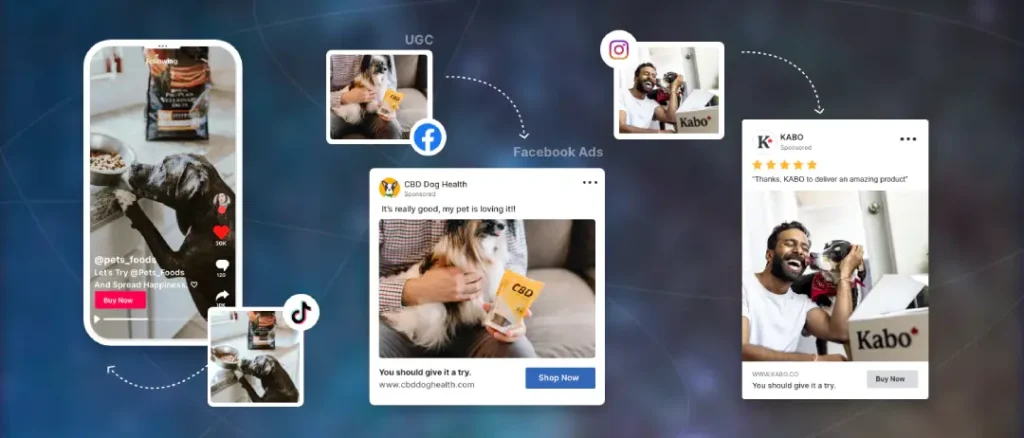
In the age of social media, user-generated content (UGC) is the holy grail of small business marketing. Think about it – when was the last time you were swayed to try a new product or service by a slick, professionally-produced ad?
Not as often as when you saw your best friend raving about their new favourite thing on Instagram, correct? UGC has a level of authenticity and credibility that traditional advertising can’t match, and it’s a surefire way to build trust and engagement with your target audience.
But here’s the thing – you can’t just sit back and wait for the UGC to start rolling in. Nope, you’ve got to be proactive and find ways to actively encourage and incentivise your customers to create and share content about your brand.
It could be a social media contest where you ask your followers to share their favourite product shots or service experiences. Or it’s a user-generated product review program that rewards your biggest fans for leaving glowing testimonials.
The key is to make it fun, engaging, and beneficial for your customers. Give them a reason to get excited and involved, and they’ll happily lend their voices to your marketing efforts.
But whatever you do, don’t be a lazy, uninspired brand. Don’t just repost the same old stock photos or generic user comments. Embrace the unique creativity and personality that your customers bring to the table, and use it to breathe life into your marketing campaigns.
10. Harness the Power of Influencer Marketing (and Avoid Being a Desperate, Cringeworthy Brand)
In small business marketing, influencer partnerships can be the secret sauce that takes your brand to new heights. 🚀 Think about it – when a trusted, respected voice in your industry sings your praises, it carries a weight and credibility that even the most polished ad campaign can’t match.
But here’s the catch – you’ve got to do it right. Forget the days of desperate, cringeworthy brand-influencer collaborations that feel like they were cooked up in a stuffy boardroom. Today’s savvy consumers can sniff out inauthenticity from a mile away and are not afraid to call it out.
Instead, focus on building genuine, long-term partnerships with influencers who align with your brand, values, and target audience. Do your research, find the right fit, and then work together to create content that feels natural, organic, and valuable to their followers.
It could be a series of product reviews where the influencer shares their honest, unfiltered thoughts. Or it’s a behind-the-scenes look at how your brand comes to life straight from the perspective of a trusted industry expert.
The key is to make it a true collaboration where both parties bring something unique and valuable. And don’t be afraid to get creative – the more you can tap into the influencer’s unique personality and storytelling skills, the more your brand will resonate with its audience.
Remember to be transparent about the partnership and never sacrifice your principles for a quick marketing win. Your customers are savvier than you think, and they’ll see right through any desperate, inauthentic attempts to cash in on someone else’s influence.
11. Leverage the Power of Hyper-Targeted Advertising (and Avoid Being a Spammy, Annoying Brand)
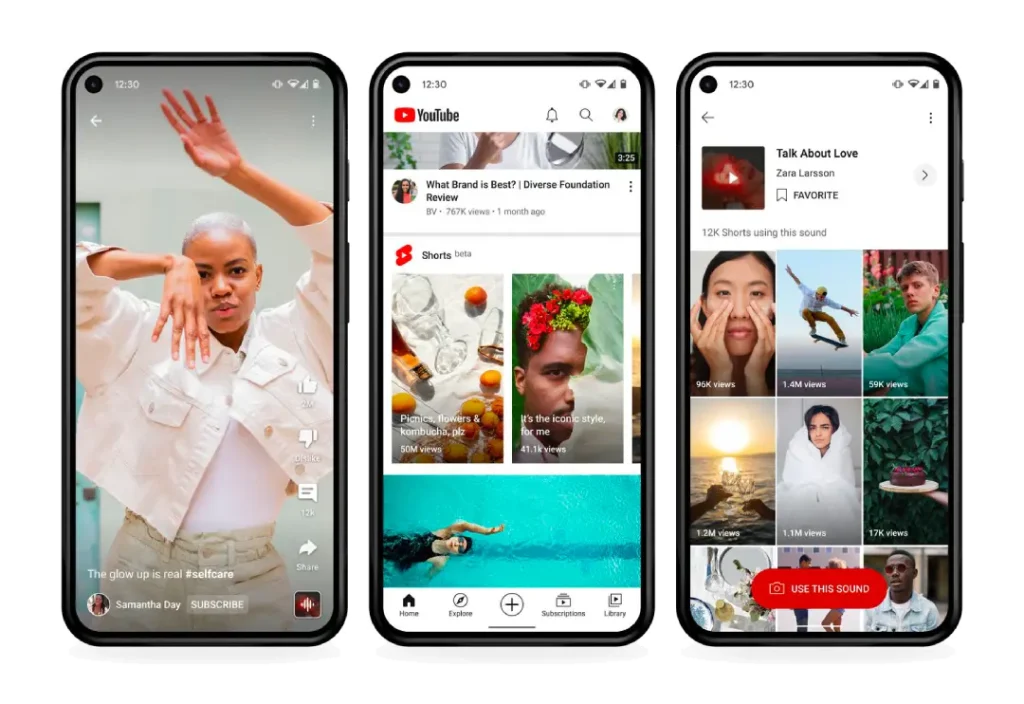
In the digital age, targeted advertising is the secret weapon every small business needs in its marketing arsenal. With the wealth of data and audience insights at our fingertips, it’s never been easier to laser-focus your messaging and reach the people most likely to become loyal, engaged customers.
But here’s the catch – you’ve got to do it right. Forget the days of spammy, interruptive ads that feel like they’re stalking you across the internet. Today’s consumers are savvier than ever, and they’re not afraid to tune out or even actively avoid brands that try to shove their products down their throats.
Instead, create targeted campaigns that provide genuine value and address your audience’s unique needs and pain points directly. It could be a social media ad that offers a helpful, how-to tutorial related to your products or services. Or it’s a retargeting campaign that reminds past website visitors of the items they’ve been eyeing.
The key is to make it feel like a natural, seamless extension of the user experience – not an intrusive, annoying interruption. And don’t be afraid to get creative with your targeting – think beyond just demographics and dig into the psychographics, interests, and behaviours that truly define your ideal customer.
But above all, quality should always be prioritised over quantity. It’s better to have a smaller, more engaged audience genuinely interested in what you offer than a massive pool of disinterested, disgruntled leads.
12. Embrace the Power of Continuous Improvement (and Avoid Being a Complacent, Stagnant Brand)
In the fast-paced world of small business marketing, complacency is the enemy. Just when you think you’ve got it all figured out, the landscape shifts, new trends emerge, and suddenly, your once-winning strategy is as outdated as a MySpace profile.
That’s why it’s so important to approach your marketing efforts with a spirit of continuous improvement and a relentless drive to stay ahead of the curve. Never rest on your laurels, my friends – constantly experiment, test, and iterate to find new and innovative ways to connect with your customers.
It could be a good idea to try out a new social media platform to gain traction with your target audience. Or perhaps it’s revamping your email marketing strategy to incorporate the latest best practices. Whatever it is, make a habit of constantly evaluating your results, soliciting customer feedback, and being willing to pivot when something’s not working.
And remember, the path to continuous improvement isn’t always a straight line. You’ll have your fair share of failures and setbacks along the way – but that’s all part of the journey. Embrace those moments as opportunities to learn and grow, and use them to fuel your determination to keep pushing forward.
Because in the end, the brands that thrive aren’t the ones that play it safe – they’re the ones that are willing to take risks, try new things, and constantly challenge the status quo. So, what are you waiting for? It’s time to roll up your sleeves and get to work!
13. Master the Magic of SEO (and Avoid Being Invisible Online)

Right, let’s get real for a second. When you need a plumber, a haircut, or the best sausage roll in town, what do you do? You pull out your phone and search for it. Your customers are doing the exact same thing. If you don’t show up on that first page of Google, you’re basically invisible.
But here’s the catch – all this SEO stuff sounds like a foreign language, doesn’t it? Keywords, backlinks, algorithms… It’s enough to make you want to pack it all in and go live in a hut in the woods. It feels complicated and expensive.
Thing is, you don’t need to be a tech wizard. The key is to ignore 99% of the noise and focus on the basics that actually work for small businesses. First up, Local SEO.
Go and claim your Google Business Profile right now. It’s free, and it’s the single most powerful thing you can do. Fill out every single section: your address, phone number, opening hours, and add some decent photos.
Ensure that the information, also known as NAP (Name, Address, Phone number), is consistent everywhere online. Consistency is your best friend here. Then, think about what your customers are actually typing into Google and use those simple, common-sense phrases in your website’s page titles and descriptions. Don’t overthink it.
And for goodness’ sake, make sure your website works properly on a mobile phone. Google ranks sites based on their mobile version first, so if it’s a clunky mess, you’re shooting yourself in the foot. Being findable isn’t magic; it’s just about getting the fundamentals right.
14. Unleash the Power of Video (and Avoid Making a Snooze-fest)
Consider your own habits for a moment. When you’re scrolling through your phone on the sofa, what stops your thumb? A massive wall of text, or a quick, eye-catching video? Exactly. Video isn’t just a “nice to have” anymore; it’s how people prefer to consume information.
But here’s the thing – most people hear “video marketing” and immediately picture a film crew, expensive cameras, and a budget that could fund a small nation. That’s complete and utter nonsense. Your customers don’t want a polished Hollywood production; they want authenticity.
The key is to use the supercomputer you already have in your pocket. Your phone is a ridiculously powerful camera. Use it.
Focus on two types of video. First, consider creating short-form content for platforms like Instagram Reels, TikTok, and YouTube Shorts. This is perfect for showing your brand’s personality, sharing behind-the-scenes moments, or offering a quick 30-second tip. It’s fast, fun, and highly shareable.
Second, think about longer videos for YouTube. This is where you build real authority. You could create a detailed tutorial, a case study featuring a satisfied customer, or an in-depth product demonstration. This is the content that demonstrates your expertise.
And please, do this one simple thing: add captions to your videos. So many people watch with the sound off. It’s a tiny effort that makes a massive difference.
Just start filming. Your passion for your business will shine through, and that’s far more engaging than any slick corporate ad.
15. Command Your Online Reputation (and Avoid Ignoring What People Say)
Alright, let’s talk about something that’s happening right now, whether you’re paying attention or not. People are talking about your business online. On Google, on Yelp, on social media… It’s the modern-day version of word-of-mouth, and it’s happening 24/7.
But here’s the catch. You can’t just cross your fingers and hope for the best. Ignoring your online reviews is like letting strangers spray paint graffiti on your shopfront. A single bad review, left unanswered, can do some serious damage to your credibility.
The key is to get on the front foot and actively manage your reputation. Start by making it easy for happy customers to leave a review. Send a simple follow-up email after a purchase with a direct link to your Google Business Profile. Most people are happy to do it; they just need a gentle nudge.
Now, this is the important bit: respond to every single review. The good, the bad, and the neutral. Thank people for the positive ones.
For those with negative attitudes, remain professional, polite, and helpful. Don’t get into an argument. Just acknowledge their issue and offer to resolve it offline. This demonstrates to others that you’re a responsible business owner who prioritises customer service.
Once you’ve got a stream of glowing reviews, use them! Splash them all over your website and share them on social media. It’s powerful social proof that instantly builds trust.
This isn’t about vanity; it’s about controlling the narrative and showing potential customers that you’re the real deal.
Marketing Ideas for Small Businesses (FAQs)
As a small business owner, how do I find the time to implement all these marketing strategies?
Start small and focus on 2-3 high-impact tactics at a time. Automate and outsource where possible to free up your time. Prioritise the strategies that will give you the greatest return on your investment.
I’m on a tight budget – how can I afford to do all this marketing?
Many of these ideas are low-cost or free to implement. Focus on strategies like networking, content creation, user-generated content, and leveraging influencers. Get creative and explore opportunities to cross-promote or barter with other local businesses.
I’m more introverted – how can I make networking and in-person events less intimidating?
Reframe networking as an opportunity to learn about others, rather than just promoting yourself. Ask questions, be an active listener, and look for opportunities to help or collaborate. Start small with lower-pressure events and work your way up.
I’m already swamped with running my business – how do I avoid burnout from content creation?
Batch create content, repurpose existing pieces, and leverage user-generated content. Outsource writing, design, or video production if your budget allows. Schedule regular content planning sessions to stay ahead of the curve.
I’m not very tech-savvy – how can I effectively implement digital marketing strategies, such as email and social media?
Begin with the basics and build upon them. Utilise free or low-cost tools and templates. Lean on tutorials, online courses, or even a virtual assistant to help you navigate the technical aspects.
My local market is highly competitive – how can I stand out and make an impact?
Emphasise your local ties, community involvement, and personalised customer service. Partner with complementary local businesses, sponsor community events and find creative ways to engage your neighbourhood.
I’m worried about coming across as too salesy or pushy with my marketing efforts. How can I avoid that?
Focus on providing value rather than making the sale. Share educational content, highlight your customers, and let your brand’s personality shine. Build genuine relationships and make it easy for customers to engage with you on their terms.
I’m unsure which social media platforms my customers use – how do I determine where to focus my efforts?
Research your target audience to determine which platforms they’re most active on. Start with 2-3 channels that align best with your business and customer preferences. Experiment to see what resonates, then double down on the ones that perform the best.
How do I know if my marketing efforts work?
Set clear, measurable goals and track the right metrics for each strategy. Examine website traffic, email open rates, social media engagement, and customer acquisition metrics. Regularly review your performance and make adjustments as needed.

