15 Tips to Manage Your eCommerce Online Store
The clicks have started. Virtual shelves are stocked. But is your online store ready for the big time?
In the digital marketplace, it’s more than having things to sell. It’s about creating an experience, a journey, a reason why somebody will click ‘Buy Now’ instead of ‘Back.’
Running an eCommerce shop isn’t just work. It’s art. It’s the understanding the psychology of scrolling, the appeal behind “Add to Cart,” and the delicate balance between convenience and connection.
These 15 tips aren’t just steps to check off. They’re a mindset shift—a way to turn your digital storefront from a transactional platform into a destination. A place where customers don’t just buy — they belong.
Ready to turn browsers into buyers and buyers into advocates? Let’s go!
- Understand your customers deeply to tailor your store and enhance their buying experience.
- Optimise product pages with high-quality images and compelling stories to drive sales.
- Simplify the checkout process and offer multiple payment options to reduce cart abandonment.
1. Know Your Customer Inside Out

Who is buying what you’re selling?
Do you ever wonder who is behind the “Add to Cart” button? Knowing your customers is equivalent to having a secret weapon for your eCommerce business. It’s not just about their age or location, but how they think.
What motivates them?
Consider the things which drive your clients. Are they deal hunters or luxury enthusiasts? Do they buy on impulse or research for weeks? Once you know this, then you can tailor your store accordingly.
Right, so you need to go deeper than just age and location. That’s surface-level stuff.
You need to build proper customer personas.
Think of it like creating a character. Give them a name, like ‘Sales-rep Steve’ or ‘Student Sarah’.
What’s their biggest problem that you can solve? Where do they spend their time online when they should be working?
Once you know this, you’re not just selling to a crowd. You’re talking to Steve.
Every email and every ad is written for him. It stops you wasting money on marketing that misses the mark.
How do I get customer insights?
- Surveys: Ask, and you shall receive. Create concise and straightforward survey forms to gather more information about your shoppers.
- Analytics: Look into your data. With tools like Google Analytics, a wealth of information can be revealed about those who visit your website.
- Social media: Your customers are speaking. Are you listening enough? Monitor social channels for valuable customer feedback.
2. Optimise Your Product Pages
Your product pages are your digital store. They must be attractive enough for people to click “Buy Now” without thinking. Here’s how to make them irresistible:
- Use high-quality pictures: Display your products from all sides or, even better, allow clients to zoom in and see the details.
- Have clear and compelling descriptions: Do not just state the features; tell a story about how it can change someone’s life.
- User reviews: Social proof is everything. Highlight positive feedback from satisfied buyers.
- Incorporate videos and 3D models to show the product in use. For larger items, an AR feature that allows people to virtually place them in their home is a game-changer for boosting conversions and reducing returns.
SEO is your buddy
Want more people looking at what you are selling? Optimise for search engines. Include relevant keywords in product titles and descriptions, but do not overdo it – nobody likes keyword stuffing.
3. Streamline Your Checkout Process
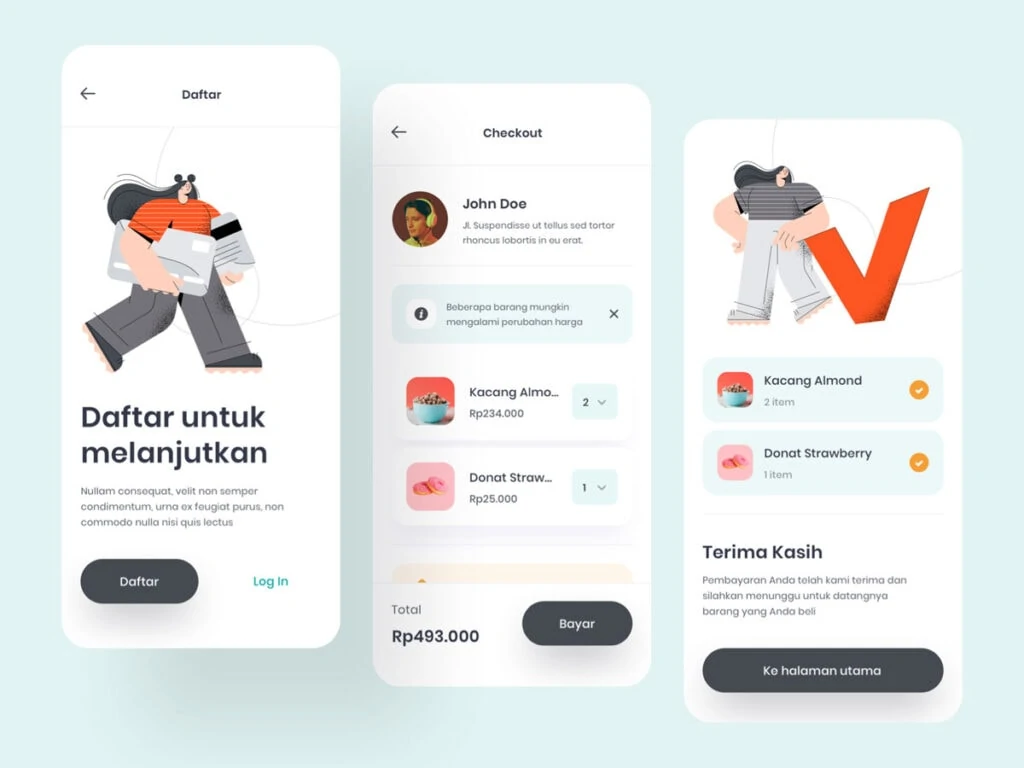
Have you ever abandoned a cart because the checkout process was like doing taxes? Same. Here’s how to make it silky:
- Guest checkout: Not everyone wants an account.
- Fewer form fields: Only ask for what you need.
- Progress indicators: Show people how far they’ve come.
Lots of payment options
The more, the merrier. Credit cards, PayPal, and Apple Pay – give people choices. And don’t forget to buy now and pay later for services like Klarna or Afterpay.
4. Master Inventory Management
Losing stock is like turning customers away. Employ inventory management software to know what’s in, what’s almost depleted and what’s selling fastest online.
Systemise everything
Create automatic reorder points. This means that once the remaining quantities reach a certain level, the system should notify you or place an order on your behalf.
Forecasting like an expert
Utilise historical data and market trends to forecast future demand. It may not be fortune-telling, but it’s close enough to work most of the time.
5. Provide Stellar Customer Service
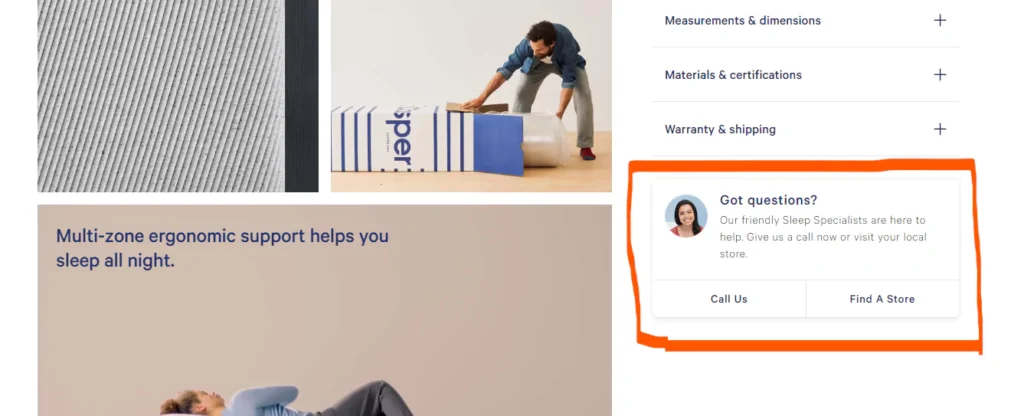
Be present when they require your presence.
Your eCommerce business’s success or failure is determined by customer service. Find out how to do it right:
- Provide them with multiple ways to reach you, ideally via email, phone, and chat.
- Don’t make them wait: Respond within hours, not days.
- Let them help themselves: FAQs and knowledge bases are helpful for customers who prefer self-service.
- Use AI chatbots for simple queries: Let a bot handle 24/7 support for things like “where is my order?”. This provides customers with instant answers and frees up your team to address more complex problems.
Do more than expected.
You’d be surprised by the difference it makes. Have you ever received a handwritten note with your online order? Things like this can turn occasional buyers into lifelong fans.
6. Create a Mobile-Friendly Experience
Mobile devices are responsible for more than 50% of all eCommerce traffic.
Ecommerce development services can help implement these features and optimise your store’s performance across various devices.
Have you designed your store with thumb reach in mind? Here’s what you should think about:
- Design that works on every screen size: Ensure your site looks consistent across all screen sizes.
- Big buttons, easy tapping: Nobody likes to make errors because they can’t hit the right button.
- More straightforward menus and navigation: Help mobile users find what they want quickly and easily.
Quicken Up
Mobile users have no patience. They’ll leave if your site takes too long to load. Optimise images, minify code and use a CDN (content delivery network).
7. Leverage Email Marketing
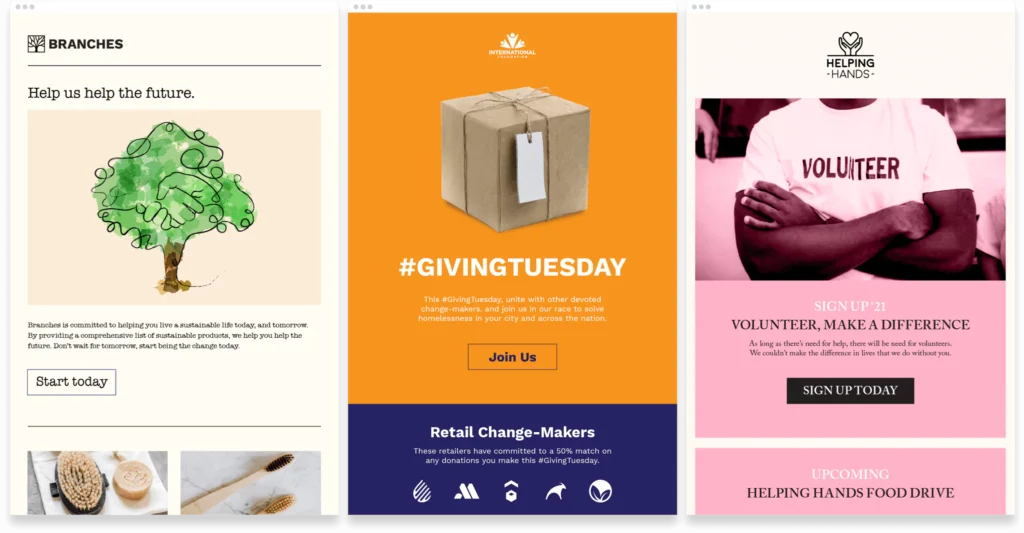
The email advertisement is not dead; it’s evolving. Here are a few tips on how to have this work for your online shopping platform:
- Individualisation: Send personalised email messages making use of data about users
- Automation: Put in place a welcome series and abandoned cart reminders, as well as post-purchase follow-up emails
- Valuable content: Don’t just sell stuff. Engage, educate and entertain your subscribers too.
All clients were not made equal. Divide the email register according to buying history, browsing behaviour, or geographical location to send more relevant emails.
8. Harness the Power of Social Media
Social media is not only for cat videos or political rants; it is a valuable resource for eCommerce. Let us find out how to use it effectively:
- Choose the correct platforms: Do not try to be everywhere. Concentrate on channels that cater to your target audience.
- Create content that can be shared: Think outside product photos and share behind-the-scenes peeks, customer stories or helpful tips.
- Don’t just broadcast; engage: Respond to comments, ask questions and build community around your brand.
And get your customers doing the marketing for you. This is called User-Generated Content (UGC), and it’s gold.
People trust other normal people far more than they’ll ever trust your polished adverts. So, encourage them to share photos and videos of themselves using your stuff.
Run a competition, create a unique hashtag, and feature your favourites on your site.
When a potential buyer sees a real person loving your product, it’s a hundred times more convincing than anything you can say. Splash that content all over your product pages and social media.
It’s authentic, it’s powerful, and best of all, it’s free.
Social selling
In-app shopping experiences are now offered by platforms such as Instagram and Facebook, which should be utilised so followers can easily convert into shoppers.
9. Implement a Loyalty Programme

Keeping existing clients is less expensive than gaining new ones. A loyalty program can help you with that. Think about:
- Points system: Allow people to gain points through purchases, reviews and referrals.
- Tiered rewards: Give your most loyal customers more considerable benefits.
- Exclusive access: Ensure loyalty program members are the first to know about new products and sales.
Keep it simple
Your loyalty program should be straightforward enough so that people can explain it to their friends without any complications or difficulties. Refrain from using complicated rules or rewards that are difficult to redeem.
10. Analyse and Optimise
In the realm of online business transactions, data reigns supreme. Here are some things to consider:
- Conversion rate: What percentage of visitors end up making purchases?
- Average order value: Is spending per customer increasing or decreasing with time?
- Customer lifetime value: How much is a single buyer worth over their relationship with your company?
Keep experimenting and acquiring knowledge.
Continue testing without end—experiment using different product descriptions, email headers, or checkout procedures—Utilise A/B testing to determine what appeals most to your customers.
11. Stay on Top of Trends
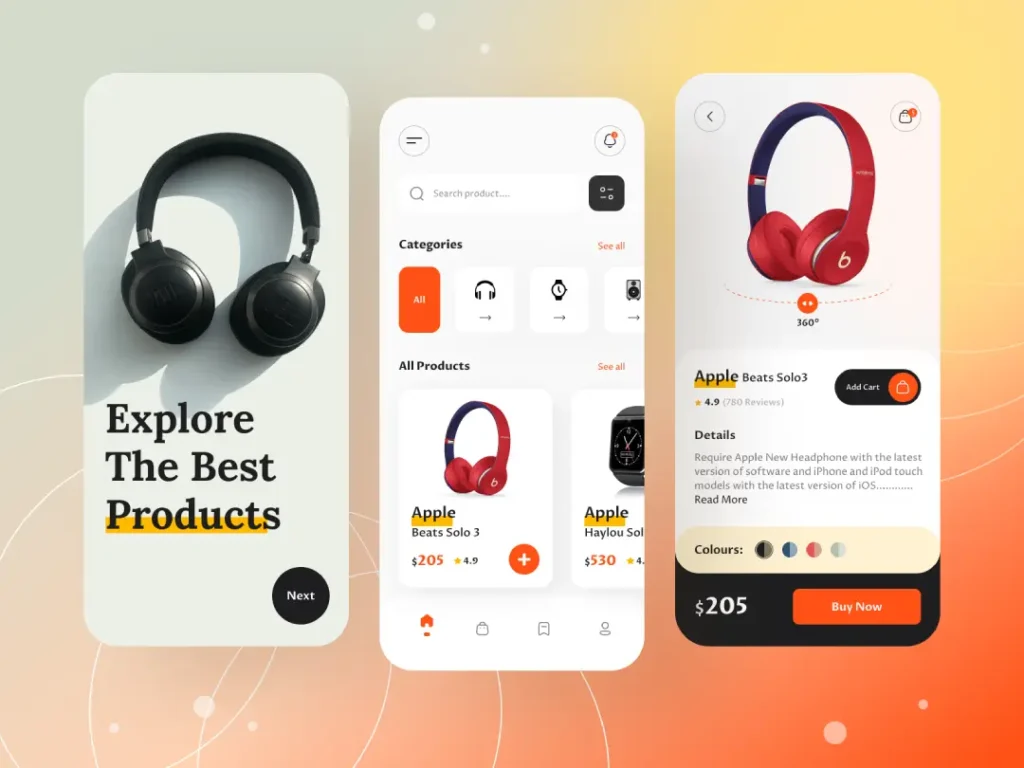
The realm of electronic commerce is constantly shifting. Stay caught up. How?
- Track industry blogs and websites
- Participate in online business conferences and webinars
- Connect with other digital vendors
- Do not chase every new thing that comes along
However, feel free to follow each hot trend as it appears. Instead, concentrate on what works for your company and clientele.
12. Secure Your Store
Cybersecurity is not only applicable to big shots in the tech industry. For you, being a brick-and-mortar store owner is equivalent to being the Fort Knox of an eCommerce business. Below is how:
- Secure Sockets Layer encoding: It guards client information during payment.
- Periodic software updates: Ensure you keep your plugins and eCommerce platform up to date.
- Robust passwords: Try using strong password combinations and adopt two-factor authentication whenever possible.
Disclose security information
Inform people about the measures taken to ensure their data safety. This fosters trust among consumers while providing them with another reason to buy from you.
13. Offer Exceptional Shipping and Returns

Shipping can be the death of a sale.
Free shipping is the ultimate goal for ecommerce. If you can’t do it 24/7, try these alternatives:
- Free shipping threshold: Offer free shipping for orders exceeding a specified amount.
- Flat rate shipping: simplify things with just one price for all orders.
- Local pickup: Offer free pickup for orders at your physical location.
Make returns easy
Having an easy return policy can increase sales. Be clear on your policy and make it as simple as possible for customers to return stuff.
14. Personalise the Shopping Experience
Consumerism is going to be about personalisation. Make these recommendations possible:
- Products they might like based on things they’ve looked at before
- Showing what they’ve recently viewed
- Discounts that apply only to them because of what they’ve bought in the past
This goes way beyond just using their first name in an email. The technology available now allows you to use AI to customise what people see on your site based on their behaviour.
Someone keeps looking at hiking boots? The next time they visit, your homepage should be covered in hiking boots and related gear.
The system can automatically send them a “back in stock” email for the exact size they looked at last month.
It’s like having a top-notch personal shopper for every single visitor. It makes them feel like you get them.
And when you show people exactly what they want to see, they buy more. It’s that simple.
But don’t be creepy – There’s a point where being helpful starts feeling more like being watched. Let people know what you’re doing with their stuff.
15. Embrace Sustainability

Consumers are becoming increasingly aware of environmental issues. Show that you are dedicated to sustainability by:
- Using packaging which is good for the planet.
- Providing shipping options that don’t contribute to carbon emissions
- Working with suppliers that take care of nature
Share your sustainable business practices with others.
Don’t just be good; tell people about it! Share what you’re doing in marketing materials and on your site so customers know how much good their money is doing.
Conclusion
Operating an eCommerce store is like trying to control many cats while juggling torches that are on fire. It may be difficult, but it could also give you great satisfaction. Remember, your online store is more than just a website – it is a living, breathing thing that needs continuous care and attention.
Concentrate on knowing your customers well enough, optimising the store for people and search engines, and delivering outstanding service at all contact points. Yes, be alert to industry trends, but don’t feel obligated to pursue every shiny new object. Instead, pay attention towards what would work best for your business and clientele.
Above all else, never stop learning or changing, because things change rapidly in eCommerce. Those who succeed here know how to adapt quickly when necessary, making informed decisions and moving forward.
So, do you want to take your game to the next level? Armed with these pointers, success in eCommerce is inevitable! Go out there and dominate the digital market space!
FAQs
How frequently should I update my product listings?
It would be best if you made changes regularly. At least once a month, or more often if you have items that move quickly.
What is the best way to respond to negative reviews?
React quickly and professionally. Address their concerns, give solutions, and use that feedback to improve your products or services.
How can I reduce shopping cart abandonment?
Simplify the checkout process, provide guest checkout options, offer various payment methods and send abandoned cart reminder emails.
Is it worthwhile to invest in professional product photography?
Definitely! Conversion rates can be significantly boosted by high-quality images and a strong brand perception.
How do I choose an eCommerce platform for my business?
Consider factors such as budgeting needs, technical skills required, and scalability demands. Research different platforms on the internet and try them out without incurring any charges before settling on a particular option.
What is the ideal frequency of sending marketing emails?
It depends, but 1-2 per week is a good starting point. Open and click-through rates should be monitored to determine what works best with your audience.
How can I get customers to leave reviews?
Send follow-up emails after purchase; consider offering incentives (e.g., discount codes for future purchases) to make the review process as simple as possible.
What are some effective cross-selling and upselling strategies?
Utilise product recommendation engines, bundle complementary products together, and offer limited-time deals on related items at checkout.
How important is social proofing for an eCommerce store?
Customer reviews, testimonials or user-generated content significantly increase trust levels, leading to higher conversions within such platforms.
What should I do if a product isn’t selling well?
Analyse why it’s not performing – the price, description, or even the product itself could be the issue. Try adjusting marketing strategies around this item; offer promotions or discounts on other products if necessary, but consider discontinuing them altogether when nothing seems to work out best.
How can I make my eCommerce store accessible to users with disabilities?
Ensure your website is keyboard navigable, use alt text for images, provide video transcripts and maintain good colour contrast. You may also hire an accessibility expert to thoroughly audit these areas.

