Do You Need an In-House Brand Manager?
Most firms do not need an in-house brand manager. They need a named person with authority to make brand decisions. This guide explains when a full-time hire earns its place, when a fractional owner or agency works better, and how professional services firms should assign brand accountability.



On this page6 min left
The primary hiring question is rarely “Can we afford a brand manager?”
It is: “Who inside our firm has the executive authority to say no when a pitch deck, recruitment campaign, or partner bio dilutes our positioning?”
If nobody holds that authority, hiring an internal manager creates an expensive bottleneck.
If authority already exists, your firm likely needs specialist creative execution rather than another permanent management layer.
Brand Manager vs Marketing Manager: What Is the Difference?
Firms frequently conflate brand management with marketing management, leading to misaligned hires and frustrated leaders.
While both roles protect commercial growth, their operational scopes differ fundamentally:
- In-House Brand Manager: Owns strategic positioning, visual identity, message consistency, asset approvals, and external agency governance. Their primary metric is brand equity and long-term reputational trust.
- Marketing Manager: Owns campaign execution, lead generation, digital acquisition channels, marketing technology, and pipeline performance reporting. Brand governance is typically only a fraction of their remit.
According to Gartner’s CMO Spend Survey, marketing budgets averaged 7.7% of overall company revenue, forcing professional services firms to treat headcount as an explicit capital trade-off. Allocating a permanent salary to brand guardianship directly reduces the capital available for business development campaigns, specialist technology, and external advisory support.
For firms evaluating how brand architecture and operational oversight integrate without full-time headcount, Inkbot Design’s Brand Equity System™ provides a structured alternative through the Brand Equity Partnership™.
What Does an In-House Brand Manager Actually Do?

In an established UK law firm, accountancy practice, or management consultancy, an in-house brand manager translates high-level firm positioning into everyday commercial governance.
Rather than designing graphics full-time, their role centres on quality control, reputational consistency, and operational velocity.
In a partnership firm of 50 to 200 people, their day-to-day responsibilities span three core operational areas:
- Brand Governance and Quality Control: Reviewing and approving partner bios, tender submissions, pitch decks, and client-facing thought leadership to prevent messaging drift.
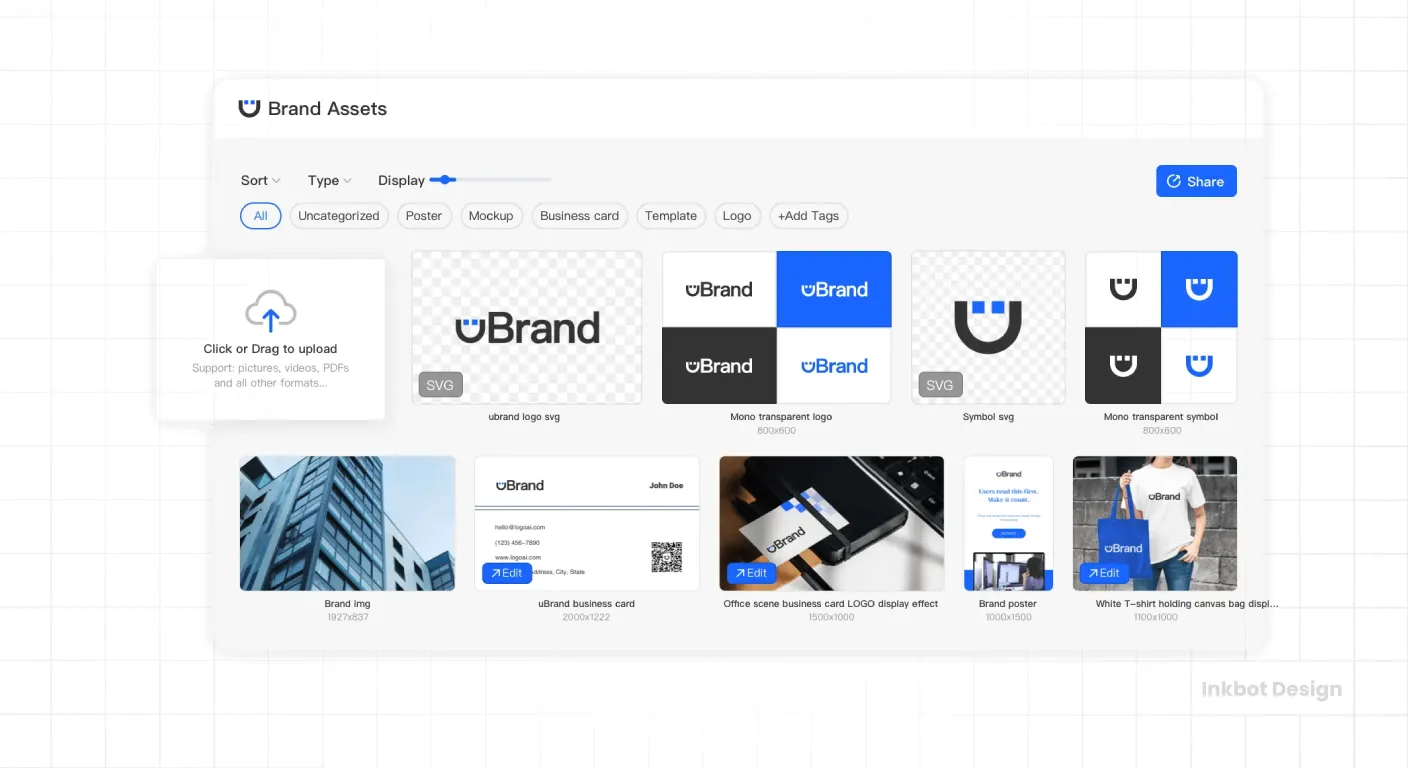
- Asset Infrastructure Management: Maintaining the digital asset management (DAM) library, document templates, typography licences, and guidelines so fee-earners do not invent rogue collateral.
- External Specialist Management: Drafting briefs, vetting creative specialists, and managing external web developers, copywriters, and design agencies to ensure delivered work aligns with brand standards.
The Strategic Decision Rule: A brand manager is only as valuable as their mandate to reject non-compliant work. Without formal executive authority to veto off-brand partner collateral, the hire degenerates into a costly brand administrator.
When Does an In-House Brand Manager Earn Their Place?
A full-time internal brand hire becomes commercially justified only when brand decisions are continuous, high-stakes, and creating severe operational friction across fee-earning teams. In professional services, the hire typically earns their place when at least three of the following conditions exist simultaneously:
- Active Structural Change: The firm is navigating a merger, acquisition, or complete market repositioning across multiple practice areas.
- Decentralised Asset Generation: Multiple regional offices or autonomous partner groups produce customer-facing proposals without centralised oversight.
- High Operational Velocity: Business development, recruitment, and practice leads submit more than 15 brand or template requests each week.
- Multiple External Vendors: The firm regularly contracts multiple creative suppliers and lacks a qualified internal point of contact to manage quality and scope.
The Real Financial Commitment: UK Salary and Total Cost of Employment
In the United Kingdom, hiring a competent in-house brand manager represents an executive-level investment.
According to UK recruitment benchmarks from Major Players and Hays, an experienced brand manager in London and the South East commands a base salary between £55,000 and £75,000 (and £45,000 to £60,000 across regional markets in the UK).
However, the true Total Cost of Employment (TCE) extends significantly beyond base pay:
- Base Salary: £60,000 (UK mid-market benchmark)
- Employer National Insurance (15% per Autumn 2024 budget thresholds): ~£8,400
- Workplace Pension Contribution (3–5%): £1,800–£3,000
- Recruitment Agency Fees (15–20% one-off): £9,000–£12,000
- Software Tooling & Hardware (DAM, Adobe Creative Cloud, Figma, workstation): £4,000–£6,000 annually
- True Year-One Investment: £83,200 to £89,400+
Unless a firm produces sufficient recurring brand initiatives to utilise 40 hours of strategic capacity every week, committing ~£85,000 in fixed overhead is an inefficient deployment of marketing capital.
For firms building the operational side of brand governance, Inkbot Design’s BrandOps approach addresses the systems, workflows, and accountability structures that sit around brand execution.
What Are the Alternatives to a Full-Time Brand Manager?
When an £85,000+ full-time commitment cannot be justified, professional services firms generally choose between three alternative governance models. Choosing the right path depends on your volume of recurring brand work and the degree of internal strategic consensus:
- Named Internal Owner (Founder, Partner, or Marketing Director): An existing executive holds formal decision rights over brand positioning and asset sign-off, delegating routine design execution to external freelancers. Best for stable firms with episodic brand requirements.
- Fractional Brand Director: An experienced external brand strategist embeds within the leadership team for 10–20 hours per month to guide positioning, govern major pitches, and mentor the marketing team. Best for firms undergoing strategic repositioning or merger integration.
- External Brand Equity Partner: An agency partner provides long-term strategic oversight, identity governance, high-stakes tender design, and quarterly brand equity reviews on a fixed-fee basis. Best for firms wanting senior-level expertise without headcount overhead.
Who Should Own Brand Decisions in a Professional Services Firm?
Brand ownership should always rest with a single named individual who possesses direct escalation access to the managing partner or CEO.
Brand management by committee inevitably results in compromise, delayed proposals, and visual drift.
To succeed, the internal brand owner does not need creative design software skills. They need three organisational attributes:
- Commercial Authority: Unambiguous permission from executive leadership to reject proposals, decks, or copy that violate agreed positioning.
- Operational Proximity: Direct visibility into client pitches, fee-earner hiring, and marketing output to identify inconsistencies immediately.
- Executive Backing: Active sponsorship from the managing board when a partner objects to having their self-designed collateral vetoed.
The Ten-Decisions Diagnostic: Audit the last ten marketing and proposal assets released by your firm. If you cannot instantly name who approved each document, or if three different partners applied three different visual styles, your firm has an authority problem, not a recruitment problem.
The Brand Governance Decision Matrix
Use the matrix below to match your firm’s current operational reality with the most cost-effective governance model:
Firm Situation | Recommended Model | Estimated Annual Commitment | Commercial Rationale |
|---|---|---|---|
Pre-rebrand; founder or partner approves everything | Named Internal Owner + External Strategy Partner | Project-based (£7,500 fixed Blueprint) | Resolve core positioning before hiring; do not ask a junior internal manager to settle partner disputes. |
Post-rebrand: 15+ weekly proposal and asset requests | Full-Time In-House Brand Manager | £75,000–£90,000+ (Total Cost of Employment) | High-frequency asset demands justify full-time operational capacity and internal brand policing. |
Merger, acquisition, or repositioning across offices | Fractional Brand Director + Internal Integration Lead | £36,000 (£3,000/month equivalent) | High-stakes strategic alignment requires objective senior perspective without long-term employment liability. |
Established marketing team; occasional re-pitch/deck needs | Marketing Director as Brand Owner + Specialist Production Support | Variable / Ad-hoc freelance | Avoids creating duplicate senior management roles; focus capital on tactical design execution. |
Brand guidelines exist, but fee-earners ignore them | Executive Governance Review (No new hire) | Internal management time | Adding headcount cannot fix the absence of executive enforcement. Establish veto authority first. |
The Commercial Verdict: Should You Hire?
Do not hire an in-house brand manager simply because your firm is growing or because partners are frustrated by inconsistent PowerPoint slides.
Hire an in-house brand manager only when the volume of daily brand decisions justifies an £85,000+ annual overhead, and when the executive board is genuinely prepared to grant that individual the authority to say no to fee-earning partners.
For most UK professional services firms employing between 50 and 200 staff, the most profitable initial step is far simpler: designate a single internal executive as brand owner, document their approval authority, and audit where your firm’s brand equity is currently leaking.
Diagnose Your Firm's Brand Perception Gaps
Before committing £85,000+ to an internal salary, determine whether your firm has an internal ownership problem or a strategic positioning deficit. Request a free Brand Equity Audit™ from Inkbot Design.
- Identity Gap Analysis: Where your visual presentation contradicts your fee expectations.
- Messaging Logic Review: Identifying generic claims that sound identical to your competitors.
- Algorithm & Entity Review: How AI search agents and LLMs currently interpret and cite your firm's expertise.
- 3-Page Forensic Report: Delivered in your inbox within two working days. No sales call, no obligation.
Already have clear positioning but need ongoing senior brand direction? Explore our Brand Equity Partnership™.
Questions people ask
What is the difference between an in-house brand manager and a marketing manager?
A brand manager protects positioning, identity, messaging, and reputation, whereas a marketing manager drives pipeline generation, promotional campaigns, and channel performance. In professional services, the brand manager ensures a consistent perception of the firm, while the marketing manager generates qualified sales opportunities.
Can an external branding agency replace an in-house brand manager?
No, an external agency cannot fully replace internal brand ownership. While an agency partner provides high-level strategy, visual identity systems, and production capacity, your firm still requires an internal decision-maker with the authority to enforce guidelines, brief suppliers, and resolve disputes with partners.
When is a fractional brand director better than a full-time hire?
A fractional brand director is preferable when a firm requires senior strategic guidance but lacks 40 hours of weekly brand governance work. This model suits firms undergoing a 6- to 12-month rebrand, merger, or market repositioning where paying an £85,000+ permanent salary would create excess idle overhead.
Should a firm rebrand before or after hiring an in-house brand manager?
Firms should establish their core brand strategy before hiring an in-house brand manager. An in-house manager excels at maintaining, implementing, and defending an established brand system; expecting a mid-level hire to resolve deep partner disagreements on strategic positioning almost always fails.
What specific authority does an in-house brand manager require?
An in-house brand manager must have written authority to veto non-compliant proposals, pitches, marketing assets, and recruitment campaigns. Without formal sign-off rights and executive sponsorship from the managing partner, the role becomes an administrative coordination post with zero governance impact.