GEO vs SEO: What Changes for Professional Services Firms
Professional services firms do not need to choose between search rankings and AI answers. They need to identify which visibility problems existing SEO can solve, which require better evidence and positioning, and how to measure both. This comparison separates useful investment from relabelled agency deliverables and unsupported promises of recommendations.



On this page6 min left
- Do professional services firms need GEO instead of SEO?
- Which parts of professional services SEO still apply?
- Is an AI citation the same as a supplier recommendation?
- What should your firm invest in first?
- How should you assess an agency proposal and measure progress?
- Keep SEO. Fund the unresolved problem.
- Questions people ask
GEO vs SEO is a question about where your firm needs visibility: search results, generated AI answers, or both.
For a UK professional services firm, the sensible default is to retain useful SEO work and investigate what AI answers say about your business.
Do not buy the same work twice.
The distinction matters when you are repositioning or assessing an agency.
Start with what is generative engine optimisation, then use the comparison below to separate access problems from positioning problems.
Do professional services firms need GEO instead of SEO?
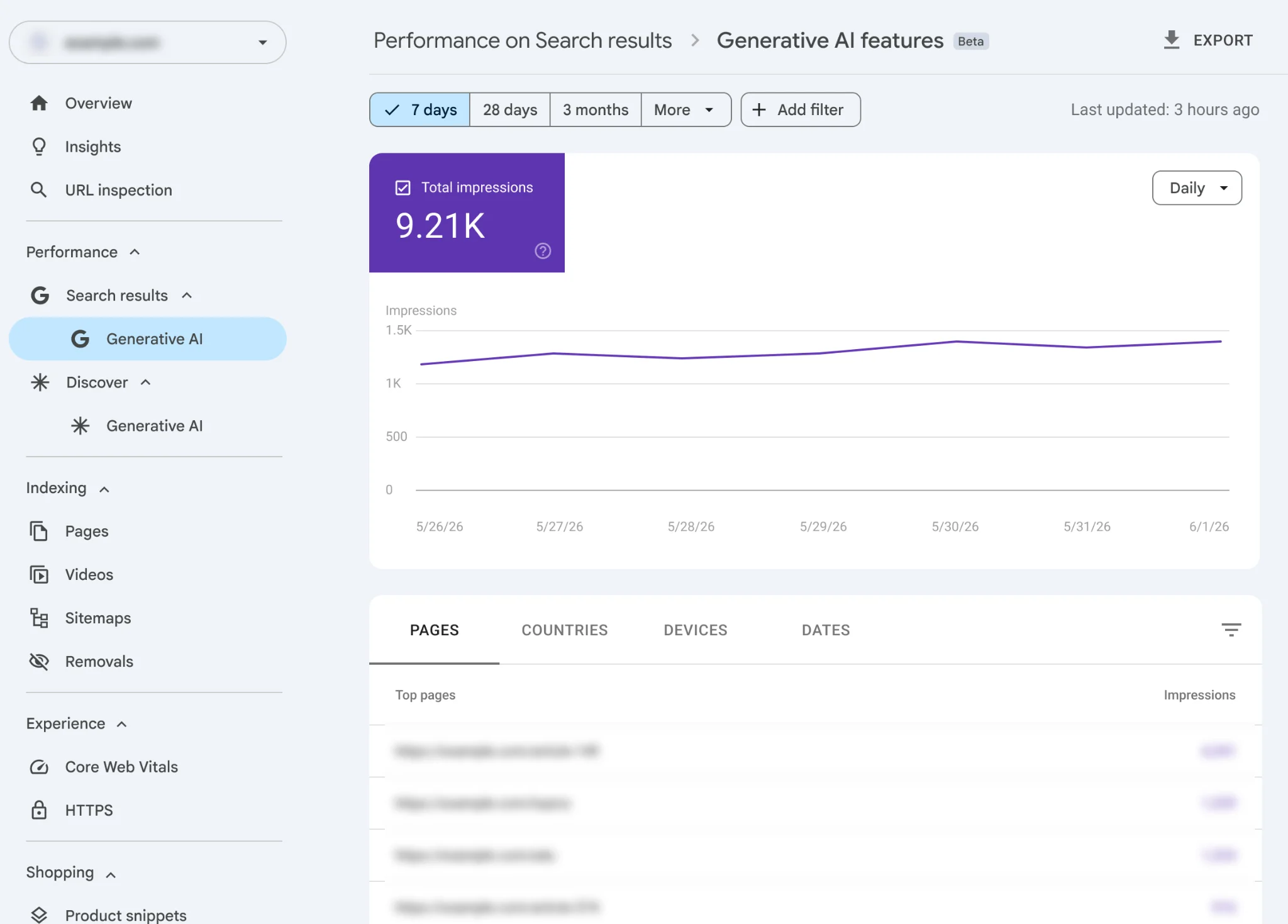
Search Engine Optimisation (SEO) improves organic search visibility; Generative Engine Optimisation (GEO) aims to improve visibility within generated AI answers.
Choose foundational SEO when relevant service information is difficult to find or access; add GEO assessment when you need to understand whether AI answers describe or consider your firm accurately.
- Fix access problems before commissioning more content.
- Test AI descriptions before assuming your firm is represented accurately.
- Strengthen weak positioning before paying to amplify it.
GEO vs SEO compares improving visibility in generated AI answers with improving organic search visibility; professional services firms should assess both.
Comparison | SEO | GEO |
|---|---|---|
Main objective | Organic search visibility | Visibility within generated answers |
Observable outputs | Listings, visits and enquiries | Mentions, citations and recommendations |
Shared work | Accessible pages and useful service information | The same foundations remain relevant |
Reporting limitation | Rankings do not establish AI representation | Mentions do not establish commercial value |
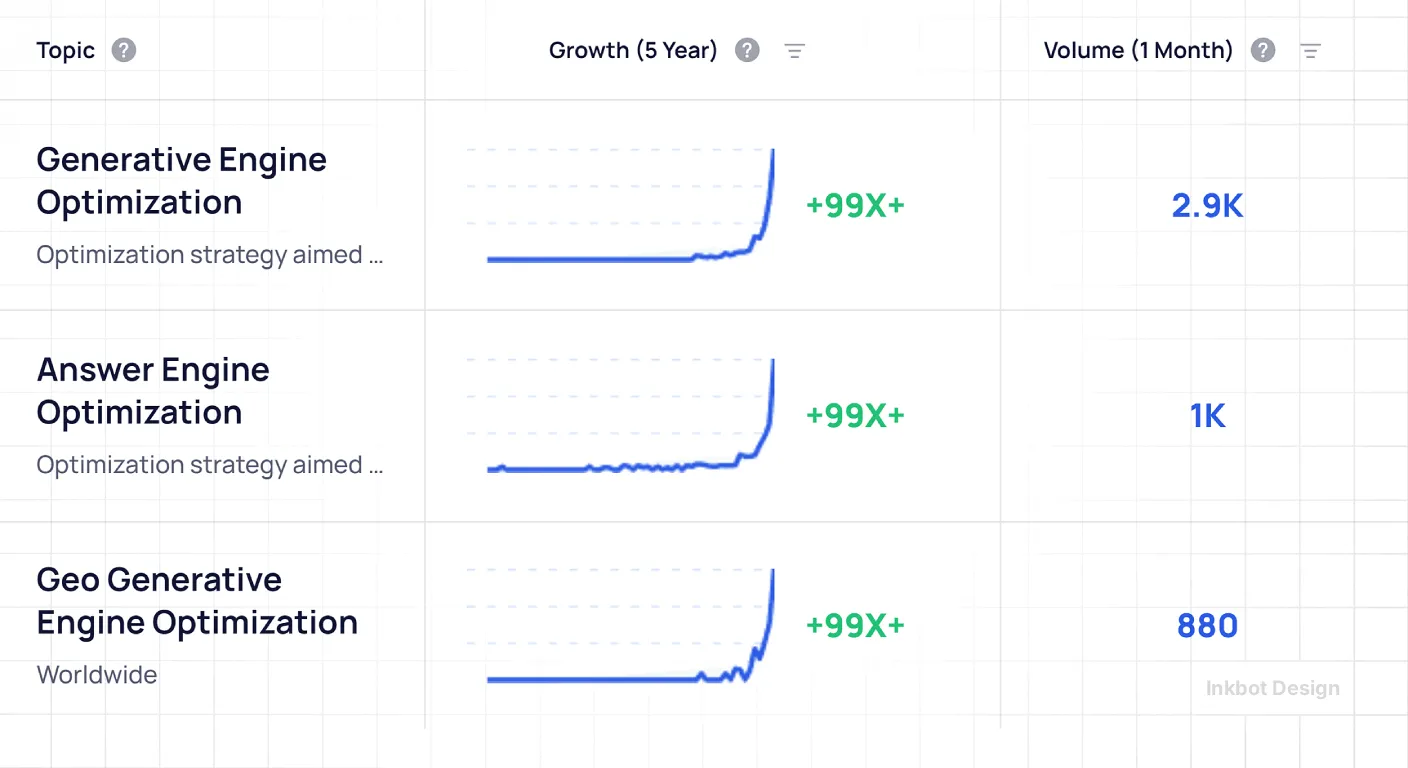
Answer Engine Optimisation (AEO) is another overlapping industry label. Requires agencies to define the work behind it.
Which parts of professional services SEO still apply?
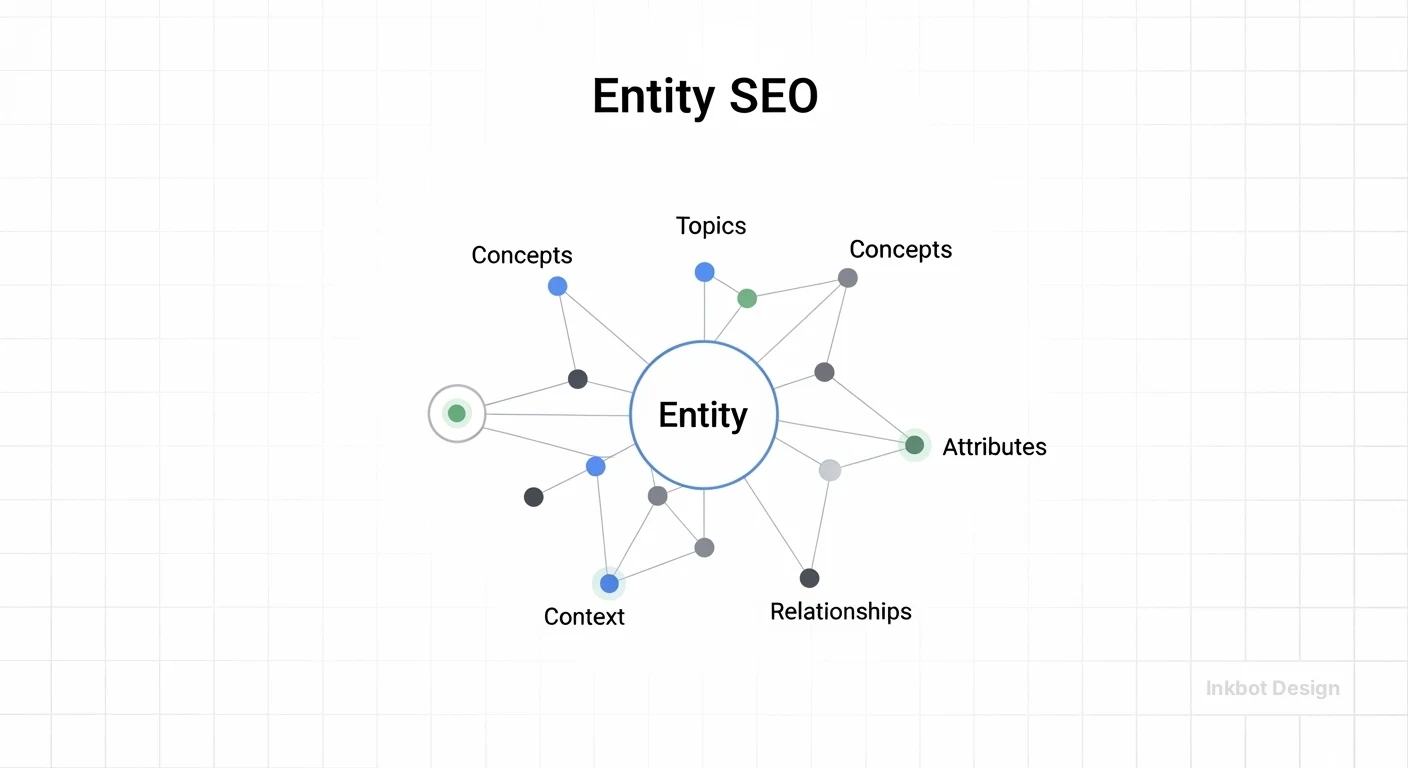
Professional services SEO still has a job when your firm needs relevant pages to be discovered, understood and visited.
Google explicitly states that its AI Overviews and AI Mode require no additional special optimisation or special schema beyond applicable search requirements. That statement concerns Google’s features, not every AI platform.
Before funding another programme, check:
- Can search systems access the text on your priority service pages?
- Do those pages explain the client, problem and service?
- Can readers verify who is responsible for the advice?
- Is the next step appropriate—for example, a conversation about an audit appointment rather than a generic newsletter?
An accountancy firm’s “Services” page should distinguish statutory audit from outsourced finance support. Calling both “financial solutions” saves words by stripping them of meaning.
Keep fixing those basics when they are deficient. If they already work, repeating the same crawl, metadata review and heading edits under a GEO retainer needs justification.
A new acronym is not a deliverable.
Where does classic search work stop being enough?
Professional services GEO becomes a useful assessment when the unanswered question concerns representation or supplier consideration rather than page access.
Test that distinction before commissioning changes: can buyers find your firm, and does the information they encounter describe the firm you actually are?
Does being found mean your firm is described accurately?
Search Engine Optimisation can support discoverability, but a ranking report cannot establish whether a generated answer describes your firm correctly.
Compare the answer with documented facts about your services, sectors and geographical coverage.
Consider a hypothetical 90-person consultancy repositioning around operational improvement for private-equity-backed manufacturers. Its website describes the offer, but an old directory still lists it as a general management consultancy.
If a sampled AI answer repeats the old description, record the wording and inspect the sources available. Do not immediately commission twenty articles.
Review the conflicting descriptions through a brand entity consistency check. Correct information your firm controls and request corrections elsewhere where warranted.
“No separate GEO budget, then?” Possibly.
If your existing team can investigate and resolve the issue, the work may belong within its current remit. Pay for an identifiable capability gap.
Is an AI citation the same as a supplier recommendation?
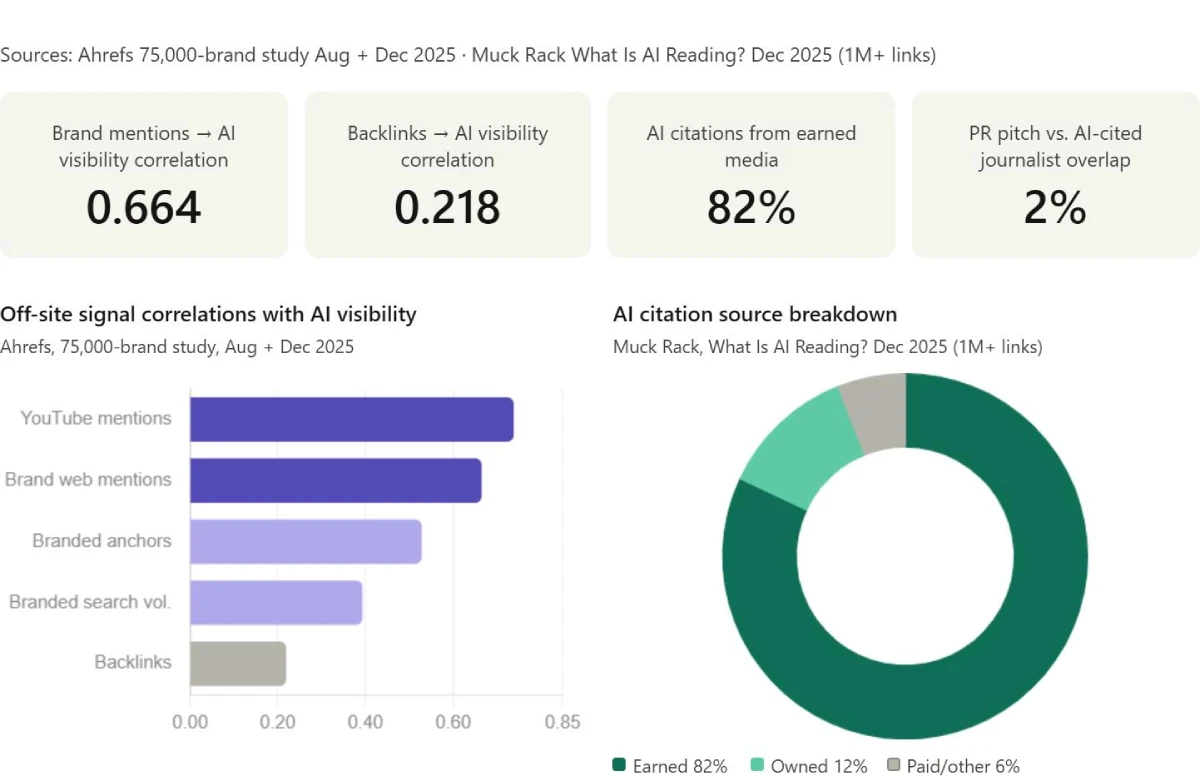
Generative Engine Optimisation reporting should distinguish a citation from a supplier recommendation.
A citation credits information; a recommendation places the firm forward as a potential choice. Neither records a qualified enquiry.
VML’s The Future Buyer: Professional Services Report 2026 reports that 58% of surveyed professional services buyers begin supplier research directly on generative AI platforms. That finding concerns surveyed buyers, not the entire UK market.
The commercial question is therefore worth investigating. But count the right thing.
Ipsos’s 2026 B2B Buyer Journey research found that 42% of its 288 surveyed US decision-makers used AI to generate an initial vendor list they would not otherwise have considered. It is general B2B evidence, not proof that a particular GEO intervention wins professional services work.
For the hypothetical consultancy, an article cited for an efficiency definition is different from one that appears in an answer about manufacturing advisers.
Use how AI recommends brands to examine that distinction without treating answer selection as a disclosed formula.
“Our clients come through relationships.”
Then do not divert a productive referral budget without evidence. Check whether referred buyers encounter accurate information when validating the firm. That is a narrower, defensible assignment.
What should your firm invest in first?
GEO for professional services firms should begin with a diagnosed problem, not a predetermined package.
Use the table to select the next investigation; the scenarios illustrate decisions, not proven outcomes.
Which visibility problem deserves the next investment?
Search Engine Optimisation and Generative Engine Optimisation address overlapping work, so allocate the budget based on the missing evidence.
If your service pages are inaccessible, repair access. If the firm is misdescribed, investigate the conflicting information. If neither is established, establish a baseline first.
Firm situation | First priority | Do not fund yet | Useful evidence of progress |
|---|---|---|---|
Priority service-page text is inaccessible | Technical access review | More articles | Relevant information becomes accessible |
Search visits reach vague service pages | Clarify offer and next step | A separate visibility campaign | Better-matched enquiries and recorded buyer feedback |
Sampled AI answers repeat an obsolete specialism | Source and description review | Indiscriminate directory submissions | Fewer recorded errors in repeat tests |
Firm is cited for explanations but absent from relevant supplier answers | Review positioning and supporting evidence | Guaranteed-placement promises | Accurate consideration in documented samples |
Firm is entering a new specialist market | Define the offer and substantiate it | Scaling generic thought leadership | Consistent service descriptions and qualified interest |
Agency proposes existing SEO tasks under a new retainer | Reconcile scopes | Duplicate deliverables | Distinct responsibilities, baseline and reporting |
Start an AI visibility audit for B2B brands only when you can define the questions you need answered. “Which UK consultancies advise manufacturers on post-acquisition integration?” is a more useful test than “best consultancy”.
Record the prompt, platform, date, answer and cited sources. Repeat comparable tests rather than treating one favourable screenshot as a trend.
For firms handling confidential mandates, stronger public evidence need not mean naming clients without permission.
A clearly labelled anonymised case can explain the sector, assignment, approach and permitted outcome. If those details could identify the client, obtain appropriate approval before publication.
The decision boundary matters. An established specialist with inaccurate descriptions needs a different intervention from a generalist firm whose partners cannot agree what it should be known for. Search work cannot settle that disagreement.
Spend on the unresolved problem.
How should you assess an agency proposal and measure progress?
AI search optimisation proposals should identify what changes beyond your current programme.
Ask for a baseline and itemised scope: which pages, descriptions, sources or measurement gaps will the agency investigate, and what evidence will justify further work?
What work is genuinely additional?
Generative Engine Optimisation proposals warrant scrutiny when their deliverables duplicate those in existing Search Engine Optimisation contracts.
Ask the agency:
- Which tasks are already covered?
- What additional question will this work answer?
- What can you control, and what can you only observe?
- What finding would make you recommend no further expenditure?
Reject promises of guaranteed recommendations. Google itself says no special schema is required for its AI search features.
Where implementation needs external support, assess digital marketing services against that defined scope—not the label on the proposal.
How should AI visibility be measured?
AI search visibility reporting should separate accurate mentions, source citations and relevant supplier recommendations, then place those observations alongside qualified enquiries.
Keep a consistent prompt set and test record. A share-of-voice measurement can describe your sampled answers; it cannot establish visibility across every buyer’s conversation.
Ask enquirers how they discovered and checked the firm. Treat their answers as useful evidence, not perfect attribution.
Review commercial contribution over your buying cycle rather than demanding a won mandate from an early visibility report.
Keep SEO. Fund the unresolved problem.
Search Engine Optimisation remains useful where it helps buyers find and assess your firm.
Generative Engine Optimisation raises a question worth testing: do generated answers accurately represent the business and take it into account in relevant work?
Today, compare one priority service page, one independent description and one relevant AI answer. Identify the mismatch before commissioning the remedy.
If the problem is technical access, your SEO team may be the right point of contact.
If the problem is unclear positioning or weak commercial evidence, request a free Brand Equity Audit™.
The structured diagnostic identifies where the brand is losing commercial ground and what to address—not guaranteed AI placement.
Questions people ask
Can a small professional services firm assess AI visibility without an agency?
Yes — a professional services firm can begin an AI search visibility assessment with a documented set of buyer questions and factual checks. Record how answers describe its services and distinguish citations from supplier suggestions. External help becomes useful when testing, diagnosis or implementation exceeds the team’s available capacity.
Does GEO require special schema markup?
No — Generative Engine Optimisation does not require special schema to appear in Google’s AI Overviews or AI Mode, according to Google Search Central. Existing structured data should accurately describe visible content where applicable. This guidance concerns Google’s search features; it does not establish identical requirements for every AI platform.
Should a professional services firm publish more content for AI answers?
No — a professional services firm should not publish more content merely to increase page count. First identify an unanswered buyer question or missing evidence. A clear explanation of the service may be warranted; another generic article may not be. Decide what the page must help a prospective client understand before commissioning it.
Can a firm guarantee that AI assistants will recommend it?
No — a professional services firm should not treat guaranteed AI recommendations as a credible purchasing condition. Require agencies to commit to work they control, such as correcting service information and documenting tests. Treat observed mentions and recommendations as measured outputs, with clear limits, rather than placements the agency owns.