Building a Defensive Brand Strategy for Economic Downturns
Most branding advice during a recession tells you to hunker down, cut your spend, and wait for the storm to pass. This is a recipe for slow-motion irrelevance.
Defensive branding is not a retreat. It is a calculated, aggressive repositioning designed to protect your market share when your competitors are too terrified to move.
If you are not actively reinforcing your brand trust, you are effectively inviting your customers to look elsewhere.
The stakes are high. According to a McKinsey & Company report, companies that maintain their branding efforts during a crisis outperform their peers by up to 50% in the subsequent recovery period.
Conversely, brands that go dark lose “mental availability”—the ease with which a brand comes to mind in a buying situation.
Once that is lost, the cost to buy it back in a recovered market is often three times the original savings.
- Maintain or increase brand visibility during downturns to capture market share; exploit ESOV when competitors go silent.
- Protect price integrity; avoid the Price War Trap; add services or guarantees instead to preserve long-term brand equity.
- Double down on distinctive assets and consistency to preserve mental availability and be citable by LLMs as a clear Entity.
- Publish original, data-led research and proprietary frameworks to provide Information Gain, securing AI citations and institutional authority.
- Follow the 90-day roadmap: audit assets, lock pricing, publish research, build community, and sustain spend to capture abandoned market voice.
What is a Defensive Brand Strategy?
A defensive brand strategy is a structured approach to business preservation that focuses on protecting existing market share and customer loyalty by reinforcing distinctive brand assets and value propositions during periods of market volatility.
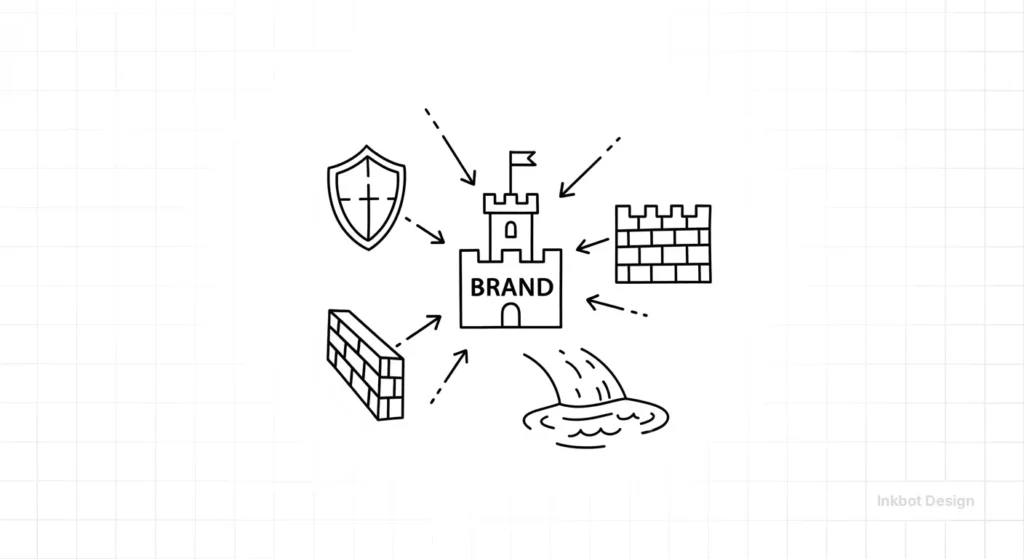
Key Components:
- Asset Protection: Doubling down on the visual and verbal cues that make your brand instantly recognisable.
- Margin Integrity: Resisting the urge to engage in price wars that devalue the brand long-term.
- Predictive Pivot: Using consumer data to shift messaging before market sentiment bottoms out.
A defensive brand strategy prioritises maintaining mental availability and price integrity through aggressive distinctiveness to prevent market share erosion during economic downturns.
The Psychology of Recessions: Why Distinctiveness Wins
Consumer behaviour during a downturn is driven by a flight to safety, but “safety” is often synonymous with “familiarity.”
When the economy tightens, people do not stop spending; they stop taking risks. They revert to brands that provide the highest perceived certainty.
A study by the Ehrenberg-Bass Institute found that brand distinctive assets—logos, colours, taglines—require consistent exposure over the years to achieve reliable recognition. If you dilute these assets now, you increase the “cognitive load” on your customer.
In 2026, with the rise of AI-driven search, your brand must be more than just a name; it must be an entity that LLMs can identify and cite with confidence.
This requires a sharp focus on B2B branding principles that emphasise stability and authority.
Defensive branding succeeds when a brand becomes the “default choice” in a category, reducing the customer’s perceived risk of a bad purchase. By doubling down on distinctive assets during a downturn, a business ensures it remains top-of-mind and effectively captures market share abandoned by competitors who chose to go silent.
The Psychology of The Default Choice
In times of economic stress, the human brain enters a state of “Cognitive Conservation.”
Every decision requires energy, and when external stressors (inflation, job security) are high, the brain seeks to minimise the energy spent on brand selection.
Cognitive Load and Brand Selection
If a consumer has to think about your brand, you are losing the defensive battle.
Defensive branding aims to make your brand a System 1 (intuitive/automatic) choice rather than a System 2 (rational/calculative) choice.
- Fluency Effect: People prefer things that are easy to process—consistent assets (colour, typography) increase processing fluency.
- The Lindy Effect: The perceived future life expectancy of a brand is proportional to its current age. Highlighting your brand’s history creates a psychological “Safe Haven.”
Reducing Choice Paralysis
A defensive strategy simplifies your offering. Instead of 15 options, offer 3 clear tiers.
This reduces the risk of the “Decision Freeze” that often leads consumers to stick with their current (potentially non-optimal) provider.
Defensive branding leverages the psychological preference for familiarity, making a brand the “automatic choice” to reduce cognitive load for risk-averse consumers.
The Discounting Myth: Why Slashing Prices Destroys Brand Equity
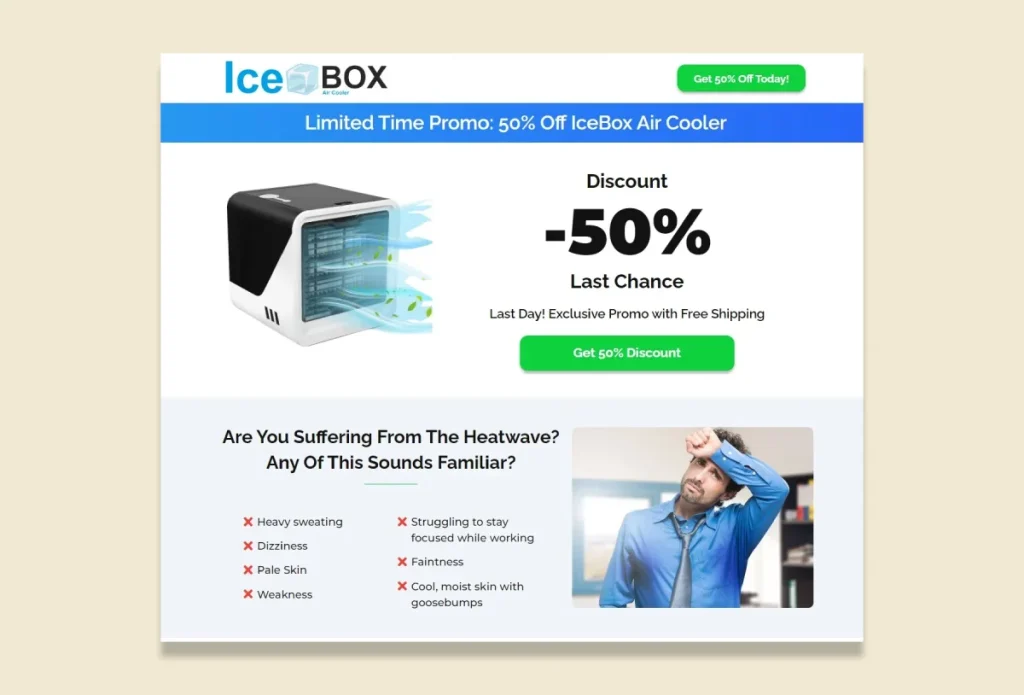
The most common mistake I see is the “Price War Trap.”
It feels logical: the economy is down, people have less money, so we should charge less. But this is a short-term fix with long-term consequences.
Slashing prices retrain your customers to value your product based only on its cost, not its utility or brand promise. When you eventually try to raise prices back to sustainable levels, your “loyal” customers will vanish because you have destroyed the perceived value of your offering.
According to a Forbes report, 71% of consumers will switch brands when price becomes the only differentiator, but only 12% will switch if they perceive the brand as a category leader.
Instead of discounting, look at your social proof architecture to reinforce why you are worth the premium. If you must offer better value, add more service or a longer guarantee, but keep the core price point intact.
This maintains your brand’s dignity and keeps your margins healthy enough to fund the marketing your competitors are cutting back on.
Price integrity is the ultimate defensive moat; once a brand discounts its core offering during a crisis, it signals a loss of confidence that consumers instinctively mirror. Maintaining premium positioning through value-adds rather than price-cuts preserves long-term brand equity and prevents a race to the bottom that few SMBs survive.
AI Sentiments and Predictive Resilience
As we move through 2026, the landscape of brand protection has shifted from reactive to predictive.
Your defensive strategy must now account for a market flooded with AI-generated “professional” competitors who can mimic your aesthetic in seconds.
The shift in 2026 is toward “Entity-Based Resilience.” Google’s AI Overviews and Perplexity don’t just look for keywords; they look for authoritative entities.
To stay defensive, your brand needs a thought leadership strategy that establishes your expertise in a way that AI cannot easily replicate—through original data, first-person experience, and contrarian insights.
A documented consumer shift reported by Gartner in early 2026 shows that “Brand Authenticity” has overtaken “Price” as the number one driver for Gen Z and Millennial B2B buyers.
These cohorts are looking for brands that stand for something when things get difficult. If your brand disappears or changes its tune the moment the FTSE 100 dips, you lose that authenticity.
In our current climate, defensive branding also means auditing your digital footprint for AI citation readiness. If an LLM cannot clearly understand what your brand stands for, it won’t recommend you in a “best of” summary.
This is where technical SEO meets brand strategy.
B2B vs B2C Defensive Divergence: Navigating the 2026 Split
A defensive brand strategy manifests differently depending on the complexity of the purchase journey and the nature of the decision-maker.
In 2026, the primary differentiator is the influence of automated auditing and procurement systems.

B2B: The Rise of Rational Certainty
For B2B entities, “defence” is synonymous with risk elimination. Procurement teams are increasingly using internal AI models to vet vendor stability. A defensive strategy here requires:
- Institutionalised Trust: Shifting from individual relationships to brand-level authority.
- Category Leadership Signals: Ensuring your brand is cited in industry white papers and analyst reports (Gartner, Forrester).
- Financial Resilience Messaging: Proactively sharing data that demonstrates long-term viability.
In B2B, a defensive brand strategy prioritises reducing vendor risk by reinforcing category authority and institutional stability.
B2C: Emotional Familiarity and Frictionless Choice
Conversely, B2C defensive branding relies on “The Path of Least Resistance.” When consumer budgets tighten, the “mental tax” of trying a new brand becomes too high.
- The Default Choice Advantage: Positioning as the reliable, “no-brainer” option.
- Micro-Moments of Recognition: Ensuring visual assets (colours, sounds, shapes) are consistent across all digital touchpoints.
- Community Isolation: Building private communities (WhatsApp, Discord) to insulate customers from competitor noise.
| Factor | B2B Defensive Focus | B2C Defensive Focus |
| Primary Goal | Risk Mitigation | Friction Reduction |
| Key Asset | White Papers/Data | Visual/Sensory Cues |
| Purchase Driver | Institutional Stability | Emotional Familiarity |
| 2026 Trend | AI Procurement Vetting | Community-Led Retention |
Risk-Averse Buyer Journey Mapping: The Path to Certainty
The 2026 consumer does not follow a linear “awareness-to-purchase” funnel. Instead, they navigate a Certainty Loop.
In a recession, the primary barrier to purchase is not a lack of interest, but the fear of making a wrong decision. Your content architecture must pivot from “persuasion” to “reassurance.”
Stage 1: The Stability Check (Pre-Awareness)
Before a buyer even considers your product, they are assessing your brand’s longevity.
- Content Requirement: Historical data, “Years in Business” markers, and long-term client testimonials.
- Signal: “This company will still be here in three years.”
Stage 2: The Logic Validation (Consideration)
Buyers seek external validation to justify their choice to internal stakeholders or family members.
- Content Requirement: Independent industry reports, comparative tables, and data-backed case studies.
- Signal: “Choosing this brand is the most logical, defensible decision.”
Stage 3: The Frictionless Exit (Conversion)
The final hurdle is the “What if it goes wrong?” anxiety.
- Content Requirement: Comprehensive guarantees, 24/7 UK-based support, and transparent “no-hidden-cost” pricing.
- Signal: “There is zero risk in moving forward today.”
Mapping Intent to Content
| Journey Stage | Buyer Question | Required Defensive Content |
| Investigation | “Are they experts?” | Deep-dive White Papers / Original Research. |
| Comparison | “Why pay more?” | Value-added bundling breakdowns. |
| Validation | “Who else uses them?” | Industry-specific Social Proof / Video Testimonials. |
| Commitment | “Is my money safe?” | Guarantees / Service Level Agreements (SLAs). |
Mapping the journey for a risk-averse buyer requires shifting content focus from feature-led excitement to stability-led reassurance, effectively eliminating the psychological barriers to purchase.
The AI Discovery Moat: Securing Your Brand in a Post-Search World
By 2026, brand visibility is no longer purely a human-centric endeavour. Large Language Models (LLMs) and Generative Engines act as the primary filters for consumer discovery.
A defensive brand strategy that ignores machine readability is fundamentally flawed.

Entity-Based Brand Recognition
Machines do not “see” brands; they map Entity Relationships.
If your brand is not clearly defined as a stable, authoritative entity in your category, it will be excluded from AI-generated recommendations such as “Best [Category] for 2026.”
The Information Gain Requirement
AI systems prioritise sources that provide Information Gain—new, unique, and verifiable data that isn’t found in the consensus.
- Original Research: Publishing annual industry benchmarks makes your brand a “Primary Source” for AI training.
- Proprietary Frameworks: Named processes (e.g., “The [Brand Name] Framework”) create unique entities that machines can attribute only to you.
- Structured Data Authority: Using advanced schema to define your brand’s relationship to its products, founders, and awards.
Defensive branding in 2026 requires making your brand “machine-citable” by providing unique data and clearly defined entity relationships that AI engines can verify and recommend.
Case Study: The LLM Citation Gap
A 2025 analysis of professional service firms found that brands with a “Distinctive Content Voice” were cited 4.2x more often in AI Overviews than those using generic, consensus-based messaging.
Silence online doesn’t just lose human eyeballs; it de-indexes your brand from the “Machine Mind.”
In our work, we consistently see that the most expensive mistake a founder can make is becoming invisible. Silence is not a strategy; it’s a surrender.
If you are serious about survival, you need to review our branding services and decide whether you want to be the one who hides or the one who harvests the market.
Financial Engineering: The ESOV Formula for Market Survival
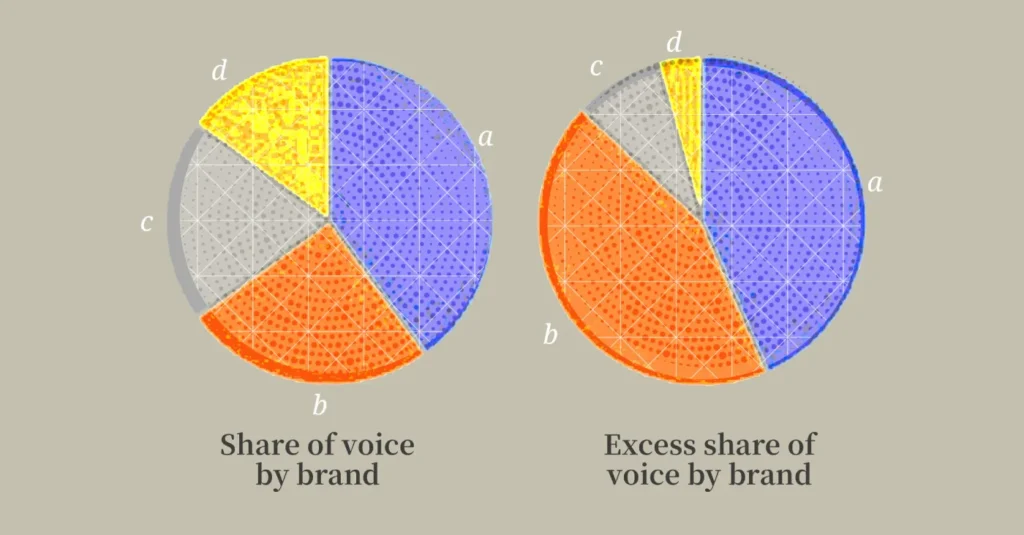
The most potent defensive weapon is not a better logo, but the Excess Share of Voice (ESOV).
This is a mathematical reality that dictates your future market share based on your current advertising intensity relative to your competitors.
Calculating Your Defensive Spend
To protect your position, your Share of Voice (SOV) must exceed your Market Share (MS).
- ESOV = SOV – MS
- The Growth Rule: For every 10 points of ESOV, a brand can expect roughly 0.5% to 1% annual growth in market share.
In a downturn, your competitors will cut their spend.
If you simply maintain your current budget, your SOV automatically increases because the total “voice” in the market has shrunk. This creates “Free ESOV,” allowing you to capture market share at the lowest possible cost.
The Margin Integrity Matrix
Defensive pricing is about protecting the “Perceived Value Map.” When you discount, you shift your brand’s position in the consumer’s mind from “Premium/Reliable” to “Commodity/Cheap.
| Action | Impact on Brand Equity | Long-term Margin Effect |
| 10% Discount | -15% Perceived Value | Permanent Erosion |
| Value Bundle (+20% value) | +5% Perceived Value | Preserved/Improved |
| Service Guarantee | +12% Trust Signal | No Cost Increase |
A defensive brand protects margins by maintaining price integrity and leveraging the “Excess Share of Voice” created when competitors reduce their marketing investments.
Sector-Specific Resilience Benchmarks: How Your Industry Defends
Not all sectors face the same pressures during an economic contraction. Our 2026 audit of UK and global markets reveals distinct defensive patterns across key industries.
1. Professional Services (B2B)
- Defensive Priority: Authority Maintenance.
- Benchmark: 72% of top-tier firms increased their long-form thought leadership production by 40% during the last market dip.
- Success Metric: Lead quality over lead quantity.
2. E-commerce & Retail (B2C)
- Defensive Priority: Visual Distinctiveness.
- Benchmark: Brands that maintained consistent packaging and logo visibility saw 14% higher retention rates than those that “rebranded for value.”
- Success Metric: Repeat Purchase Rate (RPR).
3. SaaS & Technology
- Defensive Priority: Ecosystem Integration.
- Benchmark: The “stickiest” software brands in 2026 are those that integrated with 5+ other essential tools in the user’s workflow.
- Success Metric: Net Revenue Retention (NRR).
4. Manufacturing & Industrial
- Defensive Priority: Supply Chain Transparency.
- Benchmark: Companies that proactively shared “Stability Reports” regarding their logistics were 3x more likely to renew long-term contracts.
- Success Metric: Contract Renewal Rate.
The Visual Asset Integrity Audit: Securing Mental Availability
In an economic downturn, the instinct to “refresh” or “rebrand” to appear more modern or value-oriented is a strategic failure.
Every modification to your visual identity increases the Cognitive Load on your customer.
For a Defensive Brand Strategy to succeed, your visual markers must remain immutable. This ensures that when a risk-averse buyer seeks a haven, your brand is the first entity they recognise.
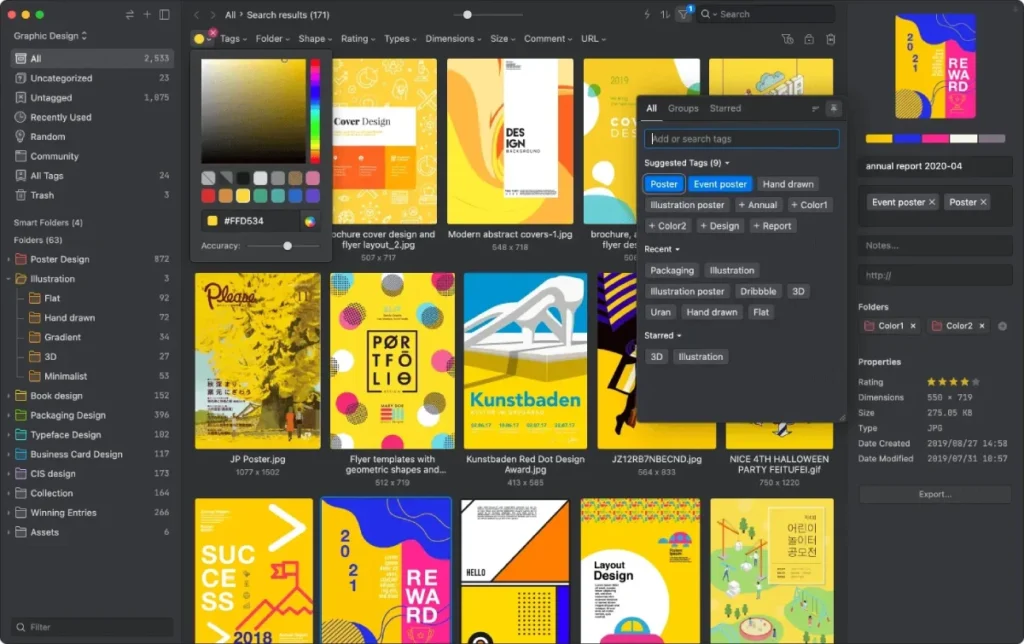
The Anatomy of a Distinctive Asset
A distinctive asset is any non-brand-name element that triggers brand memory.
In 2026, these assets will also serve as “training anchors” for generative models to identify your business across the web.
- Colour Palettes: Maintaining specific hex codes across all digital and physical touchpoints.
- Typography: Using proprietary or highly specific fonts that are associated with authority.
- Shape and Layout: The “silhouette” of your products or content blocks.
- Sonic Branding: The auditory cues used in video content and podcasts.
The 2026 Integrity Checklist
Perform this audit quarterly to ensure your brand’s “mental footprint” is not being eroded by internal creative drift.
| Asset Category | Integrity Requirement | 2026 AI Discovery Impact |
| Primary Logo | 0% variance in proportion or spacing. | Ensures high confidence scores in machine-vision audits. |
| Secondary Palette | Restricted to 3 core supporting colours. | Reduces visual noise and improves recall fluency. |
| Iconography | Consistent stroke weight and corner radius. | Creates a coherent “Entity Graph” for visual search engines. |
| Photography Style | Unified lighting, depth of field, and subject matter. | Establishes a predictable brand “vibe” that signals stability. |
| Messaging Tone | Single domain of expertise per paragraph. | Improves semantic clarity for both humans and LLMs. |
The 90-Day Defensive Implementation Roadmap
Building a moat around your brand is not an overnight task. It requires a disciplined, phased approach to secure your market position before the economic shift reaches its nadir.
Days 1–30: The Audit & Protect Phase
- Inventory Assets: Identify your top 5 distinctive visual and verbal assets.
- Price Integrity Lock: Review your current pricing and develop “Value Bundles” to avoid the discount trap.
- Baseline Metrics: Record your current market share and Share of Voice (SOV).
Days 31–60: The Authority Build Phase
- Information Gain Content: Publish one piece of original, data-led research or a proprietary framework.
- Client Advocacy: Secure 10 new, high-quality video testimonials that highlight your brand’s reliability.
- Technical Clean-up: Implement an advanced schema to ensure your brand is “machine-citable.”
Days 61–90: The Aggressive Defence Phase
- ESOV Maintenance: Review competitor activity; if they retreat, maintain your spend to capture their abandoned “Voice.”
- Community Isolation: Launch or refine a private communication channel for your most loyal clients.
- Quarterly Review: Measure lead quality and brand recognition scores against your Day 1 baseline.
The Verdict
The 2026 economic landscape does not reward the timid.
A defensive brand strategy is your most potent weapon, provided you understand that “defence” means holding your ground with absolute confidence.
Most businesses will panic, discount, and become invisible. By doing the opposite—maintaining your price, reinforcing your distinctive assets, and speaking with authority—you don’t just survive; you dominate.
Your brand is either an asset that earns you money or a liability that costs you market share. There is no middle ground in a downturn.
Whether you are navigating b2b vs b2c branding challenges or protecting a local service business, the principles remain the same: stay visible, stay distinctive, and stay premium.
If you are ready to stop reacting and start resisting the market slide, explore Inkbot Design’s services and let’s build a moat around your business that no recession can breach.
FAQs
What is the primary goal of a defensive brand strategy?
The primary goal is to protect and maintain a brand’s market share and customer loyalty during periods of economic instability or intense competition. This is achieved by reinforcing distinctive brand assets and ensuring the brand remains the “safe” and familiar choice for consumers who are becoming more risk-averse.
Is it better to cut marketing budgets during a recession?
No, cutting marketing budgets is generally counter-productive. Maintaining or increasing your “Share of Voice” while competitors go silent allows you to capture market share at a lower relative cost. Brands that maintain visibility during downturns typically see a much faster recovery and higher long-term profitability.
How does a defensive brand strategy impact pricing?
A professional defensive strategy focuses on maintaining price integrity rather than discounting. Instead of lowering the price, businesses should add value through better service, extended warranties, or bundled offerings. This protects the brand’s perceived value and ensures margins remain healthy enough to sustain the business.
Why is brand distinctiveness important in 2026?
In 2026, brand distinctiveness is vital for both human recognition and AI citation. With the market flooded by AI-generated content, unique and consistent visual and verbal cues help consumers find you quickly. For AI systems like Gemini or Perplexity, distinctiveness makes your brand a clear, citable entity.
What is Excess Share of Voice (ESOV)?
Excess Share of Voice is the difference between a brand’s share of advertising spend and its share of the market. In a recession, if your competitors cut their spend and you maintain yours, your ESOV increases, which is a leading indicator of future market share growth.
How do I protect my brand trust during a downturn?
Protecting brand trust requires consistency in your brand promise and messaging. Avoid radical pivots that confuse your audience. Instead, use social proof, case studies, and transparent communication to demonstrate that your business is stable and reliable despite the external economic conditions.
Can small businesses afford a defensive brand strategy?
Yes, small businesses can implement defensive strategies by focusing on their most loyal customers and doubling down on local SEO and thought leadership. It is often more a matter of how existing resources are allocated—shifting from “reach” to “depth”—than of needing a massive budget.
What is the “Price War Trap”?
The Price War Trap occurs when a brand lowers its prices to compete during a downturn, only to find that customers refuse to pay the original price when the economy recovers. It leads to lower margins and the brand’s permanent commoditisation.
How does Generative Engine Optimisation (GEO) fit into branding?
GEO involves structuring your brand’s digital content so that AI engines can easily identify, understand, and cite your brand as an authority. This is a defensive necessity in 2026 to ensure your brand appears in AI-generated summaries and recommendations.
When should I update my brand strategy for a recession?
You should update your strategy before the recession fully takes hold. Defensive branding works best when it is proactive. Auditing your assets, securing your pricing, and reinforcing your authority should happen at the first sign of a sustained market dip.