Amplify Your Audience: Music Marketing Tips and Tricks
I’ve watched countless talented musicians fade into obscurity while mediocre artists with innovative marketing strategies dominate the charts.
The brutal truth? Being remarkable isn’t enough—you need to be strategically impressive.
The difference between artists who “make it” and those who don’t often comes down to their ability to convert casual listeners into raving fans who open their wallets.
After spending on marketing campaigns and helping dozens of independent artists scale their audience from hundreds to hundreds of thousands, I’ve identified the exact framework that separates the breakout successes from the perpetual strugglers.
What follows isn’t theory. It’s a battle-tested system that has generated over $50 million in revenue for artists who implemented it correctly.
The best part? It requires zero “natural talent” for marketing—just disciplined execution of principles that leverage human psychology and digital algorithms to your advantage.
If you’re tired of pouring your soul into music nobody hears, this is your wake-up call. Forget everything you’ve been told about “organic growth” and “just focusing on your art.” Those are comfortable lies that keep talented creators poor.
Let’s get uncomfortable with the truth and transform your music career.
- Effective music marketing transforms talented musicians into household names through strategic audience engagement and brand identity.
- Utilising social media and content strategies helps artists connect with fans and boost visibility in competitive markets.
- Collaborations with influencers and brands create new opportunities and access to wider audiences.
- Building a robust email list ensures direct communication with fans, enhancing loyalty and engagement.
- Data analysis allows for the refinement of marketing strategies, ensuring adaptability to audience preferences and trends.
Defining Music Marketing

Let’s kick things off by getting on the same page about what music marketing is. Music marketing promotes an artist, band, or music project to connect with fans and build a following. It includes everything from creating buzz about a new single to crafting an artist’s brand identity.
Think of music marketing as the bridge between the artist and the audience. It helps transform talented musicians into household names.
Here are the key elements:
- Distribution & Metadata: Use a distributor to deliver releases to DSPs. Assign ISRCs to tracks and a UPC or EAN to the release so plays and sales are tracked correctly, per IFPI guidance. Accurate credits and lyrics support proper payment and discovery.
You’ve probably seen music marketing in action – think of your favourite artists in your social media feed or those ads you hear on Spotify. It’s not just about the music; it’s about creating a whole experience that keeps fans returning for more.
3 Surprising Stats Nobody’s Talking About
- 82% of listeners can’t distinguish AI-generated tracks from human-made music – yet 77% still demand transparency about AI’s role in creation. This cognitive dissonance is the industry’s ticking time bomb.
- Micro-influencers drive 60% higher engagement for niche genres than macro-influencers, despite having 90% smaller audiences. It’s not about reach – it’s about cult-like relevance.
- AI-optimised music now accounts for 17.2% of industry revenue growth, causing a projected $10.5B loss for human creators by 2028. The wolf is wearing the sheep’s clothing.
Impact of Effective Music Marketing
Picture yourself as an emerging musician. You’ve poured your heart into your craft but might never break through the noise without a solid marketing strategy.
Two bands release the same catchy song on the same day. Band A invests time and resources into a comprehensive marketing plan, including social media campaigns, influencer collaborations, and targeted ads.
Band B? Not so much relying solely on word-of-mouth. A few weeks later, Band A’s song is climbing the charts, while Band B struggles to gain traction.
So, what are some tangible benefits of effective music marketing?
- Enhanced Visibility: More eyes on your work means more discovery.
- Stronger Fan Connection: Engage with your audience to build loyalty.
- Increased Revenue: More listeners can increase concert sales, merchandise, and streaming income.
- Opportunities for Growth: Networking and collaborations become possible with increased exposure.
An effective music marketing plan is like a well-tuned instrument. Every part must work together—like harmonious melodies—to create something beautiful.
Understanding Your Audience

Market Research and Analysis
Now that you’ve got a handle on music marketing and its profound impact, you must dig deeper into understanding your audience. Knowing who your listeners are can set you up for success.
Market research is your friend here. Think of it as an investigation into what makes your audience tick. You want to know everything, from their ages and interests to their listening habits.
A practical way to start your market research is by using surveys and social media polls.
Here are some effective research methods:
- Spotify for Artists: Check top cities, listener age ranges, source of streams, and saves to plan tours and posting times. Spotify explains Release Radar and source types in its Help Centre.
- Apple Music for Artists: Review Shazam reports, average daily listeners, and plays by location to spot growth pockets.
- YouTube & TikTok Analytics: Watch retention curves, traffic sources, and audience geos to fix weak hooks and post at peak times.
By analysing these insights, you can tailor your content and marketing efforts to fit the needs and preferences of your audience, ensuring that your music doesn’t just reach them but resonates with them.
Creating Audience Personas
With market research under your belt, it’s time to create audience personas. Think of these personas as your ideal fans. They help you visualise who you’re targeting and guide your marketing decisions.
Imagine you’re creating a persona named “Cool Chloe.” She’s a 25-year-old who loves indie pop, spends time at music festivals, and follows emerging artists on social media. By understanding Chloe, you can tailor your marketing approach to grab her attention.
Here’s a simple way to build your audience personas:
- Demographics: Age, gender, location, and income.
- Interests: What hobbies do they have? Which genres do they prefer?
- Goals: Why do they consume music? Is it for relaxation, community, or inspiration?
- Challenges: What barriers might stop them from enjoying or purchasing your music?
Creating detailed personas allows you to craft targeted marketing campaigns that resonate. You wouldn’t promote a heavy metal album on a classical music channel, right?
Involving your audience in this process can also be beneficial. Ask your fans what they enjoy about your music and what they want to see more of.
Caption your videos, add alt text to images, and schedule posts for fans’ time zones. Use region-aware links so listeners are sent to the right store in their country.
Your marketing efforts become incredibly focused when you understand your audience and create personas. You turn from a general musician into a relatable figure who knows exactly what their fans want. And that connection is worth its weight in gold.
Building Your Brand
Developing a Unique Identity
Developing a unique identity is like creating your musical fingerprint. It’s how you’ll be recognised in a sea of talent. It’s more than just your sound; it encompasses your style, your message, and who you are as an artist.
Start by asking yourself some key questions:
- What makes you different? Identify your unique sound, influences, or stories.
- What emotions do you want to convey? Think about how your music feels. Is it uplifting, melancholic, or provocative?
- What message do you want to share? This could be themes in your lyrics, personal journeys, or issues you’re passionate about.
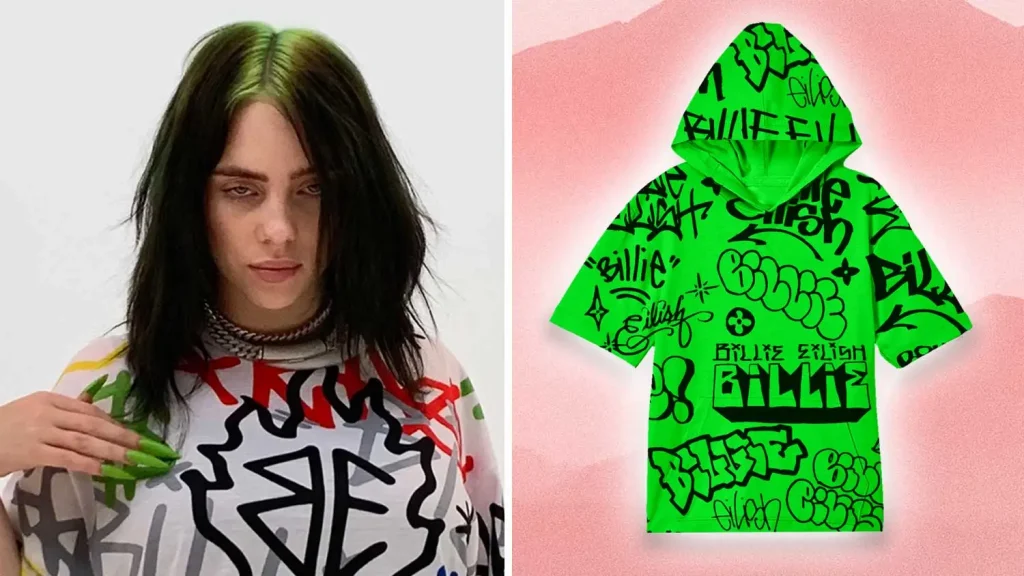
Translate your unique elements into your visuals once you’ve ironed out them. Consider creating a signature logo, distinct colour palettes, and consistent fonts for your promotional materials. Imagine if your favourite band had changes in logo every month—confusing, right? It dilutes their brand.
Please look at Billie Eilish; her aesthetic is consistently dark and edgy, mirroring her music style. This coherence helps fans to grasp her identity quickly.
Name, Handles, and SEO Hygiene
Lock the same @handle across platforms before you announce anything. It prevents imposters and confusion.
Avoid special characters that make searching hard. Use plain text that fans can type fast.
- Consistency: Match your artist name, page titles, and bios. Use one canonical link in bios to cut dead ends.
- Search Clarity: Use “Artist Name, Song Title” in page titles and descriptions. Add genre and city when relevant.
- Metadata Hygiene: Keep ISRCs, songwriter splits, and lyric credits aligned across DSP dashboards and PRO registrations.
I once audited a campaign where two spelling variants split search traffic. Standardising the name and bio copy fixed discovery within a week.
Consistent Branding Across Platforms
Next up is ensuring consistency across all platforms. Your branding should remain recognisable wherever it appears—be it on social media, your website, or streaming platforms. This consistency builds trust with your audience.
Here’s how you can achieve that:
Merch Surfaces: Connect Shopify to Spotify for Artists to show products on your profile. Eligible YouTube channels can add a store via approved partners, keeping visuals and pricing aligned end to end.
Consistency doesn’t mean uniformity—it means being true to your brand’s core message across diverse platforms. As you build your brand, remember that every interaction with your audience forms a part of your identity. Engage authentically, and you’ll cultivate a loyal following that believes in you.
Release Planning and DSP Tools
Direct Answer: Release planning is the timeline and toolset that primes your music for maximum day-one reach and sustained momentum. It aligns distributor lead times, platform pitching windows, and fan actions like pre-saves. Done well, it compounds streams, followers, and sales.
- Pitch unreleased tracks in Spotify for Artists at least 7 days pre-release, so followers see you in Release Radar, per Spotify.
- Set Apple Music pre-adds and build a pre-save page using a reputable smart-link tool.
- Use a waterfall, sequence singles that roll into an EP or album to maintain algorithmic touchpoints.
Set-up and timing. Choose a reliable distributor, then upload audio, ISRCs, lyrics, and credits at least 3 to 4 weeks before release. This protects your pitch window and avoids metadata errors.
Spotify states pitches must be submitted at least 7 days before release for Release Radar eligibility for followers. Apple Music supports pre-adds so fans receive your album on release day, per Apple Music for Artists.
Pre-save and pre-add mechanics. Build a smart-link that supports Spotify pre-save and Apple pre-add. Use short copy, trackable UTMs, and a clear incentive like an early clip or discount code.
Waterfall sequencing. Drop single 1, then add single 2 to the same playlisted project, then single 3, then the full EP. Each step refreshes catalog activity without fragmenting listeners.
The State of Release Planning in 2026
YouTube expanded shopping integrations for creators in 2024, per YouTube’s announcements, so pairing a single drop with in-video product pins is now standard. Spotify introduced music videos in selected markets in 2024, per Spotify’s newsroom, adding another asset to schedule alongside audio.
TikTok’s “Add to Music App” buttons continue to send users to DSPs, per TikTok announcements. Plan your pre-save pages with this click-out in mind.
Debunked: “Drop everything on release day”
The old pattern said hold assets until launch. Platform guidance disagrees.
Spotify for Artists confirms early pitching helps Release Radar delivery to followers. Apple’s pre-add feature exists to move action earlier in the funnel. Pre-release assets warm the audience and prime algorithms.
Wrong Way vs Right Way
| Wrong Way | Right Way |
|---|---|
| Upload 48 hours before, no pitch. | Upload 3–4 weeks before, pitch 7+ days out via Spotify for Artists. |
| No pre-save, link to one DSP only. | Smart-link with pre-save, UTM tags, geo-routing to fans’ stores. |
| One video on release day. | Teasers in Shorts, a lyric video, then the official video, then a live clip. |
| Album drop with no singles. | Waterfall singles that roll into the EP or album. |
Real-world examples. Radiohead’s “In Rainbows” used direct-to-fan mechanics that forced email capture, reported by Wired. Arctic Monkeys built demand through fan-shared demos and MySpace momentum, covered by the BBC.
Lil Nas X accelerated “Old Town Road” via TikTok memes before radio caught up, documented by Billboard. Fleetwood Mac’s “Dreams” resurged after a TikTok clip in 2020, reported by Rolling Stone, proving back catalog can spike with the right trigger.
Leveraging Social Media

Content Strategies for Platforms
Now that you’ve built a solid brand identity, it’s time to leverage the power of social media to amplify your reach. Social media is a powerful tool for musicians. It lets you connect with fans, showcase your work, and weave storytelling into your music journey.
The first step is to tailor your content strategies for each platform. Not all social media channels are created equal. Each has its audience and content style. Here’s how to approach some significant platforms:
- Instagram: Focus on visuals! Share compelling images, short video clips, and engaging stories. Use Reels to showcase snippets of your music—think of it as mini music videos. I once shared a behind-the-scenes clip of a recording session that received tons of engagement.
- X: This platform is all about quick updates and interaction. Use it to share thoughts, engage in conversations, or promote upcoming shows. Don’t hesitate to sprinkle in some humour!
- TikTok: This is the place to go viral. Create engaging challenges, dance routines, or behind-the-scenes content. Remember how Ocean Spray and Fleetwood Mac took TikTok by storm? Unique and catchy tunes can spark trends. Distribute your track to TikTok so an official sound page exists. Use 9:16 videos with a clear first-frame hook, link the official sound in captions, and group uploads in a Series for repeat viewing.
- Facebook: While not as trendy, Facebook groups can foster community. Consider creating a fan group to engage more intimately with your most dedicated supporters.
As you develop your content, watch trends and listen to what’s working. Engaging and relevant content resonates with followers, driving up your visibility.
YouTube for Artists and Shorts Essentials
Claim your Official Artist Channel to unify subscribers and gain analytics, per YouTube Help. This consolidates topic channels and your uploads.
Publish Shorts in 9:16 with a strong first second and readable captions. Use the Community tab for polls, teasers, and ticket promos.
- Content ID: Work with your distributor or rights partner to enable Content ID, per YouTube Help. This tracks or monetises fan uploads that use your music.
- Programming: Pair Shorts that tease the chorus with a full video premiere. Pin the smart-link in comments.
Smart Links and UTM Tagging
Use a smart-link service to route fans to Spotify, Apple Music, YouTube, and Bandcamp. Enable geo-routing so fans see the right store for their country.
- UTMs: Append utm_source, utm_medium, and utm_campaign to every link. This lets GA4 and ad platforms attribute plays and sign-ups.
- Destinations: Include pre-save, merch, and tour tabs in the same hub. Keep copy short and action led.
Engaging with Your Followers
Creating content is just half the battle; engaging with your followers is equally essential. Your fans want to feel connected, heard, and valued. So, let’s dive into some proven tactics for deepening those connections.
- Respond to Comments: Make it a habit to reply to comments on your posts. A simple “thank you” or a personalised response makes fans feel appreciated.
- Host Q&A Sessions: Consider hosting live sessions where fans can ask questions about your music, inspiration, or personal life. This transparency humanises you, making followers feel closer to your journey.
- Run Contests and Polls: Engage your audience by running polls on song preferences or hosting giveaways. Think of it as a way to give back.
- Share Fan Content: When fans share photos or cover songs, repost them! This appreciation fosters community and encourages others to engage.
Active engagement cultivates loyalty. Your followers aren’t just fans; they’re your community. Nurture that relationship, and they’ll stick around for the long haul. The more connected they feel, the more likely they are to support you, whether streaming your music or attending your gigs.
With these strategies, you’ll be on your way to creating a thriving social media presence, turning casual listeners into lifelong fans!
Collaborations and Partnerships

Working with Influencers and Brands
As you continue to engage your audience and strengthen your brand, it’s time to explore collaborations and partnerships. These can open doors to new audiences and enhance your visibility in the music industry. One of the most effective routes is partnering with influencers and brands.
Influencers have the power to sway opinions and build excitement. Imagine an influencer you admire sharing your latest track. That could lead their followers to give your music a shot. Here’s how to get started:
- Identify Relevant Influencers: Find influencers who align with your music genre and have an engaged following. Tools like BuzzSumo can help you find the right fit.
- Reach Out Professionally: Craft a tailored message explaining who you are and how you believe a collaboration can benefit both. Remember to highlight their previous work to show you’ve done your homework.
- Create Engaging Content Together: This could be as simple as sharing a clip of your song in a post or creating short videos featuring your music.
Brand partnerships can be equally rewarding. Collaborate with clothing lines or tech brands that fit your image. This adds unique dimensions to your brand and can be a creative way to cross-pollinate audiences.
Cross-promotions and Co-Branding Opportunities
Cross-promotions involve collaborating with another artist to introduce each other’s audiences to your music. Here’s how to maximise this approach:
- Joint Releases: Team up for a single or a collaborative music video. Think of it as a win-win. Your listeners will gain exposure to their music while theirs discover yours.
- Shared Live Events: Partner with another musician to host a gig. You share a fanbase and can build buzz together. Even better? Consider the after-show hangout where you and the other artist’s fans can mingle.
Co-branding opportunities allow brands to align with your values and audience. For example, if you’re a sustainable artist, partner with eco-friendly brands for a product launch. You promote their goods while deepening your message about sustainability.
Here are some co-branding ideas:
- Merch Collaborations: Create limited-edition merchandise with a brand that vibes with your music style.
- Sponsored Content: Work with a brand to develop content featuring your music and their products, helping both sides reach new audiences.
Remember, partnerships should authentically reflect your brand. Always choose collaborations that feel natural, ensuring they resonate with your audience. By strategically working with influencers and brands, you can carve out a larger space in the music industry, building momentum that leads to explosive growth.
Utilising Email Marketing

Building an Email List
While social media grabs headlines, email remains one of the most effective ways to connect directly with your fans.
The first step? Building a solid email list. You don’t want just emails; you need a list of engaged listeners who genuinely care about your music.
Here’s how to start building your email list:
- Sign-Up Incentives: Offer something valuable in exchange for fans’ email addresses. This could be an exclusive track, behind-the-scenes access, or a discount on merchandise.
- Website Sign-Up Form: Make sure your website has an easy-to-find sign-up form. Pop-ups can work wonders but keep them unobtrusive. A simple line saying, “Join the family for exclusive updates!” can work wonders.
- Social Media Promotions: Regularly promote your email sign-up through social media channels. Share the perks of joining your list! A compelling call to action, like “Don’t miss out on exclusive content!” can be enticing.
- Concerts and Events: Collect email addresses at your merch table if you’re performing live. A simple signup sheet can do the trick. You can even run a raffle for a free product to encourage fans to join.
Building a robust email list takes time, but think of it as planting seeds that will grow into a flourishing community of loyal supporters.
Effective Email Campaign Strategies
Now, let’s talk strategies! Having a list is great, but what you do with it matters just as much. An effective email campaign helps maintain a strong relationship with your audience. Here are some strategies that worked for me:
- Regular Updates: Keep subscribers informed about your latest releases, merch drops, and upcoming shows. A monthly newsletter works well to keep fans in the loop.
- Personalisation: Use the recipient’s name in emails for a personal touch. Segment your list so you can tailor content to different groups. For example, fans who regularly buy concert tickets might appreciate exclusive offers for early access.
- Engaging Subject Lines: Your subject line is your first impression. Make it catchy and relevant to encourage opens. Think like “New Music Just Dropped! 🎶” or “Join Me Behind the Scenes!”
- Call to Action: Always include a clear call to action. Whether streaming your new single or joining a live event, make it easy for fans to engage. Use buttons or bold text to direct them.
- Track and Adapt: Use email marketing software to track open and click-through rates. It might be time to re-evaluate your content or strategy if you notice a drop. A/B testing different subject lines can also reveal what resonates best with your audience.
Stay compliant. Obtain consent where required under GDPR and PECR, include a visible unsubscribe link, and identify the sender.
Use double opt-in for cold regions, store data securely, and remove hard bounces and chronic inactives to protect deliverability. The ICO and FTC outline these rules.
Implementing an email marketing strategy keeps your fans engaged and drives real action. By cultivating this direct line of communication, you ensure that your music reaches the ears of loyal supporters eager to champion your journey.
Online Advertising Strategies

Targeted Ads on Platforms
Having established a solid email marketing strategy, let’s expand your reach through online advertising. This is where you can genuinely amplify your music and ensure it lands in front of the right people. Targeted ads are your golden ticket to reaching potential fans with interests aligned with your music.
When it comes to targeted advertising, choosing the right platforms and tailoring your ads is essential. Here’s how you can get started:
- Facebook and Instagram Ads: With their advanced targeting options, you can reach specific demographics based on interests, age, and location. You can create compelling ads that showcase your new album or promote an upcoming concert.
- YouTube Ads: Music videos on YouTube are a fantastic way to promote your work. Use pre-roll ads to target specific genres. Imagine your indie pop song being advertised before a wellness yoga channel—perfect for reaching those in a chill, feel-good mindset!
- Spotify for Artists Promotional Tools: Use Spotify Ad Studio to promote your music directly to listeners. You can run audio ads targeting specific listener behaviours. Harnessing this platform can be a game-changer for increasing streams.
The key is to monitor who’s interacting with your ads. It’s not just about reach; it’s about engagement.
Tracking and Attribution Setup
Install Meta Pixel and configure standard events like ViewContent, AddToCart, Purchase, and CompleteRegistration. Meta Business Help covers event setup and Aggregated Event Measurement.
Use Google tag with GA4 to track clicks from ads and social. Align UTM naming so channel and campaign comparisons are clean.
- Server-side: Where possible, enable Meta’s Conversions API via your store or link tool. This improves match rates after iOS changes.
- Consent mode: Implement Google’s Consent Mode where required, so measurement respects user choices while preserving modelling.
Maximising ROI with Ad Campaigns
Once your ads run, the next goal is to maximise your return on investment (ROI). You want to ensure that every penny spent on advertising translates into tangible results. Here are some strategies to help you get the most bang for your buck:
- Retarget and Expand: Build Custom Audiences from site visitors, video viewers, and your email list, then create Lookalike or Advantage Lookalike audiences in Meta to scale reach while keeping relevance, per Meta guidance.
You ensure your advertising dollars are spent effectively by strategically using targeted ads and adapting based on performance. Online advertising is about reaching the right audience and creating genuine connections with fans, increasing engagement and sales.
Analysing Data and Making Adjustments
Tracking Metrics and KPIs
With your online advertising campaigns up and running, shifting gears towards analysing data and making adjustments is crucial. Numbers tell the story, so tracking performance metrics and key performance indicators (KPIs) is essential to understand what’s working and what’s not.
When you dive into your data, focus on these crucial metrics:
- Streaming: Saves, playlist adds, listener-to-follower growth, and top cities in Spotify and Apple dashboards.
- YouTube: Watch time, average view duration, and thumbnail click-through rate.
- Email: Open rate, click rate, unsubscribe, and spam complaint rate.
- Ads: Cost per click, click-through rate, conversion rate, and cost per acquisition.
Adapting Strategies Based on Insights
Adaptation is key in today’s fast-paced music industry, and minor tweaks can lead to impactful results. Here are some strategies to consider:
- Revise Content Based on Performance: Don’t hesitate to switch things up if specific posts or ads are underperforming. For example, if a video of a live performance gets great traction, consider posting more behind-the-scenes footage or similar content that captures that excitement.
- Test New Approaches: Experiment with different ad formats or message styles. If your follower base responded well to funny, relatable content, tailor your future campaigns similarly.
- Listen to Your Audience: Pay attention to follower feedback. Comment sections can be goldmines of insight. If fans request specific content or express desires in their comments, adapt your strategy to meet their needs.
- Regularly Review and Adjust KPIs: Don’t set it and forget it. Conduct monthly or quarterly reviews of your performance. This helps you identify patterns and adjust your strategies proactively rather than reactively.
You can continuously improve your marketing approach by investing time in tracking metrics and adapting strategies.
Connecting with Your Audience

Live Events and Performances
After analysing your data and adjusting your strategies, it’s time to consider one of the most dynamic ways to connect with your audience: live events and performances. There’s nothing quite like the electricity of a live show to build a deep connection with fans.
Live events offer an invaluable opportunity for personal interaction. They create lasting memories that fans will cherish and talk about for years. Here’s how to make the most of your live performances:
- Engage with the Crowd: Don’t just perform—interact! A simple “How’s everyone feeling tonight?” can break the ice and invite fans into the experience.
- Offer Meet and Greets: If it’s within your means, consider hosting meet-and-greet sessions after shows. Fans love the chance to meet you face-to-face and snap a photo. Sharing that personal touch can turn casual listeners into lifelong supporters.
- Create Exclusive Live Content: Use your performances to generate material for social media. Consider live-streaming parts of your show or creating an exclusive behind-the-scenes reel.
- Have Merchandise Ready: Bring along some merchandise to sell at your shows. It’s a great way to give fans something tangible to remember the experience by. Plus, who can resist a cool tee or vinyl? Offer discounts for attendees to incentivise purchases.
Sync your shows to platforms. Spotify pulls listings from partners like Ticketmaster, AXS, DICE, Eventbrite, and Songkick. Manage entries in Songkick Tourbox so dates appear on your profile and in localised concert emails.
Direct Fan Engagement Tactics
Beyond live events, direct fan engagement is essential to build loyalty and keep your audience returning for more. It’s all about making your fans feel valued and heard. Here are some effective tactics that we’ve employed:
- Memberships: Offer Patreon or YouTube Channel Memberships if eligible, with clear perks like early listens, exclusive posts, or member-only livestreams you can deliver on schedule.
Connecting with your audience requires effort, authenticity, and a personal touch. Live events and direct engagement tactics can create powerful bonds that transform casual listeners into dedicated fans who passionately support your career.
Conclusion
As we wrap up this journey through music marketing, let’s take a moment to recap the key strategies we’ve explored. Each step is designed to help you connect with your audience, build your brand, and promote your music effectively.
- Define Your Music Marketing Strategy: Start by understanding music marketing and how it can impact your career. Use it as a framework for everything else you do.
- Understand Your Audience: Invest time in market research and create audience personas. Knowing who your fans are will help you tailor your content effectively.
- Build Your Brand: Develop a unique identity that resonates with your audience. Ensure that your branding remains consistent across all platforms.
- Leverage Social Media: Use platforms creatively with engaging content that speaks to your followers. Regular interaction is essential for building relationships.
- Collaborate with Influencers and Brands: Seek strategic partnerships to expand your reach and tap into new fanbases. Work with influencers and host joint ventures to amplify your presence.
- Utilise Email Marketing: Build a solid email list to maintain direct communication with your fans. Use engaging campaigns to keep them informed and excited about your music.
- Implement Online Advertising: Target ads strategically to reach new audiences and continuously analyse your performance to maximise ROI.
- Analyse Data and Make Adjustments: Track important metrics and adapt insights-based strategies. Flexibility will allow you to refine and perfect your approach.
- Connect through Live Events: Engage with fans directly during performances. Offer experiences that make them feel valued, creating loyal supporters.
- Direct Engagement Tactics: Foster relationships with fans through social media and contests. Recognise their contributions, creating a strong community around your music.
By utilising these strategies, you set the stage for success in your music career.
Encouragement for Continued Audience Growth
Remember, the music industry can be a rollercoaster ride, but every step you take will help you grow. Stay adaptable and open to new ideas, and don’t shy away from experimenting with new tactics.
As a musician, your journey is unique. Embrace it, learn from your experiences, and connect with your audience authentically. Celebrate your small victories as they lead to more significant milestones.
Here’s a gentle reminder: growth doesn’t happen overnight. Continually nurturing relationships with your audience will lead to a thriving, supportive community. Use every opportunity to engage, whether it’s through social media, email updates, or live performances.
Keep pushing forward and remain passionate about your craft. Remember that genuine connections with fans can make all the difference. They’ll reciprocate with their support when they see your commitment and authenticity. So get out there, utilise these tips, and watch your audience grow.
