Global Brand Architecture: Choose the Right Name for Each Market
Global brand architecture determines which reputation leads in each market. Before renaming an overseas acquisition, assess what buyers recognise, what reassurance the parent adds and what could disappear with the local identity. Use those findings to choose a naming relationship, assign approval rights and set conditions for any later migration.



On this page8 min left
Buying an overseas consultancy does not tell you what to put above the door.
Global brand architecture defines how parent, regional and acquired brands relate across countries, including which name buyers encounter first.
The useful decision is which reputation to lead with.
McKinsey & Company’s 2020 guidance on marketing integration recommends assessing both brands’ equity among target customers before choosing a post-merger identity.
Ownership alone does not settle the question.
For a UK professional services business, this is the naming layer of global branding and one part of the broader brand architecture discipline.
Start with buyer evidence. The logo discussion can wait.
What are the core global brand architecture models?
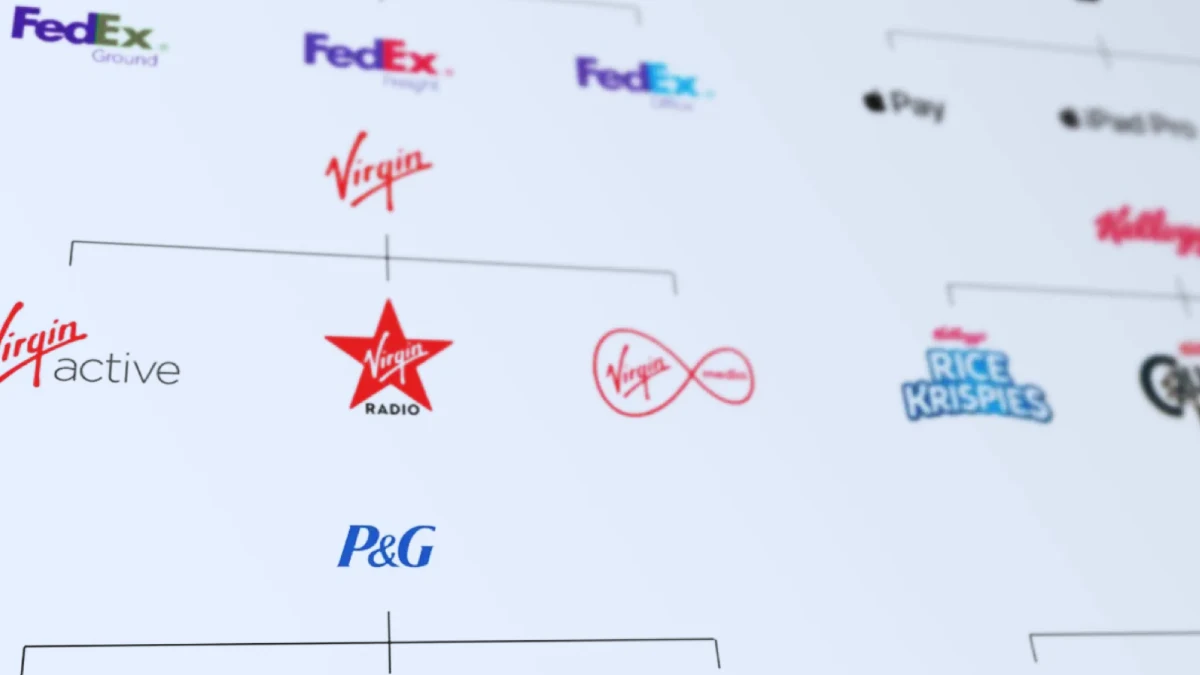
Multinational professional-services firms organise international subsidiaries across three recognised brand architecture models:
- Monolithic (Branded House / Parent-Led): The parent brand leads across all jurisdictions (e.g., standard global accountancy networks). All offices operate under a single name, concentrating marketing spend and global entity recognition, but exposing the wider network to localised reputational damage.
- Endorsed (Hybrid Architecture): The local practice retains its established name, paired with an explicit parent endorsement (e.g. "[Acquired Firm], an Inkbot Design Partner"). This preserves local goodwill and partner loyalty while introducing group scale and technical depth.
- Pluralistic (House of Brands / Independent): Acquired businesses maintain distinct, freestanding identities with no public affiliation to a parent company. This isolates risk and protects specialist-sector positioning, but eliminates cross-border brand-equity efficiencies.
How do you decide which brand leads in each market?
To determine whether an overseas business should adopt the parent name, endorse it, or remain separate, leadership teams must evaluate buyer recognition, reassurance drivers, and operational feasibility.
Do not rely on informal board consensus. Begin by compiling a formal Reputation Register for each operating territory:
Register Field | Diagnostic Question to Answer | Strategic Commercial Purpose |
|---|---|---|
Buyer Group | Are existing clients and new prospects choosing your firm for the same reasons? | Separates historical client retention from cold market acquisition dynamics. |
Recognised Name | Which name can target buyers identify unprompted in the local market? | Measures genuine baseline awareness before discarding an established identity. |
Reason for Confidence | Does buyer confidence stem from a named partner, specialist niche, local heritage, or group capability? | Identifies the commercial carrier of trust that justifies premium professional fees. |
Parent Contribution | What tangible value does the parent connection add that matters directly to the local buyer? | Confirms whether an endorsement adds reassurance or introduces meaningless noise. |
Naming Constraint | What regulatory, trademark, or professional-body clearances are required locally? | Uncovers statutory limitations (e.g. SRA or ICAEW rules) before committing to a rename. |
Proposed Decision | Which identity leads, what evidence justifies it, and what measurable trigger would reverse it? | Establishes objective migration governance rather than permanent ambiguity. |
Record unprompted brand recall, the criteria shortlisting buyers use, and the specific circumstances where a parent association alters perception. Familiarity with legacy clients does not translate into recognition among new market prospects.
Should the overseas business share our name?
Use the parent name when buyer evidence supports the parent’s relevance and the business can deliver the promise attached to that name.
Retain or endorse the overseas identity when a different name provides reassurance the parent cannot yet replace.
The 2020 M&A guidance identifies several possible structures, including independent brands, combined brands, an umbrella identity and a single surviving name.
McKinsey & Company recommends assessing brand equity by target segment and considering switching costs before making a decision. That supports a comparison, not a default answer.
Begin with a reputation register for each country:
Record | Question to answer |
|---|---|
Buyer group | Are existing clients and new prospects choosing for the same reasons? |
Recognised name | Which name can buyers identify without prompting? |
Reason for confidence | Does confidence come from a partner, specialist service, local history or group capability? |
Parent contribution | What does the parent connection add that matters to the buyer? |
Naming constraint | What needs specialist clearance before a name can be used? |
Proposed decision | Which name leads, what supports the decision and what would change it? |
Record the names buyers mention without prompting, the evidence buyers use to shortlist advisers and the circumstances in which the parent connection changes a buyer’s assessment.
Separate existing clients from new prospects. Familiarity among the former does not establish recognition among the latter.
Does maintaining multiple overseas brands duplicate operational overhead?
A common executive objection to retaining an acquired name is operational cost: "We cannot afford the overhead of maintaining multiple brands."
This objection conflates back-office infrastructure with client-facing identity.
A retained local name does not require a separate enterprise resource planning system, distinct billing systems, or a segregated payroll. Back-office functions can be consolidated entirely while the external market encounters distinct identities.
For example, in May 2025, communications holding group WPP established WPP Media, announcing that Mindshare, Wavemaker, and EssenceMediacom would remain distinct, client-facing agency brands while operating on shared technology platforms, procurement systems, and data infrastructure.
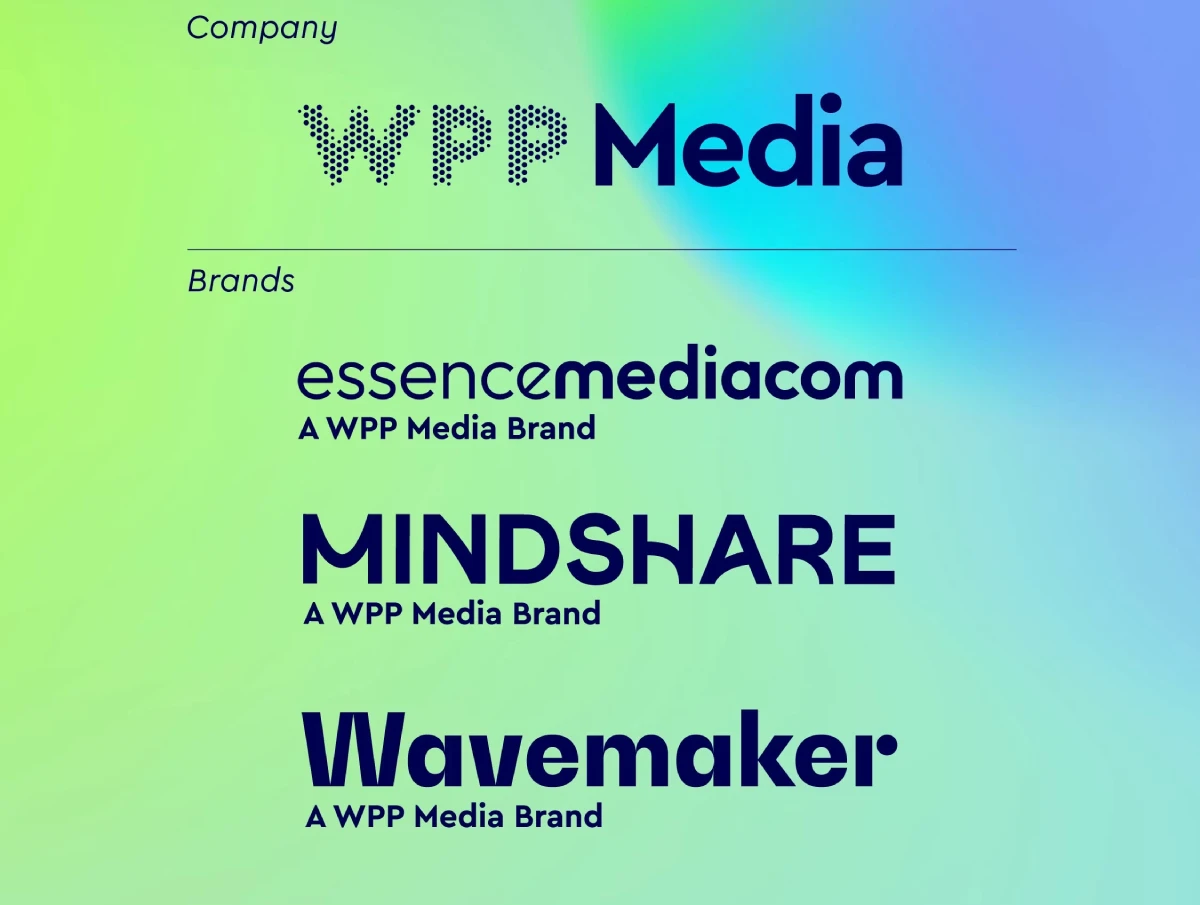
This announcement illustrates that shared operational scale is structurally compatible with differentiated client-facing brands. However, as leadership teams must note, an operational restructuring announcement demonstrates organisational feasibility; it does not, by itself, prove an increase in net margin or long-term client retention.
For a mid-sized professional-services consultancy with 50 to 250 fee-earners, the equivalent approach is straightforward: a single central marketing and operations team that maintains an acquired specialist identity, using unified digital design systems and controlled document templates.
Price the modest cost of template governance against the tangible commercial risk of immediate brand erasure, client attrition, and staff turnover.
A hypothetical overseas acquisition
Take a hypothetical UK engineering consultancy with 120 employees acquiring a German specialist.
Assume interviews find that existing German clients recognise the acquired name, German prospects do not recognise the UK parent, and clients value access to the parent’s additional technical specialists.
An endorsed identity is a reasonable provisional choice: retain the German name and explain the connection to the parent. The endorsement has a specific job: making the additional capability understandable.
Change those assumptions and the recommendation changes. If the acquired name has little recognition and target buyers already procure services from the parent, a parent-led identity becomes more plausible.
Corporate ownership also need not dictate the market-facing name.
Sumitomo Rubber Industries, the tyre manufacturer, announced in November 2025 that several overseas subsidiaries would adopt Dunlop names, with changes scheduled to begin in January 2026. That is a subsidiary-naming example, not evidence that every Falken product identity disappeared.
The decision concerns what buyers need to understand. An organisation chart answers a different question.
What do we risk losing when an acquired name disappears?
Treat the acquired name as a possible carrier of buyer reassurance, then establish what that reassurance actually contains. A long history is not sufficient reason to retain a name. A board preference for tidiness is not sufficient reason to remove one.
The strongest argument for consolidation deserves a fair hearing. One name can reduce the number of identities requiring production and approval, while making a combined offer easier to describe. But those benefits must be weighed against the specific reassurance the acquired identity supplies.
Warner Bros. Discovery, the media company, announced on 14/05/2025 that its streaming service would revert to HBO Max, following its removal of "HBO" from its name in 2023.
Management linked the restored HBO name to quality positioning. The example shows management reconsidering an established signal; the example does not prove that either naming decision caused subscriber gains or losses.
For an acquired advisory practice, identify the equivalent signal. Does the name represent a specialist team? Familiar local partners? A particular service buyers cannot readily find elsewhere?
Ask clients what would concern them about the change. Record the answer precisely enough to act on. “We value continuity” is vague. “Will the same partner supervise our annual review?” creates a communication task.
“Surely we should change everything at completion?”
Only when the commercial rationale, readiness and applicable constraints support that timing.
McKinsey & Company’s 2020 integration guidance recognises gradual brand transitions as a way to give customers time to understand the new proposition.
Gradual migration is an option to assess, rather than a reason to keep two identities indefinitely.
Build the transition around observable tasks:
- Explain what changes and what continues, using statements the business can substantiate.
- Give relationship partners a consistent answer before clients encounter new materials.
- Connect old and new identities on the pages and documents clients actually use.
- Test whether clients understand the continuing service and contact routes.
- Retire the acquired name only after reviewing the agreed evidence.
Agree the retirement condition before launching the endorsement. For example, require evidence that existing clients can identify the continuing team and that prospects understand the combined offer.
A calendar date can organise production; a calendar date cannot demonstrate that the replacement name carries the required reassurance.
Where messaging crosses languages, distinguish transcreation from translation. The relationship must remain accurate even when the wording changes.
What stays consistent, and who approves exceptions?
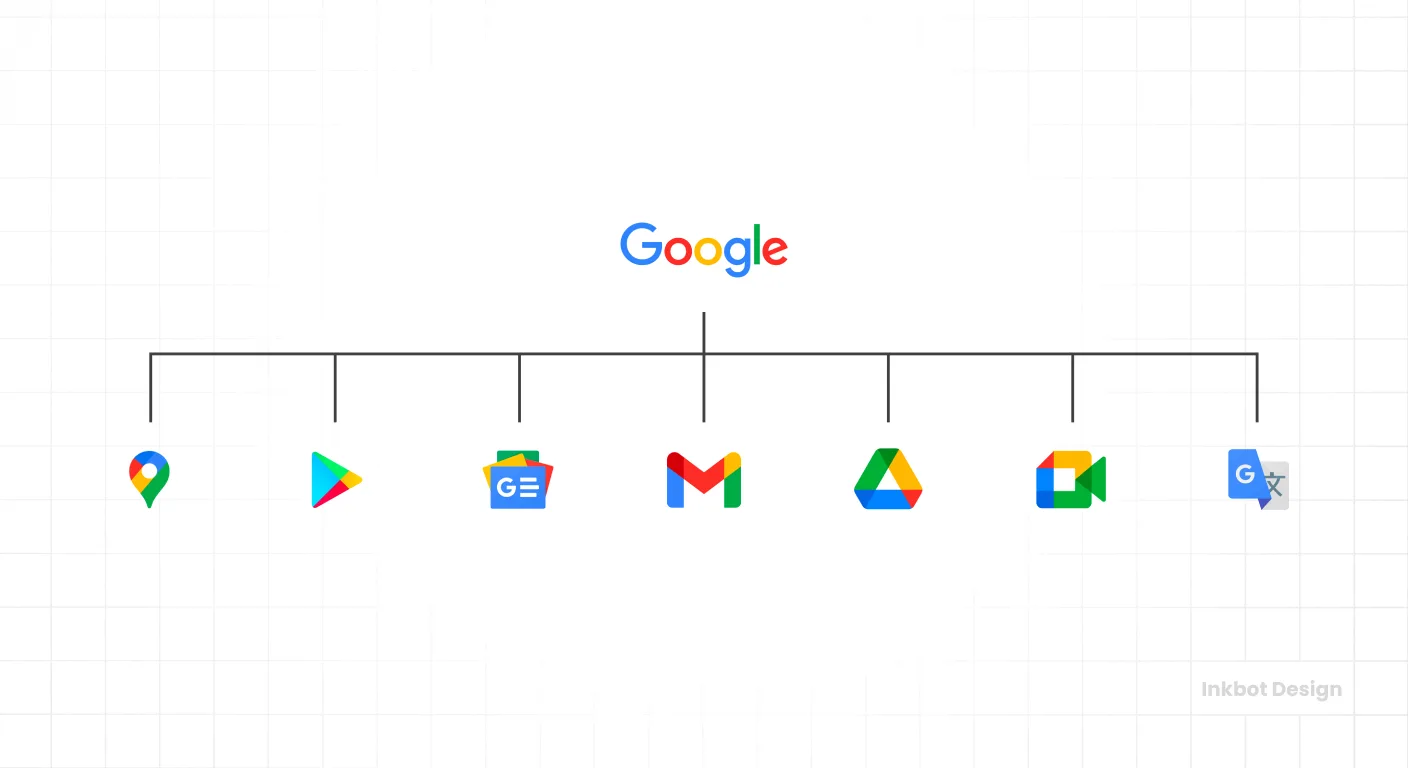
Keep the ownership explanation and naming relationships consistent. Give country teams defined room to adapt language and supporting evidence, rather than asking every office to improvise the relationship between businesses.
For example, a proposal might retain the same parent endorsement while using locally relevant project evidence. A country team should not create an additional sub-brand simply because a new service needs a campaign.
WPP’s May 2025 announcement distinguished retained agency brands from shared capabilities. That distinction is useful here: decide which relationships customers need to see separately from which functions the group should share. The announcement does not prescribe the right governance system for a 100-person practice.
A practical allocation of responsibilities is:
- Country leaders supply buyer evidence and explain local objections.
- The marketing lead maintains the naming register and approved identity files.
- A named executive approves architecture changes and exceptions.
- Qualified advisers review relevant legal and regulatory feasibility.
Write down the exception process. Specify who submits the request, what evidence is required and when the decision will be reviewed. Otherwise, “temporary” naming decisions have no defined endpoint.
Before approving an overseas name, obtain appropriate clearance and advice on international trademarking. This article does not establish whether a particular name, endorsement or ownership description is permissible.
What business improvement should justify the investment?
Choose the commercial problem before choosing the identity.
If buyers misunderstand the relationship between practices, test understanding of the combined offer. If an acquisition depends on referrals between offices, track qualified referrals and what happens next. If the concern is unnecessary production, record the time and cost of maintaining duplicated materials.
McKinsey & Company’s M&A guidance places brand decisions alongside value propositions, customer segments and service continuity. That is a useful boundary: a naming project should support the commercial purpose of integration rather than substitute for it.
For a mid-sized professional services business, select a small set of measures:
- Buyer understanding: can target clients explain what the combined business provides?
- Client continuity: can existing clients identify their contacts and continuing service?
- Operating burden: how much work is duplicated across identities?
Record a baseline before the change. Define who will collect the follow-up evidence and what would trigger a correction.
Compare like-for-like markets and buyer groups where possible. Record concurrent changes in pricing, partners and services. If proposal conversion changes after the rename, report the change without claiming the name caused it.
Establish the reputation before changing the name.
A parent-led identity is defensible when buyers have a reason to choose the parent.
An endorsed identity is defensible when the connection adds something buyers value. A retained local identity is defensible when evidence supports the reassurance the local name provides.
Start with the reputation register, not a redesign brief. Give each country a proposed lead name, supporting evidence, an approval owner and a review condition.
A straightforward business with one audience may complete that first assessment internally. An acquisition with competing reputations or unresolved naming constraints warrants specialist input.
For an initial review of positioning, messaging and identity, request Inkbot Design’s free Brand Equity Audit™. The written diagnostic can help identify what needs attention; overseas buyer research and legal clearance remain separate requirements.
Today, list what each existing name reassures buyers about before approving its replacement.
Questions people ask
What is the difference between brand architecture and legal structure?
Brand architecture describes how customers and markets engage with the commercial relationships among parent, subsidiary, and specialist services. Legal structure defines the statutory corporate entities that hold equity, employ staff, and assume regulatory liability. Sumitomo Rubber Industries demonstrates this distinction: an operating subsidiary can trade locally as Dunlop while remaining wholly owned by Sumitomo.
Does a new overseas office need a separate brand identity?
No. Opening an overseas office is not, by itself, a valid reason to launch an independent brand. As a decision rule, require demonstrable evidence of distinct client personas, conflicting fee structures, or statutory naming constraints before approving separation. Where target audiences and service offerings align, a shared monolithic brand identity is the most efficient choice.
Can brand endorsement help when overseas buyers do not recognise the parent?
Yes. An endorsed identity explains corporate backing, financial stability, and access to international specialists, even when the parent name is unfamiliar. However, endorsement should not be assumed to transfer instant trust. Target buyers must be surveyed to verify whether the parent connection adds clear reassurance or merely introduces an unexplained secondary name into proposals.
When should an international acquisition trigger a complete rebrand?
An acquisition warrants a complete rebrand only when market research reveals that both the parent and acquired names carry severe negative equity, or when the merger creates a fundamentally new Category of One that neither legacy brand can credibly represent. As McKinsey & Company’s integration guidance highlights, legacy names should be retained or endorsed whenever they carry established client goodwill.