7 Brand Equity Examples: What Protects Fees and Prompts Referrals?
Strong brand equity should help buyers choose your firm, defend its fees or recommend it with confidence. Seven B2B examples reveal different ways that advantage develops. The useful lesson is not to imitate famous brands, but to identify which commercial signal your own positioning must improve before commissioning a rebrand.



On this page6 min left
- What makes a brand equity example commercially useful?
- Which B2B examples explain fee defence?
- Which B2B examples explain recommendation and referral flow?
- Which example fits your firm’s commercial problem?
- How do you test whether your brand is doing the work?
- Fix the buyer’s uncertainty before changing the identity
- Questions people ask
IBM, Accenture and Aon offer useful brand equity examples for firms defending their fees.
IQVIA, Autodesk, Salesforce and Dropbox provide different lessons about recommendations.
None proves that a recognised name automatically produces a premium.
For a UK professional services firm considering a rebrand, that distinction matters.
Before commissioning an identity, identify whether buyers doubt your expertise, struggle to justify your fee or cannot explain whom to refer.
For the underlying definition, start with what is brand equity.
What makes a brand equity example commercially useful?
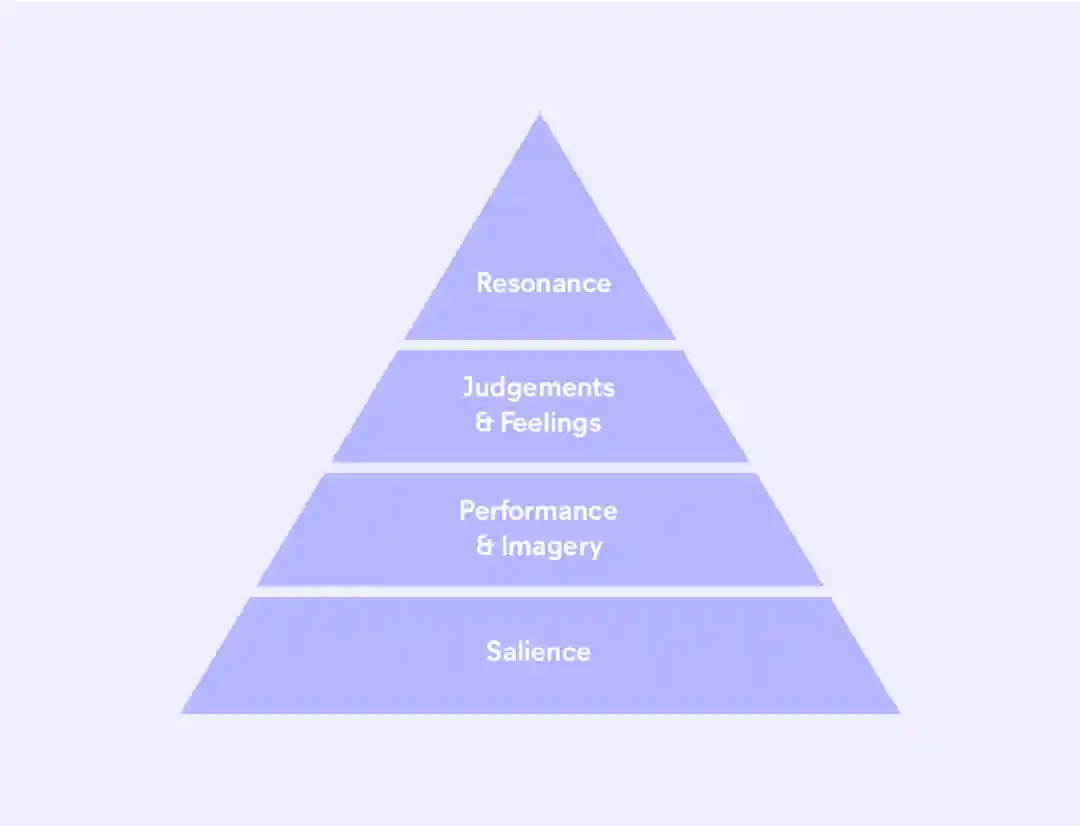
Useful brand equity examples connect a recognised name with a buyer’s reason to choose, pay or recommend.
Examine fee defence when prospects question the supplier choice; examine referral clarity when satisfied clients struggle to describe your value.
Where delivery disappoints, repair the service before amplifying its promise.
- Recognition alone does not establish preference.
- A recommendation score does not establish referral revenue.
- Retention alone does not separate trust from switching friction.
B2B brand equity examples include IBM, Accenture, Aon, IQVIA, Autodesk, Salesforce and Dropbox, illustrating trust, expertise and recommendation mechanisms.
The examples below distinguish documented practice from commercial interpretation.
These are mechanisms to investigate, not results to borrow.
Which B2B examples explain fee defence?
Brand equity and pricing power become useful points of comparison when a buyer sees value but needs to justify choosing your firm.
IBM, Accenture and Aon illustrate different ways to approach that uncertainty.
Their examples do not establish that reputation overrides budget, procurement rules or a better competing offer.
IBM: how does a brand make the supplier choice defensible?

IBM illustrates reputational assurance: confidence that choosing a supplier will not damage the decision-maker’s standing.
IBM’s reputation in key markets helps protect it from criticism over supplier selection.
For a smaller consultancy, the transferable question is practical: what can the client’s sponsor show a sceptical board?
Test whether your proposal supplies relevant project evidence and a credible delivery team. This matters when buyers hesitate over execution risk. It will not resolve an unaffordable scope.
IBM’s example concerns reassurance around the choice. It does not prove immunity from price competition.
Accenture: make capability belong to the organisation
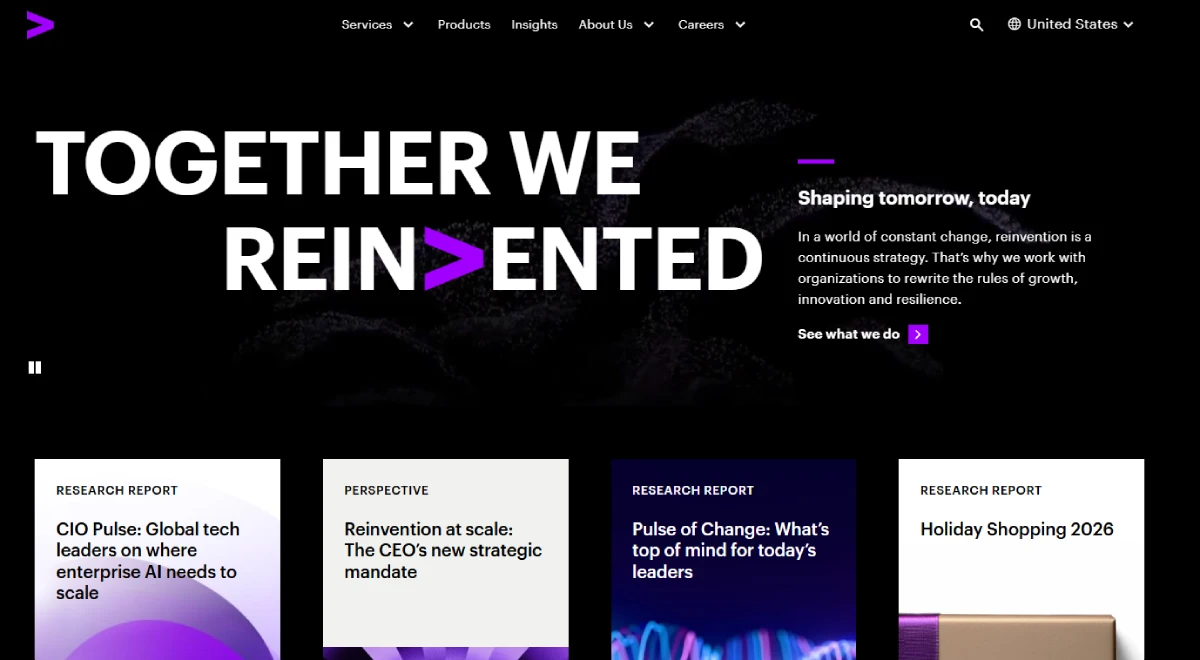
Accenture illustrates integration. It’s a consultancy helping clients connect disparate IT systems. That establishes a service capability, not the incremental value of Accenture’s name.
The professional services brand equity question follows: can buyers recognise your capability beyond the partner presenting it?
If clients buy only the founder, examine how proposals demonstrate team expertise, delivery processes and continuity.
This is worth testing where key-person dependence threatens growth. Do not replace valued relationships with corporate theatre.
“Our business runs on relationships” is a fair objection. The task is to establish whether those relationships introduce the firm—or substitute for evidence that anyone else can deliver.
Aon: connect expertise to a recognisable risk
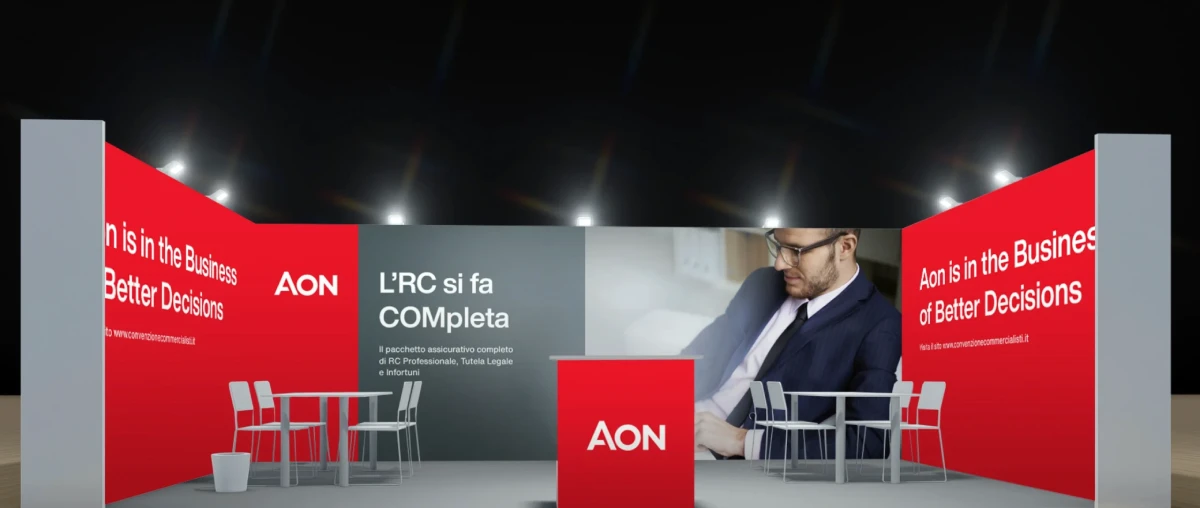
Aon illustrates risk reduction through insurance and consulting services designed to reduce clients’ risk exposure.
The documented value is the reduction of risk; any additional preference attached to Aon’s name requires separate evidence.
For an advisory firm, test whether “expert advice” identifies a problem buyers actually recognise: a disputed transaction, an operational failure or an uncertain decision.
Use risk-led positioning when your service can substantiate the connection. Where benefits are uncertain, explain the limits.
Do not turn anxiety into advertising.
The lesson is to make the expertise relevant, not to imply that hiring your firm removes every risk.
Which B2B examples explain recommendation and referral flow?
Brand reputation and referrals need separate examination.
A client may understand your work but lack a suitable contact; another may recommend you because a reward makes sharing worthwhile.
IQVIA, Autodesk, Salesforce and Dropbox provide useful practices to compare, but the evidence does not establish four brand-driven referral outcomes.
IQVIA: make the value easy to explain

IQVIA illustrates reduced effort.
The healthcare services company conducts clinical trials and fields sales forces for pharmaceutical clients. The description names work a buyer can understand, rather than an abstract claim about excellence.
The referral implication is a hypothesis worth testing: can clients describe your firm with similar clarity?
As a hypothetical example, “They handle finance integration after acquisitions” gives a referrer more direction than “They provide strategic solutions”.
Use this test when introductions are vague or poorly matched. If clients already explain your offer accurately, investigate timing or network fit instead.
Clear language supports a recommendation; it does not prove one will happen.
Autodesk: give professionals something useful to carry forward
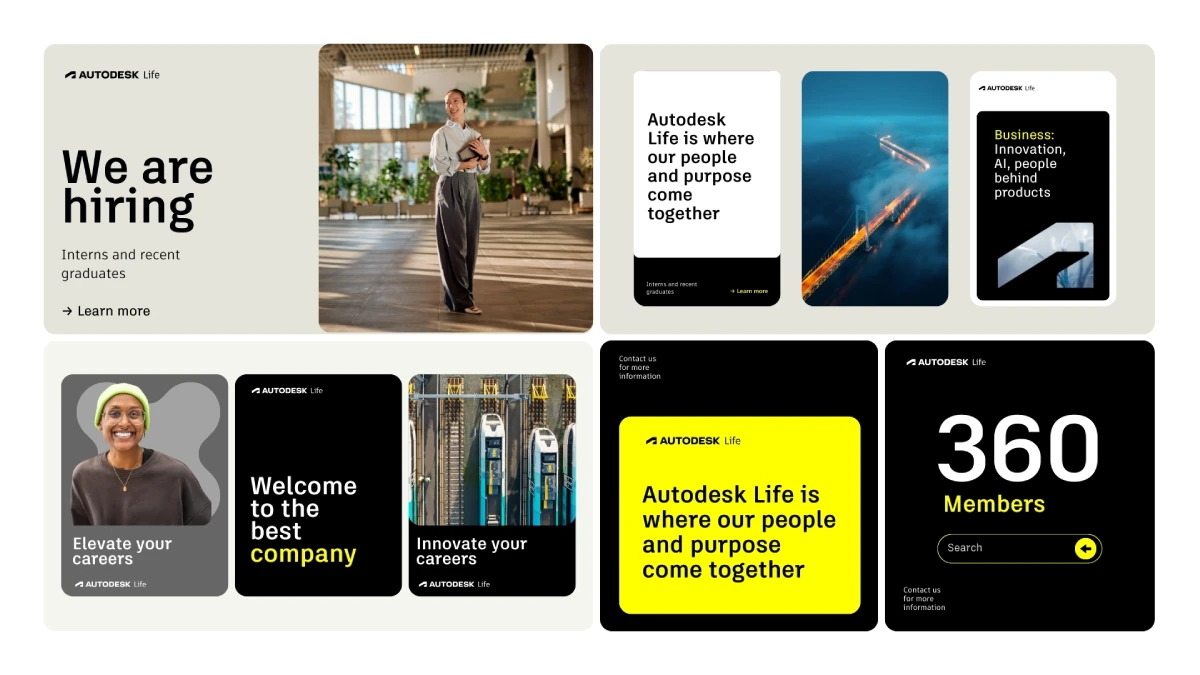
Autodesk illustrates professional marketability.
Their framework builds education and certification that provide an industry-recognised credential for engineering and construction professionals.
A smaller service firm should not invent a certificate and expect the same recognition. Instead, consider whether clients need a useful implementation guide or training resource they can share internally.
This route fits firms whose expertise can be taught without removing the reason to hire them. It fits less well where usefulness depends on confidential, situation-specific advice.
The transferable idea is professional usefulness, not a badge with your logo on it.
Salesforce: create occasions for customer advocacy

Salesforce illustrates customer learning and experience.
This example shows the World Tour events where users learn about products and hear keynote speakers. That supports an event-based interaction mechanism rather than a quantified advocacy result.
For a professional services practice, test a focused client discussion only where there is a shared problem worth discussing.
Record relevant introductions and subsequent conversations, rather than treating attendance as commercial proof.
“We cannot afford a Salesforce-sized programme” is the second fair objection.
You do not need one.
A small discussion is a test of relevance. A large event is not evidence of strong brand equity simply because the room is full.
Dropbox: separate recommendation from reward
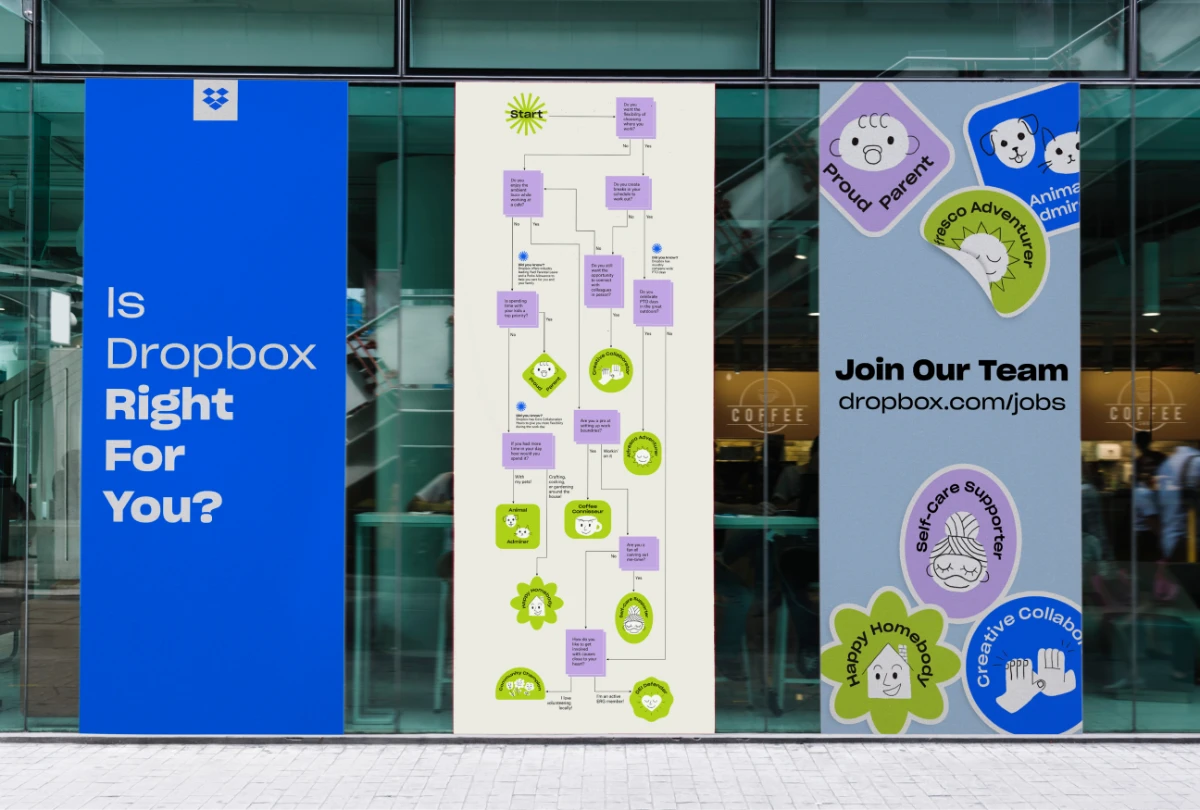
Dropbox illustrates an explicit referral incentive.
They simply offered additional storage for successful referrals. That establishes a reward mechanism; it does not isolate how much of the sharing stems from affection for the brand.
For a SaaS founder, separate rewarded referrals from unsolicited recommendations when assessing acquisition quality.
A professional services firm should not mechanically copy the incentive; this example is an attribution lesson, not a recommendation to pay introducers.
Where a referral programme already exists, compare the resulting client fit, retention, and volume.
More introductions can justify a programme commercially without proving stronger brand equity. Keep the accounting honest.
Which example fits your firm’s commercial problem?
Professional services brand equity is easier to investigate through a specific commercial symptom than a general ambition to “look premium”.
Use this table as a diagnostic starting point, not a scoring model validated by the companies above.
Your situation | Example lens | Evidence to inspect | Initial decision |
|---|---|---|---|
Shortlisted regularly, but fees challenged | IBM / Aon | Buyer objections and scope-matched losses | Test fee justification before changing identity. |
Clients buy a partner, not the practice | Accenture | Reasons for appointment and relationship ownership | Demonstrate institutional capability where dependence is a risk. |
Happy clients make vague introductions | IQVIA | Actual referral wording and prospect fit | Clarify whom the firm helps. |
Clients want to share practical expertise | Autodesk | Resource use and resulting conversations | Test useful education before creating credentials. |
Events attract people but few opportunities | Salesforce | Introductions and follow-up outcomes | Improve relevance before increasing scale. |
Referrals rose after rewards appeared | Dropbox | Rewarded versus unsolicited referrals | Assess programme economics separately from brand preference. |
Once the likely mechanism is clear, building brand equity for B2B service firms becomes a more focused task.
Do not make positioning changes where the evidence instead identifies capacity, delivery or follow-up failures.
How do you test whether your brand is doing the work?
Measuring B2B brand equity requires more than monitoring a single commercial metric.
Compare similar opportunities and ask buyers what influenced the decision.
For fee defence, record proposed and agreed fees alongside scope changes, competition and purchasing reasons. A smaller concession means little if the engagement also became smaller.
For referrals, record who introduced whom, the language used, whether a reward existed and what happened next.
HubSpot recommends referral tracking and defining a good-fit customer; the useful discipline is connecting introductions to outcomes.
Treat B2B brand loyalty separately from inertia. A retained client may value the relationship or simply dislike switching. Ask rather than infer.
Likewise, use signs of brand decay to frame an investigation, not to diagnose declining conversion automatically. A new competitor or weaker pipeline could explain the change.
Fix the buyer’s uncertainty before changing the identity
The useful lesson from these seven examples is to identify what helps buyers justify a fee or make a relevant introduction.
Copying the visible activity—a certification, event or new presentation—does not establish the underlying advantage.
Today, review your latest comparable proposals and referral enquiries. Note the buyer uncertainty each reveals. Start there.
If the problem is unclear wording, an internal revision may be enough. If delivery is failing, fix operations first. Where positioning, evidence and identity contradict each other, request a free Brand Equity Audit™.
Inkbot Design’s written diagnostic reviews those gaps and prioritises fixes; it does not guarantee a premium or additional revenue.
Questions people ask
What is the difference between brand equity and brand awareness?
Brand awareness concerns whether buyers recognise or recall a firm. Brand equity concerns the additional advantage attached to that recognition. IBM’s reputational-assurance example illustrates the distinction: the relevant benefit is confidence in choosing the supplier, not merely familiarity with its name. Awareness alone does not establish that benefit.
Does strong brand equity always allow higher fees?
No — strong brand equity does not establish unlimited pricing power. IBM illustrates reputational reassurance, while Aon illustrates risk reduction; neither example supplies proof that buyers always accept higher prices. For your firm, investigate fee objections alongside budgets, scope and alternatives before attributing a pricing result to the brand.
Are referral programmes proof of positive brand equity?
No — referral programmes are not sufficient proof of positive brand equity. Dropbox’s storage reward gives users an explicit reason to refer, according to HubSpot. Separate incentivised introductions from unsolicited recommendations, then examine customer fit and subsequent behaviour. A commercially worthwhile programme and a strong reputation are different findings.
Should a professional services firm copy a global brand’s tactics?
No — a professional services firm should copy neither the scale nor the surface activity without testing relevance. Salesforce’s event example concerns customer learning; Autodesk’s concerns professional credentials. Identify the buyer need first, then test an affordable response. Neither example proves that an event or certificate will generate referrals.