12 SEO Ranking Factors for the Top of Search Results
Search engine optimisation (SEO) can seem mysterious and overwhelming. With countless factors to consider, how do you know which ones really impact rankings? And how much should you focus on each element?
The truth is that not all SEO ranking factors carry the same weight. You can optimise your site more effectively and efficiently by understanding which ones matter most.
This article will explore the top SEO ranking factors you must focus on in 2026. We'll also examine some secondary factors that can enhance your site.
Follow this guide, and you'll have the recipe for climbing up the search engine results pages (SERPs) and attracting more organic traffic. Let's get cooking!
- Understanding Google's E-E-A-T system enhances content quality, impacting visibility and search rankings.
- Key SEO factors include page speed, mobile-friendliness, and domain authority for effective optimisation.
- Consistency in integrating SEO elements leads to sustained organic growth and improved rankings.
The Key to Quality Content: Understanding Google's E-E-A-T System
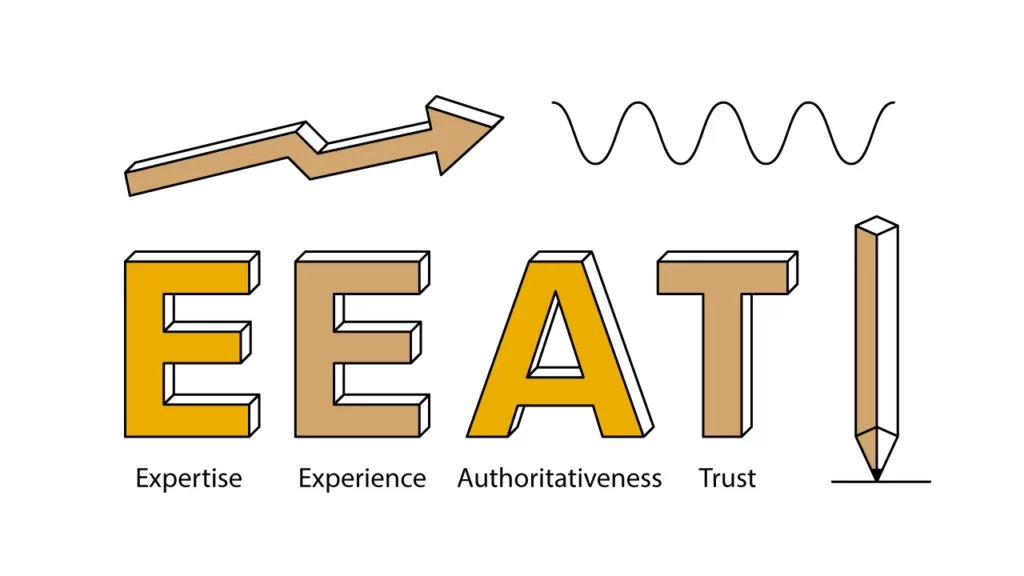
In an age of misinformation and clickbait content, Google emphasises quality over quantity. The search engine giant now focuses on E-E-A-T – experience, expertise, authoritativeness, and trustworthiness – as core components of high-quality web pages.
While E-E-A-T isn't a direct ranking factor, optimising for these elements can boost your visibility in search results. Google utilises human raters to evaluate pages based on E-E-A-T, refining its algorithms and eliminating low-quality results. So, creating content that excels in these areas is a smart SEO strategy.
Expertise seems straightforward: the content creator should have extensive experience and knowledge about the topic. For sensitive subjects, such as medical advice, formal credentials help establish expertise.
However, E-E-A-T also values real-world experience. A mom who has made a recipe 100 times has more expertise than a professional chef making it for the first time.
Building authoritativeness is becoming a trusted, go-to resource on a particular topic. This starts with your website and brand. Creating high-quality content focused on specific keywords can help establish your authority and credibility. However, recognition from external sites also matters – quality backlinks from other authoritative sites help establish your credibility.
Trustworthiness comes from transparency and honest communication. Do other sources vouch for the accuracy and truthfulness of the content? User-generated content, such as reviews, is perceived as more impartial than promotional posts. Being transparent about potential conflicts of interest, such as sponsorships, helps maintain trust.
Optimising for E-E-A-T requires creating value for readers, not just driving clicks. The focus should be on sharing quality information and experiences. The E-E-A-T ratings and search visibility will follow when the content provides that value.
Don't Forget the Helpful Content System
Right, on top of E-E-A-T, you have to get your head around Google's “Helpful Content System”. Look, it's not complicated.
It's a site-wide signal that automatically detects content created solely to generate clicks, rather than genuinely assist a real person.
If the system decides your website is a graveyard of unhelpful, thin content, it can demote your entire site. The whole thing.
It’s a bit of a kick in the teeth, to be honest.
The thing is, Google wants you to write for people, not for robots. Before you publish, ask yourself: Does this page offer genuine insight, or am I merely reiterating what everyone else has already said?
If you’re not adding genuine value, you're playing with fire.
The Main Ingredients: Most Important SEO Factors
These fundamental elements are the main ingredients in your SEO “meal.” Get them right, and your site will have a solid foundation for ranking well.
1 – Page Speed
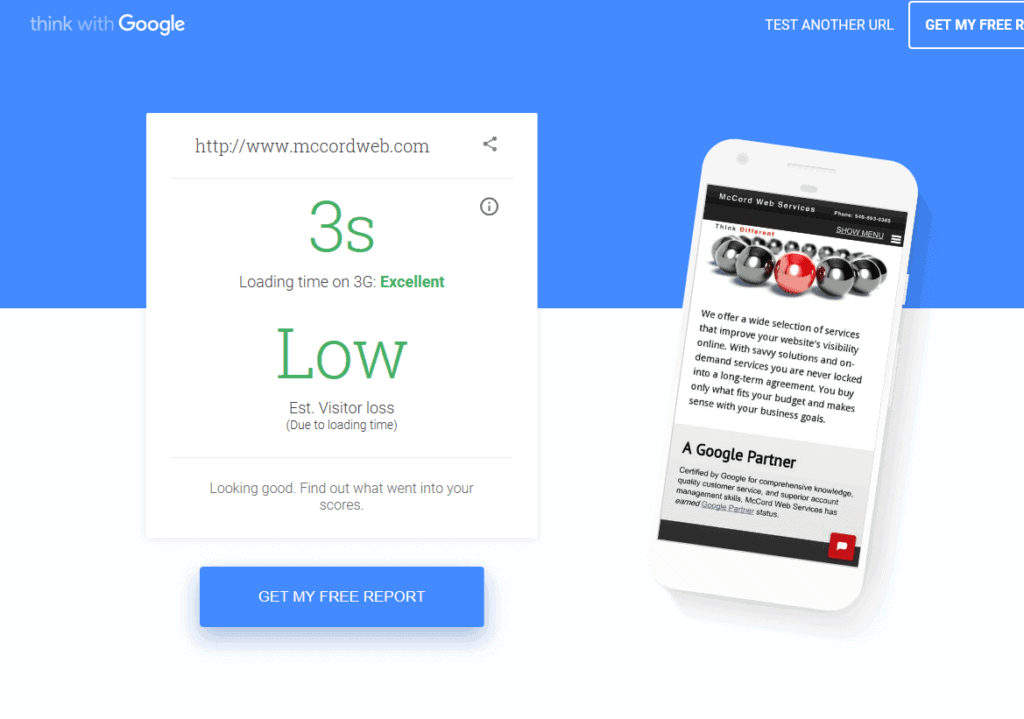
Site speed has become a critical ranking factor. With mobile usage multiplying, Google prioritises fast-loading pages that deliver a positive user experience.
Some stats on why page speed matters:
- 53% of mobile site visitors will leave a page that takes longer than 3 seconds to load. (Google)
- Pages with faster load times can increase conversion rates by up to 38%. (Blogging Wizard)
Tips for improving page speed:
- Optimise images
- Enable caching
- Minimise HTTP requests
- Compress files
- Use a content delivery network (CDN)
Optimising speed should be an ongoing process. Test various tools, such as Google PageSpeed Insights and Lighthouse, to identify areas for improvement. Every bit counts.
2 – Mobile Friendliness
With over 60% of searches happening on mobile devices, having a mobile-friendly site is non-negotiable. If your site isn't optimised for mobile, Google will penalise you in rankings.
Elements of a mobile-friendly site include:
- Responsive design that adapts to different devices
- Tap targets spaced properly for fat fingers
- Page layouts and fonts sized for smaller screens
- Minimal horizontal scrolling
Run your site through Google's Mobile-Friendly Test to catch any issues. Stay up-to-date with changes as Google continually updates its mobile requirements.
3 – Domain Authority
Domain authority measures the strength and trustworthiness of a domain. It's one of the most important off-page ranking factors.
Higher authority sites rank better because Google associates them with expertise and reliability.
Ways to build domain authority include:
- Getting backlinks from authoritative sites
- Producing high-quality content
- Appearing in citation directories like Yelp
- Registering your site on Google Search Console
Check your domain authority monthly to ensure you're on the right track.
4 – Topical Authority
Domain authority is solid, but topical authority is where the real magic happens. It's the difference between being a generalist and being a true master of your craft.
Think of it like this. Your domain authority is your pub's overall reputation.
But topical authority is known as the absolute best place in town for craft beer. You've written about every style, organised it all, and linked it together properly.
When Google sees you've covered a subject inside and out with a network of interlinked articles, it starts to think, “Right, these lot really know their onions.” You become the go-to source.
That's how you start to dominate the search results for an entire category, not just one keyword.
5 – Click-Through Rate
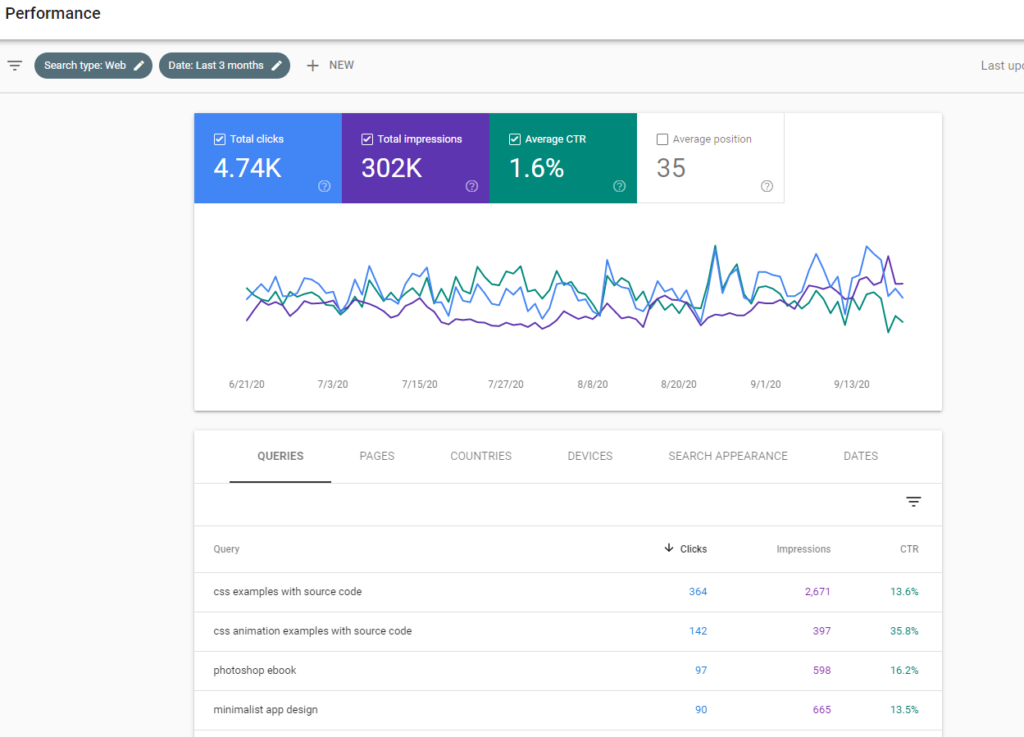
Click-through rate (CTR) refers to the percentage of searchers who click on your listing after seeing it in the search results.
For example, if your listing gets 1,000 impressions and 100 clicks, your CTR is 10%.
A higher CTR indicates that your title tag and description are relevant to the searcher's query. Google wants to reward pages that satisfy search intent.
Tips for improving CTR:
- Include keywords naturally in your title tag and meta description
- Write compelling descriptions that entice searchers to click
- Use headers, bullets, and formatting for scannable content
Analyse your CTR in Google Search Console. Aim for a CTR of at least 2% as a benchmark.
6 – Bounce Rate
Your site's bounce rate is the percentage of visitors who enter your site and then “bounce” back out without engaging further.
A high bounce rate suggests your content isn't resonating with users. This signals low-quality content to Google.
Ways to reduce bounce rate:
- Improve page speed and mobile experience
- Craft compelling headlines and intros
- Break up text with visuals
- Link to related content
- Call visitors to take action
Monitor bounce rate in Google Analytics. A goal of below 50% is a reasonable target for most sites.
7 – Security
Cyber threats are on the rise, so Google aims to direct searchers to secure sites.
Factors that boost security include:
- An SSL certificate to support HTTPS
- Absence of malware, harmful scripts, etc.
- Implementing protections like reCAPTCHA
- Providing a site-wide HTTPS version
Google will warn users if your site seems unsafe. Use the Security Issues report in Search Console to resolve problems.
The Supporting Ingredients: Secondary Ranking Factors
On their own, these elements won't directly skyrocket you up the SERPs. But they can add that extra flavour and nuance to your SEO meal.
8 – Site Architecture
A clean URL structure and site architecture make it easier for search engines to crawl and index your site.
Best practices include:
- Short, descriptive page URLs
- A simple hierarchy using categories and subcategories
- Functional internal linking between related pages
- A sitemap for crawlers to reference
Reorganise your site if the architecture is chaotic. Rename confusing URLs for clarity.
9 – Social Signals
Are real people engaging with your content on social media? Signals like shares, likes, and links indicate popularity.
While social signals carry less direct weight than inbound links, they can still boost your rankings.
Ways to get more social activity:
- Produce shareable content like list posts
- Run social media contests and giveaways
- Enable social sharing buttons
- Promote your content across different platforms
Tools like BuzzSumo and Talkwalker can help analyse your social performance.
10 – Local SEO
For businesses targeting local customers, optimising for local SEO is crucial.
Tactics include:
- Accurate business info across directories like Google My Business
- City, state, and zip mentions throughout the site
- Location-based keywords
- Strong local links and citations
Go beyond just Google My Business. Build local relevance across the web.
11 – Page Experience
Google's Page Experience algorithm looks at layout, load time, and responsiveness. A positive experience keeps visitors engaged.
Core Web Vitals are crucial metrics for measuring page experience. These include:
- Largest Contentful Paint (LCP)
- Interaction to Next Paint (INP) – This one officially replaced First Input Delay (FID) in 2024. All it means is how quickly your page reacts when someone clicks or taps something. A laggy site feels broken, and Google penalises that.
- Cumulative Layout Shift (CLS)
Use tools like PageSpeed Insights to measure and improve Core Vitals. Faster, mobile-friendly sites rank better.
12 – Keyword Usage
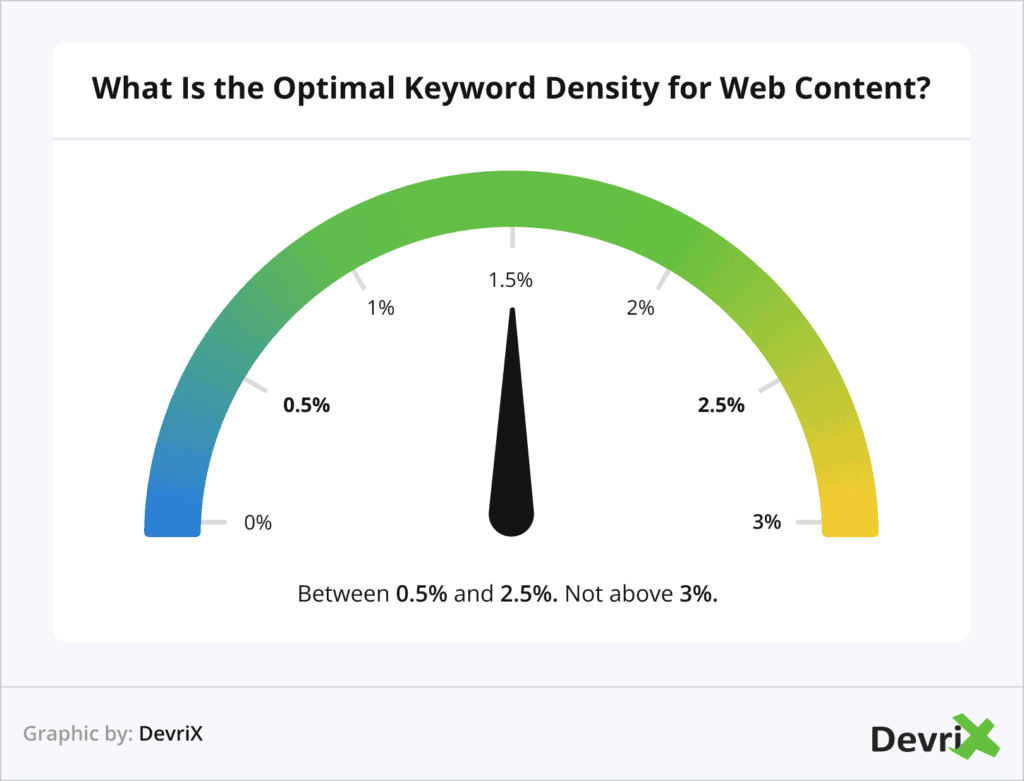
Using keywords in headers, content, URLs, and other relevant areas helps search engines understand the topic of your page. But stuffing keywords for manipulation gets penalised.
However, here's the part that most people get wrong. It's not just about what keywords you use; it's about matching the search intent.
You have to get inside the searcher's head. What are they actually trying to achieve?
Are they just looking for information (‘Informational')? Or trying to find a specific website (‘Navigational')?
Maybe they're comparing products before they buy (‘Commercial'), or are they ready to pull out their wallet right now (‘Transactional')?
If someone searches “buy running shoes” and you serve them an article on the history of footwear, you've completely missed the mark, mate. Nail the intent first, and your keyword strategy will fall into place naturally.
Tips for good keyword usage:
- Do keyword research to find relevant terms
- Use your primary keywords in strategic places like titles and headings
- Include semantic keyword variations like synonyms and questions
- Mention long-tail versions of keywords in content
Aim for a keyword density between 1-3% as a natural integration.
Stirring the Pot: Bringing It All Together
Getting your site to rank isn't as simple as throwing SEO “ingredients” into a bowl. You need to carefully combine elements for a cohesive recipe.
Here are some fundamental principles for integration:
- Build a mobile-friendly site architecture from the ground up
- Produce content optimised for both searchers and real users
- Earn backlinks slowly and steadily from trustworthy sites
- Monitor speed and core vitals as you scale pages
- Use keywords naturally without over-optimising
- Leverage social signals to complement quality content
SEO is a marathon, not a sprint. Consistency, patience, and persistence pay off. Your organic growth will steadily climb with the proper focus on the highest-impact factors.
Now get cooking! Use this guide as your SEO recipe book for 2026. Master and combine the ingredients artfully; your site will be well on page one.
FAQs About Core SEO Ranking Factors
Still hungry for more knowledge? Here are answers to common questions about the key factors that influence search engine rankings:
What is the #1 ranking factor for SEO?
While many factors matter, page speed and mobile optimisations are arguably the most important currently. Slow, clunky sites underperform in rankings.
How much does content quality impact rankings?
High-quality, well-structured content signals expertise and satisfies user intent. Thin or copied content does the opposite, so quality matters a lot.
What are some easy, quick wins for better SEO?
Quick boosts can come from improving site speed, fixing mobile issues, updating page titles and meta descriptions, and refreshing stagnant content.
How long does it take to see SEO results?
Expect a lag time of 3-6 months for foundational technical SEO to have a potential impact on rankings. Good content and links take longer to accumulate results over time.
How can I track my SEO performance?
Use Google Search Console, Google Analytics, and third-party tools to monitor rankings, traffic, links, speed, user engagement, and more. Analyse results monthly.
The Final Dish: Your Path to SEO Success
Well, there you have it! We've covered the essential recipe for solid SEO rankings.
By focusing on core factors like speed and user experience while also utilising supporting elements, you can climb from recipe rookies to SEO masters.
Don't let the process intimidate you. Step by step, stick to the fundamentals, monitor your results, and keep testing and learning.
SEO is an ever-changing field. Google's algorithm will always reward sites that satisfy users' search needs. Craft your content intentionally, build authority naturally, and you'll be cooking with gas in no time.
Now, you've got all the ingredients for SEO success in 2026—it's time to get your chef's hat on and start whipping up search engine magic.