Circular Branding: How to Build for a Reuse-First Economy
The linear “take-make-waste” model is dead. Discover how circular branding creates resilience, customer loyalty, and long-term equity by designing for reuse, repair, and regeneration.
Branding has the power to shape culture. This category explores the intersection of design, ethics, and the future. We look at how brands can navigate Sustainability and social responsibility in a changing world.
Explore topics on Inclusive Design, Ethical Marketing practices, and avoiding Greenwashing. We also look ahead to Future Trends, including branding for the Metaverse, Web3, and the evolving expectations of Gen Z and Alpha consumers.
The linear “take-make-waste” model is dead. Discover how circular branding creates resilience, customer loyalty, and long-term equity by designing for reuse, repair, and regeneration.
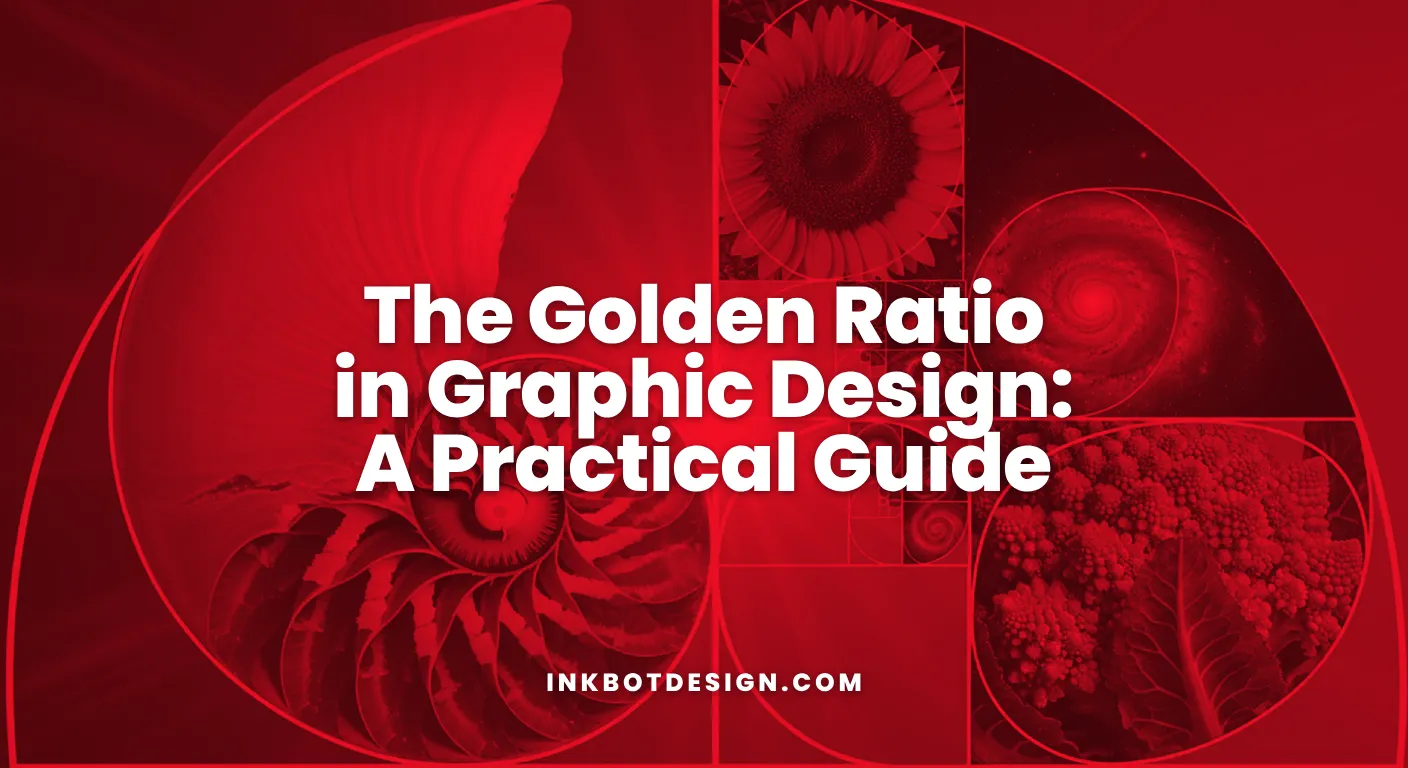
The Golden Ratio isn’t just an art school buzzword; it is a practical tool for creating visual harmony. We cut through the mysticism of 1.618 to show business owners exactly how to apply this rule to typography, grid systems, and logo design for results that simply “feel right.”
Why does your logo look “fuzzy” on a flyer? Why did your printer reject your file? The answer is “Vector vs Raster.” This is the one technical concept every business owner must understand. We ditch the jargon and give you the real-world, practical answers you need.
As a business owner, understanding why design evolved from Victorian clutter to digital clarity is a powerful tool. Learn how to stop chasing trends and build a brand that lasts.
Choosing your brand’s colour isn’t about picking a “trustworthy” or “passionate” hue from a blog list—it’s a strategic weapon. This no-nonsense guide for entrepreneurs shows you how to use colour psychology in graphic design to differentiate from competitors, avoid costly mistakes (like the Tropicana disaster), and build a brand that actually stands out.
Think Modernism is just for dusty art books? Think again. It’s the secret behind Apple’s minimalism, Google’s clarity, and every successful corporate identity you trust. We’re going to show you how these 100-year-old principles of “boring” design are the key to building a brand that customers actually understand, trust, and buy from.
We dig into the real history of Swiss Design, from its grid-obsessed masters to its modern-day use in the app in your pocket, and show you how to use its principles to build a more trustworthy, professional brand.
The problem isn’t a lack of inspiration; it’s your process. As a design consultant, I’ve seen countless businesses fall into the “inspiration trap.” Here’s the hard truth about where to really find ideas that build a powerful brand, starting with your strategy.
Maximalism is a powerful branding strategy for businesses brave enough to be memorable. This guide breaks down the core principles of controlled chaos, helping you decide if going big is right for your brand and showing you how to do it without looking amateurish.
Stop guessing with your brand’s design. This practical guide breaks down the essential design elements and principles every entrepreneur needs to know, with real-world examples and a checklist you can use today.

Our brand design systems have helped 300+ businesses increase their prices by an average of 35% without losing customers. While others chase trends, we architect brand identities that position you as the only logical choice in your market. Book a brand audit call now - we'll show you exactly how much money you're leaving on the table with your current branding (and how to fix it).