Internal Brand Launch: Getting Partners to Use the New System
A rebrand is only useful when employees can apply the new identity to everyday client work. For professional services firms, partner adoption depends on accessible templates, practical training, clear permissions and leadership accountability. An internal launch must make approved brand assets easier to use than the outdated documents people already rely on.



On this page9 min left
- How Do You Launch a New Brand Internally?
- 1. Prepare the Brand System Before Announcing It
- 2. Give Partners a Reason to Change
- 3. Make the Approved System Easier to Use Than the Old One
- 4. Train Teams Around Real Client Work
- 5. Make Partners Accountable for Using the New Brand
- 6. Retire the Old Brand Without Disrupting Client Work
- The New Brand Must Work on Monday Morning
- Questions people ask
A service company may take months to create a new corporate identity for itself, get approval from the partners, and make an announcement to employees, yet still see the old PowerPoints, proposals, and letterheads being used after six weeks.
Internal brand launch is geared towards preparing employees for using the brand in their work.
Success is dependent on having accessible tools, usable templates, clear permissions and leaders who adhere to the same set of rules as others.
McKinsey & Company's organisational transformation research found that transformations were 5.3 times more likely to succeed when senior leaders role-modelled the behavioural changes they expected employees to make.
A new identity needs a working system behind it. Here is how to prepare one.
How Do You Launch a New Brand Internally?

An effective internal brand launch prepares employees to apply the new positioning, visual identity and communication standards consistently in their everyday work.
The process involves preparing the brand system, explaining the commercial reason for the change, providing accessible assets, training employees, establishing partner accountability and retiring outdated materials.
Three requirements determine whether the process works:
- Employees must be able to find and use approved brand assets.
- Partners must demonstrate the behaviour expected from their teams.
- Someone must own permissions, exceptions, updates and technical support.
An internal launch should be treated as an operational component of the wider brand identity strategy, supported by a well-planned brand rollout.
The objective is straightforward: employees should be able to produce client-facing material using the new identity without having to guess which version is correct.
1. Prepare the Brand System Before Announcing It
A firm should not announce a new identity until employees can access the materials needed to use it.
Take a 100-person professional services practice. The marketing team has approved the new logo and completed the brand guidelines, but the PowerPoint templates are still being developed, and the Word documents remain in the old format.
Announcing the change at that point creates an avoidable operational problem. Employees know the old system is being retired but cannot yet use the replacement.
Set a readiness gate before the announcement:
- Approved master templates are available.
- Employees can access the asset library.
- Department managers know where to find instructions.
- IT has tested permissions and application compatibility.
- A named person can resolve template problems.
- Old materials have a documented retirement plan.
The announcement date should follow operational readiness, not determine it.
Before launch, assign responsibility for each asset category.
Responsibility | Accountable owner |
|---|---|
Brand strategy and positioning | Executive sponsor |
Visual identity and guidelines | Brand lead |
Document and presentation templates | Marketing or design lead |
Asset access and permissions | IT or system administrator |
Employee training | Department managers |
Exceptions and approvals | Named senior brand owner |
A firm preparing for a post-merger rebrand may also need to account for legacy business names, departmental documents and inherited client materials. An organically growing practice may have fewer legacy complications, but still needs an agreed inventory before announcing the change.
2. Give Partners a Reason to Change
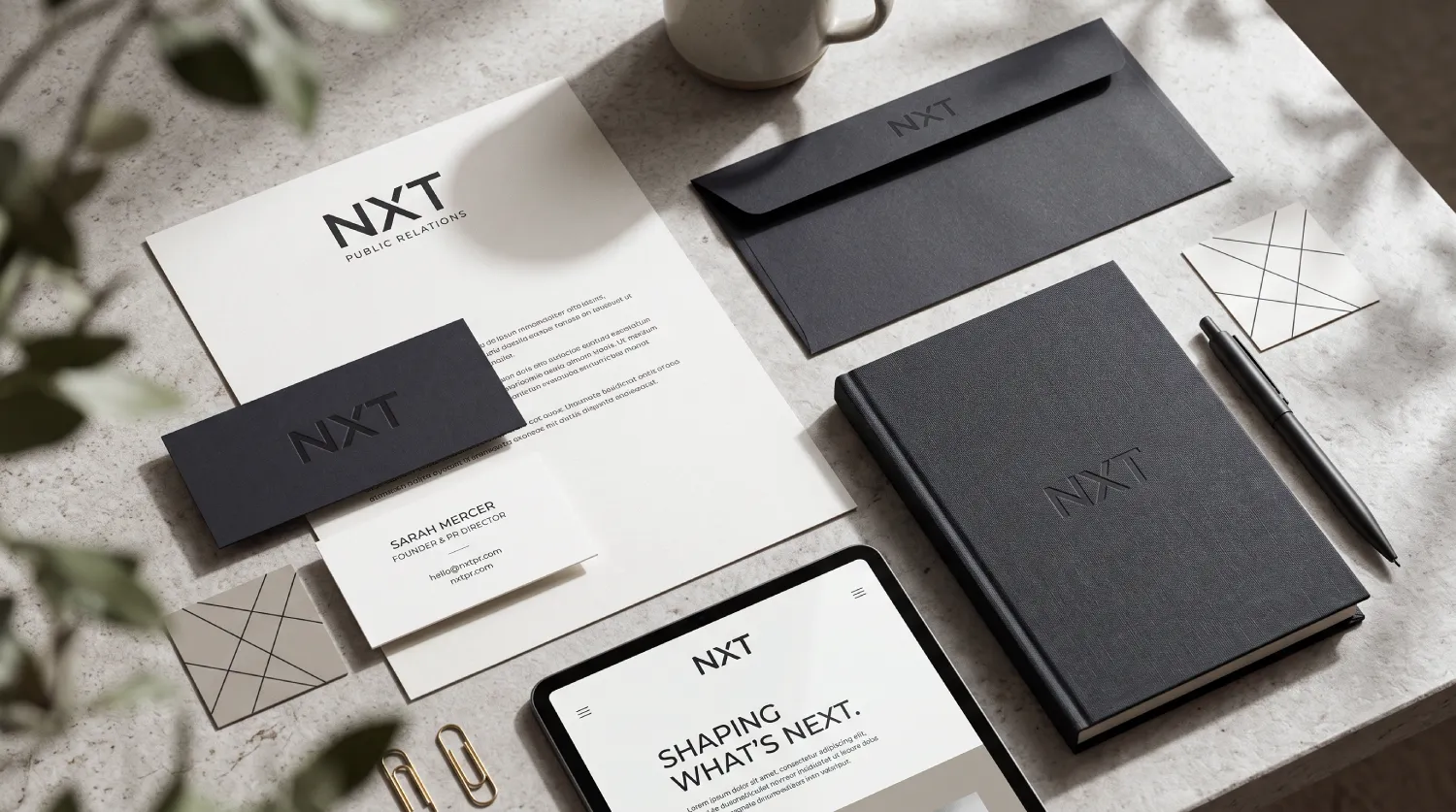
Employees need to understand why the organisation has changed its brand and what the new direction means for their work.
A presentation showing the new logo, colour palette and typography is not enough. Partners need to understand the commercial decision behind the identity.
For example, a 70-person accountancy practice repositioning towards larger corporate clients might be moving away from a generalist market position. The new brand could place greater emphasis on corporate advisory, transaction support and specialist expertise.
That change should influence the language partners use when introducing the business, describing its services and preparing proposals.
Explain four things:
- Why the change happened: What commercial problem or opportunity prompted the rebrand?
- What changed: Which positioning, messaging and visual identity elements are different?
- What remains: Which existing strengths, services and relationships should employees continue to communicate?
- What employees must do: Which documents, messages and working practices need updating?
Gallup's research into leadership and organisational change reported that only 18% of employees strongly agreed that their leaders helped them understand how changes made today would affect their organisation. Gallup also reported that employees were 11 times as likely to believe their leaders provided a clear vision when managers actively supported change (Gallup, 2023).
These figures concern organisational change generally, rather than branding specifically. They reinforce the need to give managers enough information to explain the decision and its practical implications.
3. Make the Approved System Easier to Use Than the Old One
A brand system will struggle to gain adoption if employees have to work around it.
Consider the difference between telling 100 employees to use approved presentation templates and giving those employees a presentation template that opens correctly, contains editable layouts and works with their existing software.
The second instruction has a fighting chance.
The six operational questions below should be answered before the launch.
Where are the approved assets and templates?
Employees need one recognised location for approved brand materials.
That might be a controlled SharePoint library, an internal brand portal or a digital asset management system. The technology matters less than the ownership and organisation.
A sensible structure might contain:
Folder | Contents |
|---|---|
01 Brand Guidelines | Identity rules, typography, colours and usage |
02 Presentations | Approved PowerPoint templates |
03 Documents | Word reports, proposals and letters |
04 Marketing | Social graphics, brochures and promotional assets |
05 Logos | Approved logo files and variations |
06 Photography | Approved images and illustrations |
Each file should have an identifiable owner, version or approval status.
Avoid distributing final assets through email attachments. Employees will save local copies, forward them and eventually work from outdated versions.
The approved location must be easier to find than an old attachment.

Can non-designers use the templates?
Yes, provided the templates are designed around the software and skills employees already possess.
A partner preparing a proposal should not need Adobe InDesign or specialist design knowledge to produce a branded document.
Templates should contain editable text areas, defined image placements, appropriate layouts and clear instructions. Typography, colour treatments and logo positioning should remain consistent without requiring employees to understand the underlying design system.
Test the templates with people who did not create them.
Ask a partner, administrator and junior consultant to produce the same document. Observe where they struggle.
If three employees interpret the same template differently, the template needs attention.
Can employees work inside their existing applications?
Where practical, yes.
If the firm already uses Microsoft Word and PowerPoint, employees should be able to produce approved materials in those applications rather than having to learn an entirely new production process.
The same consideration applies to Google Workspace or other established business applications.
There are exceptions. Highly designed annual reports, complex publications and specialist marketing materials may require professional design software. Those tasks should remain with appropriately skilled people.
For everyday documents, the objective is to remove unnecessary friction.
Inkbot Design's guidance on presentation design for professional services firms is relevant when establishing a consistent system for client-facing presentations.
How should permissions and version control work?
Not every employee needs permission to change every brand asset.
A practical permissions structure separates everyday use from system administration.
User | Recommended permissions |
|---|---|
All employees | Access approved templates and assets |
Department managers | Access departmental working materials |
Marketing team | Update approved content and distribute assets |
Brand owner | Approve identity changes and new master templates |
IT administrator | Manage access, storage and technical permissions |
Use one clearly identified master version of each template.
Retired files should be removed from ordinary access or clearly marked as obsolete. Employees should not have to guess whether a document labelled FINAL_v3 or FINAL_v3_UPDATED is the correct version.
For a firm with multiple offices, access should work consistently across locations. Remote employees should not receive a different collection of files from their colleagues in the head office.
What happens when a template breaks?
Every internal brand system needs an identified support route.
A PowerPoint template may behave differently on another machine. Fonts may be unavailable. A Word document may lose its formatting when somebody copies content from an older file.
Employees need to know where to report these problems and who will resolve them.
Establish:
- One named contact or support channel.
- A process for reporting broken templates.
- A temporary approved workaround.
- A responsible person for correcting master files.
- A method of notifying users when a corrected version becomes available.
Do not expect employees to repair master templates themselves.
A broken document is an operational problem, not an employee-training failure. Fix the source file and distribute the corrected version.
4. Train Teams Around Real Client Work

Employee training should end with a practical demonstration that the new system works for the tasks each department performs.
A partner should be able to produce a proposal. A business development employee should be able to prepare a presentation. An administrator should be able to create correspondence using the approved document template.
Use a simple completion test:
- Find the approved template without assistance.
- Open it in the normal business application.
- Replace the example content with real working material.
- Export or save the document correctly.
- Identify where to report a problem.
Record which employees complete the task and where difficulties occur. A failed test should trigger a template correction or further training, rather than an assumption that the employee has ignored the guidelines.
The organisation can then distinguish a skills problem from a defective template.
5. Make Partners Accountable for Using the New Brand
Partner adoption is the real test of an internal brand launch.
Professional services firms have an additional complication: partners frequently control client relationships, business development and significant commercial decisions. A junior employee may follow the new identity guidelines perfectly, while a senior partner continues to use a presentation developed several years earlier.
That creates a problem of authority.
McKinsey & Company's transformation research found a relationship between leadership role-modelling and reported transformation success. Leaders who demonstrated the behavioural changes expected from employees were associated with a 5.3-times greater likelihood of transformation success. The finding supports leadership accountability, although it does not directly measure brand compliance.
For a professional services firm, this means senior partners should use the approved proposal templates, follow the new messaging and direct their teams towards the correct assets.
The rules must apply consistently.
Who can approve an exception?
Not every client document should look identical.
A major tender submission, a specialist legal document, or a complex technical report may require a different layout. A client may also impose formatting requirements that take precedence over the firm's preferred presentation.
The answer is an agreed exception process.
Establish three categories:
- Approved variation: A recognised alternative layout that employees can use without additional permission.
- Authorised exception: A departure from the standard system approved by the designated brand owner.
- Unapproved alteration: A change to the identity, messaging or master templates without permission.
A 12-partner hypothetical consultancy might allow its corporate advisory team to use an approved technical report layout while requiring approval before creating an entirely different logo treatment.
That preserves flexibility without allowing every partner to develop a personal version of the firm's identity.
The managing partner should communicate the policy and personally follow it.
How do you measure actual adoption?
Do not use launch attendance or positive feedback as the primary measure of success.
Measure whether employees can actually use the new system.
A practical adoption review should examine:
- Whether employees can locate approved assets.
- Whether staff can produce documents using the templates.
- Whether current proposals use approved messaging.
- Whether outdated materials remain in circulation.
- Whether employees know how to request support.
- Whether exceptions are recorded and authorised.
A short employee test can reveal problems that a launch survey will miss.
Ask five employees from different departments to locate a current template, open it, edit it and produce a client-facing document. Record the points where they struggle.
This is a usability check, not a statistically representative measure of adoption.
6. Retire the Old Brand Without Disrupting Client Work

Retiring an old identity requires a document-by-document decision.
New proposals, presentations, marketing materials and correspondence should use the approved identity from the agreed implementation date.
Active client engagements need more care. An existing signed agreement, historical report or previously issued professional document should not be casually rewritten because the firm's visual identity has changed.
Separate the document inventory into three groups:
- New material that must use the new identity immediately.
- Active material that should be updated at an appropriate revision or contractual milestone.
- Historical material that must be retained for legal, professional or operational reasons.
Assign an owner and retirement date to each obsolete template. Restrict access to archived materials so employees cannot accidentally reuse them.
The organisation should never confuse visual consistency with permission to alter historical records.
Inkbot Design's brand rollout cost guide provides a useful starting point for estimating implementation costs.
The New Brand Must Work on Monday Morning
The real test of an internal launch is whether a partner can prepare a client-ready proposal using the new identity without relying on an old presentation or asking colleagues where the correct template lives.
The organisation should test that process before announcing the new brand across the business.
If employees cannot find, edit or correctly apply the approved assets, the launch is not operationally ready. Fix the system before expecting people to adopt it.
A new identity needs more than approval. It needs a working route into everyday client delivery.
If your business is preparing for a rebrand, Inkbot Design offers a free Brand Equity Audit™. The structured diagnostic identifies where your brand may be losing commercial ground and what needs attention before implementation.
Questions people ask
When should employees be told about a company rebrand?
Employees should receive an internal briefing before the public announcement, once the organisation has approved the positioning, identity and implementation plan. Managers should be briefed first so they can answer questions. The approved templates, assets and support arrangements should be ready before employees are expected to use the new identity.
Should employees be involved in a rebrand?
Yes. Employees should have opportunities to provide feedback at the appropriate stages of a rebrand, particularly when changes affect customer interactions or day-to-day working practices. However, final responsibility for the positioning and identity should remain with the organisation's authorised decision-makers.
How do you get senior partners to adopt a new brand identity?
Senior partners should use the approved brand materials themselves, demonstrate the new positioning in client conversations and follow the agreed approval process. The organisation should apply the same identity standards to senior leadership and junior employees, with documented exceptions where commercial or technical requirements justify them.
How can employees access brand templates without design software?
Employees can use editable Microsoft Word, PowerPoint or other approved application templates stored in a central, permission-controlled location. Templates should contain predefined layouts and editable content areas. Specialist design software should remain available for complex publications and marketing materials that require professional production.
Who should manage an internal brand launch?
A named executive sponsor should oversee the launch, with support from a brand owner responsible for identity standards and asset approvals. Marketing, IT and department managers should have defined responsibilities for templates, permissions, employee training and technical support. The final approval authority should be clear.
How do you know whether employees are using the new brand correctly?
Review current client-facing documents, test whether employees can find and edit approved templates, check for obsolete materials and record unauthorised variations. Employee surveys can provide additional context, but actual document use provides more direct evidence of whether the system is being applied.