Brand Sponsorship: The Four-Layer B2B Activation Guide
Corporate brand sponsorship frequently fails professional services firms through unaligned rights fees and non-existent activation strategies. This guide introduces the Four-Layer Brand Sponsorship Activation Framework, establishing how CEOs and managing directors can convert corporate sponsorships into highly measurable, scalable growth vehicles ahead of major company acquisitions or market repositioning.
 By Stuart Crawford
 Reviewed by Tabitha Ayers
Updated 10 min read
On this page10 min left
Corporate brand sponsorship without a dedicated, equal-value activation budget is a direct transfer of capital from your balance sheet to the property owner with zero guaranteed return for your business.
Most professional services firms waste six figures on rights fees while leaving their internal brand identity completely unaligned to support the investment.
When professional services firms prepare for a major strategic rebrand ahead of a growth phase or an acquisition, marketing line items come under intense board scrutiny.
Brand sponsorship assets are often the first to be questioned, primarily because executive leaders treat them as corporate vanity projects rather than performance-driven commercial investments.
A study by the World Federation of Advertisers (WFA) found that 43% of brands do not know what they are spending on sponsorship activation, and 39% spend less on activation than on rights fees. This disconnect exposes businesses to severe financial inefficiency.
When multi-million-pound decisions rely on gut feeling, corporate growth plateaus.
Successful mid-market firms integrate corporate partnerships into comprehensive digital marketing services to ensure every pound invested in rights fees works to convert prospects, build authority, and establish long-term market differentiation.
What Is Brand Sponsorship?
Brand sponsorship is a strategic commercial partnership in which an organisation pays a rights fee to access a property’s audience and assets. This corporate interaction shifts a brand from a standard advertiser into an active participant within a specific cultural, sports, or business ecosystem.
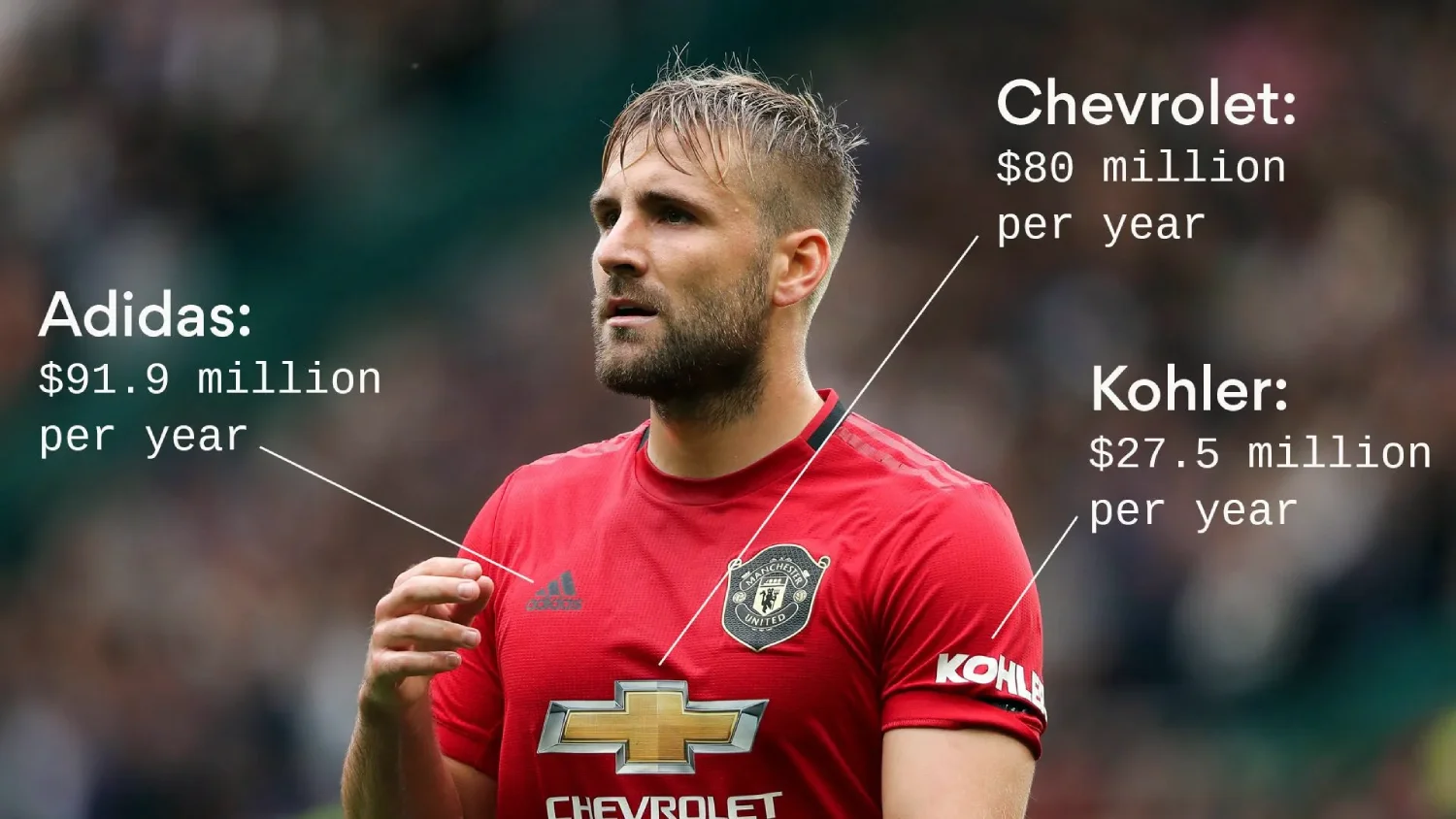
- Rights Fee Acquisition: The baseline financial commitment required to legally secure association rights, trademarks, and premium inventory from the property owner.
- Strategic Asset Activation: The deliberate deployment of marketing campaigns, content, and events to turn abstract intellectual property rights into concrete client engagement.
- Closed-Loop Measurement: The structured tracking of pipeline value, brand metrics, and audience conversion to prove definite financial returns from the investment.
Brand sponsorship is a strategic commercial partnership in which an organisation pays a rights fee to access a property’s audience and assets.
The Financial Reality of Modern Brand Sponsorship
Executive leaders frequently mistake the acquisition of sponsorship rights for the execution of a sponsorship strategy. Signing the contract merely grants a licence to market; it does not perform the marketing itself.
In the same World Federation of Advertisers material, sponsorship spending was described as averaging 11% of a brand’s marketing budget, underscoring sponsorship's role in the wider marketing mix.
For a professional services business employing 50–200 people, committing more than a tenth of total marketing capital to a single partnership without an activation plan is dangerous.
The Activation Ratio Trap
An industry article based on material from the World Federation of Advertisers and Lumency reported a global average activation ratio of 0.81:1 among sponsors that knew their activation spend, meaning they invested £0.81 of activation for every £1.00 of rights-fee spend.
The same source said only 18% of sponsors were spending at an activation ratio of 1:1 or higher. This data highlights a fundamental structural flaw in corporate marketing execution.
When a mid-market professional services firm spends £100,000 to partner with an industry association or regional event but only allocates £20,000 to activate that relationship, the partnership remains practically invisible to the broader market.
To drive enterprise value ahead of an acquisition or market repositioning, the activation ratio must meet or exceed 1:1. Buying the rights simply secures the competitive terrain; activating the rights is what wins the market.
Brand Metrics and Revenue Gains
Investing properly in brand alignment generates clear commercial advantages when scaled across an audience. Nielsen reported that, in an analysis of 100 sponsorships across seven markets and 20 industries, sponsorships drove an average 10% lift in purchase intent among the exposed fan base.
For professional services firms handling high-value contracts and extended sales cycles, a 10% shift in buyer intent fundamentally alters revenue forecasting.
Nielsen also said its experience base shows that a 1-point gain in brand metrics such as awareness and consideration drives a 1% increase in sales.
When firm infrastructure links corporate partnerships directly to client consideration pathways, marginal gains in brand equity reliably produce top-line growth.
“Investing capital into corporate sponsorship rights fees without reserving an equal budget for strategic market activation is a clear operational failure. A corporate brand cannot extract enterprise value from a silent partnership. Executive leadership teams must mandate a strict 1:1 activation-to-rights spend ratio to ensure corporate partnerships function as genuine growth engines rather than unmeasured balance-sheet liabilities.
The Outdated Myth of Logo-First Sponsorship
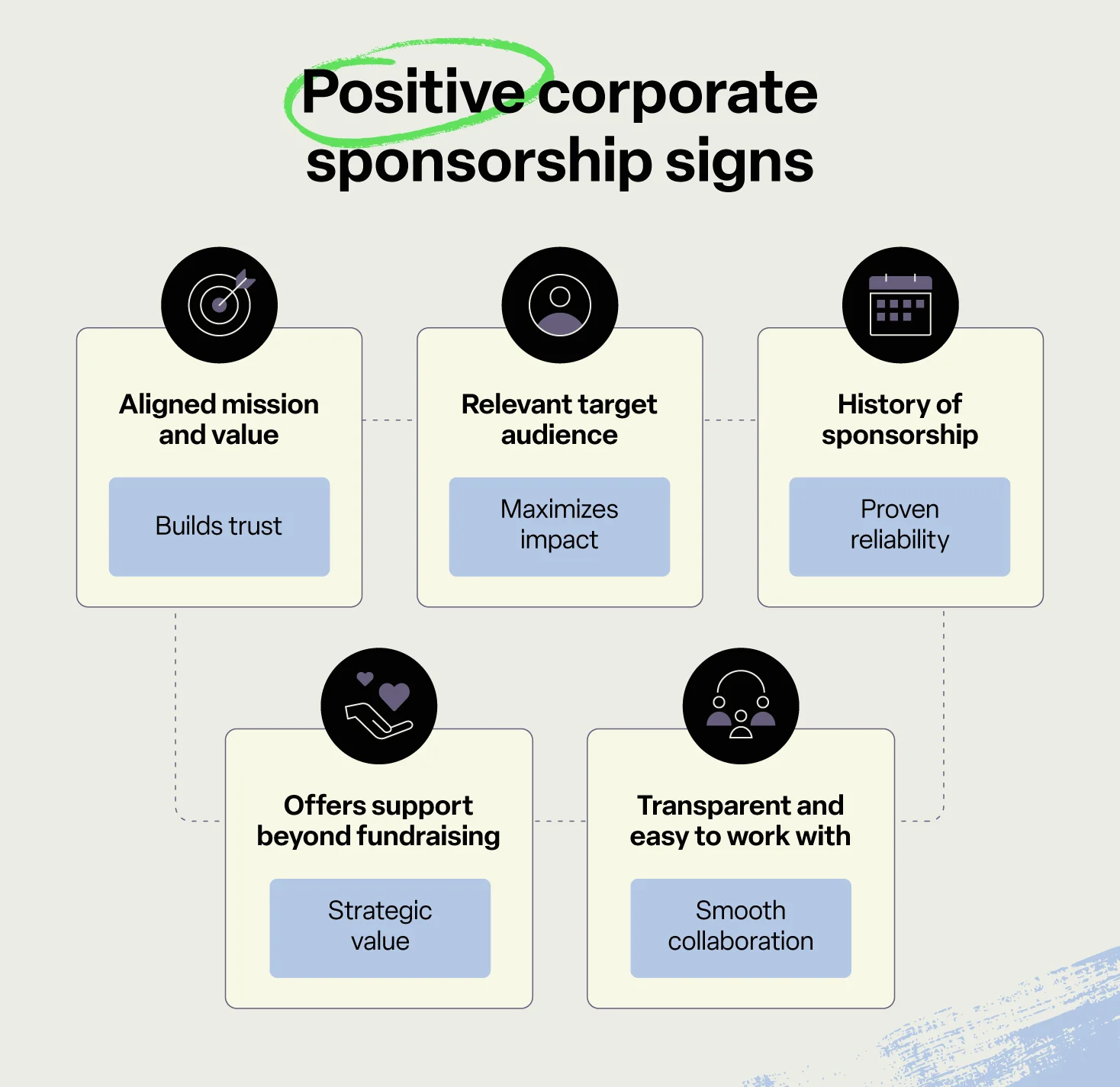
The traditional approach to corporate sponsorship assumes that placing a corporate logo on a physical asset or a digital banner automatically creates commercial value. This outdated methodology values raw impressions over genuine brand equity.
Why Logo Placement Reached Consensus
Historically, displaying a corporate name across a stadium billboard or an exhibition brochure sufficed because buyers faced fewer market distractions. Consolidated media channels and regular logo visibility established a basic level of corporate stability.
Why Logo-First Systems Fail
Forrester Research reported that 76% of U.S. consumer marketers who invested in sports sponsorships in 2024 struggled to calculate ROI. Static visual presence fails to communicate complex corporate capabilities or distinct positioning to sophisticated B2B buyers.
The logo placement lacks the necessary semantic depth to explain why a managing director should choose one consultancy over a direct competitor in a high-stakes corporate rebrand.
The Replacement Directive
Executive leaders must eliminate logo placement as a primary key performance indicator for corporate partnerships. All future corporate sponsorships must be structured around direct asset integration, proprietary content distribution, and client conversion campaigns.
The Four-Layer Brand Sponsorship Activation Framework
To modernise corporate partnerships and ensure measurable business returns, Inkbot Design deploys the Four-Layer Brand Sponsorship Activation Framework. This operational structure transforms passive rights into active business development pipelines.
Layer | Activities |
|---|---|
Commerce Layer | Closed-Loop Account-Based Marketing, Audits |
Identity Layer | Co-Branded Assets, Bespoke Event Frameworks |
Distribution Layer | Targeted Client Channels, Digital Marketing |
Content Layer | Thought Leadership, Executive Insights |
Layer 1: The Content Layer
The Content Layer converts raw corporate partnership access into high-value thought leadership assets.
Instead of relying on general event brochures, firms must produce deep, industry-specific insights, white papers, and expert analysis alongside the partner organisation.
This layer ensures that the association establishes genuine intellectual authority rather than mere visual visibility.
Layer 2: The Distribution Layer
The Distribution Layer ensures that co-created insights reach designated high-value accounts through precise marketing channels.
Firms must leverage their digital marketing services infrastructure to target the precise audience segments connected to the corporate partnership asset.
This process moves the relationship beyond the physical venue and embeds it directly into the digital feeds of target buyers.
Layer 3: The Identity Layer
The Identity Layer integrates the corporate partnership into the firm's core visual and semantic messaging.
This requires developing unified event branding materials and coordinating targeted executive branding initiatives for key leadership figures.
The firm's visual identity must explicitly showcase the partnership across all corporate touchpoints, ensuring the investment actively enhances market positioning during a rebrand.
Layer 4: The Commerce Layer
The Commerce Layer links the corporate partnership directly to the business development pipeline. Firms must execute focused account-based marketing campaigns that use partnership assets to secure direct sales meetings.
This final layer converts audience attention into measurable proposals, ensuring the partnership operates as a verifiable pipeline driver.
“A corporate sponsorship asset only achieves commercial viability when deployed across a unified, four-layer activation model. Firms that isolate partnership marketing from their core content distribution channels inevitably drop out of buyer consideration sets. True brand activation requires connecting corporate identity directly to modern client acquisition pipelines.”
The Evolving State of Brand Sponsorship in 2026
The corporate partnership ecosystem requires data-driven verification, precise multi-channel distribution, and advanced operational execution.
Forrester Research found 39% of B2C marketing executives planned to increase investment in large-scale sports sponsorships in 2025, while 28% planned to enter the space for the first time.
As corporate capital floods these competitive environments, mid-market B2B firms must alter how they manage their smaller, highly focused partnership portfolios.
From Channels to Integrated Platforms
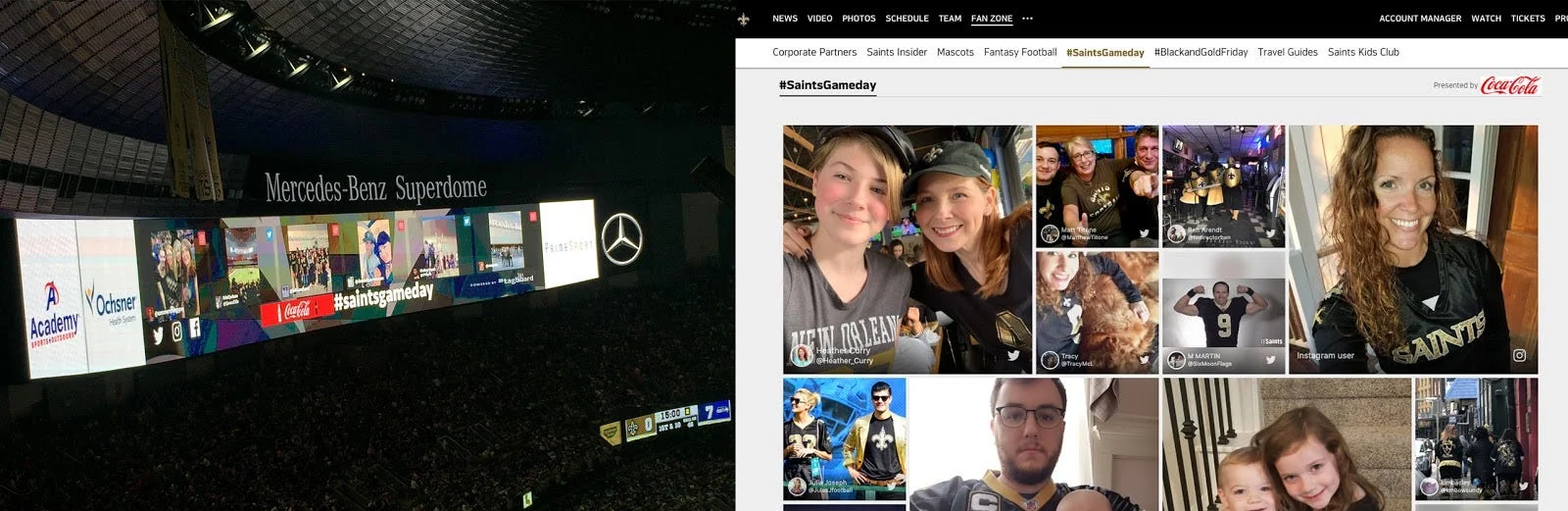
Sponsorship is increasingly being treated as a platform, not just a channel, meaning brands are expected to activate across content, distribution, identity, and commerce rather than rely on logo placement alone.
A corporate partnership must serve as an overarching theme that ties together a firm’s entire marketing engine. Instead of operating as an isolated line item, the partnership should provide the narrative foundation for your digital campaigns, client events, and market positioning.
Rising Measurement Demands
Measurement pressure is rising, with 2026 commentary repeatedly saying CMOs want better proof of ROI and sponsorship teams are being pushed toward more sophisticated reporting.
Standard vanity metrics like “estimated media value” or “gross impressions” no longer satisfy board directors during a strategic corporate restructuring.
Modern marketing operations must trace clear attribution paths from initial partnership touchpoints directly to final signed contracts.
Brands are moving from awareness-only sponsorship goals toward sales and performance outcomes, especially where sponsorship can be linked to closed-loop measurement systems.
Artificial Intelligence and Workflow Acceleration
AI is becoming part of the sponsorship workflow, from creative versioning to campaign ops and personalisation, which changes how fast activations can be built and tested.
Professional services firms can now use advanced automation tools to create hyper-targeted variations of co-branded content for specific buyer personas in a fraction of the time it previously took.
This operational velocity enables firms to run real-time, context-driven campaigns throughout the lifecycle of an industry partnership or a major corporate event.
Evolving Landscapes and Emerging Assets
Live sports and major tentpole events are pushing the industry toward stronger streaming, ad delivery, and cross-platform measurement capabilities.
At the same time, women’s sport continues to be framed in 2026 as a growth engine rather than just a brand-safety or values play, offering premium engagement opportunities for firms seeking high-growth brand alignment.
Additionally, community-based sponsorships are being positioned as more formal, measurable assets inside modern sponsorship portfolios, allowing mid-market firms to demonstrate local impact while capturing clear, data-driven brand attribution.
The Strategic Alignment Evaluation
Decision Point | The Wrong Way | The Right Way | Why It Matters |
|---|---|---|---|
Budget Allocation | Committing 90% of funds to rights fees and 10% to collateral. | Maintaining a strict 1:1 activation-to-rights spend ratio. | Low activation spending keeps partnerships invisible to buyers. |
Performance Tracking | Measuring success via impressions and loose media value. | Using closed-loop tracking linked directly to the CRM pipeline. | Board directors require financial proof of ROI during growth phases. |
Brand Architecture | Keeping the corporate partnership separate from day-to-day marketing. | Integrating the asset into core digital marketing services. | Disconnected campaigns fragment market authority and confuse prospects. |
Visual Deployment | Plastering standard logos onto generic event signage. | Engineering bespoke event branding touchpoints. | Generic logo placement fails to communicate core corporate capabilities. |
Leadership Involvement | Leaving executives completely absent from partnership events. | Deploying targeted executive branding campaigns. | Managing directors need visible positioning to win enterprise accounts. |
Targeting Model | Blasting messages out to broad, unsegmented event audiences. | Running precise account-based marketing initiatives. | B2B professional services depend entirely on converting high-value niche buyers. |
“A corporate partnership that requires a disclaimer to explain its business value is an operational failure. Executive leadership teams must subject every single brand sponsorship asset to rigorous, data-driven alignment reviews. If a partnership does not actively drive client pipeline acquisition, it has no place in a modern professional services corporate strategy.”
The Verdict
Corporate sponsorship frequently functions as a significant drain on marketing budgets rather than the powerful business asset it should be.
As demonstrated throughout this guide, simply paying premium rights fees while ignoring a dedicated activation strategy results in your firm funding a property's growth with no measurable commercial return.
Data from the World Federation of Advertisers and Forrester Research confirms that most organisations struggle with sponsorship ROI due to low activation-to-rights spend ratios and outdated, logo-first mentalities.
To secure real value ahead of a major corporate rebrand or market expansion, managing directors must actively treat these partnerships as comprehensive platforms.
You must integrate them completely across your content creation, digital distribution channels, visual identity systems, and account-based sales pipelines.
Stop allowing your corporate partnerships to sit silently on your balance sheet. Every single marketing pound committed to an external entity must be backed by an equal investment in internal brand alignment and digital campaign execution.
Evaluate your current corporate portfolio, eliminate non-performing vanity assets, and build a unified activation framework that turns audience attention into verifiable pipeline value.
Take Control of Your Corporate Brand Equity
If your business is preparing for a strategic rebrand, market expansion, or corporate acquisition, you cannot afford to waste capital on misaligned marketing assets.
Request a free Brand Equity Audit™ at /services/brand-audits/./
This structured diagnostic identifies exactly where your brand is losing commercial ground and provides a clear roadmap to maximise your market return.
Frequently asked questions
What is the primary definition of brand sponsorship in B2B marketing?
Brand sponsorship is a structured commercial agreement where a firm pays a specific rights fee to gain access to a property's audience, intellectual property, and marketing assets.
Why do professional services firms struggle to calculate sponsorship ROI?
Professional services firms struggle because they rely on passive logo exposure and vague impression metrics rather than connecting partnership touchpoints to closed-loop pipeline tracking within their corporate CRM systems.
What is a standard sponsorship activation ratio for mid-market corporate budgets?
A standard activation ratio requires spending £1.00 on active campaign marketing, content distribution, and client engagement initiatives for every £1.00 spent on baseline partnership rights fees.
How does integrated event branding impact the success of a corporate partnership?
Integrated event branding ensures that a firm's visual identity and core messaging align perfectly with the partnership asset, preventing market confusion and maximising authority among attendees.
Can account-based marketing frameworks be applied directly to corporate sponsorship assets?
Account-based marketing frameworks utilise the premium access and hospitality elements of a corporate sponsorship to target, engage, and convert specific high-value client accounts within a structured sales pipeline.
Is logo placement an effective metric for measuring modern brand awareness?
Logo placement fails as an effective modern metric because static visual exposure does not communicate corporate capability, build deep consideration, or drive intent among sophisticated B2B decision-makers.
How does executive branding reinforce a corporate brand sponsorship initiative?
Executive branding positions key managing directors and partners as thought leaders alongside the sponsorship asset, putting a human face to corporate capabilities and accelerating client trust.
What did the World Federation of Advertisers discover regarding sponsorship activation spend?
The World Federation of Advertisers discovered that 43% of brands do not track their activation spending accurately, while 39% spend significantly less on activation than on initial rights fees.
Why is brand consideration critical for high-value professional services sales cycles?
Brand consideration directly impacts the baseline sales pipeline, with research showing that a single-point gain in key brand metrics reliably delivers a corresponding 1% increase in final sales performance.
How should a firm optimise its digital marketing services around a new partnership?
A firm should deploy its digital marketing services to create, distribute, and track targeted multi-channel campaigns that leverage the unique content and authority generated by the corporate partnership.